


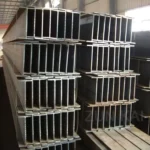

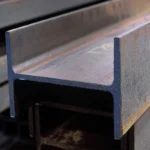
Description
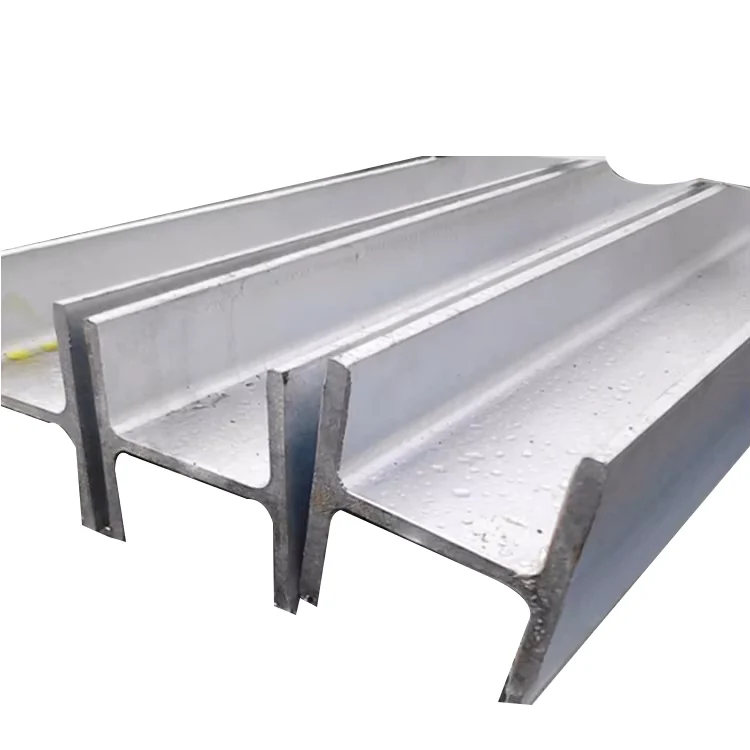
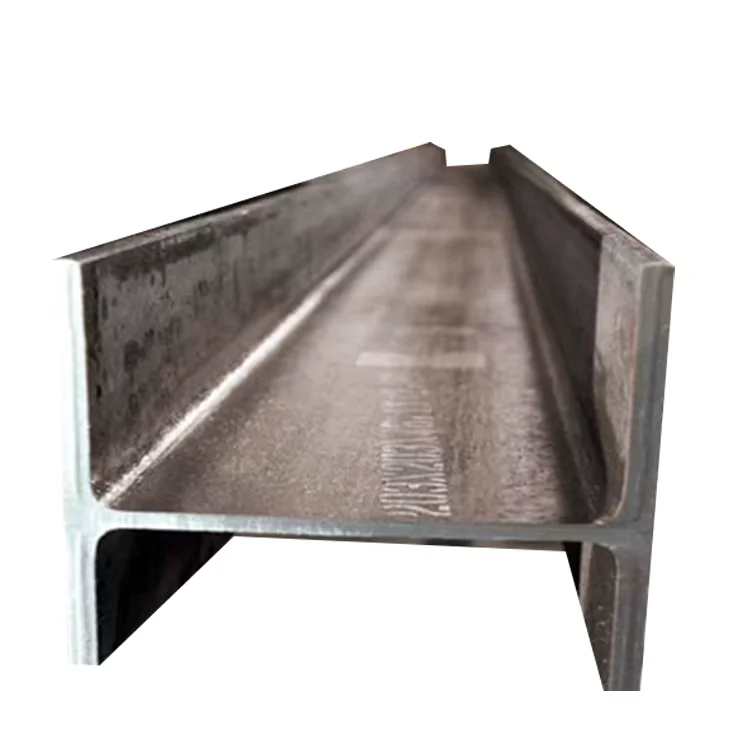
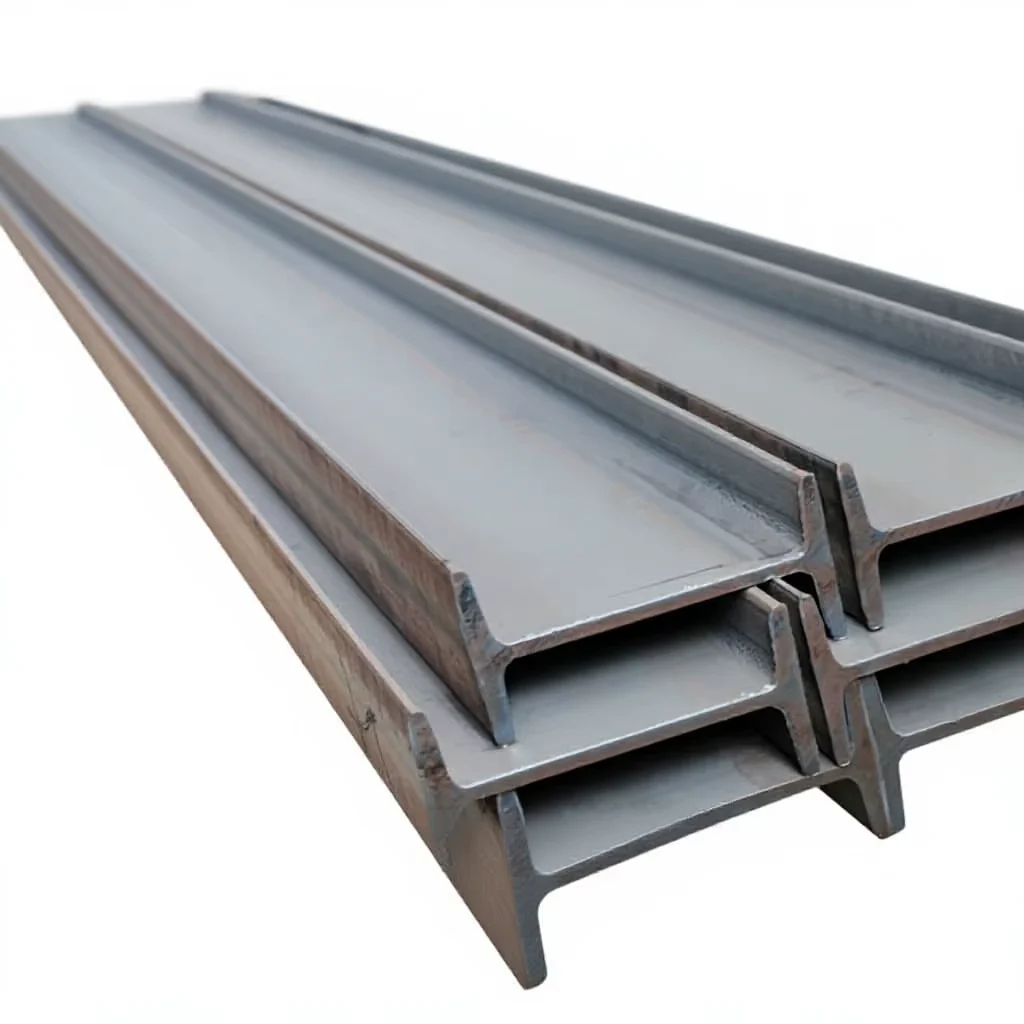
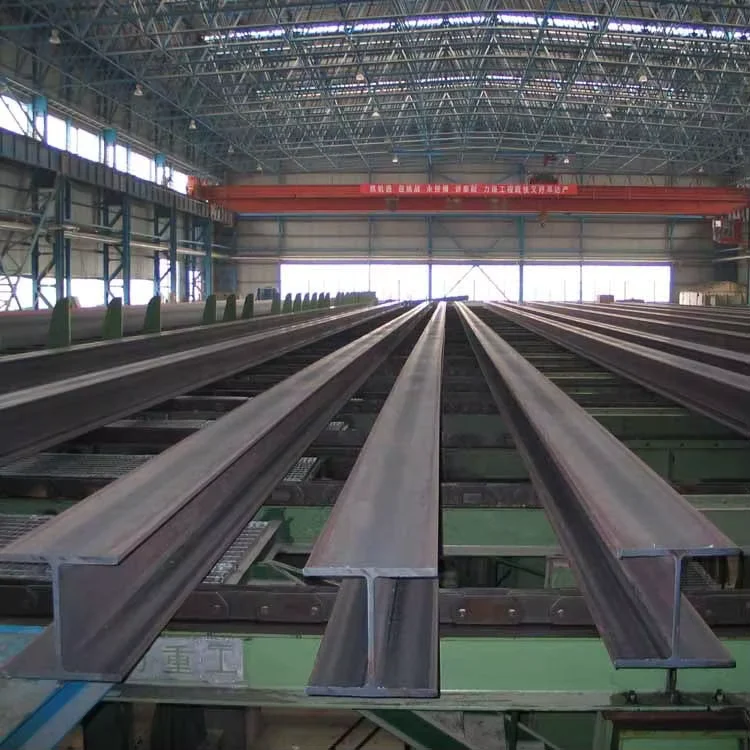
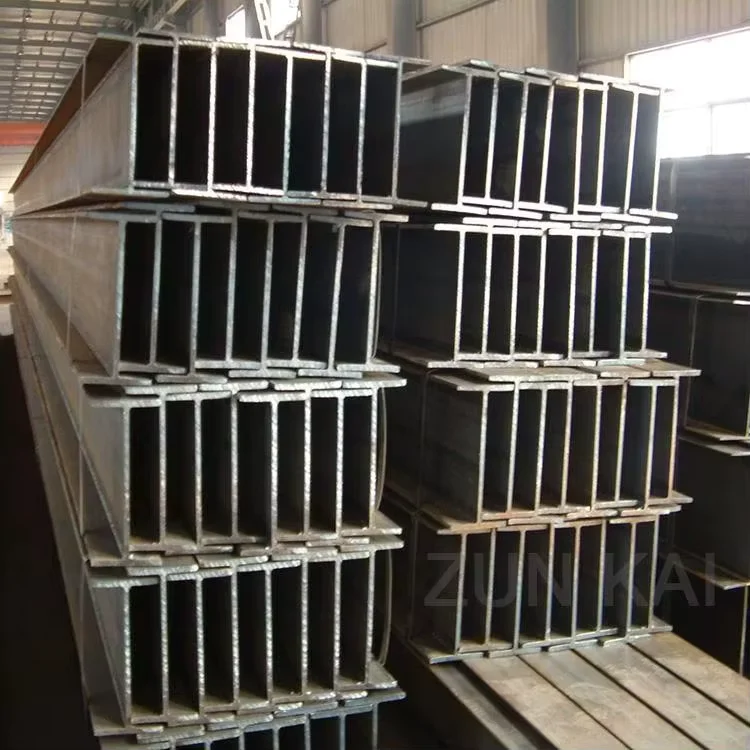
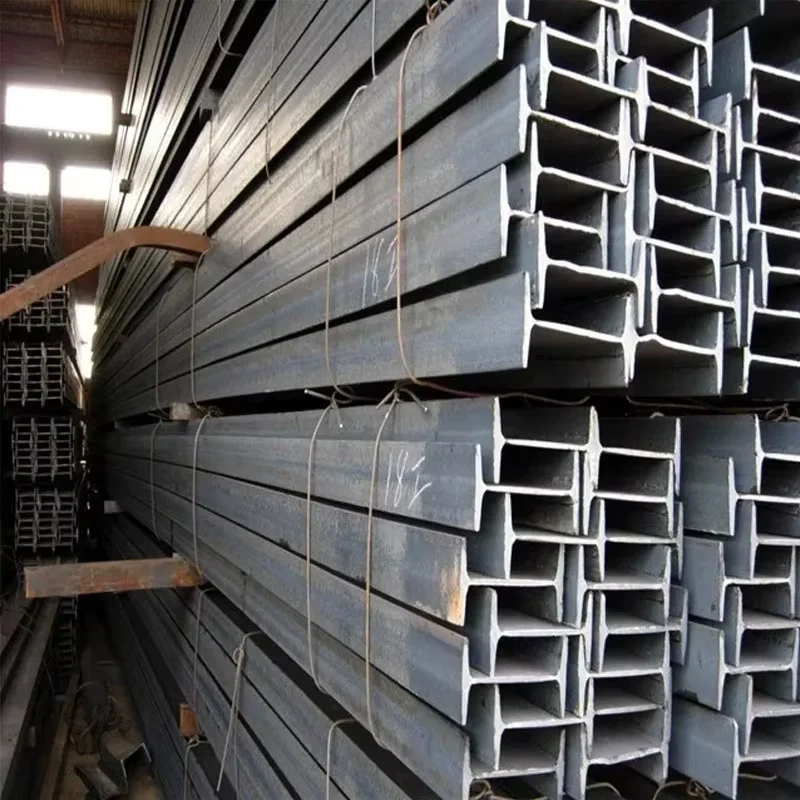
Factory-direct Q235B Q345 H-beams — Hot rolled sections shipped with full mill test certificates and third-party inspection support, eliminating middleman markups on structural steel procurement.
Technical Specifications
| Parameter | Value |
|---|---|
| Designation | Q235B/Q345 H-Beam |
| Product Type | H-beam |
| Steel Grade | Q235B, Q345 |
| Standard | ASTM |
| Section Shape | H-beam / I-beam |
| Flange Width | 50–1000 mm |
| Flange Thickness | 7–20 mm |
| Web Width | 100–588 mm |
| Web Thickness | 5–12 mm |
| Length | 6–12 m |
| Technique | Hot Rolled |
| Tolerance | ±1% |
| Ends | Plain |
| Processing Service | Bending, Welding, Decoiling, Punching, Cutting |
| Application | Steel warehouse fabrication, Construction, Steel structure, Building frames, Industrial platforms |
| MOQ | 1 Ton |
| Origin | China |
Application Suitability
| Industry | Typical Applications |
|---|---|
| Steel Warehouse Fabrication | Primary column and rafter framing, mezzanine support beams, crane runway girders |
| Construction | Multi-story building frames, load-bearing wall studs, roof truss members |
| Steel Structure | Portal frame systems, bracing members, moment-resisting connections |
| Industrial Platforms | Equipment support structures, walkway grating beams, pipe rack frameworks |
What Flange Thickness Mismatches Cost on a Warehouse Build
A 2 mm deviation in flange thickness can reject an entire container at customs or fail structural inspection on-site.
I once coordinated a steel warehouse project in Jakarta where the delivered H-beam flange thickness didn’t match the mill test certificate. Third-party re-inspection flagged the discrepancy, and the entire shipment sat at the port for three weeks while the contractor scrambled for replacement material. The工期 delay cascaded into crane rental overruns and subcontractor standby costs — all traceable to a supplier who skipped pre-shipment dimensional checks.
When sourcing a Q235B Q345 hot rolled H-beam supplier, dimensional accuracy isn’t just a spec sheet detail. It determines whether your frames plumb correctly, whether moment connections develop full strength, and whether your engineer signs off before concrete pours. [NEED_CITE: dimensional tolerance requirements for hot rolled structural steel sections]
How Hot Rolled H-Beams Fit Structural Frame Requirements
Hot rolled Q235B and Q345 sections deliver consistent grain structure along the full cross-section, making them suitable for primary load-bearing members in warehouse frames and industrial buildings. The ±1% tolerance on flange and web dimensions ensures that bolted end-plate connections and welded moment joints achieve design assumptions without field reaming or shimming. For steel structure fabricators, the 6–12 m length range covers typical bay spacing, while on-site cutting and punching services reduce secondary processing time. A Q235B Q345 hot rolled H-beam supplier providing full processing services means sections arrive weld-ready with beveled edges per your connection drawings.
Structural Code Compliance and Grade Selection
Hot rolled H-beams in Q235B and Q345 grades align with ASTM specifications for general structural applications, supporting compliance with AISC 360 and EN 1993 design frameworks. Q235B offers adequate strength for secondary framing and bracing, while Q345 provides higher yield capacity for primary columns and long-span rafters where deflection control matters. For projects requiring third-party verification, SGS or BV inspection confirms chemical composition and mechanical properties before shipment. The ±1% dimensional tolerance meets standard mill practice for hot rolled sections, ensuring that section modulus and moment of inertia values used in structural calculations remain valid. [NEED_CITE: ASTM A6 standard requirements for hot rolled structural steel shapes]
Understanding Q235B vs Q345 Grade Selection
The Q-series grading system designates minimum yield strength in MPa — Q235B targets 235 MPa yield, while Q345 reaches 345 MPa, representing a 47% capacity increase for the same cross-section. This matters when column sizing drives architectural constraints or when seismic design requires higher ductility. Both grades maintain good weldability with standard E43 or E50 electrodes, though Q345’s higher carbon equivalent may require preheat on thick flanges above 20 mm. Hot rolling produces a normalized microstructure through controlled cooling, eliminating the residual stresses that cold-formed sections carry. For warehouse frames where columns see combined axial and bending loads, Q345’s higher strength-to-weight ratio reduces section sizes and foundation loads.
Hidden Costs of Unverified H-Beam Procurement
Ordering structural H-beams without mill test certificates or third-party inspection creates downstream risk across the entire project timeline. Material arriving with incorrect grade markings fails structural review, forcing either costly re-testing or complete replacement. Flange thickness outside tolerance means connection plates don’t bear fully, requiring field modifications that compromise design assumptions. For international shipments, missing or fraudulent documentation blocks customs clearance, leaving containers demurrage at port while the buyer negotiates with suppliers who’ve already been paid. [NEED_CITE: consequences of non-conforming structural steel in construction projects]
Why Source H-Beams from SD XJY Pipe
Every batch of Q235B and Q345 H-beams undergoes dimensional and chemical verification in our in-house physical and chemical laboratory before release. We provide full mill test certificates documenting heat number traceability, chemical composition, and mechanical properties per ASTM requirements. For buyers needing third-party confirmation, we arrange SGS or BV inspection at our facility, with reports issued before container loading. Our processing services — cutting to exact lengths, welding bevel preparation, and hole punching per connection drawings — reduce your fabrication time and material waste. Professional container loading with anti-damage measures prevents bending and surface defects during ocean transit, ensuring sections arrive job-ready.
Documentation & Compliance
- Mill test certificate documenting Q235B/Q345 chemical composition and mechanical properties per ASTM standards, with heat number traceability for each bundle
- SGS or BV third-party inspection report confirming dimensional accuracy and surface quality before shipment
- ISO 9001:2015 quality management certification covering hot rolled H-beam production and testing procedures
- Material traceability records linking each piece to specific heat numbers and rolling schedules
- Complete customs documentation including packing list, bill of lading, and certificate of origin for destination clearance
Packaging, Loading & Delivery
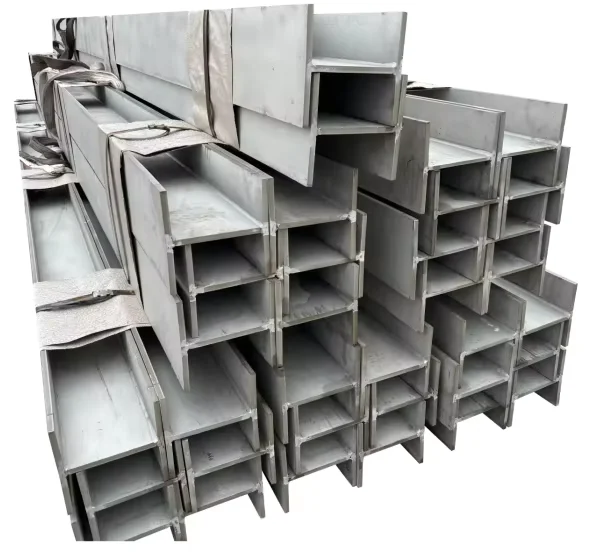
- Hot rolled Q235B/Q345 H-beams bundled with steel strips at intervals preventing shift during ocean transit, with edge protectors on flanges to prevent damage
- Sections sorted by size and length within each bundle, with heat number stenciled on each piece for on-site traceability
- Container loading optimized for 6 m and 12 m lengths, with timber dunnage separating layers to prevent surface contact and corrosion
- Custom cutting to exact project lengths available, reducing on-site waste and handling for warehouse frame fabrication
- FOB, CIF, and DDP shipping terms available, with professional loading supervision ensuring weight distribution and securing per maritime standards
Getting Your H-Beam Quote Started
Submit your H-beam specifications — including flange width, web dimensions, length requirements, and total tonnage — along with your destination port. We respond within 12 hours with pricing, mill test certificate samples, and typical production lead times. For projects requiring custom lengths or processing services, share your connection drawings and we confirm cutting, punching, and beveling capabilities before contract.
Request Your H-Beam Specification Review
Send your Q235B/Q345 H-beam requirements with dimensions, quantities, and destination to receive pricing and mill test certificate documentation.
Contact SD XJY Pipe
Mobile/WhatsApp/WeChat: +86 188 5315 7756
Email: admin@sdxjypipe.com
Website: www.sdxjypipe.com
Frequently Asked Questions
Q: What is the difference between Q235B and Q345 grades for H-beam applications?
A: Q235B provides 235 MPa minimum yield strength suitable for secondary framing and bracing members, while Q345 offers 345 MPa yield for primary columns and long-span rafters where higher load capacity is required. Both grades maintain good weldability for structural fabrication.
Q: Can you provide mill test certificates and third-party inspection for H-beams?
A: Yes, every batch includes mill test certificates documenting chemical composition and mechanical properties with heat number traceability. We also arrange SGS or BV third-party inspection at our facility before shipment, with full reports provided.
Q: What processing services are available for hot rolled H-beams?
A: We offer cutting to exact project lengths, welding bevel preparation per your connection drawings, hole punching for bolted connections, and bending services. These reduce your fabrication time and material waste at the workshop.
Q: What is the typical production lead time for standard and custom H-beam sizes?
A: Standard sizes in Q235B and Q345 grades typically ship from stock or within short production cycles. Custom lengths or processing services require additional time for cutting and preparation, with specific timelines confirmed upon order placement.
Q: How do you ensure H-beams arrive without damage during international shipping?
A: Sections are bundled with steel strips at proper intervals, sorted by size and length, and loaded with timber dunnage separating layers. Flange edge protectors prevent damage, and professional loading supervision ensures weight distribution and securing per maritime transport standards.