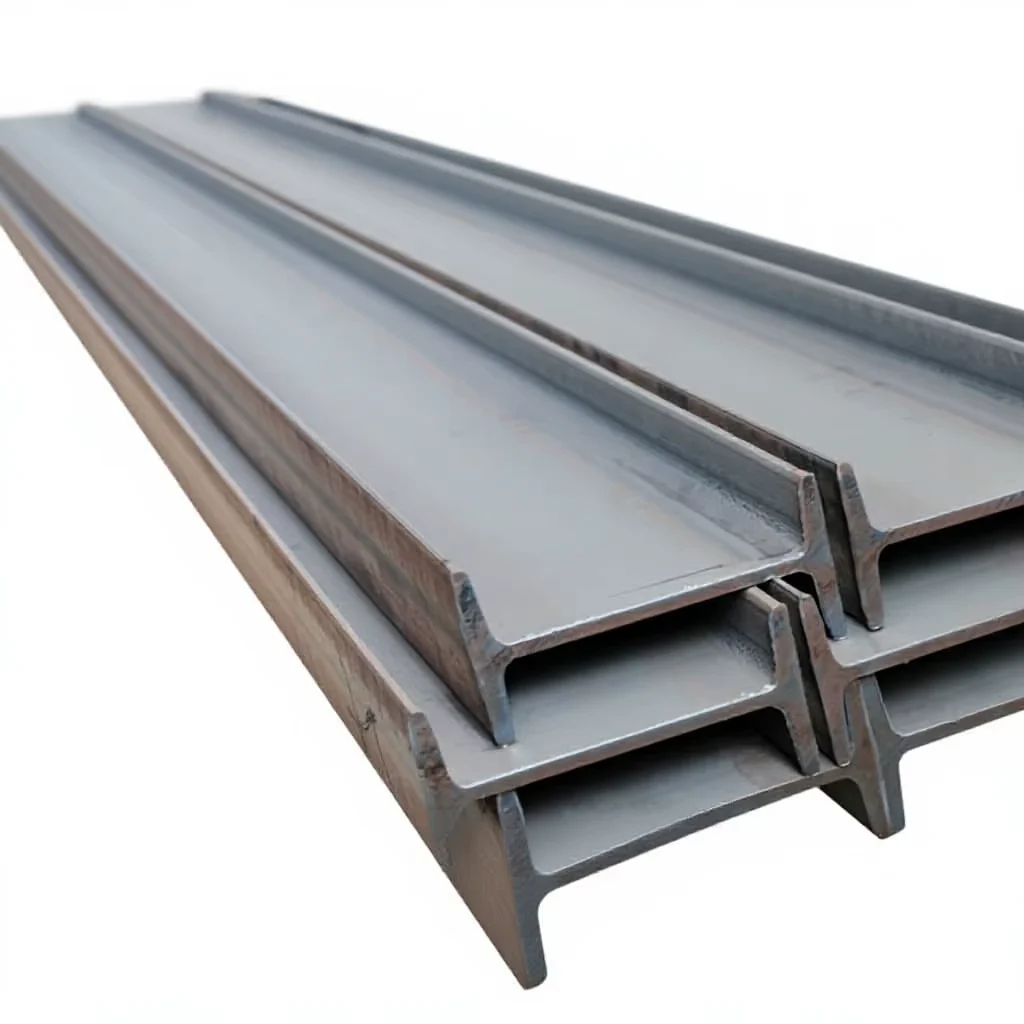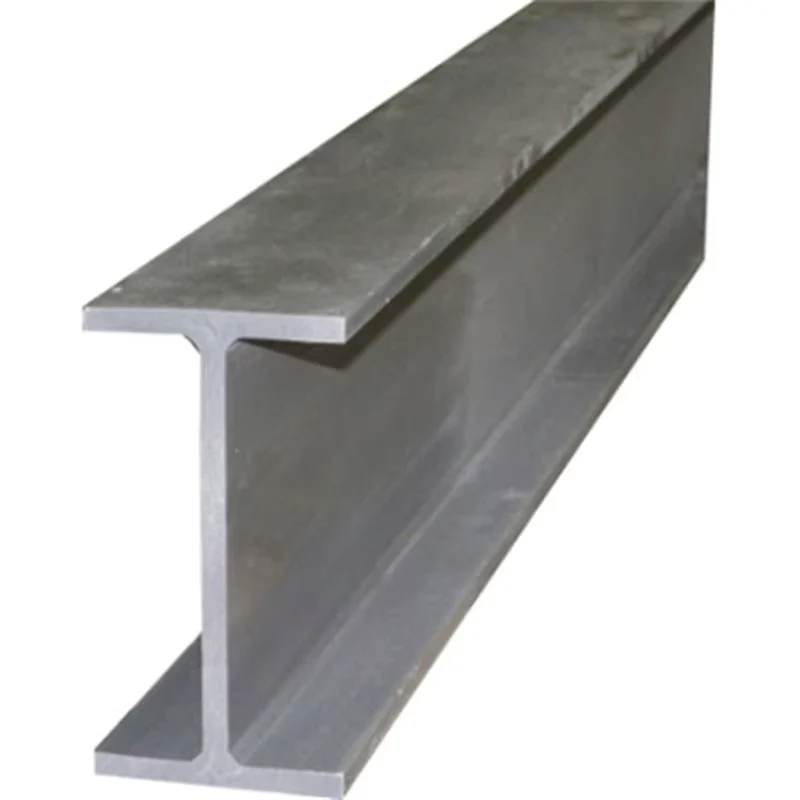
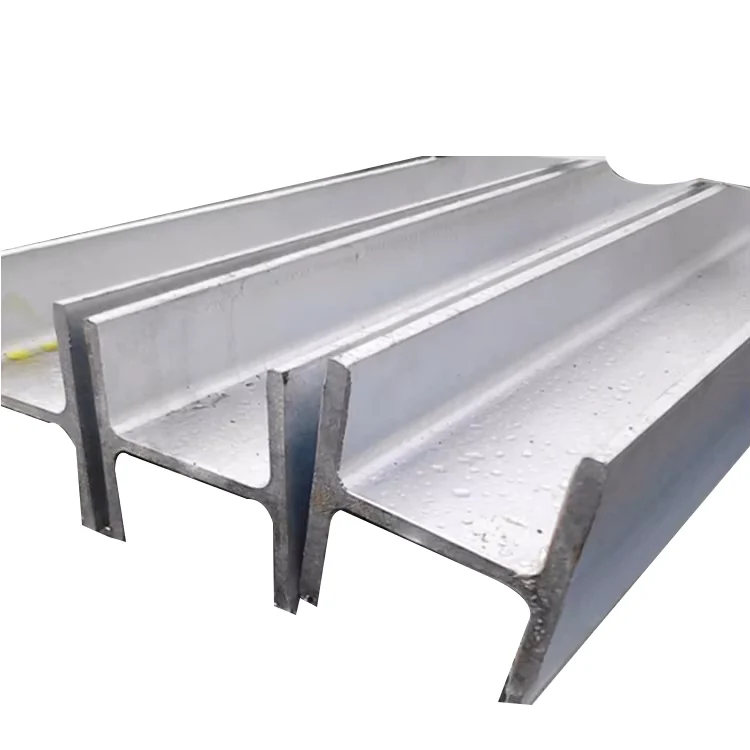

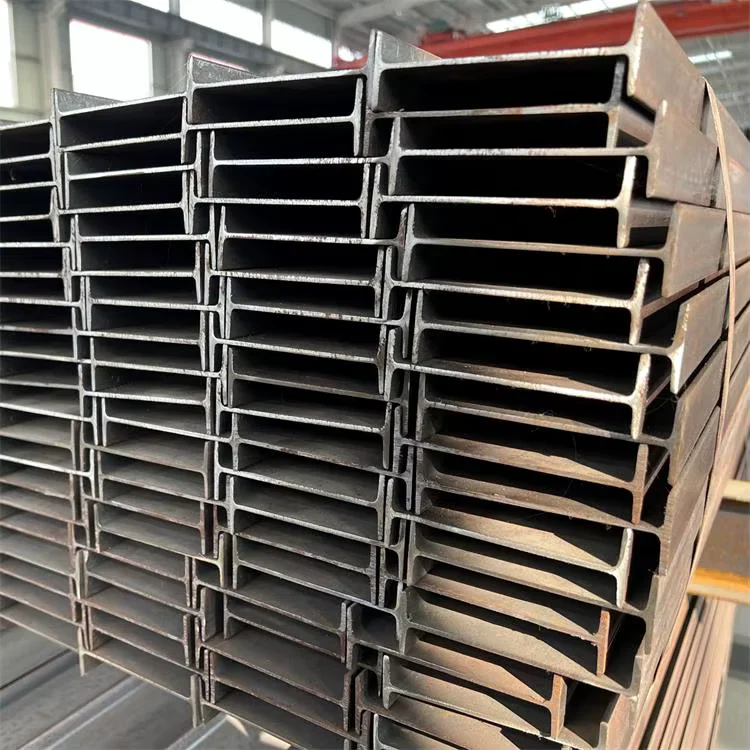



Description
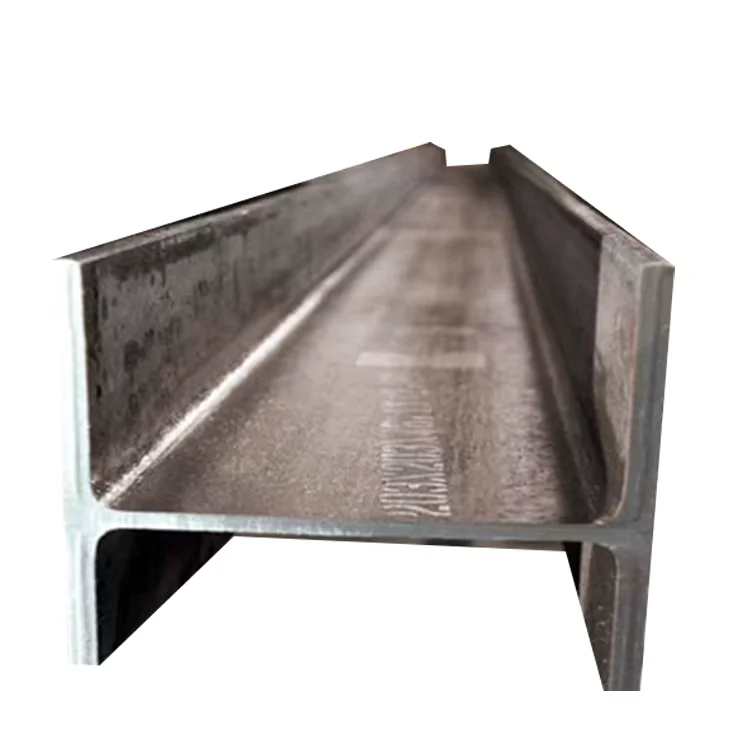
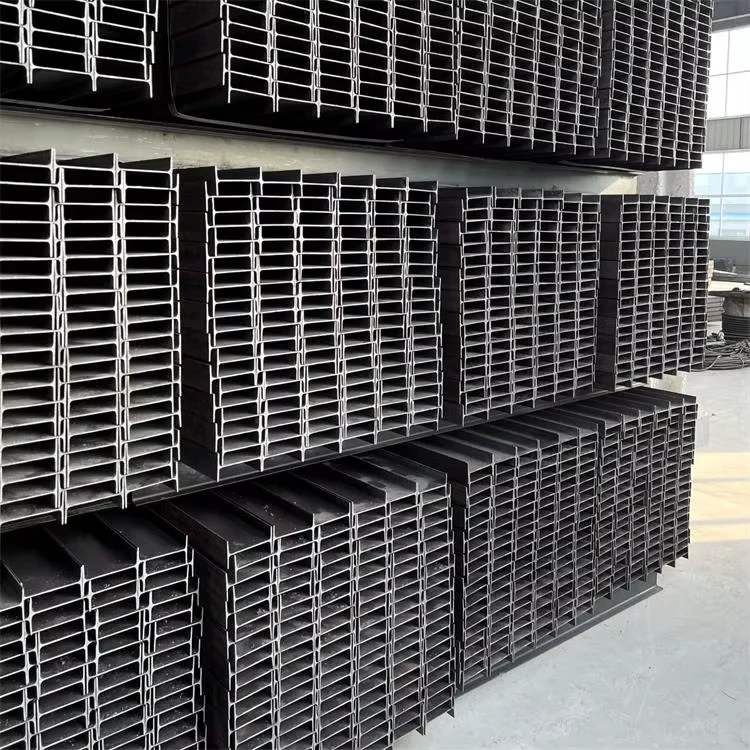
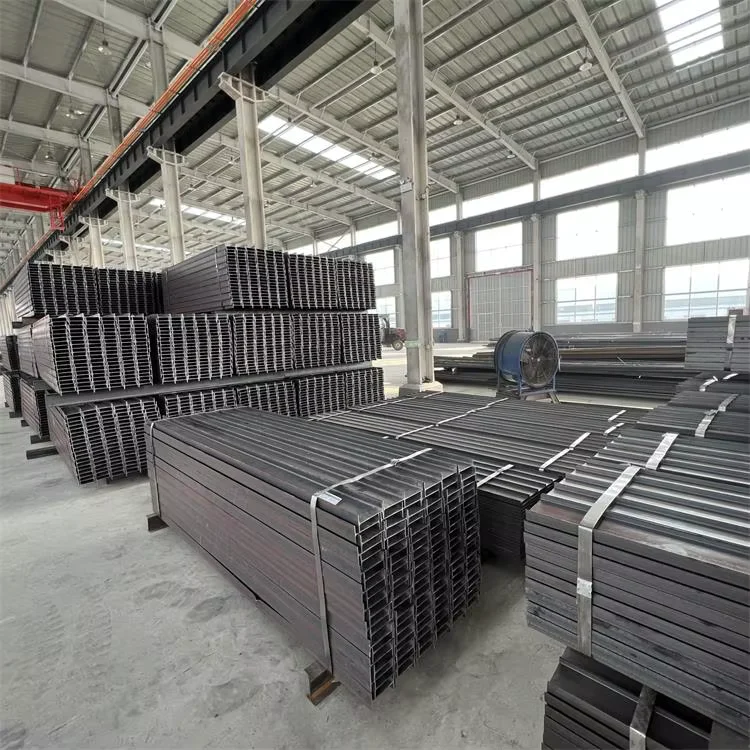
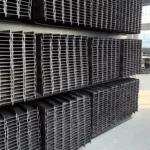
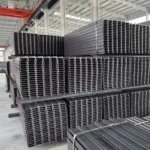
Factory-Direct Hot Rolled H-Beam Supply — Every S235JR H-beam leaves our Jinan mill with in-house lab test reports and heat-number traceability, cutting out trading margins on structural steel orders.
Technical Specifications
| Parameter | Value |
|---|---|
| Designation | S235JR H-Beam |
| Product Type | H-Beam |
| Steel Grade | S235JR, A36, S275JR, SS400, Q235 |
| Standard | GB, JIS G3192 |
| Section Shape | H-Section (HEA / HEB / IPE / HW / HM / HN series) |
| Flange Width | 50–300 mm |
| Flange Thickness | 5–30 mm |
| Web Width | 100–800 mm |
| Web Thickness | 5–25 mm |
| Length | 6–19 m |
| Technique | Hot Rolled |
| Surface Treatment | Natural Surface (optional hot dip galvanizing or spraying) |
| Tolerance | ±1% |
| Ends | Plain |
| Processing Service | Bending, Cutting |
| Invoicing | By Theoretical Weight |
| Application | Building frames, Bridges, Industrial platforms, Supporting system construction works, Commercial buildings |
| Origin | Shandong, China |
Application Suitability
| Industry | Typical Applications |
|---|---|
| Steel Structure Fabricators | Primary columns and rafters for warehouse frames, mezzanine floor beams, equipment support gantries |
| Construction Companies & Contractors | Load-bearing frames for commercial buildings, multi-storey car parks, airport terminal structures |
| Bridge & Infrastructure Engineers | Cross-beams and pile caps for highway overpasses, pedestrian bridge girders, retaining wall supports |
| Industrial Platform Builders | Conveyor support structures, crane runway beams, pipe rack frameworks in petrochemical plants |
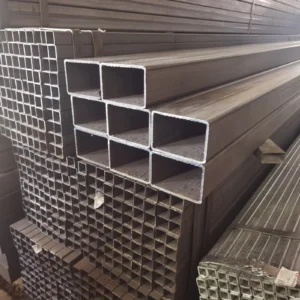
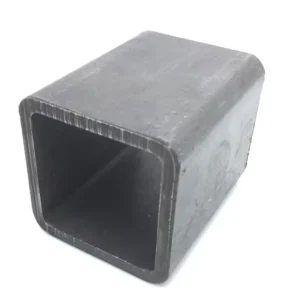
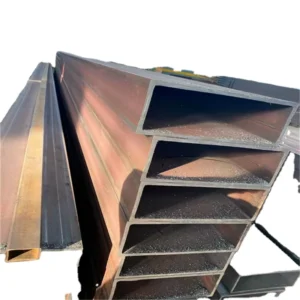
| EPC & Belt & Road Projects | Integrated structural steel packages combining H-beams with square tubes and section steel for overseas construction sites |
What Negative Tolerance on Web Thickness Really Costs a Steel Frame Order
A fraction of a millimetre under-spec on web thickness shifts invoicing weight, load calculations, and customs classification all at once.
When procurement teams order S235JR H-beam sections for EU-regulated projects, the first surprise is often that the theoretical weight on the mill certificate does not match the scale weight at destination — because negative tolerance on web and flange thickness is permitted within standards [NEED_CITE: EN 10162 cold-formed steel section tolerance limits]. If the actual tolerance drifts beyond the ±1% range we guarantee, the beam may still pass visual inspection but fail dimensional checks during third-party re-inspection, triggering rejection at the port or costly re-measurement claims after delivery. Grade confusion compounds the problem: a drawing calling for S235JR can be misread as A36 or SS400 if the supplier does not provide a clear cross-reference table, and the wrong mill test certificate means the container never clears customs [NEED_CITE: steel grade equivalence between EN 10025 and ASTM A36 standards].
How Hot Rolled S235JR H-Beam Sections Match Structural Frame Requirements
Hot rolled S235JR H-Beam steel supplier profiles are produced to JIS G3192 dimensional standards with ±1% tolerance across flange and web, giving fabricators predictable section modulus for moment and shear calculations. The wide flange geometry (50–300 mm) distributes load more efficiently than equivalent-weight I-beams, while lengths up to 19 m reduce the number of site splices on long-span commercial buildings and bridge girders. For projects in coastal or industrial-corrosion zones, we offer hot dip galvanizing as an optional surface treatment, extending service life without adding field-coating labour costs.
Engineering Compliance Across EN, ASTM, and JIS Frameworks
Structural engineers specifying H-beams for EU projects typically reference EN 1993 design rules, which require mill test certificates conforming to EN 10204 3.1 or 3.2 — our in-house physical and chemical laboratory issues MTCs for every heat, and third-party SGS or BV inspection can be arranged before loading [NEED_CITE: EN 10204 inspection document types for steel products]. For North American tenders, A36 grade H-beams are supplied with ASTM-equivalent chemistry and mechanical reports, while JIS G3192 governs dimensional acceptance for SS400 orders destined for Southeast Asia and Japan-linked EPC contracts. The choice between natural surface, hot dip galvanizing, or spray coating depends on the corrosion category of the installation environment, and our technical team advises on the most cost-effective option during the quotation stage.
Steel Grade Selection and Hot Rolling Process Explained
S235JR, S275JR, and Q235 represent the entry-level structural grades across EN, GB, and legacy Commonwealth specifications — all offering adequate yield strength for general building frames and industrial platforms where dynamic loading is limited. Moving to S275JR or SS400 increases the minimum yield point, allowing designers to reduce section size and save weight on long-span beams, though the trade-off is slightly lower ductility and formability during on-site bending. Hot rolling at high temperature produces a uniform grain structure through the web and flange junction, giving H-beams superior torsional stiffness compared to cold-formed alternatives of the same weight. The natural mill scale surface is suitable for indoor or painted applications, while hot dip galvanizing provides a zinc layer tested to resist salt spray exposure for harsh outdoor environments.
Hidden Costs of Ordering H-Beams Without Verified Mill Certificates
Pricing that looks attractive on paper often hides negative tolerance beyond standard limits, missing CE marks, or grade substitutions that fail structural audit.
A container of H-beams arriving without EN 10204 3.1 mill test certificates cannot be legally installed on EU-regulated construction sites, regardless of whether the steel itself is sound — the documentation gap alone triggers customs holds and project delays [NEED_CITE: CE marking requirements for structural steel under EN 1090]. Similarly, if web thickness tolerance exceeds the declared ±1%, the invoiced theoretical weight overstates delivered tonnage, and the buyer absorbs the loss unless a pre-shipment third-party inspection catches the discrepancy. Replacing rejected beams after the container has left the port costs multiples of the original freight, and re-engineering a frame to compensate for under-spec sections is rarely an option once fabrication has begun.
Why Procurement Teams Choose SD XJY Pipe as Their S235JR H-Beam Steel Supplier
We operate three dedicated production lines in Jinan covering over 2,800 specifications of tubes and section steel, so H-beam orders can be consolidated with square tubes, channels, and angle bar in a single shipment — eliminating the coordination overhead of multi-supplier procurement. Every heat is tested in our in-house physical and chemical laboratory before release, and the resulting mill test certificate travels with the cargo, not as an afterthought email attachment. Our full certification package — ISO 9001:2015, Lloyd’s CE under EN 10210/10219, and Singapore FPC — clears customs across the EU, Middle East, and Southeast Asia without supplementary paperwork. Custom non-standard lengths and cut-to-size bending services reduce on-site waste, while our container loading team uses purpose-built cradles and edge protectors to prevent flange deformation during ocean transit to destinations across 50+ countries.
Documentation & Compliance
- Mill Test Certificate documenting S235JR chemical composition and mechanical properties per EN 10025-2, issued per heat number from our in-house laboratory
- CE certificate under EN 10210/10219 for structural hollow sections and H-beams exported to EU member states, issued by Lloyd’s Register
- ISO 9001:2015 quality management certificate covering the full production and inspection workflow at our Jinan facility
- SGS or BV third-party inspection report available on request, covering dimensional checks, visual surface assessment, and witness testing before container sealing
- Material traceability by heat number stamped on each beam end, cross-referenced to the corresponding mill test certificate
- Complete customs export documentation including packing list, bill of lading, and certificate of origin for destination-country clearance
Packaging, Loading & Delivery
- Hot rolled S235JR H-beams bundled with high-tensile steel strips at intervals matched to the 6–19 m length range, preventing bundle shift during crane handling
- Natural surface beams coated with anti-rust oil at the mill; galvanized H-beams shipped with plastic edge protectors to preserve the zinc coating against saltwater exposure
- Container loading optimized by our dedicated team using timber cradles and welded steel frames inside 20ft and 40ft open-top containers, preventing flange bending on heavy-wall HEB sections
- Cut-to-length bending and sawing services available before dispatch, reducing on-site cutting waste for steel structure fabricators working to 6 m module grids
- Heat number and steel grade stencilled on both flange faces of every beam, enabling rapid identification during unloading and site storage
- FOB, CIF, and DDP shipping terms available from Qingdao port, with full tracking and door-to-door coordination for EPC project sites across the Middle East and Southeast Asia
Getting Your S235JR H-Beam Quotation Started
Send us the section designation (HEA / HEB / IPE / HW / HM / HN), steel grade, total tonnage or piece count, and destination port — we return a detailed quotation with unit price, lead time, and shipping terms within 12 hours. Non-standard dimensions, cut-to-length requirements, and third-party inspection requests are confirmed at the same stage, so there are no surprises after the deposit is paid.
Request Your S235JR H-Beam Quote and Mill Test Certificate Today
Submit your section sizes, steel grade, and quantity to receive a factory-direct quotation with full certification documentation.
Shandong Xin Jiyuan Special Steel Tube Co., Ltd
Website: www.sdxjypipe.com
Tel: +86 531 8573 6315
Mobile/WhatsApp/WeChat: +86 188 5315 7756
Email: admin@sdxjypipe.com
Address: No.11889, Jingshi West Road, Lulian Group, Jinan City, Shandong Province, China
Frequently Asked Questions
Q: How do S235JR, A36, S275JR, SS400, and Q235 compare across EN, ASTM, JIS, and GB standards?
A: These grades represent equivalent structural steel classifications across different international standard systems — S235JR (EN 10025), A36 (ASTM), SS400 (JIS G3101), and Q235 (GB/T 700) all serve general construction and industrial framing applications, with S275JR offering a higher minimum yield strength for long-span or heavily loaded beams. We provide a full cross-reference table with every quotation so procurement teams can confirm equivalence before placing orders.
Q: Can you provide mill test certificates and arrange third-party inspection before shipment?
A: Yes — every shipment of S235JR H-beam includes an EN 10204 3.1 mill test certificate issued by our in-house laboratory, documenting chemical composition and mechanical properties per heat number. SGS or BV third-party inspection can be arranged at our facility before container loading, covering dimensional verification, visual surface checks, and witness testing.
Q: Do you accept non-standard H-beam dimensions and what is the minimum order quantity?
A: We produce custom non-standard H-beam sizes beyond the standard HEA/HEB/IPE/HW/HM/HN ranges, including special flange widths, web heights, and cut-to-length requirements. Minimum order quantity depends on the section size and whether the dimension is rolled to order or adapted from existing stock — contact us with your drawing or specification for a precise MOQ confirmation.
Q: When should I specify hot dip galvanizing versus natural surface versus spray coating?
A: Natural surface with mill anti-rust oil suits indoor applications or projects where the H-beams will be painted on site. Hot dip galvanizing is recommended for outdoor structures, coastal environments, or industrial corridors where long-term corrosion resistance is critical and field maintenance is difficult. Spray coating offers a middle ground for projects requiring specific colour matching or chemical-resistant finishes.
Q: How is invoicing calculated and what tolerances apply to web and flange thickness?
A: S235JR H-beams are invoiced by theoretical weight calculated from the nominal dimensions listed in JIS G3192, not actual scale weight. Our production tolerance is held to ±1% on web and flange thickness, verified by in-house dimensional inspection before dispatch — if your project requires tighter tolerance or actual-weight invoicing, discuss this at the quotation stage so we can confirm feasibility.