
Description
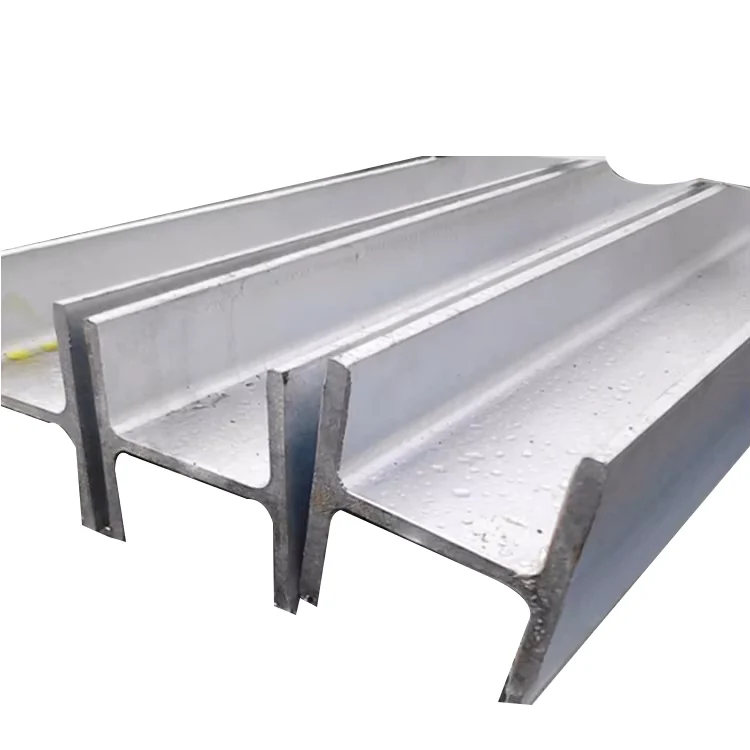
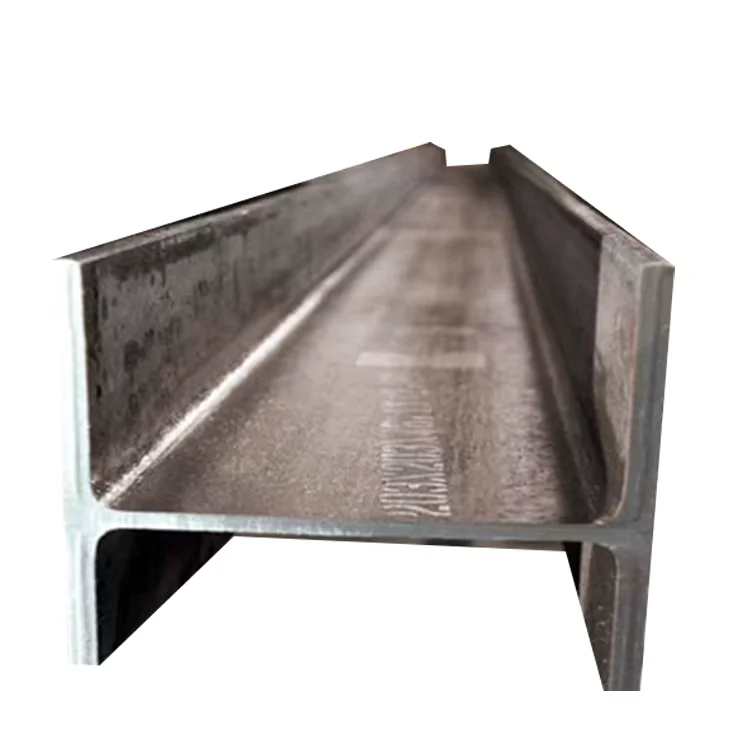
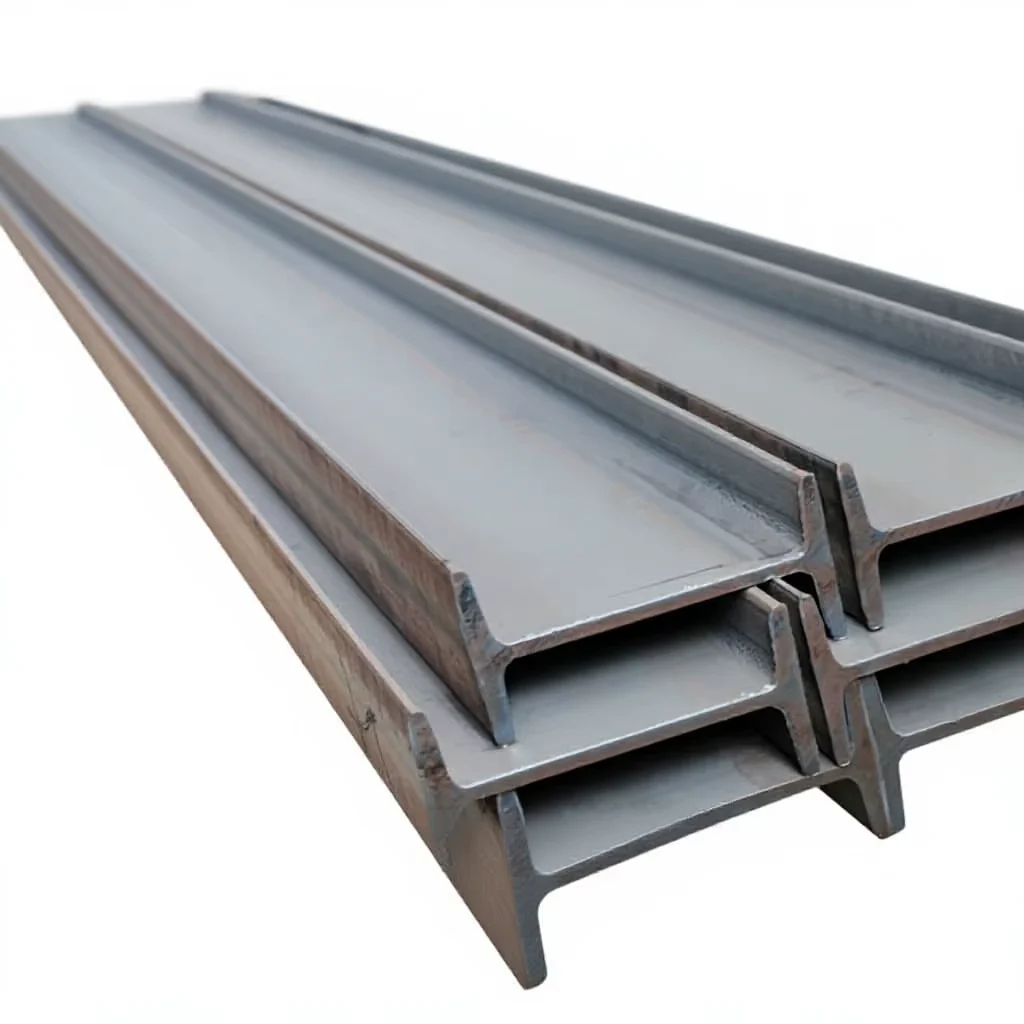
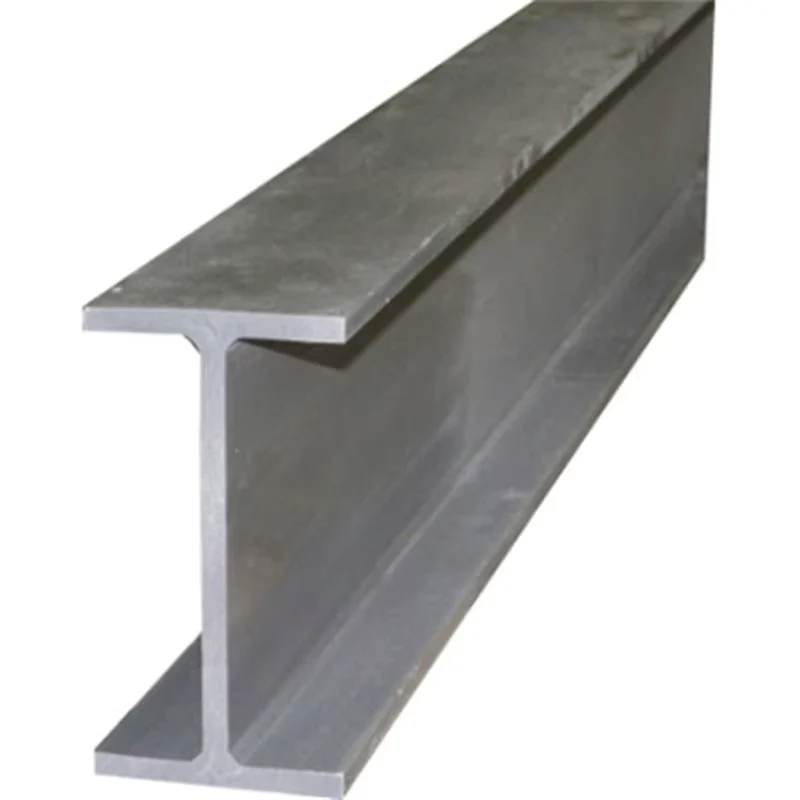
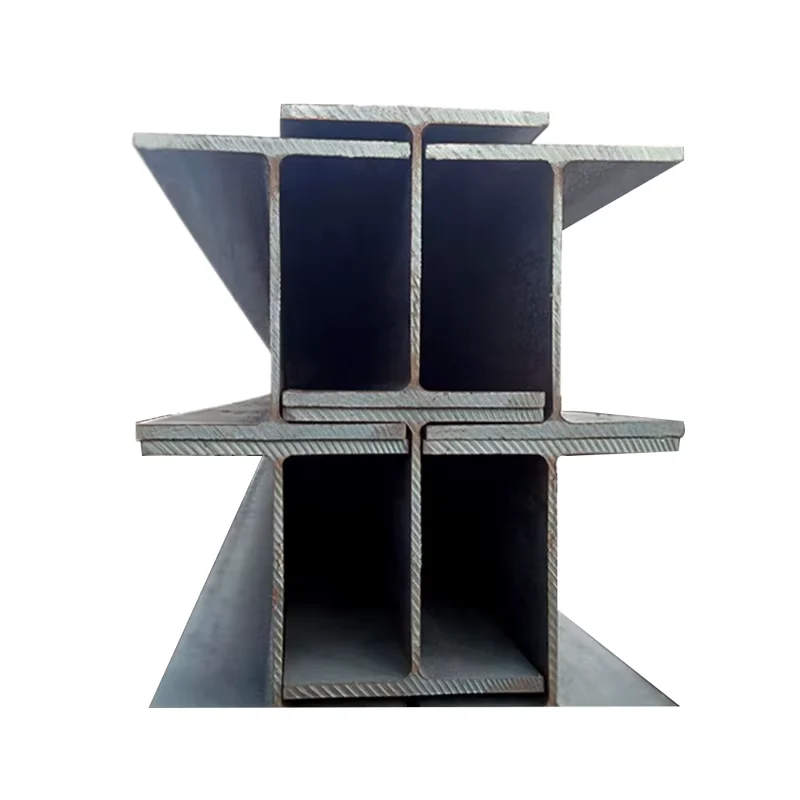
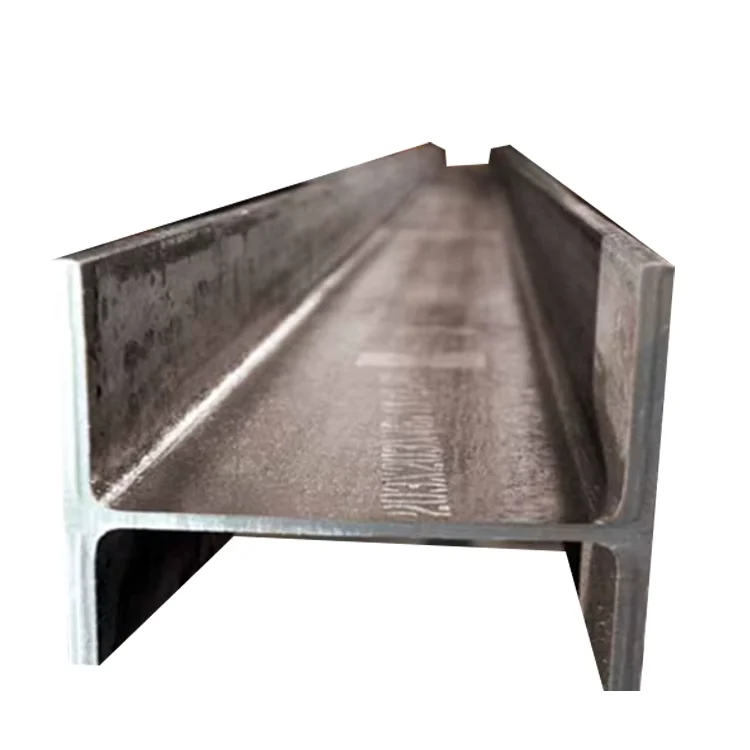
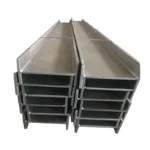
Full-Range H-Beam Supply Under One Roof — covering ASTM A36, SM400A, SM400B, Q235B, Q345B, S235JR, S355JR, and ASTM A572 with flange thickness up to 64mm and web width up to 900mm from a single mill source.
Technical Specifications
| Parameter | Value |
|---|---|
| Designation | ASTM A36 / SM400A / SM400B Structural H-Beam |
| Product Type | H-Beam / I-Beam |
| Steel Grade | Q235B, Q345B, SS400, ASTM A36, S235JR, S355JR, ASTM A572 |
| Standard | ASTM A36, JIS G3101 (SM400A/SM400B), EN 10025 (S235JR/S355JR), GB/T 11263, ASTM A572 |
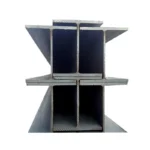
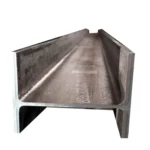
| Section Shape | H-Beam / I-Beam |
| Flange Thickness | 8mm–64mm |
| Web Thickness | 4.5mm–36.5mm |
| Web Width | 100mm–900mm |
| Length | 6m / 9m / 12m or as required |
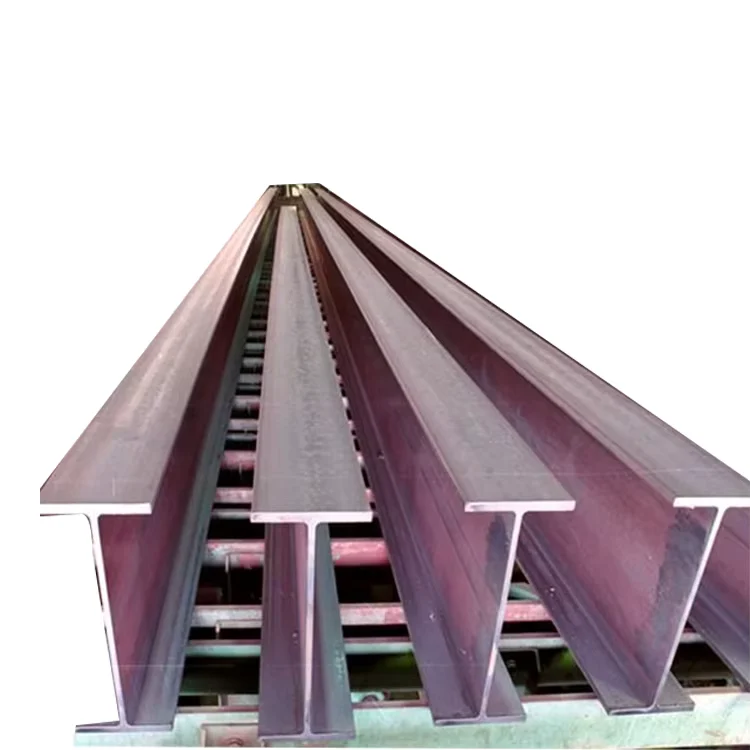
| Technique | Hot Rolled |
| Surface Treatment | Black / Galvanized / Painted |
| Tolerance | ±1% |
| Processing Service | Bending, Welding, Decoiling, Punching, Cutting |
| Origin | Shandong, China |
Application Suitability
| Industry | Typical Applications |
|---|---|
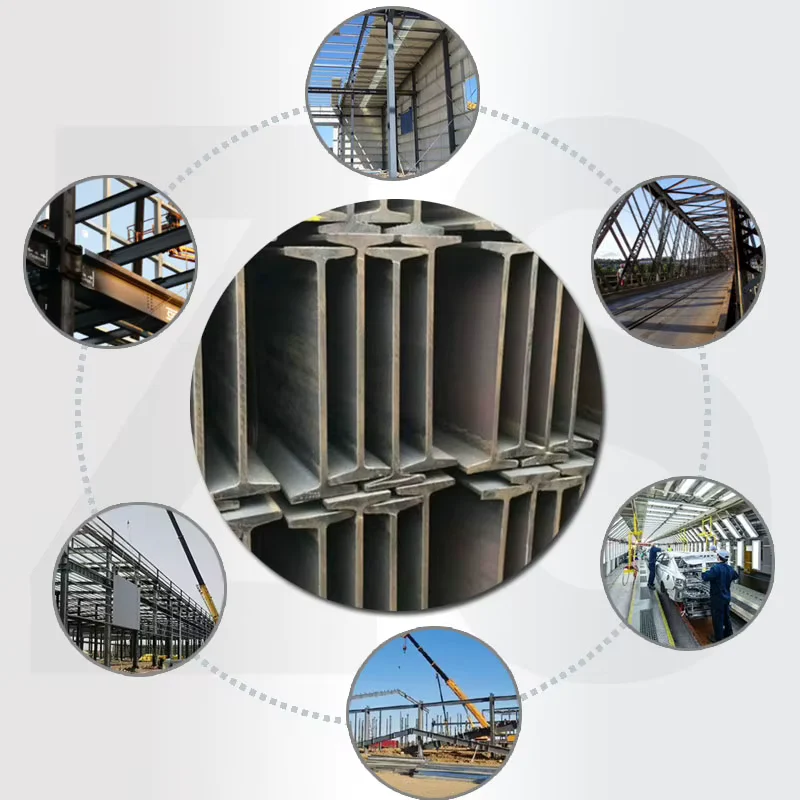
| Steel Structure Fabricators | Building frames, column-beam assemblies, portal frames for warehouses and factories |
| EPC Contractors & Infrastructure | Bridge girders, heavy-duty support columns, industrial platform frameworks |
| Construction Developers | High-rise structural skeletons, load-bearing wall systems, mezzanine floors |
| Machinery & Equipment Builders | Crane runways, conveyor support structures, heavy equipment bases |
Where Multi-Standard Grade Mapping Decides Whether Your Shipment Clears Customs
Mixing ASTM A36, SS400, and S235JR on one project without verified equivalence documentation creates customs holds and inspection rejections.
Ordering H-beams for a project that spans design specs from different regions — say ASTM A36 for the American-engineered section and S235JR for the European-designed portion — often leads to material mismatches at the mill. Suppliers without cross-standard mapping capability ship the wrong grade, and the receiving inspector flags the chemical composition deviation against EN 10025 or ASTM A36 requirements. The result is either costly re-melting or project delays while replacement beams are sourced. [NEED_CITE: steel grade equivalence between EN 10025 and ASTM standards]
Matching Beam Dimensions to Structural Load Paths
An ASTM A36 SM400A hot rolled structural H-beam supplier covering web widths from 100mm to 900mm and flange thicknesses from 8mm to 64mm allows engineers to select sections that match calculated bending moments and shear forces without resorting to built-up welded sections. For portal frame structures in industrial buildings, the wider flange sections (web width 300mm+) provide adequate lateral-torsional buckling resistance, while narrower sections serve as secondary purlins and girts. Hot rolled production with ±1% dimensional tolerance ensures that connection plates and end-plates fit without on-site grinding or reaming.
Engineering Compliance Across GB, JIS, EN, and ASTM Frameworks
Structural H-beams for international projects must satisfy the design code governing the specific jurisdiction — EN 1993 for European work, AISC 360 for American projects, and GB 50017 for Chinese-designed structures. The steel grade selection directly affects compliance: S355JR meets EN 10025-2 requirements for Charpy impact testing at 20°C, while ASTM A572 Grade 50 serves higher-strength applications in North American bridge construction. Surface treatment choice — black for indoor use, galvanized for corrosive environments, or painted for architectural exposure — must align with the project specification’s corrosion protection class. Third-party inspection by SGS or BV verifies chemical composition and mechanical properties before shipment, providing the documentation customs authorities and project owners require. [NEED_CITE: EN 10025 hot rolled structural steel product requirements]
Understanding Hot Rolled H-Beam Production and Grade Selection
Hot rolling shapes the steel billet at temperatures above the recrystallization point, producing the H-profile in a single pass through the universal mill stands. This process creates favorable grain flow along the web-flange junction, delivering better structural integrity than welded built-up sections for standard sizes. The Q-series grades (Q235B, Q345B) follow Chinese GB standards where the number indicates minimum yield strength in MPa; SS400 and SM400A/SM400B follow JIS G3101 and G3106 respectively, with SM grades offering improved weldability for structural applications. ASTM A36 remains the baseline carbon structural steel in North America, while S235JR and S355JR represent the European EN 10025 system with guaranteed impact toughness. ASTM A572 covers high-strength low-alloy grades for applications requiring higher strength-to-weight ratios. Surface treatment selection depends on the service environment: black finish suits indoor or buried applications, hot-dip galvanizing provides sacrificial zinc protection for outdoor or marine environments, and painted finishes offer aesthetic control with primer systems matched to the exposure category.
The Hidden Cost of Unverified Material Certificates
Accepting H-beams without proper mill test certificates or with certificates that don’t match the actual heat number creates downstream liability when structural engineers sign off on load calculations. A beam stamped S355JR but actually delivering S235JR chemistry fails the yield strength requirement under EN 10025, forcing either structural redesign or complete beam replacement after installation. Missing CE marking blocks EU customs clearance entirely, while incorrect standard references on documentation trigger inspection holds at destination ports. [NEED_CITE: structural steel certification requirements for international trade]
Why Project Procurement Teams Source H-Beams From Jinan
Our in-house physical and chemical laboratory tests every heat for composition and mechanical properties before release, generating mill test certificates that trace each beam to its production heat number. We maintain stock of common sizes in Q235B, Q345B, SS400, ASTM A36, S235JR, and S355JR while running custom rolling for non-standard dimensions — web widths beyond 400mm, flange thicknesses above 40mm, or lengths exceeding 12m. Full international certifications including ISO 9001:2015, Lloyd’s CE marking, and Singapore FPC allow our beams to enter regulated markets without documentation disputes. Our loading team develops custom bracing plans for each container, preventing the flange warping and surface damage that plagued our early export shipments to Southeast Asian high-rise projects. Professional container loading with anti-damage measures ensures beams arrive straight and undamaged, verified by pre-shipment photography and third-party inspection reports.
Documentation & Compliance
- Mill test certificate documenting Q235B/Q345B/SS400/ASTM A36/S235JR/S355JR chemical composition and mechanical properties per applicable standard
- CE certificate confirming compliance with EN 10025 for European market entry
- ISO 9001:2015 quality management system certificate covering hot rolled structural H-beam production
- SGS or BV third-party inspection report verifying dimensional accuracy and surface quality before shipment
- Material traceability by heat number linking each beam to its mill test certificate
- Complete customs documentation including packing list, bill of lading, and certificate of origin
Packaging, Loading & Delivery
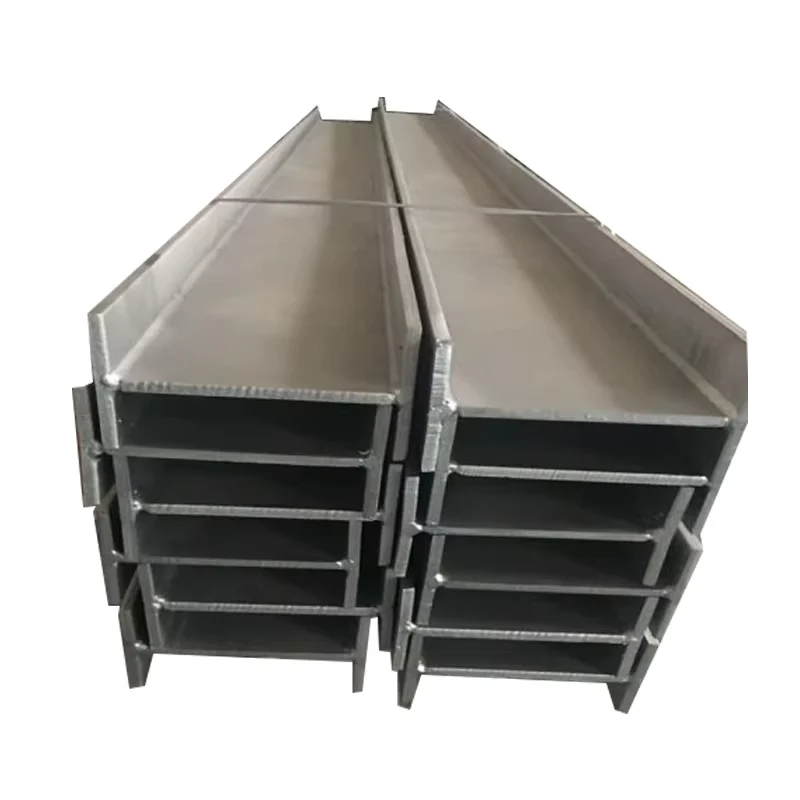
- Hot rolled H-beams bundled with high-tensile steel strips at intervals preventing bundle separation during crane handling
- Black finish beams coated with anti-rust oil before bundling to prevent surface corrosion during ocean transit
- Galvanized H-beams separated with rubber edge protectors to preserve zinc coating integrity during transport
- Container loading optimized for 6m/9m/12m lengths with custom timber bracing preventing longitudinal shift and flange damage
- Each beam marked with heat number, steel grade, and section dimensions for site identification and traceability
- Shipping terms available FOB, CIF, or DDP with door-to-door logistics coordination to project site
Starting Your H-Beam Procurement
Submit your beam schedule specifying section dimensions, steel grade, surface treatment, quantity, and destination port. We respond within 12 hours with pricing, mill test certificate samples, production lead time, and loading plan confirmation. For non-standard sizes or custom lengths, our engineering team provides fabrication drawings and tolerance confirmations before production begins.
Request Your H-Beam Quote With Mill Test Certificates
Send your beam schedule with section size, steel grade, quantity, and destination port to receive pricing and documentation samples.
Email: admin@sdxjypipe.com | WhatsApp: +86 188 5315 7756
Frequently Asked Questions
Q: How do Q235B, SS400, ASTM A36, and S235JR compare across different standards?
A: These grades represent equivalent carbon structural steel categories across Chinese GB, Japanese JIS, American ASTM, and European EN standards. Q235B and SS400/ASTM A36/S235JR all serve general structural applications with similar yield strength ranges, though exact chemical composition and testing requirements vary by standard. We provide cross-standard equivalence mapping to ensure your procurement matches design specifications.
Q: Can you provide mill test certificates and arrange third-party inspection for EU market compliance?
A: Yes, every shipment includes mill test certificates documenting chemical composition and mechanical properties per the specified standard. We arrange SGS or BV third-party inspection upon request, and our CE certification under EN 10025 ensures compliance for European market entry.
Q: Do you offer non-standard dimensions and processing services like cutting and welding?
A: We produce custom non-standard H-beam sizes beyond our standard range, including special web widths, flange thicknesses, and lengths. Processing services include cutting to exact lengths, drilling, welding, and bending per your fabrication drawings.
Q: What surface treatment options are available for structural H-beams?
A: We supply black finish (as-rolled), hot-dip galvanized, and painted H-beams. Black finish suits indoor or protected applications, galvanizing provides corrosion protection for outdoor or marine environments, and painted finishes offer aesthetic control with primer systems matched to your exposure requirements.
Q: How do you ensure H-beams arrive without bending or surface damage during container shipping?
A: Each container load receives a custom bracing plan based on beam dimensions and weight distribution. We use timber blocking, steel strapping, and edge protectors to prevent longitudinal shift and flange damage. Pre-shipment photography documents loading condition, and third-party inspection verifies beam straightness before container sealing.