Galvanized Steel Pipe Wholesale for Middle East Construction
Avoid costly customs delays with our guide to Galvanized Steel Pipe Wholesale Middle East procurement. Learn how strict EN10219 compliance and correct SCoC certification prevent demurrage at Dammam and Jebel Ali ports. Secure your supply chain by mastering technical specs and documentation for smooth clearance.
- Published
- Updated
- Read time
- 10 min
- Comments
- 0
Galvanized Steel Pipe Wholesale for Middle East Construction
The lowest FOB price is often the most expensive line item on your final invoice.
Successful procurement of galvanized structural steel for the Middle East hinges not just on unit cost, but on strict adherence to EN10219 and EN10210 standards combined with pre-shipment SABER or SASO certification. Without batch-level SCoC documentation and verified zinc coating weights suitable for coastal humidity, shipments face severe demurrage risks at ports like Dammam and Jebel Ali, eroding any initial savings.
I still remember the silence on the other end of the phone when a contractor in Riyadh realized his scaffolding materials were sitting in a customs hold area rather than on his site. The paperwork looked perfect at first glance: a Proforma Certificate of Conformity (PCoC) was present, the commercial invoice matched the packing list, and the mill test certificates cited the correct steel grades. Yet, the cargo remained stuck for over twenty days. The issue was not the quality of the steel, but a procedural gap in the certification chain. We had secured the product certificate but failed to register the specific shipment batch for its Shipment Certificate of Conformity (SCoC) before departure. In the rush to meet a tight production schedule, the administrative step was treated as a formality rather than a critical clearance key. That delay cost more in port storage and idle labor than the entire profit margin of the order. Since then, I have learned that for Galvanized Steel Pipe Wholesale Middle East transactions, the technical specs are only half the battle; the documentation trail is the other half.
Understanding this dynamic requires looking beyond the basic request for quotes. Buyers often focus on the metal itself, assuming that if the pipe is straight and galvanized, it will pass inspection. However, regional authorities in the Gulf Cooperation Council (GCC) countries have tightened compliance protocols significantly. The difference between a smooth clearance and a logistical nightmare often lies in the details of how the supplier manages these certifications and verifies the material’s suitability for the local environment.
Why Do Galvanized Steel Pipes Get Stuck in Middle East Customs?
Certification mismatch is the primary bottleneck, not the physical quality of the goods.
Customs delays in major hubs like Dammam, Jebel Ali, and Hamad Port are frequently caused by discrepancies between the declared standards and the actual regulatory requirements of the destination country. Many international suppliers assume that a general Certificate of Origin and a Mill Test Certificate (MTC) are sufficient. In reality, GCC countries require specific conformity assessments managed through platforms like SABER in Saudi Arabia or ECAS in the UAE.
A common error occurs when suppliers provide a PCoC but fail to link it to the specific shipment via an SCoC. The PCoC validates that the product type meets the standard, but the SCoC confirms that the specific batch being shipped complies with those same standards. Without the SCoC, customs systems cannot release the cargo. Another frequent issue involves labeling. Regulations often require Arabic language labels on the packaging or the product itself, including the manufacturer’s name, country of origin, and standard references. Missing or incorrect labels can lead to immediate rejection or mandatory re-labeling at the port, incurring significant handling fees.
| Documentation Element | Common Supplier Error | Correct Compliance Approach |
|---|---|---|
| Conformity Certificate | Providing only PCoC without batch registration | Securing both PCoC and shipment-specific SCoC prior to dispatch |
| Product Labeling | English-only labels or missing origin marks | Bilingual labels (Arabic/English) with clear country of origin |
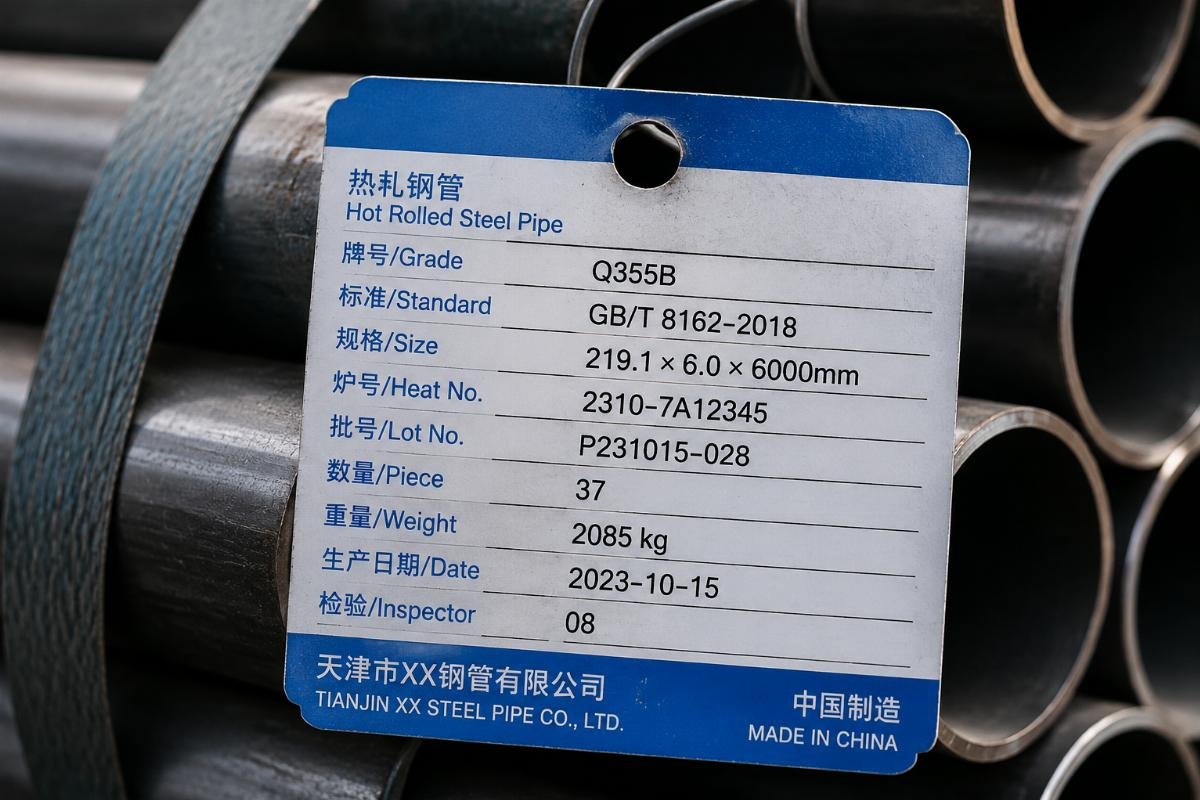
| Mill Test Certificates | Generic MTCs not matching heat numbers | Batch-specific MTCs tracing back to original melt heats |
| Standard Reference | Citing outdated or non-regional standards | Explicit citation of EN10219/EN10210 or ASTM A500 as required |
[NEED_CITE: GCC customs clearance failure rates related to documentation errors]
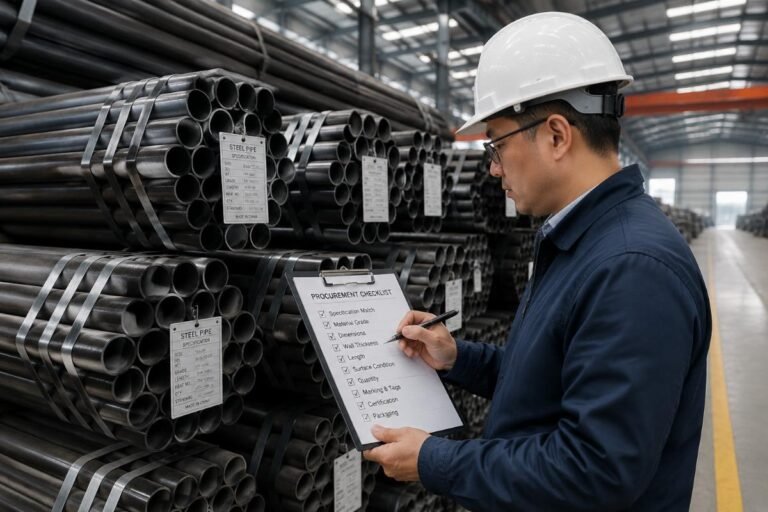
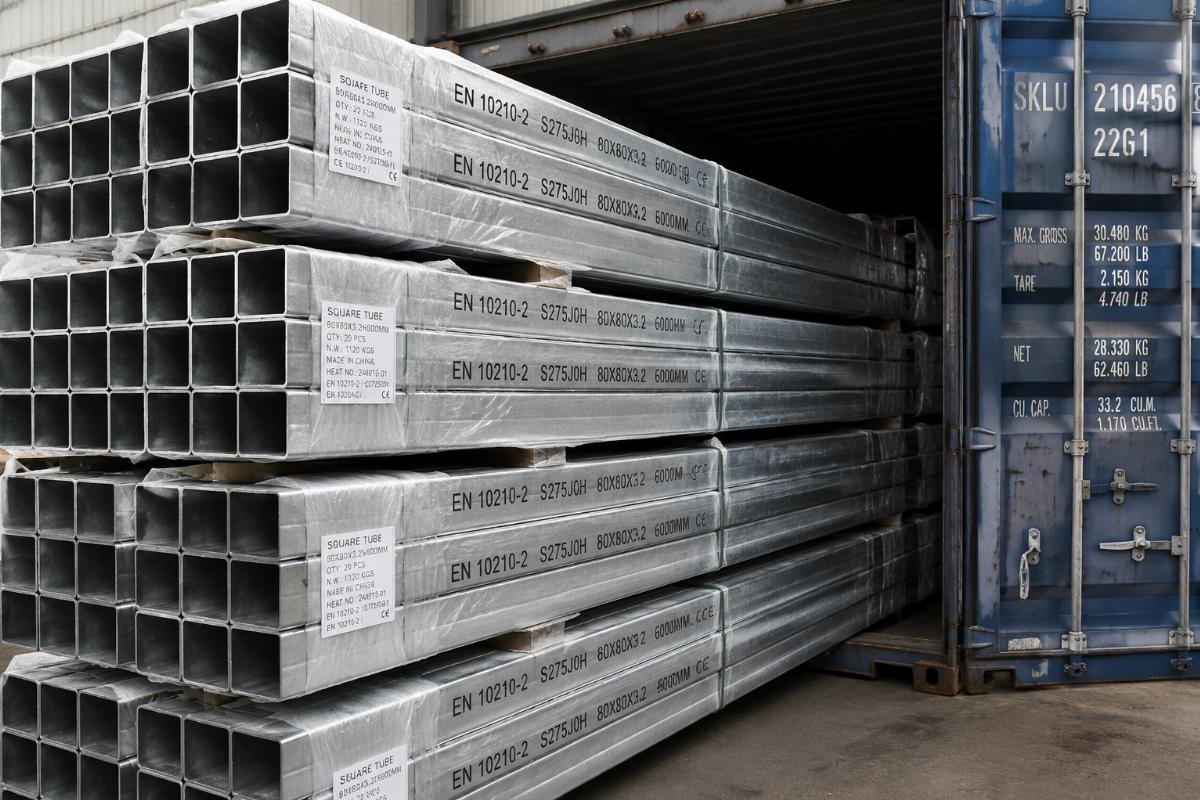
In one instance, a distributor in Dubai received a mixed container of structural hollow sections. The supplier had optimized the packing to reduce freight costs, which was appreciated, but the packing list did not clearly distinguish between different heat numbers for the various bundles. When random inspections occurred, the customs officers could not immediately verify the MTC against the physical goods because the heat numbers were obscured by tight strapping and lack of external tagging. This led to a manual unpacking inspection that delayed the release by several days. For Galvanized Steel Pipe Wholesale Middle East buyers, ensuring that the packing list, MTC, and physical markings are perfectly aligned is crucial for avoiding such operational friction.
What Are the Critical Technical Specs for Structural Pipes?
EN10219 compliance and zinc coating weights matter more than generic steel grades.
When sourcing structural steel for construction projects in the Middle East, the environmental conditions dictate the technical requirements. The region’s high humidity, especially in coastal cities, accelerates corrosion. Therefore, the specification of galvanizing is not merely a cosmetic choice but a structural necessity. Many buyers request “galvanized” pipes without specifying the coating weight or method. This ambiguity can lead to suppliers providing minimum-compliance products that may rust prematurely in harsh marine environments.
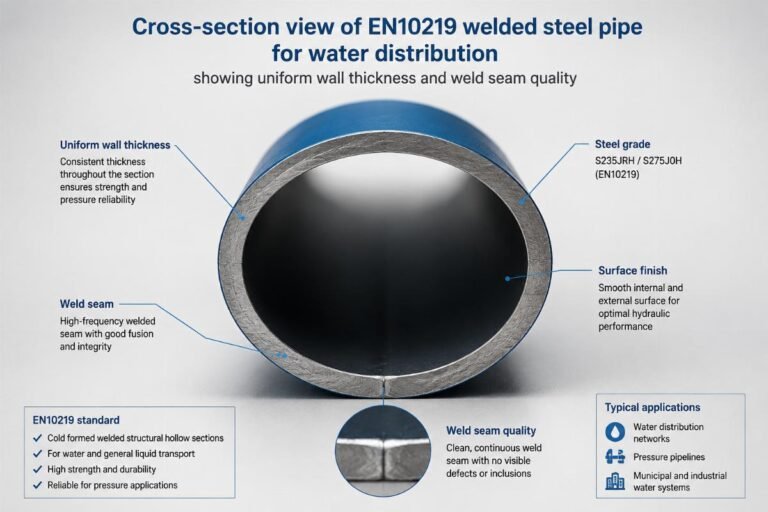
The European Standard EN10219 for cold-formed welded structural hollow sections is widely accepted in the region due to its rigorous dimensional tolerances and mechanical property requirements. Unlike some other standards, EN10219 ensures consistent wall thickness and corner radii, which are critical for welding and fabrication accuracy on-site. Deviations in these dimensions can cause fit-up issues during assembly, leading to costly rework.
| Specification Parameter | Basic/Non-Compliant Grade | EN10219/EN10210 Certified Grade |
|---|---|---|
| Dimensional Tolerance | Wide variance, inconsistent wall thickness | Tight tolerance controls per standard requirements |
| Zinc Coating | Minimal coverage, uneven distribution | Verified coating weight suitable for coastal exposure |
| Mechanical Properties | Generic yield strength claims | Certified S355JR/J0/J2 grades with verified impact testing |
| Traceability | Limited batch tracking | Full heat-number traceability from mill to finish |
[NEED_CITE: Corrosion rates of galvanized steel in GCC coastal vs inland environments]
A project in Qatar highlighted the importance of grade verification. The tender specifications required S355JR structural steel for a large infrastructure framework. Several bids were rejected because the suppliers offered Q235 or generic equivalent grades without proper EN certification. The engineering team insisted on mill test certificates that explicitly matched the S355JR chemical and mechanical properties. One supplier attempted to substitute a similar-looking material, but the lack of certified impact test data at low temperatures (a requirement for certain structural applications) led to disqualification. This underscores that for Galvanized Steel Pipe Wholesale Middle East procurement, the paper trail proving the steel’s identity is as vital as the steel itself.
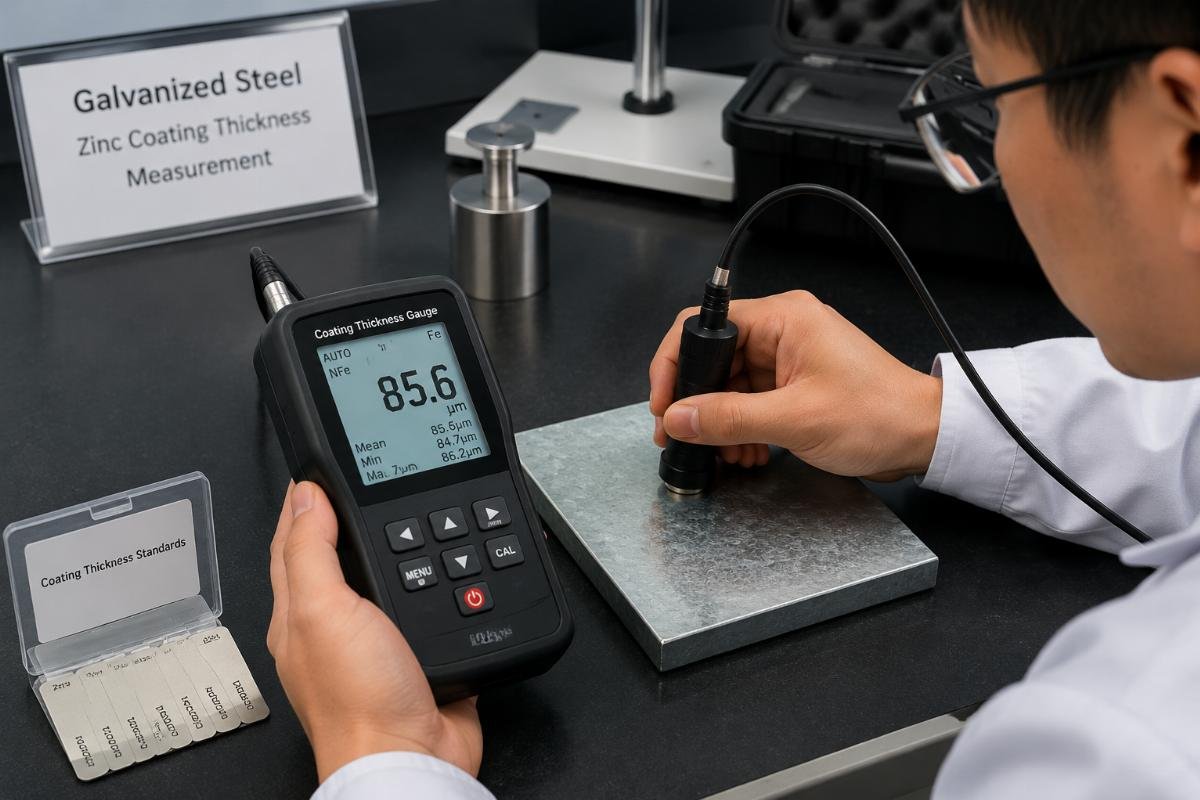
Furthermore, the method of galvanizing matters. Hot-dip galvanizing provides a thicker, more durable coating compared to electro-galvanizing. For structural pipes exposed to the elements, hot-dip is the preferred method. Buyers should request verification of the coating thickness in microns, ensuring it meets the requirements for the intended service life. Suppliers who maintain in-house laboratories for testing these parameters can provide immediate verification, reducing the risk of post-delivery disputes.
How to Verify Supplier Credibility Beyond Price Quotes?
Requesting sample MTCs and checking factory audit reports reveals true capability.
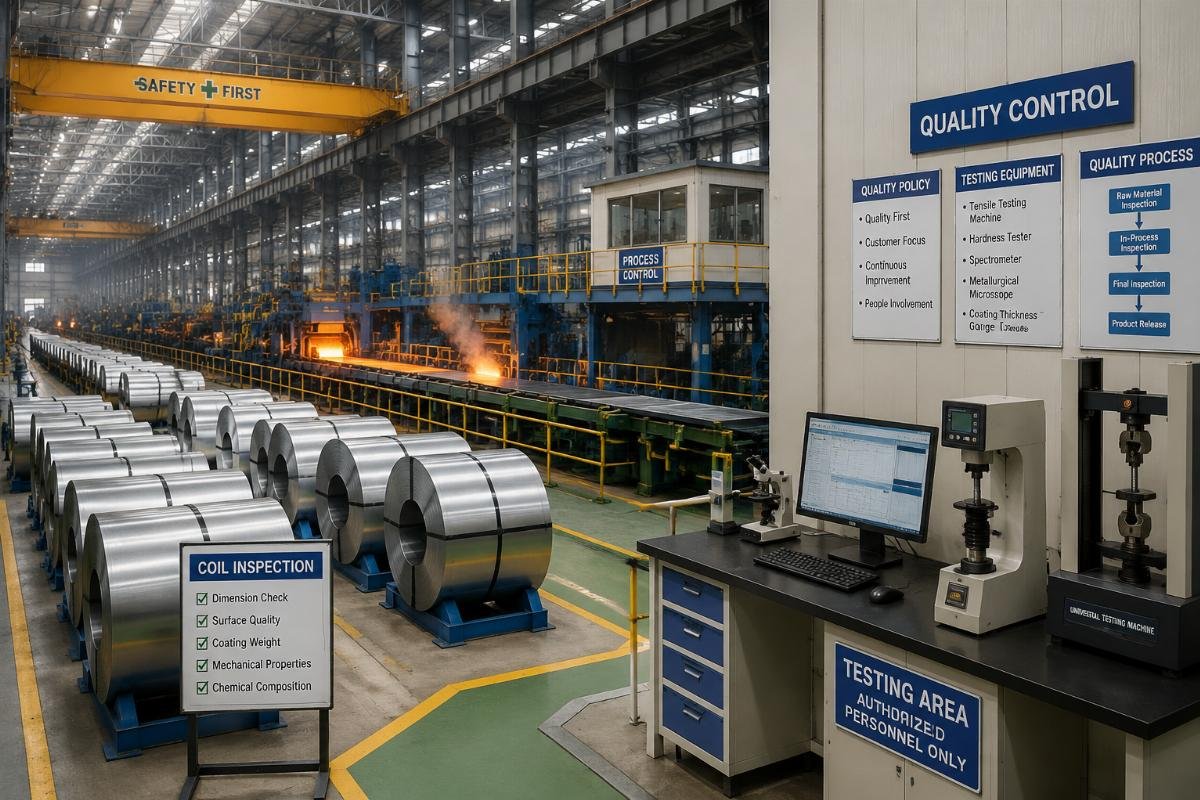
Price is an easily comparable metric, but credibility is nuanced. Many trading companies present themselves as manufacturers, offering lower prices by cutting corners on quality control or certification processes. To distinguish between a genuine manufacturer and a reseller, buyers should look for evidence of direct production control and quality assurance infrastructure.
One effective method is to request a sample Mill Test Certificate from a previous batch similar to the current order. A genuine manufacturer can provide an MTC that traces back to a specific heat number from a recognized steel mill. The document should include detailed chemical composition and mechanical property test results. If a supplier hesitates or provides generic templates without specific heat numbers, it may indicate a lack of direct control over the material source. Additionally, asking for recent third-party audit reports or factory inspection videos can provide insight into the production facilities.
[NEED_CITE: Importance of third-party audits in verifying steel manufacturer capabilities]
In my experience, suppliers who invest in in-house testing laboratories demonstrate a higher commitment to quality. These facilities allow for real-time verification of dimensions, surface treatment, and mechanical properties before shipment. For example, a supplier with a dedicated lab can perform tensile tests and bend tests on sample pieces from each production batch. This proactive approach minimizes the risk of non-conforming goods reaching the customer. When evaluating potential partners for Galvanized Steel Pipe Wholesale Middle East projects, inquire about their internal quality control processes and whether they can provide test reports generated from their own facilities.
Another red flag is the inability to discuss technical details confidently. A credible supplier should be able to explain the differences between various steel grades, the implications of different galvanizing methods, and the specific requirements for Middle Eastern certifications. If a sales representative relies solely on price comparisons and cannot answer technical questions about EN standards or SABER procedures, it may indicate a lack of expertise or reliance on external sources for critical information.
What Is the Real Cost Structure for Wholesale Orders?
Balancing MOQ flexibility with container optimization determines landed cost.
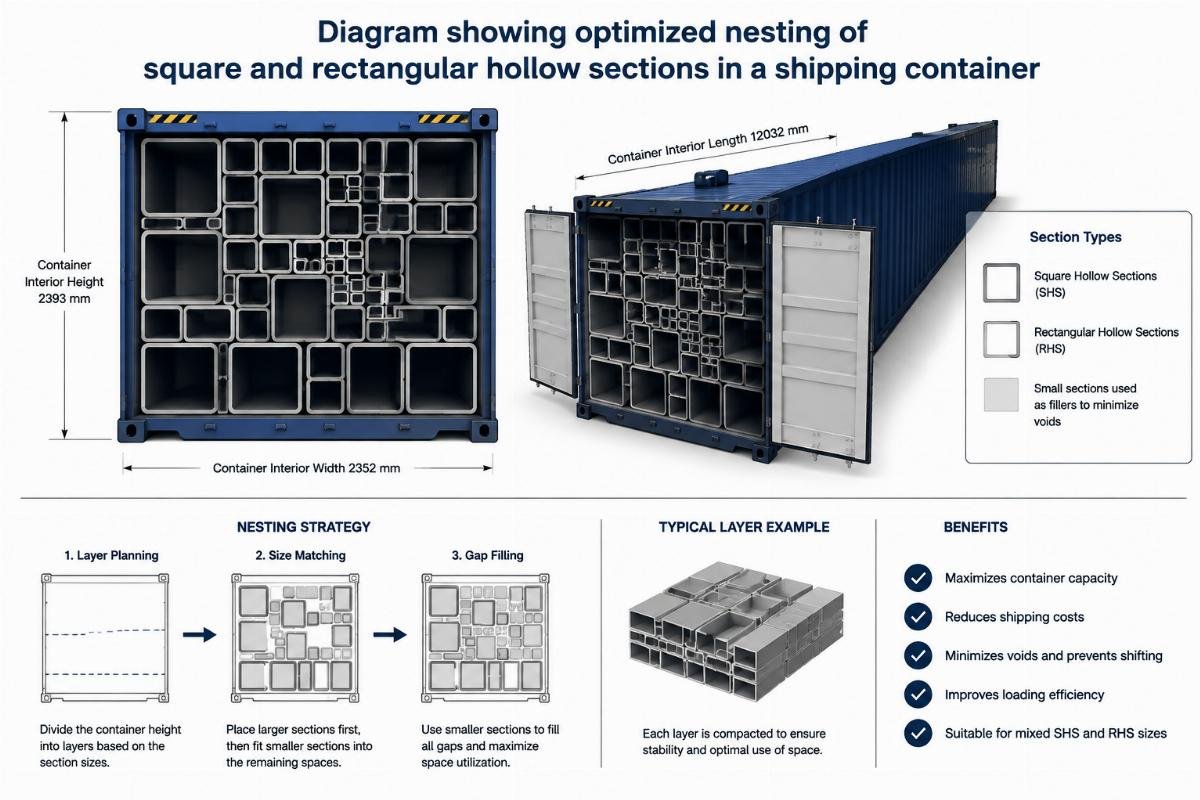
The initial quote often represents only a fraction of the total cost. Freight, insurance, customs duties, and potential demurrage charges contribute significantly to the landed cost. For wholesale orders, optimizing the container load is essential to minimize freight expenses per unit. Mixed-container consolidation, where different types of structural steel are packed together, can reduce logistics costs significantly. However, this requires careful planning to ensure that heavier items do not damage lighter ones and that all items are securely fastened.
A contractor in Dubai recently reduced their logistics costs by optimizing the packing of Square Hollow Sections (SHS) and Rectangular Hollow Sections (RHS) in a single container. By nesting smaller sections inside larger ones and using custom wooden crating for irregular shapes, they maximized the use of available space. This approach required close coordination with the manufacturer to ensure that the packing method did not compromise the integrity of the galvanized coating. The result was a noticeable reduction in shipping volume and associated freight charges.
| Cost Component | Impact on Landed Cost | Optimization Strategy |
|---|---|---|
| Freight Charges | High variable cost based on volume/weight | Optimize container loading through nested packing |
| Customs Duties | Fixed percentage based on declared value | Ensure accurate HS code classification |
| Demurrage/Detention | Potentially high penalty for delays | Secure all certifications (SCoC) before shipment |
| Quality Failures | High cost of replacement/rework | Verify supplier QC capabilities and request sample MTCs |
[NEED_CITE: Average demurrage costs at major Middle East ports]
Minimum Order Quantity (MOQ) flexibility is another factor. While full container loads are more economical, some projects may require smaller quantities. Suppliers who offer flexible MOQs can help buyers manage inventory costs and cash flow. However, smaller orders may incur higher per-unit freight costs. It is important to calculate the total landed cost for different order sizes to determine the most economical approach. For Galvanized Steel Pipe Wholesale Middle East buyers, working with a supplier who understands these logistics nuances can lead to significant savings over the course of a project.
Additionally, consider the timing of the order. Production lead times can vary based on market demand and raw material availability. Placing orders well in advance allows for better planning and can avoid rush charges. It also provides ample time for certification processes, which can take several weeks. Rushing the certification process increases the risk of errors and subsequent delays.
Conclusion
Procurement success is defined by clearance certainty, not just purchase price.
Navigating the complexities of Galvanized Steel Pipe Wholesale Middle East requires a holistic approach that integrates technical compliance, rigorous documentation, and logistical optimization. By prioritizing EN-standard certification, verifying zinc coating suitability for coastal environments, and ensuring seamless SABER/SASO clearance processes, buyers can mitigate the hidden costs of delays and rework. Partnering with manufacturers who demonstrate transparent quality control and deep regional regulatory knowledge transforms supply chain risk into competitive advantage.
Tags
Share this article
- LinkedIn -- share "Galvanized Steel Pipe Wholesale for Middle East Construction" on LinkedIn
- X -- share "Galvanized Steel Pipe Wholesale for Middle East Construction" on X
- Facebook -- share "Galvanized Steel Pipe Wholesale for Middle East Construction" on Facebook
- WhatsApp -- share "Galvanized Steel Pipe Wholesale for Middle East Construction" on WhatsApp
- Email -- share "Galvanized Steel Pipe Wholesale for Middle East Construction" on Email

Written by
author
Editor covering global sourcing, supplier verification, and industrial product knowledge. Content is compiled from manufacturer specifications, industry standards, and hands-on experience with international B2B buyers. Every article is fact-checked before publishing to help procurement professionals make informed decisions.
All posts by author