


Description
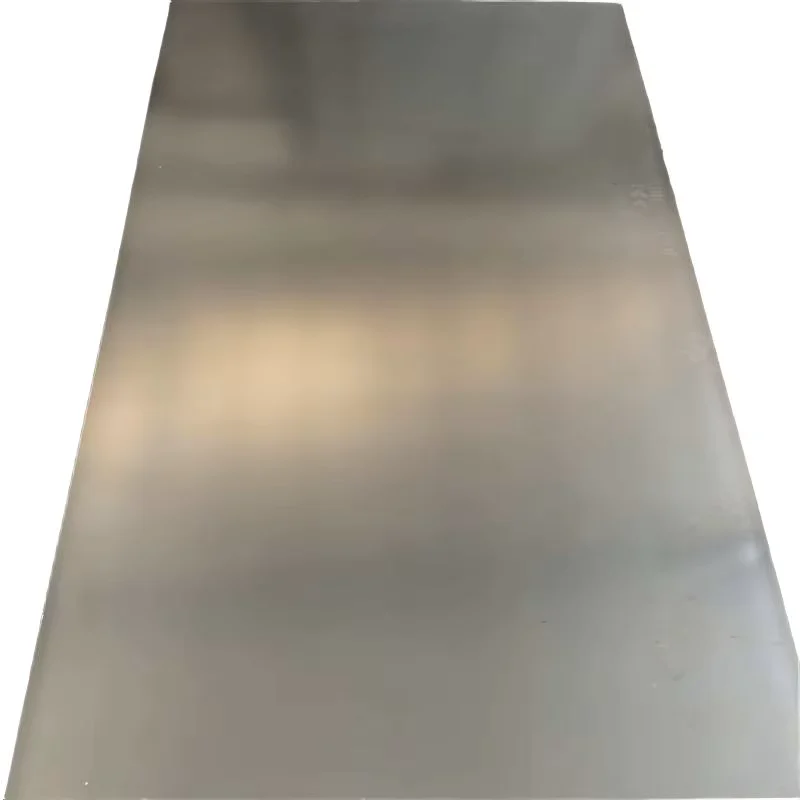
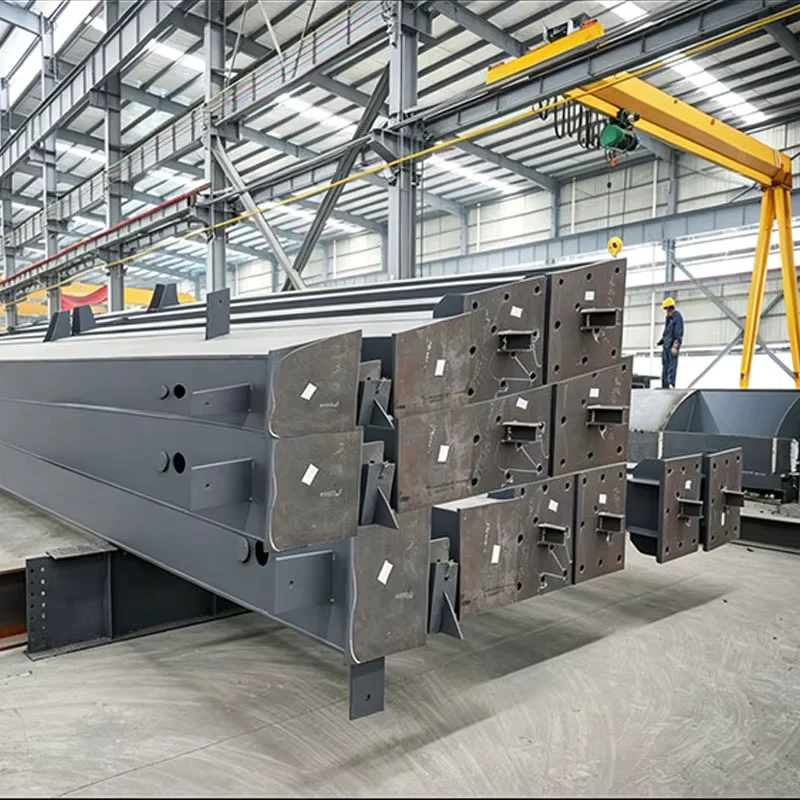
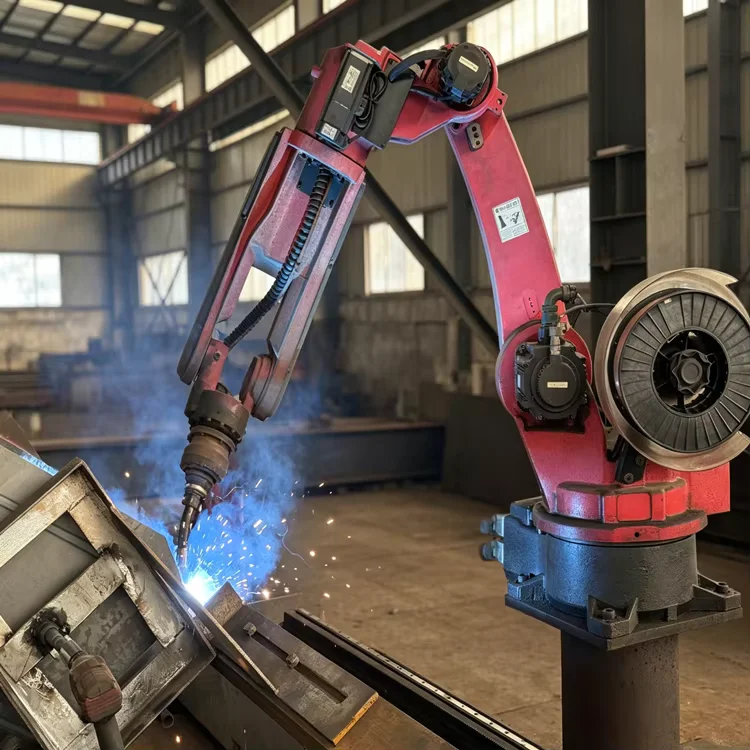
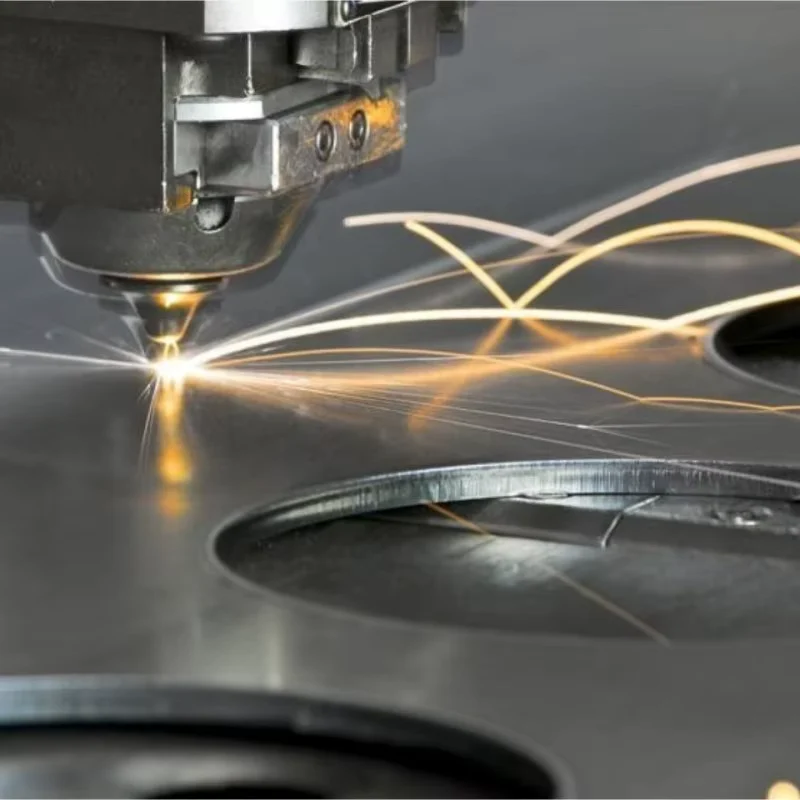
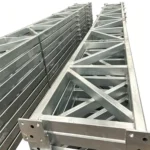
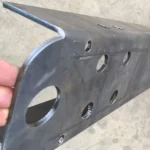
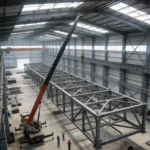
Factory-Direct Fabrication — In-house laser cutting and robot welding eliminate middleman markups on Q235 and Q345 structural parts.
Technical Specifications
| Parameter | Value |
|---|---|
| Designation | Q235 / Q345 Structural Steel Fabrication Parts |
| Product Type | Fabricated Steel Structure |
| Steel Grade | Q235, Q345 |
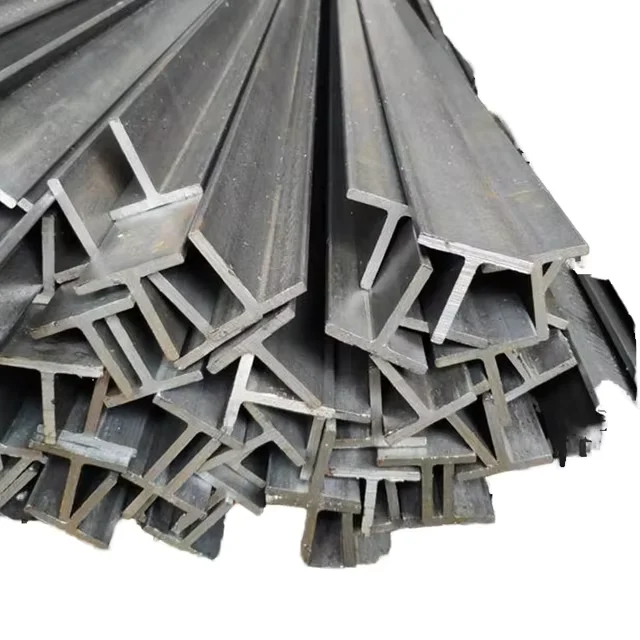
| Section Shape | Customized According to Drawings |
| Thickness | 0.5–30 mm |
| Length | Up to 6m (Sheet) / 9m (Hollow Section) |
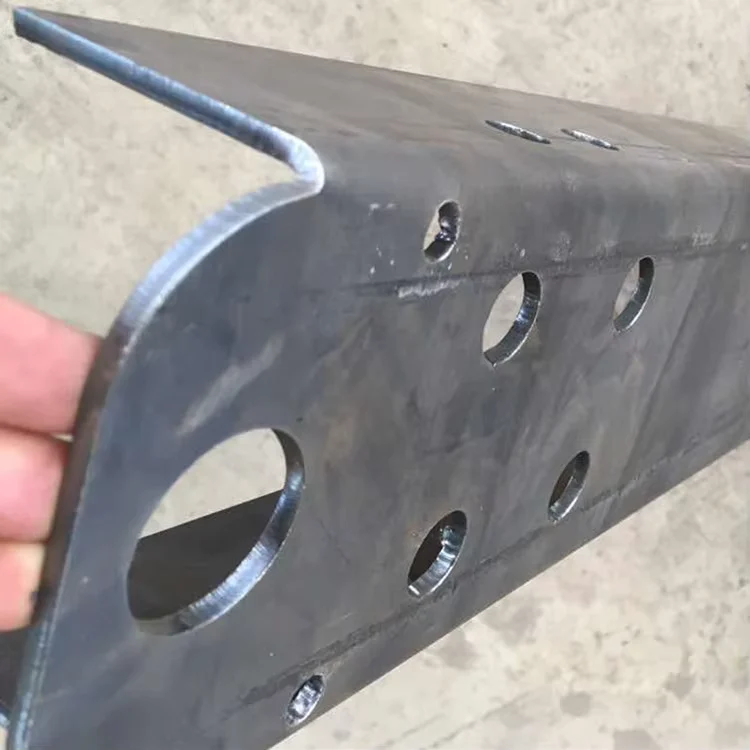
| Technique | Laser Cutting, CNC Bending, Robot Welding |
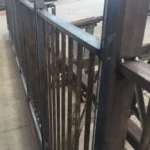
| Surface Treatment | Galvanized / Powder Coating / Painting |
| Tolerance | ±0.1mm – ±1mm |
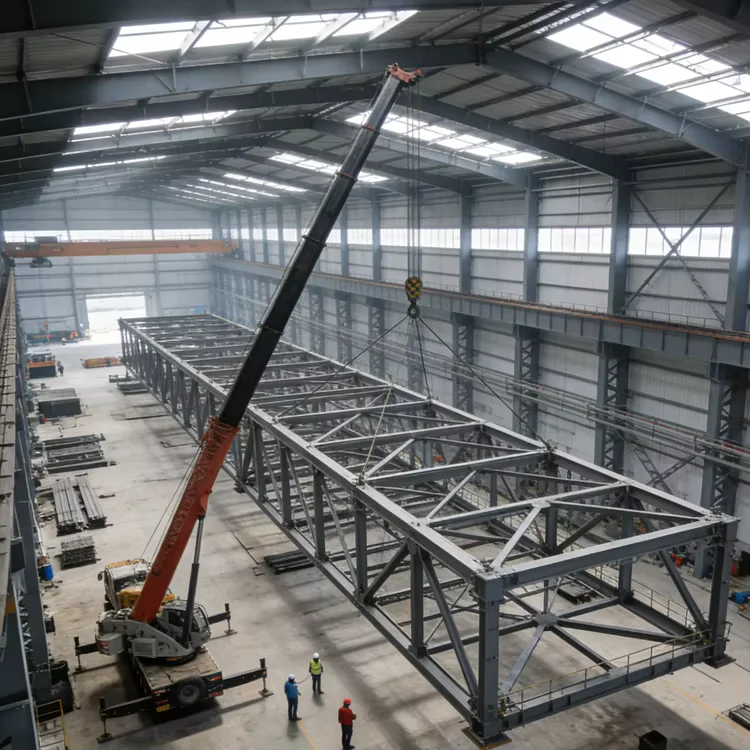
| Application | Construction, Machinery, Equipment Frames, Structural Frames |
| MOQ | 1 Piece |
| Origin | Shandong, China |
Application Suitability
| Industry | Typical Applications |
|---|---|
| Construction | Building frames, column bases, beam-to-column connection plates |
| Machinery | Machine bases, motor brackets, conveyor support structures |
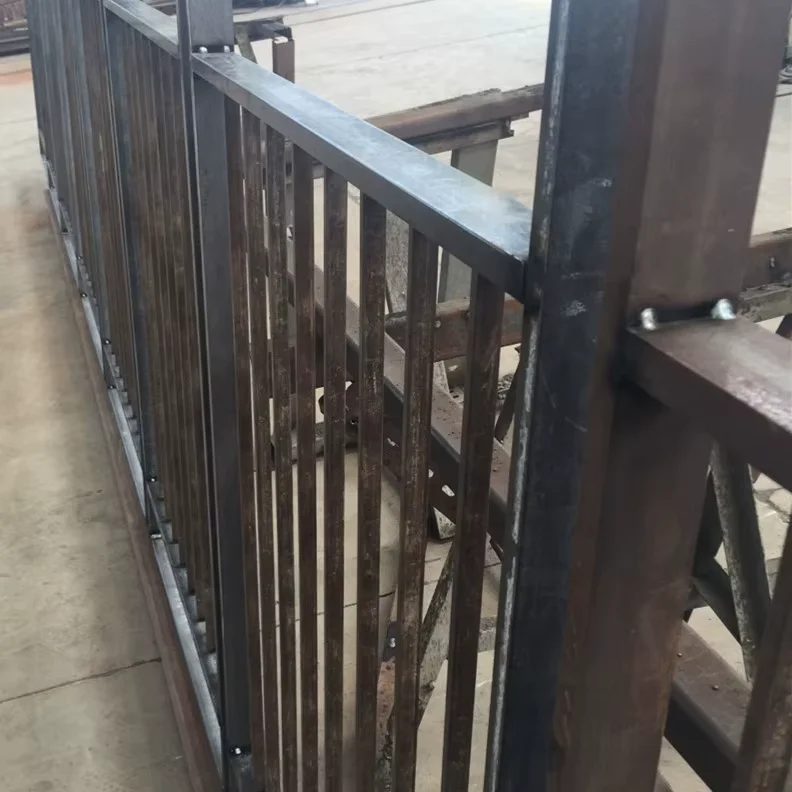
| Equipment Manufacturing | Equipment frames, platform grating supports, structural brackets |
What Tight Tolerance Control Saves on a Structural Frame Order
A ±0.1mm laser cutting tolerance prevents costly on-site rework when bolt holes must align across multiple fabricated nodes.
I once shipped a batch of custom connection plates to a Dubai project. The cutting tolerance was not locked down tightly enough at the mill. When the crew tried assembling the frame on site, bolt holes were off by several millimeters. The entire batch had to be re-cut locally — at triple the original fabrication cost and a two-week schedule delay. [NEED_CITE: dimensional tolerance requirements for structural steel fabrication per EN 1090] That kind of failure does not come from bad steel; it comes from a shop that does not treat tolerance as a contract parameter. When you source a Custom Structural Steel Fabrication Supplier who controls every cut in-house, you remove that variable entirely.
Matching Fabricated Parts to Structural and Machinery Applications
Every project starts with a drawing, not a catalog. Our Custom Structural Steel Fabrication service translates your engineering drawings directly into finished parts — whether that is a 30mm-thick base plate for a column connection or a 0.5mm bent bracket for an equipment enclosure. Q235 handles general structural framing where weldability and formability matter most; Q345 steps in when higher load-bearing capacity is required without increasing section size. Robot welding keeps every joint consistent across production runs, which matters when a machinery builder needs fifty identical frames that must bolt together without shimming.
Engineering Compliance and Surface Treatment Selection
Structural frames in construction must comply with load-bearing codes such as EN 1993 or AISC equivalents, and the steel grade specified on the drawing must match the mill test certificate exactly. [NEED_CITE: steel grade equivalence between GB Q-series and international standards] Surface treatment is not an afterthought — galvanized coating protects parts exposed to outdoor or high-humidity environments, powder coating provides UV-resistant finishes for architectural-visible components, and standard painting suits indoor machinery frames where corrosion risk is low. Each treatment adds cost, so selecting the right one for the actual service environment avoids overspending. For EU-bound projects, CE marking under EN 1090 is mandatory for structural components, and missing that certification means customs holds the cargo regardless of steel quality.
Understanding Q235 and Q345 for Fabrication Decisions
Q235 is a low-carbon structural steel widely used in general construction and non-critical machinery frames. Its carbon equivalent stays low enough for straightforward welding without preheating, and it bends cleanly on CNC press brakes without cracking. Q345 offers higher yield strength, making it the go-to grade when the design calls for thinner sections carrying heavier loads — common in crane booms, bridge components, and high-rise structural nodes. Both grades respond well to laser cutting; the kerf width stays within ±0.1mm on sheets up to 30mm thick when the machine parameters are tuned correctly. Robot welding on Q345 requires slightly adjusted gas mix and travel speed compared to Q235 to avoid porosity in thick-section joints, which is why process control records matter as much as the raw material certificate.
Hidden Costs of Choosing the Wrong Fabrication Partner
Ordering fabricated parts from a supplier who subcontracts the cutting or skips pre-production drawing confirmation almost always leads to one of three outcomes: dimensional mismatch at assembly, material grade substitution discovered during third-party inspection, or missing documentation that blocks customs clearance. [NEED_CITE: consequences of non-conforming structural steel in construction projects] A missing heat number trace on a mill test certificate can turn a routine delivery into a rejected shipment. A powder-coated part with inadequate surface prep will show adhesion failure within months, and the replacement cost always exceeds the original fabrication price. These are not theoretical risks — they are the most common claims we see when buyers switch from a trading company to a factory-direct Custom Structural Steel Fabrication Supplier.
Why Buyers Choose Our Fabrication Facility
We run three production lines in-house covering laser cutting, CNC bending, and robot welding — no step is subcontracted. Our physical and chemical laboratory tests every heat before fabrication begins, and the mill test certificate follows each shipment with full traceability by heat number. We hold ISO 9001:2015, Lloyd’s CE certification, and SGS/BV verification, so your customs documentation is complete before the container leaves Jinan. Custom non-standard sizes start from a MOQ of 1 piece, and we handle professional container loading with anti-damage measures to prevent bending during ocean transit. Our sharp-corner rectangular tube patent technology also feeds into fabrication projects where architectural-grade appearance matters alongside structural performance. We export to 50+ countries and understand the certification requirements for EU, North America, Middle East, and Southeast Asian markets.
Documentation & Compliance
- Mill test certificate documenting Q235 and Q345 chemical composition and mechanical properties per GB/T 700 and GB/T 1591
- CE certificate for structural steel components fabricated under EN 1090 execution class requirements
- ISO 9001:2015 quality management certificate covering the full fabrication process from cutting to final inspection
- SGS or BV third-party inspection report available upon request for dimensional and weld quality verification
- Full material traceability by heat number linking each fabricated part back to the original steel coil or plate
- Complete customs documentation including packing list, bill of lading, and certificate of origin for destination clearance
Packaging, Loading & Delivery
- Laser-cut plates and bent parts bundled with edge protectors and steel straps to prevent surface scratches on galvanized or powder-coated finishes during transit
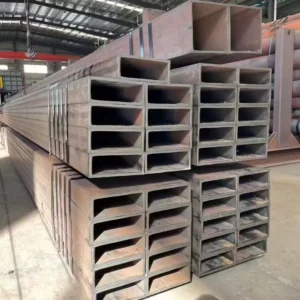
- Fabricated hollow sections up to 9m loaded in dedicated containers with wooden cradles to avoid point-contact deformation on Q345 heavy-wall members
- Surface-treated parts wrapped in waterproof paper and plastic film to preserve galvanized zinc coating and powder coating integrity during ocean shipping
- Custom-length parts cut to drawing-specified dimensions with heat number and steel grade stenciled on each piece for on-site identification
- FOB, CIF, and DDP shipping terms available with professional container loading plans optimized for mixed-size fabrication orders
Getting Your Fabrication Quote Started
Send us your engineering drawings with specified steel grade (Q235 or Q345), thickness, surface treatment preference, and target quantity. We return a detailed quotation including unit price, production lead time, and shipping terms within 12 hours, along with sample mill test certificates for your quality team to review.
Start Your Custom Structural Steel Fabrication Inquiry
Submit your drawings and specifications to receive a detailed quotation with material certification within 12 hours.
Company: Shandong Xin Jiyuan Special Steel Tube Co., Ltd
Website: www.sdxjypipe.com
Tel: +86 531 8573 6315
Mobile/WhatsApp/WeChat: +86 188 5315 7756
Email: admin@sdxjypipe.com
Address: No.11889, Jingshi West Road, Lulian Group, Jinan City, Shandong Province, China
Frequently Asked Questions
Q: What is the minimum order quantity for custom fabricated steel parts?
A: The MOQ is 1 piece. We accept single-piece prototype orders as well as batch production runs, with the same quality control and mill test certificate documentation applied to every order regardless of size.
Q: Can you fabricate parts according to our own engineering drawings?
A: Yes. We produce custom structural steel fabrication strictly according to client drawings, including laser cutting profiles, CNC bending angles, and robot-welded assemblies. Tolerances are held between ±0.1mm and ±1mm depending on the feature and thickness.
Q: What surface treatment options are available for fabricated parts?
A: We offer three surface treatment options: hot-dip galvanizing for outdoor and high-corrosion environments, powder coating for architectural and UV-exposed applications, and standard painting for indoor machinery and equipment frames. The choice depends on the service environment and project specification.
Q: Do you provide third-party inspection and material certification?
A: Yes. Every order includes a mill test certificate with chemical composition and mechanical properties traceable by heat number. Third-party inspection through SGS or BV can be arranged before shipment, and we provide full dimensional and weld inspection reports with photographs.
Q: What steel grades do you work with for fabrication?
A: Our standard fabrication grades are Q235 and Q345 carbon steel. Q235 is used for general structural and non-critical applications, while Q345 provides higher yield strength for load-bearing structural frames and machinery components. Both grades are fully weldable and compatible with laser cutting and CNC bending processes.