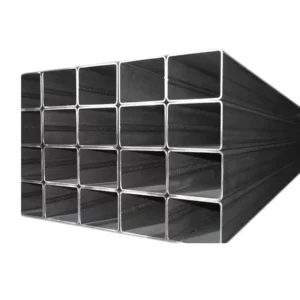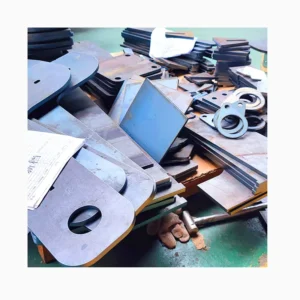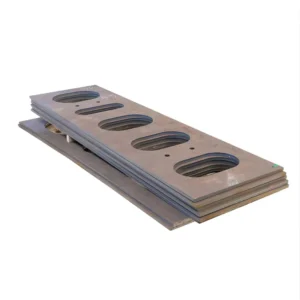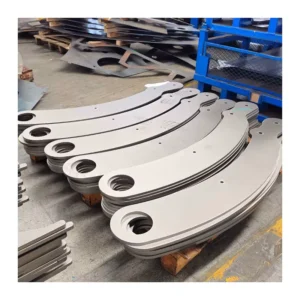
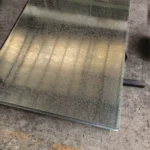
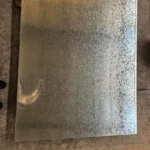
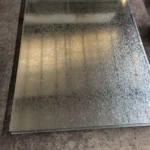
Description
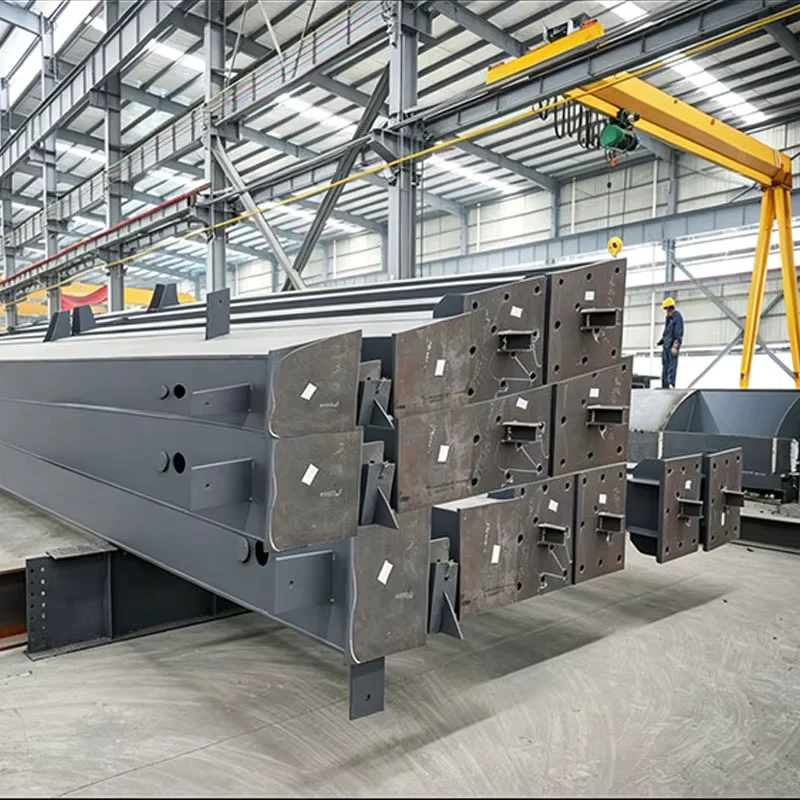
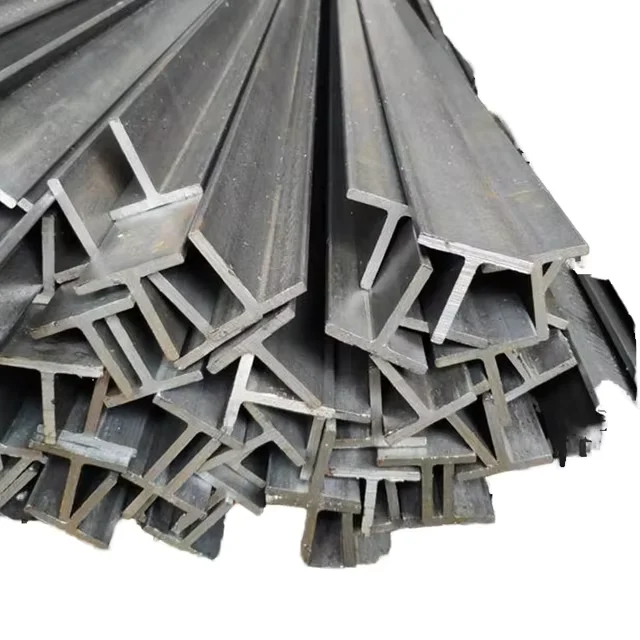
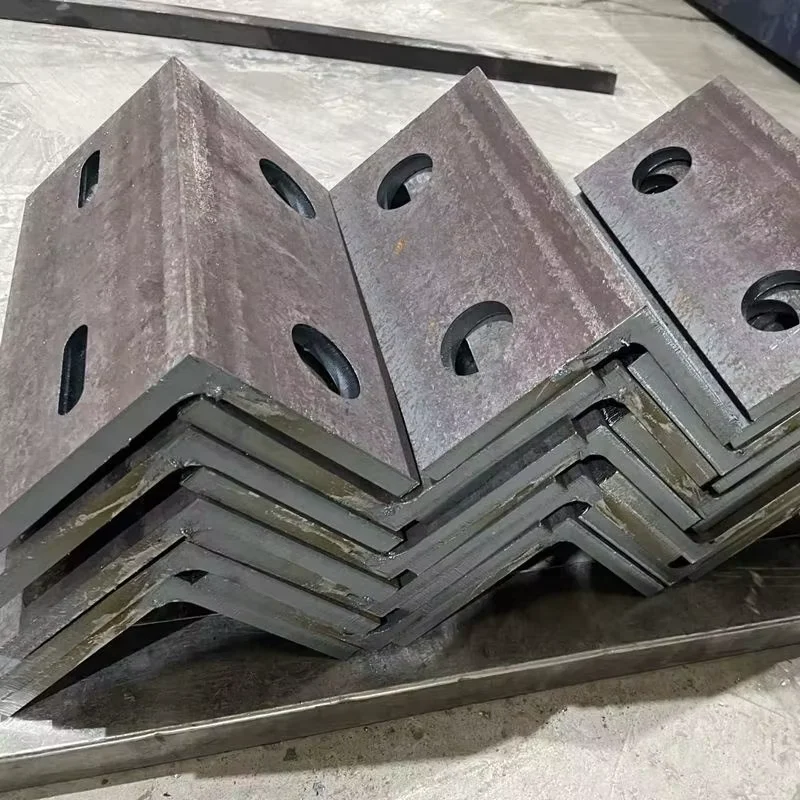
Factory-Direct Custom Steel Fabrication — Laser-cut structural parts shipped with full mill test certificates and third-party inspection reports.
Technical Specifications
| Parameter | Value |
|---|---|
| Designation | Custom Structural Steel Fabrication Parts |
| Product Type | Fabricated Steel Structure |
| Steel Grade | Stainless Steel, Carbon Steel, Aluminum, Copper, Alloy Steel |
| Thickness | 3 mm–10 mm / customized |
| Technique | Laser cutting, CNC punching & bending, Stamping, Welding |
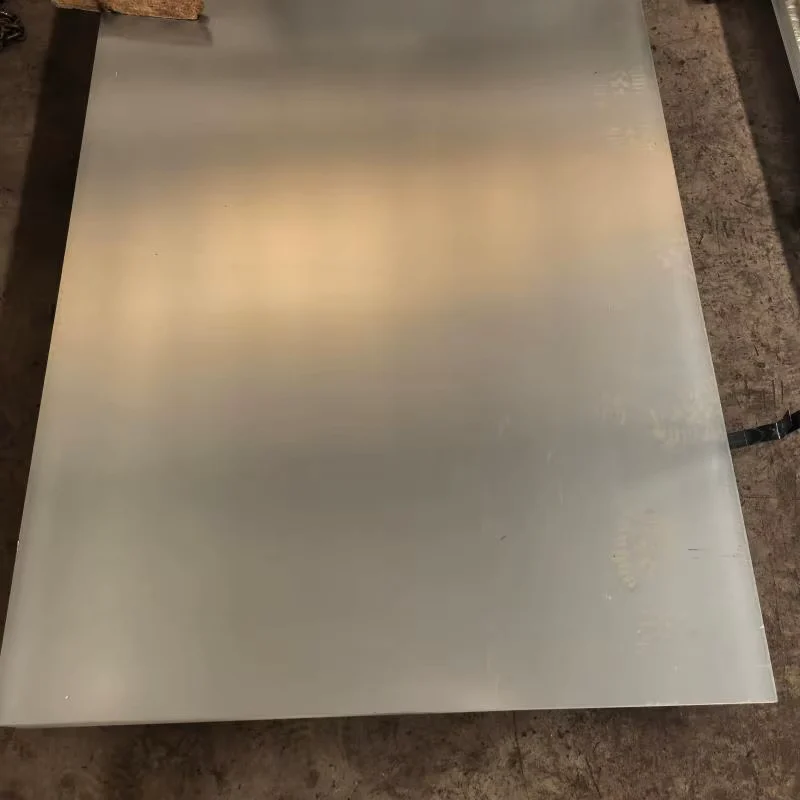
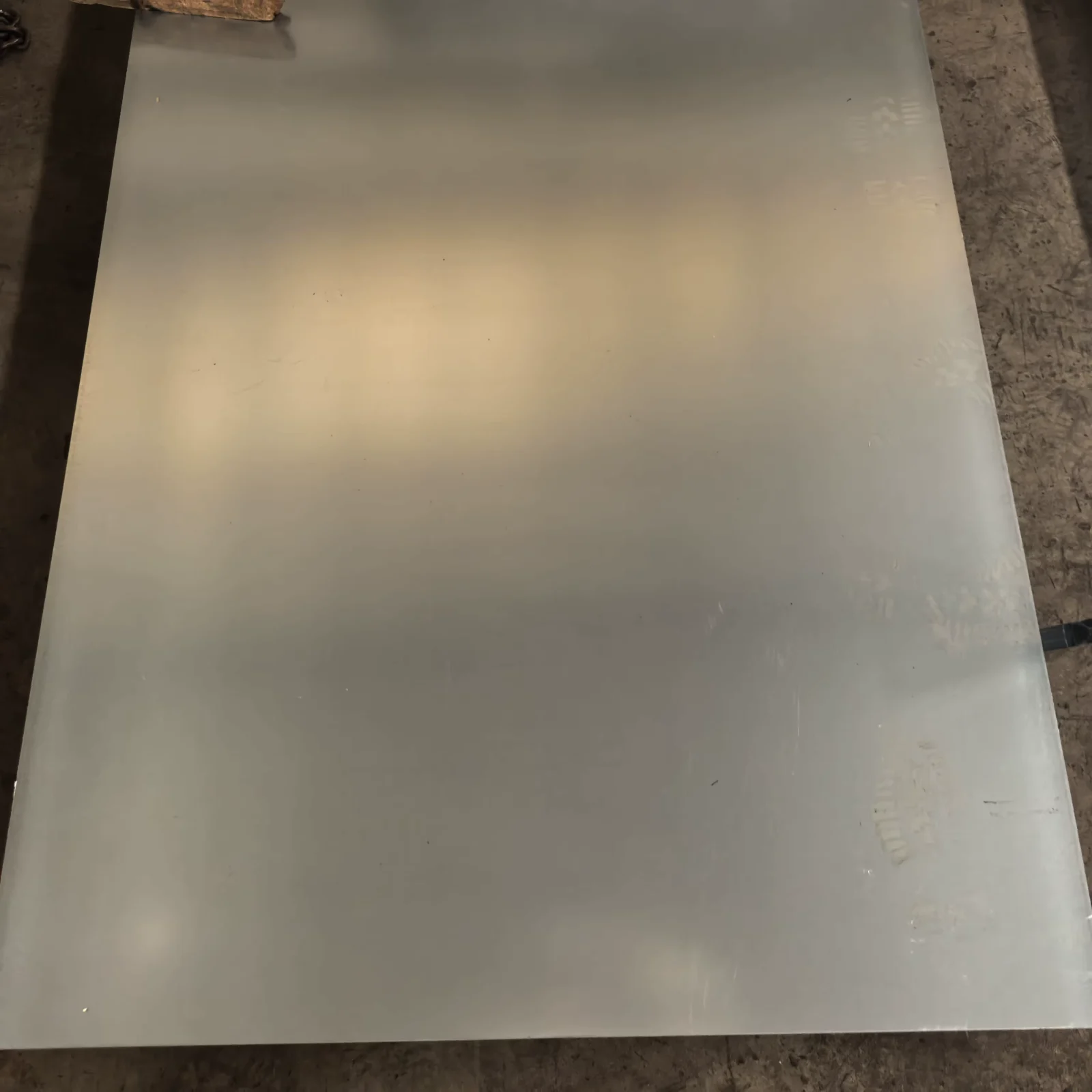
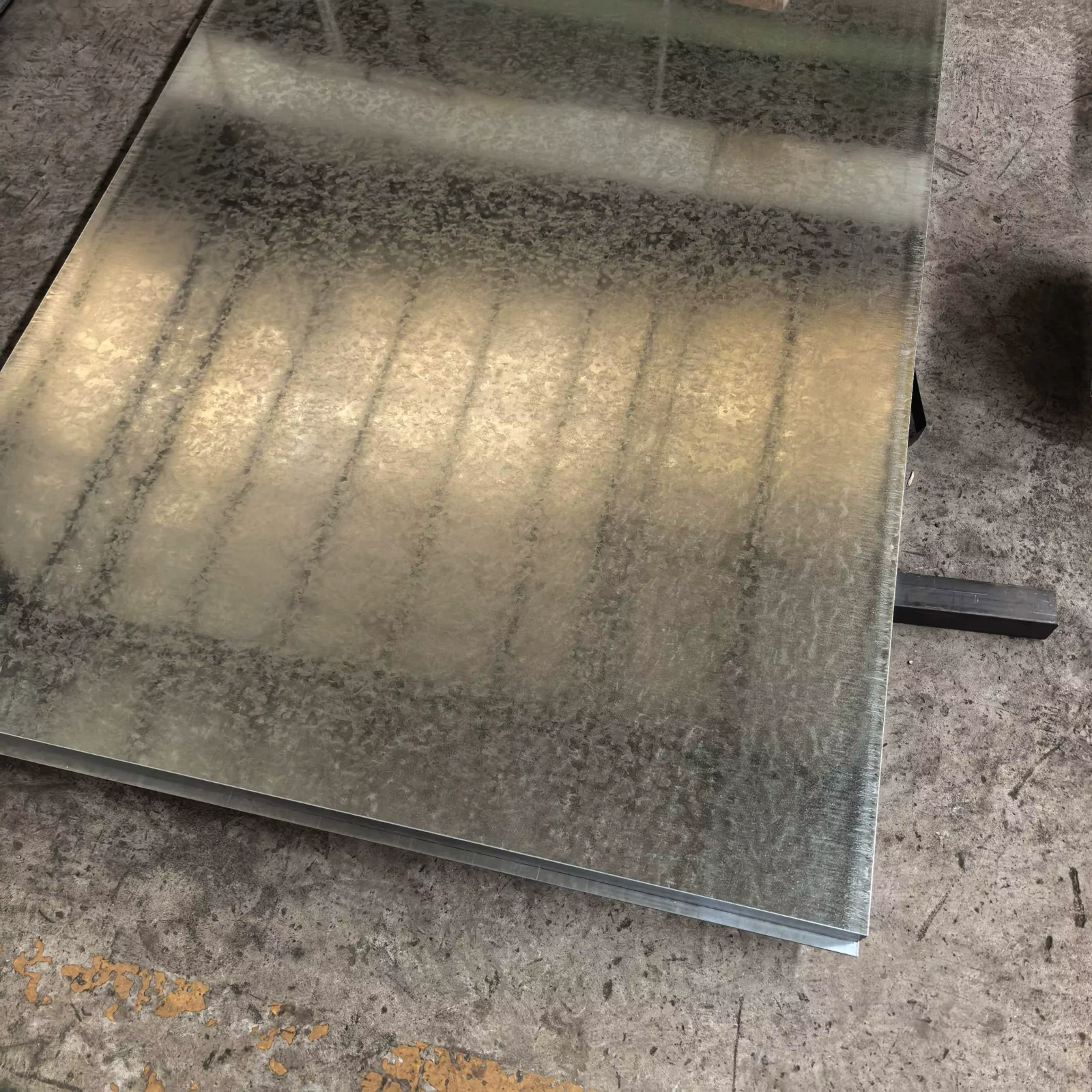
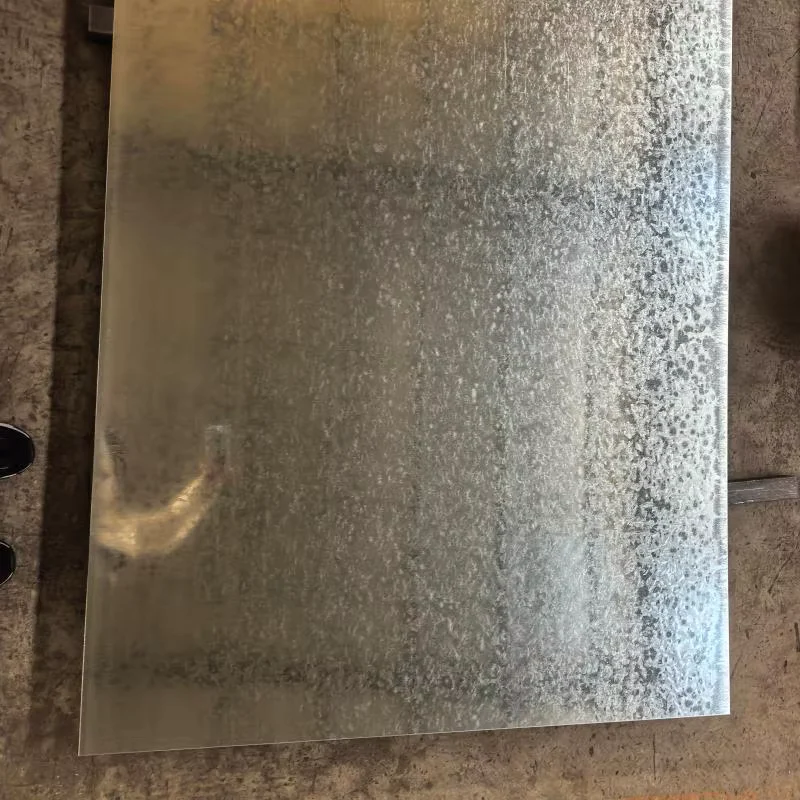
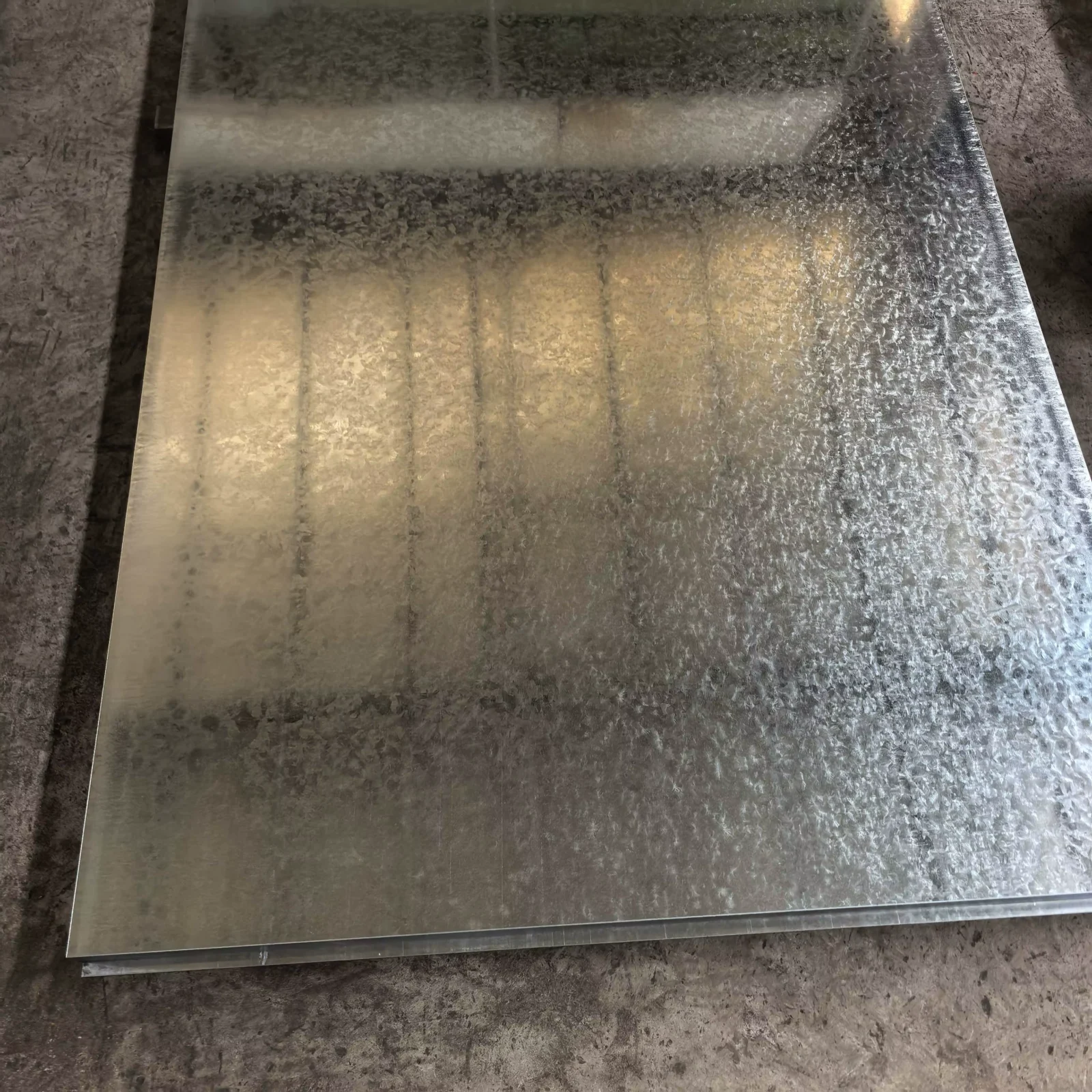
| Surface Treatment | Powder coating, Oxidization, Electrophoresis, Galvanization |
| Tolerance | ±0.2 mm |
| Application | ATM machine, Mail box, Metal accessories, Custom structural parts |
| Origin | Shandong, China |
Application Suitability
| Industry | Typical Applications |
|---|---|
| Commercial Banking Equipment | ATM machine housings, secure enclosure frames, internal mounting brackets |
| Postal & Logistics Infrastructure | Mail box bodies, locking mechanism plates, weather-sealed structural shells |
| Architectural Facade & Interior | Custom metal accessories, decorative structural brackets, curtain wall connection plates |
| Industrial Machinery | Equipment enclosures, machine guards, precision mounting plates for automation lines |
Where Laser-Cut Tolerance Decides Assembly Fit on Structural Frames
±0.2 mm tolerance separates parts that bolt up clean from those that need on-site grinding.
When structural steel fabrication parts arrive with drift beyond ±0.5 mm, field crews spend hours reaming bolt holes or shimming connection plates — costs that never show up on the purchase order. I have watched container loads of laser-cut brackets get rejected at site because the CNC bending angle drifted 1.5 degrees, turning a bolt-on assembly into a welding rework job. The real loss is not the scrap; it is the crane idle time and the delayed handover. [NEED_CITE: dimensional tolerance requirements for structural steel fabrication per EN 1090-2]
Matching Fabricated Parts to Demanding Structural Applications
Precision laser cutting and CNC bending allow these custom structural steel fabrication parts to meet the tight connection tolerances required by ATM enclosure assemblies and architectural metal accessories. The 3 mm–10 mm thickness range covers both light-gauge decorative brackets and heavier load-bearing frames, while material versatility across Carbon Steel, Stainless Steel, and Alloy Steel lets engineers select corrosion resistance or strength based on the installation environment. Welded joints are dressed and ground to match the parent surface before any powder coating or galvanization is applied.
Engineering Compliance and Surface Protection for Field Conditions
Structural parts fabricated for outdoor or humid environments must align with both load-bearing expectations and corrosion protection plans. Galvanization and powder coating are offered as surface treatments to extend service life in exposed installations, while electrophoresis provides uniform coverage on complex geometries produced by CNC punching. Material traceability through mill test certificates ensures that every heat of Carbon Steel or Stainless Steel can be verified against the project specification. [NEED_CITE: surface preparation standards for galvanized structural steel per ISO 1461]
Material and Process Selection for Structural Integrity
Carbon Steel remains the default choice for load-bearing frames where cost and weldability matter, while Stainless Steel is specified for food-grade, marine, or high-humidity environments where rust staining or pitting is unacceptable. Alloy Steel grades serve applications demanding higher strength-to-weight ratios without increasing section thickness. Laser cutting produces a clean, narrow kerf with minimal heat-affected zone, preserving the base material properties — critical when ±0.2 mm tolerance must hold across CNC bending and stamping operations. Welding processes are matched to material type: MIG for Carbon Steel, TIG for Stainless Steel and Aluminum, ensuring full penetration without distortion on 3 mm–10 mm plates.
The Hidden Cost of Unverified Fabrication Sources
Ordering custom structural steel fabrication parts from unverified workshops often means discovering material mismatches only after powder coating has been applied — at which point the entire batch must be stripped, re-tested, or scrapped. Missing mill test certificates block customs clearance in regulated markets, while uncontrolled welding on Alloy Steel can produce brittle heat-affected zones that fail under cyclic loading. [NEED_CITE: structural steel fabrication quality requirements per EN 1090 execution classes]
Why Project Teams Source Fabrication from Our Facility
Our in-house physical and chemical laboratory tests every heat of material before it reaches the laser bed, so the mill test certificate you receive reflects actual chemistry and mechanical results — not a template. The facility holds ISO 9001:2015 certification and participates in third-party inspection programs through SGS and BV, giving project owners independent verification of material and workmanship. Custom non-standard sizes are produced without inflated minimum order quantities, and professional container loading with anti-damage measures prevents the bending and surface scratching that routinely damages fabricated parts in transit. We have exported to 50+ countries, meaning export documentation, marking conventions, and packing practices are already aligned with your import requirements.
Documentation & Compliance
- Mill test certificate documenting chemical composition and mechanical properties per material grade (Carbon Steel, Stainless Steel, or Alloy Steel)
- ISO 9001:2015 quality management system certificate covering laser cutting, CNC bending, and welding processes
- SGS or BV third-party inspection report available for pre-shipment dimensional and surface treatment verification
- Material traceability by heat number linking each fabricated part to its original mill certificate
- Full customs documentation including packing list, bill of lading, and certificate of origin
- Surface treatment compliance reports for galvanization coating thickness or powder coating adhesion tests
Packaging, Loading & Delivery
- Fabricated parts bundled with edge protectors and interleaved separators to preserve powder coated and galvanized surfaces during ocean transit
- Custom wooden crates or steel-frame pallets for ATM machine housings and mail box components to prevent stacking damage
- Heat number and steel grade marked on each piece for on-site traceability and inspection matching
- Professional container loading optimized for 3 mm–10 mm thickness parts, maximizing weight utilization without exceeding floor load limits
- FOB, CIF, and DDP shipping terms available with full export documentation and tracking until arrival
Requesting a Fabrication Quote with Material Certification
Submit your drawing or specification including material grade, thickness, surface treatment, quantity, and destination port to receive a detailed quotation with lead time and shipping terms. Mill test certificates and third-party inspection arrangements are confirmed at the quotation stage so there are no documentation surprises at customs.
Start Your Custom Steel Fabrication Inquiry
Send your specifications to receive a quotation with full material certification and third-party inspection options.
Contact: admin@sdxjypipe.com | Mobile/WhatsApp/WeChat: +86 188 5315 7756
Frequently Asked Questions
Q: What material grades are available for custom structural steel fabrication parts?
A: We fabricate using Carbon Steel, Stainless Steel, Aluminum, Copper, and Alloy Steel, with material selection guided by your structural load, corrosion environment, and surface finish requirements.
Q: Can you produce non-standard sizes outside the 3 mm–10 mm thickness range?
A: Yes, custom thicknesses and non-standard dimensions are available based on your drawing specifications, with no inflated minimum order quantities for custom work.
Q: What surface treatment options protect fabricated parts in corrosive environments?
A: Powder coating, oxidization, electrophoresis, and galvanization are available, with treatment selection based on the installation environment and expected service life.
Q: How do you ensure material traceability for project compliance?
A: Every batch is traceable by heat number from raw material receipt through final fabrication, with mill test certificates documenting chemical composition and mechanical properties.
Q: What production lead time should I expect for custom fabrication orders?
A: Standard sizes may ship from stock, while custom sizes typically require typical production lead times depending on complexity, quantity, and surface treatment requirements.