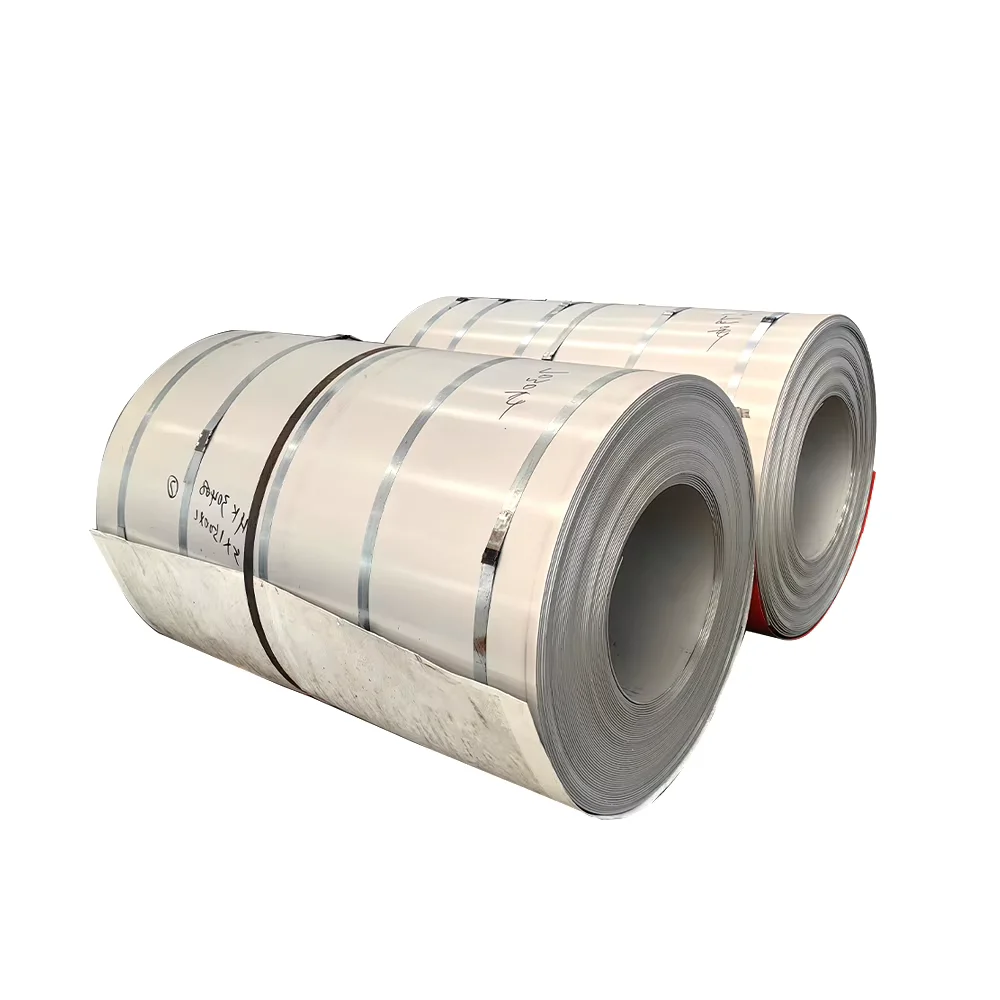
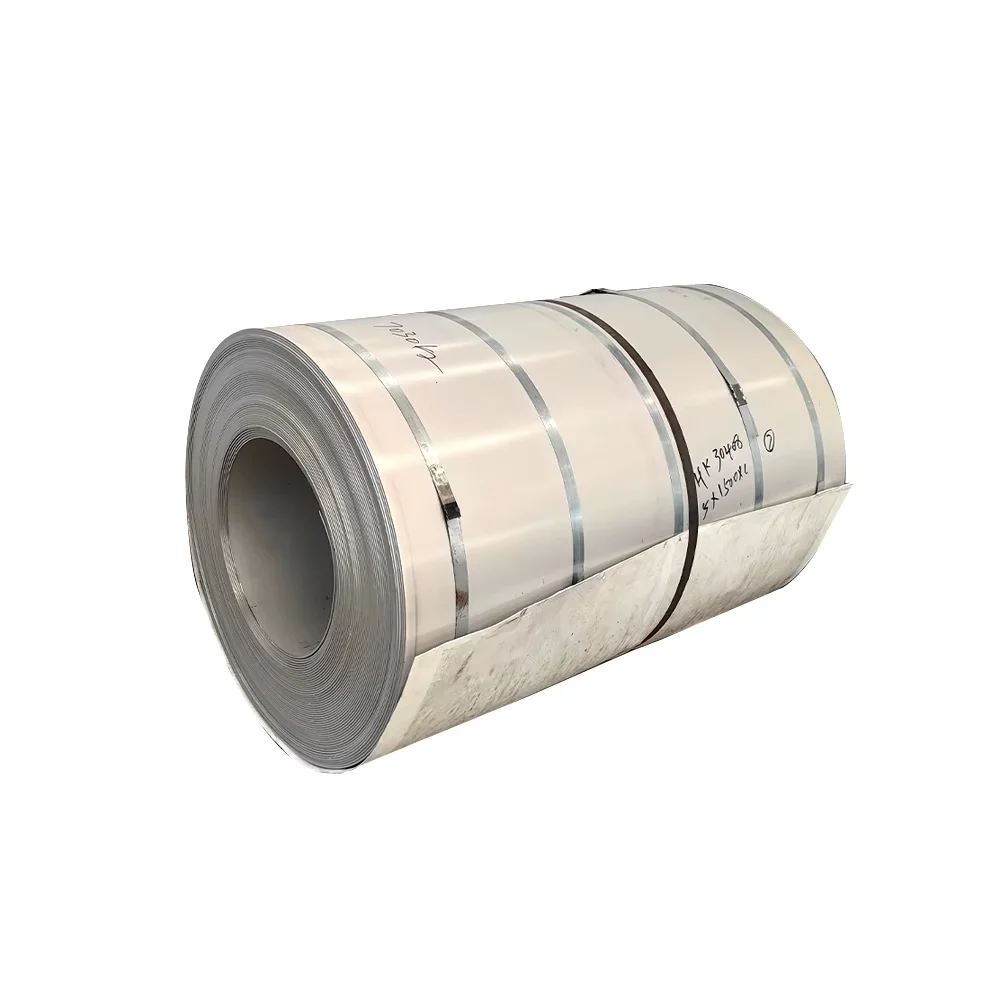
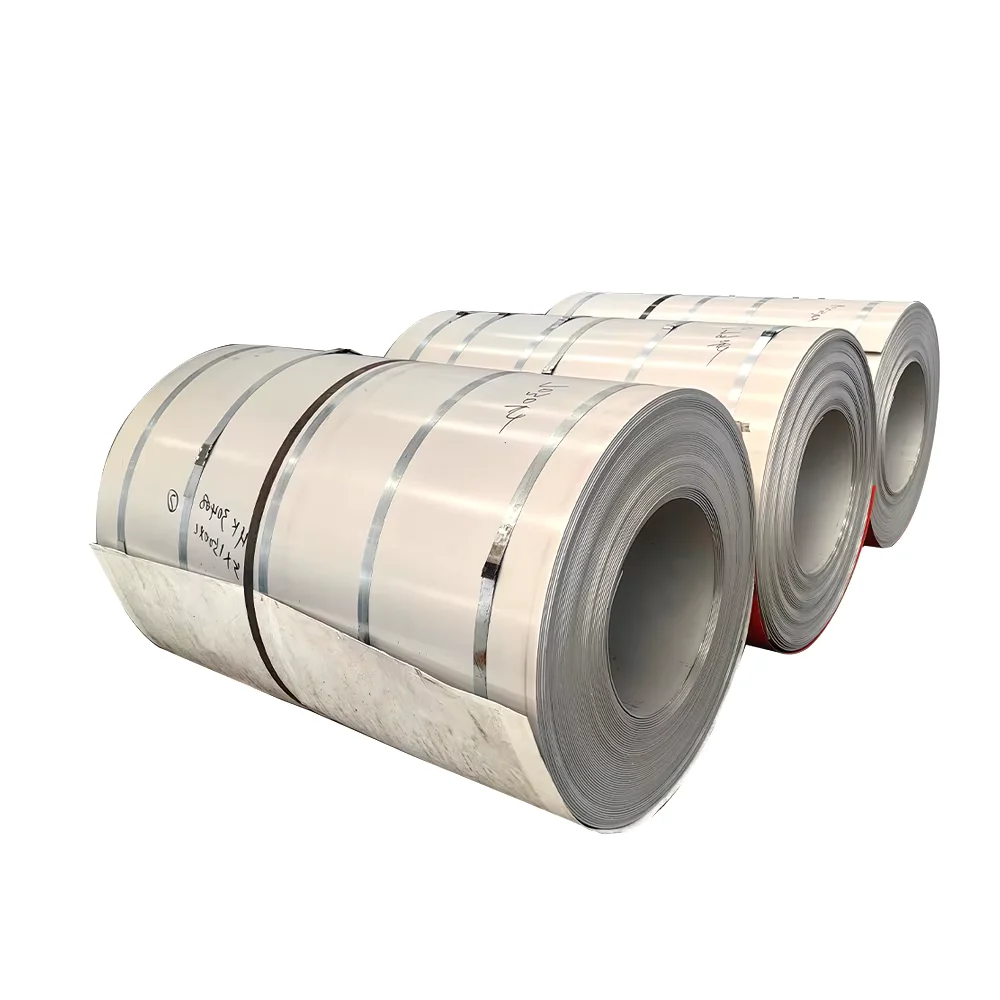
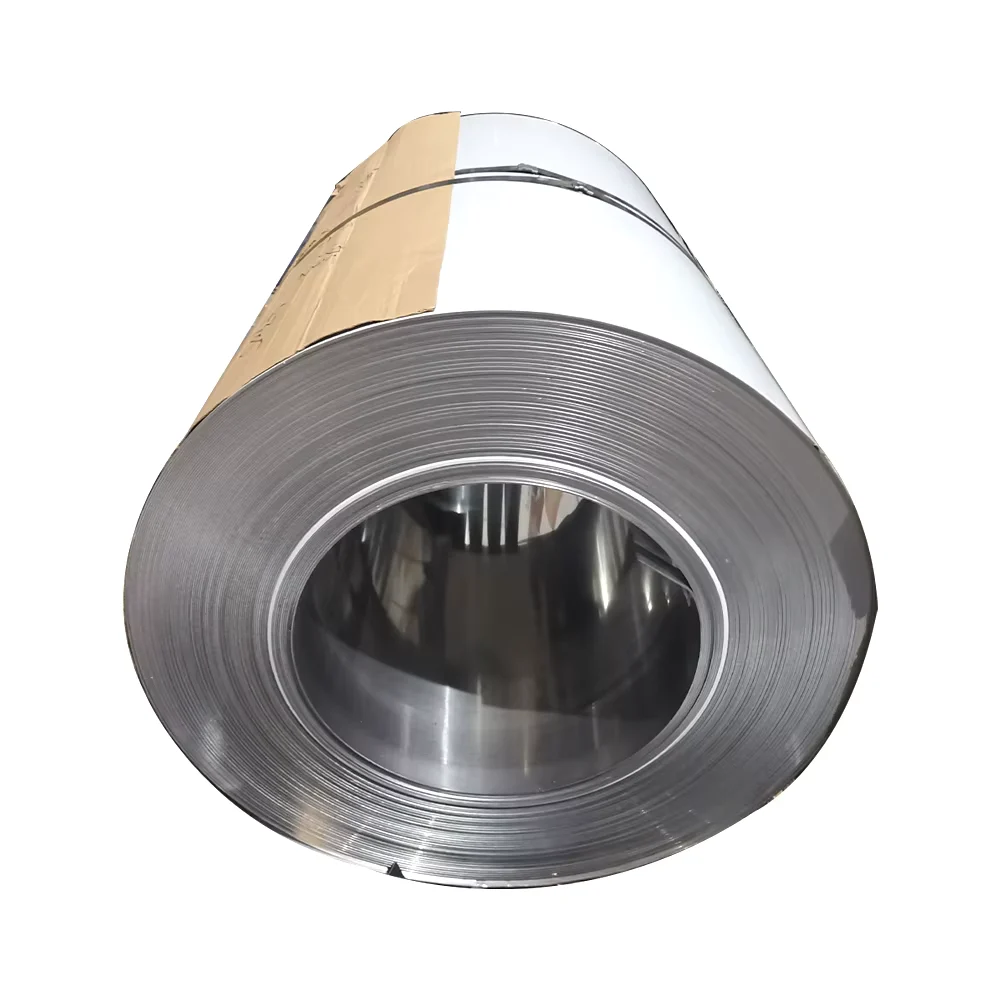
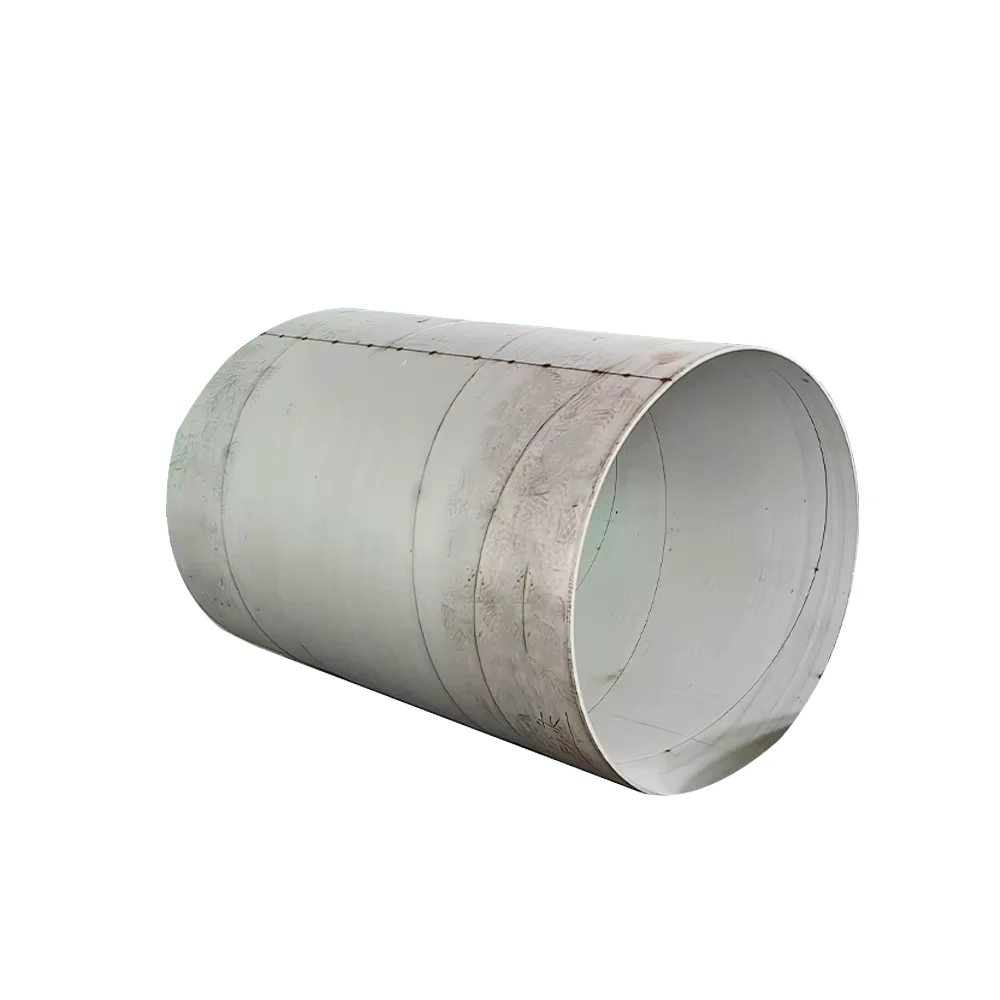
Description
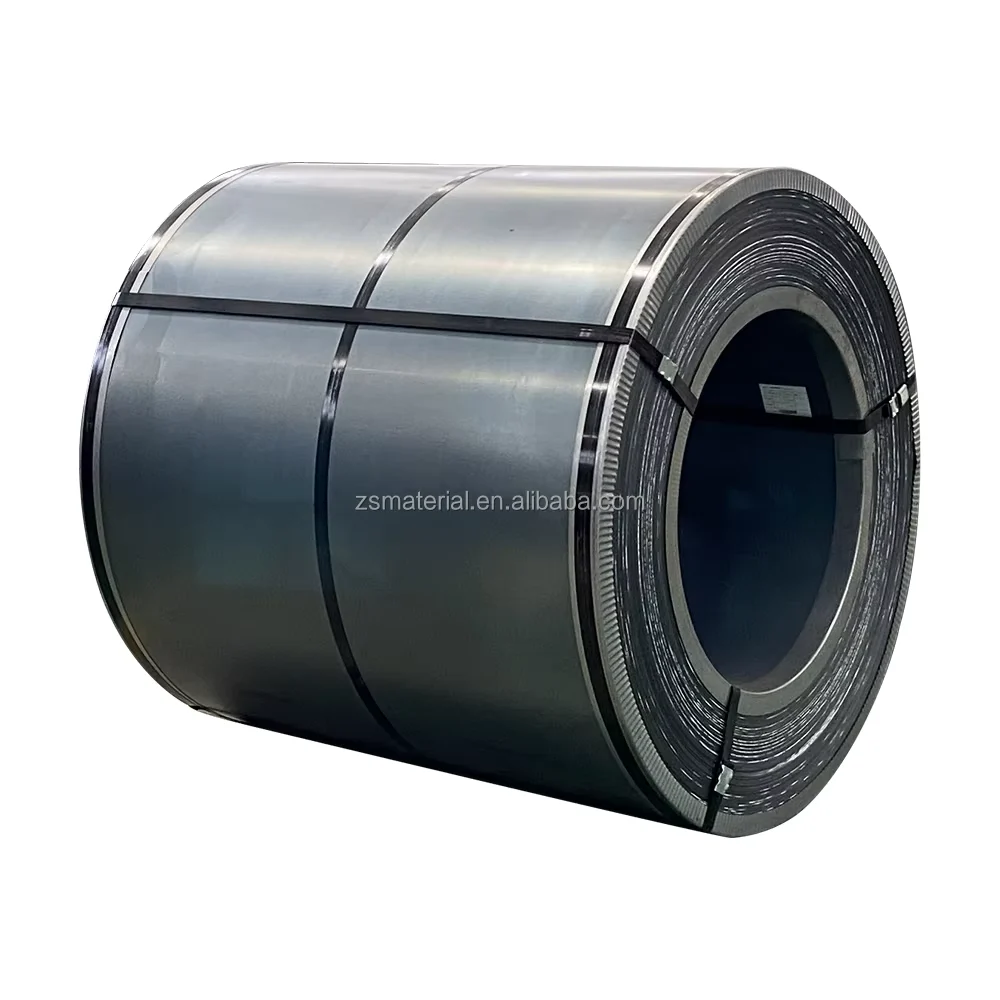
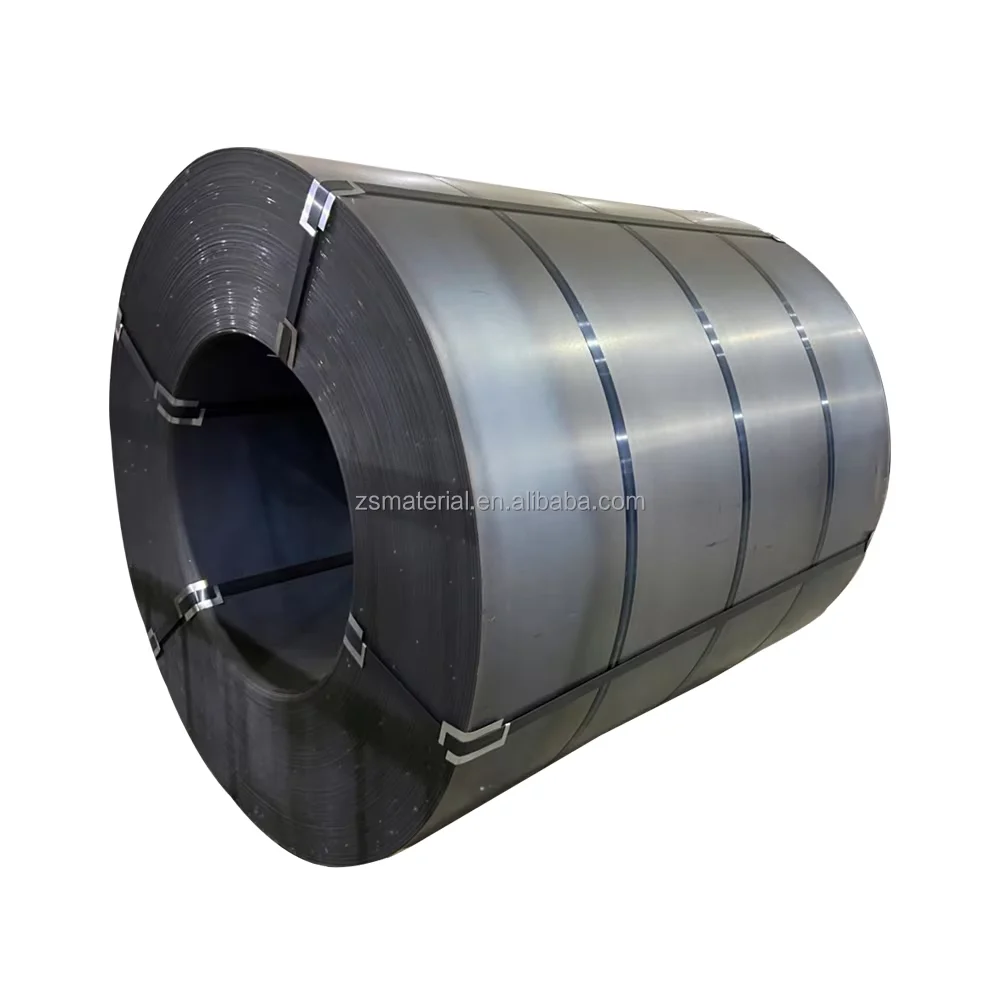
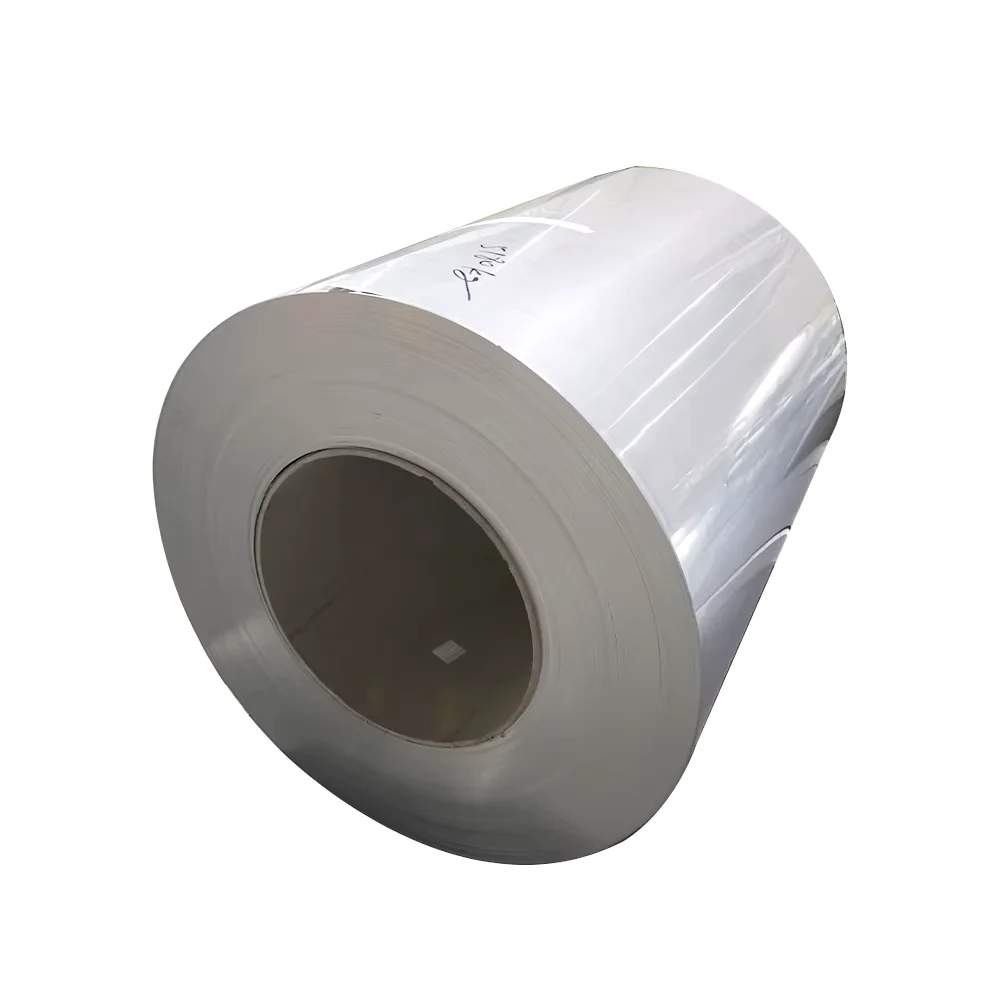
Factory-Direct Stainless Coil Supply — In-house physical and chemical laboratory testing every batch of 201, 304, 321, 309S, and 316L cold rolled stainless steel coil before shipment.
Technical Specifications
| Parameter | Value |
|---|---|
| Designation | 201 304 321 309S 316L Cold Rolled Stainless Steel Coil |
| Product Type | Steel Coil |
| Steel Grade | 201, 304, 321, 309S, 316L |
| Technique | Cold Rolled |
| Thickness | 0.3–8 mm |
| Width | 1000 mm / 1219 mm / 1500 mm |
| Surface Treatment | 2B Finish |
| Application | Kitchenware, Food Processing Equipment, Architectural Decoration, Industrial Fabrication |
| Origin | Shandong, China |
Application Suitability
| Industry | Typical Applications |
|---|---|
| Food & Beverage Processing | Tanks, conveyor belts, work surfaces, and piping for dairy and beverage plants |
| Architectural Decoration | Elevator interior panels, wall cladding, ceiling systems, and handrail covers |
| Kitchenware Manufacturing | Sink basins, countertop sheets, range hood shells, and commercial kitchen equipment |
| Industrial Fabrication | Heat exchanger shells, furnace components, and chemical process vessel liners |
Grade Confusion Between 304 and 316L Costs More Than the Material Premium
Selecting the wrong austenitic grade leads to premature corrosion, rejected inspections, or unnecessary overspending.
Procurement teams frequently default to 304 for every stainless application without evaluating chloride exposure, then face pitting corrosion failures in coastal or chemical environments. Conversely, specifying 316L across the board inflates project costs when 304 would perform adequately. The confusion deepens when 321 and 309S enter the picture — these grades serve high-temperature applications where standard austenitic grades lose creep resistance, yet buyers often order them for general decorative use where their premium is wasted. Missing or incomplete mill test certificates compound the problem: customs authorities in regulated markets reject shipments lacking proper EN 10204 3.1 documentation, and site inspectors cannot verify grade traceability without heat number marking. [NEED_CITE: stainless steel grade selection guidelines for corrosive environments]
Matching Coil Thickness and Width to Project Requirements
A cold rolled stainless steel coil 304 316L supplier must offer thickness coverage from 0.3 mm decorative sheets up to 8 mm industrial plates, because a single project often requires both thin gauge for elevator panels and medium gauge for structural brackets. Width options at 1000 mm, 1219 mm, and 1500 mm directly reduce edge-trimming waste on site — a 1500 mm wide coil for architectural cladding eliminates two longitudinal cuts that a narrower width would demand. Our production lines cover these widths across all five grades, and the in-house laboratory verifies each coil’s chemical composition against the specified grade before release.
Engineering Compliance and Surface Finish Selection
The 2B cold rolled finish provides a smooth, moderately reflective surface suitable for architectural interiors and food-grade equipment, meeting the surface roughness expectations of most facade and sanitary applications without the additional cost of BA or No. 4 polishing. For projects targeting EU markets, CE certification under EN 10219 or EN 10210 frameworks confirms dimensional compliance, while ASTM-equivalent documentation supports North American imports. Grade 321 with titanium stabilization serves exhaust systems and furnace parts where intergranular corrosion resistance at elevated temperatures matters, and 309S handles continuous service above 1000°C in heat treatment fixtures. Third-party inspection through SGS or BV is available for buyers who require independent verification before container sealing. [NEED_CITE: cold rolled stainless steel surface finish comparison standards]
Understanding the Five Austenitic Grades in This Range
Grade 201 uses manganese and nitrogen to partially replace nickel, delivering lower cost with adequate corrosion resistance for indoor decorative applications where chloride exposure is minimal. Grade 304 remains the workhorse austenitic stainless with balanced formability and corrosion resistance across food processing, kitchenware, and general architectural use. Grade 316L adds molybdenum for superior pitting resistance in marine, chemical, and pharmaceutical environments, while the low-carbon “L” variant prevents sensitization during welding. Grade 321 incorporates titanium stabilization to prevent chromium carbide precipitation in high-temperature service between 425°C and 815°C. Grade 309S, with elevated chromium and nickel content, maintains oxidation resistance under continuous high-temperature exposure. Cold rolling through precision mills achieves tight thickness tolerance and the uniform 2B surface that distinguishes it from hot-rolled alternatives.
Hidden Costs of Unverified Stainless Coil Procurement
Ordering cold rolled stainless steel coil 304 316L without verified mill test certificates invites three categories of loss: customs detention at destination ports when documentation fails to match the declared grade, on-site rejection when spectrographic testing reveals composition outside the specified standard, and accelerated corrosion when a lower-grade material substitutes undetected. A 316L coil that tests as 304 at the fabrication stage means dismantling already-installed panels, re-ordering, and absorbing project delay penalties — costs that dwarf the original price difference between grades. Proper material traceability by heat number and independent third-party inspection eliminate these risks before the container leaves the mill. [NEED_CITE: material traceability requirements for stainless steel in construction]
Procurement Confidence Built on Verified Capability
Every cold rolled stainless steel coil 304 316L shipment from our facility passes through an in-house physical and chemical laboratory that verifies composition, tensile properties, and surface quality against the ordered grade specification. We maintain full international certifications including ISO 9001:2015 quality management, Lloyd’s CE marking for European market compliance, and Singapore FPC certification — documentation that clears customs in regulated markets without delay. Our production capacity spans five austenitic grades across three thickness ranges and three standard widths, meaning a single purchase order covering kitchenware blanks, architectural panels, and industrial plates ships from one source with consistent quality records. Professional container loading with edge protection and moisture barrier wrapping prevents the surface scratches and water stains that plague poorly packed stainless shipments during ocean transit.
Documentation & Compliance
- Mill test certificate documenting chemical composition and mechanical properties for each heat number of 201, 304, 321, 309S, or 316L grade per EN 10204 3.1
- CE certificate confirming compliance with EN 10219 cold-formed structural stainless requirements for EU market imports
- ISO 9001:2015 quality management system certificate covering the full cold rolling and finishing process
- SGS or BV third-party inspection report available upon request for independent pre-shipment verification
- Material traceability linking each coil to its heat number, chemical analysis, and rolling batch record
- Complete customs documentation including packing list, bill of lading, and certificate of origin
Packaging, Loading & Delivery
- Each cold rolled stainless steel coil wrapped in moisture-proof paper and outer plastic film to prevent water stain formation during humid ocean transit
- Steel strip bundling with edge protectors applied to coil edges to preserve the 2B surface finish from mechanical damage
- Container loading optimized by coil weight and width to maximize 20ft and 40ft container utilization across 1000 mm, 1219 mm, and 1500 mm widths
- Heat number and grade identification marked on each coil ID tag and outer packaging for on-site traceability verification
- FOB, CIF, and DDP shipping terms available with professional loading supervision to prevent coil shifting during transit
- Custom slit widths available from master coils to reduce on-site trimming waste for architectural and kitchenware applications
Starting Your Stainless Coil Procurement
Submit your required grade, thickness, width, surface finish, and tonnage to receive a detailed quotation with lead time and shipping terms within twelve hours. We provide mill test certificates and third-party inspection coordination before shipment, ensuring your cold rolled stainless steel coil 304 316L order meets destination market compliance requirements.
Frequently Asked Questions
Q: What is the difference between 304 and 316L for architectural applications?
A: Grade 304 provides excellent corrosion resistance for interior architectural panels and elevator cladding in normal atmospheric conditions. Grade 316L adds molybdenum for superior resistance to chloride-induced pitting, making it the correct choice for coastal facades, swimming pool surrounds, and chemical plant cladding where salt or corrosive agents are present.
Q: What does 2B finish mean and how does it compare to BA or No. 4?
A: The 2B finish is a smooth, moderately reflective cold rolled surface produced by a final light cold reduction pass. It is brighter than a No. 1 hot rolled finish but less reflective than a BA (bright annealed) or No. 4 brushed finish. The 2B surface is the standard choice for food processing equipment and general architectural interiors where a polished appearance is not required.
Q: Can you supply custom slit widths from standard master coils?
A: Yes, we can slit master coils at 1000 mm, 1219 mm, and 1500 mm widths down to narrower custom widths based on your fabrication requirements. This reduces on-site edge trimming waste and improves material utilization for kitchenware blanking and architectural panel cutting.
Q: How do you prevent grade mixing between 304 and 316L shipments?
A: Each coil is tagged with its heat number and grade designation at the rolling stage. Our in-house laboratory performs chemical composition verification before release, and the mill test certificate documents the exact analysis for each heat. Separate storage areas and loading sequences prevent cross-contamination between grades.
Q: What certifications are available for EU market imports?
A: We provide CE marking under EN 10219 for cold-formed structural stainless products, ISO 9001:2015 quality management certification, and EN 10204 3.1 mill test certificates. Third-party inspection through SGS or BV is available for buyers requiring independent pre-shipment verification.
Request Your Cold Rolled Stainless Steel Coil Quotation
Send your grade, thickness, width, quantity, and destination port to receive pricing with full mill test certificates and compliance documentation.
Shandong Xin Jiyuan Special Steel Tube Co., Ltd
Website: www.sdxjypipe.com
Tel: +86 531 8573 6315
Mobile/WhatsApp/WeChat: +86 188 5315 7756
Email: admin@sdxjypipe.com
Address: No.11889, Jingshi West Road, Lulian Group, Jinan City, Shandong Province, China