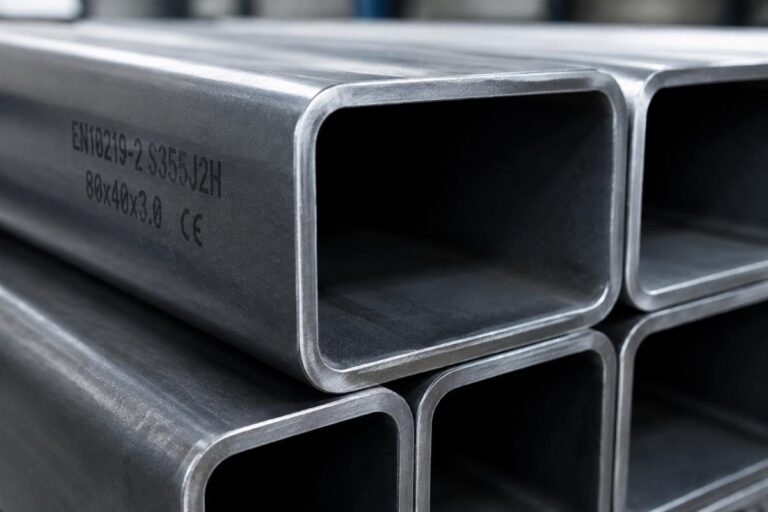
EN10210 Hot-Finished Structural Hollow Section Manufacturer for Sale
Avoid costly site rejections by mastering the critical differences in EN10210 hot-finished structural hollow section specifications. Verify true compliance through corner radius checks and S355 grade impact toughness to ensure superior load-bearing capacity for heavy-load structures.
- Published
- Updated
- Read time
- 8 min
- Comments
- 0
EN10210 Hot-Finished Structural Hollow Section Manufacturer for Sale
Most “hot-finished” tubes fail not because of strength, but because of corner geometry.
A true EN10210 hot-finished structural hollow section is defined by its seamless corner integrity and uniform microstructure, achieved through forming at high temperatures rather than cold bending. This process eliminates residual stresses and ensures consistent load-bearing capacity, making it the mandatory choice for heavy-load structures like multi-story car parks and seismic zones where cold-formed alternatives risk fatigue cracking.
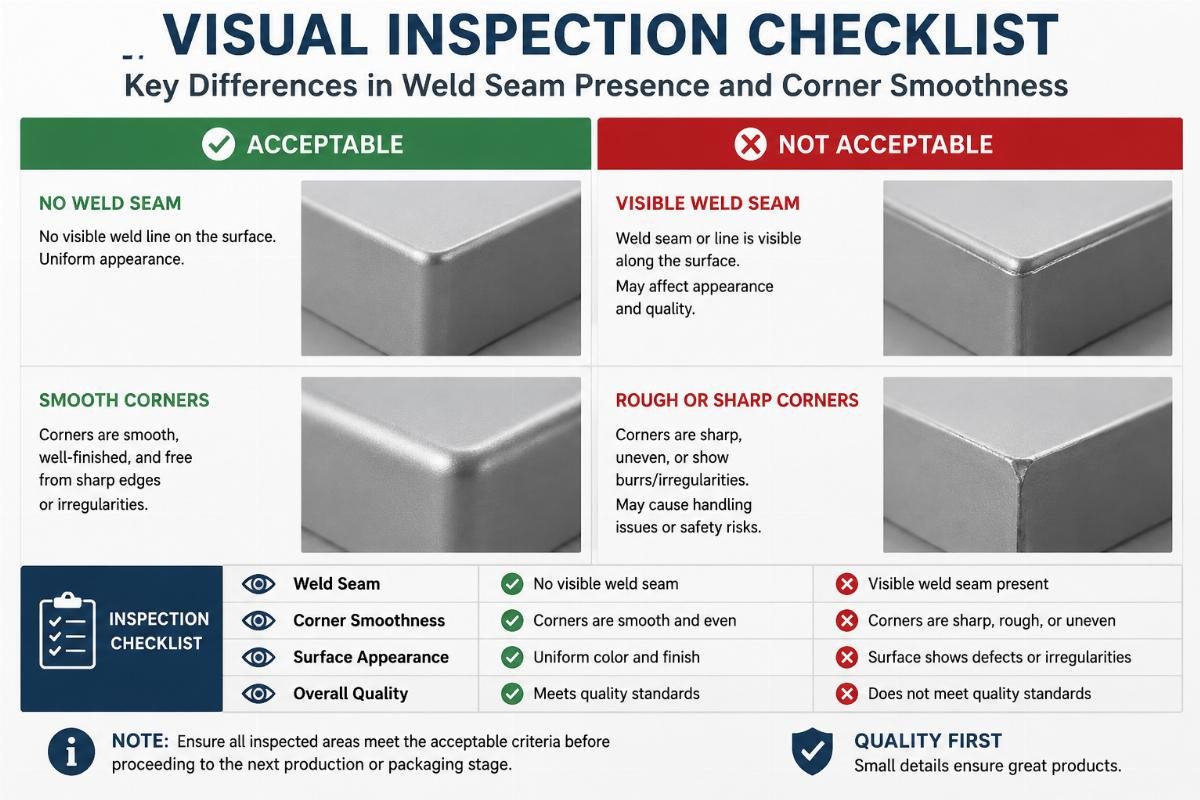
I still remember the silence on the phone line when a project manager in Dubai realized the square hollow sections arriving at his site were not what he ordered. He had specified an EN10210 hot-finished structural hollow section for a multi-level parking structure, expecting the robust, seamless corners that define this standard. Instead, the shipment contained cold-formed tubes with visible weld seams and sharp, stressed corners. The site engineer caught it immediately during a routine visual inspection, noting the corner radius was far too tight for the specified wall thickness. The entire container was rejected, leading to weeks of delay and significant financial loss. That incident reshaped how I approach every inquiry. It is not just about the label on the bundle; it is about the metallurgical reality inside the steel. [NEED_CITE: distinction between hot-finished and cold-formed mechanical properties]
Understanding this difference is critical for procurement officers and contractors who need to avoid costly site rejections. The confusion between standards is common, but the consequences are severe. Let us break down exactly what defines a compliant product and how to verify it before it leaves the factory.
What Defines a True EN10210 Hot-Finished Section?
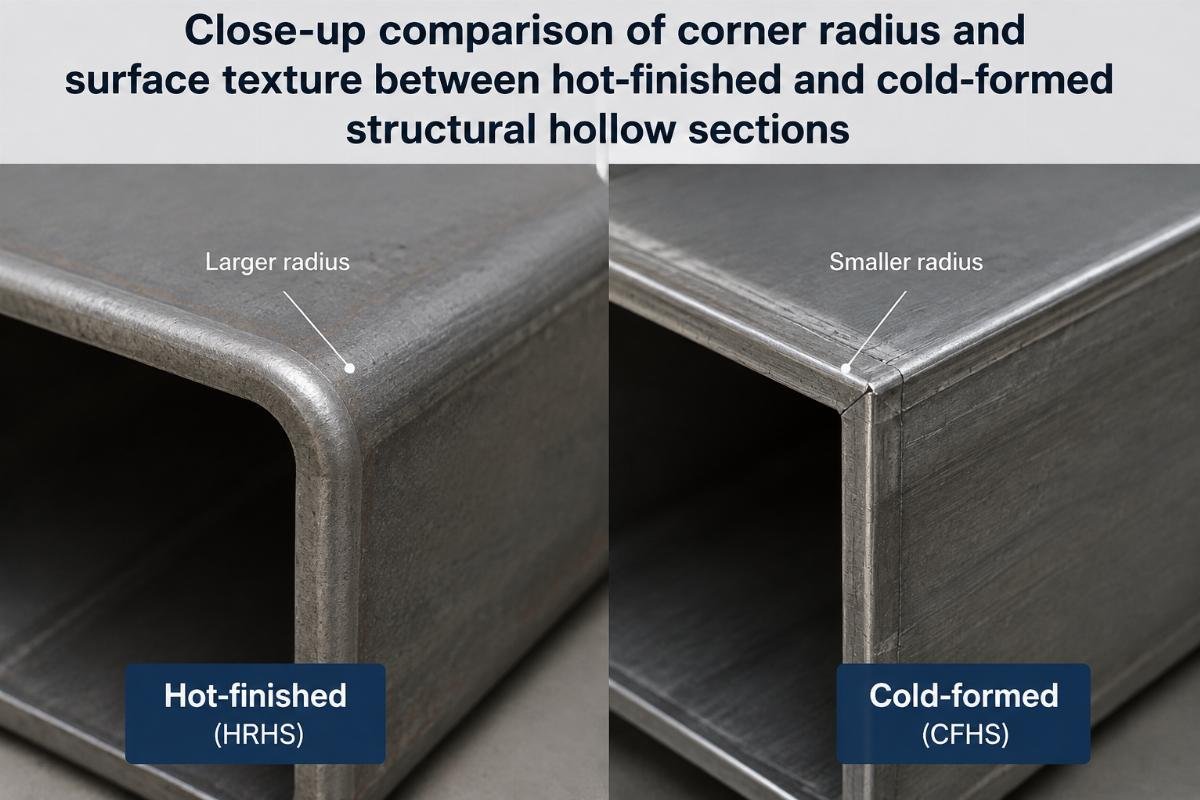
The core distinction lies in the forming temperature and the resulting corner geometry, not just the marketing label. Many buyers assume that if a tube looks seamless, it is hot-finished. This is a dangerous misconception. True hot-forming involves shaping the steel while it is still above its recrystallization temperature, which allows the material to flow naturally into the corner radii without inducing the high residual stresses typical of cold bending.
In my early days on the factory floor in Foshan, I learned to spot the difference by looking at the corner radius. For an EN10210 hot-finished structural hollow section, the external corner radius should generally be greater than or equal to twice the wall thickness ($R ge 2t$). Cold-formed sections, governed by different standards, often have much sharper corners, sometimes as tight as one to two times the thickness, depending on the grade and method. This sharpness creates a stress concentration point that can become a initiation site for cracks under dynamic loading.
Furthermore, the microstructure of hot-finished steel is more uniform. The heating process relieves internal stresses, resulting in a material that behaves predictably under load. In contrast, cold-formed tubes retain the memory of the bending process, creating uneven stress distribution across the cross-section. This is why specifications for critical infrastructure explicitly call for hot-finished products. [NEED_CITE: EN10210-1 standard requirements for corner radius and tolerances]
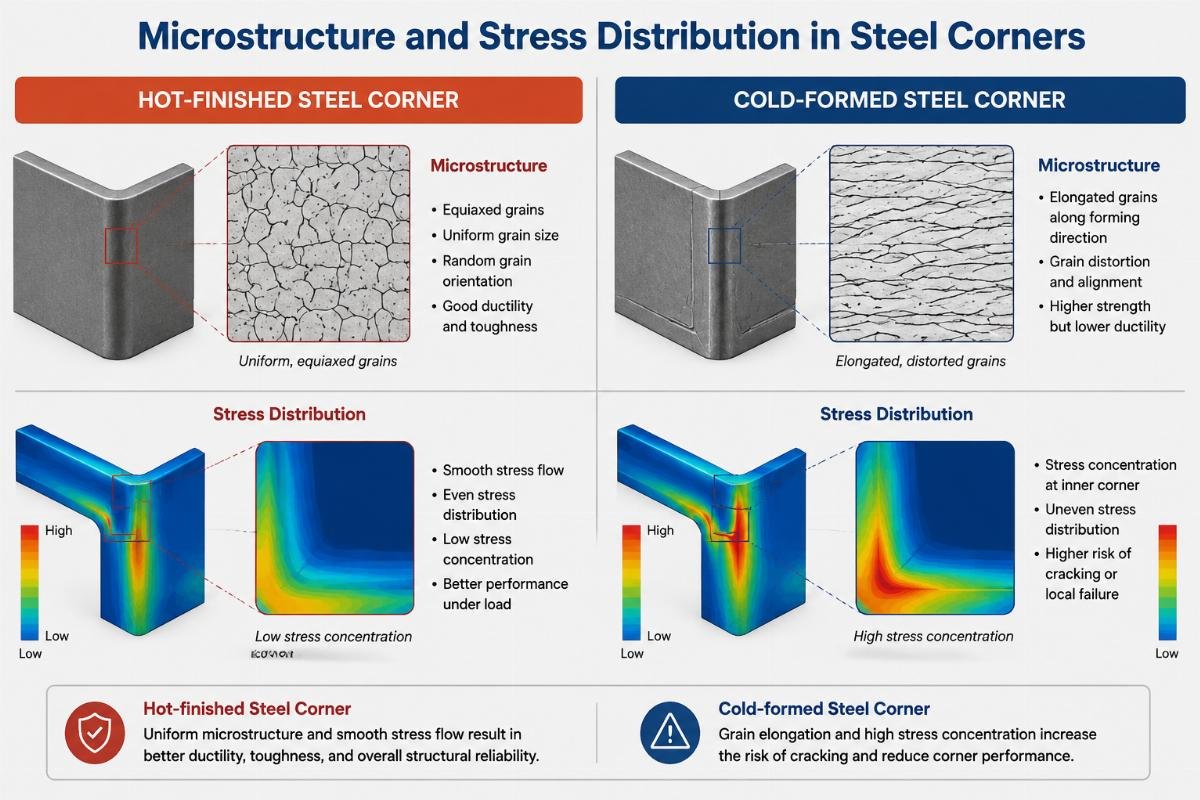
When you request an EN10210 hot-finished structural hollow section, you are paying for this structural integrity. It is not merely a aesthetic preference; it is an engineering necessity for applications where safety margins are thin and loads are high. Verifying this requires more than a glance; it demands a check of the mill test certificates for the specific forming method and a physical inspection of the corner radius upon arrival.
EN10210 vs EN10219: Why the Confusion Costs Projects?
The mix-up between EN10210 and EN10219 is the most common error in international steel procurement. EN10219 covers cold-formed welded structural hollow sections, while EN10210 covers hot-finished ones. While both may use similar steel grades like S355, their mechanical behavior and dimensional tolerances differ significantly.
Cold-formed EN10219 tubes are produced by bending flat strips into shape and welding them. This process introduces residual stresses and results in sharper corners. They are suitable for many general construction applications but are vulnerable in high-fatigue zones. Hot-finished EN10210 tubes, formed from solid blooms or billets at high temperatures, offer superior corner integrity and consistent wall thickness.
| Feature | EN10210 (Hot-Finished) | EN10219 (Cold-Formed) |
|---|---|---|
| Forming Process | Hot forming at high temperature | Cold bending and welding |
| Corner Radius | Large, smooth ($R ge 2t$ typically) | Sharp, tight ($R approx 1-2t$) |
| Residual Stress | Minimal, relieved by heat | High, retained from bending |
| Weld Seam | None (seamless appearance) | Visible longitudinal weld |
| Primary Application | Heavy load, seismic, dynamic | General construction, static load |
| Impact Toughness | Consistent across section | Variable near weld and corners |
A buyer in Southeast Asia once sourced cold-formed tubes for a warehouse frame subject to dynamic crane loads, assuming they were equivalent to hot-finished ones due to lower cost. Within months, fatigue cracking appeared at the corner joints. The investigation revealed that the residual stresses from cold forming, combined with the stress concentration at the sharp corners, accelerated crack propagation. Had they specified an EN10210 hot-finished structural hollow section, the uniform microstructure and larger corner radius would have distributed the stress more effectively, preventing such failure. [NEED_CITE: fatigue performance comparison of hot-finished vs cold-formed sections]
This case highlights why understanding the standard is crucial. It is not just about compliance; it is about matching the material’s physical properties to the structural demands. When in doubt, always default to hot-finished for critical load-bearing elements.
Key Technical Parameters for S355 Grades
When specifying S355 grades within the EN10210 framework, attention must be paid to yield strength, impact toughness, and chemical composition. S355 is a popular non-alloy structural steel, but the suffixes JR, J0, J2, and K2 indicate different impact energy requirements at various temperatures.
Many buyers assume S355JR is sufficient for all climates. This is incorrect. For regions with sub-zero temperatures, such as parts of Europe or high-altitude projects in Asia, S355J2 or K2 grades are mandatory to ensure the steel does not become brittle. The impact energy value at -20°C for J2 grades is a critical parameter that must be verified in the mill test certificate.
For an EN10210 hot-finished structural hollow section in S355J2, the chemical composition limits are strictly defined to ensure weldability and toughness. Elements like carbon, manganese, and sulfur must stay within specific ranges. Exceeding these limits can compromise the steel’s performance, especially in welded connections. [NEED_CITE: EN10210-2 chemical composition limits for S355 grades]
Additionally, dimensional tolerances for hot-finished sections are tighter than for cold-formed ones in terms of straightness and twist. This precision is vital for prefabricated structures where components must fit together perfectly on-site. A deviation in straightness can lead to alignment issues during assembly, causing delays and additional labor costs.
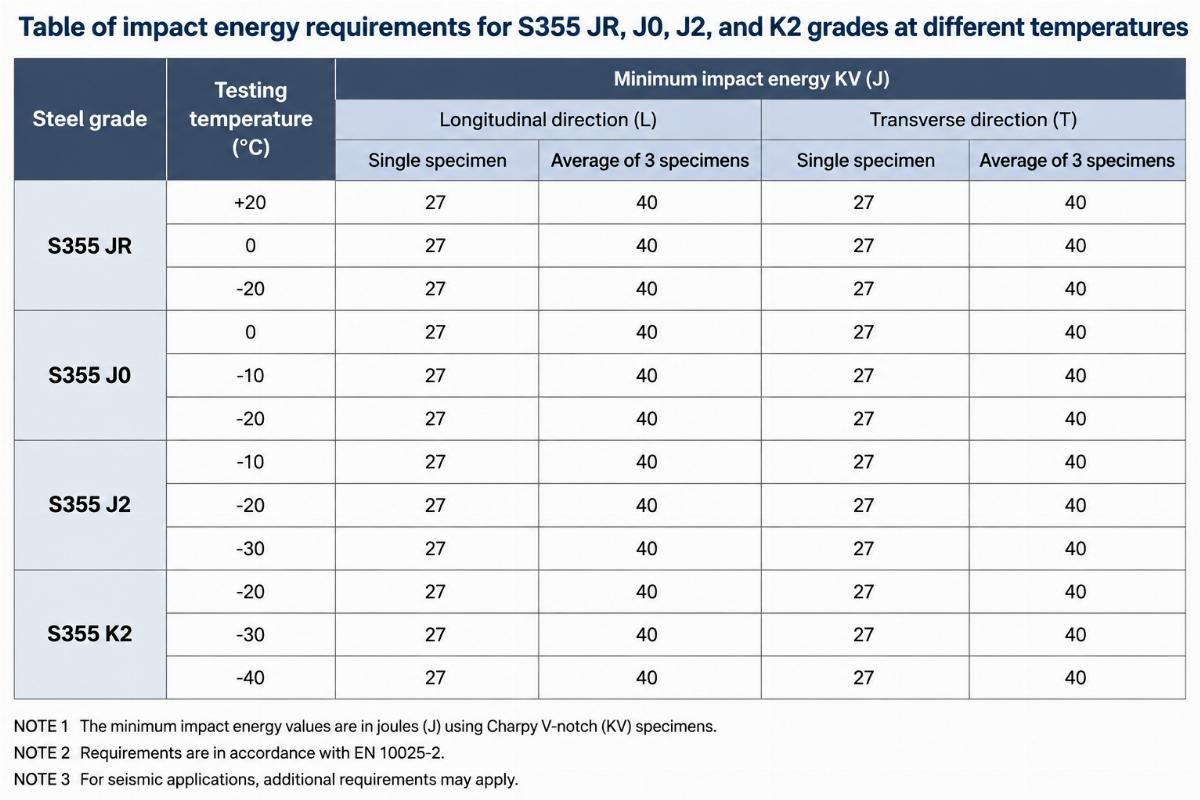
Procurement officers should request detailed mill test certificates that include not just the chemical analysis but also the impact test results for the specific batch. This ensures that the material meets the required toughness for the intended environment. Without this verification, you risk receiving material that may pass visual inspection but fail under thermal stress.
How to Verify Certifications Before Shipment?
Verification is the final safeguard against material mismatch. Relying solely on the supplier’s word is insufficient. A robust verification process involves checking three key documents: the CE marking, the Declaration of Performance (DoP), and the Mill Test Certificate (MTC).
The CE marking indicates conformity with European health, safety, and environmental protection standards. However, it must be accompanied by a DoP, which declares the product’s performance characteristics according to the relevant harmonized standard. For an EN10210 hot-finished structural hollow section, the DoP should reference EN10210-1 and specify the declared values for yield strength, tensile strength, and impact toughness.
The MTC is the most detailed document, providing batch-specific data. It should include the heat number, which allows traceability back to the original melt. Cross-referencing the heat number on the MTC with the markings on the actual steel bundles is a simple yet effective way to ensure authenticity. If the numbers do not match, the material is suspect.
A European infrastructure tender once faced a documentation delay because the supplier provided a generic certificate instead of a batch-specific MTC with traceable heat numbers. The client’s quality assurance team rejected the documents, requiring re-certification and extending the lead time by several weeks. This could have been avoided by insisting on full traceability from the outset. [NEED_CITE: importance of heat number traceability in structural steel certification]
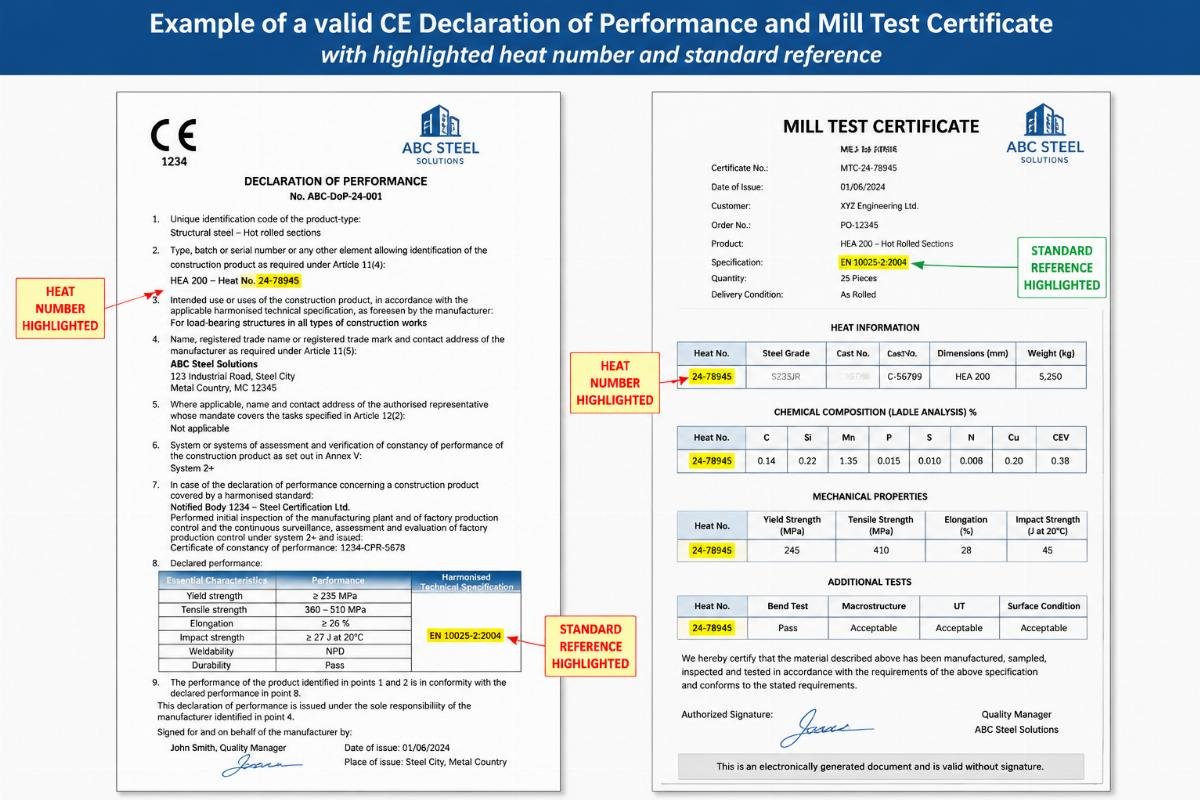
To streamline this process, reputable manufacturers perform in-house laboratory tests on every batch before issuing CE certs. This ensures that the physical properties match the documented values, providing zero site rejection risk. When sourcing an EN10210 hot-finished structural hollow section, ask for evidence of such internal quality control processes. It is a sign of a manufacturer who understands the gravity of structural integrity.
Conclusion
Selecting the right structural hollow section is about verifying physics, not just paperwork.
The distinction between hot-finished and cold-formed tubes determines the safety and longevity of your structure. By focusing on corner geometry, residual stress, and proper certification, you ensure that your project stands on solid ground. Always demand traceable documentation and understand the specific grade requirements for your environment.
Tags
Share this article
- LinkedIn -- share "EN10210 Hot-Finished Structural Hollow Section Manufacturer for Sale" on LinkedIn
- X -- share "EN10210 Hot-Finished Structural Hollow Section Manufacturer for Sale" on X
- Facebook -- share "EN10210 Hot-Finished Structural Hollow Section Manufacturer for Sale" on Facebook
- WhatsApp -- share "EN10210 Hot-Finished Structural Hollow Section Manufacturer for Sale" on WhatsApp
- Email -- share "EN10210 Hot-Finished Structural Hollow Section Manufacturer for Sale" on Email

Written by
author
Editor covering global sourcing, supplier verification, and industrial product knowledge. Content is compiled from manufacturer specifications, industry standards, and hands-on experience with international B2B buyers. Every article is fact-checked before publishing to help procurement professionals make informed decisions.
All posts by author