API 5L X52/X60/X70 Line Pipe Manufacturer for Oil Pipeline Contractors
Selecting the right API 5L line pipe X52 X60 X70 requires prioritizing PSL2 impact toughness over yield strength to prevent weld cracks in extreme climates. Verify Charpy V-notch values at minimum design temperatures in Mill Test Certificates to avoid costly field rework and ensure pipeline integrity.
- Published
- Updated
- Read time
- 8 min
- Comments
- 0
API 5L X52/X60/X70 Line Pipe Manufacturer for Oil Pipeline Contractors
Higher yield strength does not guarantee weld integrity in extreme climates.
For EPC contractors and procurement managers operating in regions with significant diurnal temperature variations, such as the Middle East, selecting the correct API 5L line pipe requires prioritizing PSL2 impact toughness over simple tensile strength metrics. The critical failure point in desert environments is often low-temperature brittleness during night-time welding, not insufficient pressure capacity. Verifying Charpy V-notch values at minimum design temperatures in Mill Test Certificates is non-negotiable to prevent field cracks and costly rework.
I remember standing in the dust of a remote site outside Riyadh, watching a welding crew halt operations. A batch of X60 pipes had developed hairline cracks in the heat-affected zone shortly after deposition. The project manager was furious, holding up the Mill Test Certificate that showed perfect yield strength compliance. But when I looked closer at the impact test data, the values were recorded at room temperature, ignoring the fact that nighttime temperatures on-site dropped significantly. The steel was strong, but it was brittle under thermal stress. That delay cost the project weeks in crane time and specialized labor, far exceeding any initial savings from choosing a lower-specification supplier. [NEED_CITE: relationship between ambient temperature fluctuations and steel brittleness in arid climates]
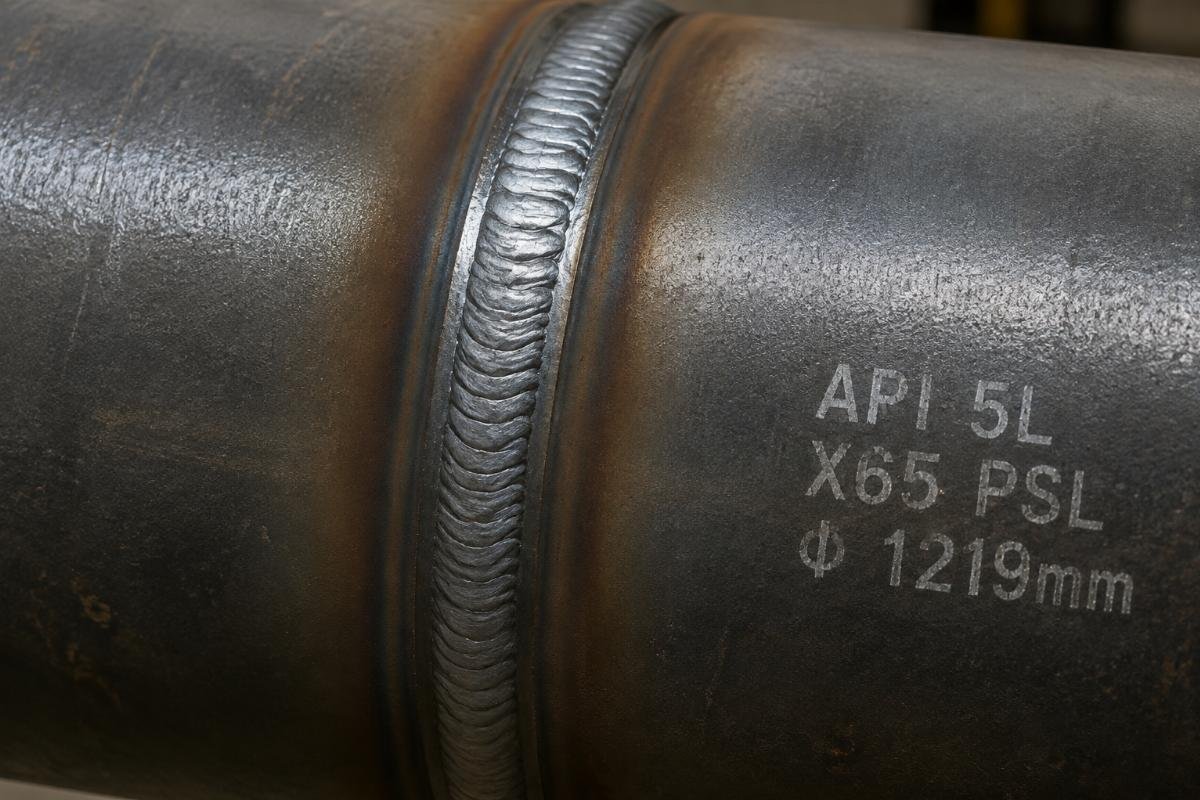
This incident underscores a fundamental truth in pipeline construction: material selection is not just about meeting pressure ratings. It is about ensuring the metal can withstand the physical realities of its environment. When sourcing API 5L line pipe, understanding the distinction between specification levels and verifying impact resistance is the difference between a seamless commissioning and a logistical nightmare.
Why Does API 5L X60 Crack in Desert Welding?
The assumption that higher grade steel automatically translates to better performance is a common misconception in pipeline procurement. In reality, mismatched toughness for specific climatic conditions causes more field failures than insufficient strength.
In desert environments, the daily temperature swing can be drastic. Steel that performs adequately at midday heat may become susceptible to brittle fracture when welded during cooler night shifts. The core issue lies in the microstructure of the steel. High-strength grades like X60 and X70 are designed to withstand high internal pressures, but this strength is often achieved through specific alloying and processing methods that can reduce toughness if not carefully controlled. [NEED_CITE: effect of carbon equivalent on weldability and toughness in high-strength low-alloy steels]
When the base metal has inadequate low-temperature impact resistance, the heat input from welding creates a thermal cycle that can harden the heat-affected zone. If the surrounding steel cannot absorb the resulting stress due to brittleness, cracks initiate. This is not a defect in the welding procedure itself, but a failure in material selection.
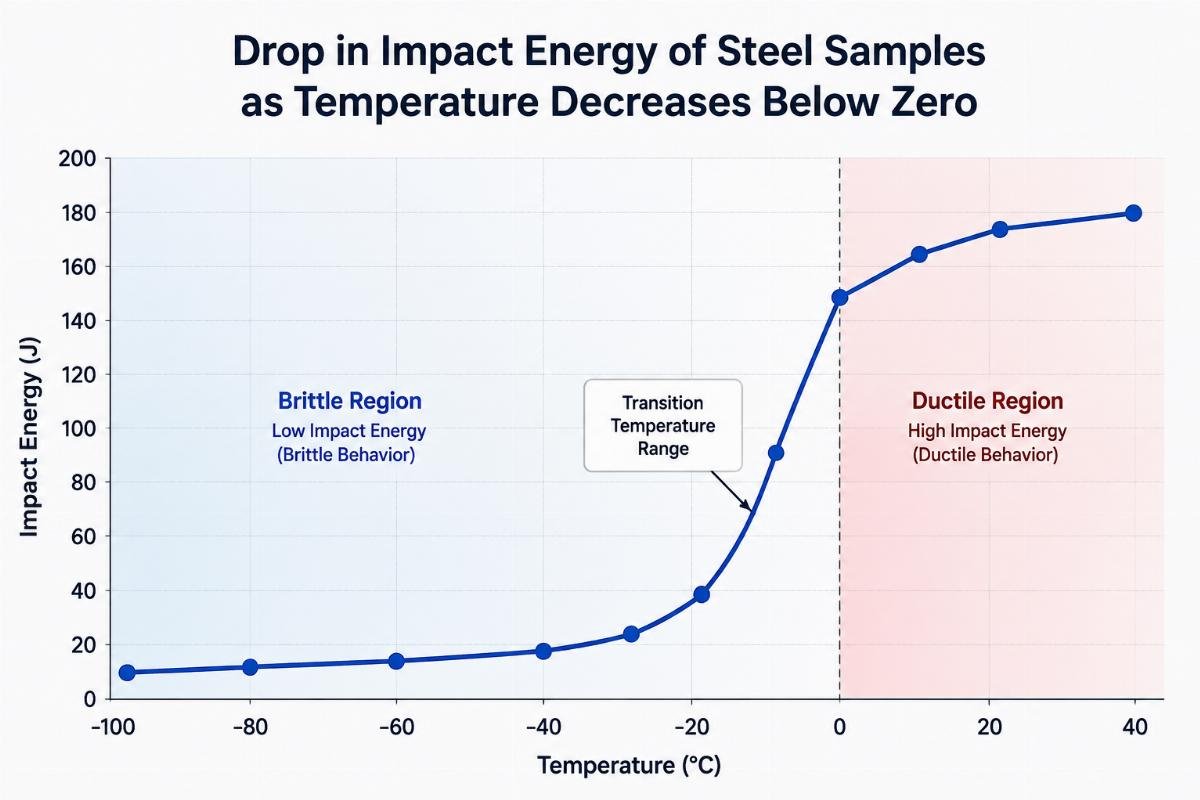
For contractors, this means that specifying API 5L line pipe based solely on yield strength is insufficient. The material must be evaluated for its ability to maintain ductility across the full range of expected site temperatures. Ignoring this factor leads to the kind of field failures that disrupt schedules and inflate budgets.
PSL1 vs. PSL2: What’s the Real Difference for Contractors?
Many buyers assume that PSL1 is sufficient for all pipeline applications because it meets the basic mechanical requirements. However, for projects in harsh environments, PSL2 is not just a premium option; it is a technical necessity.
The primary distinction lies in the mandatory testing and chemical composition controls. PSL1 focuses on tensile strength, yield strength, and elongation. It does not require impact testing or strict limits on certain alloying elements that affect weldability. PSL2, on the other hand, mandates Charpy V-notch impact testing and imposes tighter controls on carbon, manganese, and other elements. [NEED_CITE: API Specification 5L differences between PSL1 and PSL2 requirements]
| Feature | PSL1 | PSL2 |
|---|---|---|
| Impact Testing | Not Required | Mandatory (Charpy V-notch) |
| Chemical Composition | Standard Limits | Stricter Controls on C, Mn, S, P |
| Carbon Equivalent | Not Specified | Maximum Value Defined |
| Non-Destructive Testing | Optional | Required for Seam Welds |
| Traceability | Basic | Full Heat Number Traceability |
Choosing PSL1 for a project with significant temperature variations is a risk that many contractors regret. The lack of impact data means there is no verification that the steel will perform under thermal stress. In contrast, PSL2 provides the assurance that the material has been tested for toughness.
When sourcing API 5L line pipe, specifying PSL2 ensures that the manufacturer has conducted the necessary tests to verify performance. This is particularly important for grades like X60 and X70, where the balance between strength and toughness is critical. The additional cost of PSL2 is negligible compared to the potential costs of field repairs and delays.
How to Verify Impact Toughness in Mill Test Certificates?
A common oversight in procurement is focusing only on the yield strength values in Mill Test Certificates while ignoring the impact test results. This gap in verification can lead to the acceptance of materials that are technically compliant but practically unsuitable for the site conditions.
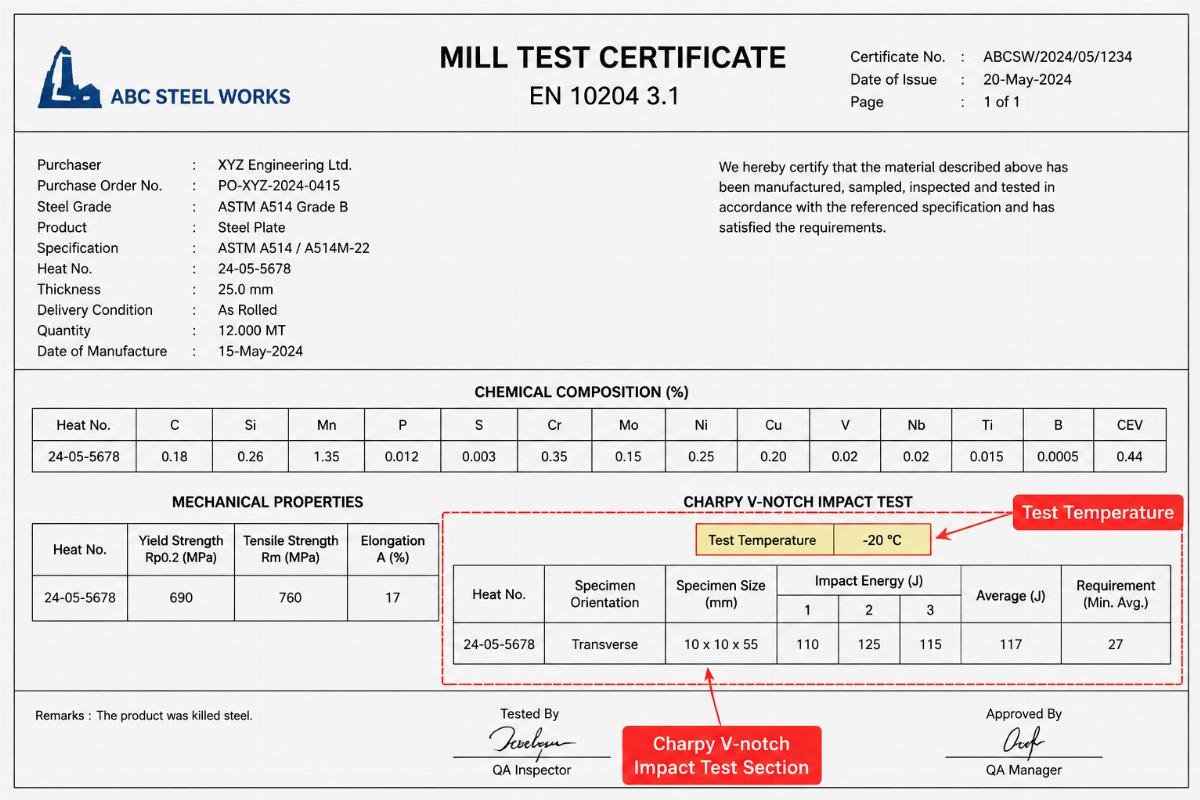
To properly verify impact toughness, buyers must look beyond the pass/fail status. The certificate should specify the test temperature and the average energy absorbed. For desert projects, the test temperature should reflect the lowest expected ambient temperature during construction, not just the standard room temperature. [NEED_CITE: importance of testing temperature in Charpy V-notch impact tests for pipeline steels]
Steps to verify MTC data:
- Check the Specification Level: Ensure the certificate explicitly states PSL2 compliance.
- Locate Impact Values: Find the Charpy V-notch results, usually listed in Joules.
- Verify Test Temperature: Confirm the temperature at which the test was conducted. It should match or be lower than the minimum design temperature.
- Review Average and Individual Values: Both the average energy and the minimum individual value must meet the specified requirements.
- Cross-Reference Heat Numbers: Ensure the heat number on the certificate matches the markings on the pipes.
In the case of the Riyadh project, the MTC showed impact values, but they were tested at twenty degrees Celsius. The site temperatures at night were near zero. This discrepancy meant the steel had not been verified for the actual conditions it would face. By demanding impact data at relevant temperatures, contractors can avoid this pitfall.
When evaluating API 5L line pipe suppliers, ask for sample MTCs early in the process. This allows you to verify their testing capabilities and attention to detail before placing a large order.
Selecting the Right Grade: X52, X60, or X70?
Choosing between X52, X60, and X70 is not just a matter of pressure requirements. It involves balancing strength, weldability, and cost, with toughness as the deciding factor for challenging environments.
X52 is a versatile grade often used in lower-pressure applications. It generally offers good weldability and toughness, making it a safe choice for many projects. X60 provides higher strength, allowing for thinner walls and reduced material weight, but it requires more careful control of welding parameters. X70 offers the highest strength among these common grades, enabling even greater efficiency in material usage, but it is more sensitive to toughness issues if not properly manufactured. [NEED_CITE: comparison of weldability and toughness across API 5L grades X52, X60, and X70]
| Grade | Yield Strength (min) | Typical Application | Toughness Consideration |
|---|---|---|---|
| X52 | 360 MPa | Low to medium pressure lines | Generally robust, good weldability |
| X60 | 415 MPa | Medium to high pressure lines | Requires PSL2 for harsh climates |
| X70 | 485 MPa | High pressure, long-distance lines | Critical to verify impact energy |
For projects in the Middle East, X60 is a popular choice due to its balance of strength and cost. However, as seen in previous cases, it must be sourced with PSL2 certification to ensure adequate toughness. X70 is suitable for high-pressure transmission lines, but the margin for error in toughness is smaller, making rigorous verification even more important.
The key is to match the grade to the pressure requirements while prioritizing toughness certification for sites with variable temperatures. Do not default to X70 simply because it is stronger. If the project does not require the extra strength, X60 or even X52 with proper toughness may be a more reliable and cost-effective solution.
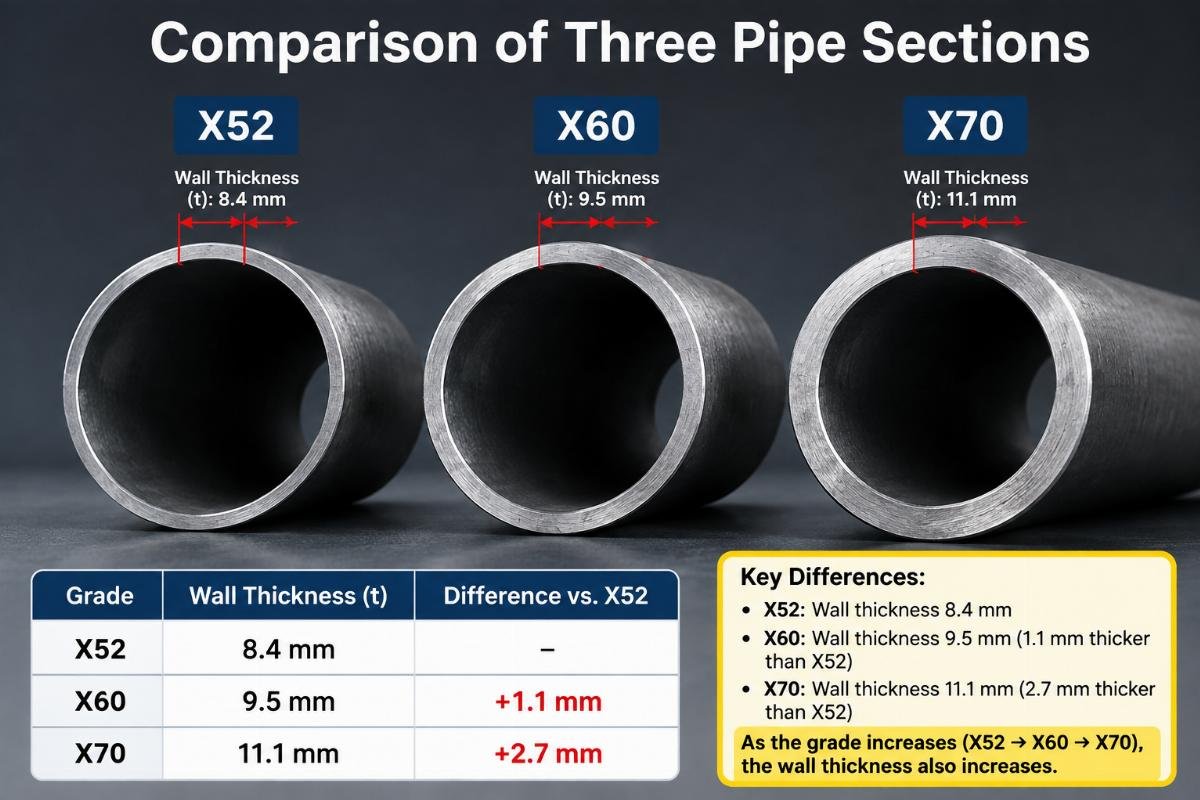
When working with an API 5L line pipe manufacturer, discuss the specific environmental conditions of your project. A reputable supplier will guide you toward the grade that offers the best combination of performance and reliability for your specific needs.
Conclusion
Selecting the right pipe grade is about matching toughness to climate, not just strength to pressure.
Preventing weld cracks in extreme temperatures requires verifying PSL2 impact toughness in Mill Test Certificates. By prioritizing Charpy V-notch values at minimum design temperatures, contractors can ensure the integrity of their API 5L line pipe installations. This approach minimizes the risk of field failures and ensures long-term operational reliability.
Tags
Share this article
- LinkedIn -- share "API 5L X52/X60/X70 Line Pipe Manufacturer for Oil Pipeline Contractors" on LinkedIn
- X -- share "API 5L X52/X60/X70 Line Pipe Manufacturer for Oil Pipeline Contractors" on X
- Facebook -- share "API 5L X52/X60/X70 Line Pipe Manufacturer for Oil Pipeline Contractors" on Facebook
- WhatsApp -- share "API 5L X52/X60/X70 Line Pipe Manufacturer for Oil Pipeline Contractors" on WhatsApp
- Email -- share "API 5L X52/X60/X70 Line Pipe Manufacturer for Oil Pipeline Contractors" on Email

Written by
author
Editor covering global sourcing, supplier verification, and industrial product knowledge. Content is compiled from manufacturer specifications, industry standards, and hands-on experience with international B2B buyers. Every article is fact-checked before publishing to help procurement professionals make informed decisions.
All posts by author