



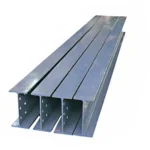
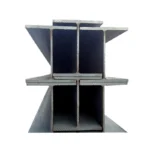

Description
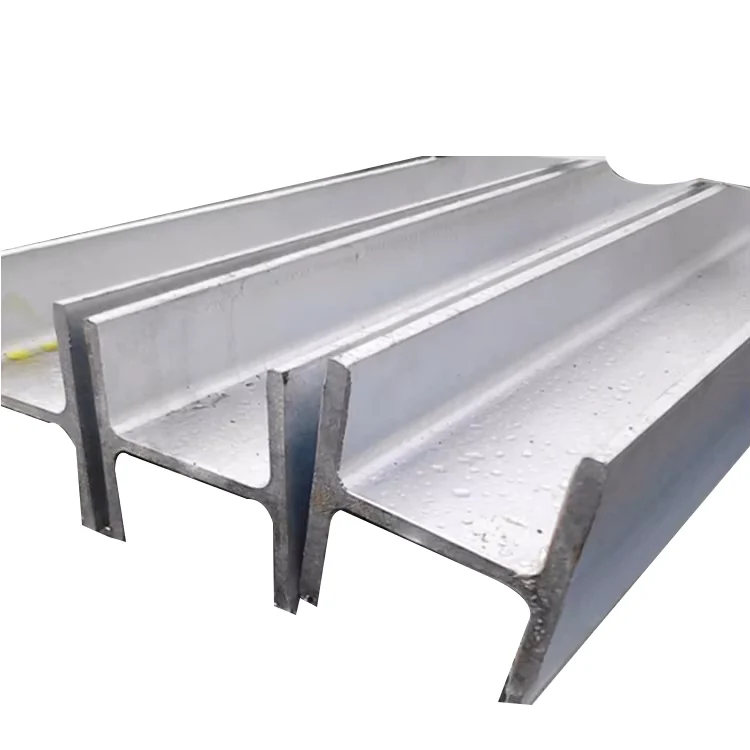
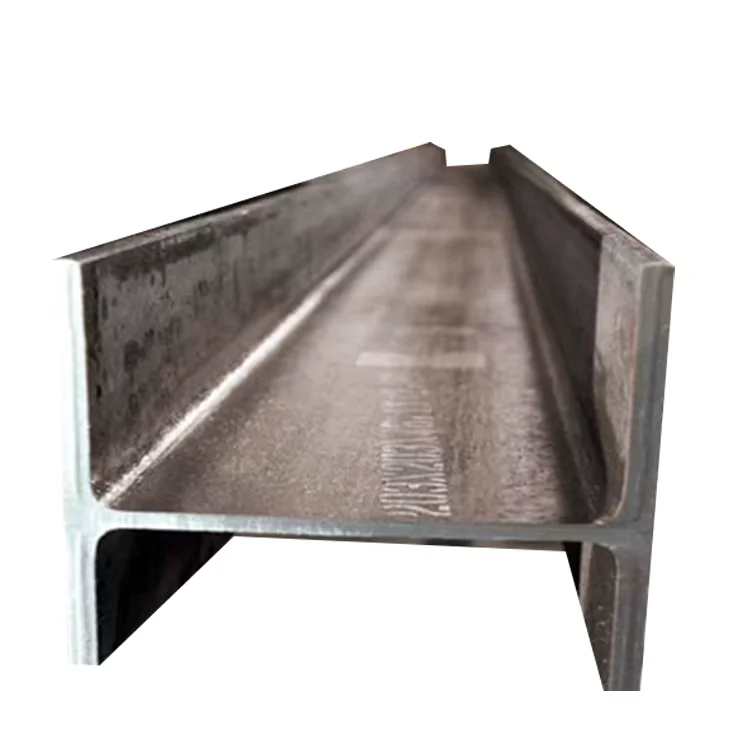
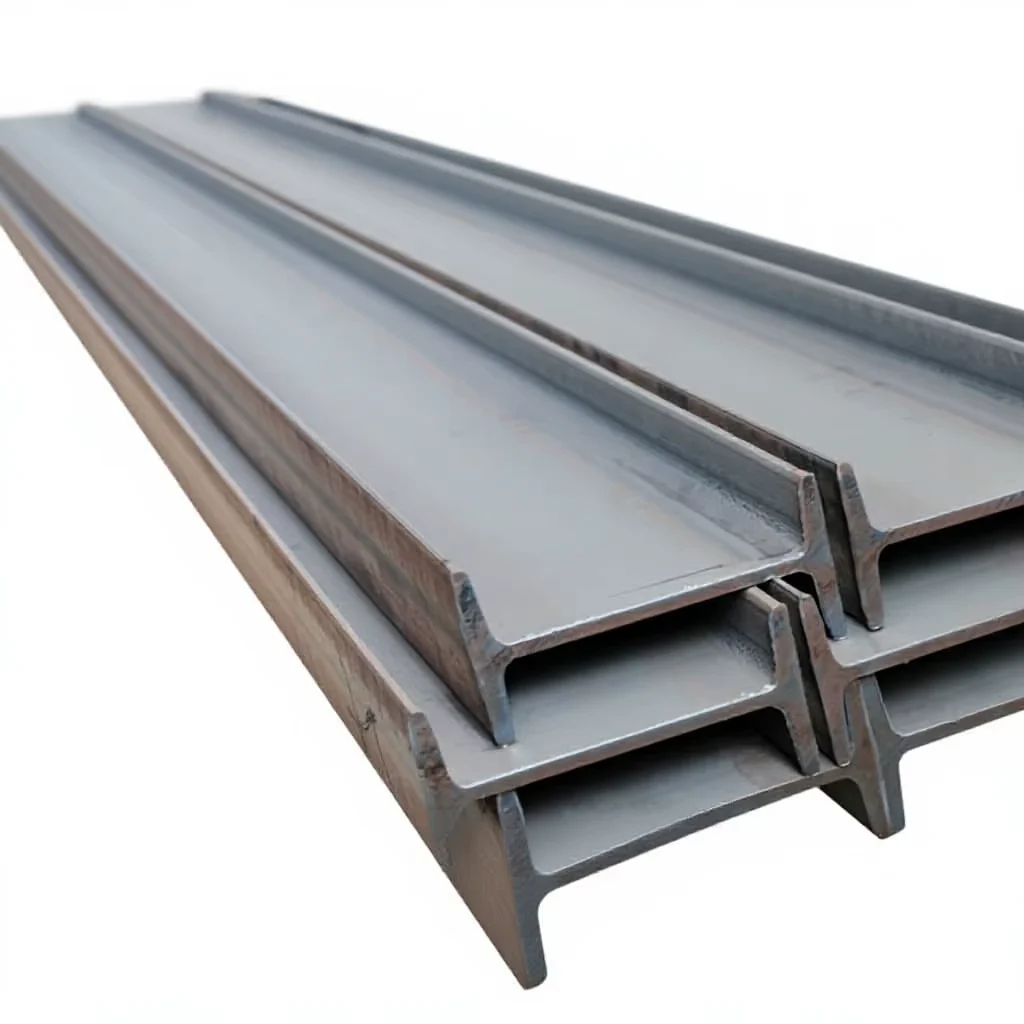
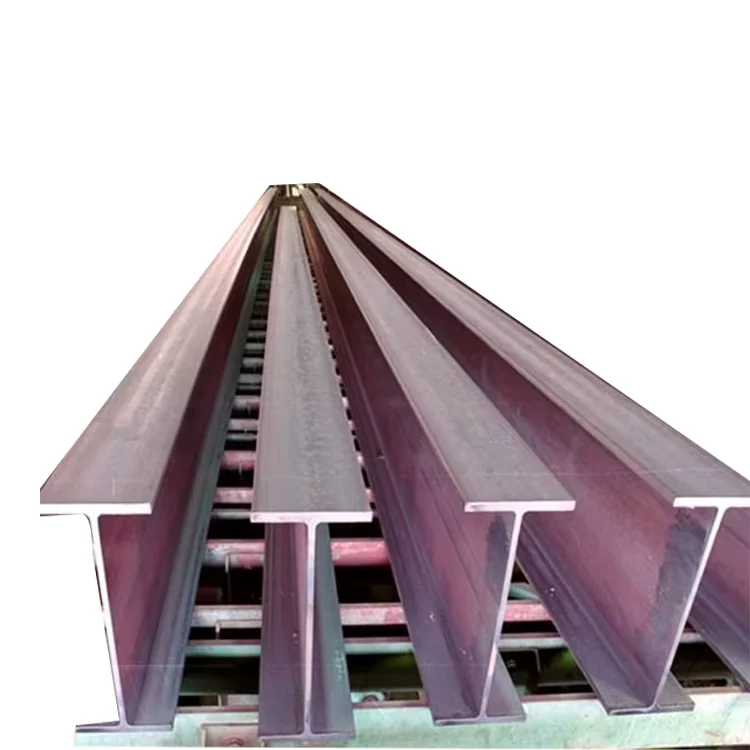
Direct Mill Supply for Hot Rolled H-Beams — Every S355JR hot rolled H-beam is produced, inspected, and loaded at our own facility in Jinan, eliminating middlemen and ensuring traceability from slab to container.
Technical Specifications
| Parameter | Value |
|---|---|
| Designation | Q345B/S355JR Hot Rolled H-Beam |
| Product Type | H-Beam |
| Steel Grade | Q345B, S355JR, S355J2, Q235B, A36, SS400 |
| Standard | BS, EN, GB, AISI, ASTM, DIN, JIS |
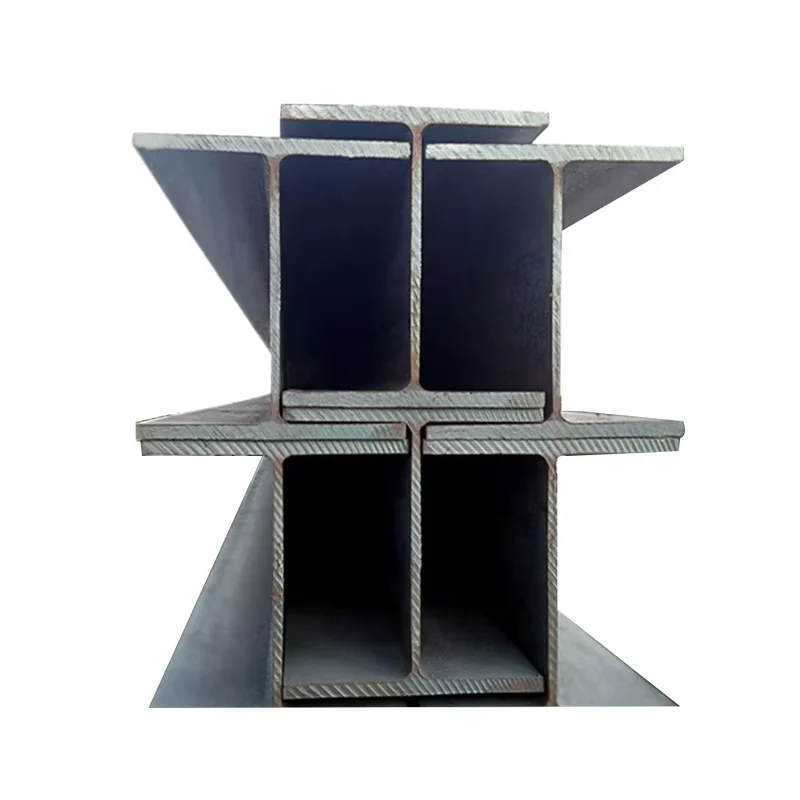
| Section Shape | H-Beam (I-Beam) |
| Web Width | 100mm–900mm |
| Web Thickness | 4.5mm–36.5mm |
| Flange Thickness | 8mm–64mm |
| Length | As requested (custom) |
| Technique | Hot Rolled |
| Surface Treatment | As requested (customizable) |
| Tolerance | ±1% |
| Processing Service | Bending, Welding, Decoiling, Punching, Cutting |
| Application | Steel Building / Structural frames / Bridges / Industrial platforms / Construction |
| Origin | Shandong, China |
Application Suitability
| Industry | Typical Applications |
|---|---|
| Commercial Construction | Primary column and beam frameworks for multi-story office buildings and warehouses |
| Bridge Engineering | Load-bearing girders and cross-beam assemblies for highway overpasses |
| Industrial Infrastructure | Heavy-duty platform supports and crane runway beams in manufacturing plants |
| Steel Structure Fabrication | Prefabricated portal frames and truss systems for large-span facilities |
Grade Confusion Across EN, GB, and ASTM Costs More Than the Steel Itself
A misplaced decimal on a mill test certificate can hold up an entire container at EU customs.
When procurement teams source S355JR hot rolled H-beams for European projects, the most common delay is not production — it is documentation. S355JR under EN 10025-2 and Q345B under GB/T 1591 are often treated as interchangeable, but their impact energy requirements and delivery conditions differ. I have seen shipments held at port because the MTC referenced GB chemistry while the purchase order specified EN impact testing at 20°C. [NEED_CITE: steel grade equivalence between EN 10025 and GB/T 1591 standards]
Beyond grade mismatches, buyers frequently face specification gaps. Standard catalog sizes cover perhaps 60% of a structural engineer’s bill of materials. The remaining 40% — non-standard web widths, heavier flange thicknesses, or odd-length pieces — often forces buyers to split orders across multiple suppliers, adding freight costs and coordination overhead.
How Dimensional Range Meets Structural Engineering Demands
An S355JR hot rolled H-beam with a 900mm web width and 64mm flange thickness serves a fundamentally different structural role than a 100mm × 8mm light section. The wide dimensional envelope — web widths from 100mm to 900mm, flange thicknesses from 8mm to 64mm — allows a single procurement channel to supply both primary gravity columns and secondary bracing members for the same project. Our in-house bending, welding, punching, and cutting services mean these sections arrive at site pre-processed to erection dimensions, reducing on-site labor and welding qualification overhead. For projects spanning 50+ countries, this integrated approach avoids the fragmentation that typically plagues multi-source structural steel orders.
Structural Code Compliance and Certification Pathways
Hot rolled H-beams used in load-bearing frames must conform to the design code governing the project jurisdiction. European projects require CE marking under EN 10210 or EN 10219, with factory production control audited by a notified body. [NEED_CITE: CE marking requirements for structural steel under EN 10210] North American specifications reference ASTM A36 or A992, while Australian projects may call for AS/NZS 1163 compliance. Our CE certification under EN 10210/EN 10219, verified by Lloyd’s Register, covers the full range of S355JR and S355J2 grades. For corrosion-prone environments, surface treatment options include shop primer, hot-dip galvanizing, or custom coating systems specified by the project engineer. Custom lengths and pre-drilled connection plates further reduce field modification.
Hot Rolling, Grade Selection, and What Tolerance Actually Means on Site
Hot rolling produces H-beams with a metallurgical grain structure optimized for structural loading — the high temperatures and controlled cooling create uniform mechanical properties through the entire cross-section, unlike cold-formed alternatives. When selecting between Q345B, S355JR, and A36, the decision hinges on the design code and the required combination of yield strength, weldability, and low-temperature toughness. S355J2, for instance, guarantees Charpy impact energy at -20°C, making it the default choice for unheated structures in cold climates. [NEED_CITE: Charpy impact requirements for S355J2 structural steel]
The ±1% dimensional tolerance on our hot rolled H-beams matters more than it appears. On a 900mm-deep beam spanning 12 meters, a 1% deviation translates to 9mm — well within most connection tolerances. But when negative tolerance exceeds specification limits, the actual section modulus drops, and the beam may fail structural verification even though it “looks right.” I once inspected a batch where the flange thickness was consistently 0.8mm under nominal — the beams passed visual inspection but would have failed ultrasonic thickness gauging at site acceptance.
The Hidden Cost of Unverified Mill Test Certificates
Accepting an MTC without cross-referencing heat numbers to physical markings on the beam creates a chain-of-custody gap. If a structural inspector requests re-testing and the heat number on the test report does not match the stenciled number on the flange, the entire batch may be rejected — regardless of actual material quality. [NEED_CITE: structural steel traceability requirements under EN 10204] Certification gaps also trigger customs holds: EU border agents checking CE documentation against EN 10210 requirements will detain shipments lacking proper notified body references. The cost is not just the steel — it is crane idle time, delayed erection sequences, and contractual penalties for missed milestones.
Why Project Procurement Teams Consolidate H-Beam Orders Here
Our Jinan facility operates dedicated hot rolling lines for H-beams with web widths up to 900mm and flange thicknesses up to 64mm, covering the full spectrum from light bracing members to heavy primary columns. Every heat is tested in our in-house physical and chemical laboratory, and MTCs are issued per EN 10204 Type 3.1 with full traceability to the original slab heat number. We hold CE certification under EN 10210/EN 10219 audited by Lloyd’s Register, Singapore FPC certification, and ISO 9001:2015 registration — documentation that clears customs in EU, Southeast Asian, and Middle Eastern markets without supplementary testing. For non-standard dimensions or custom processing, our bending, welding, and cutting workshops deliver project-ready components, eliminating the need for secondary fabrication at destination. Professional container loading with anti-damage measures ensures beams arrive without bending or surface defects.
Documentation & Compliance
- Mill Test Certificate documenting S355JR chemical composition and mechanical properties per EN 10025-2, with heat number traceability to original slab
- CE certificate under EN 10210/EN 10219 issued by Lloyd’s Register for structural steel export to EU member states
- ISO 9001:2015 quality management system certificate covering hot rolled H-beam production and inspection processes
- SGS or BV third-party inspection report available upon request, covering dimensional verification, surface quality, and MTC cross-check before container loading
- Material traceability report linking each beam’s stenciled heat number to its corresponding test certificate and chemical analysis
- Full customs documentation package including packing list, bill of lading, certificate of origin, and commercial invoice formatted for destination port requirements
Packaging, Loading & Delivery
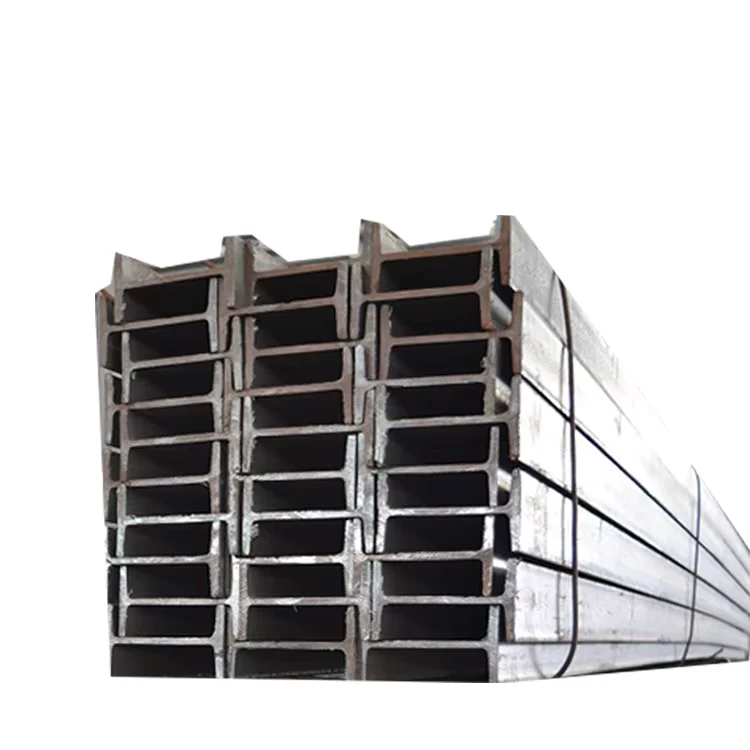
- Hot rolled H-beams bundled with high-tensile steel strips at intervals calculated for the specific length and section weight, preventing shift during ocean transit
- Surface protection applied per specification — shop primer for S355JR beams destined for painted finishes, or wax coating for S355J2 sections requiring corrosion resistance during storage
- Container loading optimized for 20ft and 40ft open-top or flat-rack containers, with timber dunnage separating layers to prevent flange edge damage on sections exceeding 6m length
- Custom cutting to project-specified lengths available, with each piece marked by heat number, steel grade, and piece number for erection sequence identification
- Beam ends protected with plastic caps or steel plates to prevent damage to flange edges during handling and to maintain ±1% dimensional tolerance at connection points
- Shipping terms available as FOB, CIF, or DDP, with professional loading supervision and real-time container tracking from Jinan inland depot to destination port
Start Your H-Beam Procurement With Verified Documentation
Submit your bill of materials specifying section dimensions, steel grade, surface treatment, quantity, and destination port — we respond within 12 hours with a detailed quotation including unit pricing, production lead time, and shipping terms. For non-standard sections or custom processing requirements, our engineering team provides fabrication drawings and processing confirmations before production begins. Third-party inspection by SGS or BV can be arranged at our facility prior to container loading, with full inspection reports and photographs delivered before shipment.
Request a Quotation with Mill Test Certificate
Send your specifications to admin@sdxjypipe.com or contact us via WhatsApp at +86 188 5315 7756 for pricing, certification confirmation, and delivery scheduling.
Frequently Asked Questions
Q: How do S355JR, Q345B, and A36 compare across EN, GB, and ASTM standards?
A: These grades belong to different standard systems — S355JR follows EN 10025-2, Q345B follows GB/T 1591, and A36 follows ASTM A36/A36M. While their yield strength ranges overlap, impact testing requirements, delivery conditions, and chemical composition limits differ. We provide cross-reference documentation and can supply MTCs formatted to the standard specified in your purchase order.
Q: Can third-party inspection be arranged before shipment?
A: Yes, SGS and BV inspections are available at our Jinan facility. The inspection covers dimensional verification, visual surface quality assessment, MTC cross-referencing with physical beam markings, and container loading supervision. Inspection reports with photographs are provided before the container is sealed.
Q: Do your H-beams carry CE marks for EU import compliance?
A: Our hot rolled H-beams are CE certified under EN 10210/EN 10219, with factory production control audited by Lloyd’s Register. The CE mark and notified body number appear on our mill test certificates and can be marked on the beams upon request for site identification.
Q: Can H-beams be cut, welded, and punched to specific project dimensions?
A: Yes, our in-house processing workshop provides cutting to length, welding of splice plates or connection brackets, and punching of bolt holes per your fabrication drawings. Processed pieces are marked with heat number and piece identifier for erection sequence tracking.
Q: How are H-beams packed and loaded to prevent damage during ocean freight?
A: Beams are bundled with steel strips at calculated intervals, separated by timber dunnage to prevent flange edge contact, and loaded into open-top or flat-rack containers for sections exceeding standard container dimensions. Beam ends are protected with caps, and surface treatment is preserved with appropriate coating or wrapping based on the specification.