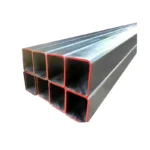
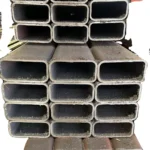
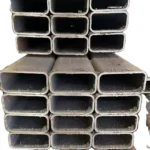
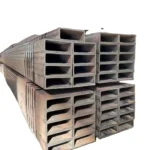
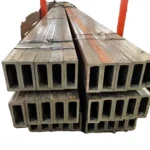
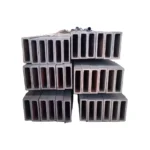
Description
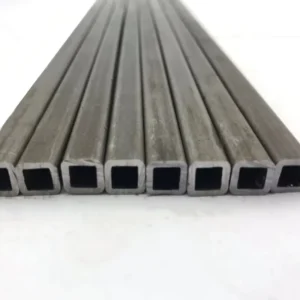
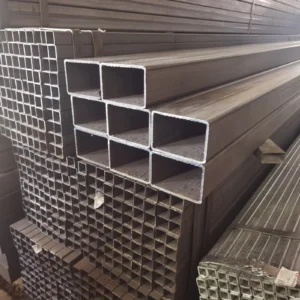
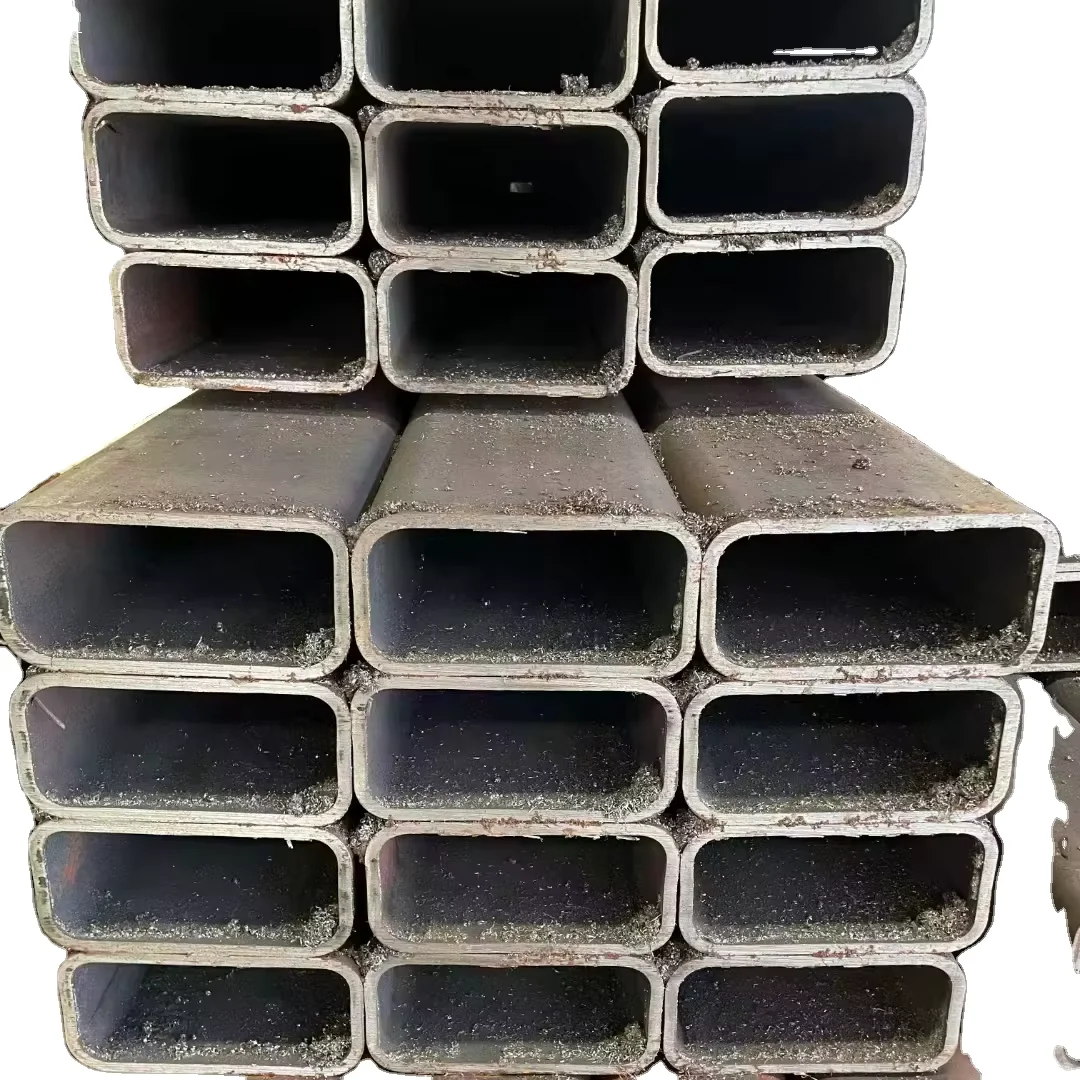
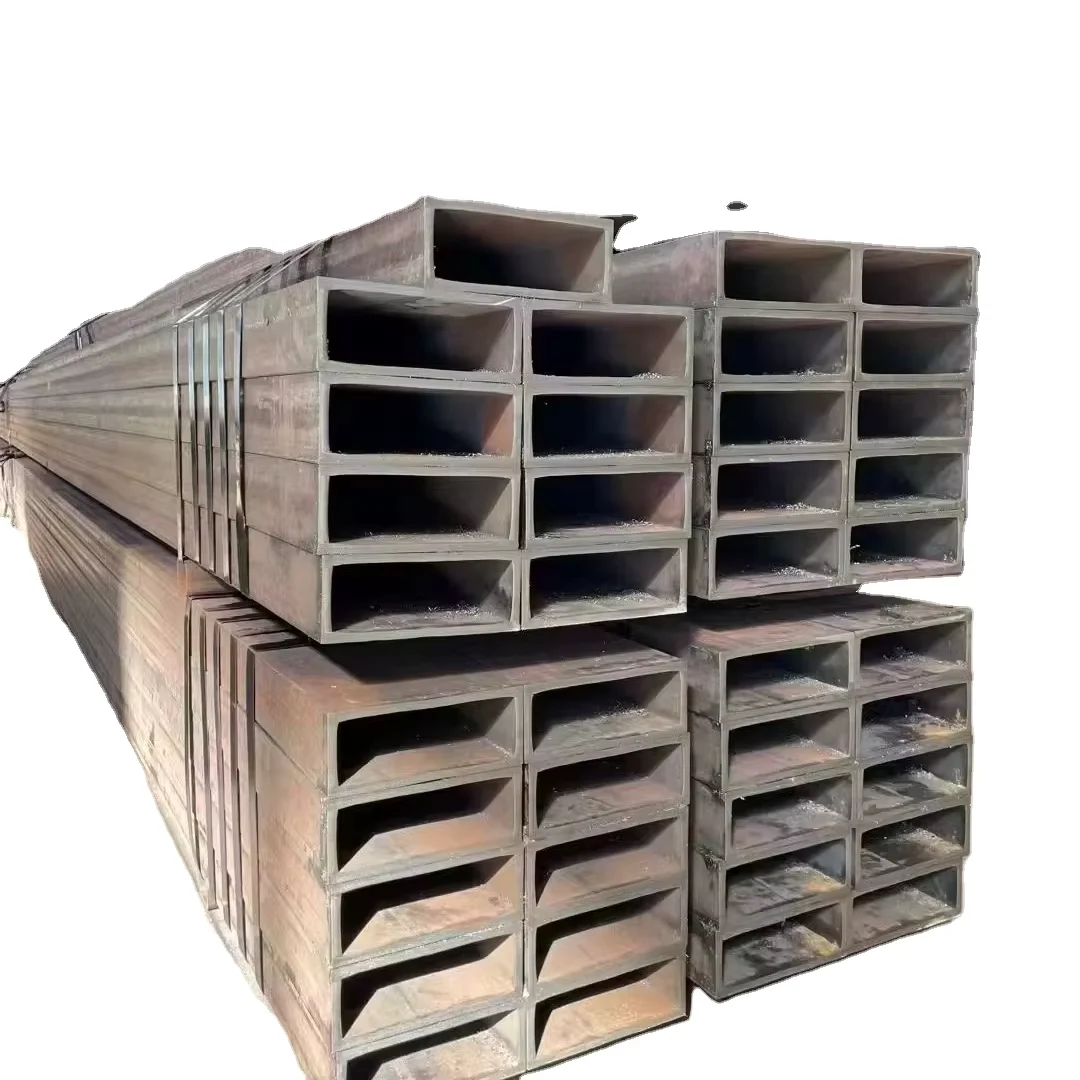
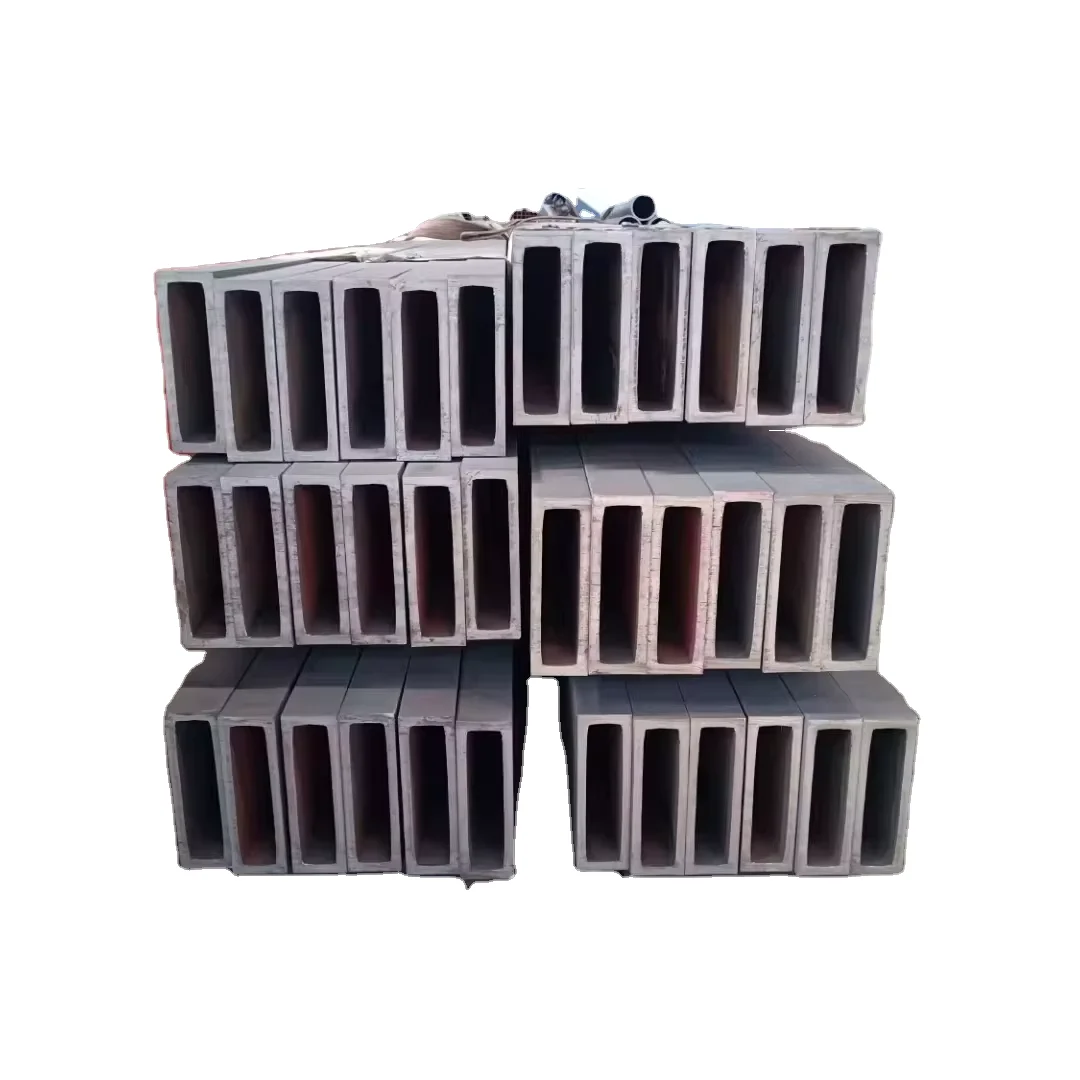
Factory-Direct ERW Rectangular Tubes — 3 production lines covering 2,800+ specifications with wall thickness up to 40mm, shipped to 50+ countries without intermediary markups.
Technical Specifications
| Parameter | Value |
|---|---|
| Designation | Q235/Q345 Rectangular Steel Tube |
| Product Type | Welded Rectangular Steel Tube (ERW) |
| Steel Grade | Q195, Q215, Q235, Q345 |
| Standard | ASTM, ASTM A213, DIN EN 10217-1 |
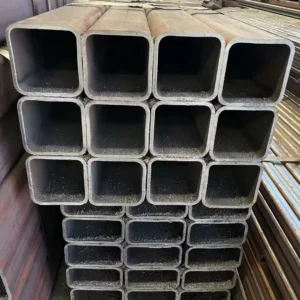
| Section Shape | Rectangular |
| Outer Diameter or Side Length | 300×300 mm |
| Technique | ERW (Electric Resistance Welded) |
| Surface Treatment | Hot Rolled / Slightly Oiled |
| Tolerance | ±1% |
| Length | Custom (Customers’ Request) |
| Processing Service | Welding, Punching, Cutting, Bending, Decoiling |
| Invoicing | By Theoretical Weight |
| Application | Fluid Pipe, Boiler Pipe, Drill Pipe, Gas Pipe, Oil Pipe, Chemical Fertilizer Pipe, Structure Pipe |
| MOQ | 5 Tons |
| Origin | Shandong, China |
Application Suitability
| Industry | Typical Applications |
|---|---|
| Construction & Infrastructure | Building frames, column supports, bridge truss members, scaffolding structures |
| Architectural Facades | Glass curtain wall framing, decorative steel facades, exposed structural elements |
| Industrial Machinery | Equipment bases, conveyor support frames, hydraulic cylinder housings |
| Oil & Gas | Low-pressure gas transmission lines, chemical fertilizer plant piping, drill pipe casings |
| Energy & Utilities | Boiler tubes, fluid transport pipelines, structural supports for solar mounting systems |
What Dimensional Tolerance Costs on a 300×300 Structural Frame Order
A ±1% tolerance deviation on a 300×300 ERW rectangular tube means the difference between a clean bolt-through connection and on-site rework with an angle grinder.
When procurement teams order Q235 Q345 ERW rectangular steel tube 300×300 ASTM supplier shipments for structural frames, the real cost of tolerance drift shows up at the connection points. Bolt holes drilled off-center by even a few millimeters force fabricators to elongate holes or weld reinforcement plates — adding labor hours and weakening the joint. On facade projects, inconsistent side lengths create visible misalignment in curtain wall grids, turning a premium architectural detail into a liability. [NEED_CITE: dimensional tolerance requirements for cold-formed structural hollow sections]
Matching 300×300 ERW Tubes to Structural and Facade Applications
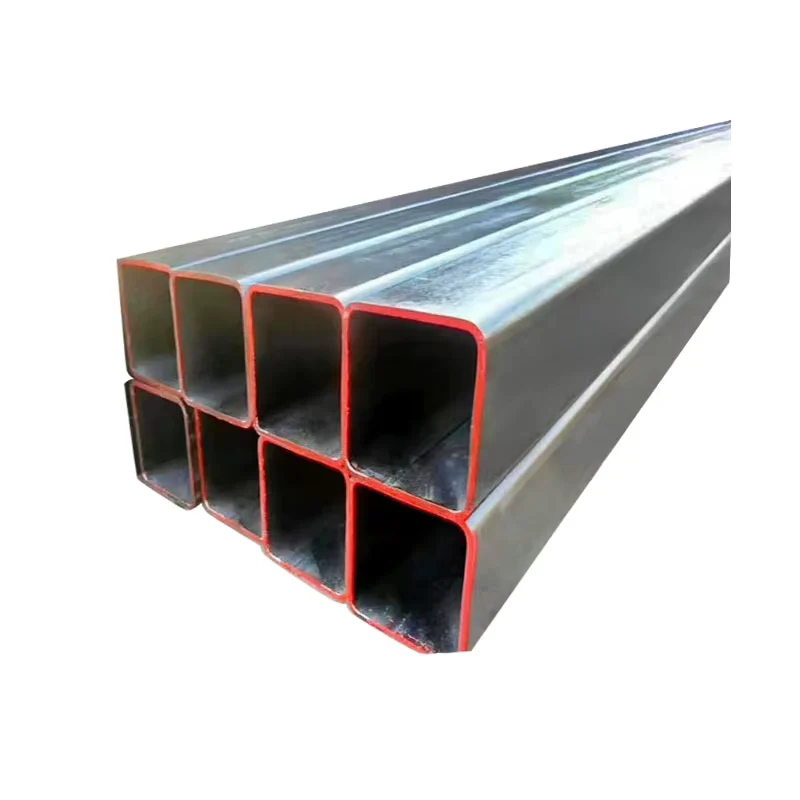
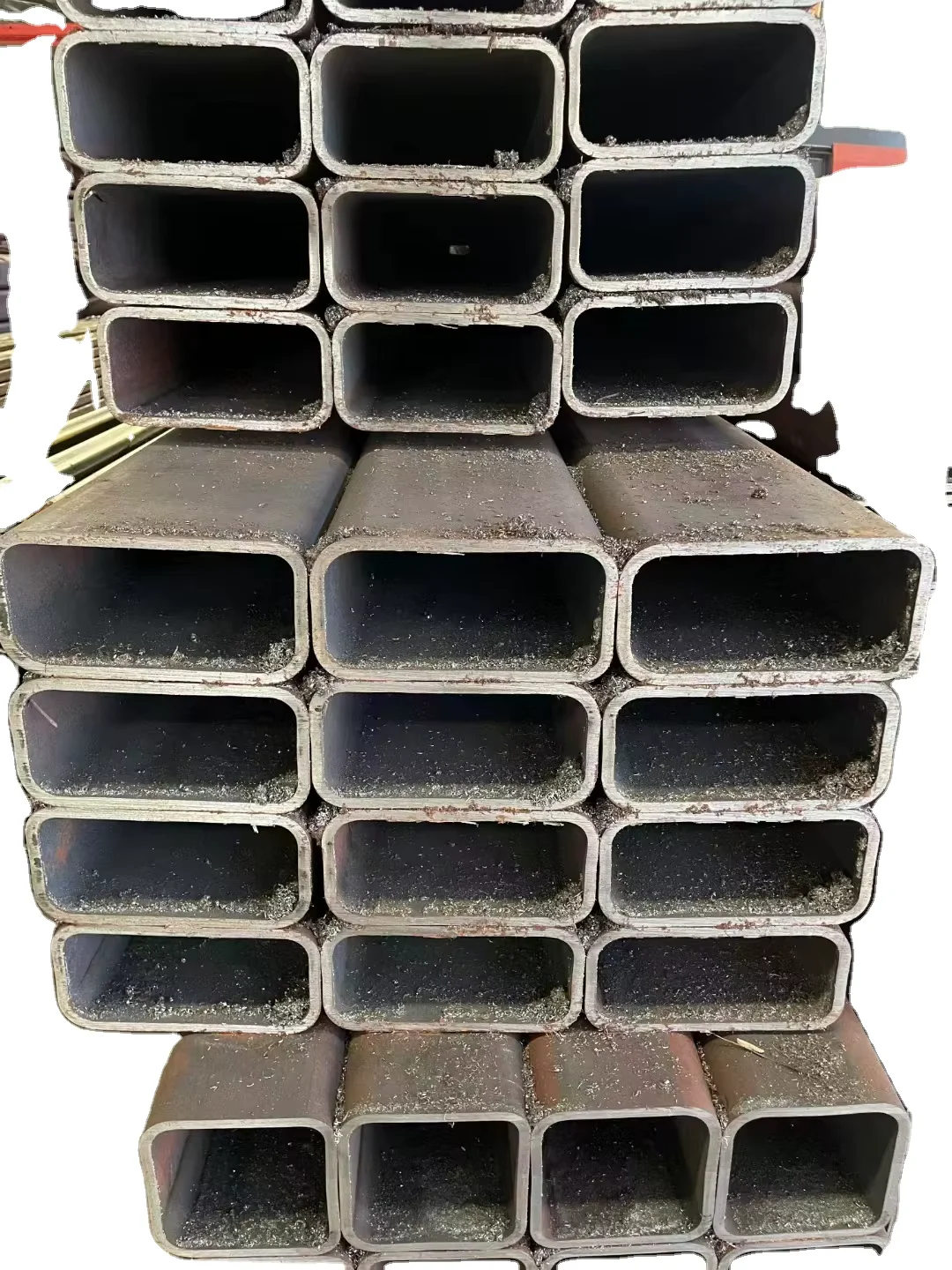
The 300×300 rectangular profile serves dual roles: as a load-bearing column in steel structures and as an aesthetic frame element in architectural facades. For structural use, Q345 grade provides higher yield capacity than Q235, allowing lighter sections to carry equivalent loads — critical in multi-story building frames where self-weight compounds floor by floor. For facade applications, the ERW welding seam runs straight along the longitudinal axis, and the hot rolled surface with light oiling accepts paint or powder coating without additional shot blasting. Our patented sharp-corner rectangular tube technology — one of 41 invention patents — delivers true 90° edges that eliminate the rounded-corner gap typical of standard ERW tubes, giving glass curtain wall frames a clean architectural finish.
Engineering Compliance and Certification Requirements
Structural applications demand compliance with load-bearing codes: ASTM A500 for North American projects, EN 10219 for European construction, and JIS G3466 for Japanese-specification work. The Q235 and Q345 grades in this product line correspond to S235 and S355 in the EN system, though equivalence requires verification of chemical composition and mechanical test results rather than grade-name assumption alone. [NEED_CITE: steel grade equivalence between GB Q-series and EN S-series standards] For EU market entry, CE certification under EN 10210/EN 10219 is mandatory — without the correct CE mark referencing the harmonized standard, customs authorities will hold the shipment regardless of mill test quality. Custom cut-to-length service eliminates on-site welding for standard column heights, while punching and bending services allow direct delivery of connection-ready components.
Understanding Q235/Q345 Grades and ERW Welding Process
The Q-series designation follows the Chinese GB/T 700 standard, where the number indicates minimum yield strength in MPa: Q235 yields at approximately 235 MPa, while Q345 reaches roughly 345 MPa. This 47% increase in yield capacity makes Q345 the preferred choice for primary structural members — columns, beams, and truss chords — where load demands are highest. Q235 remains suitable for secondary structures, bracing, and non-critical fluid transport. The ERW (Electric Resistance Welded) process forms the rectangular profile by cold-bending hot rolled coil through a series of rollers, then fusing the seam through electrical resistance heating without filler metal. This produces a consistent weld zone with minimal heat-affected area, maintaining uniform mechanical properties across the tube cross-section. For the 300×300 size with wall thickness up to 40mm, ERW offers cost efficiency over seamless alternatives while delivering adequate pressure capacity for structural and low-pressure fluid applications. The hot rolled surface condition with light oiling provides short-term corrosion protection during transit and storage, with the oil layer washing off cleanly before painting or galvanizing.
Hidden Costs of Incorrect Grade Selection and Missing Documentation
Ordering Q235 when the structural engineer specified Q345 creates a cascade of failures: the tubes arrive, pass visual inspection, get fabricated into frames — then fail load testing or trigger rejection during third-party audit. Rework costs multiply: dismantling erected frames, replacing tubes, re-welding connections, and absorbing project delay penalties. Similarly, shipping to the EU without proper CE documentation under EN 10219 means the container sits at port while the importer scrambles for retroactive certification — demurrage charges accumulate daily. [NEED_CITE: consequences of missing CE marking for structural steel imports into EU] Material traceability gaps — missing heat numbers on the tubes or absent mill test certificates — prevent compliance verification and can void project insurance coverage in the event of structural failure.
Why Project Procurement Teams Source Q235 Q345 ERW Rectangular Steel Tube 300×300 ASTM Supplier Through SD XJY Pipe
Our factory operates 3 dedicated production lines producing 2,800+ specifications — from small-bore tubes to heavy-wall 300×300 rectangular sections with wall thickness reaching 40mm. Every shipment includes mill test certificates generated by our in-house physical and chemical laboratory, documenting chemical composition and mechanical properties per heat number. The 41 invention patents include China’s original sharp-corner rectangular tube technology, filling the market gap for architectural applications requiring true right-angle aesthetics. Full international certifications — ISO 9001:2015, Lloyd’s CE under EN 10210/EN 10219, Singapore FPC, and SGS/BV verification — clear customs in regulated markets without documentation delays. Custom non-standard sizes, cut-to-length, punching, and bending services eliminate secondary fabrication steps at the project site. Professional container loading with anti-damage measures — developed from years of resolving transit deformation claims — ensures tubes arrive straight and surface-intact.
Documentation & Compliance
- Mill test certificate documenting Q235 or Q345 chemical composition and yield strength per ASTM A213 or DIN EN 10217-1, traceable by heat number
- CE certificate under EN 10210/EN 10219 for structural hollow sections, required for EU customs clearance and construction code compliance
- ISO 9001:2015 quality management certificate covering the full production process from coil incoming inspection to final dimensional checks
- SGS or BV third-party inspection report available upon request, verifying dimensional tolerance, surface condition, and weld quality before shipment
- Material traceability documentation linking each tube to its heat number, chemical test results, and mechanical property records
- Complete customs documents including packing list, bill of lading, and certificate of origin formatted for destination-country import requirements
Packaging, Loading & Delivery
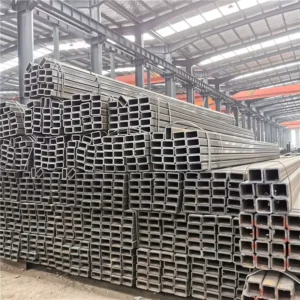
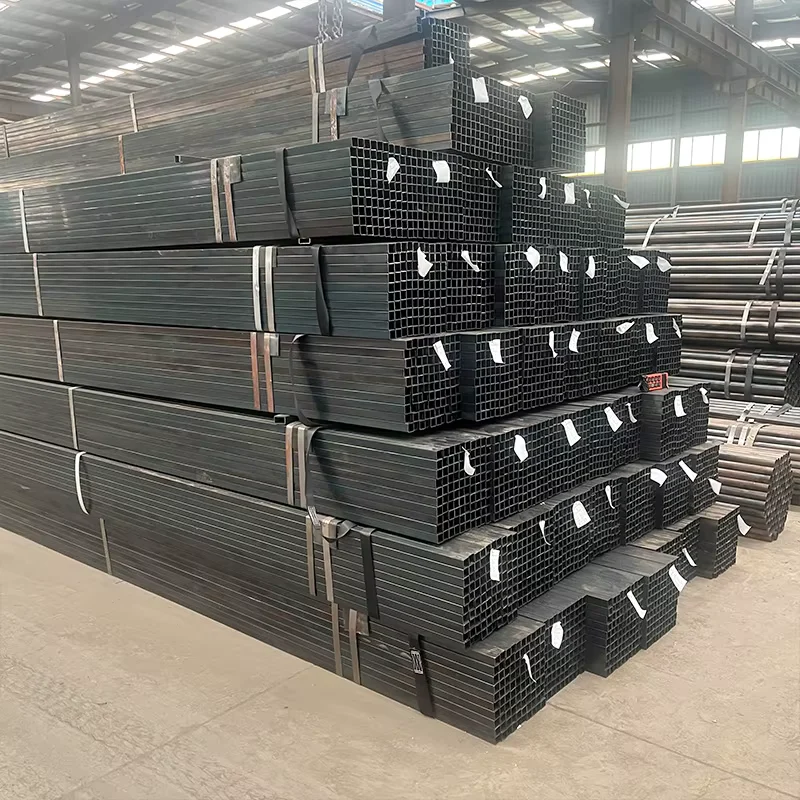
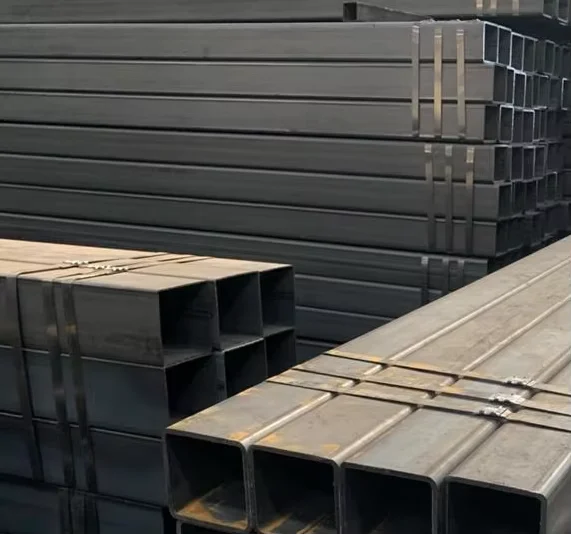
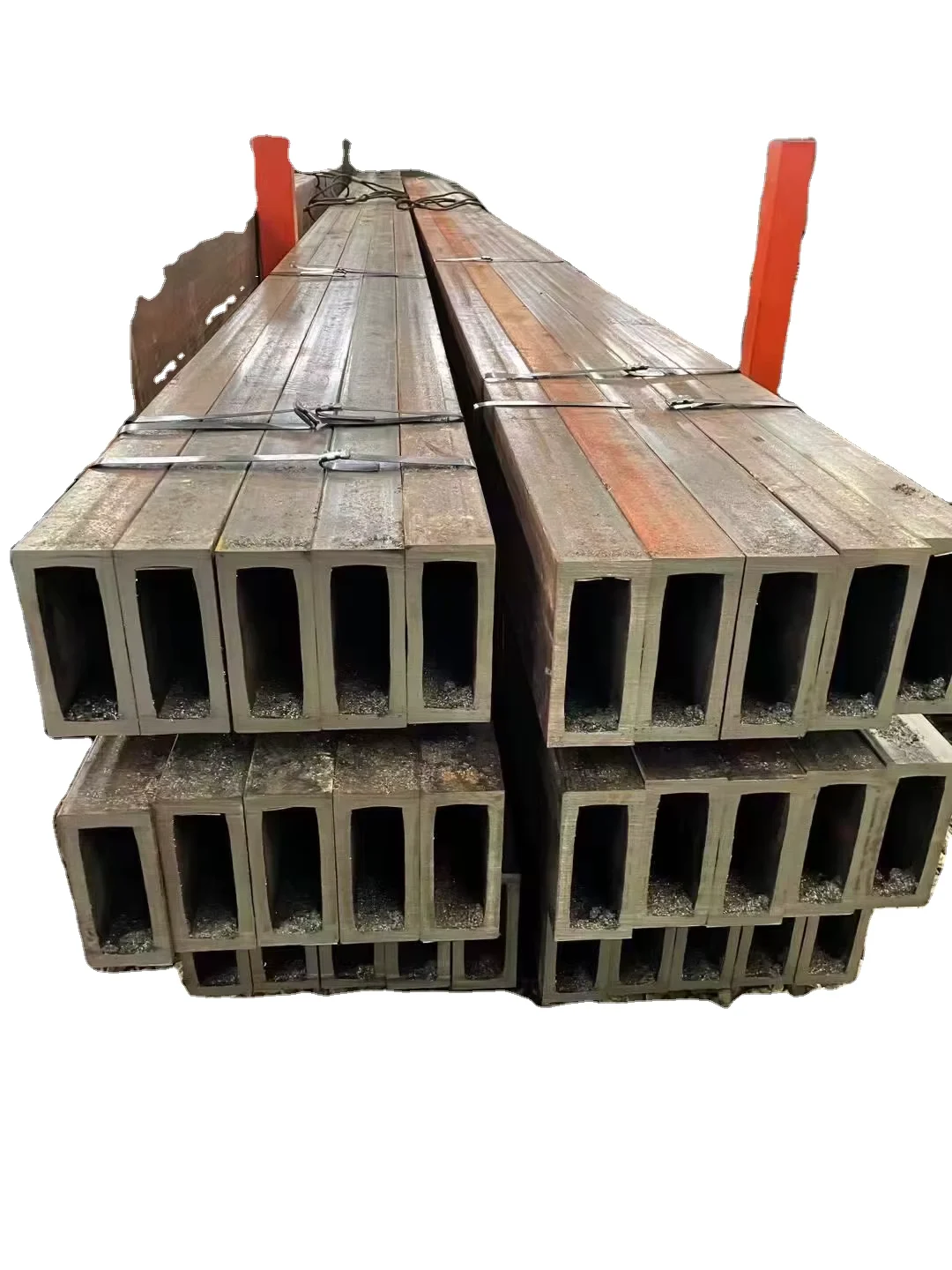
- Q235 and Q345 ERW rectangular tubes bundled with high-tensile steel strips at regular intervals, preventing shift during ocean transit and protecting the hot rolled oiled surface from abrasion
- Custom cut-to-length tubes segregated by size and marked with heat number, steel grade, and length on each bundle tag, matching the project bill of materials for easy site identification
- 300×300 rectangular sections loaded in containers with timber dunnage and edge protectors at contact points, preventing corner denting and surface damage that would compromise the oiled finish
- Professional container loading plans optimized for the 300×300 profile dimensions, maximizing payload per 20ft and 40ft container while maintaining weight distribution within shipping limits
- FOB, CIF, and DDP shipping terms available, with door-to-door logistics coordination to project sites in 50+ countries across Southeast Asia, Middle East, Europe, and the Americas
Starting Your Q235 Q345 ERW Rectangular Tube Inquiry
Submit your specification sheet — including steel grade preference between Q235 and Q345, exact 300×300 dimensions with wall thickness, required length, surface treatment, and destination port — and receive a detailed quotation within 12 hours covering unit pricing, production lead time, and shipping terms. For non-standard sizes or custom processing including punching, cutting, or bending, our engineering team provides fabrication drawings and feasibility confirmation before contract signing.
Request Your Quotation and Mill Test Certificate
Send your Q235 Q345 ERW rectangular steel tube 300×300 ASTM specifications to admin@sdxjypipe.com or contact via WhatsApp at +86 188 5315 7756 to receive pricing, available stock confirmation, and sample mill test certificates for your project review.
Frequently Asked Questions
Q: What is the difference between Q235 and Q345 grades for 300×300 rectangular tubes?
A: Q235 and Q345 are Chinese standard steel grades where the number indicates minimum yield strength in MPa. Q345 offers approximately 47% higher yield capacity than Q235, making it suitable for primary structural members carrying heavier loads. Q235 serves well for secondary structures, bracing, and non-critical applications where weight savings are less critical.
Q: Can you produce sharp-corner rectangular tubes in 300×300 size for architectural facades?
A: Yes. Our patented sharp-corner rectangular tube technology produces true 90° edges in 300×300 and other sizes, eliminating the rounded corners typical of standard ERW tubes. This technology holds 41 invention patents and is specifically developed for glass curtain wall framing and architectural facade applications requiring clean right-angle aesthetics.
Q: What certifications do you provide for EU market customs clearance?
A: We supply CE certification under EN 10210 and EN 10219 standards for structural hollow sections, along with ISO 9001:2015 quality management certification. All shipments include mill test certificates with chemical composition and mechanical properties. Third-party inspection by SGS or BV is available before shipment for additional verification.
Q: What is the minimum order quantity for custom-length 300×300 rectangular tubes?
A: The minimum order quantity is 5 tons. For custom lengths, cutting, punching, or bending services, we process orders based on your project bill of materials. Standard sizes may ship from stock, while custom non-standard dimensions typically require typical production lead times of 15–25 days.
Q: How do you prevent damage to 300×300 tubes during container loading and ocean transit?
A: We use professional loading plans with timber dunnage, edge protectors at contact points, and high-tensile steel strip bundling to prevent shift and corner damage. The hot rolled oiled surface receives additional protection during transit. Our loading procedures were developed from extensive experience resolving transit damage claims, ensuring tubes arrive straight and surface-intact at destination.