

Description
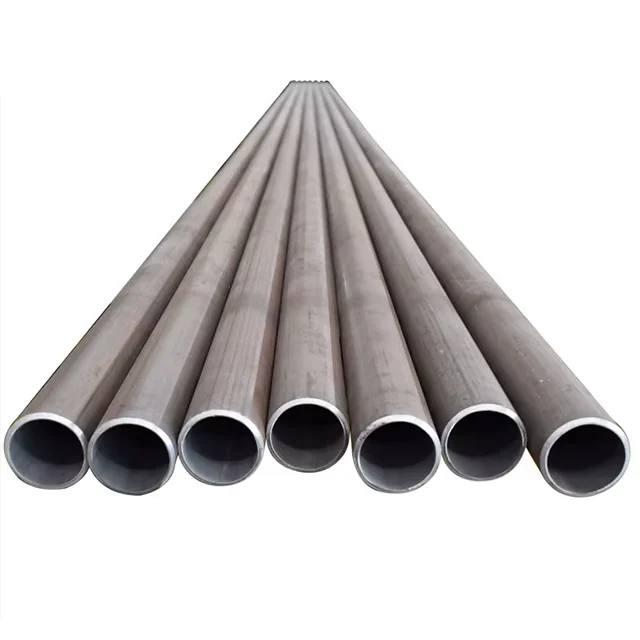
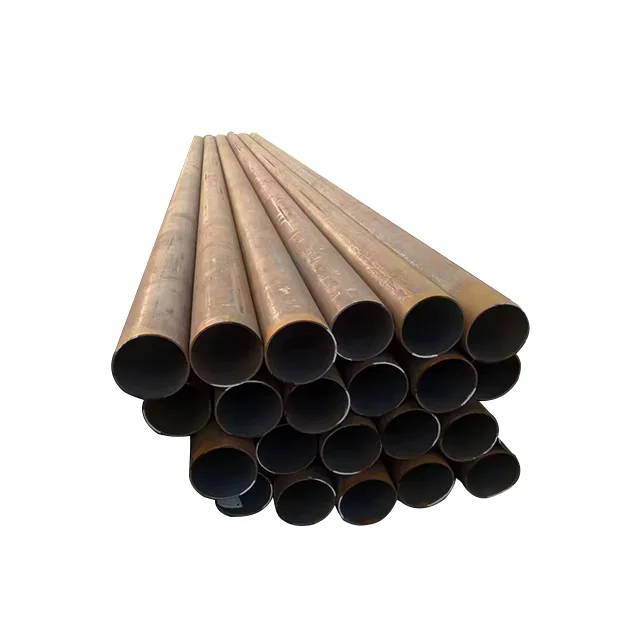
Direct Mill Supply with Full ASTM Certification — ASTM A106 carbon steel seamless pipes produced in-house with API-compliant mill test certificates and third-party inspection ready before shipment.
Technical Specifications
| Parameter | Value |
|---|---|
| Designation | ASTM A106 Carbon Steel Seamless Pipe |
| Product Type | Seamless Steel Pipe |
| Steel Grade | AISI 4135, ASTM A106, ASTM A36, ASTM 4140, ASTM 4142 |
| Standard | ASTM A106, ASTM A36, AISI 4135, ASTM 4140, ASTM 4142 |
| Section Shape | Round |
| Size Range | 2 inch (SCH40) |
| Wall Thickness | 10–50 mm |
| Length | 6 m / 12 m |
| Technique | Hot Rolled / Cold Rolled |
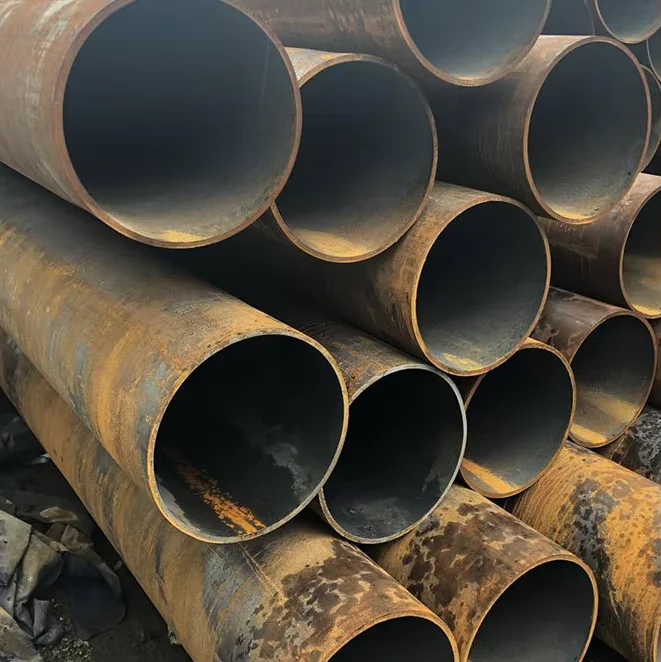
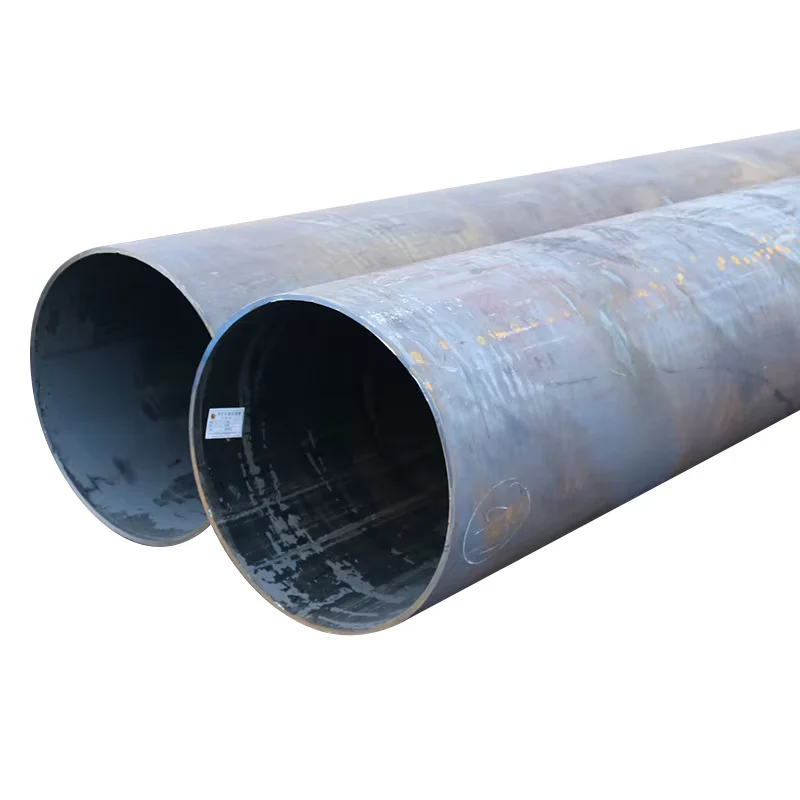
| Surface Treatment | Hot Rolled Finish, Non-oiled |
| Tolerance | ±1% |
| Ends | Plain (default for seamless) |
| Application | Fluid transport, Boiler systems, Gas pipelines, Drilling, Welding fabrication |
| MOQ | 1 Ton |
| Origin | China |
Application Suitability
| Industry | Typical Applications |
|---|---|
| Oil & Gas | High-pressure fluid transport pipelines, gas distribution networks, drilling casings |
| Power Generation | Boiler feedwater systems, superheater tubes, steam transport in thermal plants |
| Industrial Manufacturing | Hydraulic cylinder barrels, mechanical fabrication, pressure vessel components |
| Construction & Infrastructure | Structural welding fabrication, piling supports, heavy-duty scaffolding frames |
Where Dimensional Tolerance Decides Site Acceptance on ASTM A106 Carbon Steel Seamless Pipe
Wall thickness deviation beyond ±1% triggers batch rejection on pressure-rated projects.
On a Jakarta high-rise mechanical room installation, the site supervisor pulled a caliper and measured SCH40 seamless pipes one by one. Wall thickness negative tolerance exceeded nearly 1 mm across the batch. The entire lot was rejected. The theoretical-to-actual weight gap on that ASTM A106 shipment nearly triggered a client claim. Since then, pre-loading third-party re-inspection became mandatory — wall thickness, outer diameter, and material certificates checked item by item. Running infrastructure projects across Southeast Asia, every pitfall encountered on-site became a non-negotiable rule before shipment. [NEED_CITE: ASTM A106 dimensional tolerance requirements for seamless carbon steel pipe]
How ASTM A106 Grade B/C Matches High-Temperature Boiler and Fluid Systems
ASTM A106 carbon steel seamless pipes in Grade B and Grade C are engineered specifically for elevated-temperature service in boiler systems and high-pressure fluid transport. The seamless manufacturing process eliminates weld seams — the weakest point under internal pressure cycling — making these pipes suitable for steam lines and superheater applications where welded alternatives would fail. Hot rolled finish with non-oiled surface condition ensures immediate welding readiness without pre-cleaning, reducing fabrication time on-site. With wall thickness options from 10 mm to 50 mm, the ASTM A106 carbon steel seamless pipe range covers both standard SCH40 requirements and heavy-wall specifications for high-pressure industrial systems.
Engineering Compliance and Certification Requirements for Pressure Applications
Pressure-rated piping systems demand strict compliance with material standards and dimensional accuracy per ASTM A106 specifications. For projects targeting North American markets, ASTM A106 conformance is typically specified by EPC contractors and verified through mill test certificates showing chemical composition and mechanical properties per heat number. European projects may require equivalence documentation between ASTM A106 and EN 10216-2 grades — a common source of customs delays when certificates reference incorrect standards. The ±1% tolerance on ASTM A106 carbon steel seamless pipes ensures dimensional consistency for fit-up welding in pressure vessel nozzles and boiler tube sheets. Third-party inspection by SGS or BV before shipment provides independent verification that material chemistry and wall thickness meet project specifications. [NEED_CITE: ASTM A106 vs EN 10216-2 grade equivalence for international projects]
Steel Grade Selection and Manufacturing Process Impact on Performance
The ASTM A106 specification covers three grades — A, B, and C — with increasing carbon content and corresponding yield strength for higher-pressure applications. Grade B remains the most widely specified for general boiler and fluid service, while Grade C serves demanding high-temperature environments. Beyond standard carbon grades, AISI 4135, ASTM 4140, and ASTM 4142 alloy options provide enhanced strength for drilling and mechanical applications requiring higher torsional resistance. Hot rolled seamless pipes offer cost efficiency for standard wall thicknesses, while cold rolled variants deliver tighter dimensional tolerance and smoother surface finish for precision machining. The plain end configuration default for ASTM A106 carbon steel seamless pipes allows field welding or custom end preparation — beveled, grooved, or threaded — based on connection requirements. Wall thickness from 10 mm to 50 mm accommodates both lightweight fluid transport and heavy-wall pressure applications.
Hidden Costs of Incorrect Material Certification on Pressure Systems
Ordering ASTM A106 carbon steel seamless pipes without verified mill test certificates creates compounding risks downstream. Material grade mismatch — receiving A36 when A106 Grade B was specified — may pass visual inspection but fails during hydrostatic testing, causing project delays and rework costs far exceeding the original material price difference. Missing or incorrect certification references block customs clearance in regulated markets, leaving containers stranded at port with daily demurrage charges accumulating. Negative tolerance beyond specification limits reduces actual pressure rating, creating structural safety concerns that only surface during commissioning tests. Third-party inspection and proper documentation eliminate these hidden costs by ensuring material traceability from mill heat to final installation. [NEED_CITE: consequences of material certification gaps in pressure piping projects]
Procurement Assurance Through In-House Testing and Export Experience
Every ASTM A106 carbon steel seamless pipe shipment undergoes dimensional, mechanical, and chemical testing in our in-house physical and chemical laboratories before release. Mill test certificates document actual test results per heat number, not template values. Our production lines cover 2,800+ specifications, ensuring that non-standard sizes or heavy-wall requirements do not require sourcing from multiple suppliers. Full international certifications — ISO 9001:2015, Lloyd’s CE, Singapore FPC, and SGS/BV verification — support customs clearance across 50+ export destinations. Professional container loading with anti-damage measures prevents bending and surface damage during ocean transit, a frequent cause of destination rejection for long-length seamless pipes. Custom cutting to project-specific lengths reduces on-site waste and welding joints.
Documentation & Compliance
- Mill test certificate documenting ASTM A106 Grade B chemical composition and mechanical properties per heat number
- CE certificate per EN 10210/EN 10219 for projects requiring European conformity marking
- ISO 9001:2015 quality management system certificate covering seamless pipe production processes
- SGS or BV third-party inspection report verifying wall thickness, outer diameter, and material grade before shipment
- Material traceability documentation linking each pipe to mill heat number for pressure system compliance
- Complete customs documents including packing list, bill of lading, and certificate of origin for destination clearance
Packaging, Loading & Delivery
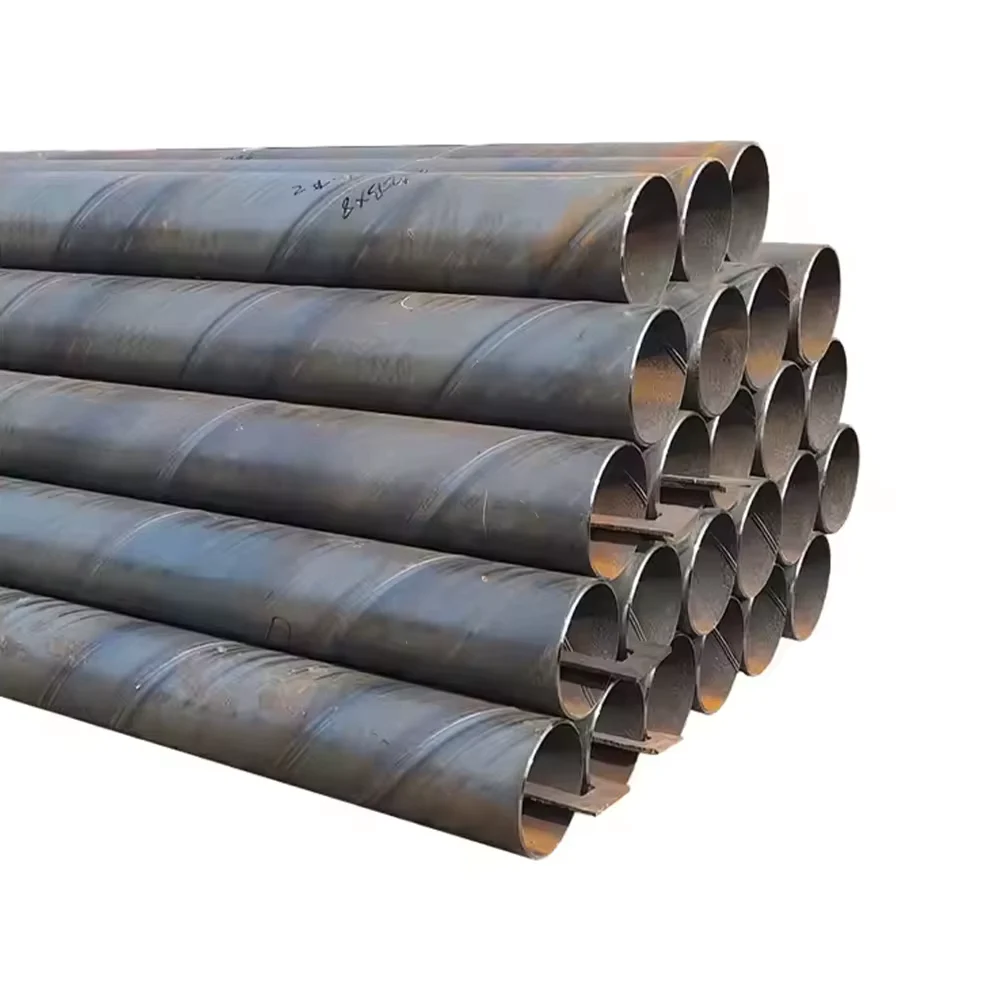
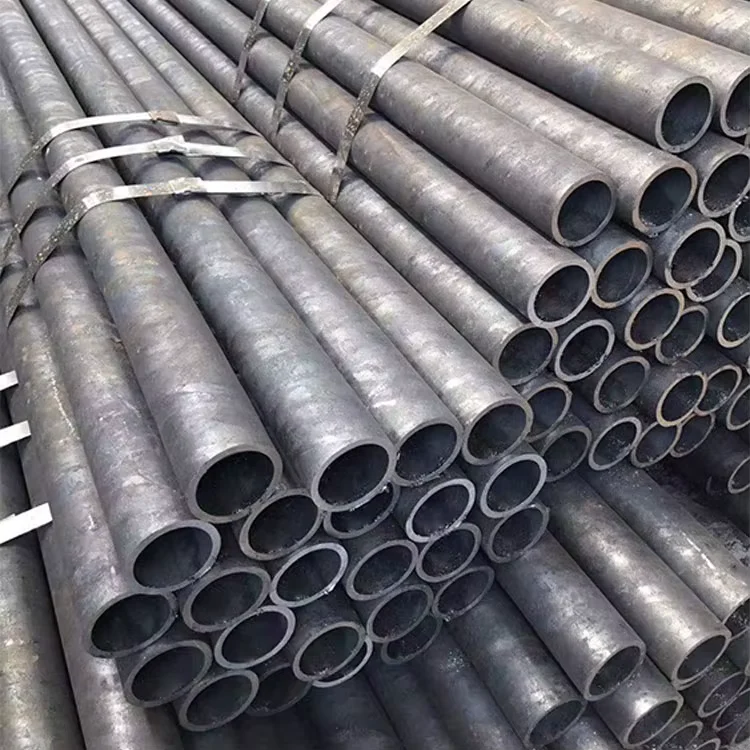
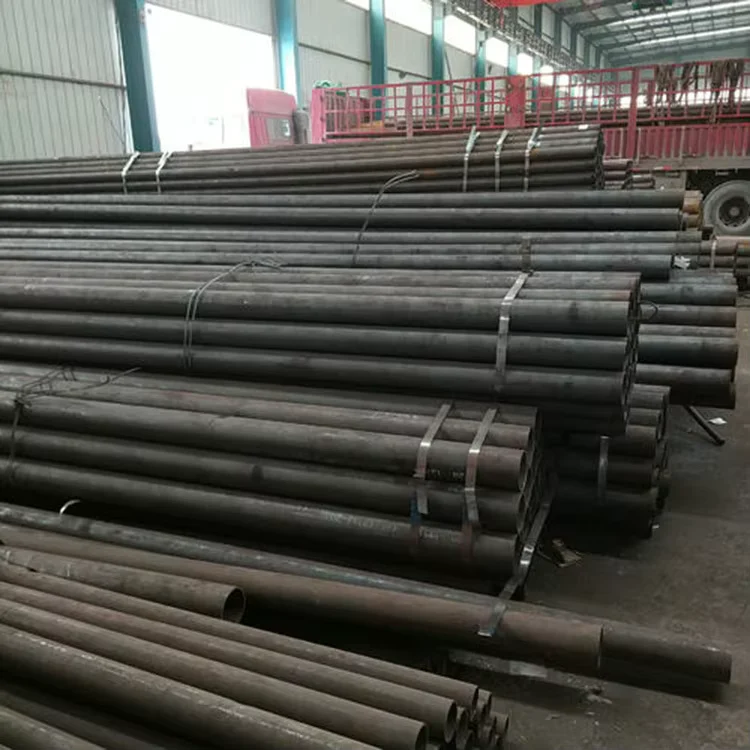
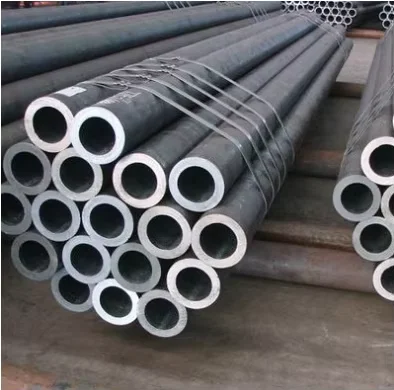
- ASTM A106 carbon steel seamless pipes bundled with steel strips in seaworthy packaging, optimized for 6 m and 12 m standard lengths to maximize container utilization
- Hot rolled finish pipes shipped in non-oiled condition with end protectors to prevent damage during handling and transit
- Professional container loading with wooden cradles and anti-slip measures for heavy-wall seamless pipes exceeding 25 mm thickness
- Custom cutting service available to project-specified lengths, reducing on-site cutting waste and welding requirements
- Heat number and steel grade stenciled on each pipe for site identification and material traceability verification
- FOB, CIF, and DDP shipping terms available with door-to-door logistics coordination to project sites across 50+ countries
Getting Accurate Quotations for ASTM A106 Carbon Steel Seamless Pipe Projects
Submit your project specifications including pipe size, wall thickness, steel grade, quantity, and destination port to receive detailed quotations with unit pricing and production lead times. Non-standard sizes and custom length requirements are evaluated for feasibility and pricing within standard response windows. Certification requirements and third-party inspection needs are confirmed before contract signing to prevent documentation gaps. Professional loading plans and shipping schedules are provided for approval before container sealing.
Frequently Asked Questions
Q: What is the difference between ASTM A106 and ASTM A53 seamless pipes?
A: ASTM A106 is specifically designed for high-temperature service in boiler and pressure systems, while ASTM A53 covers general low-pressure steam, water, and air applications. ASTM A106 requires stricter chemical composition controls and is available in Grade B and Grade C for elevated-temperature performance.
Q: How can I verify material grade through mill test certificates?
A: Mill test certificates document actual chemical composition and mechanical test results per heat number. Request EN 10204 3.1 or 3.2 format certificates showing carbon, manganese, silicon, sulfur, and phosphorus content along with yield strength and tensile strength values. Third-party inspection by SGS or BV provides independent verification before shipment.
Q: Are custom length cutting and end treatments available for ASTM A106 pipes?
A: Custom cutting to project-specific lengths is available beyond standard 6 m and 12 m options. End treatments including beveled, grooved, and threaded configurations can be prepared based on connection requirements for welding or mechanical joining systems.
Q: What are the differences between hot rolled and cold drawn seamless pipes?
A: Hot rolled seamless pipes offer cost efficiency for standard wall thicknesses with typical surface finish suitable for most applications. Cold drawn variants provide tighter dimensional tolerance and smoother surface finish for precision machining requirements, though at higher production costs.
Q: How are seamless pipes packaged to prevent damage during export?
A: ASTM A106 carbon steel seamless pipes are bundled with steel strips in seaworthy packaging. Professional container loading uses wooden cradles and anti-slip measures for heavy-wall pipes. End protectors prevent damage to plain ends during handling and ocean transit.
Request ASTM A106 Carbon Steel Seamless Pipe Quotation with Mill Test Certificates
Submit your specifications including size, wall thickness, grade, and quantity to receive detailed pricing and production schedules with full documentation support.
Shandong Xin Jiyuan Special Steel Tube Co., Ltd
Website: www.sdxjypipe.com
Tel: +86 531 8573 6315
Mobile/WhatsApp/WeChat: +86 188 5315 7756
Email: admin@sdxjypipe.com