
Description
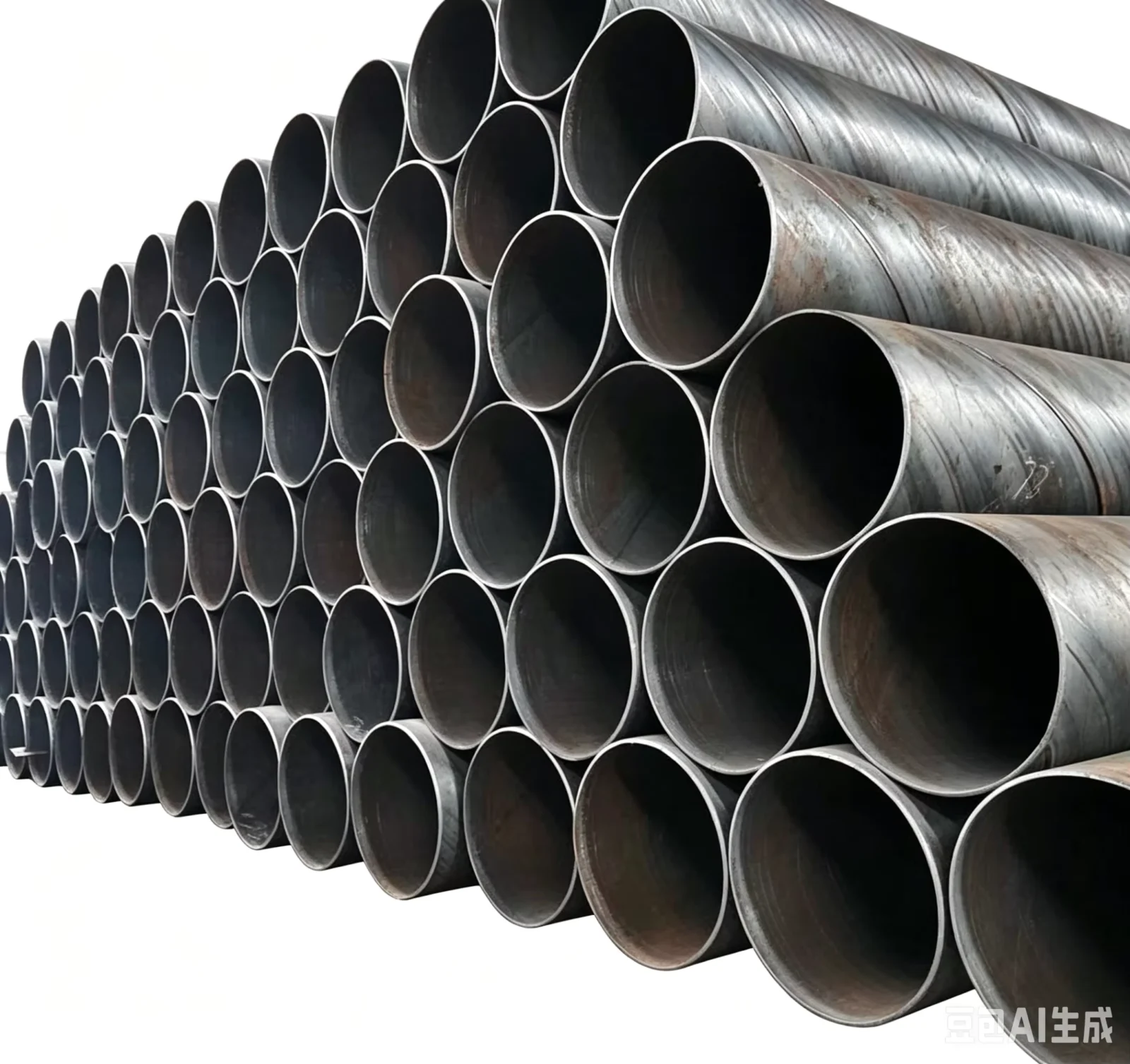
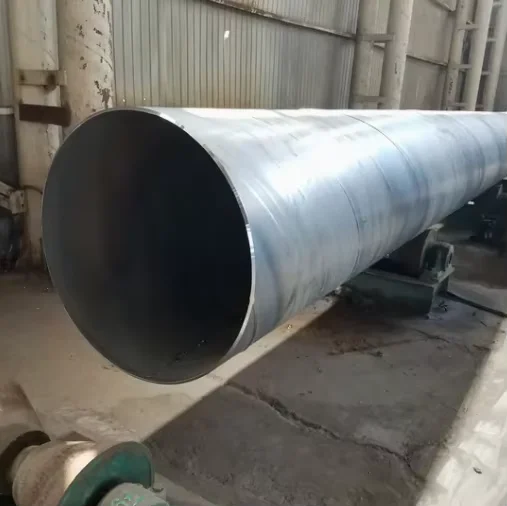
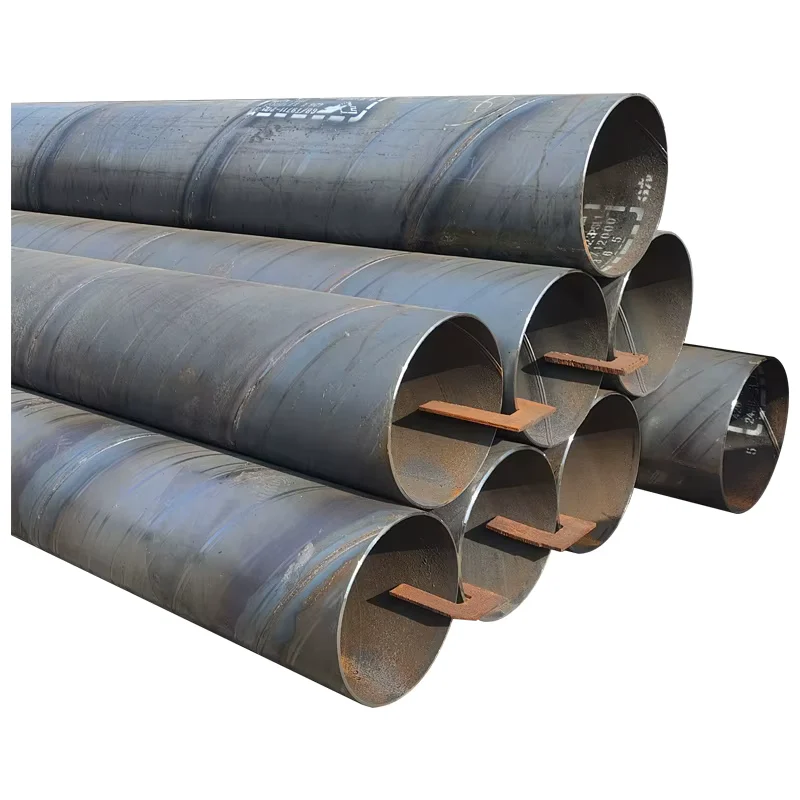
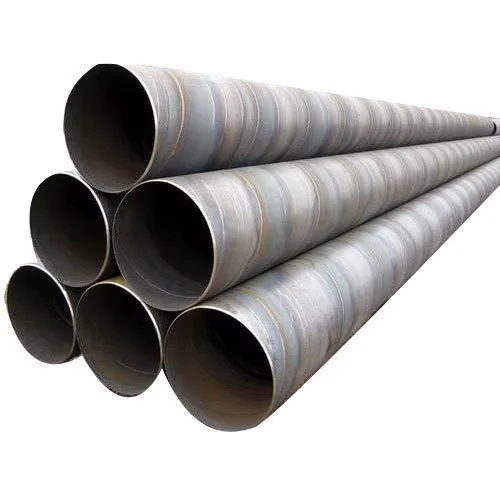
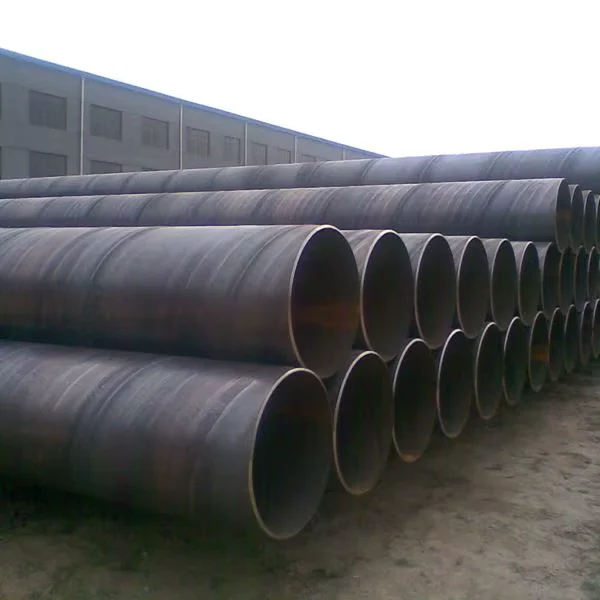
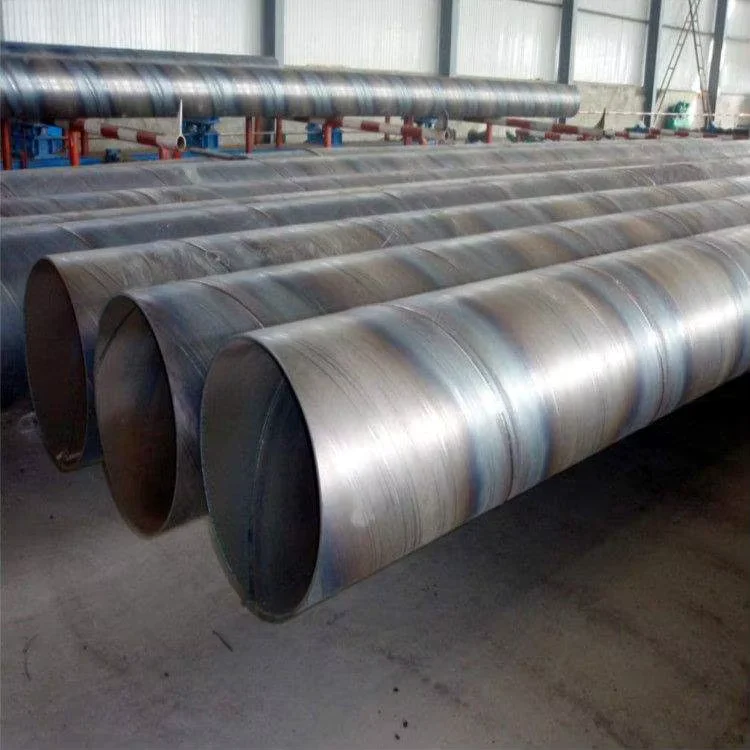
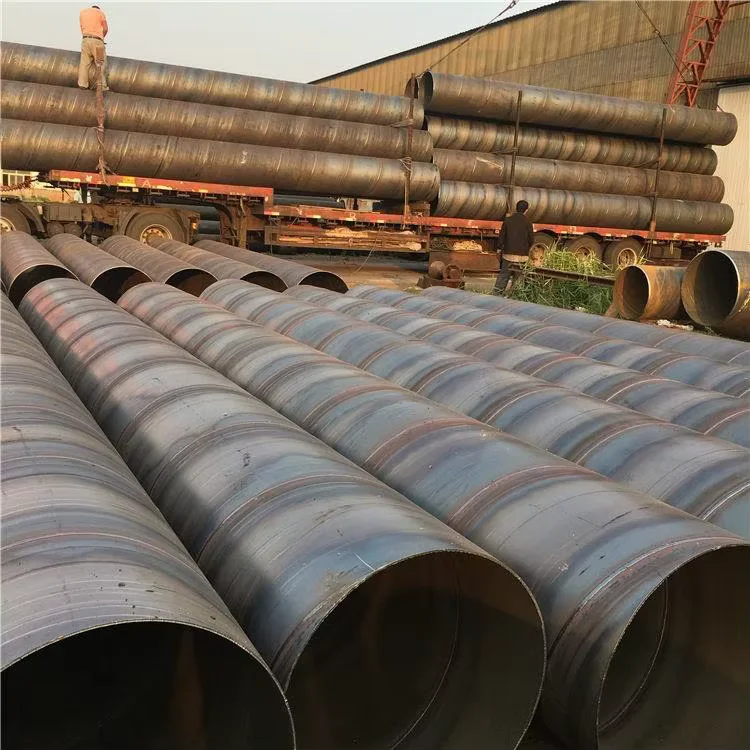
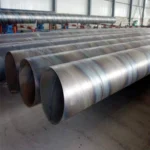
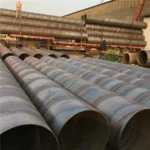
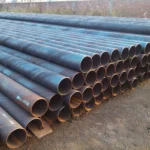
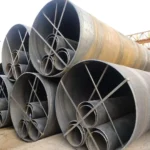
Direct Mill Supply for Large Diameter Pipeline Projects — Every API 5L SSAW spiral welded steel pipe rolls from our own production lines with in-house chemical and mechanical testing before shipment.
Technical Specifications
| Parameter | Value |
|---|---|
| Designation | API 5L SSAW Round Steel Pipe |
| Product Type | SSAW Round Steel Pipe (Spiral Submerged Arc Welded) |
| Steel Grade | API 5L GR.A, GR.B, X42, X46, X52, X56, X60, X65, X70; S235JR, S275JR, S355JR, S355J0H, S355J2H; Q235, Q345, SS400; BS 4360 Grade 37/50 |
| Standard | API 5L, API 5CT, ASTM A53, ASTM A252, ASTM A500, EN 10219, EN 10217, EN 10224, BS EN 10210, GB/T 9711, GB/T 3091, GB/T 13793, SY/T 5037, DIN 1626/1615, DIN 17120, JIS G3444 |
| Section Shape | Round |
| Size Range | OD 219–3048 mm (8.62–120 in) |
| Wall Thickness | 5–25.4 mm |
| Length | 5.8–12 m (or per customer requirement) |
| Technique | SSAW / ERW / LSAW |
| Surface Treatment | Hot Rolled / Oiled / Non-oiled |
| Tolerance | ±1% |
| Ends | Plain / Beveled |
| Application | Oil & gas pipeline transportation / Fluid transport / Gas distribution / Bridge construction / Building construction / Structural support |
| MOQ | 5 Tons |
| Origin | China |
Application Suitability
| Industry | Typical Applications |
|---|---|
| Oil & Gas EPC | Onshore and offshore transmission pipelines, gas distribution networks, gathering lines |
| Infrastructure & Bridge | Bridge piers, pile foundations, structural columns for flyovers and overpasses |
| Municipal Engineering | Urban water supply mains, sewage conveyance, stormwater drainage systems |
| Industrial Construction | Factory building frames, conveyor support structures, equipment mounting columns |
| Energy & Power | Wind turbine foundation piles, solar mounting structures, cooling water circulation lines |
Where Wall-Thickness Tolerance Decides Pipeline Acceptance
A 1 mm negative deviation on a 25.4 mm wall can void an entire API 5L shipment at the receiving inspector’s caliper.
Procurement teams sourcing API 5L SSAW spiral welded steel pipe for gas transmission or structural piling frequently encounter wall thickness that drifts beyond the ±1% tolerance band specified in the order. When third-party inspectors measure at the pipe body and weld seam, inconsistent readings trigger rejection under API 5L or EN 10217 protocols. The cost is not just the rejected tonnage — it includes demurrage at the destination port, emergency air-freight of replacement sections, and project schedule delays that cascade through the entire EPC timeline. [NEED_CITE: API 5L dimensional tolerance requirements for line pipe]
Matching Diameter and Grade to Pipeline Pressure Classes
Large diameter SSAW pipe from 219 mm to 3048 mm OD covers the full spectrum from municipal gas distribution mains to high-pressure transmission lines. API 5L grades from GR.B through X70 provide escalating yield strength to match design pressure requirements — X52 and X60 serve most onshore transmission projects, while X65 and X70 are specified for subsea and high-stress crossing applications. The spiral welding process allows production of diameters beyond the practical limits of LSAW presses, making API 5L SSAW spiral welded steel pipe the default choice for projects requiring OD above 1200 mm with wall thickness up to 25.4 mm.
Structural Compliance and Corrosion Protection Selection
Engineering specifications for bridge piling and building columns typically reference EN 10219 or ASTM A500, requiring verified chemical composition and mechanical properties documented in mill test certificates. For corrosive soil conditions or marine environments, surface treatment selection — oiled for temporary transit protection, or 3PE coating for long-term buried service — must align with the project’s corrosion engineering study. CE certification under EN 10210/EN 10219 is mandatory for structural hollow sections entering EU member states, and Singapore FPC certification governs public infrastructure projects in that market. [NEED_CITE: EN 10219 structural hollow section certification requirements for EU construction]
Understanding SSAW Weld Integrity and Grade Equivalence
The spiral submerged arc welding process produces a continuous helical seam that distributes residual stress more evenly than a single longitudinal weld, making it suitable for large diameter pipe under internal pressure. When projects specify API 5L X52, procurement teams must verify equivalence if the mill stocks EN or GB equivalents — S355J2H and Q345 offer comparable yield ranges but differ in impact testing temperature and elongation requirements. Our in-house physical and chemical laboratory tests every heat for carbon equivalent, sulfur and phosphorus content, and tensile properties before the pipe proceeds to hydrostatic testing, ensuring the API 5L SSAW spiral welded steel pipe meets the grade called out on the purchase order.
The Hidden Cost of Unverified Grade Substitution
Substituting a lower grade without engineering approval — shipping S235JR against an order for S355JR — may pass visual inspection but fails under structural load calculation review. Customs authorities in regulated markets increasingly cross-check mill test certificates against declared HS codes and steel grade markings; mismatched documentation triggers hold orders and demands re-inspection at the importer’s expense. Projects governed by AISC or EN 1993 require full material traceability by heat number, and any gap in the certification chain can force costly core drilling and re-testing of installed pipe. [NEED_CITE: steel grade equivalence documentation requirements for structural engineering projects]
Why Project Procurement Teams Specify Our Mill
Our production lines cover the full 219–3048 mm OD range in a single facility, eliminating the need to split orders across multiple mills for different diameter segments. The in-house laboratory performs chemical spectroscopy, tensile testing, and charpy impact testing before any pipe leaves the facility — mill test certificates are generated from actual test data, not template documents. We hold Lloyd’s CE certification for EN 10210/EN 10219, Singapore FPC, and ISO 9001:2015, covering the certification requirements for EU, Southeast Asian, and Middle Eastern project specifications. Third-party inspection by SGS or BV is arranged at the mill before shipment, giving buyers independent verification of dimensional accuracy and weld quality. Professional container loading with anti-damage measures ensures large diameter pipe arrives without ovality distortion or surface scoring.
Documentation & Compliance
- Mill test certificate documenting API 5L GR.B through X70 chemical composition, yield strength, and tensile properties per heat number
- CE certificate under EN 10210/EN 10219 for structural hollow sections destined for EU member state construction projects
- ISO 9001:2015 quality management certificate covering the full SSAW and LSAW production process
- SGS or BV third-party inspection report confirming wall thickness, OD tolerance, and weld seam ultrasonic testing results
- Material traceability report linking each pipe to its heat number, chemical analysis, and mechanical test results
- Export documentation including packing list, bill of lading, and certificate of origin for customs clearance
Packaging, Loading & Delivery
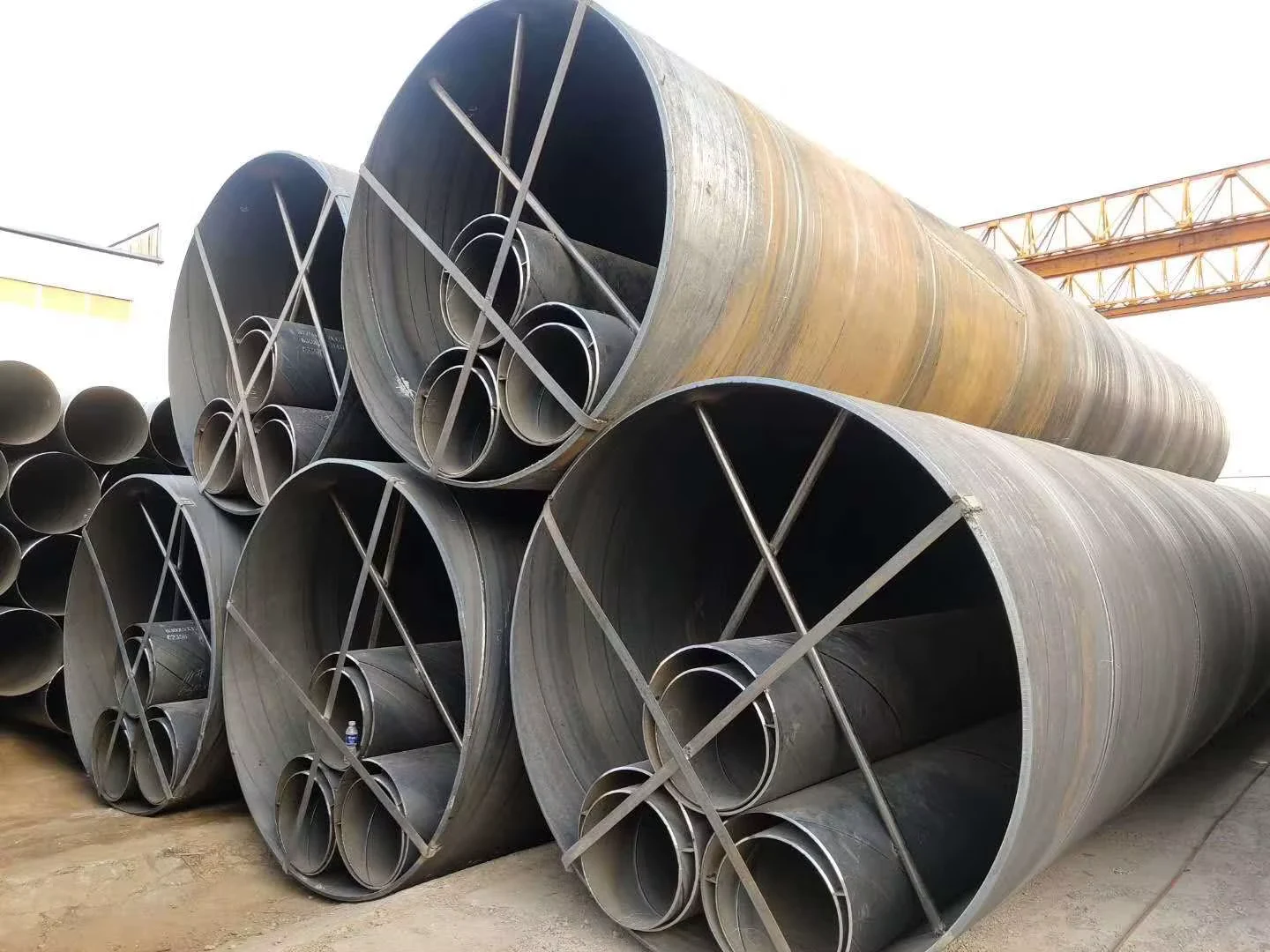
- API 5L SSAW spiral welded steel pipe bundled with steel strips and edge protectors to prevent coating damage during ocean transit
- Oiled surface treatment applied before bundling to prevent corrosion during storage and shipping for non-galvanized pipe
- Container loading optimized for 5.8 m and 12 m lengths with wooden cradles to maintain roundness on large diameter sections
- Beveled ends protected with plastic caps to preserve welding preparation geometry during handling
- Heat number and steel grade stenciled on each pipe for site identification and traceability verification
- FOB, CIF, and DDP shipping terms available with professional loading supervision at the mill
Getting Your Project Quotation with Verified Mill Documentation
Submit your specification sheet including OD, wall thickness, steel grade, quantity, and destination port to receive a detailed quotation with lead time and shipping terms. We provide sample mill test certificates from recent production runs for your engineering team’s review before order confirmation. Third-party inspection arrangements and non-standard length requests are confirmed at the inquiry stage to avoid delays during production.
Start Your API 5L SSAW Spiral Welded Steel Pipe Inquiry
Send your project specifications to receive pricing, mill test certificate samples, and delivery timelines.
Email: admin@sdxjypipe.com | WhatsApp: +86 188 5315 7756 | Website: www.sdxjypipe.com
Frequently Asked Questions
Q: Can you provide API 5L X65 pipe with third-party inspection before shipment?
A: Yes, we arrange SGS or BV inspection at our mill before shipment. The inspection covers wall thickness measurement, OD verification, weld seam ultrasonic testing, and review of mill test certificates for chemical composition and mechanical properties.
Q: What is the minimum order quantity for large diameter SSAW pipe above 1000 mm OD?
A: The MOQ is 5 tons across all diameter ranges. For large diameter pipe above 1000 mm OD, we can combine multiple sizes in a single order to meet the minimum weight requirement.
Q: Do you supply beveled ends prepared for field welding?
A: Yes, we provide beveled ends per API 5L or customer-specified welding preparation angles. Plastic end caps protect the bevel geometry during transit and handling.
Q: Can you match EN 10217 grades when the project specification calls for API 5L?
A: We provide grade equivalence cross-referencing between API 5L, EN 10217, EN 10219, ASTM A53, and GB/T 9711 standards. Our engineering team confirms chemical composition and mechanical property compatibility before order confirmation.
Q: What surface treatment options are available for buried pipeline applications?
A: We supply pipe with oiled surface for temporary protection, and can coordinate 3PE anti-corrosion coating application for long-term buried service. Surface treatment selection depends on the project’s corrosion engineering requirements and soil conditions.