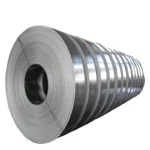
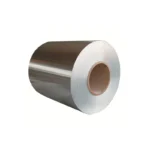
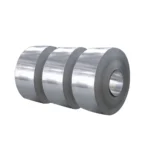
Description
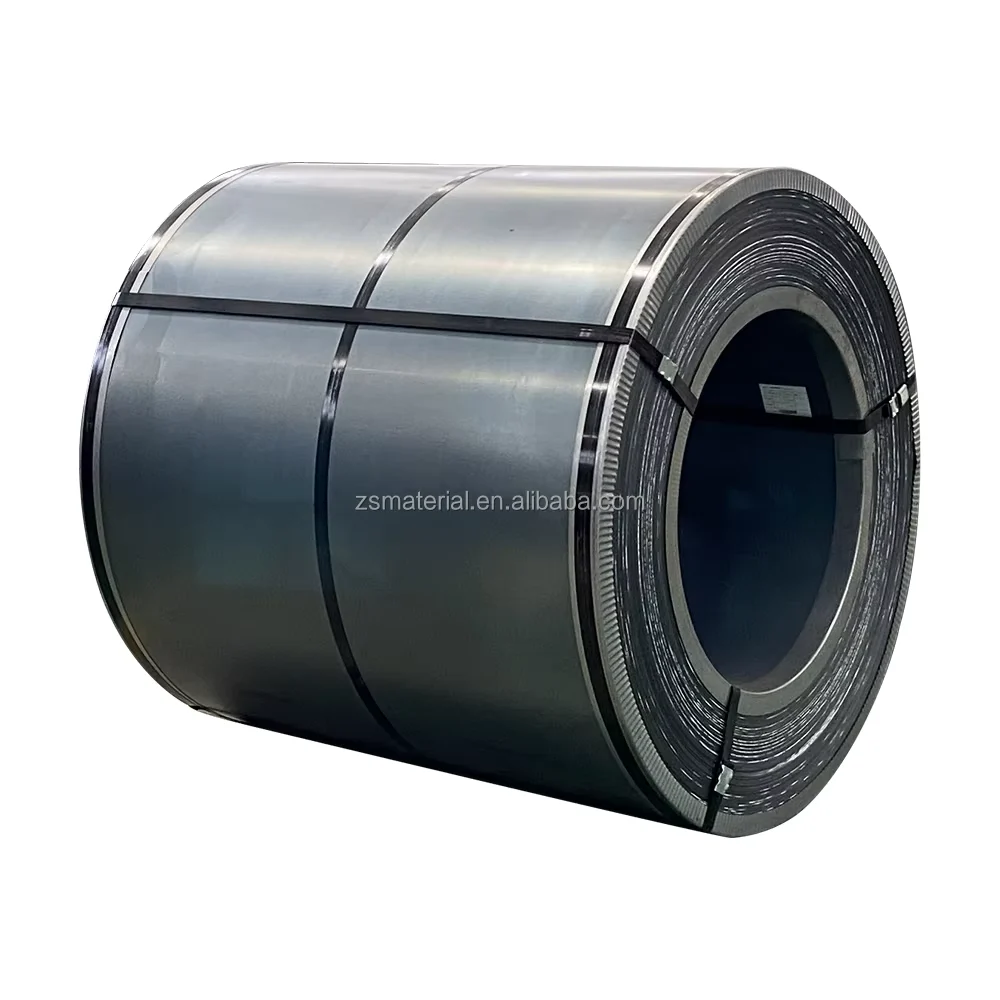
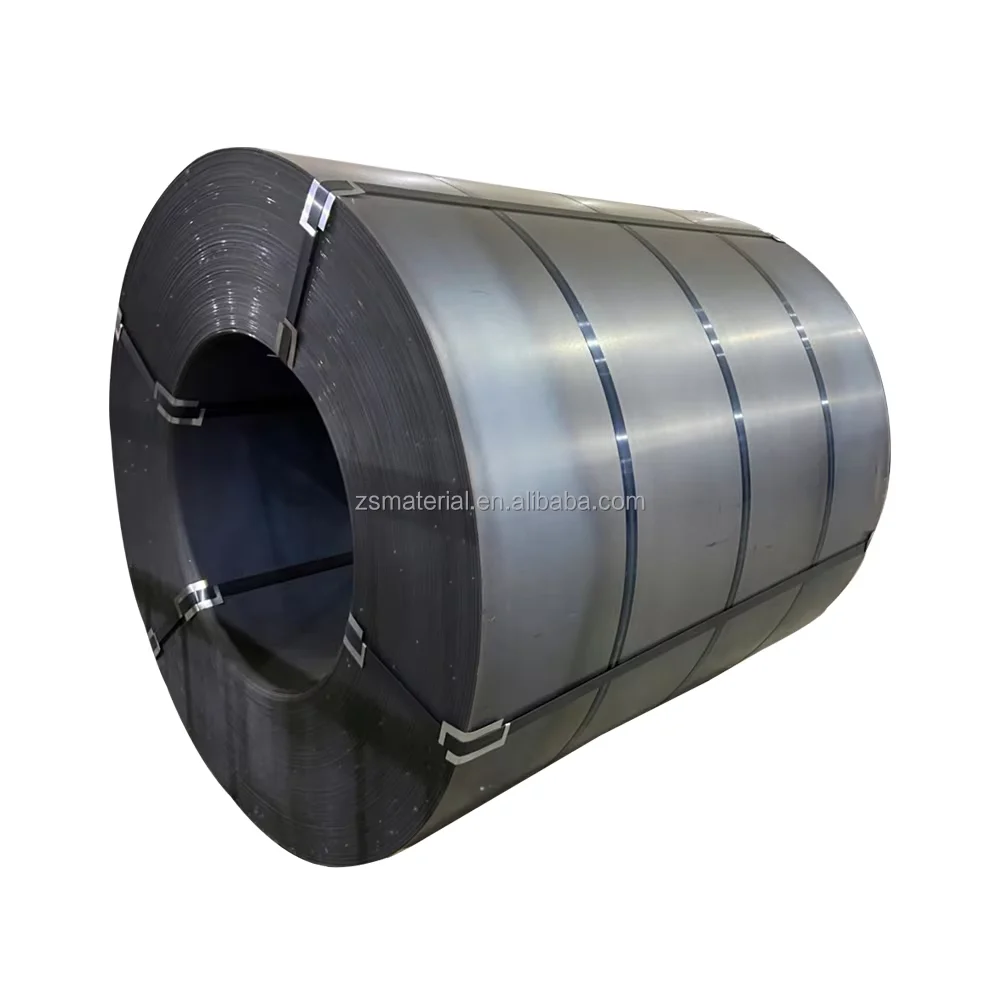
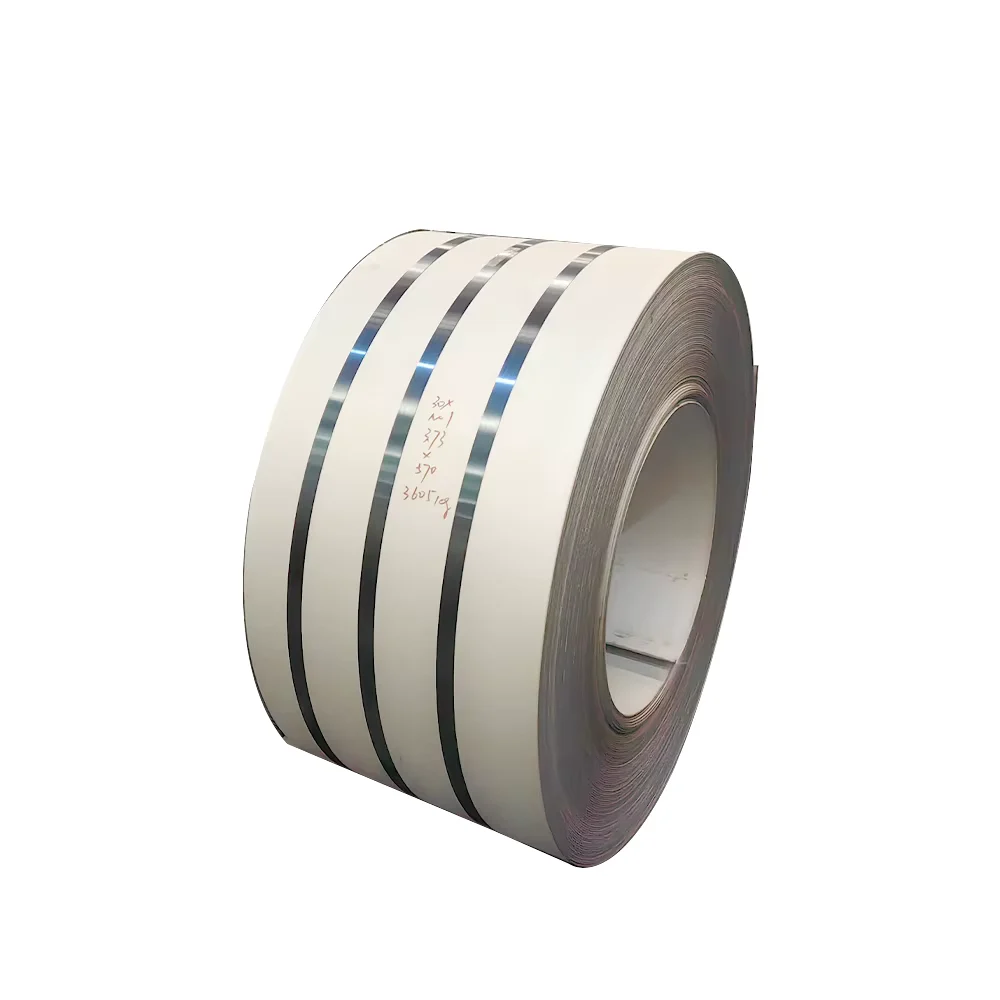
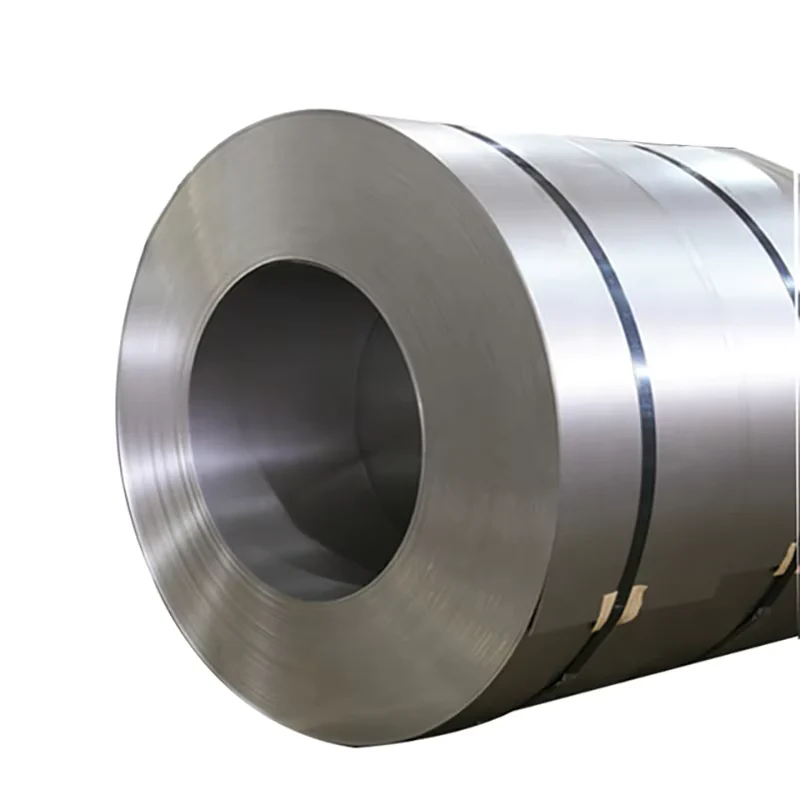
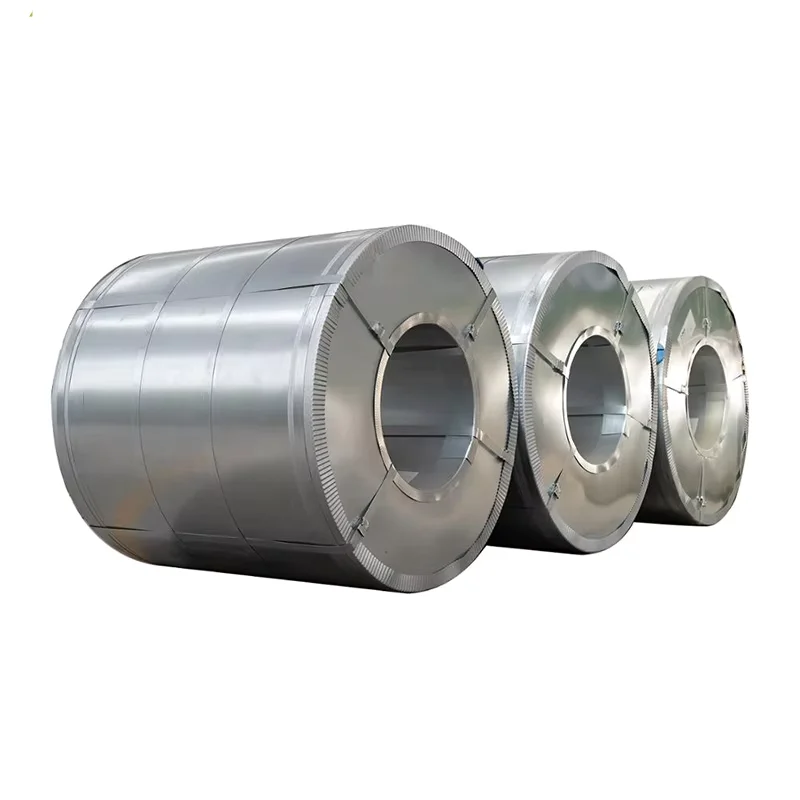
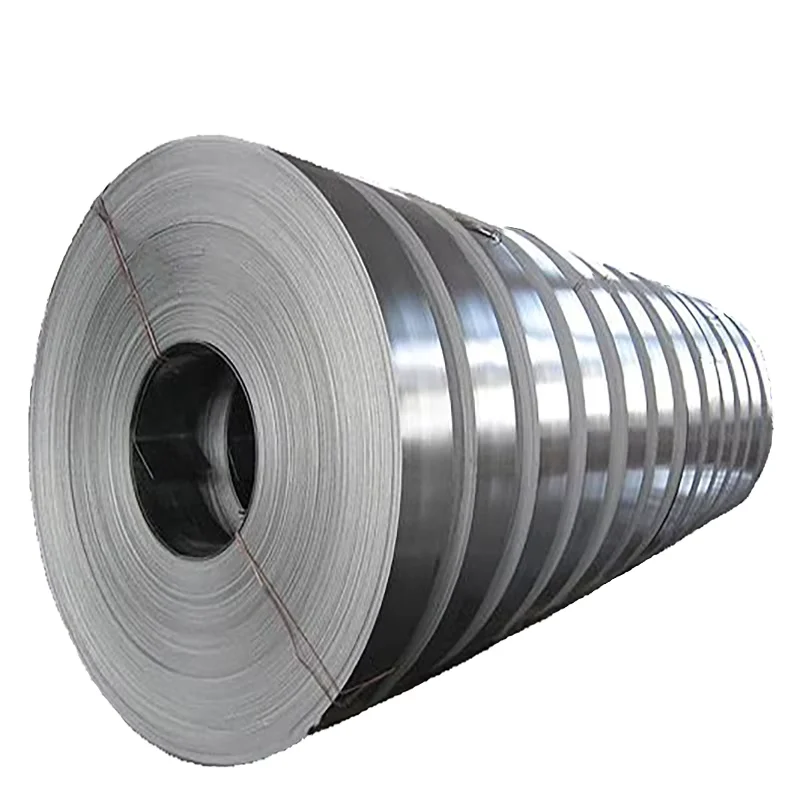
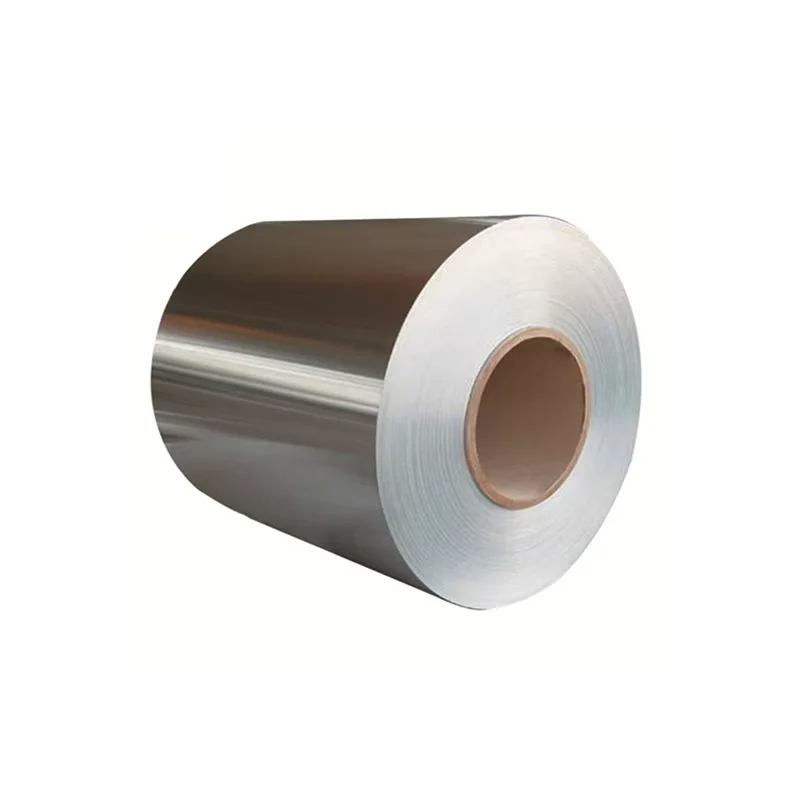
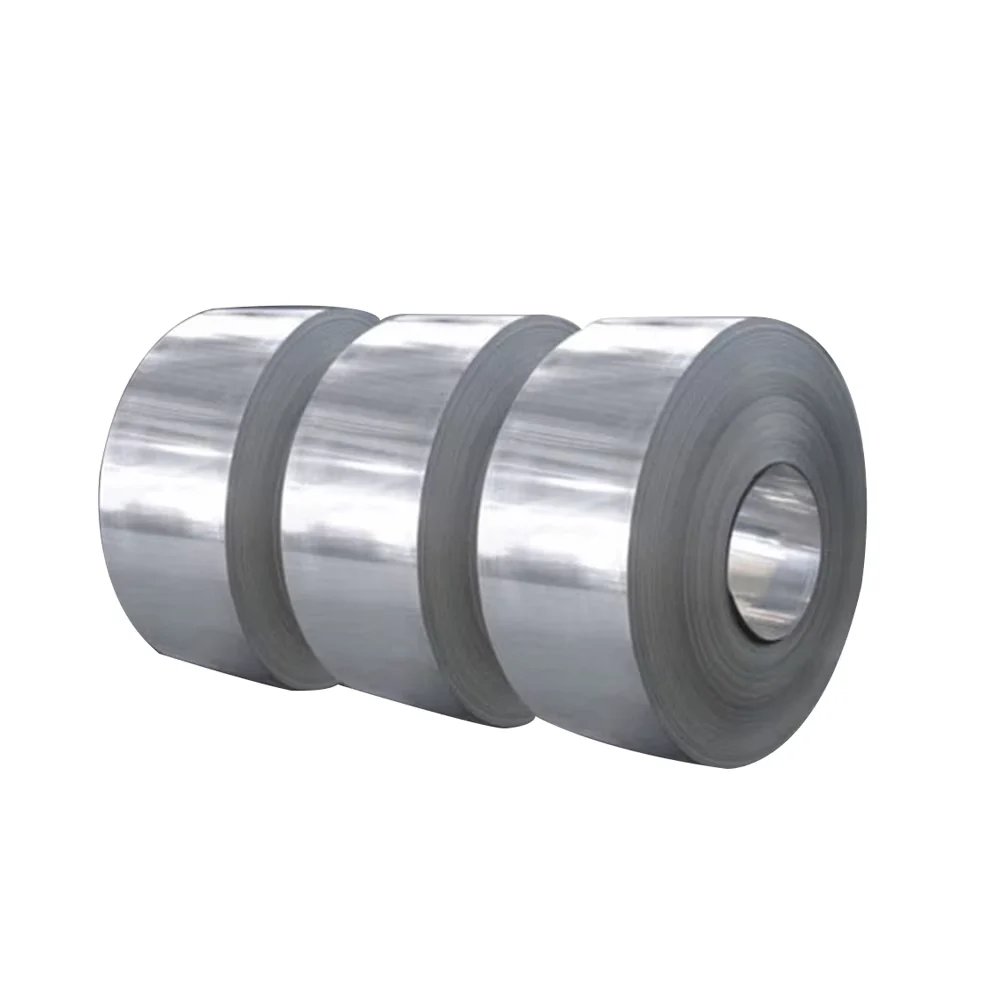
Factory-Direct 304 316 Stainless Steel Coil Supply — Cold-rolled coils produced and stocked in-house, shipped with full mill test certificates and heat-number traceability from our Jinan facility.
Technical Specifications
| Parameter | Value |
|---|---|
| Designation | 304 316 430 Series Stainless Steel Coil |
| Product Type | Steel Coil |
| Steel Grade | 304, 316, 430 |
| Width | 1000mm, 1219mm, 1500mm |
| Thickness | 0.2mm–3mm |
| Technique | Cold Rolled |
| Surface Treatment | 2B |
| Application | Fabrication / Architectural finishes / Industrial equipment / Kitchenware / Decorative panels |
| Origin | Shandong, China |
Application Suitability
| Industry | Typical Applications |
|---|---|
| Architectural & Facade | Elevator interior panels, column cladding, decorative wall sheets, kitchen splashbacks |
| Food & Beverage Processing | Conveyor belts, mixing tanks, food-grade work surfaces, dairy equipment housings |
| Industrial Equipment | Chemical storage tank liners, heat exchanger wraps, filtration housings |
| Kitchenware & Hospitality | Commercial sink basins, range hood shells, cutlery blanks, buffet ware components |
Surface Finish Inconsistency Is the Most Expensive Line Item on a Coil Order
A rejected container at destination port costs more than the steel itself.
Buyers sourcing stainless steel coil for architectural facades or food-grade equipment frequently discover finish defects — roller marks, edge wave, or uneven 2B reflectivity — only after the material has cleared customs and reached the fabricator’s floor. I once watched a full container of BA-finish coils sit in Jebel Ali for two months because the surface didn’t match the approved sample. The third-party inspector flagged every sheet. Thickness tolerance drift on thin-gauge coils below 0.5mm compounds the problem: fabricators running CNC plasma or laser cutting find their kerf compensation is off, and entire batches get scrapped. Sourcing a reliable 304 316 stainless steel coil supplier who controls cold-rolling passes in-house and provides per-batch surface inspection reports is not a luxury — it is basic risk management. [NEED_CITE: cold-rolled stainless steel surface finish classification per EN 10088-2]
Matching Coil Gauge and Grade to Facade and Food-Grade Requirements
Architectural facade contractors specifying 304 316 stainless steel coil for column cladding or elevator interiors need consistent 2B reflectivity across the full coil width — a 1500mm-wide coil must read the same under lobby lighting as a 1000mm sheet cut from the same production run. For marine-environment facades or chemical processing tanks, 316 grade provides molybdenum-enhanced pitting resistance that 304 cannot deliver, while 430 serves cost-sensitive decorative applications where chloride exposure is absent. Our cold-rolling lines hold thickness tolerance tight enough that fabricators can program cutting parameters once and run the full coil without mid-batch adjustment.
Engineering Compliance and Certification for Regulated Markets
Stainless steel coil destined for EU construction projects must carry documentation traceable to EN 10088, while food-contact applications in North America require compliance with ASTM A240 or FDA 21 CFR guidelines depending on the end use. The 2B finish supplied here meets the standard reflectivity and roughness range expected for further polishing or PVD coating. When specifying 304, 316, or 430 grade, buyers must confirm that the mill test certificate documents both chemical composition and mechanical properties against the correct standard framework — a certificate referencing only GB/T 1220 will not satisfy an EU-based inspector. [NEED_CITE: EN 10088-2 stainless steel flat products technical delivery conditions]
Cold-Rolled Precision: What 2B Finish and Grade Selection Actually Mean
The 2B finish is produced by cold-rolling to target thickness, then annealing and pickling to remove scale, followed by a final light skin-pass on polished rolls. This yields a smooth, moderately reflective surface suitable for decorative panels, kitchen equipment, and industrial housings where a mirror finish is unnecessary. Grade 304 offers general-purpose corrosion resistance through its 18% chromium and 8% nickel composition, making it the default choice for indoor architectural and food-processing applications. Grade 316 adds 2–3% molybdenum, significantly improving resistance to chloride pitting — essential for coastal facades, marine hardware, and chemical containment. Grade 430 is a ferritic stainless with 17% chromium and no nickel, providing adequate corrosion resistance for dry decorative environments at lower material cost. Cold rolling to gauges as thin as 0.2mm demands precise roll-gap control; any drift produces edge wave or center buckle that renders the coil unusable for flat-panel fabrication.
The Hidden Cost of Unverified Coil Sourcing
Accepting a lower per-ton price from an unverified 304 316 stainless steel coil supplier often means receiving material with mixed heat numbers, undocumented nickel content, or surface defects hidden under protective film. When a fabricator cuts and forms this coil into facade panels and the finished project fails third-party inspection, the cost of replacement material, re-fabrication labor, and project delay dwarfs the original savings. Certification gaps create a separate failure mode: customs authorities in the EU and Middle East routinely hold shipments lacking proper EN or ASTM documentation, and demurrage charges accumulate daily. [NEED_CITE: stainless steel grade equivalence and certification requirements for international trade]
Why Procurement Teams Source Stainless Coil Through Our Facility
Every coil leaving our Jinan warehouse passes through an in-house physical and chemical laboratory that verifies composition and mechanical response before release — the same lab supports our ISO 9001:2015 certified quality system. We stock 304, 316, and 430 in three standard widths (1000mm, 1219mm, 1500mm) and thicknesses from 0.2mm to 3mm, meaning standard orders ship from inventory without waiting for a production slot. Each coil carries a unique heat number etched on the inner core, and the corresponding mill test certificate travels with the shipment. For buyers requiring third-party verification, we arrange SGS or BV inspection at our facility before loading. Our export team handles professional container loading with edge protectors and moisture barriers, and has shipped stainless coil to clients across 50+ countries with full customs documentation.
Documentation & Compliance
- Mill test certificate documenting 304/316/430 chemical composition (C, Cr, Ni, Mo) and mechanical properties per applicable standard
- CE marking support for construction-product compliance where EN 10088 applies
- ISO 9001:2015 quality management certificate covering cold-rolling and finishing processes
- SGS or BV third-party inspection report available per batch upon request
- Full heat-number traceability from slab to finished coil, documented on test certificate
- Export customs package: commercial invoice, packing list, bill of lading, and certificate of origin
Packaging, Loading & Delivery
- Coils packed in seaworthy export bundles with steel strip binding and waterproof paper wrapping to protect the 2B surface during ocean transit
- Edge protectors applied to all coil edges to prevent nicking of the cold-rolled finish when 0.2mm–1mm thin gauges are shipped
- Container loading optimized by coil weight and width — 1500mm coils loaded on their side with timber cradles, 1000mm and 1219mm coils stacked with interleaved dunnage
- Heat number and grade (304/316/430) stenciled on each coil’s outer wrap for on-site identification at the fabricator’s warehouse
- FOB, CIF, and DDP shipping terms available; professional loading crew ensures no surface contact between coils during container stuffing
Start Your Coil Inquiry With Exact Specifications
Submit your required grade (304, 316, or 430), width, thickness, total tonnage, and destination port — we return a detailed quotation with unit price, lead time, and shipping terms within 12 hours, along with a sample mill test certificate from current stock for your quality team’s review.
Request a Quotation and Mill Test Certificate Today
Send your coil specifications, steel grade, and destination to receive pricing, available stock confirmation, and sample documentation.
Shandong Xin Jiyuan Special Steel Tube Co., Ltd
Website: www.sdxjypipe.com
Tel: +86 531 8573 6315
Mobile/WhatsApp/WeChat: +86 188 5315 7756
Email: admin@sdxjypipe.com
Address: No.11889, Jingshi West Road, Lulian Group, Jinan City, Shandong Province, China
Frequently Asked Questions
Q: What is the difference between 304, 316, and 430 stainless steel coil?
A: 304 is an austenitic grade with 18% chromium and 8% nickel, suitable for general corrosion resistance in architectural and food-processing applications. 316 adds molybdenum for enhanced chloride and marine-environment resistance. 430 is a ferritic grade with 17% chromium and no nickel, offering cost-effective corrosion resistance for dry decorative use.
Q: What does 2B finish mean and can other finishes be supplied?
A: 2B is a cold-rolled, annealed, and pickled finish with a smooth, moderately reflective surface produced by a final light skin-pass on polished rolls. It is the standard mill finish for further processing such as polishing, brushing, or PVD coating.
Q: Can you slit coils to custom widths?
A: Yes. We supply three standard widths — 1000mm, 1219mm, and 1500mm — and can arrange slitting to narrower widths based on your fabrication requirements. Confirm your target width and tolerance when submitting your inquiry.
Q: What is the typical lead time for stocked versus custom orders?
A: Standard specifications in 304, 316, and 430 ship from existing inventory. Custom thickness, width, or surface finish orders enter the production schedule, and typical lead times are confirmed at quotation stage based on current mill capacity.
Q: How are coils packed to prevent surface damage during shipping?
A: Each coil is wrapped in waterproof paper, bound with steel strips, and fitted with edge protectors. Thin-gauge coils below 1mm receive additional interleaving material. Container loading uses timber cradles and dunnage to prevent coil-to-coil contact during ocean transit.