
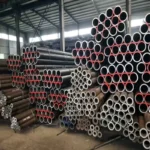
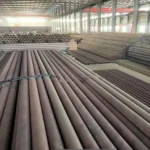
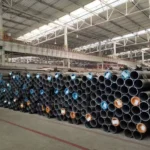
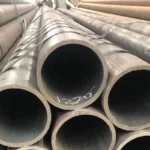
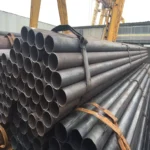

Description
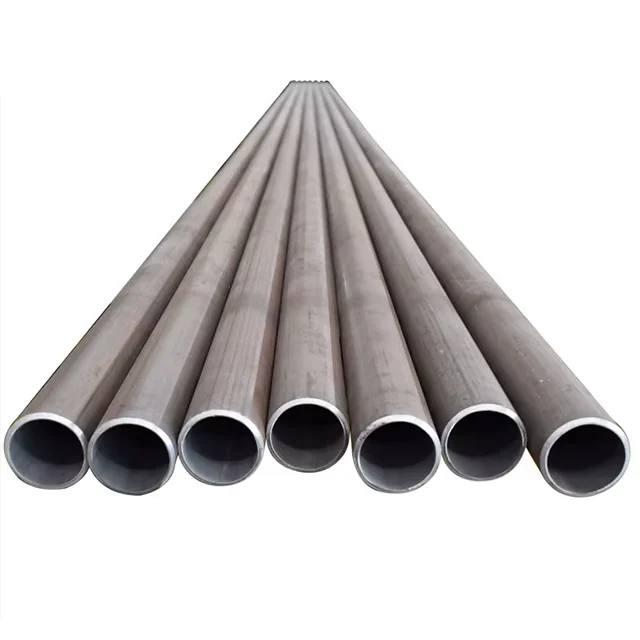
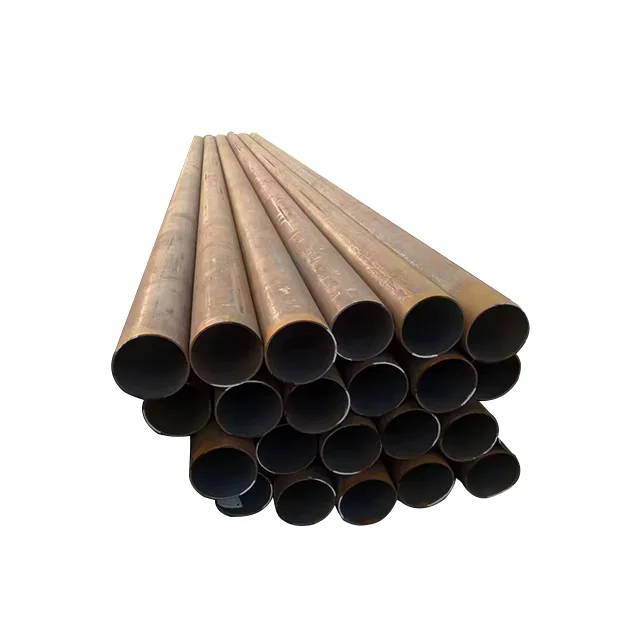
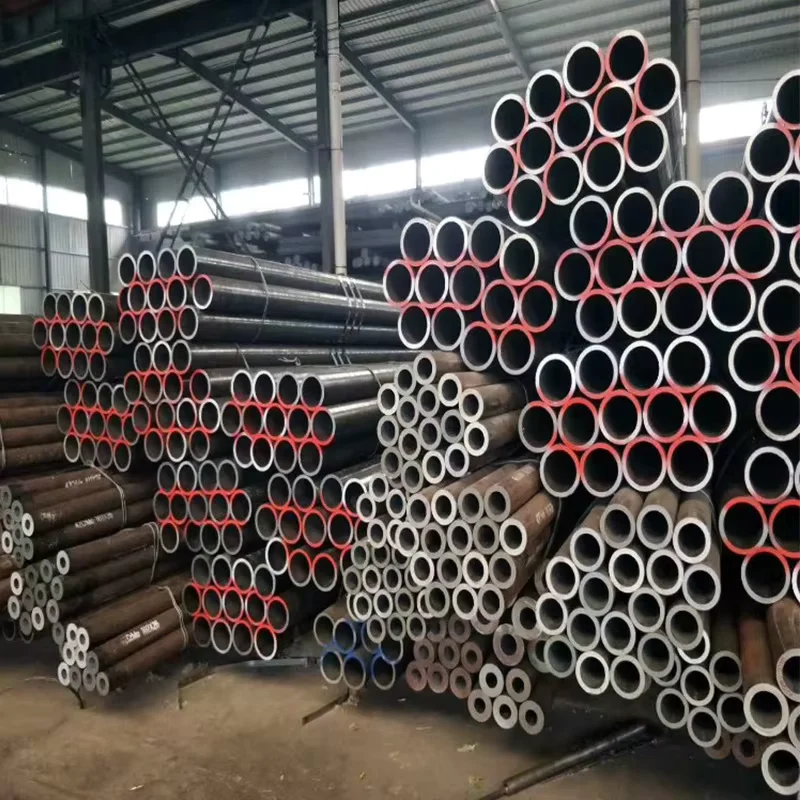
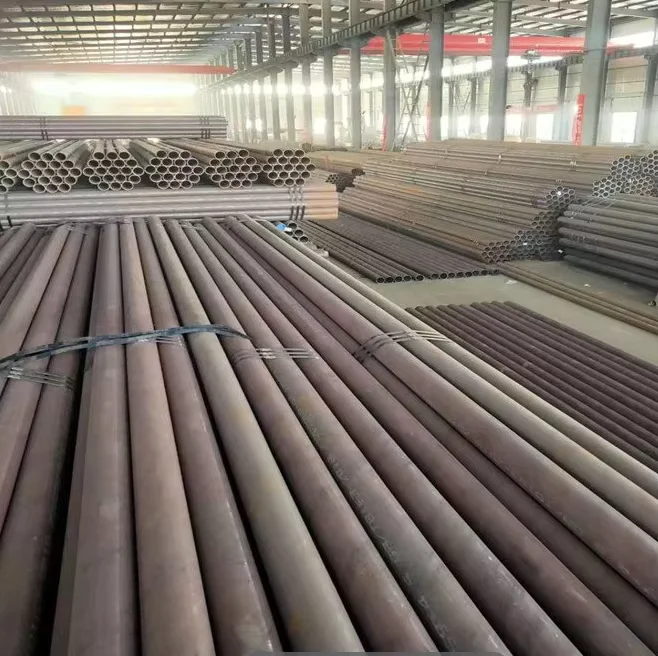
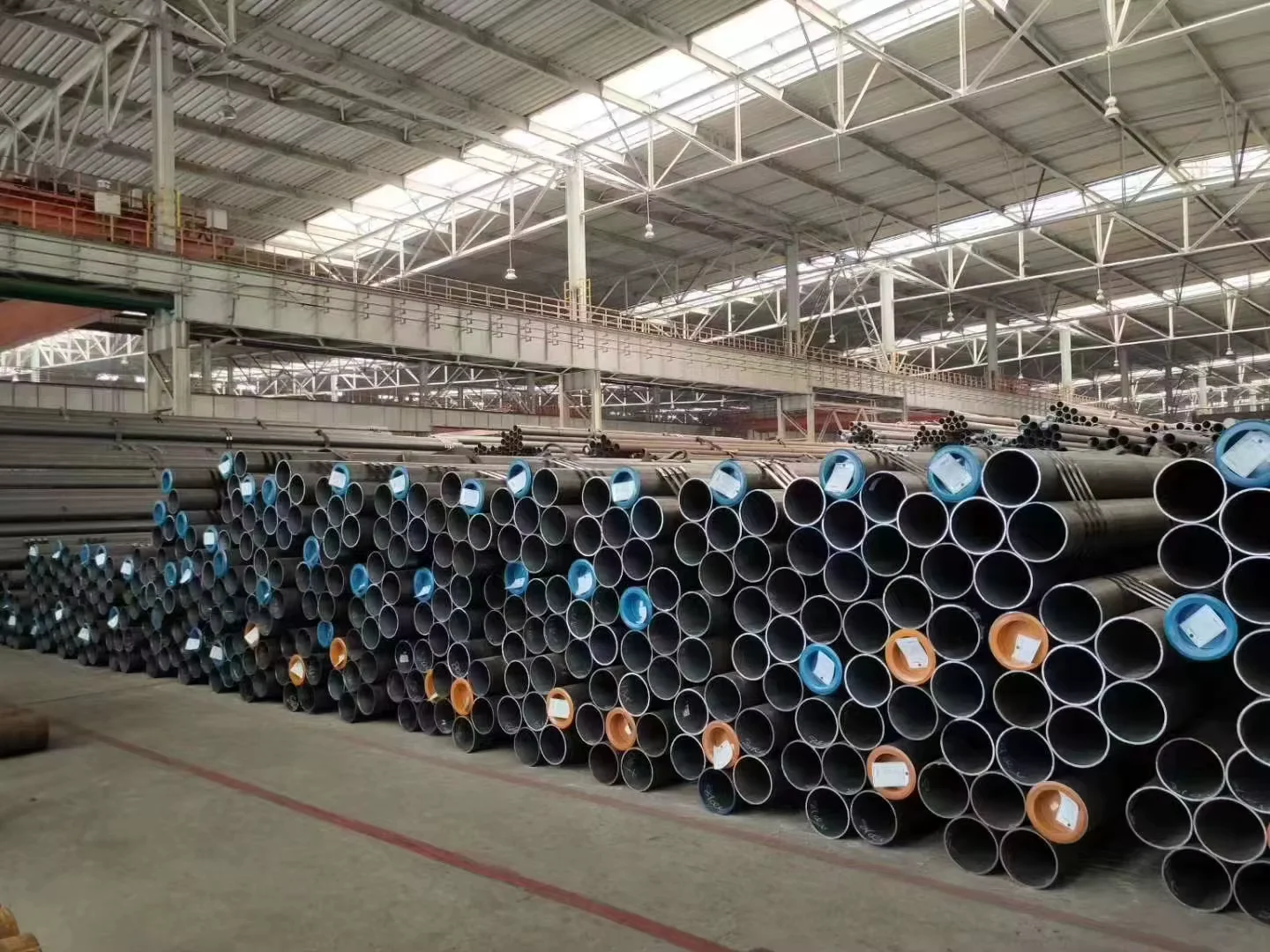
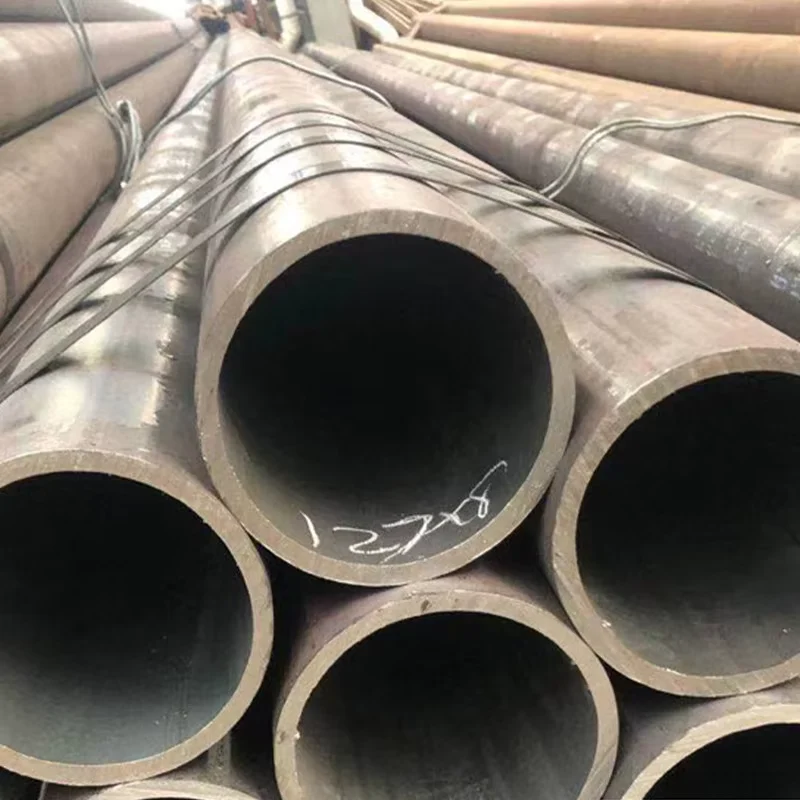
Direct Mill Supply for 20# 45# Carbon Steel Seamless Pipe — We manufacture and stock ASTM A106 seamless pipes in 20# and 45# grades with wall thickness up to 59.54mm, inspected in our own physical and chemical laboratory before shipment.
Technical Specifications
| Parameter | Value |
|---|---|
| Designation | 20# 45# Carbon Steel Seamless Pipe |
| Product Type | Seamless Steel Pipe |
| Steel Grade | 20#, 45#, ASTM A106 Grade A/B |
| Standard | API 5CT, API 5L, ASTM A106, ASTM A53, BS, JIS, DIN |
| Section Shape | Round |
| Size Range | OD 10–609 mm |
| Wall Thickness | 1.65–59.54 mm |
| Technique | Hot Rolled / Cold Rolled / Cold Drawn |
| Surface Treatment | Oiled / Non-oiled / Black |
| Tolerance | ±5% / ±1% |
| Ends | Plain / Beveled / Threaded |
| Length | Standard export length |
| Application | Fluid transportation / Oil & gas pipeline / Boiler & heat exchanger / Machinery parts / Structural components / Hydraulic systems / Chemical fertilizer industry |
| Origin | Shandong, China |
Application Suitability
| Industry | Typical Applications |
|---|---|
| Oil & Gas | High-pressure fluid and gas transport pipelines, wellhead casing, flow lines |
| Power Generation | Boiler tubes, superheater elements, heat exchanger bundles |
| Machinery Manufacturing | Hydraulic cylinder barrels, precision shaft sleeves, structural machine frames |
| Chemical Processing | Reactor feed lines, process piping for fertilizer and petrochemical plants |
| Construction & Infrastructure | Structural columns, pile casings, heavy-duty support frames |
Grade Equivalence Confusion Costs More Than the Pipe Itself
20# maps to ASTM A106 Grade B; 45# aligns with AISI 1045 — but only when mill test certificates confirm carbon and manganese within spec.
Buyers ordering 20# seamless pipes for boiler or oil pipeline projects frequently discover at customs or on-site inspection that the mill test certificate lists chemistry outside the A106 Grade B window. The root cause is often a mill that treats GB 20# and ASTM A106 Gr.B as interchangeable without verifying the actual carbon range (0.17–0.24% for Gr.B). For 45# pipes used in hydraulic cylinders, a 0.03% carbon overshoot shifts the material toward AISI 1050 territory, altering machinability and heat-treatment response. [NEED_CITE: steel grade equivalence between Chinese GB and ASTM standards]
Matching Wall Thickness to Pressure and Machining Requirements
When specifying ASTM A106 20# 45# carbon steel seamless pipe for high-temperature service, the wall thickness directly determines both pressure rating and machining allowance. Hot-rolled pipes in the 10–40mm wall range suit boiler headers and oil transmission where dimensional tolerance of ±5% is acceptable. Cold-drawn pipes with ±1% tolerance are preferred for hydraulic cylinder applications where bore finish and concentricity matter. Our production lines cover the full 1.65–59.54mm range, and we separate hot-rolled and cold-drawn inventory so buyers receive the correct process for their application without substitution.
Engineering Compliance and Certification Pathways
For oil and gas pipelines, API 5L certification confirms the pipe meets pressure-testing and chemical requirements for sour service environments. Boiler and heat exchanger applications require ASTM A106 compliance with documented high-temperature yield behavior. EU buyers importing these pipes need CE marking under EN 10210 or EN 10219 depending on whether the pipe is hot-formed or cold-formed, and the mill test certificate must reference the correct standard — not a generic “carbon steel pipe” description. [NEED_CITE: EN 10219 cold-formed hollow section requirements] We provide third-party inspection through SGS or BV for buyers who need independent verification of dimensions, surface quality, and chemistry before container loading.
Hot-Rolled vs Cold-Drawn: Process Selection for 20# and 45# Grades
The manufacturing process determines more than just surface finish — it affects dimensional accuracy, residual stress, and downstream fabrication behavior. Hot-rolled 20# pipes develop a mill scale surface that requires removal before welding in critical applications, but the process allows thicker walls up to 59.54mm at lower cost. Cold-drawn 45# pipes achieve tighter tolerances and smoother surfaces suitable for precision machining into hydraulic components, though the process limits maximum wall thickness. For 20# pipes in boiler service, hot-rolling followed by stress-relief annealing provides the creep resistance needed for sustained high-temperature operation. The choice between oiled and non-oiled surface treatment depends on storage duration and whether the pipe will undergo further processing like galvanizing or coating.
Hidden Costs of Unverified Grade and Tolerance Claims
Pipes supplied without proper mill test certificates or with wall thickness at the negative tolerance limit create problems that surface only during fabrication or pressure testing. A 45# pipe with actual carbon content at 0.50% instead of the specified 0.42–0.50% range may crack during hydraulic cylinder honing. Seamless pipes with wall thickness below the minimum specified in ASTM A106 will fail hydrostatic testing at the rated pressure, forcing complete line replacement. [NEED_CITE: ASTM A106 wall thickness tolerance and hydrostatic testing requirements] Certification gaps — such as missing CE marks or incorrect standard references on test certificates — result in customs holds that delay projects by weeks, not days.
Why Project Teams Source ASTM A106 20# 45# Carbon Steel Seamless Pipe From Us
We operate three production lines covering over 2,800 specifications, so your 20# boiler tube and 45# hydraulic cylinder stock come from the same facility with consistent quality control. Our in-house physical and chemical laboratory tests every heat for carbon, manganese, silicon, sulfur, and phosphorus content before the pipe leaves the mill — you receive the mill test certificate with chemistry and mechanical properties, not a generic compliance statement. We hold ISO 9001:2015 certification, Lloyd’s CE marking for EN 10210/10219, and Singapore FPC certification, which means your EU and Southeast Asia shipments clear customs with proper documentation. For export orders, our loading team uses specialized cradles and edge protectors to prevent pipe-end damage during ocean transit — a lesson we learned after a 12mm-wall shipment to Dubai arrived with deformed ends that required full rework. [NEED_CITE: proper container loading methods for seamless steel pipes]
Documentation & Compliance
- Mill test certificate documenting 20# and 45# chemical composition (C, Mn, Si, S, P) and mechanical properties per ASTM A106 or API 5L
- CE certificate under EN 10210 for hot-formed seamless pipes or EN 10219 for cold-formed pipes, required for EU market access
- ISO 9001:2015 quality management certificate covering production, testing, and traceability processes
- SGS or BV third-party inspection report verifying dimensional accuracy, surface quality, and wall thickness before shipment
- Material traceability by heat number linking each pipe to its original billet and test results
- Customs documents including packing list, bill of lading, and certificate of origin for import clearance
Packaging, Loading & Delivery
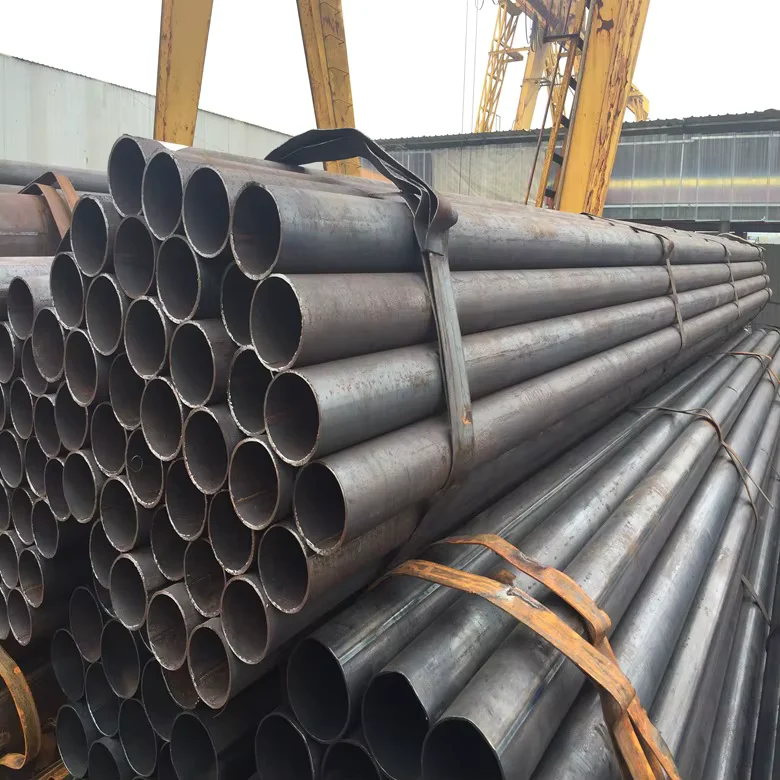
- Black or oiled 20# and 45# seamless pipes bundled with steel strips and edge protectors to prevent surface damage during handling
- Wall thickness above 20mm shipped in single-layer racks to avoid crushing; thinner-wall pipes nested in hexagonal bundles for container space optimization
- OD 10–219mm pipes loaded in nested configurations; OD 219–609mm pipes secured with timber cradles to prevent rolling during transit
- Standard export length 6m or 12m, with custom cut-to-length available for 45# precision pipes used in hydraulic cylinder applications
- Heat number and steel grade stenciled on each pipe end for site identification and traceability
- FOB, CIF, or DDP shipping terms with professional container loading supervised by our dispatch team
Getting Your Quote and Mill Test Certificate
Send us your specification sheet with pipe OD, wall thickness, length, steel grade (20# or 45#), quantity, and destination port. We respond within 12 hours with unit pricing, production lead time, and available mill test certificate samples. For non-standard sizes or API 5L requirements, we confirm feasibility and provide a custom production schedule. Third-party inspection through SGS or BV can be arranged before container loading if your project requires independent verification.
Frequently Asked Questions
Q: What is the difference between 20# and 45# carbon steel seamless pipes in terms of mechanical properties and applications?
A: 20# is a low-carbon steel (0.17–0.24% C) with good ductility and weldability, used for boiler tubes, oil pipelines, and fluid transport. 45# is a medium-carbon steel (0.42–0.50% C) with higher strength and hardness, suitable for hydraulic cylinders, machinery parts, and precision structural components after machining or heat treatment.
Q: How do Chinese GB grades (20#, 45#) correspond to ASTM A106 and API 5L standards?
A: 20# corresponds to ASTM A106 Grade B when carbon and manganese content fall within the A106 Gr.B range (C 0.17–0.24%, Mn 0.35–0.65%). 45# aligns with AISI 1045 but is not directly covered by ASTM A106; it is typically supplied under ASTM A519 or ASTM A53 for mechanical applications. We provide mill test certificates showing actual chemistry so you can verify equivalence.
Q: What is the tolerance range for wall thickness in hot-rolled vs cold-drawn seamless pipes?
A: Hot-rolled seamless pipes typically have a wall thickness tolerance of ±10% or ±12.5% depending on the standard, while cold-drawn pipes achieve ±5% or tighter. Our specs show ±5% and ±1% options — the tighter tolerance applies to cold-drawn pipes used for precision applications like hydraulic cylinders.
Q: Can you provide third-party inspection (SGS/BV) and what does the mill test certificate include?
A: Yes, we arrange SGS or BV inspection before shipment. The mill test certificate includes chemical composition (C, Mn, Si, S, P and other elements per the specified standard), mechanical properties (tensile strength, yield strength, elongation), and test results for hydrostatic pressure or non-destructive testing if required.
Q: What surface treatment options are available for seamless pipes — oiled, black, or galvanized?
A: We supply oiled surface (anti-rust oil coating for storage and transport), black surface (as-rolled or as-drawn with mill scale), and non-oiled black surface for pipes that will undergo further coating or galvanizing. Galvanizing is available as a secondary process for corrosion protection in outdoor or marine environments.
Request Your ASTM A106 20# 45# Carbon Steel Seamless Pipe Quote
Submit your pipe dimensions, steel grade, quantity, and destination to receive pricing and mill test certificate samples within 12 hours.
Contact: Shandong Xin Jiyuan Special Steel Tube Co., Ltd
Mobile/WhatsApp/WeChat: +86 188 5315 7756
Email: admin@sdxjypipe.com
Website: www.sdxjypipe.com