EN10219 Steel Pipe for Oil & Gas Pipeline Wholesale Manufacturer
Selecting the right steel pipe for oil & gas pipeline projects demands strict alignment between manufacturing standards and certification requirements. Avoid costly customs delays by understanding critical API versus EN distinctions and ensuring mill test certificates match your project specifications precisely.
- Published
- Updated
- Read time
- 8 min
- Comments
- 0
EN10219 Steel Pipe for Oil & Gas Pipeline Wholesale Manufacturer
High strength alone does not guarantee pipeline acceptance.
For oil and gas infrastructure, the critical selection criterion is not just mechanical strength but strict alignment between the manufacturing standard (API 5L vs. EN 10219/10210) and the project’s specific certification requirements. Mismatches in mill test certificates, particularly regarding chemical composition traceability and impact testing values, are the primary cause of customs detention and site rejection, not material failure.
I still remember the humidity at Santos Port when I watched a container of rectangular hollow sections sit idle for three weeks. The paperwork listed ASTM A500, a common structural standard, but the mill certificates attached to the shipment specified S355J2, an European grade. To the customs officers, this was not a minor clerical error; it was a discrepancy that invalidated the cargo’s declared value and origin. The demurrage costs mounted daily, exceeding several thousand dollars, while the client faced the threat of total rejection. That incident shifted my perspective entirely. I stopped looking at steel pipes merely as structural components and started viewing them as documentation packages wrapped in metal. In the energy sector, where safety margins are non-negotiable, the paper trail is often more fragile than the pipe itself. [NEED_CITE: common causes of customs clearance delays for industrial steel imports]
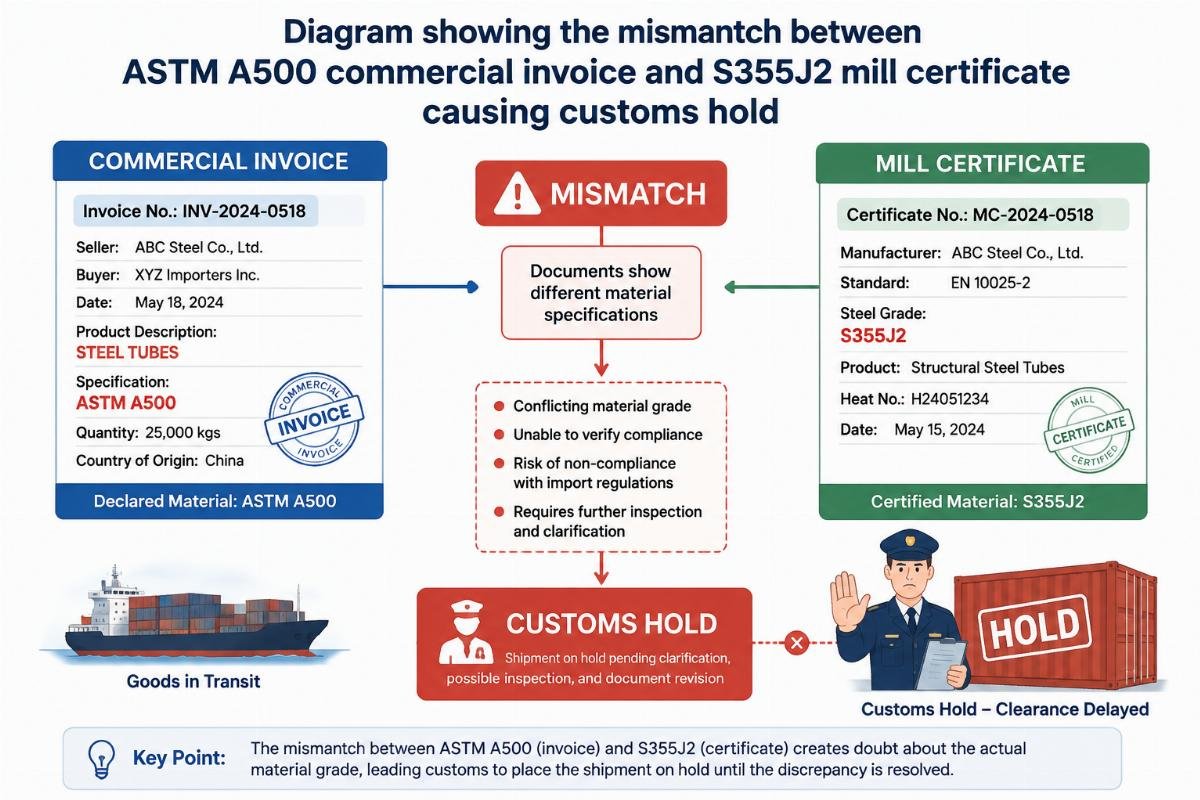
This realization drives how we approach the supply of steel pipe for oil & gas pipeline projects today. It is not enough to produce a pipe that holds pressure; it must be certified to hold it under the specific regulatory framework of the destination country.
Why Do Pipeline Projects Reject Standard Structural Pipes?
The assumption that any high-strength steel pipe can serve as a line pipe or support structure is a costly misconception. Structural standards and pipeline standards serve different masters. Structural standards, such as EN 10219 or ASTM A500, focus on load-bearing capacity in static environments like building frames. Pipeline standards, such as API 5L, prioritize weldability, toughness in varying temperatures, and resistance to internal corrosion from transported fluids.
When a procurement manager substitutes a structural hollow section for a pipeline component without verifying the end-use specification, they risk failing third-party inspections. For instance, in a recent tender for a Southeast Asian infrastructure project, a bidder submitted pipes certified under EN 10219. The project specifications, however, strictly required API 5L PSL2 compliance. The bid was disqualified not because the pipes were weak, but because the certification did not cover the required non-destructive testing protocols and chemical limits for sour service environments. [NEED_CITE: differences between structural steel standards and line pipe standards]
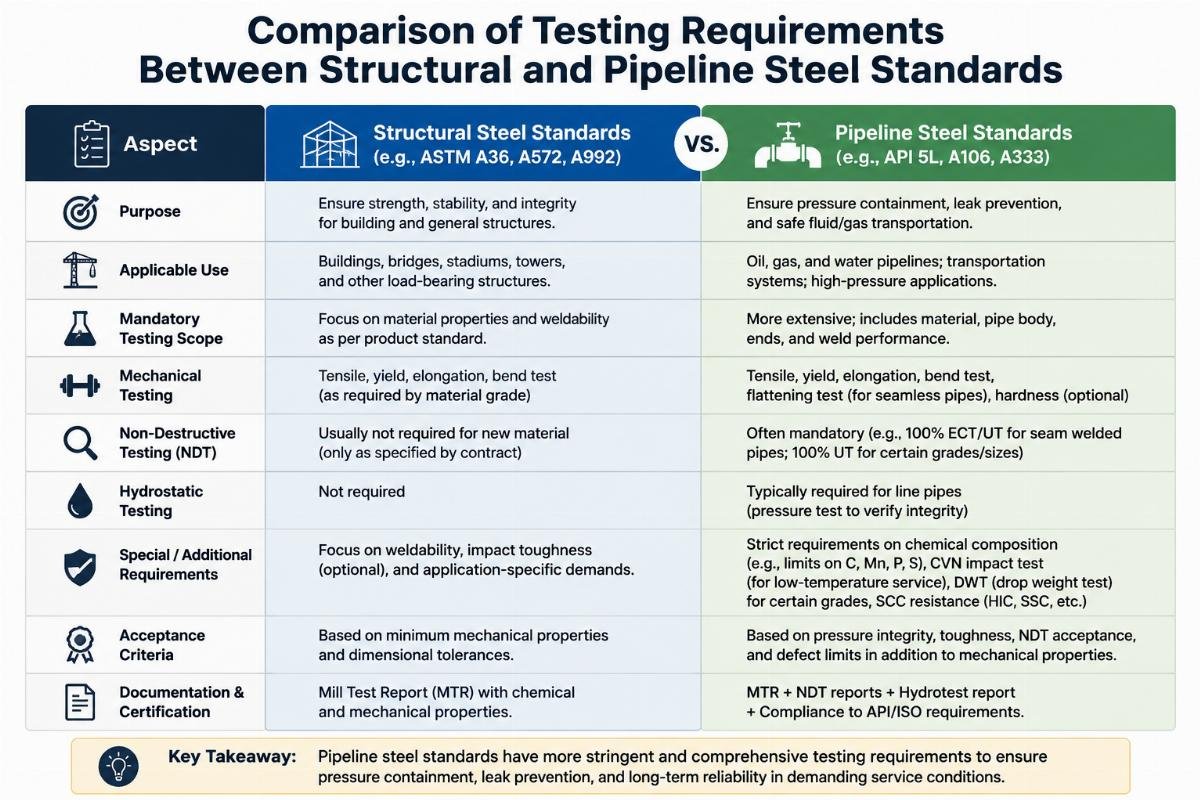
The rejection often happens at the verification stage. Engineers look for specific data points that structural certificates do not provide. They need to see the Carbon Equivalent (CE) value to ensure field weldability without pre-heating. They need confirmation of sulfur and phosphorus limits to prevent hot cracking. A standard structural certificate might list yield strength and tensile strength, but it often omits the detailed chemical analysis required for pipeline integrity. This gap is where most failures occur. The pipe may be physically sound, but legally and technically, it is invisible to the project’s quality assurance team.
API 5L vs. EN Standards: Which One Does Your Project Actually Need?
Choosing between API 5L and EN standards is not a matter of preference but of jurisdiction and application. API 5L is the global benchmark for line pipe used in the transportation of oil, gas, and water. It is divided into Product Specification Levels (PSL1 and PSL2), with PSL2 requiring stricter chemical composition, tougher impact testing, and more rigorous non-destructive testing. [NEED_CITE: API 5L PSL1 vs PSL2 technical requirements]
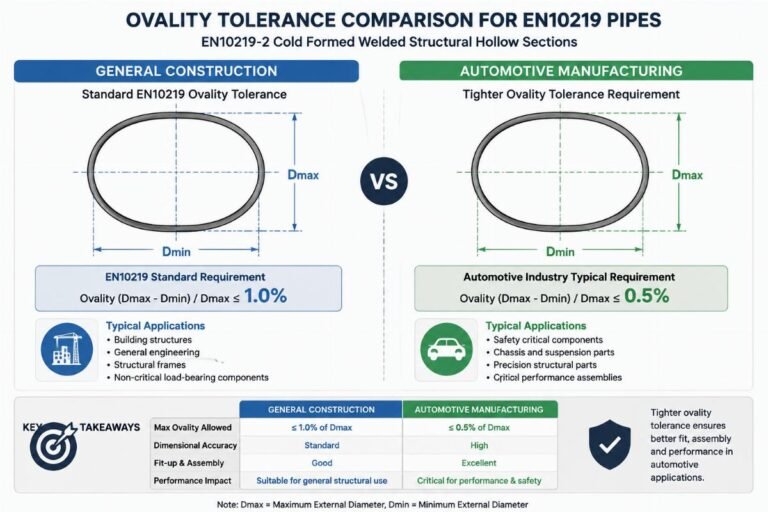
In contrast, EN 10219 and EN 10210 govern cold-formed and hot-finished welded structural hollow sections. These are ideal for support structures, racks, and frameworks within an oil and gas facility but are generally not accepted for the main transmission lines unless specifically engineered and approved for low-pressure auxiliary services.
| Feature | API 5L (Line Pipe) | EN 10219/10210 (Structural) |
|---|---|---|
| Primary Application | Fluid transport (Oil, Gas, Water) | Structural support, Frameworks |
| Key Focus | Weldability, Toughness, Corrosion Resistance | Load-bearing capacity, Dimensional Tolerance |
| Testing Requirements | Extensive NDT, Impact Tests, Chemical Analysis | Mechanical Properties, Dimensional Checks |
| Certification Level | PSL1 (Basic) / PSL2 (Enhanced) | Standard Grade Compliance (e.g., S355J2) |
| Customs Acceptance | Global Energy Sector Standard | Regional Construction Standard (EU/Asia) |
A Middle East EPC firm once faced a critical delay when they sourced generic Q345B pipes for a sour service environment. The pipes lacked the specific Charpy V-notch impact testing values required for H2S exposure. The third-party inspector rejected the entire batch. The solution was not to find stronger pipes, but to source pipes with the correct certification that explicitly stated the impact energy values at the required test temperature. [NEED_CITE: importance of Charpy V-notch testing in sour service environments]
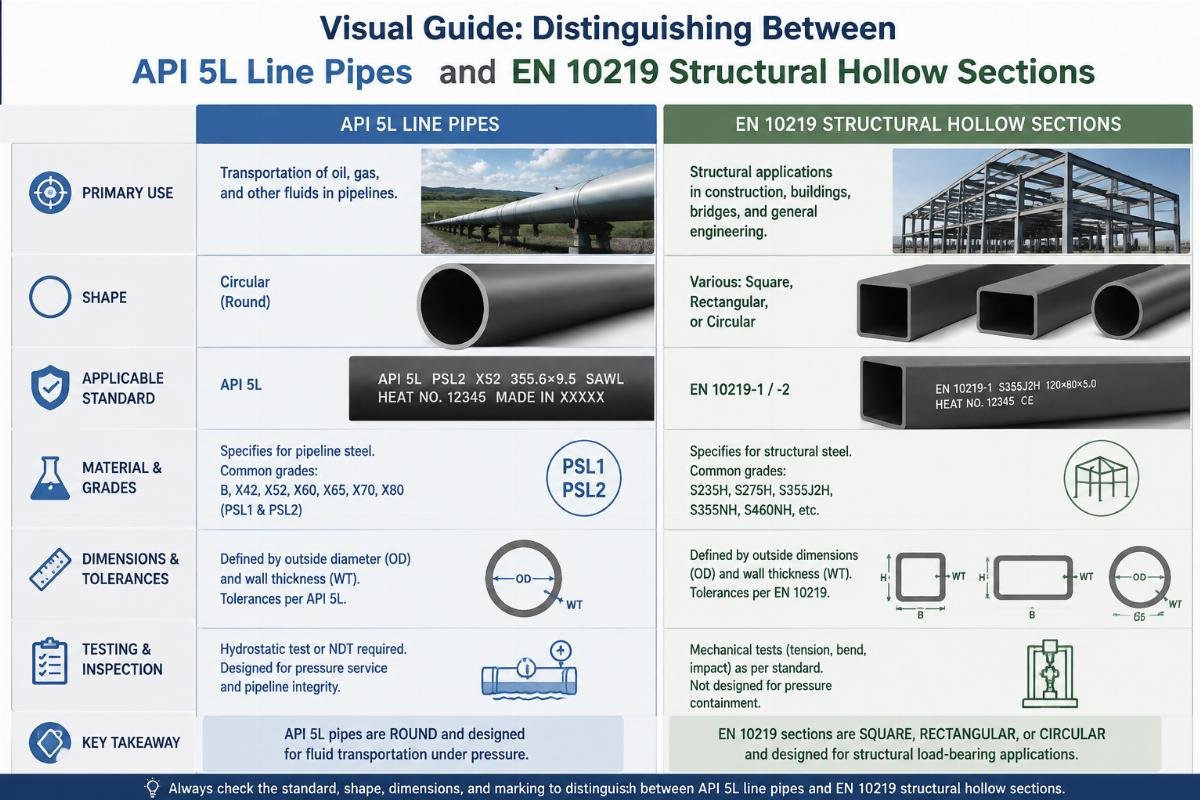
Understanding this distinction is vital for anyone sourcing steel pipe for oil & gas pipeline materials. If your project involves transporting fluids, API 5L is likely mandatory. If you are building the scaffold that holds the pipe, EN 10219 may suffice, but only if the local authorities accept it.
The Hidden Cost of Certificate Mismatches: Lessons from Global Ports
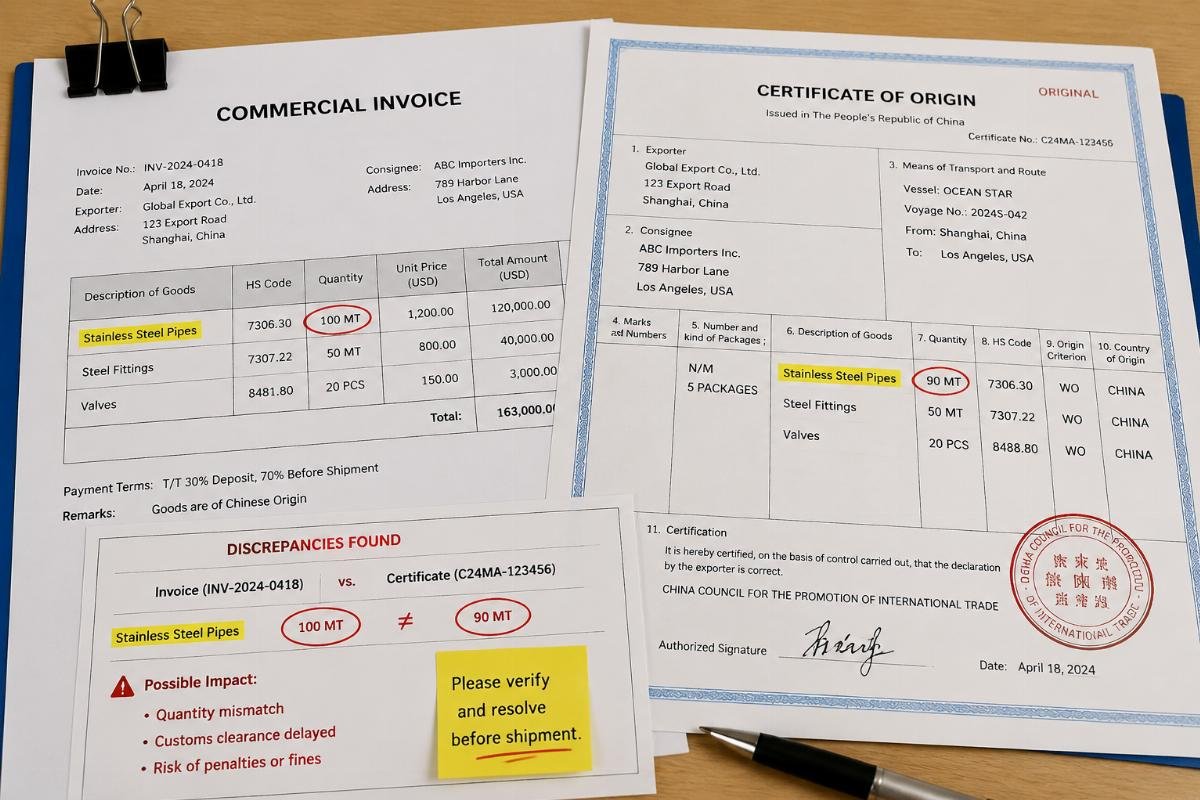
Documentation errors are silent budget killers. A mismatch between the bill of lading, the commercial invoice, and the mill test certificate can halt a shipment at any port in the world. In Latin America, customs authorities are particularly stringent about consistency. If the invoice says ASTM but the certificate says EN, the cargo is flagged for inspection. This is not just a delay; it is a financial bleed.
Consider the case of a shipment destined for a Brazilian port. The rectangular hollow sections were intended for pipeline support structures. The manufacturer had produced them to EN 10219 standards, which is common in Europe. However, the trading company issued the invoice using ASTM A500 terminology, assuming it was a generic equivalent. The Brazilian customs system did not recognize this equivalence automatically. The cargo was held for verification, requiring a technical opinion from a local engineer. The process took weeks. The demurrage charges accumulated rapidly, and the client’s trust was severely damaged. [NEED_CITE: impact of documentation discrepancies on import clearance times]
To avoid this, every document must speak the same language. If the pipe is manufactured to EN 10219, the invoice, packing list, and certificate must all reference EN 10219. There is no room for “equivalent” claims in customs declarations. The authority on the ground relies on the written word, not engineering intent. This rigor extends to the description of the goods. Vague terms like “steel tubes” are insufficient. Specific grades, standards, and dimensions must be clearly stated.
For buyers, this means verifying the documentation package before the vessel sails. It is far cheaper to correct a certificate at the factory than to argue with a customs officer at the port. We have seen cases where a simple typo in the heat number led to a full laboratory re-test at the destination, costing time and money. Precision in paperwork is as important as precision in manufacturing.
Critical Quality Checks Before Shipment: What to Ask Your Manufacturer
Before finalizing an order for steel pipe for oil & gas pipeline components, buyers must conduct a thorough review of the manufacturer’s quality control capabilities. It is not enough to ask if they have certificates; you must ask what those certificates contain.
First, verify the traceability of the heat number. Each pipe should be linked to a specific batch of raw material, with a corresponding chemical analysis report. This report must include carbon, manganese, sulfur, and phosphorus levels. For welded pipes, check the weld seam quality reports. Non-destructive testing (NDT) results, such as ultrasonic or radiographic testing, should be included for pressure-rated applications. [NEED_CITE: essential NDT methods for welded steel pipes]
Second, confirm the impact testing conditions. If the project is in a cold climate or involves sour service, the certificate must show Charpy V-notch test results at the specified temperature. Generic room-temperature tests are insufficient for these environments.
Third, inspect the surface treatment records. Offshore environments require robust corrosion protection. Check if the pipes have undergone shot blasting, sandblasting, or galvanizing, and ensure the coating thickness meets the project specifications.
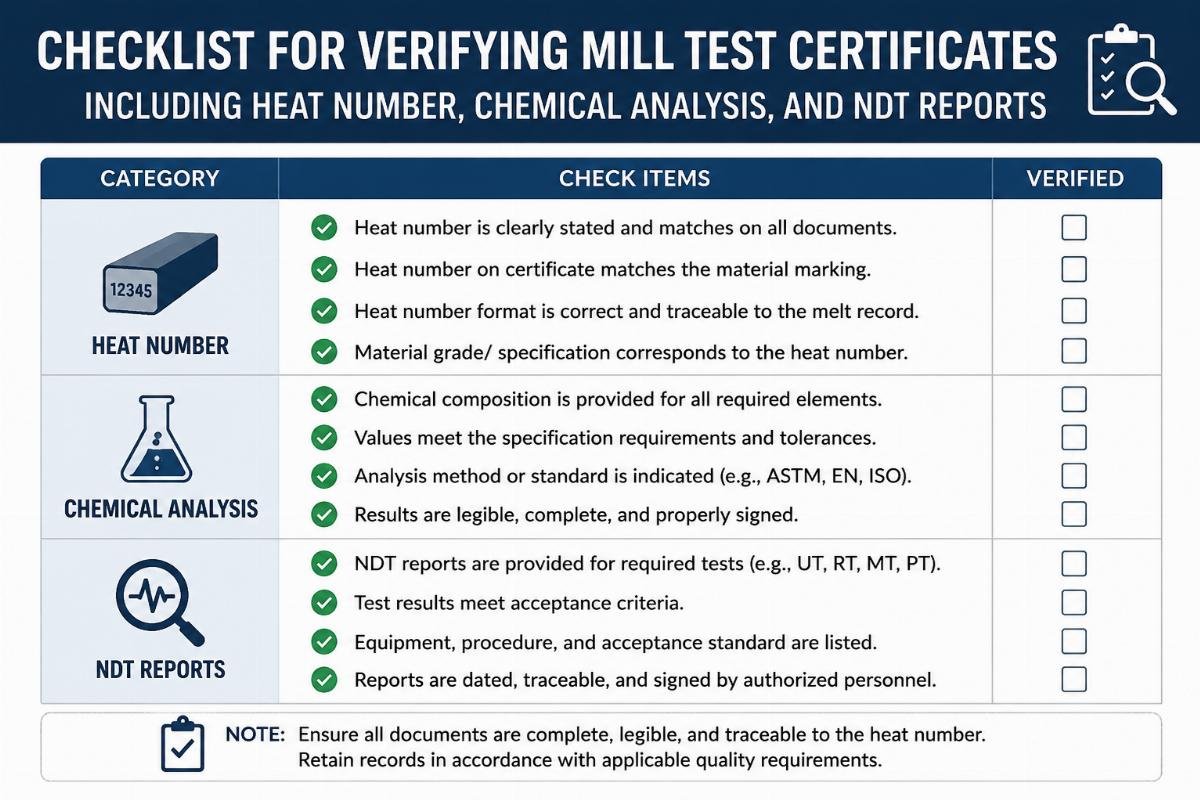
At our facilities, we maintain an in-house laboratory to verify these parameters against EN-standard requirements before any export documentation is generated. This internal verification step ensures that the certificates we issue are accurate and defensible. It prevents the scenario where a buyer receives goods that look correct but fail the documentary audit. By integrating quality checks into the production flow, we ensure that the steel pipe for oil & gas pipeline products we ship are ready for immediate clearance and installation.
Conclusion
Compliance is the true measure of pipeline steel quality. Selecting the right steel pipe for oil & gas pipeline requires more than checking strength ratings; it demands a meticulous alignment of manufacturing standards with project specifications and customs requirements. Avoiding certificate mismatches and ensuring rigorous documentation can prevent costly delays and rejections. Prioritize verified traceability and standard-specific certifications to safeguard your project’s timeline and budget.
Tags
Share this article
- LinkedIn -- share "EN10219 Steel Pipe for Oil & Gas Pipeline Wholesale Manufacturer" on LinkedIn
- X -- share "EN10219 Steel Pipe for Oil & Gas Pipeline Wholesale Manufacturer" on X
- Facebook -- share "EN10219 Steel Pipe for Oil & Gas Pipeline Wholesale Manufacturer" on Facebook
- WhatsApp -- share "EN10219 Steel Pipe for Oil & Gas Pipeline Wholesale Manufacturer" on WhatsApp
- Email -- share "EN10219 Steel Pipe for Oil & Gas Pipeline Wholesale Manufacturer" on Email

Written by
author
Editor covering global sourcing, supplier verification, and industrial product knowledge. Content is compiled from manufacturer specifications, industry standards, and hands-on experience with international B2B buyers. Every article is fact-checked before publishing to help procurement professionals make informed decisions.
All posts by author