EN10219 S355JR Structural Steel Pipe for Framework Construction Wholesale Supplier
Ensure your structural steel pipe for framework meets EN10219 standards through batch-specific traceability rather than generic certificates. Verify yield strength and dimensional tolerances with in-house lab testing to prevent costly fabrication delays and onsite failures caused by paper-perfect but physically flawed materials.
- Published
- Updated
- Read time
- 8 min
- Comments
- 0
EN10219 S355JR Structural Steel Pipe for Framework Construction Wholesale Supplier
A printed certificate does not guarantee structural integrity.
The core answer to sourcing reliable structural steel pipe for framework is that compliance must be verified through batch-specific traceability and independent dimensional testing, not just by reviewing generic mill test certificates. Buyers must prioritize suppliers who offer in-house laboratory verification and precise tolerance control over those offering the lowest unit price, as dimensional deviations lead to significantly higher fabrication costs and onsite delays.
I still remember the humidity in Hamburg when a container of rectangular hollow sections arrived for a multi-level car park project. The paperwork was flawless. Every document claimed full compliance with European standards. Yet, when our team attempted to bend a sample for a custom connection, the steel cracked. The yield strength report looked perfect on paper, but the actual material behavior told a different story. That failure cost me months of salary to resolve and taught me that trust in structural steel is built on physical verification, not printed promises. [NEED_CITE: common causes of structural steel failure in construction]
This experience shifted my entire approach to procurement. It is no longer about finding the cheapest tonnage; it is about finding a partner who understands that every beam and column carries a safety responsibility. When you are selecting structural steel pipe for framework, the ability to trace the material from the melt shop to the final cut is the only true insurance against failure.
Why Do Structural Frameworks Fail Despite Certified Steel?
Certificates often reflect average batch properties rather than the specific physical reality of your order.
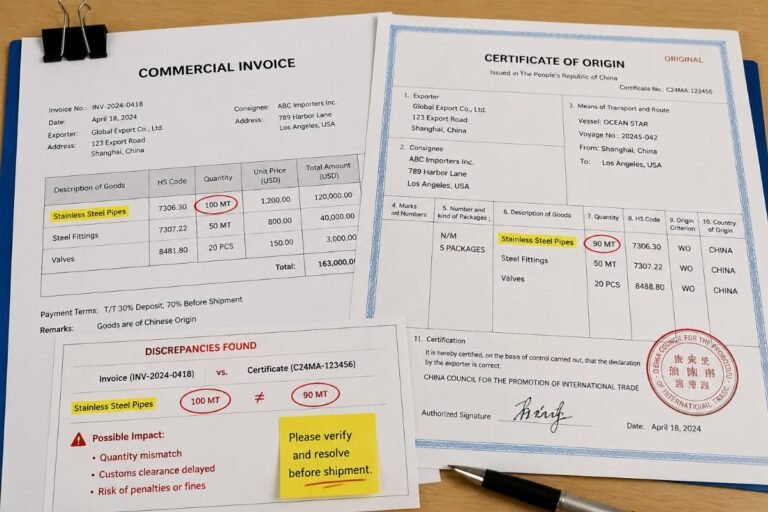
Many buyers assume that a Mill Test Certificate (MTC) is an unconditional guarantee of quality. However, a generic certificate may cover a large production run, while the specific pipes delivered to your site might come from a different heat or have undergone varying cooling processes. This discrepancy is where “paper-perfect” failures occur. [NEED_CITE: importance of heat number traceability in steel certification]
In the construction industry, the gap between declared grade and actual performance can be subtle but devastating. For instance, S355JR steel requires specific impact resistance at room temperature. If the supplier substitutes a lower-grade material or fails to control the cooling rate properly, the steel may meet the chemical composition requirements but fail under mechanical stress.
| Verification Level | Traceability Depth | Risk Profile | Reliability |
|---|---|---|---|
| Generic Certificate | Batch average only | High | Low |
| Heat-Specific MTC | Per-heat analysis | Medium | Standard |
| In-House Lab Verified | Per-piece/Per-batch testing | Low | High |
A European contractor once shared how a warehouse project faced weeks of delays because the supplied structural steel pipe for framework had inconsistent wall thicknesses. The certificates were valid, but the physical dimensions varied beyond acceptable tolerances. This forced the fabrication team to rework every connection, erasing any initial savings from the lower purchase price.
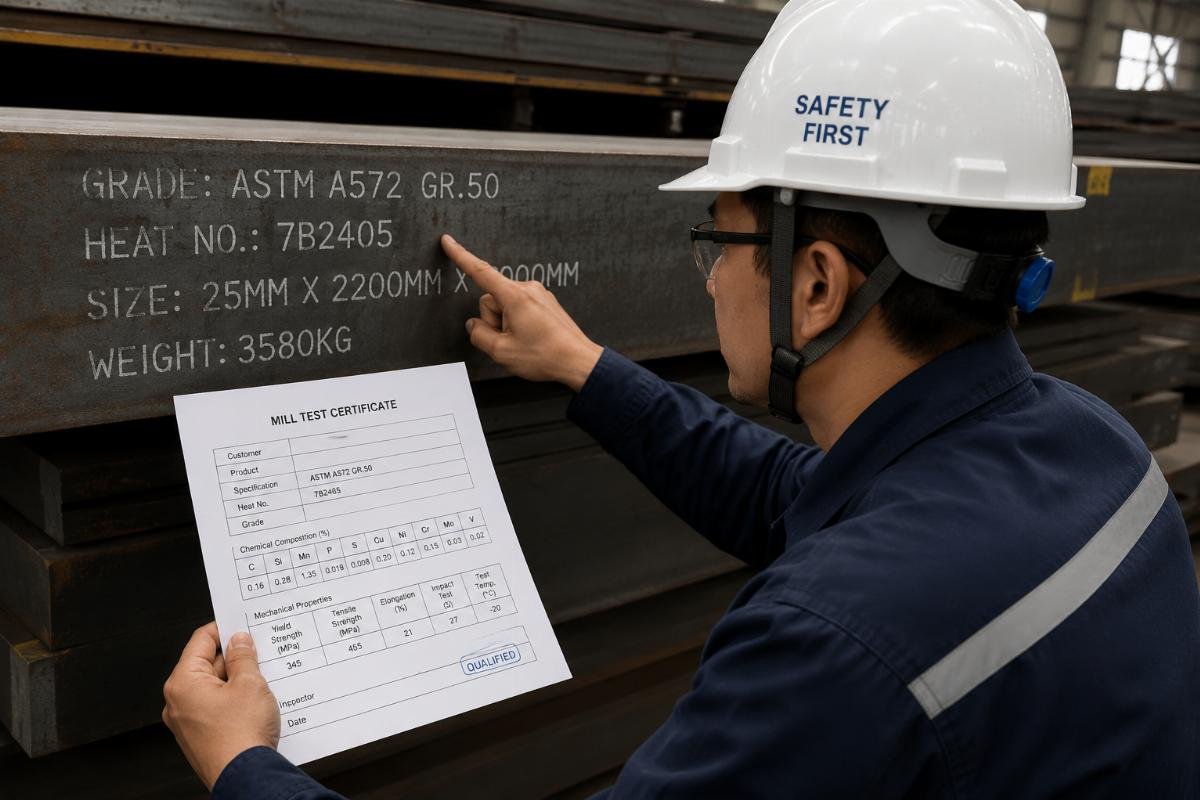
To avoid this, buyers must demand that the heat numbers on the physical tags match the MTC exactly. Furthermore, relying on a supplier with their own laboratory allows for immediate verification of yield strength and impact resistance before shipment. This level of scrutiny ensures that the structural steel pipe for framework you receive is not just compliant on paper, but robust in reality.
How to Verify EN10219 Compliance Beyond the Paperwork?
Traceability from melt to finish is the only true guarantee of EN10219 compliance.
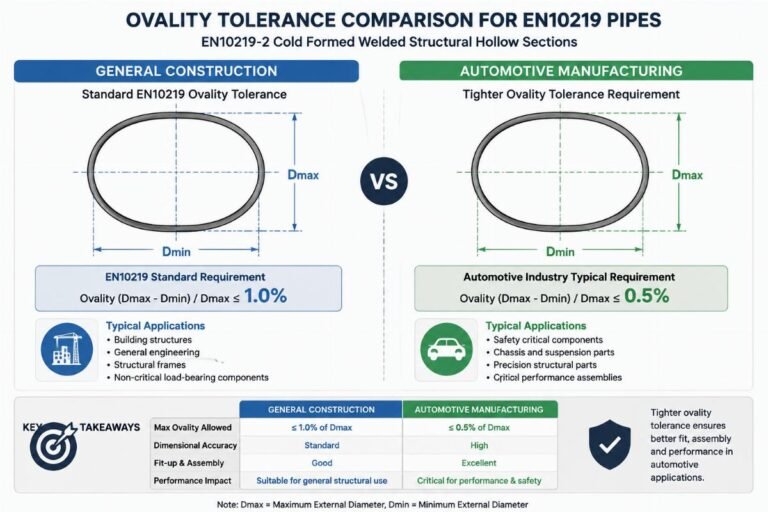
EN10219 is the standard for cold-formed welded structural hollow sections. It dictates strict requirements for mechanical properties and dimensional tolerances. However, verifying compliance requires more than checking a box. It involves a rigorous process of cross-referencing documentation with physical evidence. [NEED_CITE: EN10219 standard requirements for structural hollow sections]
The first step is to request the original MTC from the steel mill, not just a summary from the trader. This document should detail the chemical composition and mechanical properties for each specific heat number. Next, verify that these heat numbers are stamped or tagged on the actual pipes. If the tags are missing or illegible, the traceability chain is broken.
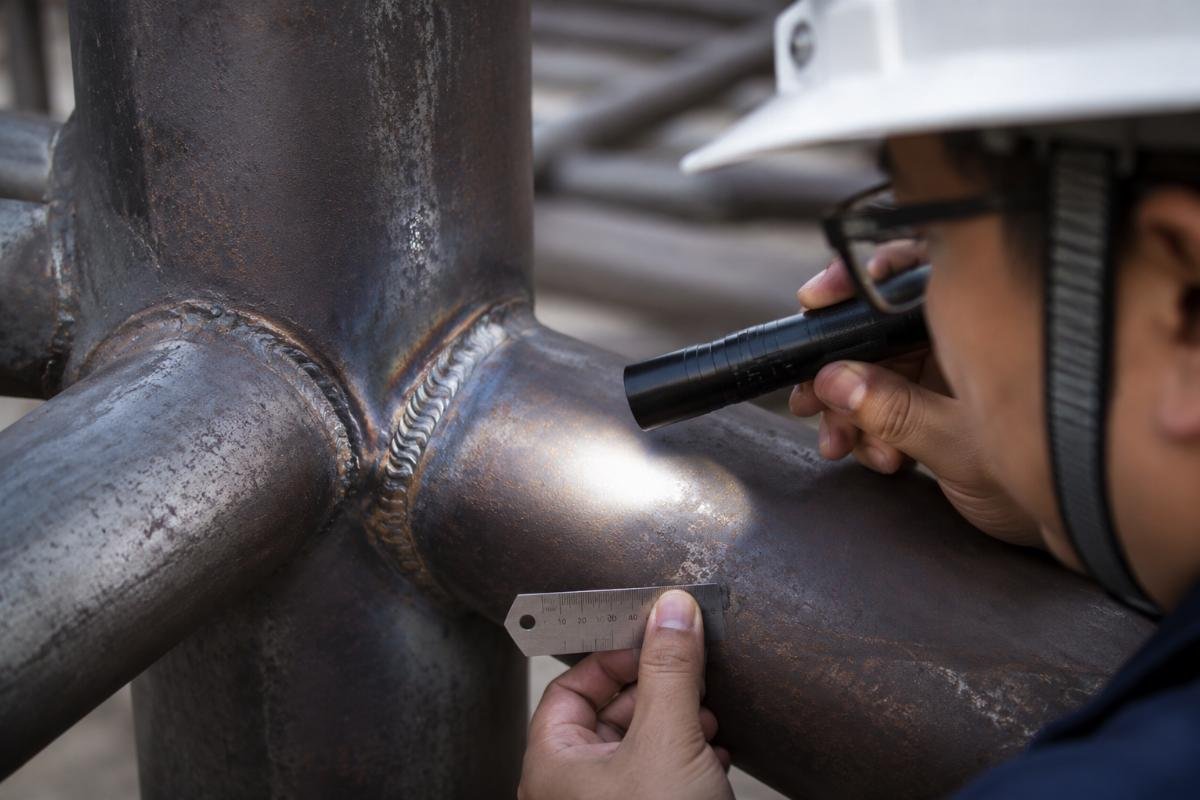
For high-stakes projects, such as bridges or industrial plants, random onsite ultrasonic testing is essential. This non-destructive method can detect internal flaws or wall thickness variations that visual inspections miss. A supplier who welcomes such testing demonstrates confidence in their product. Conversely, resistance to third-party inspection is a major red flag.
Consider a project in Southeast Asia where a buyer sourced structural steel pipe for framework for a large industrial complex. The supplier provided all necessary documents. However, upon arrival, random sampling revealed inconsistent coating thickness on the galvanized surfaces. While the steel itself was sound, the lack of surface protection led to premature corrosion risks. This issue could have been caught earlier if the supplier had conducted in-house quality checks on the finishing process.
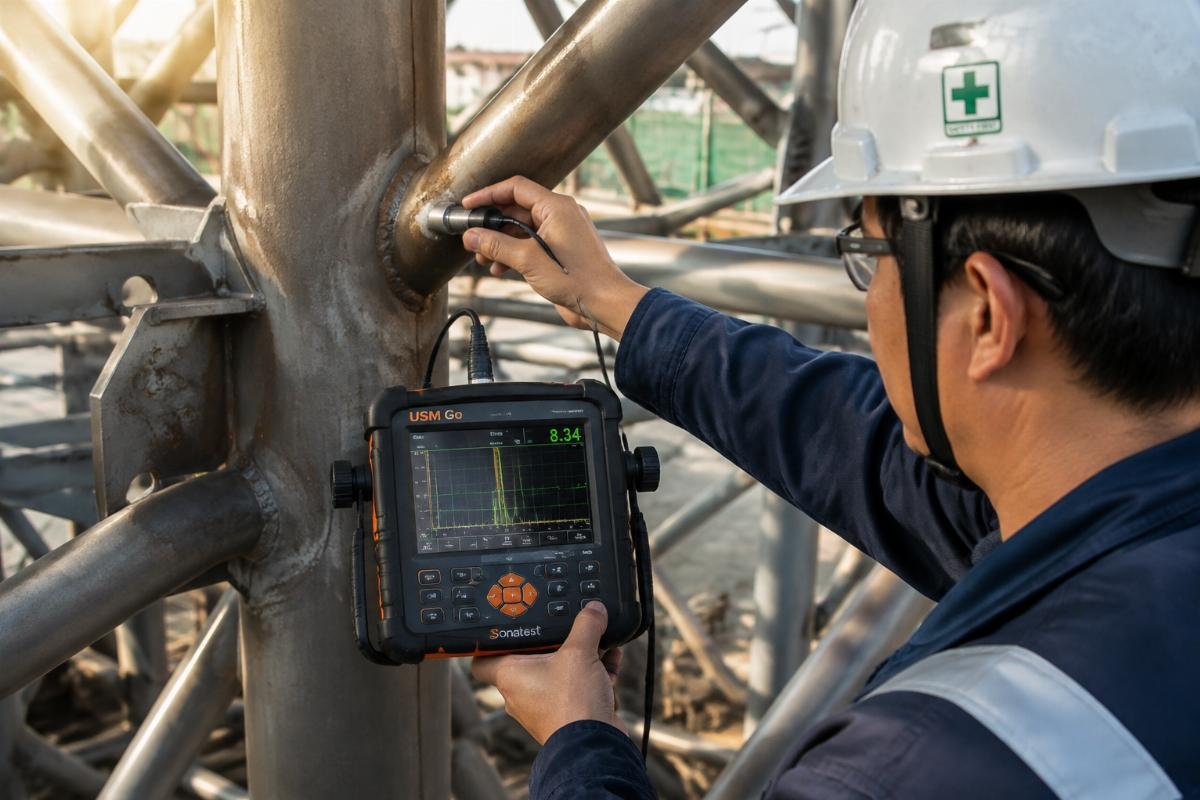
By choosing a manufacturer with integrated quality control, such as one with an in-house laboratory, buyers can ensure that every stage of production meets the required standards. This includes verifying the welding quality, which is critical for hollow sections. Poor welds can become weak points under load, leading to catastrophic failures. Therefore, verification must extend beyond the base material to include the entire manufacturing process.
What Are the Critical Tolerances for RHS and SHS in Construction?
Dimensional precision directly impacts assembly speed and structural safety.
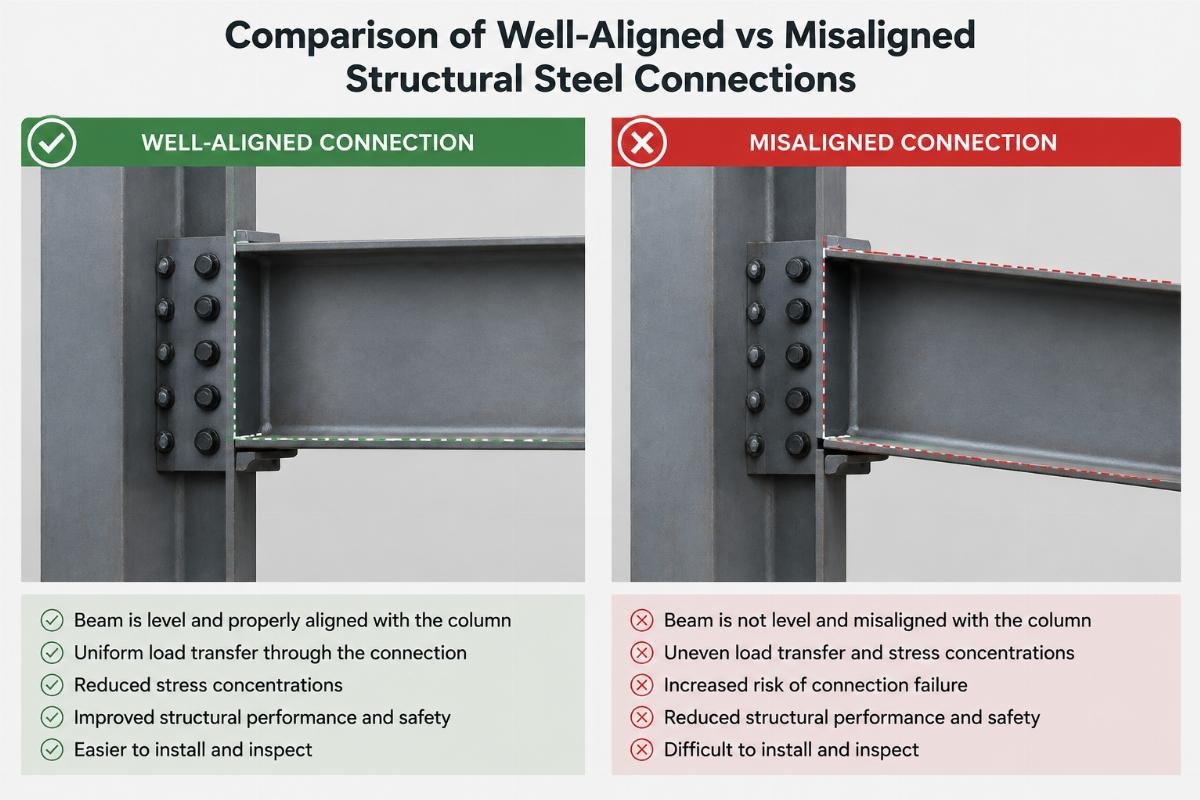
In structural frameworks, fit-up is everything. If the squareness of a Square Hollow Section (SHS) or the straightness of a Rectangular Hollow Section (RHS) is off, even by a few millimeters, the entire assembly process slows down. Workers spend hours forcing pieces together, which introduces residual stresses into the structure. [NEED_CITE: impact of dimensional tolerances on steel fabrication efficiency]
EN10219 specifies tight tolerances for outer dimensions, wall thickness, and length. For example, the tolerance for wall thickness is typically a percentage of the nominal value. Deviations beyond this limit can compromise the load-bearing capacity of the member. Similarly, the squareness of the corners affects how beams connect to columns.
| Parameter | Standard Tolerance Impact | Fabrication Consequence |
|---|---|---|
| Wall Thickness | Affects load capacity | Structural risk if under-tolerance |
| Outer Dimensions | Affects fit-up | Delayed assembly if out-of-spec |
| Straightness | Affects alignment | Additional labor for correction |
A buyer in the Middle East once ordered structural steel pipe for framework for a billboard structure. The pipes arrived with slight bowing. While within some loose international standards, they did not meet the strict requirements for aesthetic and structural alignment needed for the project. The result was a significant delay as the team had to straighten each piece manually.
To prevent such issues, it is crucial to work with suppliers who use advanced rolling and forming technology. These manufacturers can maintain consistent dimensional accuracy across large volumes. Additionally, requesting a pre-shipment inspection report that includes dimensional measurements for a sample of the order can provide peace of mind. This proactive approach ensures that the structural steel pipe for framework fits perfectly upon arrival, saving time and money during installation.
When Should You Opt for Custom Non-Standard Sizes?
In-house manufacturing flexibility reduces waste and lead times for complex designs.
Standard sizes are efficient for common applications, but many modern architectural and industrial designs require unique dimensions. Ordering non-standard sizes from a trader often involves long lead times and high minimum order quantities. However, working directly with a manufacturer that has flexible production lines can solve this problem. [NEED_CITE: benefits of custom steel fabrication in construction]
Custom sizes allow engineers to optimize the structural design, using less material where possible and reinforcing it where necessary. This leads to lighter, more efficient structures. For example, a specific depth of RHS might be required to accommodate services within a floor cavity, or a unique wall thickness might be needed to meet specific load criteria without over-engineering.
A recent project involved a complex canopy structure that required structural steel pipe for framework with non-standard widths. The supplier’s ability to adjust the roll-forming machines in-house meant that the pipes were produced to exact specifications without the need for expensive post-production machining. This not only reduced waste but also accelerated the project timeline.
Moreover, custom manufacturing allows for tailored surface treatments. Whether it is shot blasting for better paint adhesion or specific galvanizing requirements for corrosive environments, having control over the finishing process ensures longevity. Suppliers with integrated facilities can coordinate these steps seamlessly, ensuring that the final product meets both structural and aesthetic requirements.
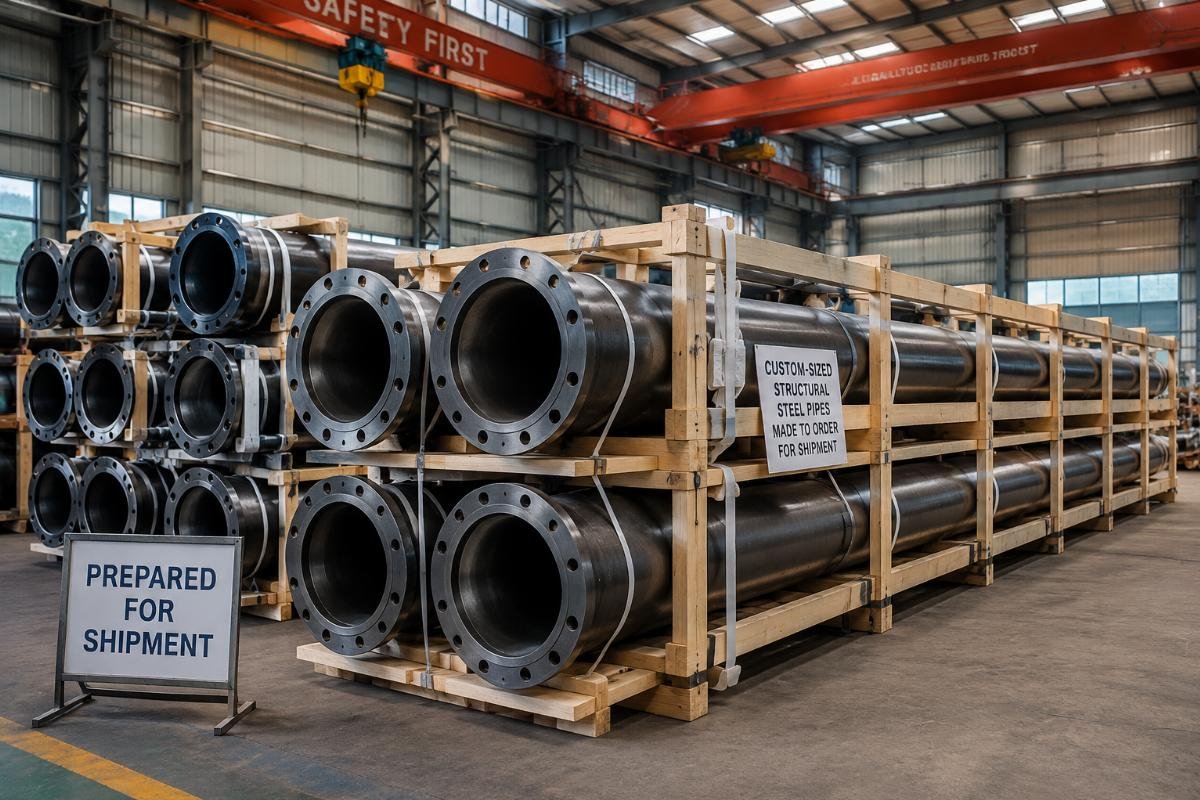
When evaluating suppliers for custom work, look for those with a proven track record in handling non-standard orders. Ask about their capacity for quick tooling changes and their quality control procedures for custom runs. This ensures that the bespoke structural steel pipe for framework you receive is of the same high quality as their standard products.
Conclusion
Structural integrity relies on verifiable data, not just documented claims.
Choosing the right structural steel pipe for framework requires a shift from price-based decision-making to value-based verification. By prioritizing traceability, demanding rigorous dimensional tolerance checks, and leveraging suppliers with in-house testing capabilities, buyers can mitigate the risks of material failure and project delays. The true cost of steel is not just in the purchase price, but in the reliability it delivers throughout the lifecycle of the structure.
Share this article
- LinkedIn -- share "EN10219 S355JR Structural Steel Pipe for Framework Construction Wholesale Supplier" on LinkedIn
- X -- share "EN10219 S355JR Structural Steel Pipe for Framework Construction Wholesale Supplier" on X
- Facebook -- share "EN10219 S355JR Structural Steel Pipe for Framework Construction Wholesale Supplier" on Facebook
- WhatsApp -- share "EN10219 S355JR Structural Steel Pipe for Framework Construction Wholesale Supplier" on WhatsApp
- Email -- share "EN10219 S355JR Structural Steel Pipe for Framework Construction Wholesale Supplier" on Email

Written by
author
Editor covering global sourcing, supplier verification, and industrial product knowledge. Content is compiled from manufacturer specifications, industry standards, and hands-on experience with international B2B buyers. Every article is fact-checked before publishing to help procurement professionals make informed decisions.
All posts by author