Description
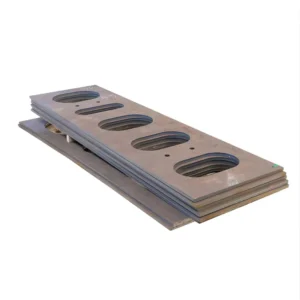
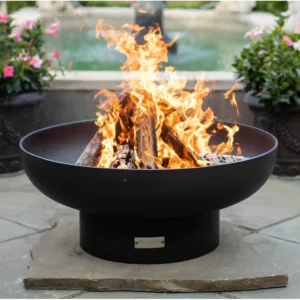
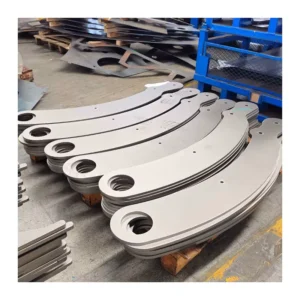
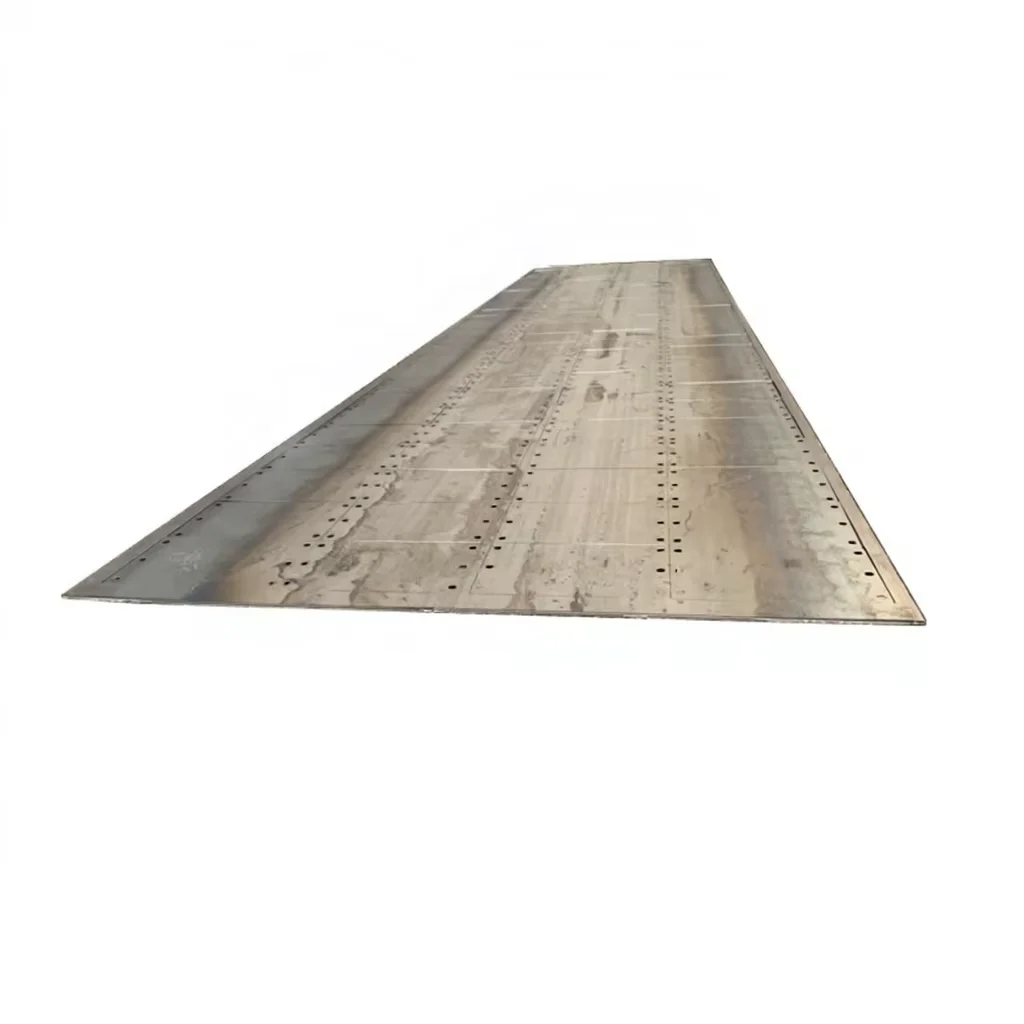
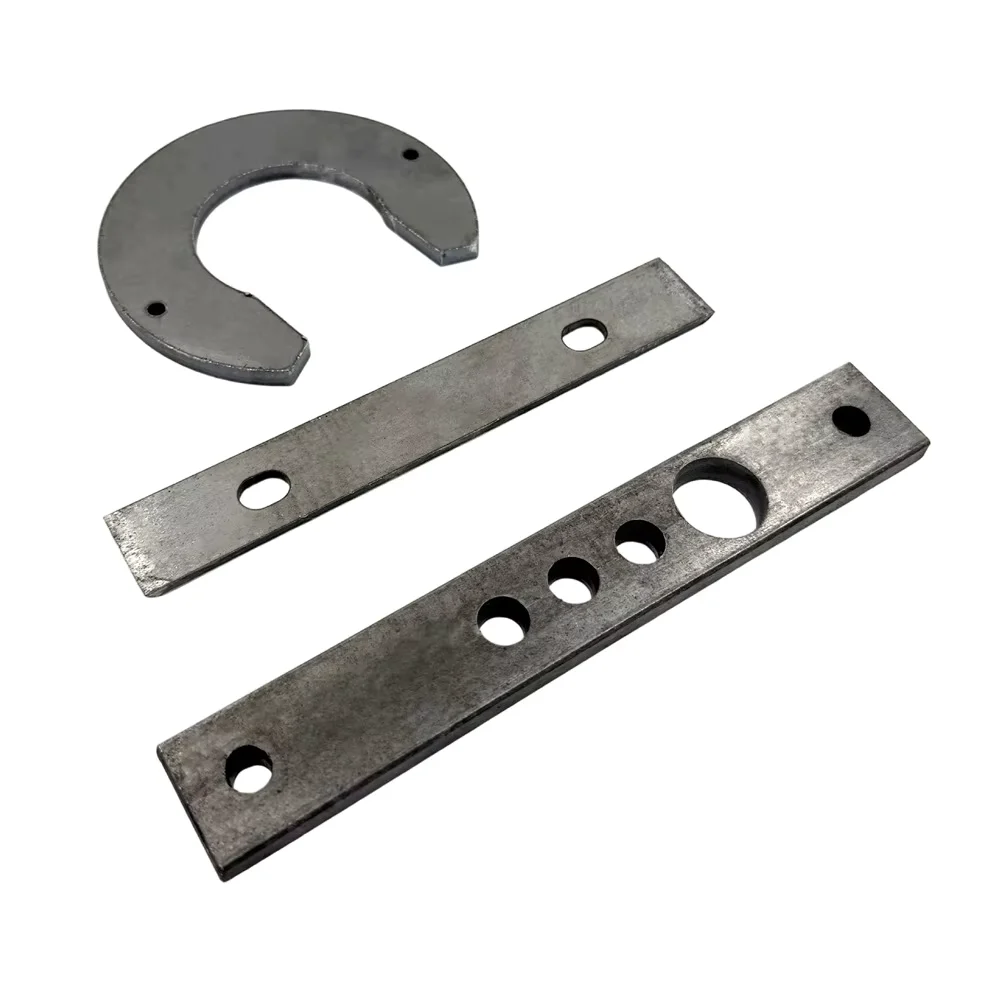
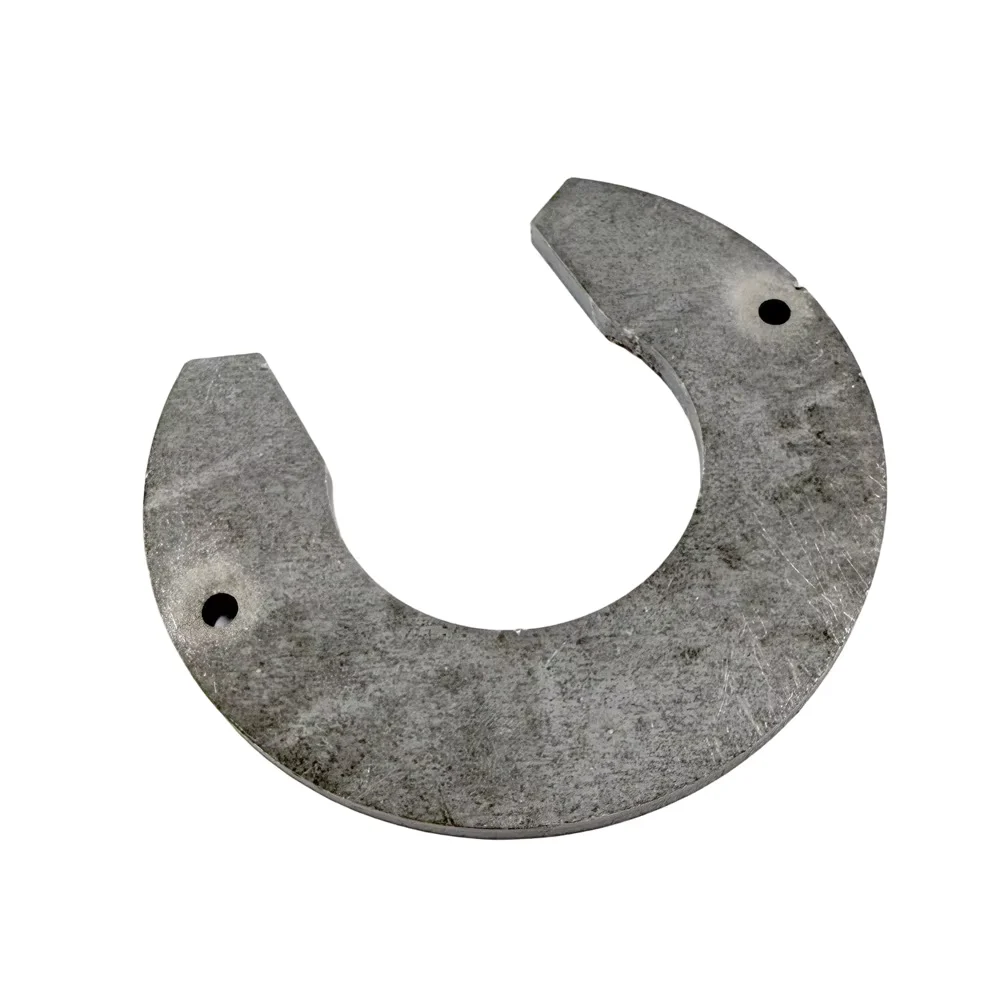
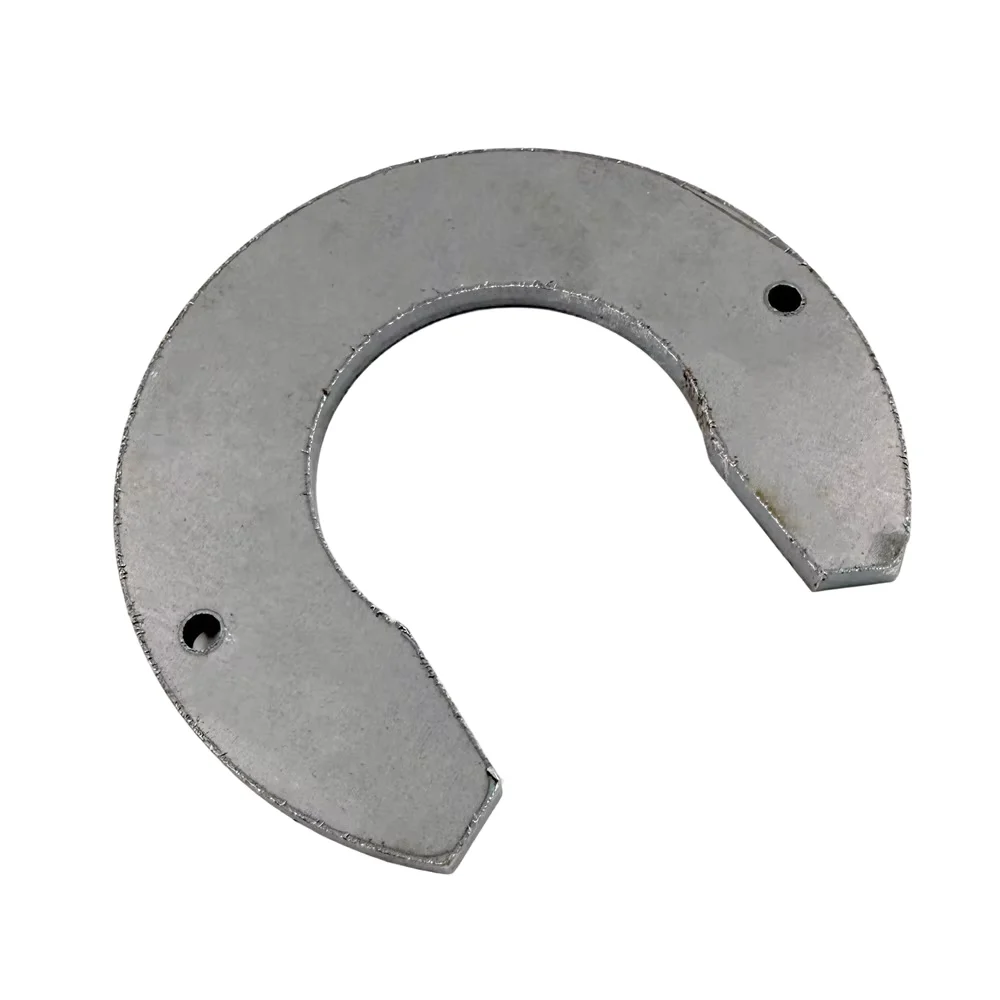
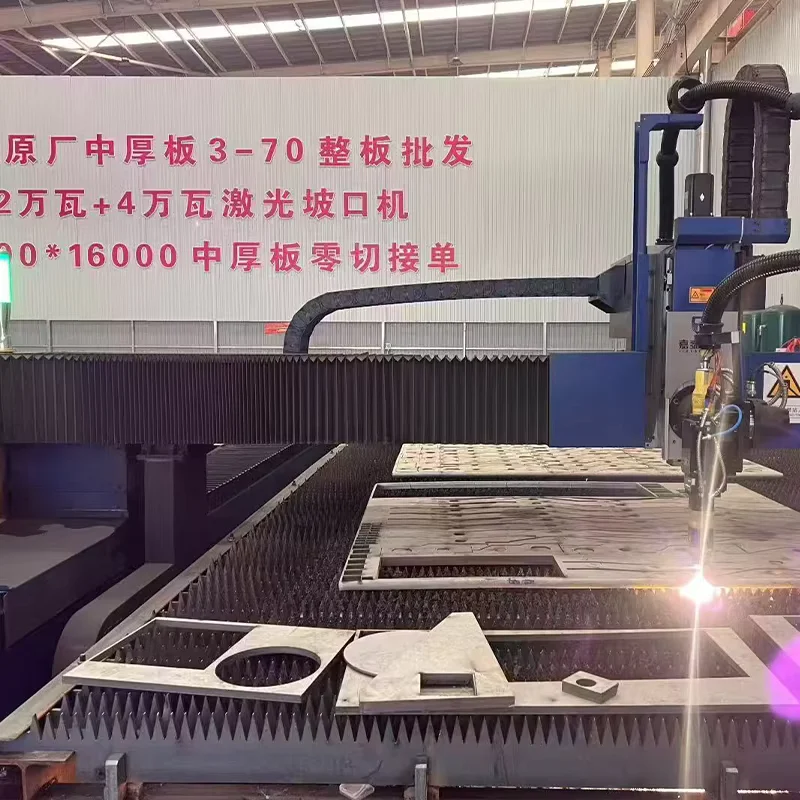
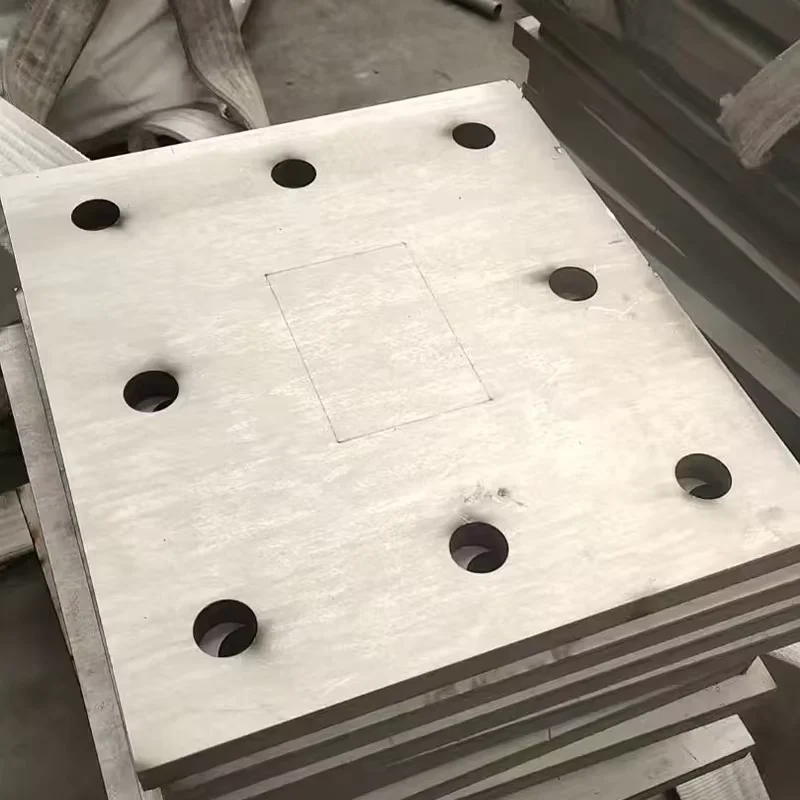
Direct Factory Supply for Custom Stainless Steel Components — All SUS304 and SUS316L laser-cut parts are machined in-house with ISO 9001:2015 certified processes, eliminating third-party handling and ensuring full material traceability from plate to finished component.
Technical Specifications
| Parameter | Value |
|---|---|
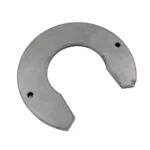
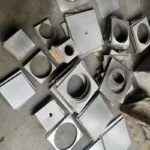
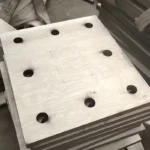
| Designation | SUS304/SUS316L Stainless Steel Laser-Cut Components |
| Product Type | Machined Steel Product / Laser-Cut Stainless Steel Components |
| Steel Grade | SUS304, SUS316L |
| Standard | ISO 9001:2015 (manufacturing certification) |
| Section Shape | Custom-shaped (per drawing) |
| Thickness Range | 3.0–100 mm |
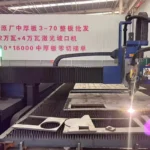
| Technique | CNC Machining + Laser Cutting + Deburring |
| Surface Treatment | Per customer request |
| Size | Customized sizes acceptable |
| Application | Architectural facades / Structural steel framing / Machinery components / Industrial equipment / Precision metal fabrication |
| MOQ | 10 pcs |
| Origin | China |
Application Suitability
| Industry | Typical Applications |
|---|---|
| Architectural Facades & Curtain Walls | Stainless steel bracket plates, connection nodes, facade anchor components, decorative screen panels |
| Structural Steel Framing | Base plates, gusset plates, splice connectors, beam-to-column joint elements |
| Machinery Manufacturing | Precision machine frames, equipment mounting plates, custom-shaped housings |
| Industrial Equipment | Chemical processing vessel components, food-grade structural parts, marine environment fittings |
| Precision Metal Fabrication | Prototype brackets, custom flanges, non-standard transition pieces |
When R-Angle Tolerance Decides Whether a Facade Gets Accepted
A 2mm deviation on a laser-cut corner radius can render an entire batch of stainless steel facade components uninstallable on site.
I watched a curtain wall project in Dubai grind to a halt because the supplier’s laser-cut stainless steel brackets arrived with R-angle tolerances exceeding 2mm. The龙骨孔位 never aligned. Three weeks of delay, an entire batch scrapped, and the contractor had to reorder from scratch. That kind of failure doesn’t show up in a mill test certificate—it only shows up when components meet on the installation floor. Sourcing a custom laser-cut stainless steel components manufacturer who controls tolerance at every stage, from nesting to deburring, is the difference between components that fit and components that become expensive scrap. [NEED_CITE: tolerance standards for architectural stainless steel facade components]
Matching Laser-Cut Precision to Facade and Structural Demands
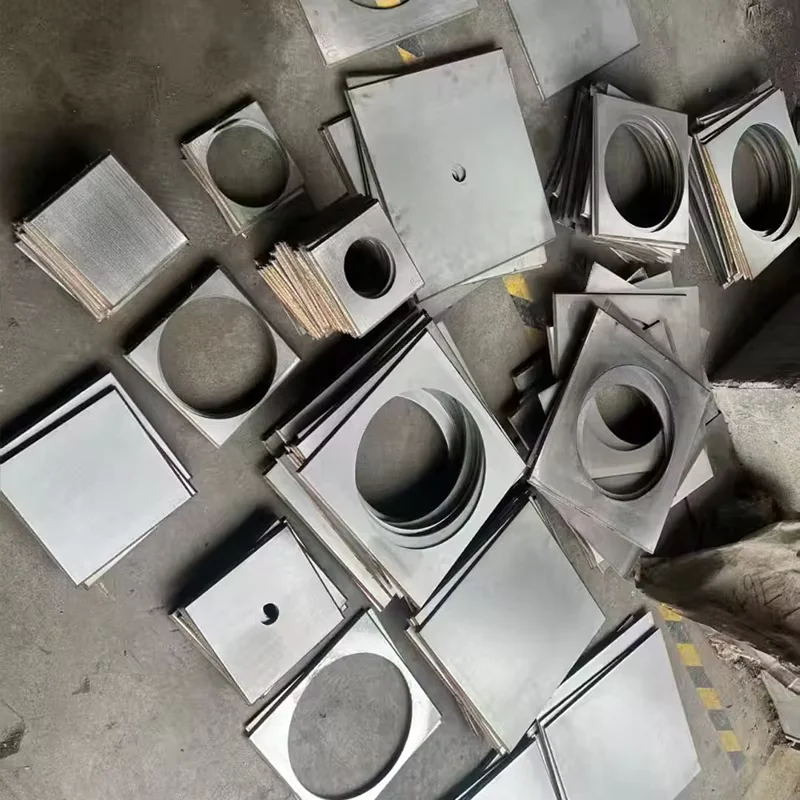
Architectural facades demand components that align within sub-millimeter tolerances across hundreds of connection points. SUS304 and SUS316L stainless steel plates in the 3.0–100 mm range are laser-cut to exact drawing dimensions, then CNC-machined for hole patterns, edge profiles, and surface finishes that match project specifications. For curtain wall framing, this means bracket plates and anchor nodes arrive deburred, dimensionally verified, and ready for welding or bolting—no secondary grinding or re-drilling required on site. As a custom laser-cut stainless steel components manufacturer, we nest multiple parts from a single plate to minimize material waste while holding the geometric accuracy that facade contractors depend on.
Engineering Compliance and Corrosion Environment Considerations
Stainless steel components in architectural and industrial applications must meet both structural loading requirements and corrosion resistance expectations. SUS304 performs reliably in standard atmospheric and mild chemical environments, while SUS316L provides enhanced resistance to chloride exposure—critical for coastal facades, marine structures, and chemical processing equipment. [NEED_CITE: corrosion resistance comparison between SUS304 and SUS316L in chloride environments] Surface treatment options including brushed, mirror, and passivated finishes are applied per project specification to meet both aesthetic and functional requirements. For projects targeting EU markets, material traceability and certification documentation ensure customs clearance proceeds without delay. Custom non-standard sizes are produced to exact drawing dimensions, eliminating the compromise of adapting standard stock sizes to non-standard engineering requirements.
Material Grade Selection and Process Integration
SUS304 and SUS316L represent two distinct points on the austenitic stainless steel spectrum. SUS304 offers strong general corrosion resistance and formability at a lower cost, making it the default choice for indoor architectural elements and standard structural brackets. SUS316L adds molybdenum to the alloy composition, significantly improving pitting and crevice corrosion resistance in chloride-bearing environments—coastal buildings, swimming pool structures, and food processing facilities all benefit from this upgrade. The thickness range of 3.0–100 mm covers everything from light-gauge facade panels to heavy structural base plates. Laser cutting delivers clean edges with minimal heat-affected zone, while CNC machining adds precision holes, countersinks, and complex profiles that drilling or punching cannot achieve. Deburring removes sharp edges and micro-burrs that would otherwise cause handling injuries or interfere with tight-fit assembly. Surface treatment is applied per customer request, whether the project calls for a No.4 brushed finish for architectural consistency or full passivation for chemical plant service.
The Hidden Cost of Accepting Out-of-Tolerance Components
Ordering stainless steel components from a supplier who cannot guarantee dimensional accuracy creates costs that never appear on the purchase order. Material that fails to match drawing tolerances gets rejected at site inspection, triggering re-order lead times that push project schedules past completion deadlines. Certification gaps—missing material traceability, absent mill test certificates, or incorrect grade marking—cause customs holds in regulated markets, leaving containers sitting at port while demurrage charges accumulate. [NEED_CITE: impact of incomplete certification on steel product customs clearance] Components with poor edge quality or residual burrs create assembly interference, forcing field modifications that compromise corrosion protection and structural integrity. The true cost of a cheap supplier is measured in delayed handovers, scrapped material, and damaged client relationships.
Why Project Teams Source Stainless Steel Components From Us
Our manufacturing facility operates dedicated CNC machining centers and fiber laser cutting systems specifically configured for stainless steel plate processing in the 3.0–100 mm thickness range. Every order runs through our in-house physical and chemical laboratory, where material composition is verified against SUS304 and SUS316L specifications before any cutting begins. We hold ISO 9001:2015 certification for our manufacturing processes, and third-party inspection through SGS or BV is arranged on request for projects requiring independent quality verification. Custom non-standard sizes are produced to exact drawing dimensions with no minimum order penalty beyond the 10-piece MOQ, making prototype runs and small-batch project orders economically viable. Professional container loading with edge protection and surface preservation measures ensures components arrive without transit damage—critical for finished-surface stainless steel destined for visible architectural applications. Material traceability by heat number runs through every document we issue, giving project engineers and inspectors full confidence in grade compliance.
Documentation & Compliance
- Mill test certificate documenting SUS304 or SUS316L chemical composition and mechanical properties per applicable material standard, issued with heat number traceability
- ISO 9001:2015 quality management certificate covering the full manufacturing process from material incoming inspection through final dimensional verification
- SGS or BV third-party inspection report available upon request, covering dimensional accuracy, surface finish quality, and material grade confirmation
- Material traceability documentation linking each component to its parent plate heat number, supporting project quality audit requirements
- Complete customs documentation including packing list, bill of lading, and certificate of origin formatted for destination-country import requirements
- Surface treatment certification confirming finish type (brushed, mirror, passivated) applied per project specification
Packaging, Loading & Delivery
- SUS304 and SUS316L components packed with interleaved protective film and edge guards to prevent surface scratching and edge damage during ocean transit
- Custom-cut stainless steel plates stacked in steel-frame crates sized to match component dimensions, preventing shift and contact damage inside the container
- Finished-surface components wrapped in individual PE bags with desiccant packs for humidity-sensitive shipments to tropical destinations
- Heat number and steel grade markings applied to each piece using low-chloride ink, ensuring traceability remains legible after transit without contaminating stainless surfaces
- Container loading plans optimized for component geometry, maximizing payload for heavy 100mm plate orders while protecting delicate thin-gauge facade pieces
- Shipping terms available as FOB, CIF, or DDP, with professional loading supervision documented through pre-shipment photos provided to the buyer
Getting Your Custom Stainless Steel Quote Moving
Send your drawing files with material grade (SUS304 or SUS316L), thickness, surface treatment requirement, and order quantity. We return a detailed quotation including unit pricing, production lead time, and shipping terms within 12 hours. Mill test certificates and third-party inspection arrangements are confirmed at the quotation stage so there are no documentation surprises before shipment.
Request Your Laser-Cut Stainless Steel Quotation
Submit your component drawings with SUS304 or SUS316L grade specification, thickness, quantity, and destination port to receive pricing and mill test certificate confirmation.
Company: Shandong Xin Jiyuan Special Steel Tube Co., Ltd
Website: www.sdxjypipe.com
Tel: +86 531 8573 6315
Mobile/WhatsApp/WeChat: +86 188 5315 7756
Email: admin@sdxjypipe.com
Address: No.11889, Jingshi West Road, Lulian Group, Jinan City, Shandong Province, China
Frequently Asked Questions
Q: What is the difference between SUS304 and SUS316L for laser-cut components?
A: SUS304 provides strong general corrosion resistance suitable for standard architectural and indoor structural applications. SUS316L contains molybdenum, offering significantly improved resistance to pitting and crevice corrosion in chloride environments such as coastal facades, marine structures, and chemical processing equipment. Grade selection depends on the service environment of the finished component.
Q: Can you produce custom non-standard sizes outside typical stock dimensions?
A: Yes. All components are produced to customer drawing dimensions. The thickness range covers 3.0–100 mm, and planar sizes are customized per project requirements. The MOQ is 10 pieces, making both prototype runs and full production orders viable.
Q: What surface treatment options are available for stainless steel components?
A: Surface treatment is applied per customer request. Common options include No.4 brushed finish for architectural consistency, mirror polish for decorative applications, and passivation for enhanced corrosion resistance in industrial environments. Specific finish requirements should be stated at the inquiry stage.
Q: What tolerance can be expected on laser-cut and CNC-machined stainless steel components?
A: Tolerance depends on component geometry, thickness, and the specific machining operations required. Laser cutting delivers tight dimensional accuracy on profile cuts, while CNC machining adds precision for hole patterns, edge profiles, and complex features. Drawing tolerances are reviewed at the quotation stage, and any feasibility concerns are communicated before production begins.
Q: Are mill test certificates provided with each order?
A: Yes. Mill test certificates documenting chemical composition and mechanical properties are issued for every order, with material traceability linked to heat numbers. Third-party inspection through SGS or BV can be arranged upon request for projects requiring independent verification.