
Description
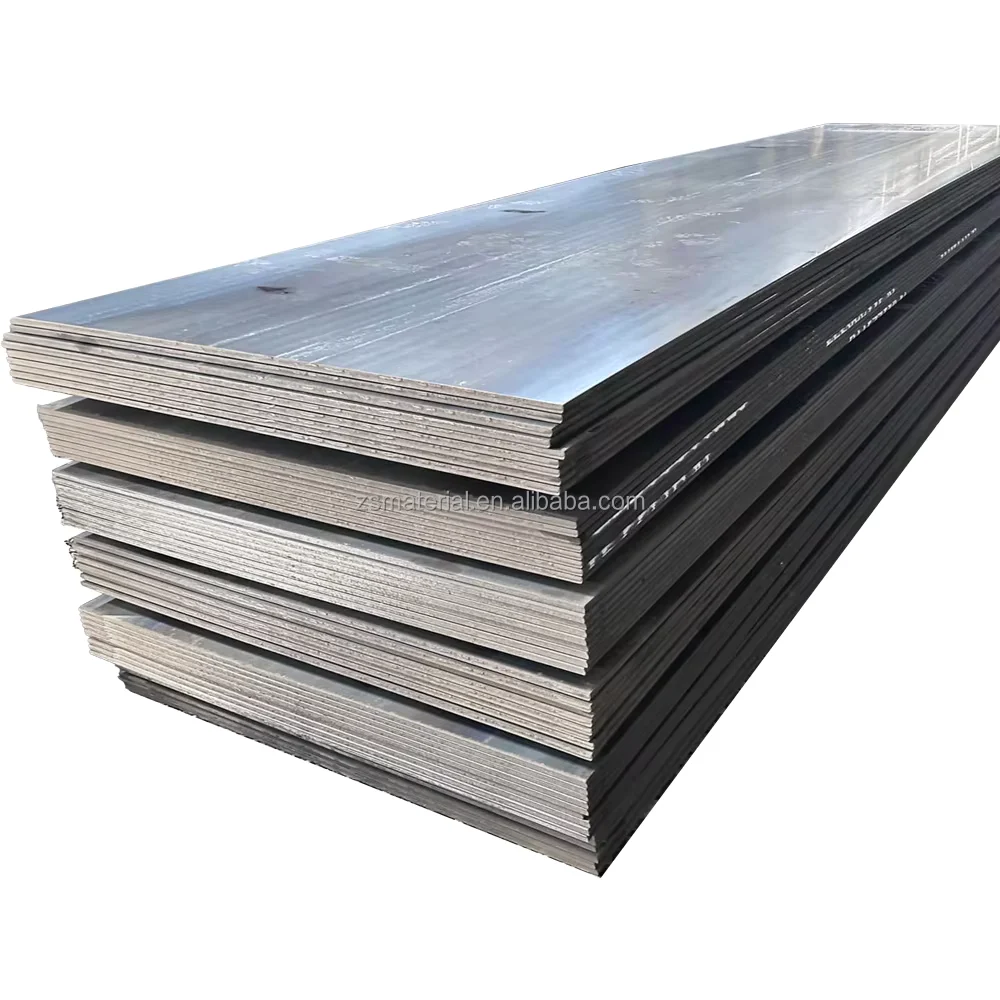
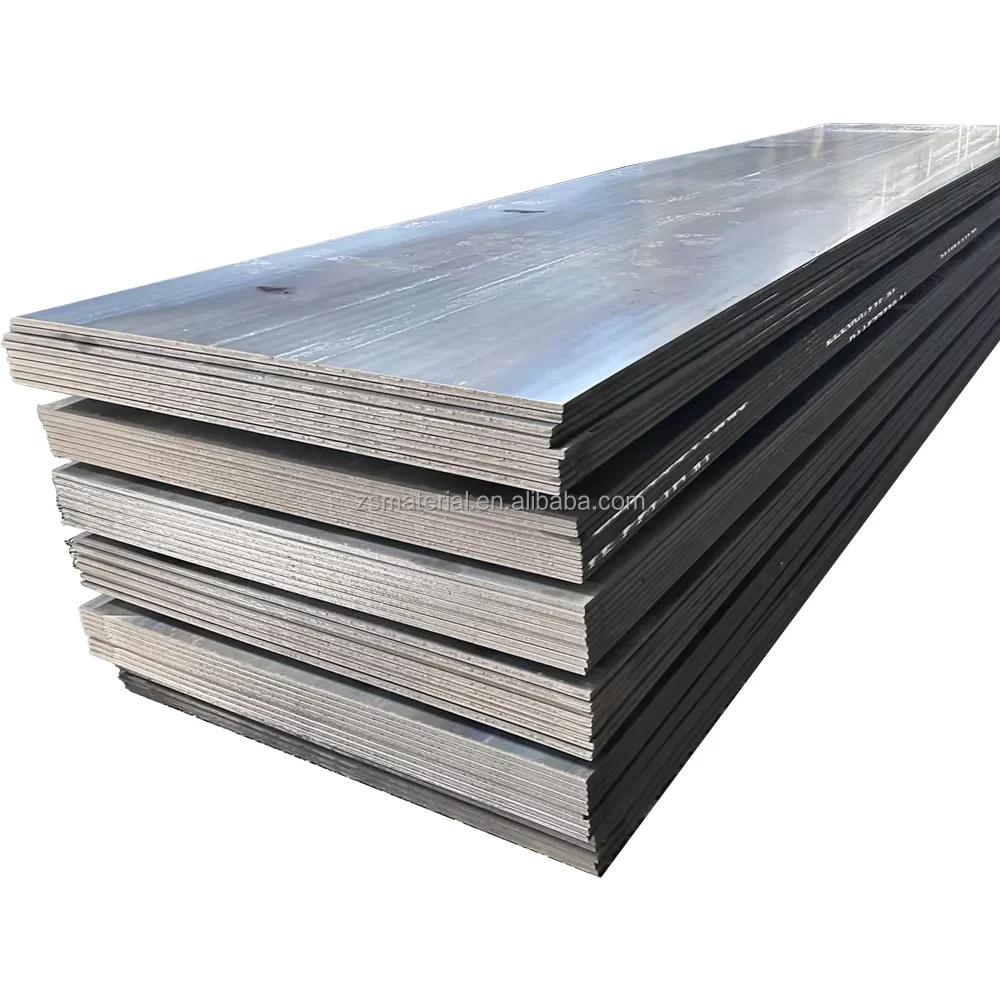
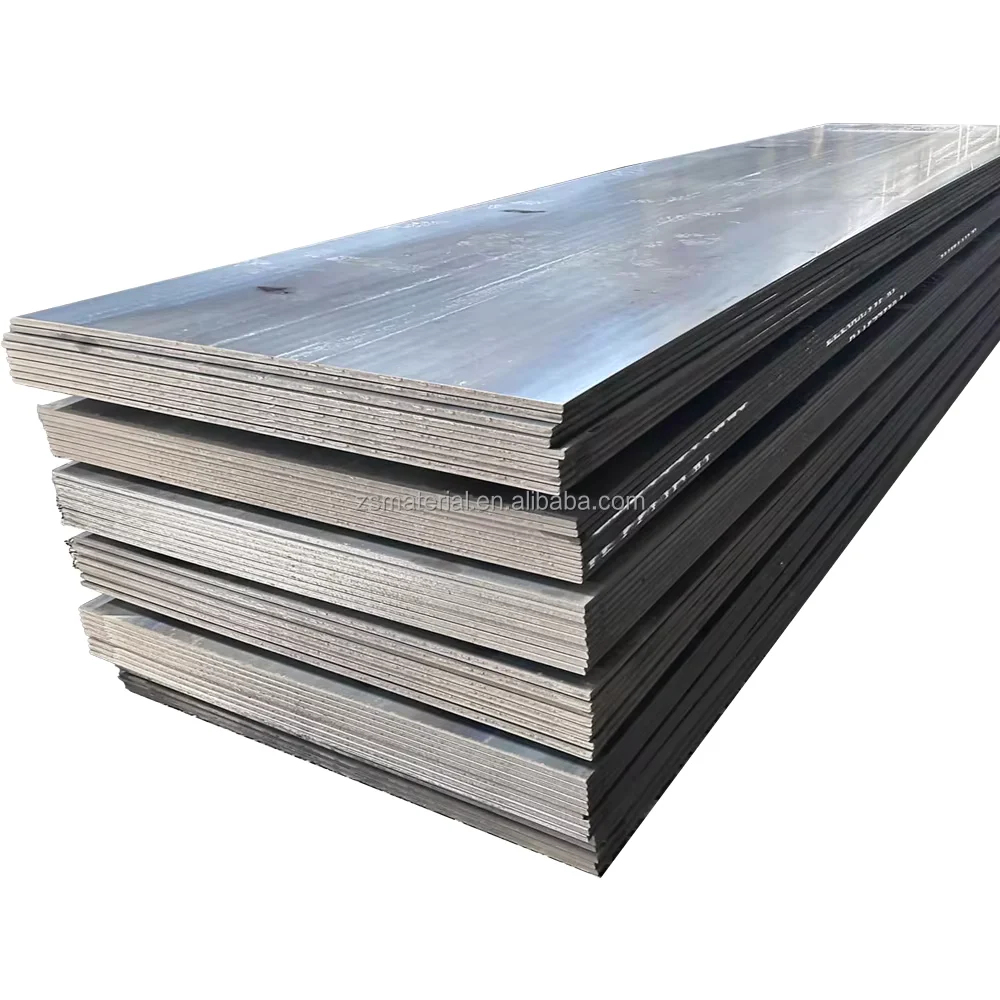
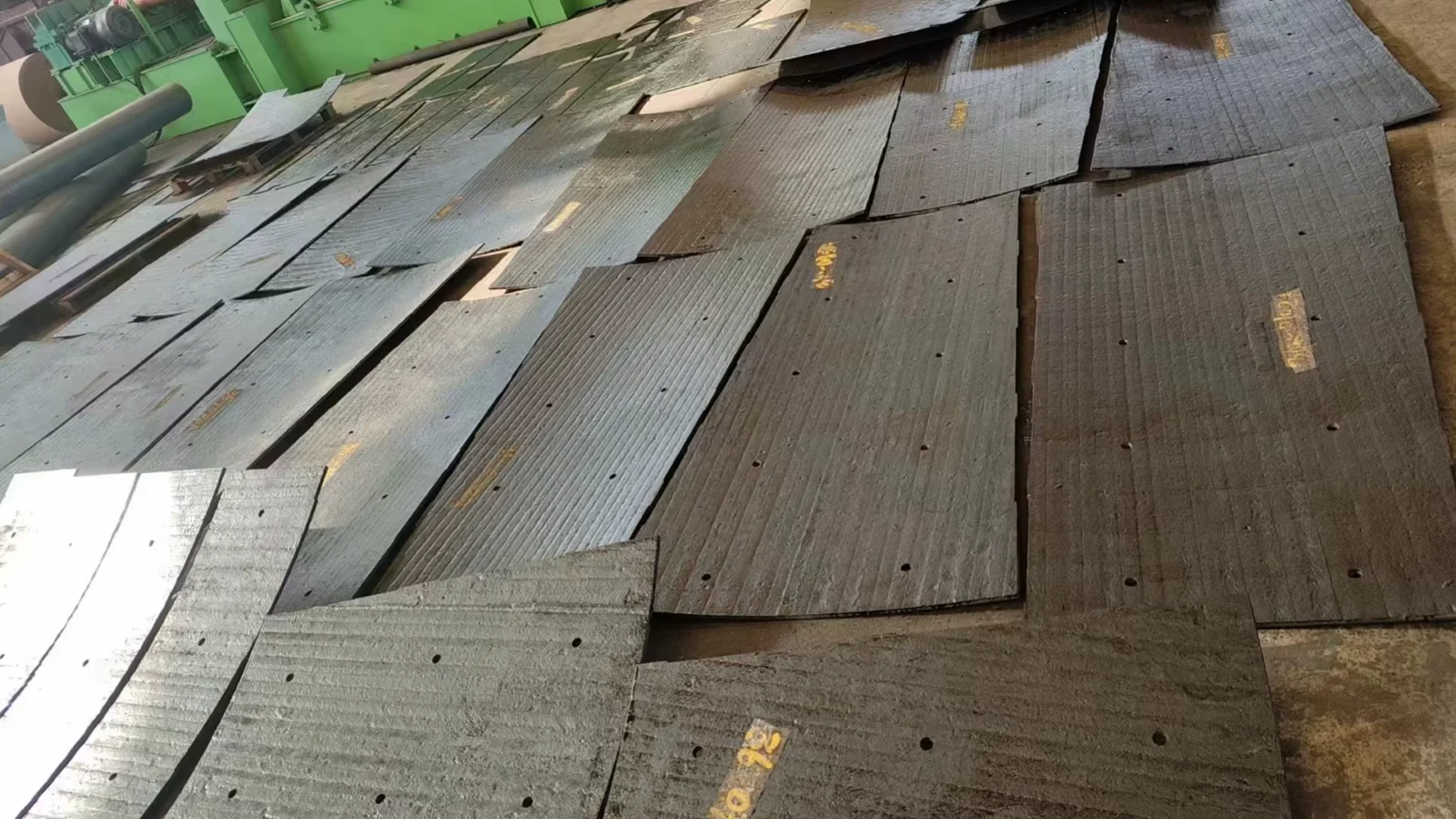
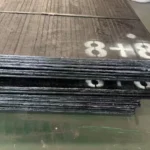
Factory-Direct Hot Rolled Checkered Plate — SS400, Q235, and Q345 grades rolled in-house with mill test certificates issued per batch before container sealing.
Technical Specifications
| Parameter | Value |
|---|---|
| Designation | SS400 / Q235 / Q345 Hot Rolled Carbon Steel Plate |
| Product Type | Steel Plate |
| Steel Grade | SS400, Q235, Q345 |
| Standard | JIS G3101 (SS400), GB/T 700 (Q235), GB/T 1591 (Q345), ASTM, DIN |
| Section Shape | Tear Drop (checkered / diamond pattern) |
| Size Range | Thickness 1.2–2.0 mm |
| Technique | Hot Rolled |
| Application | Industrial flooring, stair treads, platform decking, general fabrication, building construction |
| Origin | China |
Application Suitability
| Industry | Typical Applications |
|---|---|
| Construction & Infrastructure | Anti-slip platform decking for pedestrian walkways and bridge maintenance access |
| Steel Structure Buildings | Stair treads and mezzanine flooring in warehouse and factory frames |
| Industrial Fabrication | Machine base plates and equipment skid platforms |
| EPC Projects | Temporary and permanent flooring for oil & gas and power plant sites |
Where Thickness Tolerance Decides Whether a Floor Plate Order Passes Site Inspection
A 0.4 mm negative deviation on a 2.0 mm checkered plate turns a compliant delivery into a rejected shipment.
I have watched an entire container of Q345 plate get turned away at a Middle East project gate because the SGS re-inspection showed thickness below the lower tolerance limit. The base metal was fine, the pattern was clean, but the paperwork said 2.0 mm and the micrometer read 1.6 mm. The contractor lost three days of crane time waiting for replacement material. When sourcing a SS400 Q235 Q345 hot rolled carbon steel plate supplier, buyers often discover that tolerance claims on proforma invoices do not match what arrives on the quayside. Missing or mismatched mill test certificates compound the problem — customs in EU and GCC countries will hold the container until EN 10204 3.1 documentation is produced. [NEED_CITE: EN 10204 inspection document types for steel products]
How Tear Drop Pattern Meets Anti-Slip Requirements on Industrial Flooring
The raised diamond pattern on hot rolled checkered plate provides a coefficient of friction significantly higher than flat plate, which is why it is specified for stair treads, walkways, and platform decking across construction and industrial sites. For a SS400 Q235 Q345 hot rolled carbon steel plate supplier serving EPC and steel structure contractors, the pattern height and uniformity matter as much as the base metal grade. Our production lines roll the tear drop profile in a single hot-rolling pass, ensuring consistent lug height across the 1.2–2.0 mm thickness range. Welders working on site confirm that the pattern does not interfere with fillet welds at plate-to-beam connections, and the flat reverse side sits flush against support angles without rocking.
Structural Compliance and Certification for Checkered Plate in Regulated Markets
Load-bearing calculations for platform decking in EU projects reference EN 1993-1-1, which requires documented material properties rather than assumed values. SS400 under JIS G3101 and Q235 under GB/T 700 are both carbon structural grades widely accepted for non-primary flooring, while Q345 under GB/T 1591 offers higher strength for areas with concentrated loads. [NEED_CITE: steel grade equivalence between JIS GB and EN standards] For projects requiring CE marking, the plate must be supplied with a mill test certificate conforming to EN 10204 Type 3.1, and third-party inspection by SGS or BV is often mandated by the main contractor. Our in-house physical and chemical laboratory tests every heat before release, and we arrange third-party verification at the mill when the purchase order specifies it.
Understanding SS400, Q235, and Q345 Across Different Standard Systems
SS400 (JIS G3101) is a Japanese industrial standard carbon steel grade where “400” indicates minimum tensile strength in MPa class. Q235 (GB/T 700) is the Chinese national standard equivalent, with “Q” denoting yield point and “235” the minimum yield strength in MPa. Q345 (GB/T 1591) is a low-alloy high-strength grade that replaces the older 16Mn designation, offering roughly 50 percent higher yield than Q235. When a project specification calls for ASTM A36 or DIN St 37, cross-referencing to SS400 or Q235 is generally acceptable for flooring applications, but Q345 should not be substituted downward without engineer approval. [NEED_CITE: international steel grade equivalence tables for structural carbon steel] The hot rolling process produces a mill scale surface that provides baseline corrosion resistance for indoor and sheltered outdoor use; for aggressive environments, buyers should specify additional surface treatment such as galvanizing or painting after fabrication.
The Hidden Cost of Ordering Checkered Plate Without Verified Tolerance
Ordering a SS400 Q235 Q345 hot rolled carbon steel plate supplier without confirmed thickness tolerance creates risk across the entire procurement chain. Material that arrives below the nominal tolerance fails site inspection, triggers re-order delays, and may require structural re-assessment if the as-delivered thickness affects load calculations. Certification gaps — such as missing heat numbers on the mill test certificate or certificates that do not match the physical markings on the plate — cause customs holds in regulated markets. [NEED_CITE: customs documentation requirements for steel plate imports] The cost of a single rejected container far exceeds the price difference between a verified supplier and an unverified one.
Why Project Procurement Teams Source Checkered Plate From Us
We roll SS400, Q235, and Q345 checkered plate on our own production lines, which means the price you receive is factory-direct without trader markup. Every plate is measured with a micrometer before leaving the mill, and the heat number is stenciled on the reverse side for full traceability back to the ladle analysis. Our in-house laboratory performs chemical composition and mechanical testing per heat, and the mill test certificate is issued before the container is sealed. For buyers who need third-party verification, we coordinate SGS or BV inspection at the mill at no additional coordination cost. We hold ISO 9001:2015, Lloyd’s CE certification, and Singapore FPC, and our export documentation has cleared customs in 50+ countries without rejection. Custom cutting to non-standard widths and lengths is available, and we handle professional container loading with edge protectors to preserve the tear drop pattern during ocean transit.
Documentation & Compliance
- Mill test certificate documenting SS400, Q235, or Q345 chemical composition and mechanical properties per JIS G3101, GB/T 700, or GB/T 1591, with heat number traceability
- CE certificate covering hot rolled carbon steel plate products for EU market access under applicable harmonized standards
- ISO 9001:2015 quality management system certificate covering the full production and inspection process
- SGS or BV third-party inspection report available upon request, covering dimensional, visual, and mechanical verification
- Material traceability by heat number stenciled on each plate, matching the mill test certificate
- Complete customs documentation including packing list, bill of lading, and certificate of origin
Packaging, Loading & Delivery
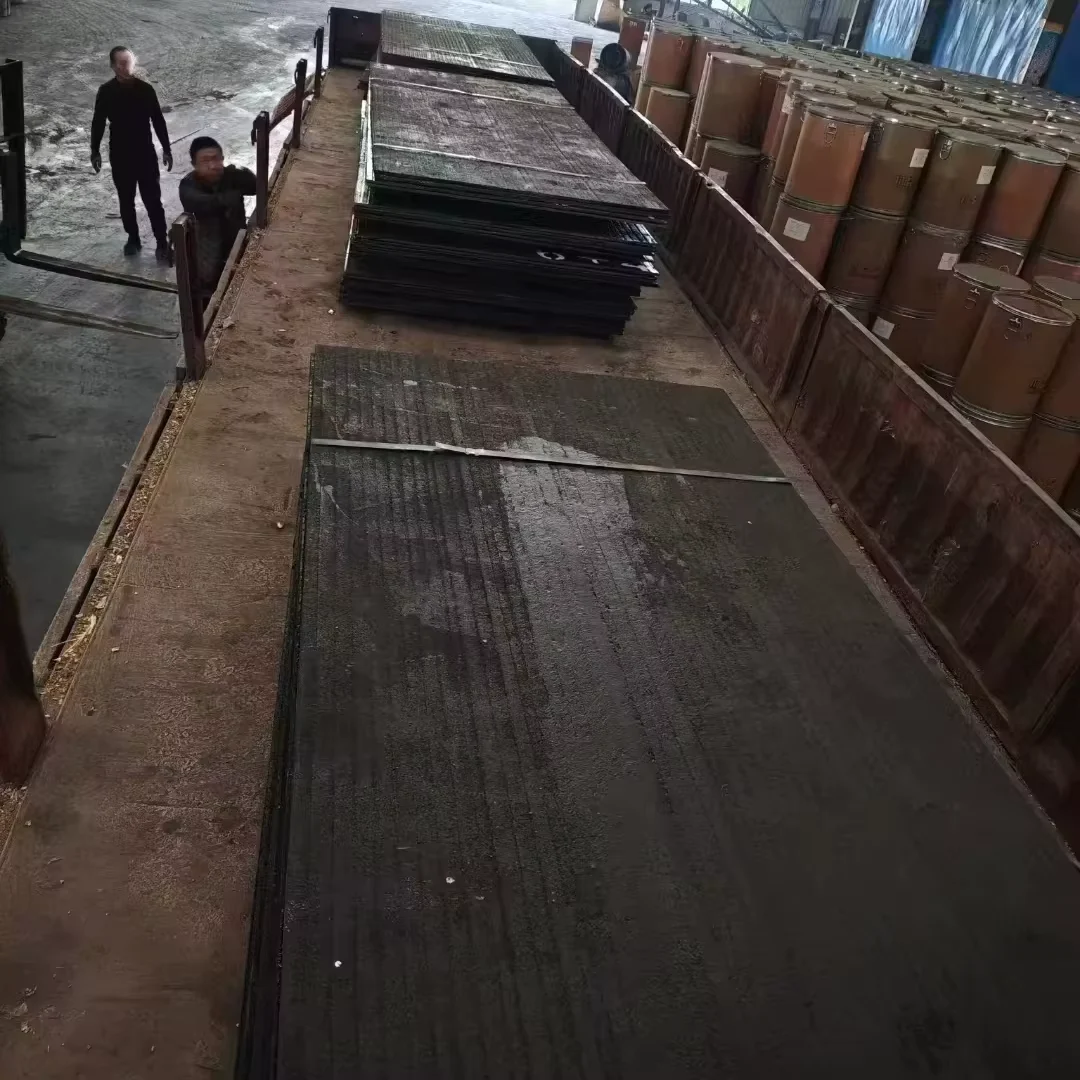
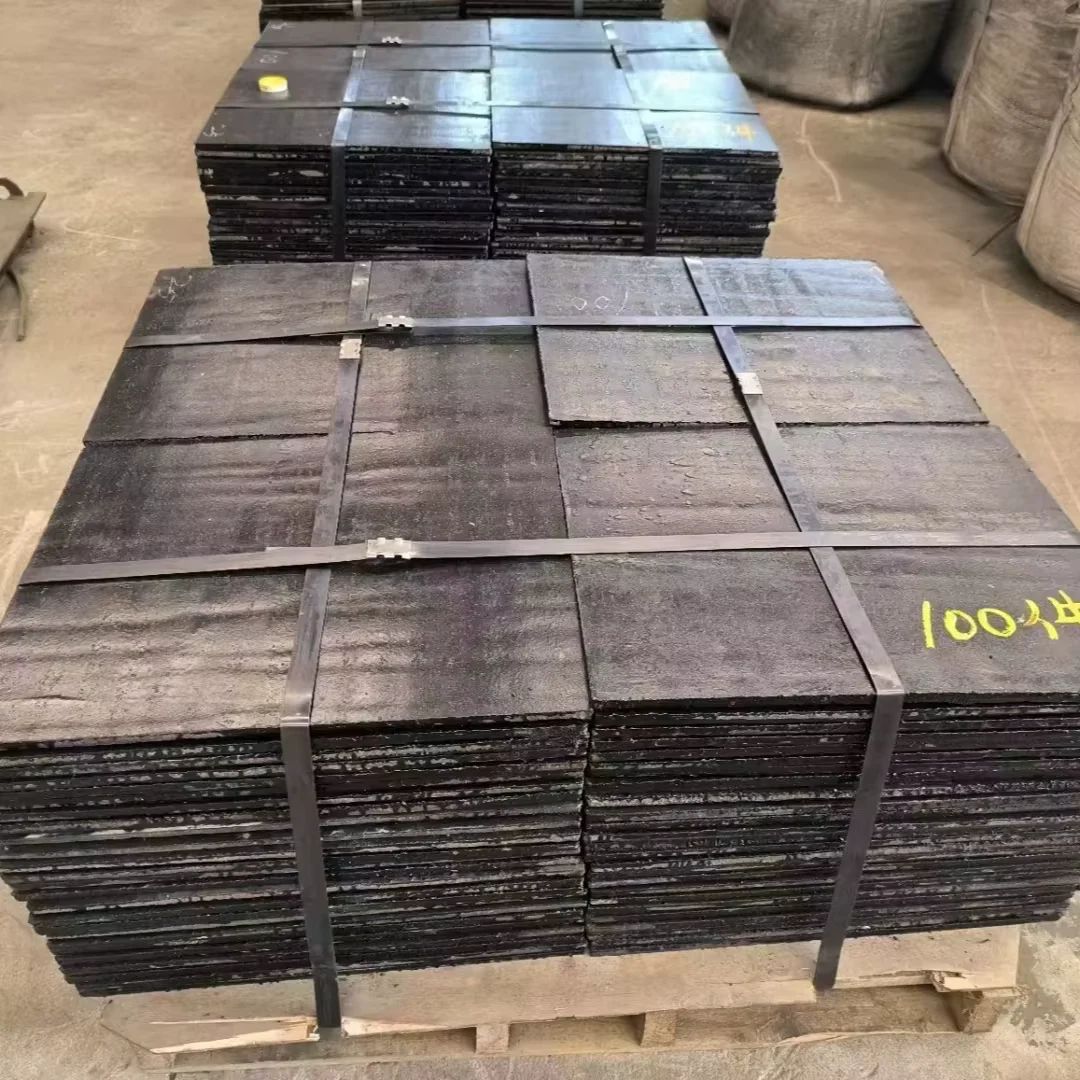
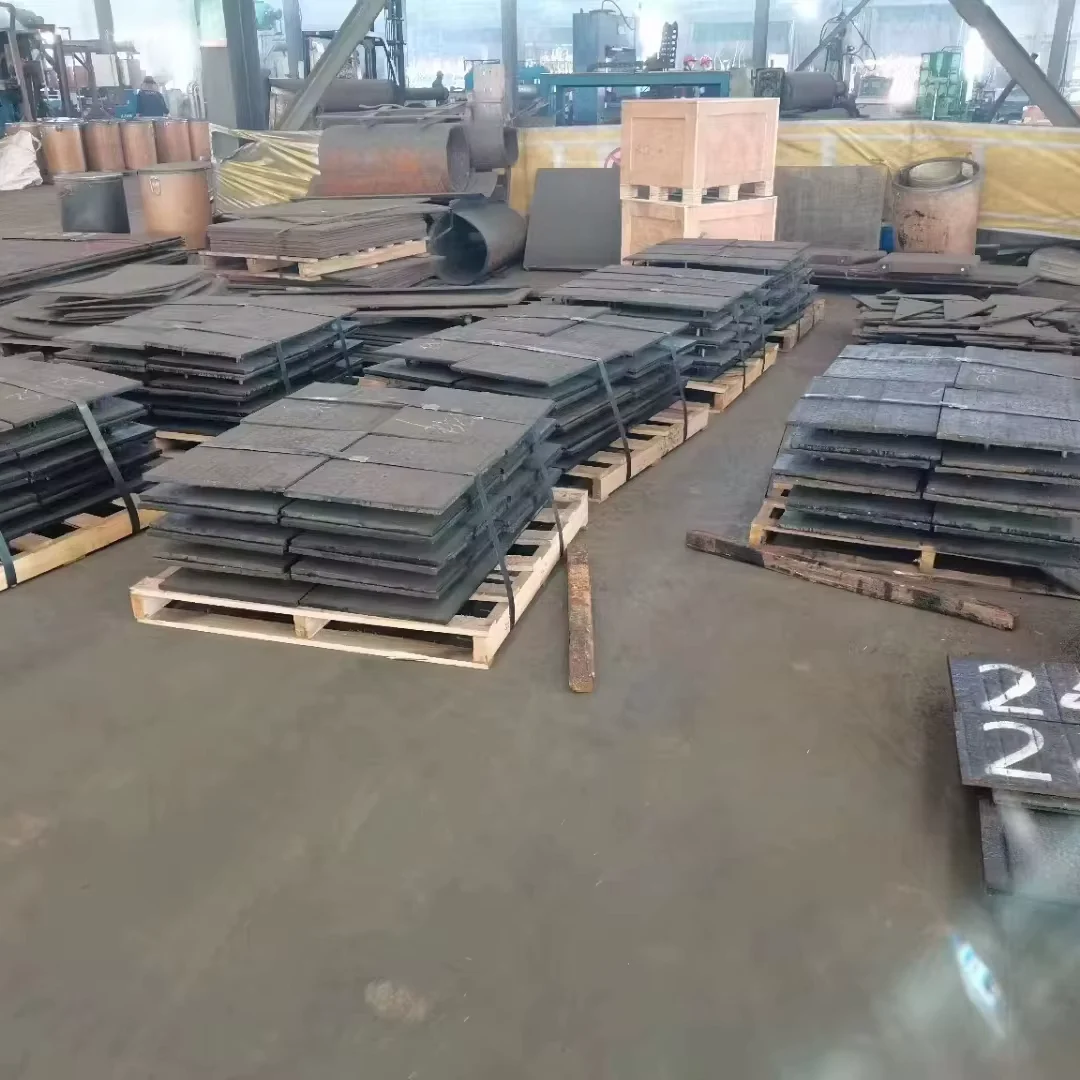
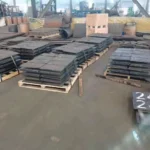
- Hot rolled checkered plate bundled with steel strips and edge protectors to prevent pattern damage during handling and ocean transit
- Plates separated by wooden spacers within the bundle to allow ventilation and prevent moisture trapping that causes white rust on the mill scale surface
- Container loading optimized for 1.2–2.0 mm thickness plates, with anti-slip interleaving and weight distribution calculated to maximize payload within shipping line limits
- Heat number and steel grade (SS400 / Q235 / Q345) stenciled on each plate and marked on the bundle tag for site identification
- Custom cutting to project-specified widths and lengths available, reducing on-site waste and cutting labor
- Delivery terms FOB, CIF, or DDP with full export documentation and container tracking until arrival at destination port
How to Request a Quotation for Checkered Plate
Submit your required steel grade (SS400, Q235, or Q345), thickness, width, length, and total quantity along with the destination port, and we will return a detailed quotation including unit price, production lead time, and shipping terms within 12 hours. If your project requires non-standard dimensions or third-party inspection, specify this in the inquiry so we can include the relevant costs and lead time in the offer. We will also attach a sample mill test certificate format for your approval before production begins.
Frequently Asked Questions
Q: What is the difference between SS400, Q235, and Q345 for checkered plate applications?
A: SS400 (JIS G3101) and Q235 (GB/T 700) are both carbon structural grades suitable for general flooring and platform decking. Q345 (GB/T 1591) is a low-alloy high-strength grade with higher yield strength, used where concentrated loads or stricter deflection limits apply. All three are available in hot rolled tear drop pattern from 1.2 to 2.0 mm thickness.
Q: Can you provide mill test certificates for EU customs clearance?
A: Yes. We issue mill test certificates conforming to EN 10204 Type 3.1 for every heat, documenting chemical composition and mechanical properties. For projects requiring third-party verification, we arrange SGS or BV inspection at the mill before shipment.
Q: Do you offer custom cutting for checkered plate?
A: Yes. We can cut hot rolled checkered plate to non-standard widths and lengths based on your project drawings. Custom cutting reduces on-site waste and welding labor. Please specify the required dimensions and quantity in your inquiry.
Q: What is the minimum order quantity for SS400 Q235 Q345 hot rolled carbon steel plate?
A: MOQ depends on the thickness and dimensions requested. For standard sizes in 1.2–2.0 mm thickness, we typically accept orders starting from one container load. Please submit your specifications for a detailed quotation.
Q: How do you ensure the tear drop pattern is not damaged during shipping?
A: Plates are bundled with steel strips and edge protectors, separated by wooden spacers, and loaded in containers with anti-slip interleaving. We have developed professional loading procedures over years of exporting to 50+ countries to preserve surface quality during ocean transit.
Get Your Checkered Plate Quotation With Mill Test Certificate
Send your steel grade, thickness, dimensions, and destination port to receive a factory-direct quotation and sample mill test certificate within 12 hours.
Shandong Xin Jiyuan Special Steel Tube Co., Ltd
Tel: +86 531 8573 6315
Mobile/WhatsApp/WeChat: +86 188 5315 7756
Email: admin@sdxjypipe.com