
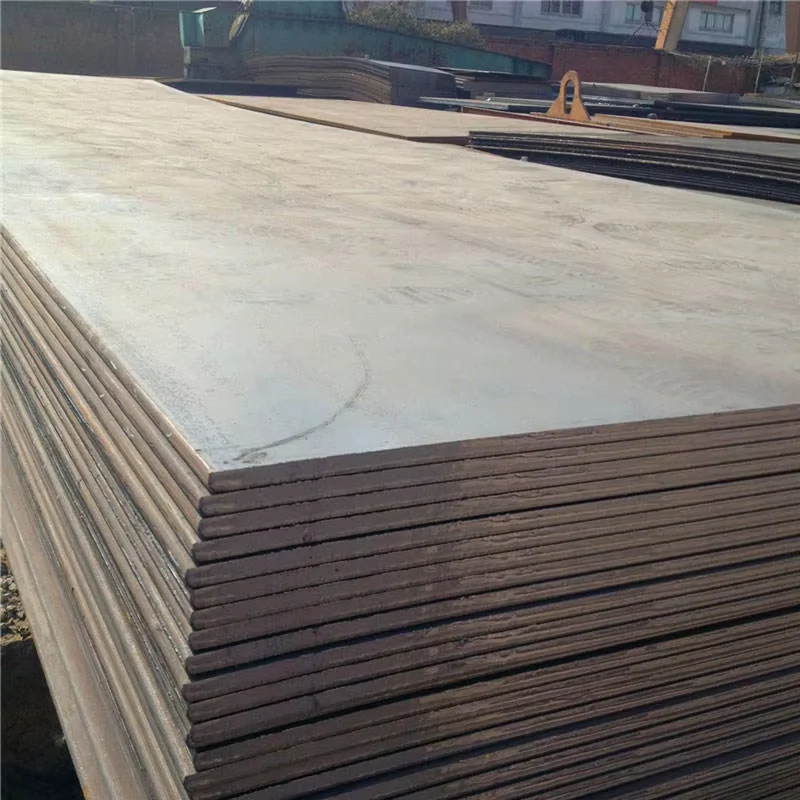
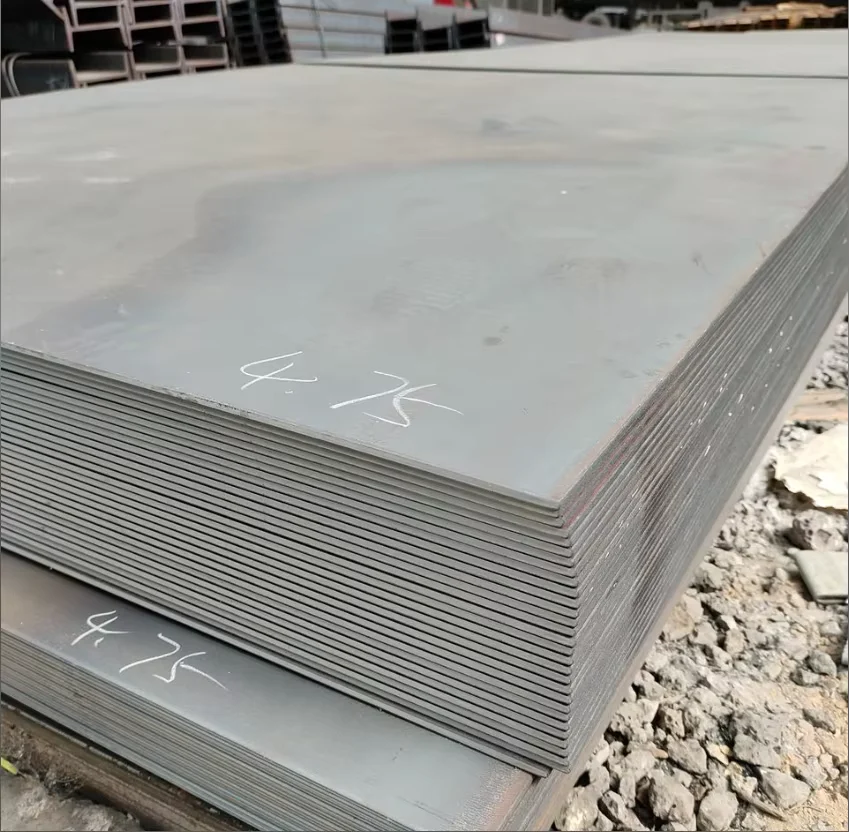
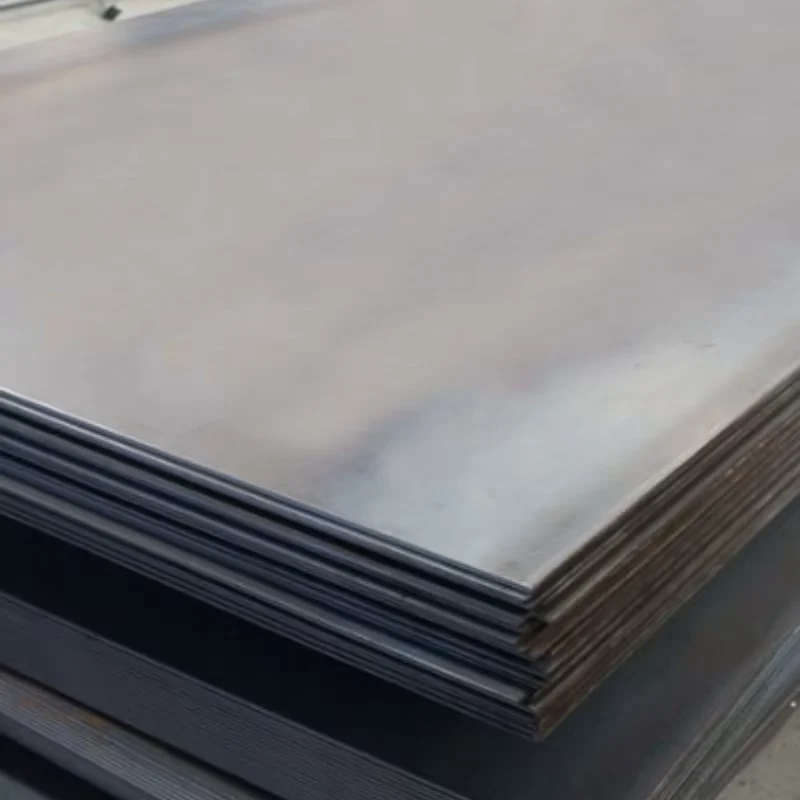
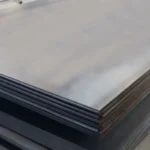
Description
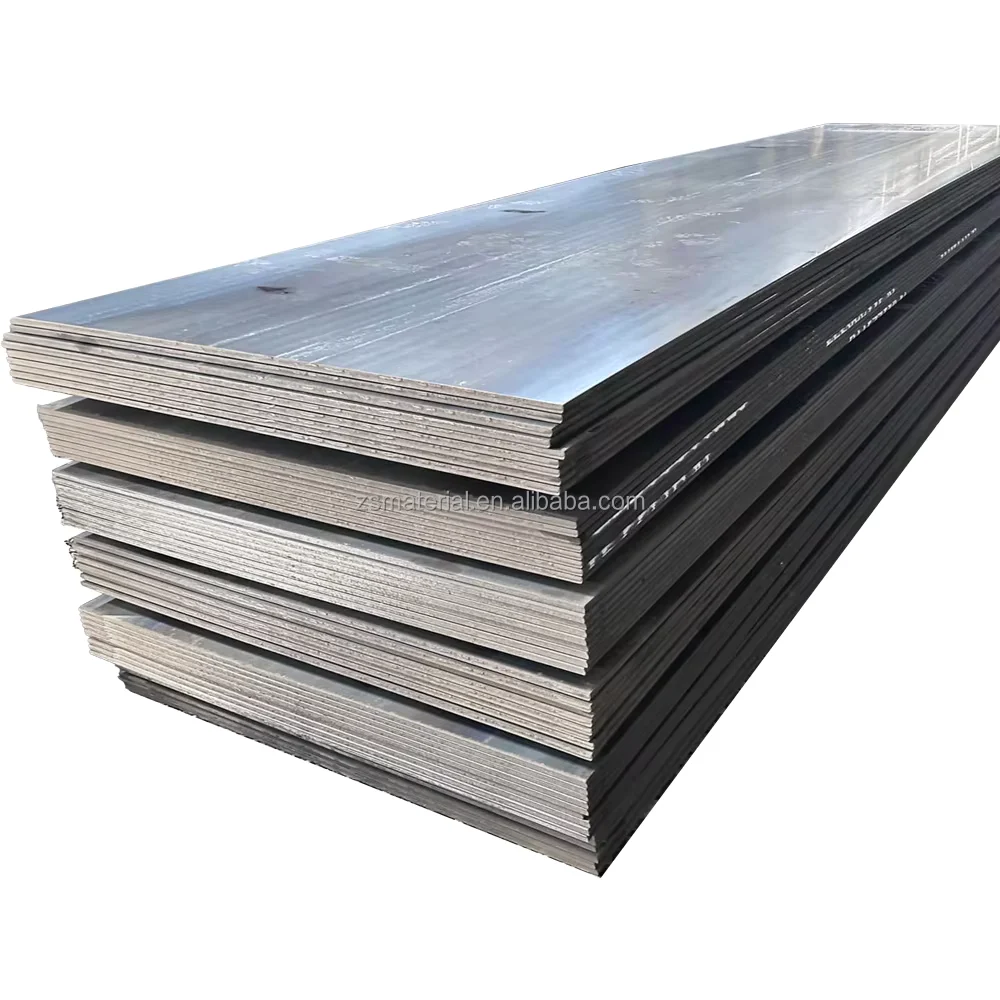
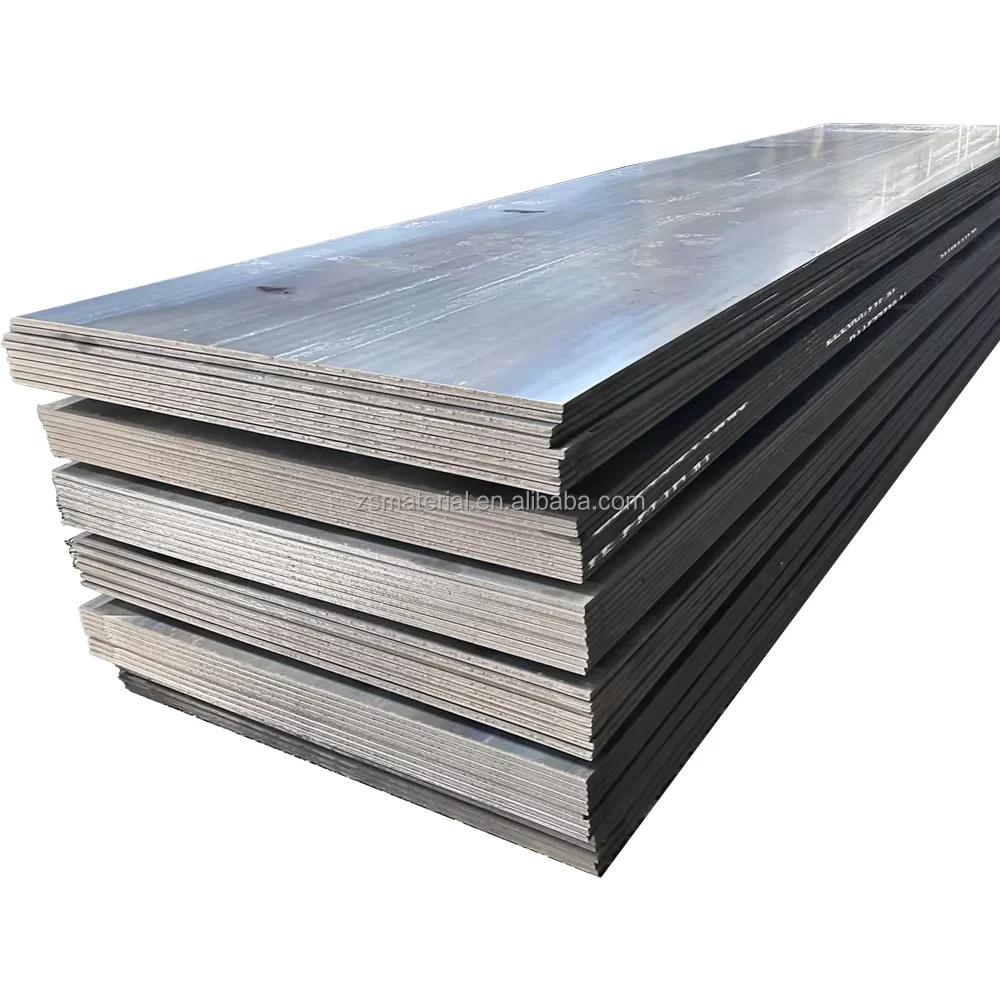
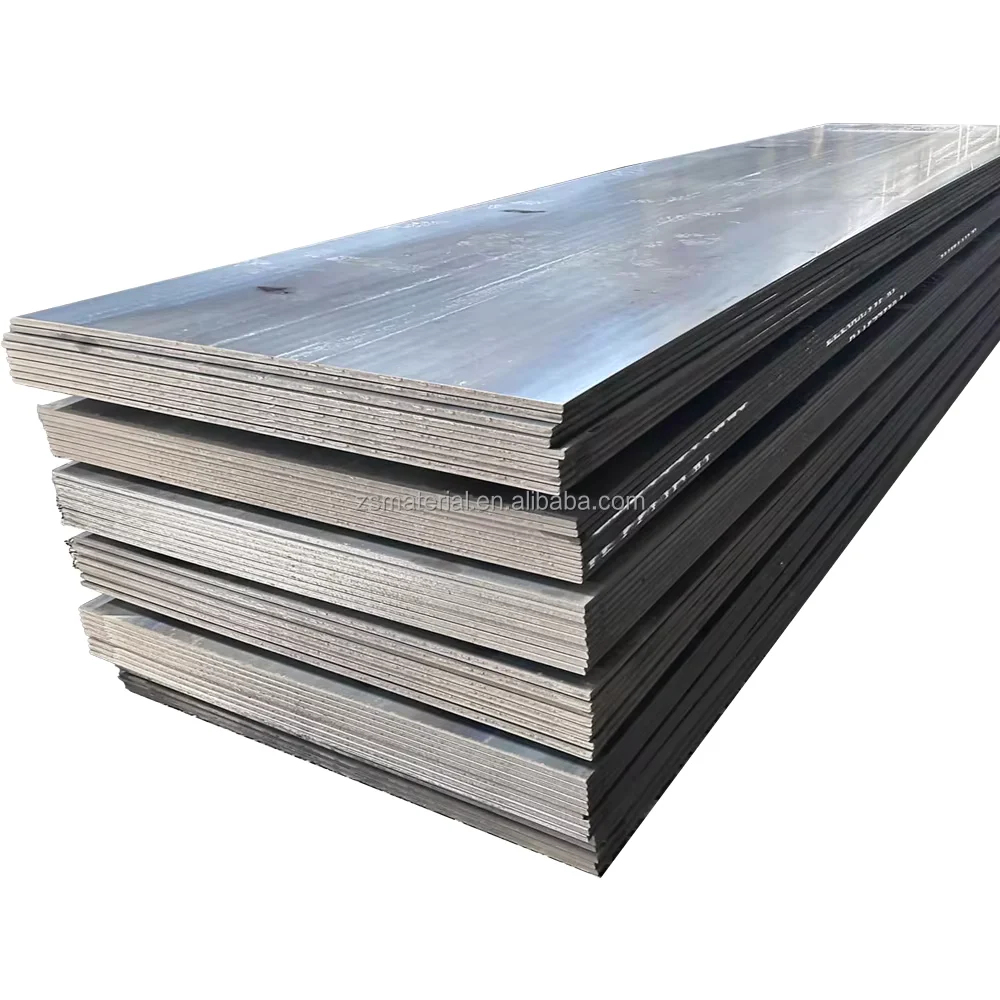
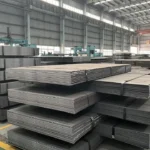
Direct Mill Supply for Multi-Standard Carbon Steel Plates — Every plate is produced and inspected in-house, with Mill Test Certificates traceable to the original heat number before shipment.
Technical Specifications
| Parameter | Value |
|---|---|
| Designation | SS400 / Q235 / A36 / St52 / 516 Gr70 / A283 Hot Rolled Carbon Steel Plate |
| Product Type | Steel Plate |
| Steel Grade | SS400, Q235, A36, St52, ASTM A516 Gr70, ASTM A283 |
| Standard | ASTM A516, ASTM A283, JIS SS400, GB Q235, DIN St52, BS A36 |
| Thickness | 3–200 mm |
| Width | 1500 mm |
| Length | 6000 mm |
| Technique | Hot Rolled |
| Surface Treatment | Hot Rolled |
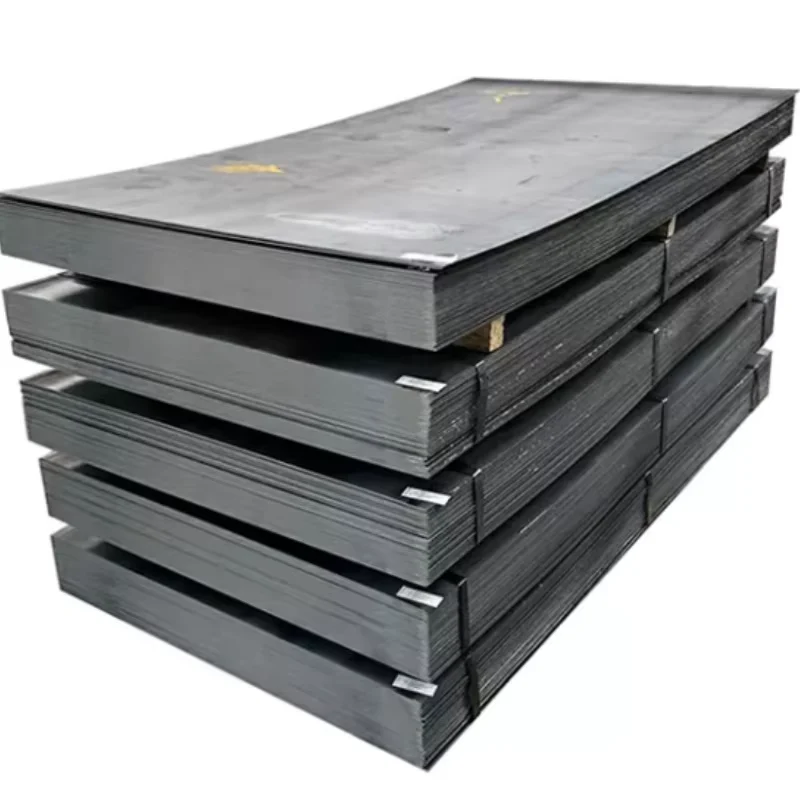
| Packaging | Seaworthy packing with steel strip bundles |
| Application | Shipbuilding / Pressure vessels / Welding & cutting fabrication / Structural steel construction / Industrial machinery |
| Origin | Shandong, China |
Application Suitability
| Industry | Typical Applications |
|---|---|
| Shipbuilding & Marine | Hull plating, deck structures, bulkhead frames |
| Pressure Vessel & Boiler | Storage tank shells, heat exchanger plates, boiler drums |
| Structural Steel Construction | Column base plates, gusset plates, beam splice connections |
| Industrial Machinery | Machine base frames, crane booms, conveyor support structures |
| Welding & Cutting Fabrication | Flame-cut blanks, welded assemblies for EPC projects |
Why Grade Equivalence Across Five Standards Still Causes Customs Rejection
Specifying the wrong equivalent grade on commercial invoices is the single most common reason carbon steel plates get held at destination ports.
Procurement teams frequently order SS400 plates for Southeast Asian projects, only to discover the receiving inspector expects JIS G3101 documentation that was never attached. Or a Middle East EPC contractor receives Q235 material but the project specification demands ASTM A36 — functionally similar, yet the paperwork gap triggers a full chemistry re-test at the buyer’s expense. [NEED_CITE: steel grade equivalence between JIS, GB, ASTM and DIN standards] When you source a hot rolled carbon steel plate SS400 Q235 A36 supplier who consolidates multiple standard certifications under one roof, these documentation mismatches disappear before the container is even sealed.
Matching Plate Thickness to Structural Load Paths in Marine and Pressure Applications
For shipbuilding hull plating and pressure vessel shells, the 3–200 mm thickness range of hot rolled carbon steel plate SS400 Q235 A36 supplier inventory covers everything from light gauge deck stiffeners to heavy-wall boiler drums. Thinner plates in the 3–12 mm range are typically flame-cut into custom blanks for welded pipe supports and machinery bases, while plates above 40 mm serve as column base plates and crane slewing rings where through-thickness integrity matters. Our in-house laboratory performs ultrasonic testing on plates above 20 mm to detect laminar defects before cutting, ensuring the material meets the demands of dynamic load environments without surprise rejections at the fabrication yard.
Engineering Compliance: From EN 10204 3.1 Certificates to Destination Port Inspections
Pressure vessel fabrication under ASME or EN 13445 requires Mill Test Certificates conforming to EN 10204 3.1 or 3.2, with full traceability from the steelmaking heat number to the final cut piece. [NEED_CITE: EN 10204 inspection document types for steel products] Structural steel projects in the EU additionally demand CE marking and compliance with EN 10025 for hot rolled products, while North American shipbuilding references ASTM A36 and A516 Gr70 with specific Charpy impact requirements at sub-zero temperatures. Each standard system has its own chemistry limits, tensile property ranges, and testing frequency — which is why our physical and chemical laboratory tests every heat individually rather than relying on mill-blended certificates. Third-party inspection through SGS or BV can be arranged before loading to provide independent verification for projects with stringent owner-engineer approval processes.
Understanding Hot Rolled Carbon Steel Grades: SS400, Q235, A36, and St52 in Practice
SS400 under JIS G3101 and Q235 under GB/T 700 are general-purpose structural grades widely used in construction and machinery across Asia, with similar carbon and manganese content suited to welding and flame cutting. ASTM A36 serves the same role in North American specifications, while DIN St52 (now superseded by S355 in EN standards) offers higher strength for heavy structural members and crane components. ASTM A516 Gr70 is a dedicated pressure vessel grade with controlled carbon equivalent for improved weldability in thick-section boiler and tank fabrication. [NEED_CITE: hot rolled steel plate grade comparison for structural and pressure applications] The hot rolling process produces a mill scale surface that provides baseline corrosion resistance during storage and transit, and can be blast-cleaned or primed at the fabrication shop depending on the end-use environment.
The Hidden Cost of Accepting Plates Without Verified Chemistry
When a shipment of hot rolled carbon steel plate SS400 Q235 A36 supplier material arrives with a generic certificate that does not reference a specific heat number, the buyer inherits the risk of chemistry mismatch. Carbon content slightly above the grade limit can cause cold cracking in thick-plate welds, while manganese below specification reduces tensile strength in structural connections. [NEED_CITE: consequences of steel grade non-conformance in pressure vessel fabrication] Destination port re-testing, fabrication rework, and project schedule delays routinely cost multiples of the original material savings from an unverified source — a lesson I learned the hard way watching an entire container of SS400 plates sit in Jebel Ali because the carbon content exceeded what the third-party inspector was authorized to accept.
Why Procurement Teams Consolidate Multi-Standard Plate Orders With Us
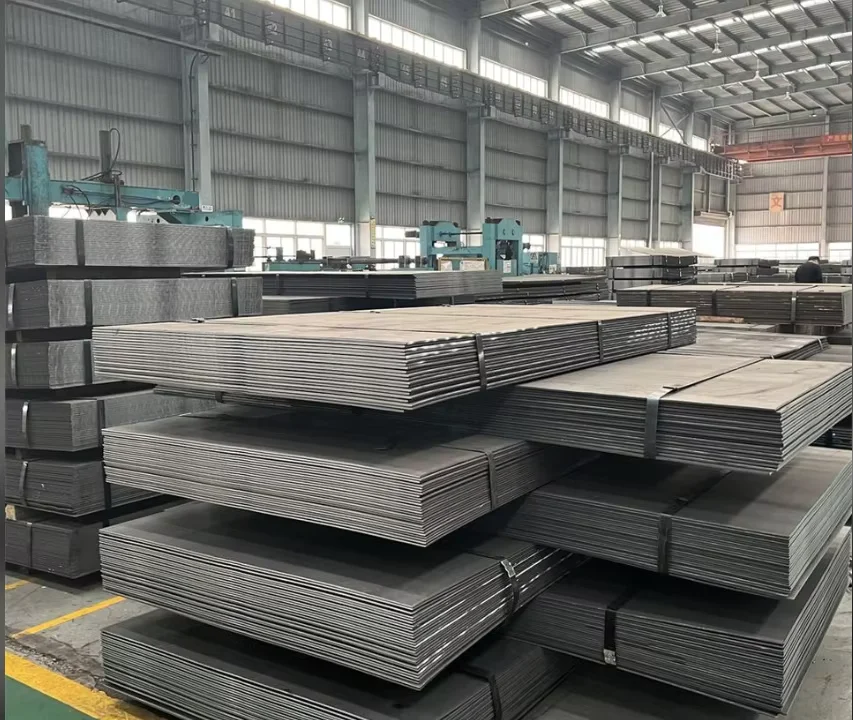
Our facility maintains physical and chemical testing laboratories that verify every heat against the specific standard the customer has specified — whether that is JIS SS400 for a Singapore shipyard, ASTM A516 Gr70 for a Gulf pressure vessel project, or DIN St52 for European machinery frames. Full international certifications including ISO 9001:2015, SGS verification, and BV inspection capability mean the documentation package clears customs without supplementary testing at destination. We stock and produce plates across the complete 3–200 mm thickness range in 1500 mm width and 6000 mm length, with custom cutting and non-standard sizing available for projects that require specific blank dimensions rather than full plates. Professional container loading with steel strip bundling and edge protection prevents transit damage and edge deformation that would otherwise trigger rejection at the fabrication yard.
Documentation & Compliance
- Mill Test Certificate documenting SS400, Q235, A36, or St52 chemical composition and mechanical properties per the specified standard, with heat number traceability
- Third-party inspection report from SGS or BV confirming dimensional accuracy, surface condition, and chemistry compliance before container sealing
- ISO 9001:2015 quality management system certificate covering the full production and testing process for hot rolled carbon steel plates
- Material traceability records linking each plate to its original heat number, rolling schedule, and test results from our in-house laboratory
- Complete export customs documentation including packing list, bill of lading, and certificate of origin for destination port clearance
- EN 10204 3.1 type inspection certificates available for pressure vessel grades including ASTM A516 Gr70 upon project specification
Packaging, Loading & Delivery
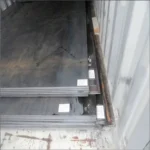
- Hot rolled carbon steel plates bundled with high-tensile steel strips at regular intervals, with edge protectors preventing corner damage during ocean transit
- Seaworthy packaging designed for 1500 mm × 6000 mm plates, optimized for 20-foot and 40-foot container loading with weight distribution across the floor
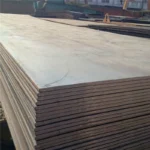
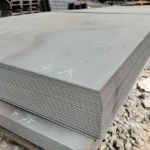
- Mill scale surface retained during storage and shipping to provide baseline rust protection; oil coating available upon request for extended transit periods
- Heat number and steel grade stenciled on each plate surface for on-site identification and traceability during fabrication
- Custom cutting to project-specific blank dimensions available, with kerf allowance and edge condition confirmed before production
- FOB, CIF, and DDP shipping terms supported with professional container loading supervision to prevent plate shifting and edge deformation
Securing Your Quote With Complete Technical Documentation
Submit your required plate thickness, steel grade, standard specification, quantity, and destination port to receive a detailed quotation with unit pricing, production lead time, and the corresponding Mill Test Certificate format. Our team responds within 12 hours with confirmation of stock availability or production scheduling, along with any third-party inspection arrangements your project requires.
Request a Quotation With Full Mill Test Certification
Provide your hot rolled carbon steel plate SS400 Q235 A36 supplier specifications and destination details to receive pricing, certification documentation, and delivery scheduling.
Company: Shandong Xin Jiyuan Special Steel Tube Co., Ltd
Tel: +86 531 8573 6315
Mobile/WhatsApp/WeChat: +86 188 5315 7756
Email: admin@sdxjypipe.com
Website: www.sdxjypipe.com
Frequently Asked Questions
Q: What is the difference between SS400, Q235, and A36, and which should I specify for my project?
A: SS400 (JIS G3101), Q235 (GB/T 700), and A36 (ASTM) are all general-purpose structural carbon steel grades with similar strength levels, but they follow different national standards with slightly different chemistry and testing requirements. Your choice should match the project specification and the destination country’s inspection expectations — our team can advise on the most appropriate grade based on your engineering drawings and approval requirements.
Q: Can you provide Mill Test Certificates that comply with EN 10204 3.1 for pressure vessel projects?
A: Yes, we issue EN 10204 3.1 type inspection certificates for every heat of hot rolled carbon steel plate SS400 Q235 A36 supplier material we ship, documenting chemical composition, tensile strength, and elongation results from our in-house laboratory. For projects requiring 3.2 certificates with independent third-party witness testing, we arrange SGS or BV inspection during production.
Q: What thickness range and plate dimensions do you stock, and can you cut to custom sizes?
A: We supply hot rolled plates in thickness from 3 mm to 200 mm, with standard width of 1500 mm and length of 6000 mm. Custom cutting to project-specific blank dimensions is available, with confirmation of cutting tolerances and edge condition provided before production begins.
Q: How do you ensure the plates arrive without edge damage or surface defects?
A: All plates are bundled with high-tensile steel strips and edge protectors, loaded professionally into containers with weight distribution to prevent shifting during ocean transit. Our loading team inspects each plate for surface condition and edge integrity before sealing, with photographic records provided to the buyer.
Q: Do you support third-party inspection before shipment?
A: Yes, SGS and BV third-party inspections can be arranged at our facility before container loading, covering dimensional verification, surface condition assessment, chemistry testing, and packaging inspection. The inspection report is issued directly to the buyer and forms part of the shipment documentation package.