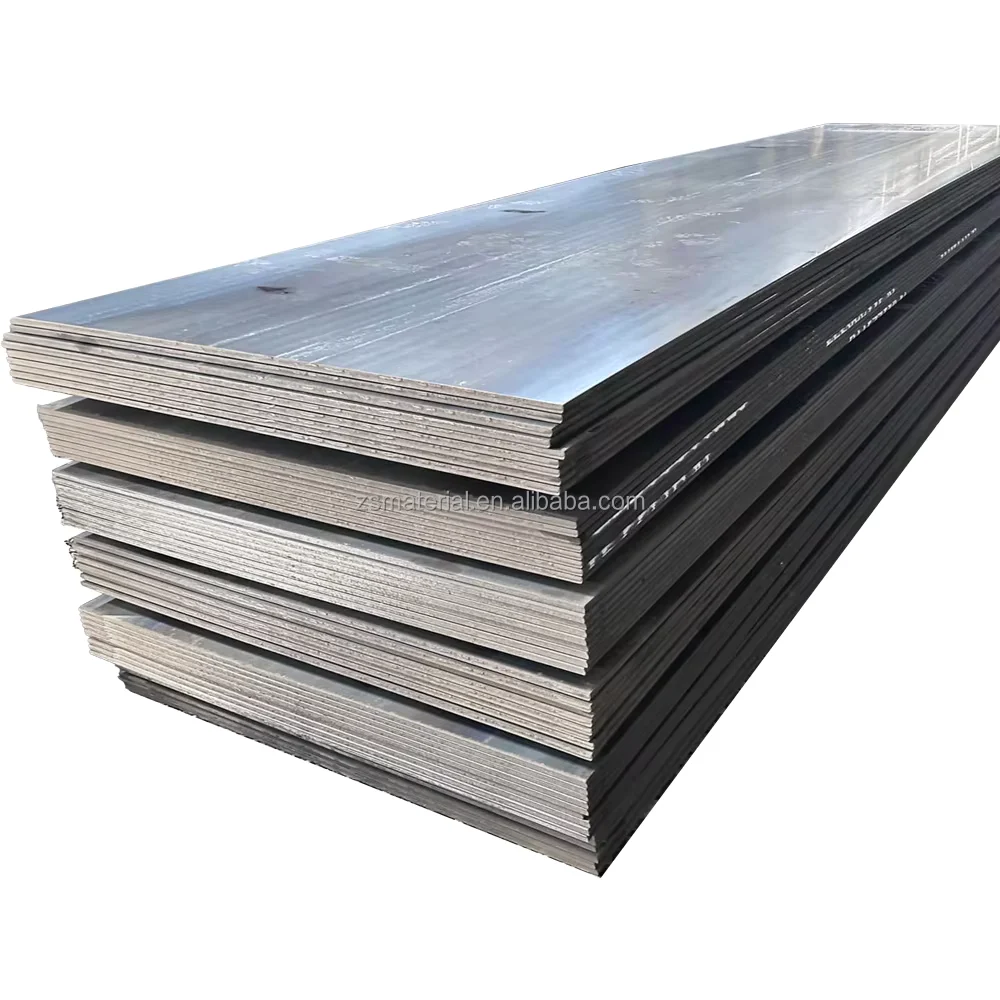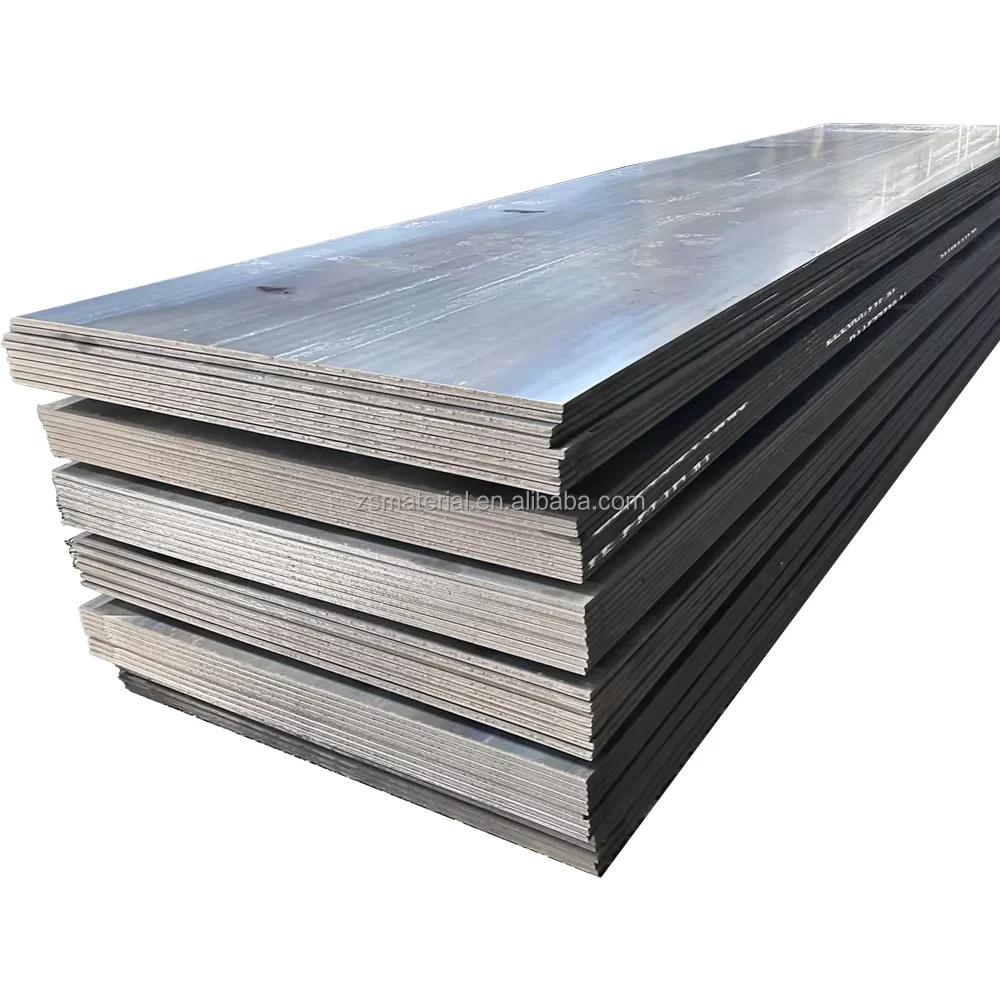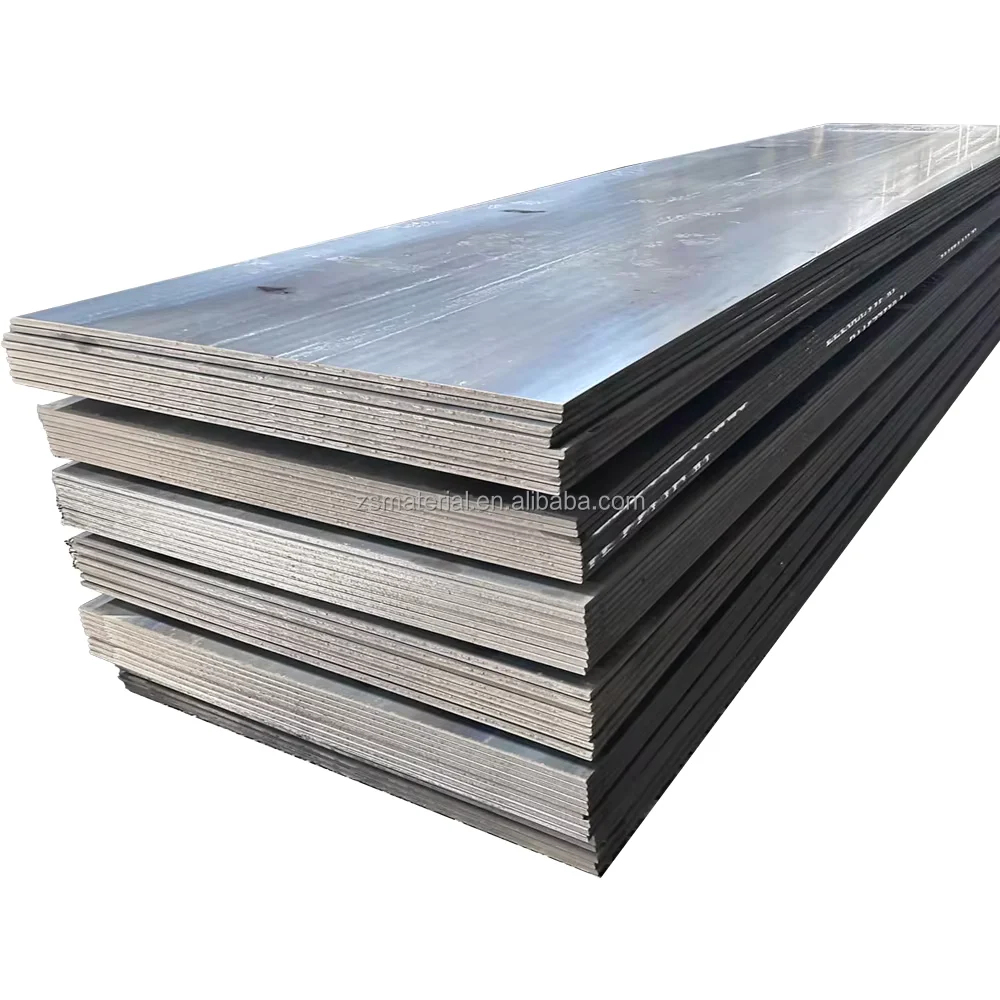


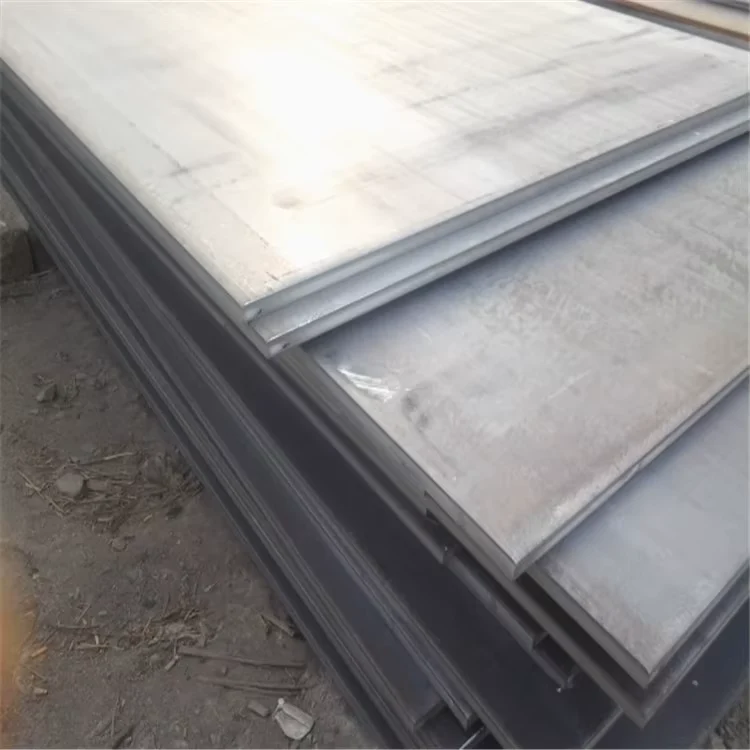
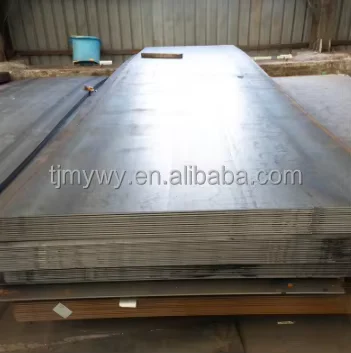



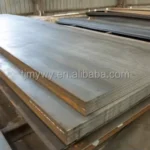
Description
Direct Mill Supply for Verified Wear Plates — Every Q690 and AR400 plate ships with in-house lab reports matching heat numbers, no middleman markups on hardness or chemistry.
Technical Specifications
| Parameter | Value |
|---|---|
| Designation | Q690 Wear Resistant Steel Plate |
| Product Type | Steel Plate |
| Steel Grade | Q690, AR400, Q235 |
| Standard | ASTM, DIN, AISI |
| Technique | Hot Rolled |
| Surface Treatment | Hot Rolled |
| Tolerance | ±1% |
| Processing | Cutting, Bending, Welding |
| Application | Construction, Petrochemical, Machinery |
| Origin | Shandong, China |
Application Suitability
| Industry | Typical Applications |
|---|---|
| Machinery | Excavator buckets, crusher liners, conveyor scraper blades |
| Construction | Heavy equipment chassis frames, structural wear liners |
| Petrochemical | Pressure vessel shells, industrial platform decking, pipe rack supports |
When Hardness Claims Fail at the Port
A mill certificate that looks perfect on paper but fails Brinell testing on-site turns a full container into scrap.
I once shipped AR400 plates for a crushing plant liner job — the mill cert showed textbook hardness values, but the buyer’s local third-party retest came back below AR400 threshold. The liners wore through in under two months. The entire container was rejected. Since then, I personally verify every batch against our in-house physical and chemical lab data before release. When sourcing a Q690 AR400 wear resistant steel plate supplier, the gap between paper specs and actual material properties is where project budgets die. [NEED_CITE: wear resistant steel plate hardness verification methods and standards]
How Q690 and AR400 Plates Fit Heavy-Duty Engineering Demands
Hot rolled Q690 and AR400 plates deliver the combination of high yield strength and surface abrasion resistance that excavator buckets, crusher liners, and conveyor components demand. The ±1% thickness tolerance ensures consistent fabrication fit-up when these plates are cut and welded into assembled wear parts. As a Q690 AR400 wear resistant steel plate supplier, we control the rolling reduction ratio and cooling rate to produce uniform mechanical properties across the full plate width — critical when a single liner spans multiple heat numbers.
Meeting Structural Codes and Import Compliance
Heavy equipment frames and pressure vessel components built from Q690 or AR400 plates must satisfy load-bearing requirements under relevant engineering codes. Hot rolled surface condition accepts shop primers and field coatings without additional blast preparation beyond standard Sa 2.5. For EU-bound shipments, CE marking under applicable EN standards determines whether customs clears or holds the cargo. ASTM and DIN equivalents require documented grade mapping — a gap that triggers rejection at destination ports. [NEED_CITE: steel grade equivalence mapping between ASTM DIN and Chinese GB standards]
What Hot Rolling and Grade Selection Actually Mean for Wear Performance
Q690 is a high-strength low-alloy structural steel where the “690” indicates minimum yield strength class — significantly above Q235 general-purpose grade, making it suitable for load-bearing wear structures rather than simple liner panels. AR400 is an abrasion-resistant grade designed for surface wear applications where material loss from friction and impact is the primary failure mode. Hot rolling at controlled temperatures produces a fine-grain microstructure that balances toughness with hardness — unlike normalized or quenched-and-tempered processes, hot rolled plates retain formability for bending and welding without pre-heating in most thickness ranges. The ±1% tolerance on hot rolled Q690 AR400 wear resistant steel plate ensures that theoretical weight calculations match actual delivered weight, avoiding cost overruns on tonnage-based contracts.
The Real Cost of Unverified Material
Plates that fail hardness or chemistry checks at destination trigger full-container rejection, return freight costs, and project downtime that dwarfs the original material savings. Missing or mismatched mill test certificates block customs clearance in regulated markets — the cargo sits at port accruing demurrage while paperwork gets sorted. Negative tolerance abuse on thickness reduces actual load capacity below design calculations, creating structural safety exposure that only surfaces during inspection or failure. [NEED_CITE: consequences of material non-conformance in structural steel procurement]
Why Buyers Return for Repeat Orders
Our in-house physical and chemical laboratory tests every heat for composition, tensile strength, and hardness before plates leave the mill — the data on the mill test certificate matches what the buyer’s inspector will find. We hold 41 invention patents and produce across 2,800+ specifications, but for wear plates specifically, we focus on chemistry control and hardness consistency rather than catalog breadth. Full international certifications including ISO 9001:2015, Lloyd’s CE, and SGS/BV third-party inspection support clear customs in EU, North America, and Middle East markets. Custom non-standard thickness and width are available with low MOQ, and our loading team uses timber dunnage and edge protectors to prevent surface damage and bending during ocean transit — because a warped plate is as useless as a soft one.
Documentation & Compliance
- Mill test certificate documenting Q690 chemical composition, yield strength, and hardness per GB/T 1591 and ASTM equivalents
- AR400 hardness test report showing Brinell values across multiple plate positions per heat number
- CE certificate confirming conformity with applicable EN standards for structural steel plates
- ISO 9001:2015 quality management system certificate covering hot rolled plate production
- SGS or BV third-party inspection report available upon request before shipment
- Full customs documentation including packing list, bill of lading, and certificate of origin
Packaging, Loading & Delivery
- Hot rolled Q690 and AR400 plates bundled with steel strips and timber dunnage to prevent surface scratching and edge deformation during ocean transit
- Plates coated with anti-rust oil after hot rolling to preserve surface condition before cutting and welding at destination
- Container loading optimized by plate width and length to maximize 20ft and 40ft GP utilization for heavy wear plate shipments
- Custom cutting to specified dimensions available before shipment, reducing on-site processing waste for crusher liner and bucket fabrication
- Each plate marked with heat number, steel grade, and thickness for traceability at fabrication shops and inspection points
- FOB, CIF, and DDP shipping terms available with full export documentation and tracking until arrival at project site
Start Your Q690 AR400 Plate Inquiry
Send your plate dimensions, steel grade preference, quantity, and destination port — we return a detailed quotation with unit pricing, production lead time, and shipping terms within 12 hours. Mill test certificates from previous Q690 and AR400 batches are available for review before you commit. Third-party inspection via SGS or BV can be arranged at our facility before container sealing.
Request Your Wear Plate Quote with Mill Test Data
Submit your specifications and destination to receive pricing, hardness reports, and certification documents.
Mobile/WhatsApp/WeChat: +86 188 5315 7756
Email: admin@sdxjypipe.com
Frequently Asked Questions
Q: How does Q690 compare to AR400 and international standards like ASTM A514?
A: Q690 is a high-strength low-alloy structural steel graded by minimum yield strength under Chinese GB standards, while AR400 is an abrasion-resistant grade defined by Brinell hardness range. They serve different primary functions — Q690 for load-bearing structures requiring high strength, AR400 for surface wear panels. We provide grade equivalence mapping against ASTM, DIN, and EN standards for your procurement specifications.
Q: Can you provide EN 10204 3.2 certificates and support third-party inspection?
A: Yes. Every batch of Q690 and AR400 plates ships with mill test certificates documenting chemical composition and mechanical properties. We also arrange SGS or BV third-party inspection at our facility before shipment, and can support EN 10204 3.2 certification requirements for EU projects.
Q: What sizes are available and what is the minimum order quantity for non-standard plates?
A: We produce hot rolled Q690 and AR400 plates in custom thickness and width to your project specifications. Non-standard sizes are available with low MOQ. Contact us with your required dimensions and quantity for a specific quotation.
Q: Do you offer cutting, bending, and welding services for wear resistant plates?
A: Yes. We provide cutting, bending, and welding processing services for Q690 and AR400 plates. Custom-cut plates ship ready for installation, reducing on-site fabrication time and material waste at your workshop.
Q: What are the lead times and shipping terms for wear resistant steel plates?
A: Standard sizes may ship from stock. Custom-size plates typically require typical production lead times after deposit confirmation. We offer FOB, CIF, and DDP shipping terms with full export documentation and container tracking until arrival.