


Description
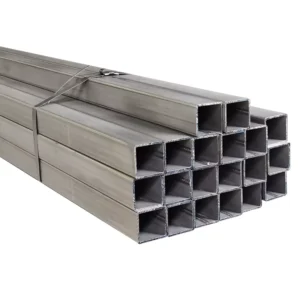
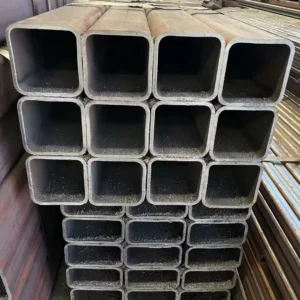
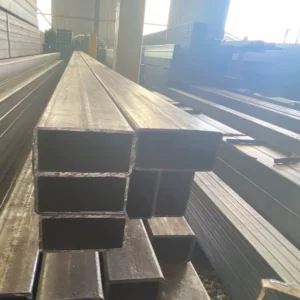
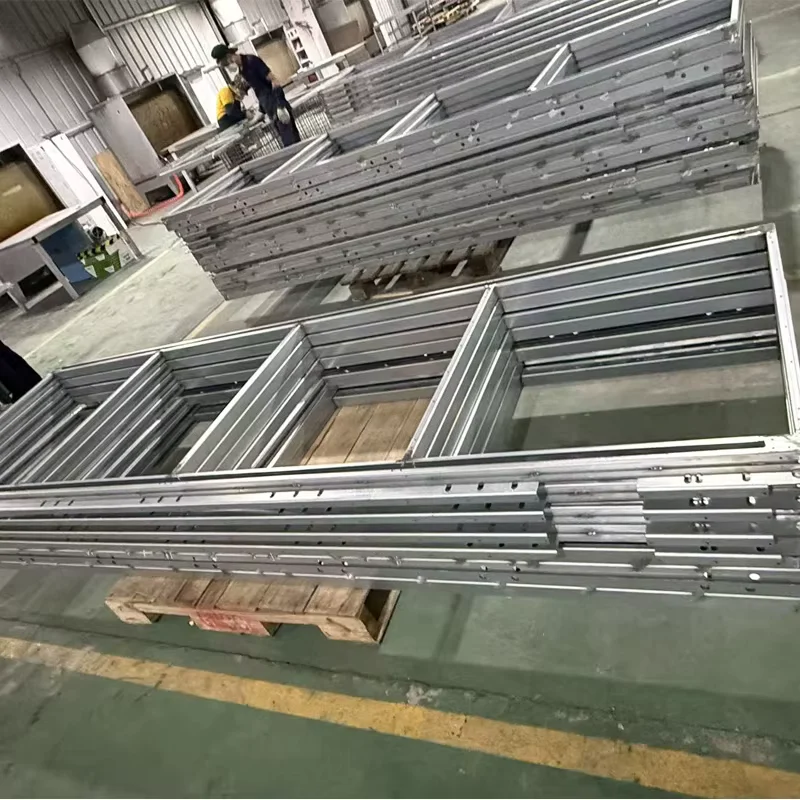
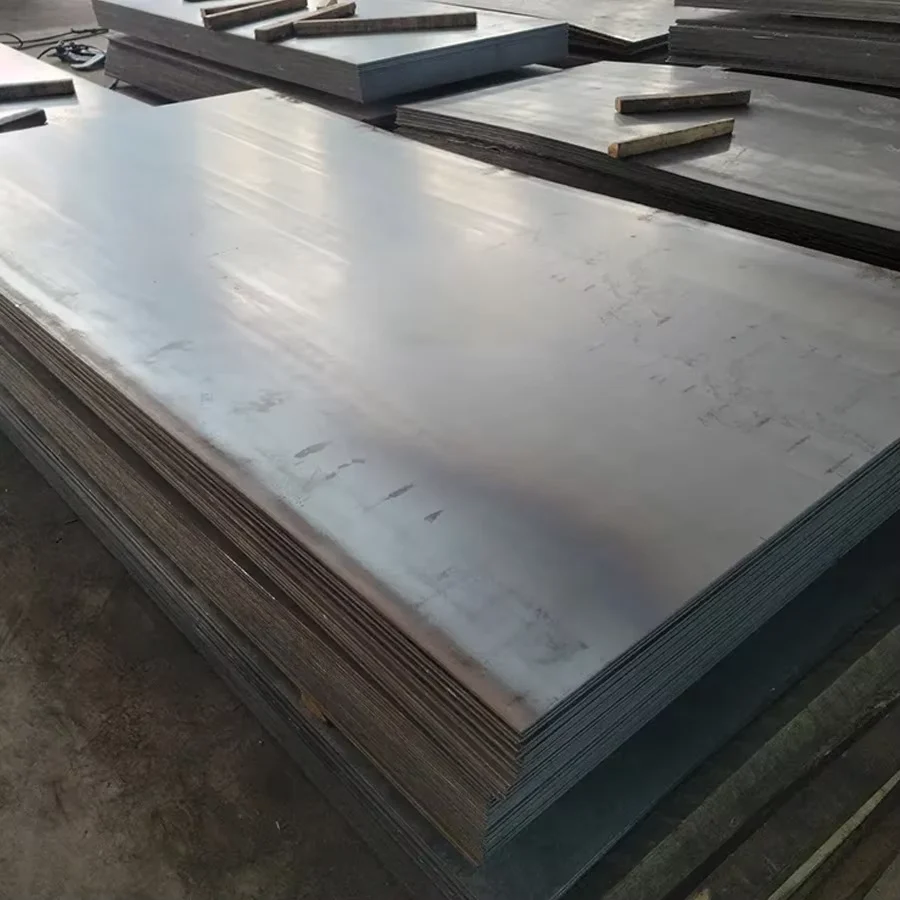
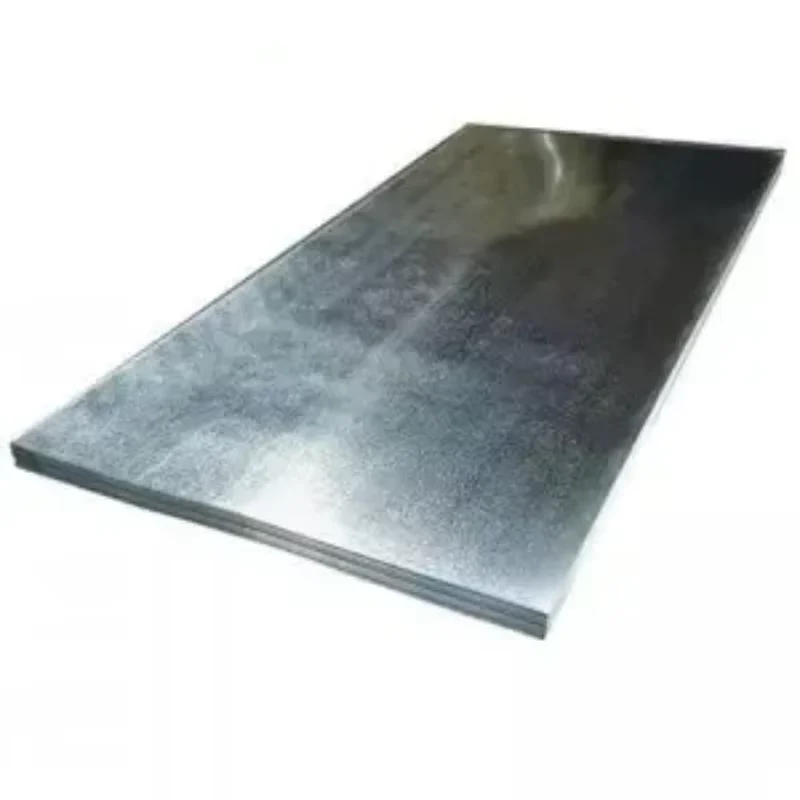
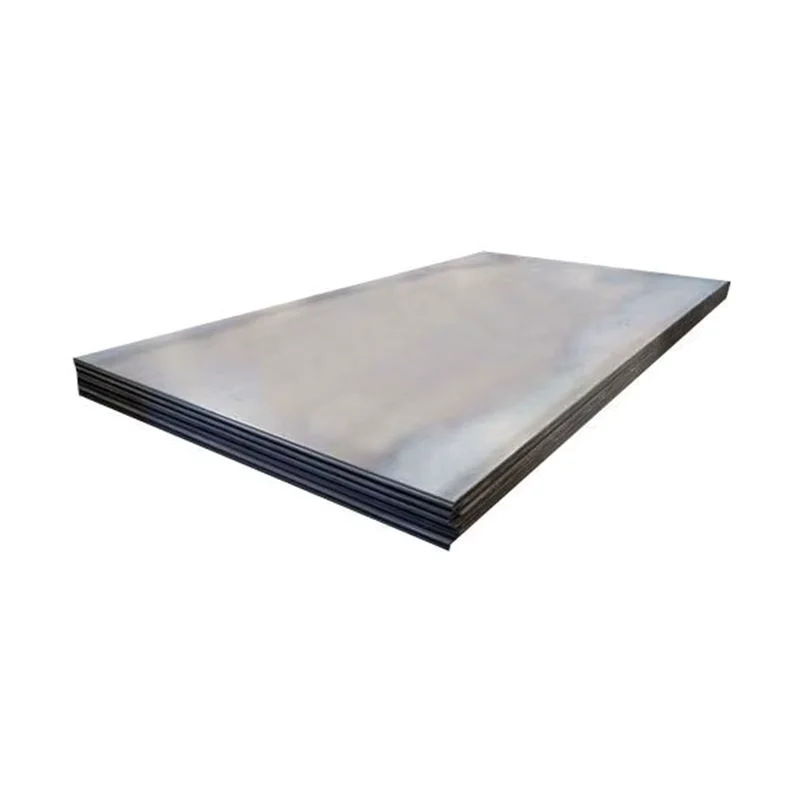
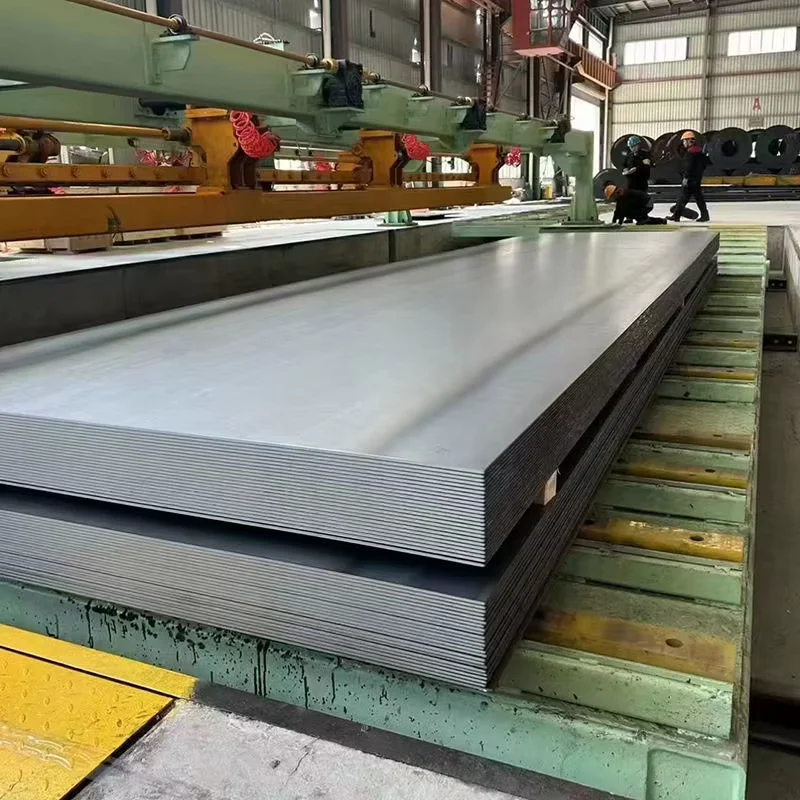
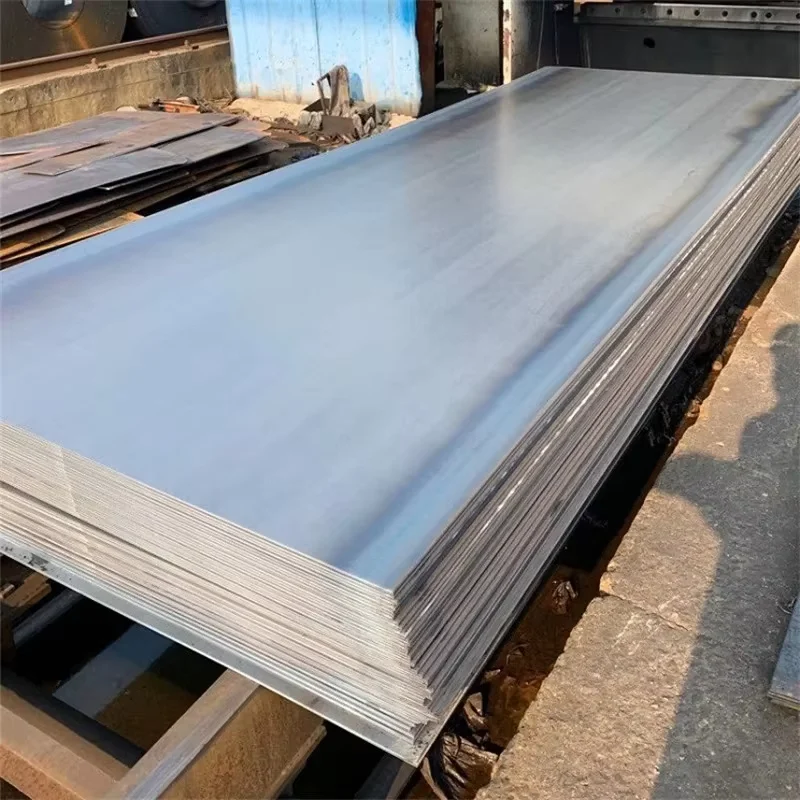
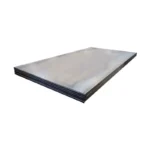
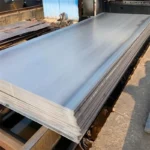
Factory-Direct Q235B Q345B Steel Plate Supply — Hot rolled plates processed in-house with bending, cutting, and welding services, backed by mill test certificates and ISO 9001:2015 quality management.
Technical Specifications
| Parameter | Value |
|---|---|
| Designation | Q235B / Q345B Steel Plate |
| Product Type | Steel Plate |
| Steel Grade | Q235B, Q345B |
| Standard | GB/T |
| Thickness | 0.8 mm – 1.2 mm |
| Width | Up to 1500 mm |
| Technique | Hot Rolled |
| Surface Treatment | Hot Rolled |
| Tolerance | ±1% |
| Processing Service | Bending, Cutting, Decoiling, Punching, Welding |
| Application | Industrial Equipment, Construction, Manufacturing, Fabrication |
Application Suitability
| Industry | Typical Applications |
|---|---|
| Industrial Equipment Manufacturing | Machine base frames, conveyor support structures, hopper liners |
| Construction | Scaffold planks, formwork panels, temporary bracing sheets |
| General Fabrication | Enclosures, brackets, gusset plates, welded assemblies |
What Thin-Gauge Tolerance Means for Equipment Frame Assembly
A ±1% tolerance on 0.8–1.2 mm plates determines whether welded frames sit square or require rework.
When sourcing Q235B Q345B steel plate for industrial equipment, inconsistent thickness creates gaps at welded joints and misaligned bolt holes downstream. Fabricators in Southeast Asian machinery plants often receive plates with negative tolerance beyond acceptable limits, forcing them to shim or reject entire batches. Without verified mill test certificates confirming chemical composition and dimensional accuracy, procurement teams cannot distinguish compliant material from substandard stock until the plates reach the workshop floor [NEED_CITE: thin gauge steel plate tolerance standards for structural fabrication].
Matching Plate Dimensions to Industrial Equipment Requirements
Equipment manufacturers building conveyor frames and machine housings need Q235B Q345B steel plate that holds flat after cutting and bends cleanly without cracking at the grain boundary. The hot rolled surface accepts welding directly without additional grinding, while the ±1% thickness tolerance ensures consistent fit-up across multiple welded sub-assemblies. Widths up to 1500 mm reduce the number of seam welds required on larger equipment bases, cutting fabrication time and inspection points.
Engineering Compliance and Grade Selection for Structural Use
Q235B serves general-purpose structural applications where moderate strength suffices, while Q345B delivers higher yield capacity for load-bearing frames subject to dynamic stress [NEED_CITE: GB/T steel grade mechanical property classifications]. For projects requiring international certification, grade equivalence documentation between GB/T and EN or ASTM systems must accompany shipment to satisfy customs and third-party inspection requirements. The hot rolled finish provides adequate surface condition for indoor industrial environments; outdoor or corrosive applications demand additional coating specification before order confirmation.
Understanding Hot Rolled Processing and Grade Behavior
Hot rolled Q235B and Q345B plates are produced above the recrystallization temperature, resulting in a mill scale surface that is suitable for welding and painting after standard descaling. The Q-series designation follows the Chinese GB/T system, where the number indicates minimum yield strength in MPa — Q235B offers baseline formability for light structural work, while Q345B provides approximately 50% higher yield strength for heavier load paths. At 0.8–1.2 mm thickness, these plates are classified as thin gauge, requiring careful handling during decoiling and cutting to prevent edge waviness. The ±1% tolerance range ensures that theoretical weight calculations remain reliable for cost estimation and shipping load planning. Punching and bending operations on this thickness range proceed without pre-heating, provided bend radii follow minimum recommendations for the respective grade.
Hidden Costs of Unverified Plate Procurement
Ordering Q235B Q345B steel plate without confirmed mill test certificates exposes projects to material rejection at site inspection, customs delays due to missing grade documentation, and structural rework when actual thickness deviates beyond design allowances [NEED_CITE: consequences of negative tolerance in thin steel plate procurement]. Plates that fail chemical composition checks cannot be regraded or blended — the entire batch becomes scrap or requires costly return logistics. Fabrication shops absorbing off-tolerance material face cumulative weld distortion and assembly misalignment that compounds across multi-component equipment builds.
Procurement Confidence Through Verified Capability
Every Q235B Q345B steel plate order ships with in-house laboratory test reports covering chemical composition and dimensional verification before container sealing. Custom cutting, bending, and punching services consolidate fabrication steps at the mill, reducing the number of vendors a procurement team must coordinate for a single equipment build. Orders destined for regulated markets include CE-compatible documentation and third-party inspection arrangements through SGS or BV upon request. Professional container loading plans account for plate width and bundle weight distribution, preventing edge damage during ocean transit. Non-standard widths and lengths beyond stock ranges enter production with typical lead times confirmed at order placement.
Documentation & Compliance
- Mill test certificate documenting Q235B and Q345B chemical composition and dimensional verification per GB/T standards
- ISO 9001:2015 quality management certificate covering hot rolled plate production and processing services
- SGS or BV third-party inspection report available for pre-shipment dimensional and visual examination
- Material traceability maintained by heat number linking each plate to its original slab and rolling record
- Export customs documents including packing list, bill of lading, and certificate of origin for destination clearance
Packaging, Loading & Delivery
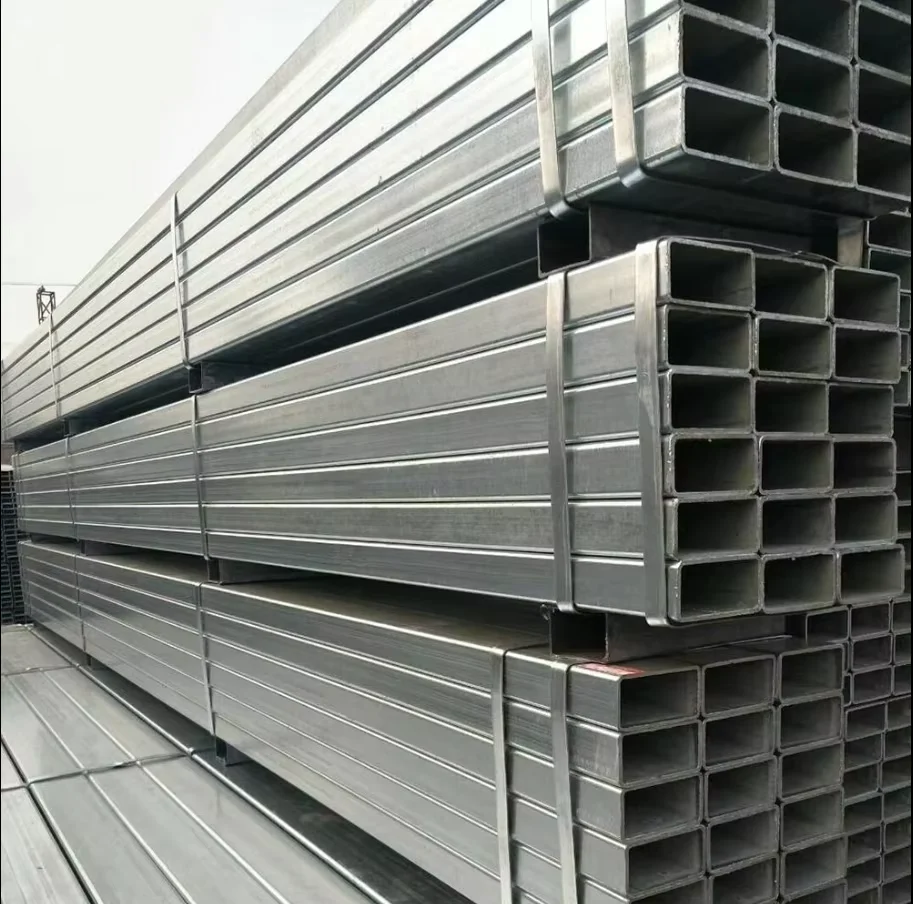
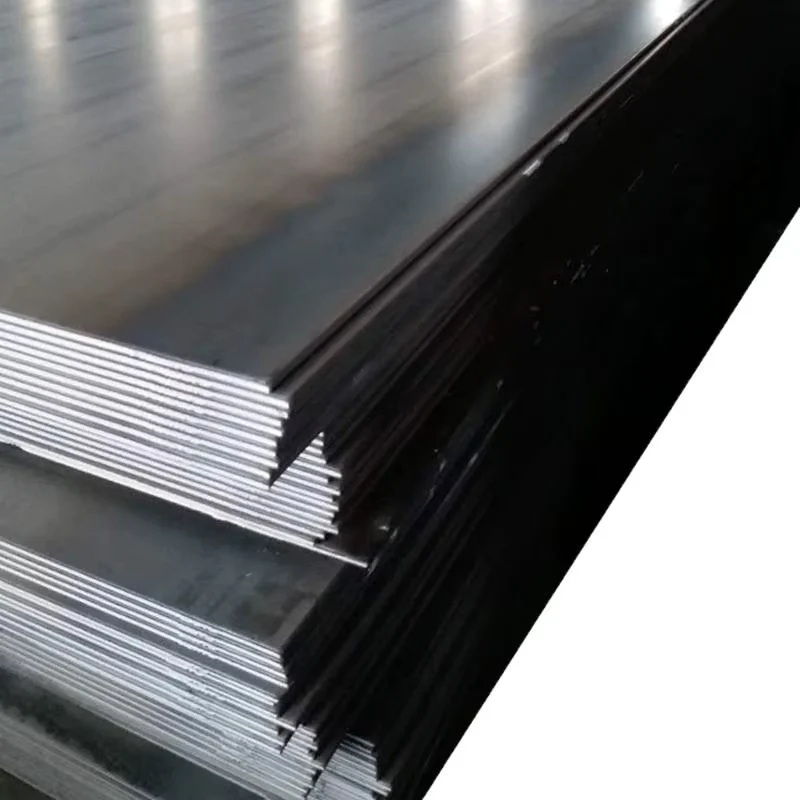
- Hot rolled Q235B Q345B steel plate bundled with steel strips and edge protectors to preserve flat edges during transit
- Surface protection through anti-rust oil coating applied before bundling to prevent oxidation on the 0.8–1.2 mm gauge during ocean shipping
- Container loading optimized for plates up to 1500 mm width, with weight distribution plans preventing bundle shift in 20ft and 40ft units
- Custom cutting to project-specified lengths before packing, reducing on-site waste and secondary cutting labor at destination
- Heat number and grade markings stenciled on each bundle for traceability verification upon arrival at industrial equipment workshops
- FOB, CIF, and DDP shipping terms available with full export documentation support for 50+ country destinations
Initiating Your Q235B Q345B Steel Plate Inquiry
Submit plate thickness, width, quantity, and processing requirements — including cutting dimensions or bending drawings — to receive a detailed quotation with mill test certificate confirmation. Specify destination port and required certifications to determine applicable documentation and third-party inspection arrangements. Custom non-standard sizes and processing combinations are evaluated for production feasibility and lead time at the inquiry stage.
Frequently Asked Questions
Q: What is the difference between Q235B and Q345B for equipment fabrication?
A: Q235B provides adequate strength for light structural frames and enclosures, while Q345B offers higher yield capacity suitable for load-bearing equipment bases and dynamic stress applications. Both grades are available in hot rolled condition with the same processing services.
Q: Can you cut and bend Q235B Q345B steel plate to custom dimensions?
A: Yes, processing services include cutting to specified lengths and widths, bending to drawn radii, decoiling, punching, and welding preparation. Custom dimensions are confirmed at the inquiry stage with feasibility and lead time details.
Q: What documentation accompanies a Q235B Q345B steel plate shipment?
A: Each order includes mill test certificates covering chemical composition and dimensional verification, ISO 9001:2015 quality certification, and export customs documents. Third-party inspection through SGS or BV is available upon request.
Q: How is thin gauge plate protected during ocean shipping?
A: Plates receive anti-rust oil coating before bundling with steel strips and edge protectors. Container loading plans account for weight distribution and bundle securing to prevent edge damage and surface contact marks during transit.
Q: What is the tolerance standard for 0.8–1.2 mm hot rolled plates?
A: Thickness tolerance is maintained at ±1% across the full width and length of each plate, verified through in-house laboratory measurement before shipment. Mill test certificates document actual measured values for each batch.
Get Your Q235B Q345B Steel Plate Quote with Mill Test Certificates
Send your plate specifications, processing requirements, and destination details to receive pricing and certification confirmation within one business day.
Shandong Xin Jiyuan Special Steel Tube Co., Ltd
Tel: +86 531 8573 6315
Mobile/WhatsApp/WeChat: +86 188 5315 7756
Email: admin@sdxjypipe.com
Website: www.sdxjypipe.com