

Description
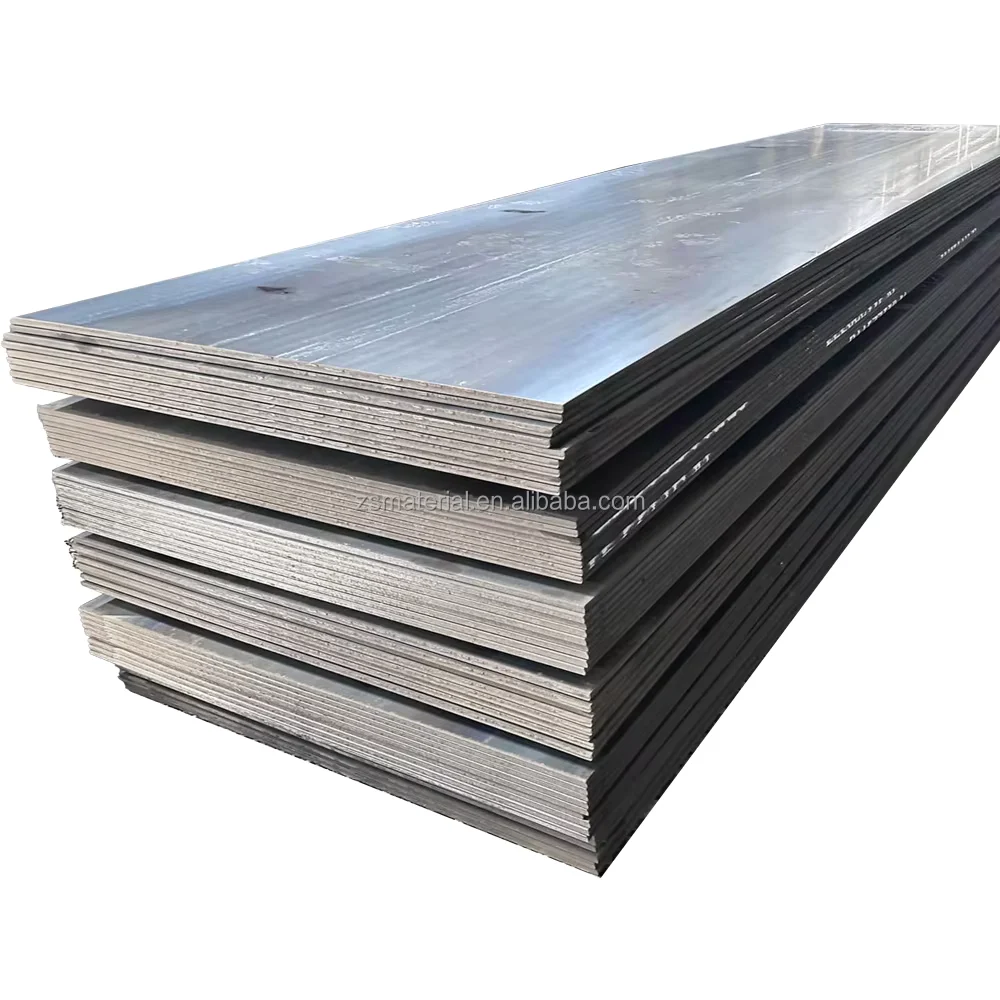
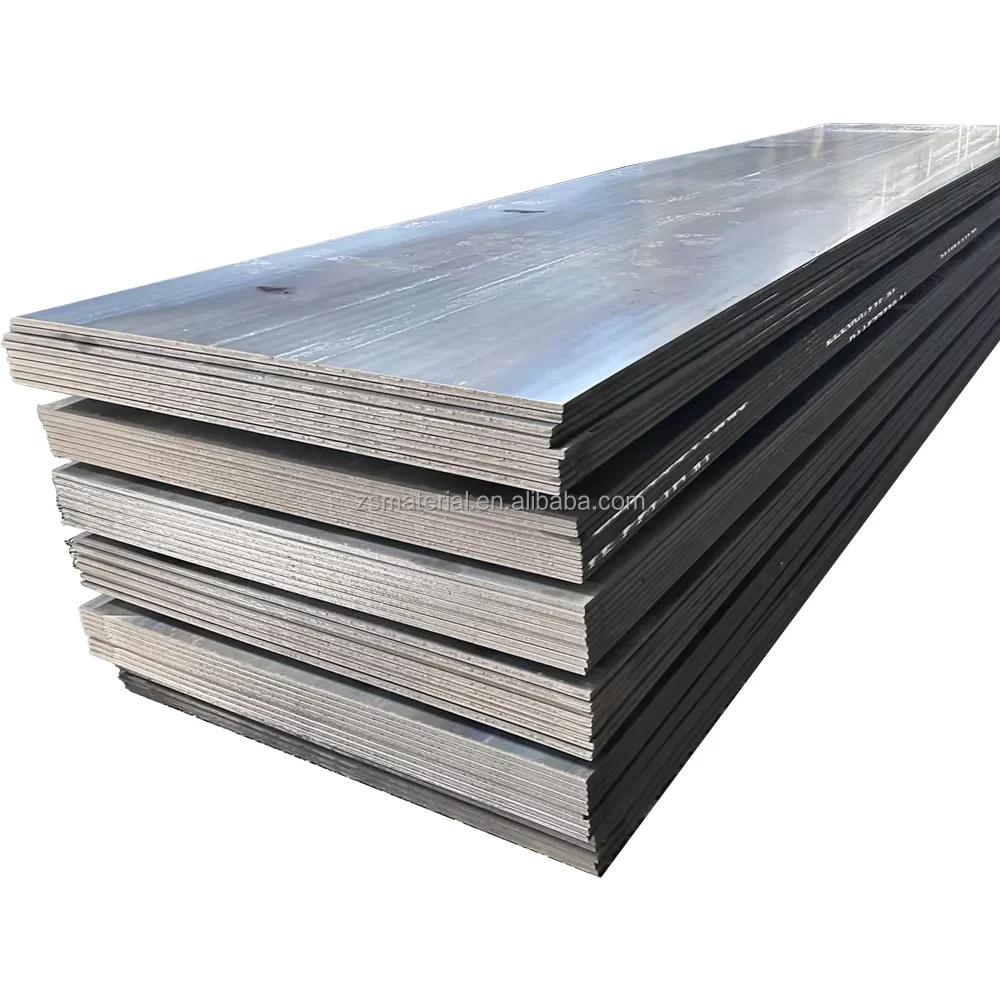
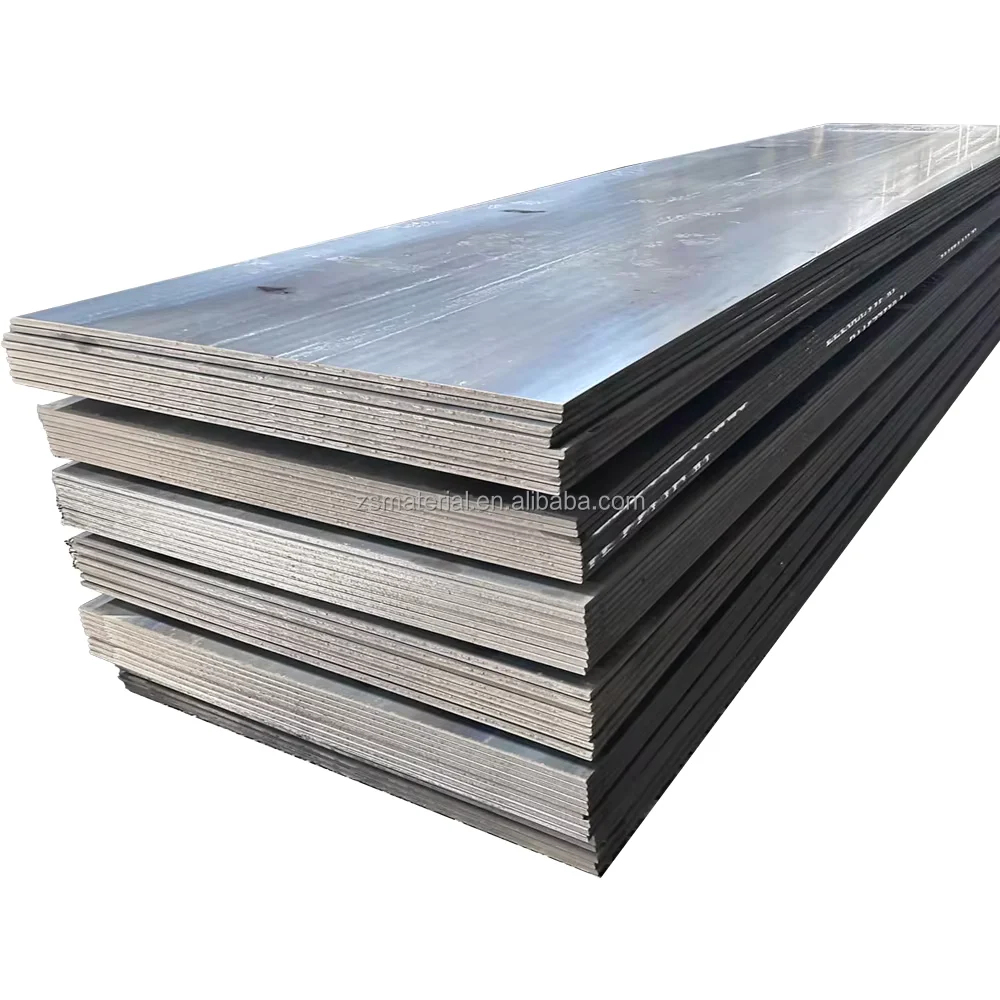
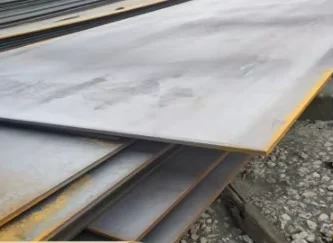
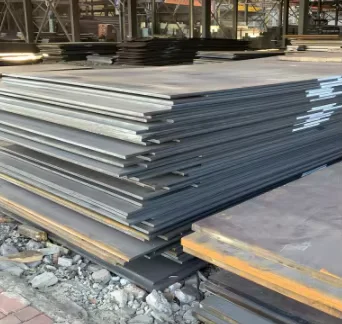
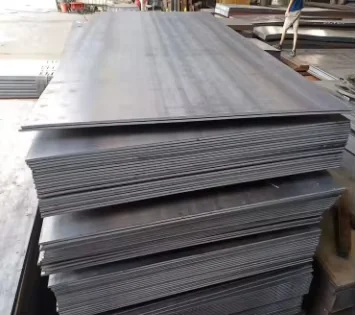
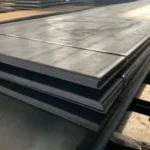
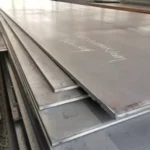
Factory-direct Q235B plate supply — Hot rolled carbon steel plates in 3–200mm thickness, galvanized surface, produced and shipped directly from our mill with in-house laboratory testing and full mill test certificates.
Technical Specifications
| Parameter | Value |
|---|---|
| Designation | Q235B Hot Rolled Carbon Steel Plate |
| Product Type | Steel Plate |
| Steel Grade | Q235B |
| Standard | GB/T 700 (Q235B); ASTM / JIS / DIN / BS / AISI equivalents available |
| Section Shape | Plate |
| Thickness Range | 3–200mm |
| Technique | Hot Rolled |
| Surface Treatment | Galvanized |
| Processing | Bending / Welding / Cutting |
| Application | Shipbuilding / Structural fabrication / Pressure vessels / Construction / Industrial machinery |
| Origin | Shandong, China |
Application Suitability
| Industry | Typical Applications |
|---|---|
| Shipbuilding | Hull plating, deck structures, bulkhead frames |
| Construction & Infrastructure | Building frames, bridge gusset plates, foundation base plates |
| Industrial Machinery | Machine base plates, conveyor support frames, equipment enclosures |
| Pressure Vessels | Non-pressure structural shells, tank bottom plates, support saddles |
What Galvanized Coating Thickness Means for Plate Acceptance on Site
A galvanized plate that fails coating inspection at destination gets rejected — regardless of base metal quality.
When sourcing Q235B hot rolled carbon steel plate with galvanized surface treatment, buyers in marine and outdoor structural projects frequently encounter zinc layer inconsistency. Some shipments arrive with coating thickness below the contract requirement, triggering third-party re-inspection failure and forcing re-galvanization at destination — adding weeks to project timelines and significant unplanned cost. The root cause often lies in inconsistent galvanizing line control at origin, not in the base steel itself. [NEED_CITE: hot-dip galvanized coating thickness standards for structural steel]
Matching Q235B Plate to Shipbuilding and Structural Fabrication Demands
Shipbuilding and heavy structural projects require plates that combine formability with corrosion resistance in marine environments. The Q235B hot rolled carbon steel plate in 3–200mm thickness range covers everything from light gauge deck plating to heavy base plates for equipment foundations. Hot rolling ensures uniform grain structure suitable for bending and welding, while the galvanized surface provides sacrificial corrosion protection critical for salt-air exposure zones. Our in-house physical and chemical laboratory tests each heat before release, ensuring coating adhesion and base metal composition meet GB/T 700 requirements prior to shipment.
Engineering Compliance and Certification Requirements
Structural plate used in shipbuilding and load-bearing frames must comply with dimensional tolerances and material traceability standards recognized by classification societies and engineering codes. For projects targeting EU markets, EN 10210 / EN 10219 dimensional and material requirements often serve as the baseline reference; North American projects typically reference ASTM A36 or A572 equivalents. Q235B maintains recognized equivalence to ASTM A36 and JIS SS400 in carbon content and yield behavior, but proper documentation of this equivalence is essential for customs clearance and engineering approval. [NEED_CITE: steel grade equivalence mapping between GB, ASTM, and EN standards] Third-party inspection through SGS or BV can be arranged to verify coating thickness, dimensional accuracy, and mechanical properties before container loading, reducing acceptance risk at destination ports.
Understanding Q235B Grade and Hot Rolled Galvanized Process
Q235B belongs to the Chinese GB/T 700 carbon structural steel system, where the “Q” prefix indicates yield strength designation and “235” references the minimum yield point category. This grade offers balanced weldability and formability, making it suitable for ship plate applications where cutting, bending, and welding are routine fabrication operations. The hot rolling process produces plates with consistent internal structure across the 3–200mm thickness range, avoiding the lamination risks associated with thicker cast or forged alternatives. Galvanizing applies a zinc coating through hot-dip immersion, creating a metallurgical bond with the steel substrate that provides both barrier protection and cathodic sacrificial defense against corrosion. For projects in coastal or high-humidity environments, this surface treatment extends service life significantly compared to bare hot rolled plate. [NEED_CITE: hot-dip galvanizing process and coating adhesion mechanisms]
Hidden Costs of Incorrect Plate Procurement
Ordering Q235B hot rolled carbon steel plate without verified coating thickness documentation creates downstream risk across multiple project phases. Material that arrives with substandard zinc coating fails third-party inspection at destination, triggering rejection, re-galvanization cost, and schedule delays that cascade through construction milestones. Grade misidentification — receiving material that does not genuinely conform to Q235B chemical composition — can compromise weld integrity in shipbuilding applications and trigger structural safety reviews. Missing or incomplete mill test certificates block customs clearance in regulated markets, leaving containers stranded at port with accumulating demurrage charges. [NEED_CITE: consequences of non-conforming steel material in structural engineering projects]
Procurement Confidence Through Verified Supply Chain
Our production facility operates dedicated hot rolling lines covering the full 3–200mm plate thickness range, eliminating the need to source from multiple mills for different gauge requirements. Each production batch undergoes chemical composition analysis and mechanical testing in our in-house physical and chemical laboratory before release, with mill test certificates generated per heat number for full material traceability. We hold ISO 9001:2015 certification and maintain Lloyd’s CE marking capability, alongside SGS and BV verification arrangements for projects requiring independent third-party inspection. Our export experience spanning 50+ countries means our loading teams understand the specific requirements for plate bundling, edge protection, and container weight distribution to prevent transit damage. Custom non-standard sizes and cut-to-length processing are available with low minimum order quantities, supporting both project-specific procurement and trader inventory programs.
Documentation & Compliance
- Mill test certificate documenting Q235B chemical composition (C, Si, Mn, P, S) and mechanical properties per GB/T 700, issued per heat number
- CE certificate confirming compliance with EN 10210 / EN 10219 dimensional and material requirements for EU market entry
- ISO 9001:2015 quality management system certificate covering hot rolled plate production and galvanizing processes
- SGS or BV third-party inspection report verifying galvanized coating thickness, dimensional accuracy, and surface quality prior to shipment
- Material traceability documentation linking each plate to specific heat number, production date, and test results
- Complete customs documentation including packing list, bill of lading, and certificate of origin for destination port clearance
Packaging, Loading & Delivery
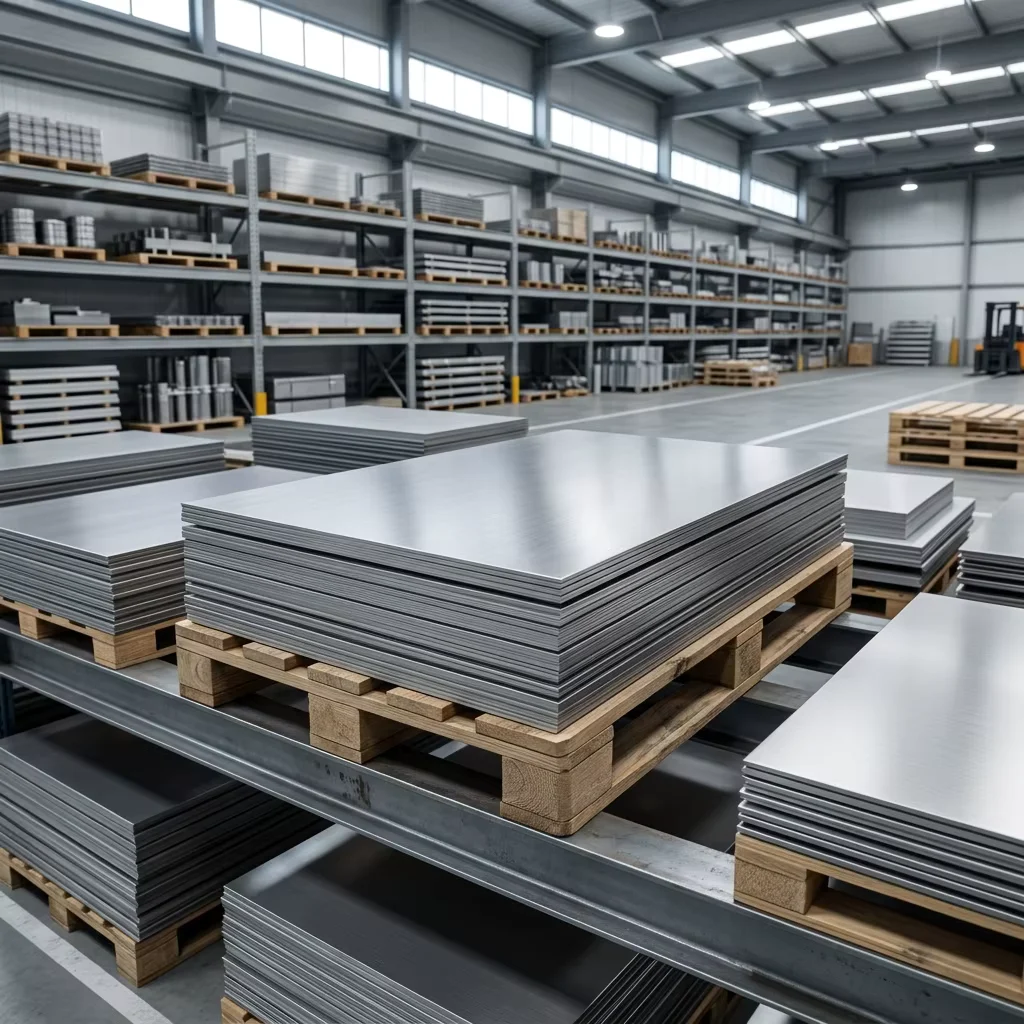
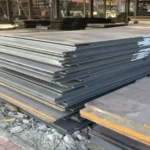
- Hot rolled Q235B plates bundled with high-tensile steel straps and separated by timber dunnage to prevent surface scratching during ocean transit
- Galvanized surface protected with edge guards and waterproof wrapping to preserve zinc coating integrity through humidity exposure during shipping
- Container loading optimized for 3–200mm plate thickness combinations, with weight distribution calculated to maximize payload while maintaining axle limits at destination
- Cut-to-length and custom sizing available to match project-specific dimensions, reducing on-site cutting waste and fabrication time
- Heat number and Q235B grade stenciled on each plate surface for on-site identification and traceability verification
- FOB, CIF, and DDP shipping terms available with professional export documentation and tracking through delivery
Initiating Your Plate Procurement Inquiry
Submit your required plate thickness, dimensions, steel grade confirmation, surface treatment preference, and destination port to receive a detailed quotation including unit pricing, production lead time, and shipping terms. Our technical team reviews each inquiry within 12 hours and provides mill test certificate samples and coating thickness specifications for your engineering approval before contract commitment.
Request Q235B Plate Quotation with Mill Test Certificate
Provide your plate specifications, quantity, and destination to receive pricing and material documentation within 12 hours.
Contact: Shandong Xin Jiyuan Special Steel Tube Co., Ltd
Tel: +86 531 8573 6315
Mobile/WhatsApp/WeChat: +86 188 5315 7756
Email: admin@sdxjypipe.com
Website: www.sdxjypipe.com
Frequently Asked Questions
Q: What is the equivalence between Q235B and international steel grades?
A: Q235B under GB/T 700 maintains chemical composition and mechanical property equivalence to ASTM A36 in the US system, JIS SS400 in the Japanese system, and EN S235JR in the European system. We provide cross-reference documentation and can supply material tested against multiple standards for projects requiring dual certification.
Q: Can you provide third-party inspection for galvanized coating thickness?
A: Yes, we arrange SGS or BV third-party inspection prior to shipment to verify galvanized coating thickness, surface quality, and dimensional accuracy. Inspection reports are provided alongside our in-house mill test certificates for complete quality documentation.
Q: What is the minimum order quantity for custom-sized Q235B plates?
A: We offer flexible minimum order quantities for custom non-standard sizes and cut-to-length processing. Specific MOQ depends on thickness and dimensions requested — contact our team with your requirements for detailed pricing and production scheduling.
Q: How do you ensure galvanized coating quality during production?
A: Our galvanizing line follows controlled hot-dip immersion processes with in-line coating thickness measurement. Each batch undergoes laboratory testing for coating adhesion, uniformity, and thickness before release. Mill test certificates document coating specifications per heat number.
Q: What shipping terms and documentation do you provide for international plate orders?
A: We offer FOB, CIF, and DDP shipping terms with complete export documentation including mill test certificates, packing lists, bills of lading, and certificates of origin. Professional container loading with edge protection and weight optimization ensures plate arrival in undamaged condition.