


Description
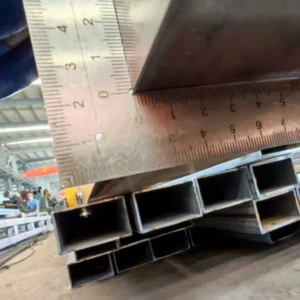
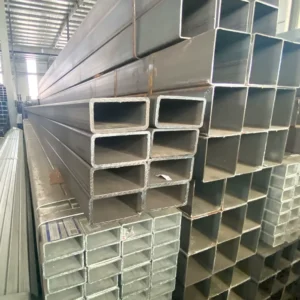
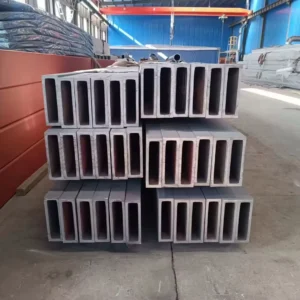
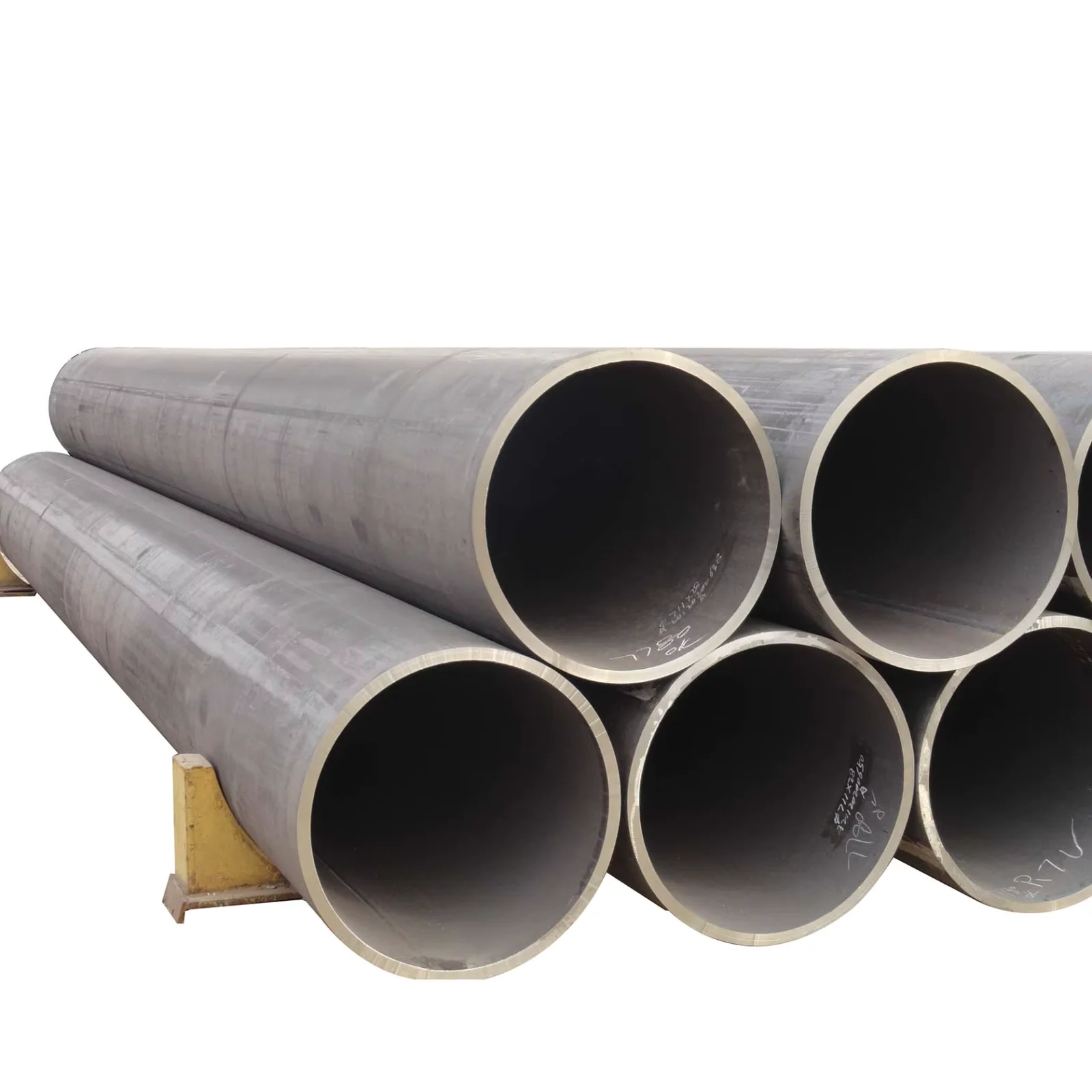
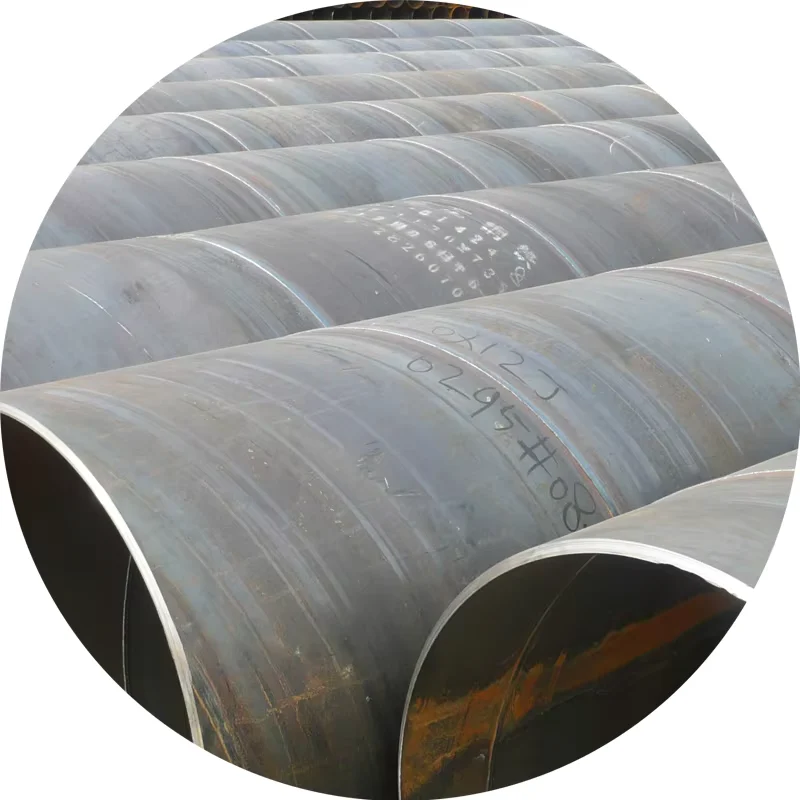
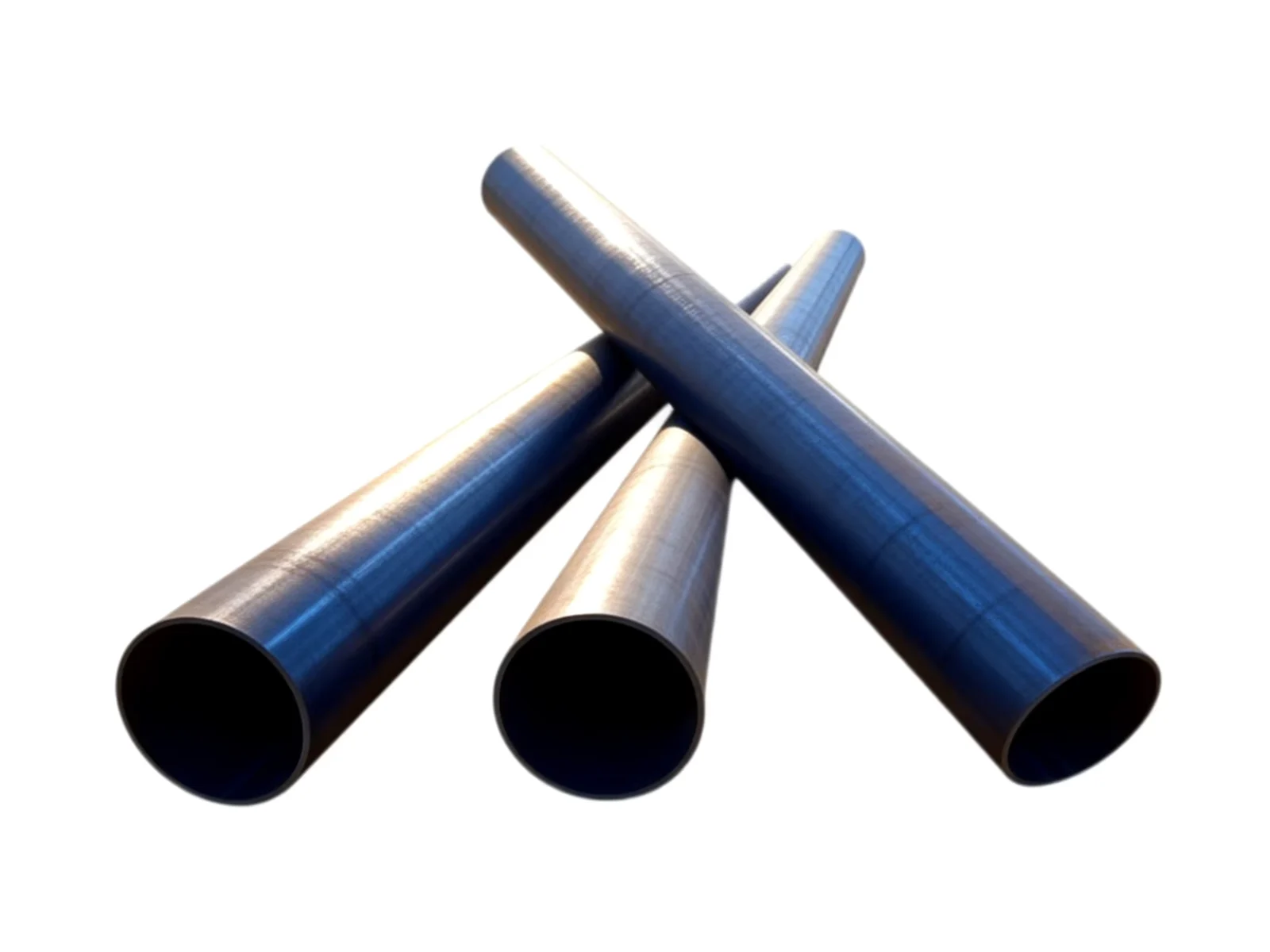
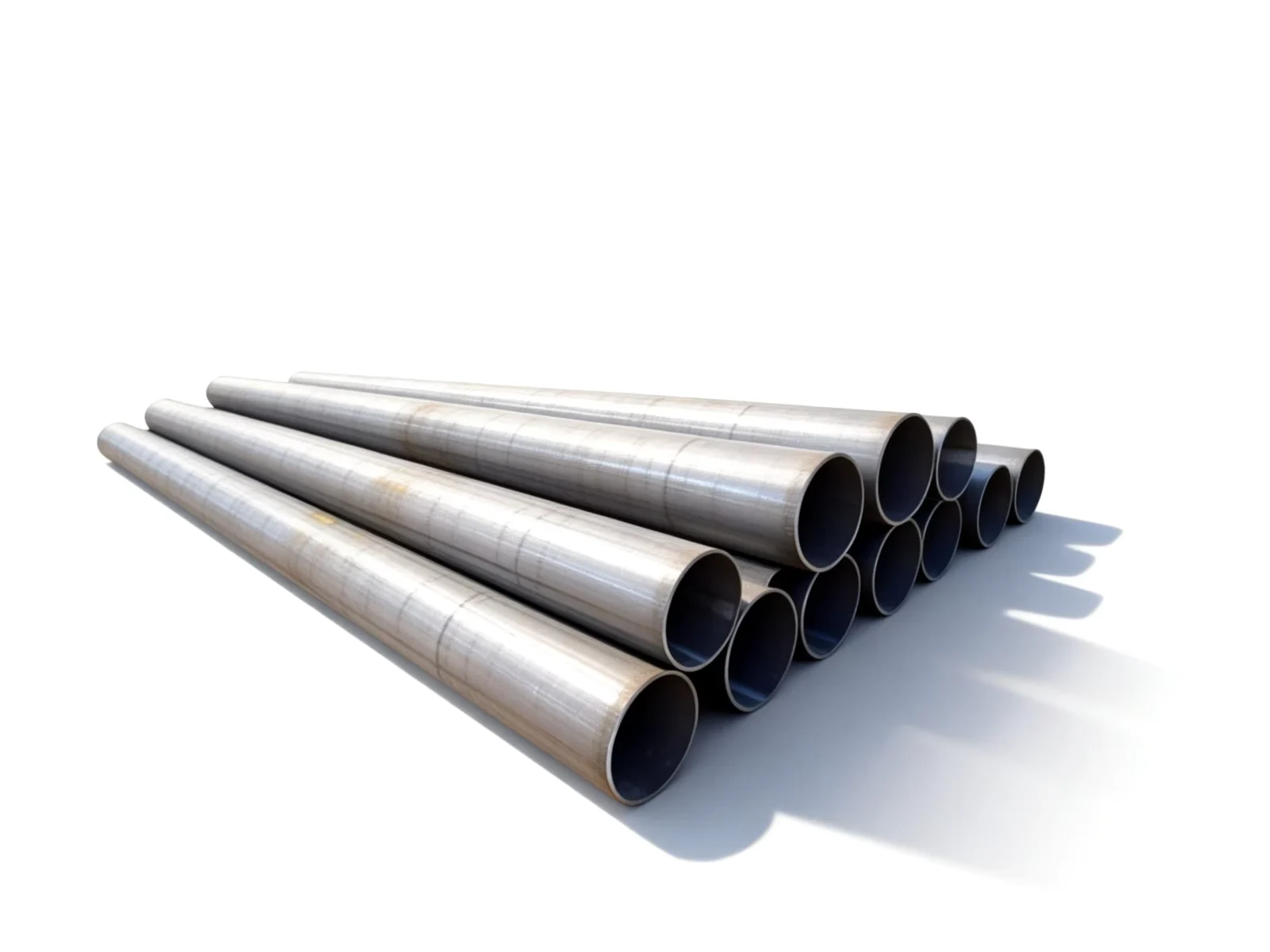
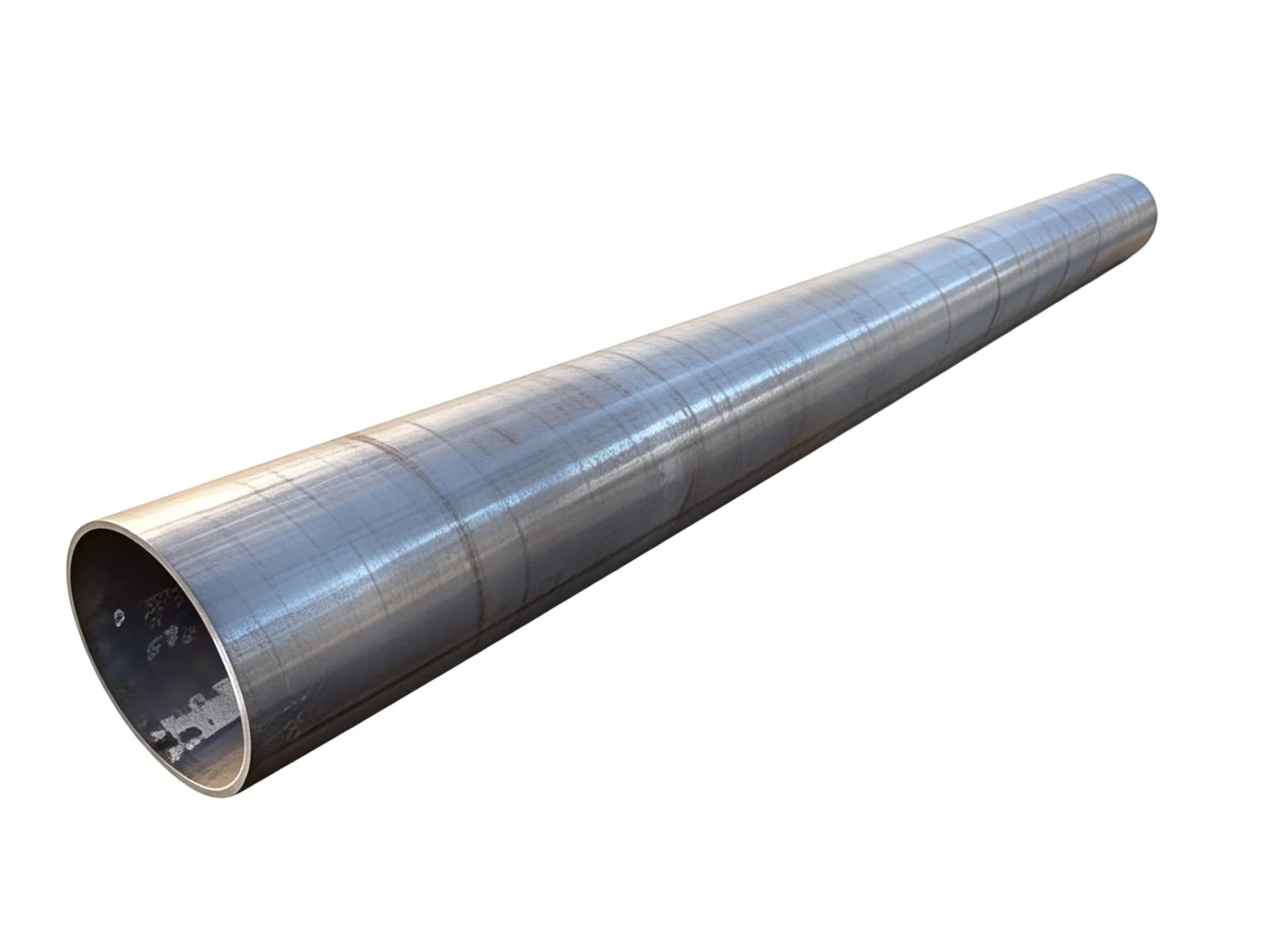
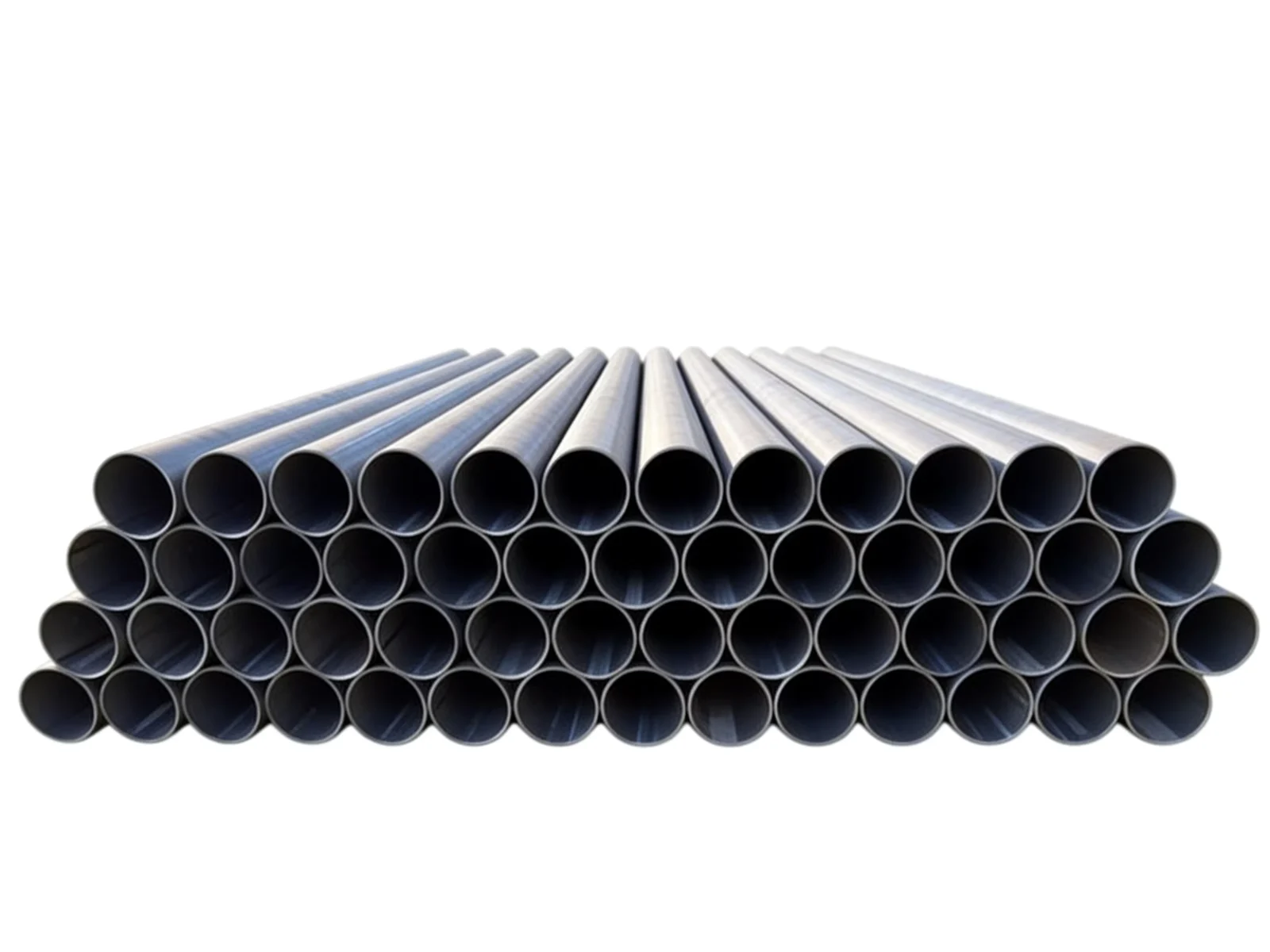
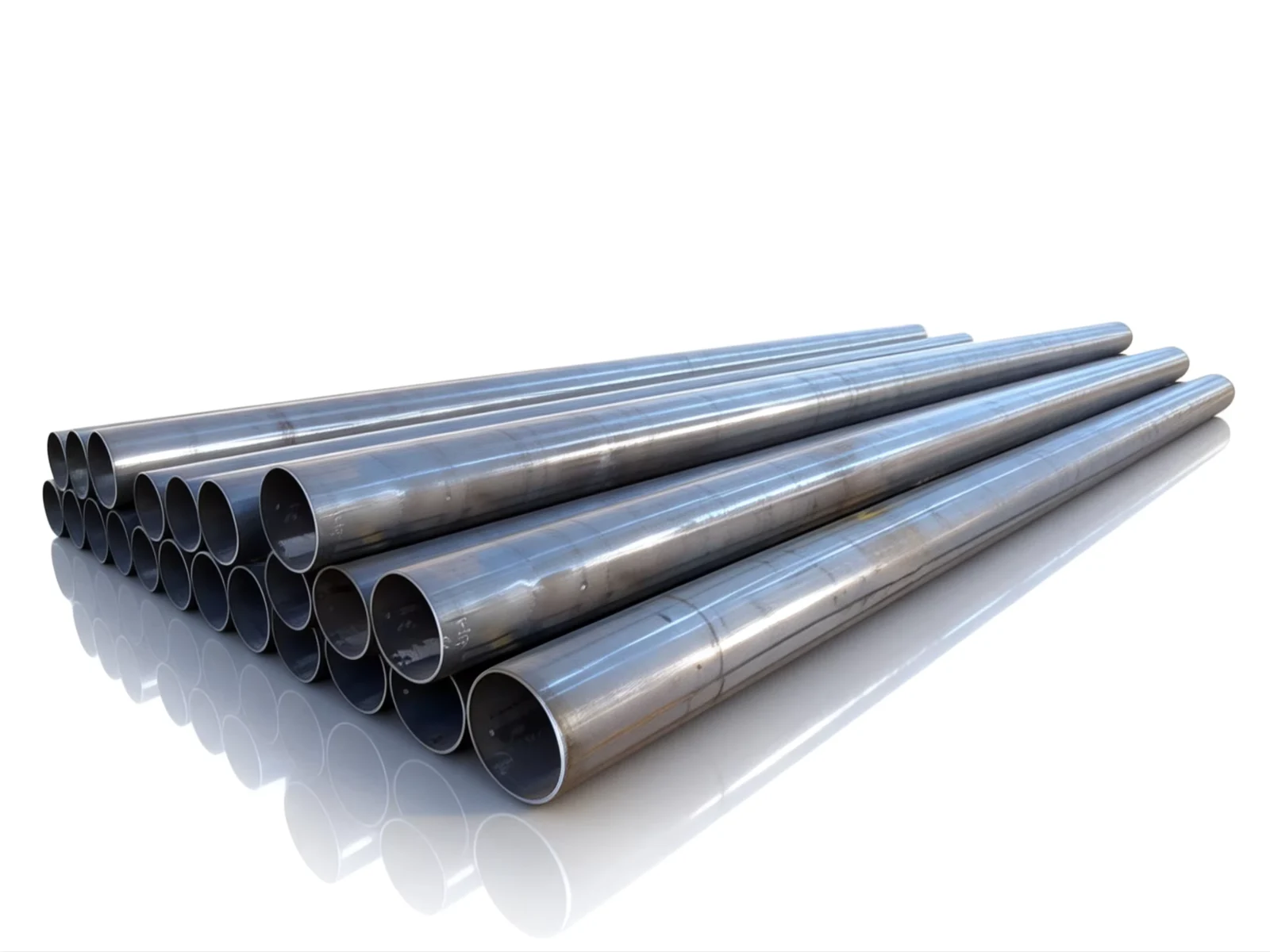
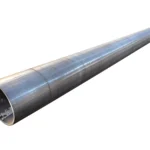
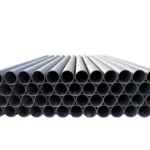
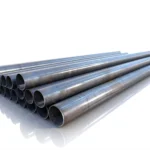
Direct Mill Supply for ASTM ERW Round Pipes — Q235 and Q345 grades produced under ASTM standard with ±5% tolerance, invoiced by actual weight and verified through in-house physical and chemical laboratory testing before shipment.
Technical Specifications
| Parameter | Value |
|---|---|
| Designation | Q235/Q345 Round Steel Pipe |
| Product Type | Round Steel Pipe |
| Steel Grade | Q235, Q235B, Q345, Q345B |
| Standard | ASTM |
| Section Shape | Round |
| Outer Diameter | 21.3–1219.2 mm |
| Technique | ERW |
| Surface Treatment | Cold Rolled |
| Tolerance | ±5% |
| Length | 12 m |
| Ends | Plain / Beveled |
| Processing Service | Bending |
| Oiled or Non-oiled | Non-Oiled |
| Invoicing | By Actual Weight |
| Delivery Time | 31–45 days |
| Application | Structure Pipe / Steel structures / Construction frames / Fencing / Greenhouse |
| Origin | Shandong, China |
Application Suitability
| Industry | Typical Applications |
|---|---|
| Construction & Infrastructure | Building frames, column supports, truss systems for commercial and industrial structures |
| Steel Structure Fabrication | Primary and secondary structural members, bracing tubes, connection nodes |
| Agricultural & Horticultural | Greenhouse skeleton frames, trellis supports, irrigation pipe racks |
| Fencing & Security | Perimeter fence posts, gate frames, bollard foundations |
| General Engineering | Conveyor supports, equipment bases, handrail structures |
Where Grade Confusion Between Q-Series and ASTM Standards Delays Project Approval
Q235 and Q345 map to different ASTM designations — ordering without equivalence confirmation risks material rejection at site inspection.
Buyers sourcing Q235/Q345 ERW round steel pipe supplier products for North American or European projects frequently encounter specification mismatches. The GB/T 700 and GB/T 1591 grade systems do not align one-to-one with ASTM A53 or A500, and procurement teams without metallurgical support often receive material that passes mill inspection but fails third-party verification at destination [NEED_CITE: steel grade equivalence between GB, ASTM and EN standards]. Cold rolled surface finish on these ERW pipes provides dimensional accuracy suitable for visible structural applications, yet the ±5% tolerance band means actual wall thickness can vary — particularly problematic when invoicing by actual weight without prior alignment on theoretical versus net weight expectations.
Matching Cold Rolled ERW Round Pipes to Structural Frame Requirements
The 21.3–1219.2 mm outer diameter range covers everything from small-bore handrail posts to large-column structural tubes, while the cold rolled finish delivers the smooth surface that architectural and exposed-structure projects demand. Q235 serves general-purpose framing where extreme load capacity is not required, whereas Q345 provides higher yield strength for primary structural members in multi-storey buildings and industrial sheds. The 12 m fixed length aligns with standard container loading and reduces on-site welding joints, though bending services allow fabrication of curved members for arch structures and canopy frames without subcontracting external processors.
Engineering Compliance and Certification Pathways for ASTM-Marked Pipes
Structural engineers specifying ASTM-compliant round hollow sections require documentation that traces chemical composition and mechanical properties to each production heat [NEED_CITE: ASTM A53 and A500 structural hollow section compliance requirements]. For projects in regulated markets, the CE marking under EN 10219 or EN 10210 becomes mandatory for customs clearance, and our Lloyd’s CE certification covers both standard and heavy-wall production. The in-house physical and chemical laboratory performs dimensional verification, tensile testing, and chemical analysis per batch — ensuring that Q345 material shipped to Southeast Asian infrastructure projects meets both the nominal grade requirements and the specific project specification addendums that often exceed baseline standard thresholds.
Understanding ERW Welding, Cold Rolling, and Q-Grade Steel Behavior
ERW (Electric Resistance Welding) forms round tubes by rolling steel strip into cylindrical shape and welding the seam through electrical current — a process that delivers consistent wall thickness and smooth internal bore compared to SSAW for smaller diameters. The cold rolling surface treatment follows forming, removing mill scale and achieving tighter dimensional tolerance than hot-rolled finish, which matters when pipes must slide through collars or connect to precision-machined fittings. Q235 represents mild carbon steel with good weldability and formability, suitable for secondary structures and non-critical load paths; Q345 contains manganese and micro-alloying elements that raise yield strength while maintaining ductility for seismic-zone construction. The ±5% tolerance applies across the diameter range, but buyers should note that negative tolerance accumulation on heavy-wall orders can shift actual weight significantly below theoretical calculation — a point that must be contractually settled before production begins.
The Hidden Costs of Tolerance Misalignment and Missing Mill Documentation
Ordering Q235/Q345 ERW round steel pipe supplier material without confirmed tolerance terms and verified mill test certificates creates downstream risk across the entire procurement chain. Material that arrives with undocumented chemistry cannot pass structural engineer approval, forcing either costly re-testing or complete rejection and re-order [NEED_CITE: structural steel documentation requirements for project acceptance]. Negative tolerance beyond ±5% reduces load-bearing capacity below design assumptions, while surface defects from improper loading — bending, scratching, or zinc damage on galvanized variants — generate claims that delay project timelines and strain contractor relationships.
Procurement Assurance Through Verified Production and Inspection Capability
Our 3 production lines cover over 2,800 specifications including the full Q235/Q345 ERW round pipe range, eliminating the need to split orders across multiple mills with inconsistent quality control. The in-house physical and chemical laboratory tests every heat for composition and mechanical properties before release, generating mill test certificates that satisfy both client requirements and third-party inspector verification. Full international certification — ISO 9001:2015, Lloyd’s CE under EN 10219/10210, and Singapore FPC — ensures that ASTM-marked pipes clear customs in regulated markets without documentation disputes. Professional container loading with anti-damage measures prevents the bending and surface scratching that generates destination rejection, while actual-weight invoicing eliminates the theoretical-versus-net weight disputes that have caused entire shipments to be refused.
Documentation & Compliance
- Mill test certificate documenting Q235/Q345 chemical composition and mechanical properties per ASTM standard, traceable to heat number
- CE certificate under EN 10219/EN 10210 for cold-formed structural hollow sections, issued by Lloyd’s Register for European market compliance
- ISO 9001:2015 quality management system certificate covering ERW pipe production and cold rolled surface treatment processes
- SGS or BV third-party inspection report available upon request, covering dimensional verification, visual inspection, and witness testing
- Material traceability documentation linking each pipe to production heat number, with steel grade and standard marked on each piece
- Complete customs documentation including packing list, bill of lading, and certificate of origin for destination clearance
Packaging, Loading & Delivery
- Q235/Q345 ERW round pipes bundled with steel strips in seaworthy packaging, with 12 m fixed length optimized for 20ft and 40ft container loading
- Cold rolled surface protected by anti-rust measures during ocean transit, with non-oiled finish suitable for immediate painting or coating upon arrival
- Container loading plan prepared per outer diameter range, with 21.3–219 mm pipes nested for space efficiency and 300–1219 mm pipes secured with timber chocks to prevent rolling
- Heat number and steel grade stenciled on each pipe end for site identification, with bundle tags matching mill test certificate references
- FOB, CIF, and DDP shipping terms available, with typical production lead times of 31–45 days depending on order volume and specification complexity
Initiating Procurement for Q235/Q345 ERW Round Pipe Requirements
Submit your specification sheet including outer diameter, wall thickness, total quantity, and destination port to receive detailed quotation with unit pricing and mill test certificate confirmation. Our engineering team will verify grade equivalence against your project standard and confirm tolerance terms before contract execution, ensuring alignment between theoretical specifications and actual-weight invoicing expectations.
Request Quotation with Mill Test Certificate Confirmation
Provide your Q235/Q345 ERW round pipe specifications, quantity, and destination to receive pricing and documentation confirmation within 12 hours.
Contact: Shandong Xin Jiyuan Special Steel Tube Co., Ltd
Email: admin@sdxjypipe.com
Tel: +86 531 8573 6315
Mobile/WhatsApp/WeChat: +86 188 5315 7756
Frequently Asked Questions
Q: How do Q235 and Q345 grades compare to ASTM A53 and A500 standards?
A: Q235 and Q345 are Chinese national standard grades under GB/T 700 and GB/T 1591 respectively. While they share similar chemical composition ranges with certain ASTM designations, exact equivalence depends on specific mechanical property requirements. Our technical team provides grade mapping documentation to support your material selection and specification compliance verification.
Q: What mill test certificates are provided with Q235/Q345 ERW round pipes?
A: Each shipment includes mill test certificates documenting chemical composition and mechanical properties per heat number, produced by our in-house physical and chemical laboratory. Third-party inspection through SGS or BV can be arranged before shipment for additional verification.
Q: How does cold rolled surface finish differ from hot-rolled or galvanized options?
A: Cold rolled finish provides tighter dimensional tolerance and smoother surface compared to hot-rolled, making it suitable for visible structural applications and precision connections. Unlike galvanized coating, cold rolled surface requires subsequent painting or coating for corrosion protection in outdoor environments.
Q: How is the ±5% tolerance applied and does actual-weight invoicing affect total cost?
A: The ±5% tolerance applies to wall thickness and outer diameter measurements. Invoicing by actual weight means you pay for the net weight delivered rather than theoretical calculation, which provides cost transparency but requires clear contractual agreement on tolerance expectations before production.
Q: How are 12 m ERW round pipes packed to prevent damage during ocean shipment?
A: Pipes are bundled with steel strips and secured with timber chocks inside containers, with smaller diameters nested for space efficiency. Anti-damage measures prevent bending and surface scratching during transit, with loading plans optimized per outer diameter range to maximize container utilization.