



Description
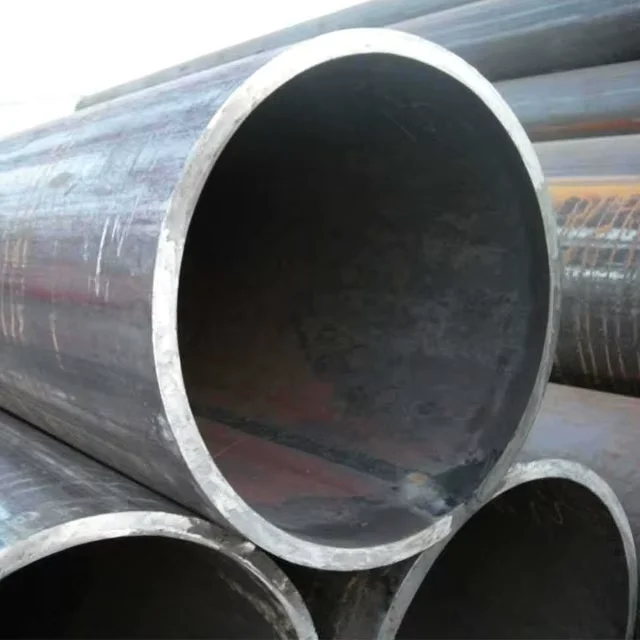
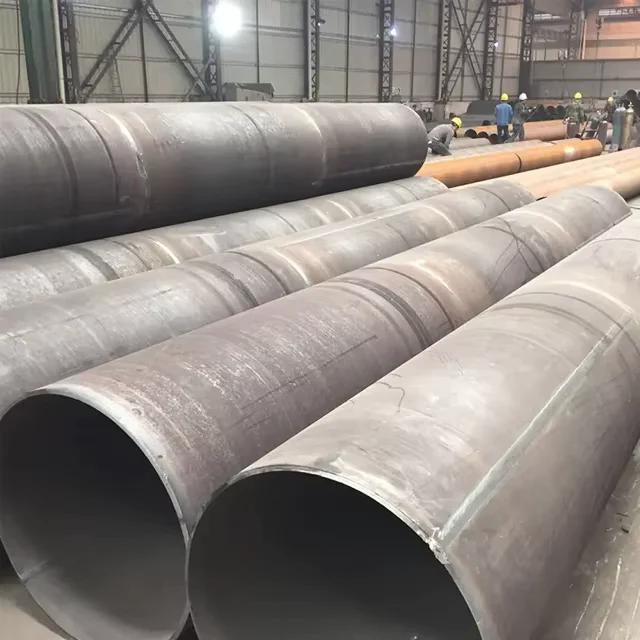
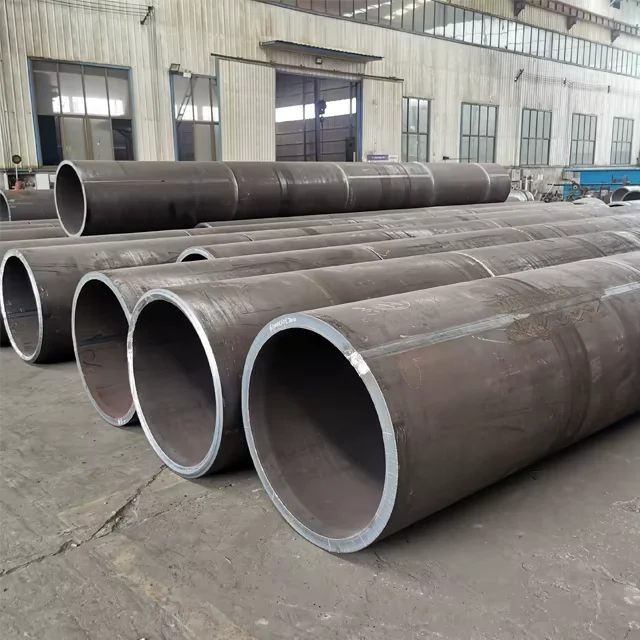
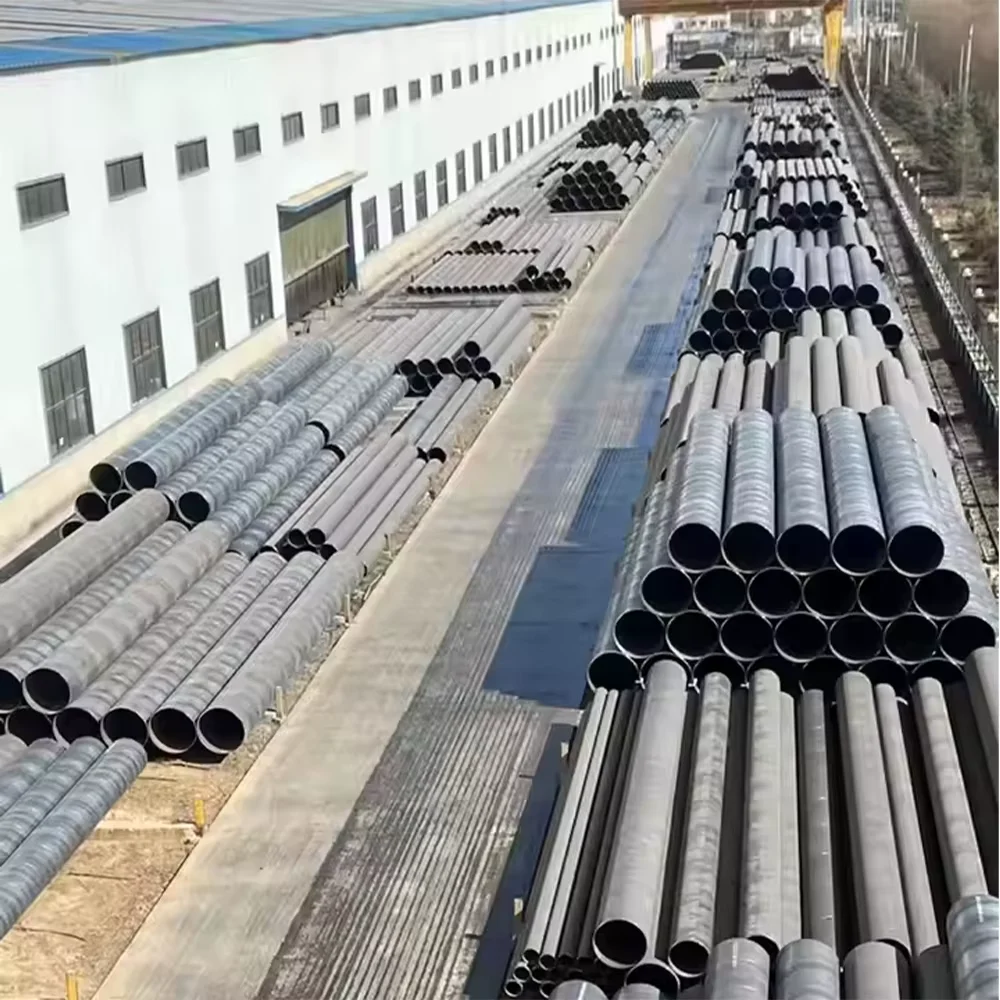
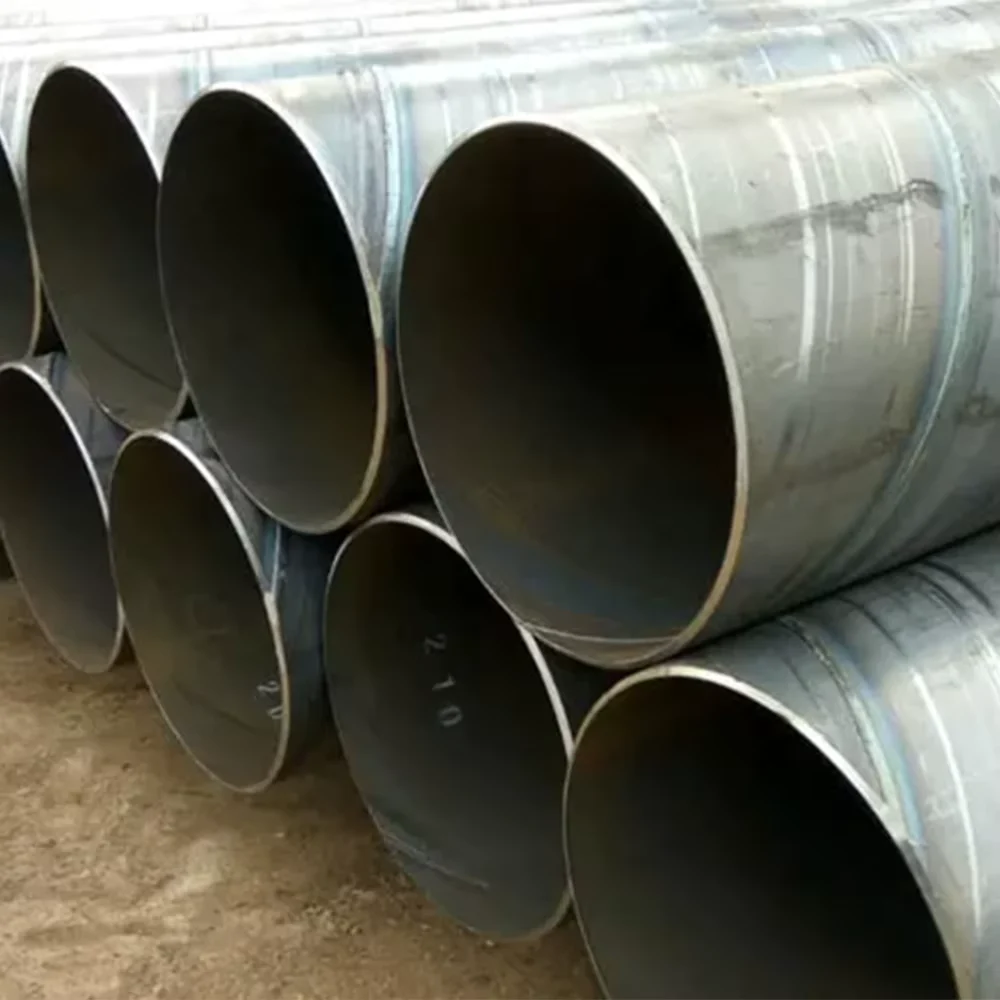
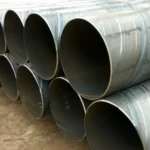
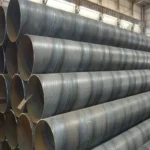
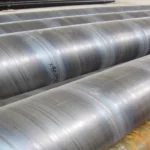
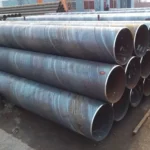
Factory-Direct SSAW Piling Pipe — In-house hot dip galvanizing line ensures coating thickness compliance before every shipment leaves Jinan.
Technical Specifications
| Parameter | Value |
|---|---|
| Designation | Q235 Hot Dip Galvanized Spiral Welded Steel Pipe |
| Product Type | SSAW Steel Pipe / Spiral Welded Steel Pipe |
| Steel Grade | Q235, Q195, Q345, Grade B, X42, X52, X60, X70, L245, L290, L360, L390, L415, S235JR, S355JR |
| Standard | ASTM, GB/T 3091-2001, GB/T 13912-2002, BS 1387, ASTM F1083 |
| Section Shape | Round |
| Outer Diameter | 10–1000 mm |
| Wall Thickness | 1–80 mm |
| Length | 6–12 m (customizable) |
| Technique | Hot Dip Galvanized / Spiral Welded (SSAW) |
| Surface Treatment | Hot Dip Galvanized |
| Ends | Plain / Beveled (as required) |
| Application | Piling and foundation construction, fluid delivery, structural pipe, curtain wall, machinery parts, greenhouse structure, fence post |
| MOQ | 5 Tons |
| Origin | Shandong, China |
Application Suitability
| Industry | Typical Applications |
|---|---|
| Civil Engineering & Infrastructure | Piling and foundation construction for high-rise buildings, bridges, and retaining walls |
| Marine & Waterfront | Foundation piling for docks, jetties, and coastal structures requiring corrosion protection |
| Construction & Structural | Ground support structures, curtain wall framing, and fence post systems |
| Industrial & Agricultural | Greenhouse structures, machinery parts, and fluid delivery for water and gas |
Galvanizing Coating Thickness Is the Real Cost Driver on Buried Piling Projects
Zinc layer failure underground costs ten times more to repair than it does to galvanize properly at the mill.
Piling pipes sit in aggressive soil and marine environments for decades. When the galvanized coating falls short of specification, corrosion starts at weld seams and cut ends — exactly where structural integrity matters most. I have seen entire container loads rejected at destination ports because third-party inspectors measured coating thickness below contract requirements. The rework, return freight, and project delays wipe out any savings from buying cheaper pipe. A Hot Dip Galvanized Spiral Welded Steel Pipe for Piling Supplier must prove coating compliance with mill test certificates before the container is sealed [NEED_CITE: hot dip galvanizing coating thickness requirements for buried steel structures].
How Spiral Welded Construction Meets Deep Foundation Load Requirements
The SSAW process produces continuous spiral seams that distribute load evenly along the pipe length — critical for driven piling that must withstand impact forces during installation. With outer diameters ranging from 10 mm to 1000 mm and wall thickness up to 80 mm, these pipes cover everything from light-duty fence posts to heavy-load bridge foundations. The hot dip galvanizing process coats both external and internal surfaces, providing uniform corrosion protection that extends service life in saturated soil conditions. Custom cutting to exact piling driving depths eliminates on-site welding joints, which are weak points for both structural performance and corrosion resistance.
Engineering Compliance for Piling in Regulated Markets
Foundation piling must conform to structural design codes such as EN 1993 for European projects and AISC standards for North American construction. Steel grade selection directly affects load-bearing capacity — Q235 and S235JR serve general structural piling, while higher grades like Q345 and S355JR are specified for heavy-load bridge and high-rise foundations. Hot dip galvanizing to GB/T 13912-2002 or ASTM F1083 standards ensures coating thickness meets durability requirements for buried applications. Third-party inspection by SGS or BV verifies coating adhesion and thickness before shipment, which is essential for customs clearance in EU and regulated markets [NEED_CITE: EN 10219 structural hollow section compliance for foundation piling].
Steel Grade Selection and Spiral Welding Process Explained
Q-series grades (Q195, Q235, Q345) follow the Chinese GB standard system where the number indicates minimum yield strength in MPa. S-series grades (S235JR, S355JR) conform to European EN standards, while ASTM and API grades (Grade B, X42–X70, L245–L415) serve North American and pipeline applications. Grade equivalence across these systems requires careful cross-referencing to avoid material mismatches during procurement [NEED_CITE: steel grade equivalence between GB, EN, and ASTM standards for structural piling].
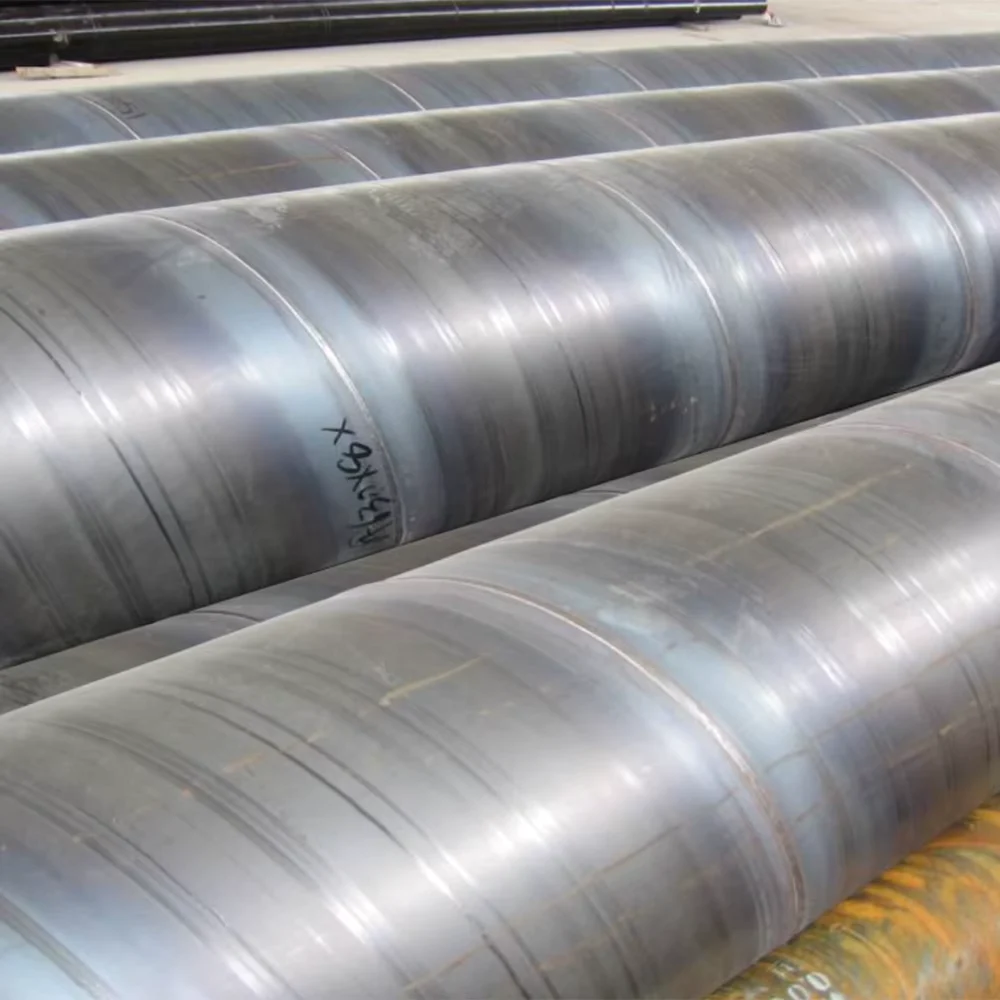
The spiral submerged arc welding (SSAW) process forms pipe by continuously winding steel strip at a helical angle and welding both inner and outer seams. This method suits large-diameter pipes (up to 1000 mm OD) with heavy wall thickness (up to 80 mm) that straight-seam processes cannot produce economically. The spiral seam geometry provides superior resistance to internal pressure and external load compared to longitudinal welded alternatives.
Hot dip galvanizing immerses the finished pipe in molten zinc at approximately 450°C, forming a metallurgical bond between zinc and steel substrate. The resulting coating consists of multiple zinc-iron alloy layers topped by pure zinc, providing both barrier protection and sacrificial cathodic protection. This dual mechanism is essential for piling pipes exposed to soil moisture, chlorides, and varying pH levels over decades of service.
Hidden Costs of Incorrect Galvanizing Specification on Piling Orders
Ordering piling pipe without specifying minimum coating thickness invites disputes at destination. Electro-galvanized pipes with thin zinc layers may pass visual inspection at the mill but fail salt spray testing and field durability requirements. Coating thickness below contract specification triggers rejection by third-party inspectors, forcing return shipments or on-site re-galvanizing — both options cost multiples of the original galvanizing premium. Missing or incomplete mill test certificates delay customs clearance and may result in cargo detention at port [NEED_CITE: hot dip galvanized coating inspection standards for structural steel].
Procurement Confidence from a Jinan-Based SSAW Pipe Manufacturer
Every Hot Dip Galvanized Spiral Welded Steel Pipe for Piling Supplier claim we make is backed by our in-house physical and chemical laboratory. We test coating thickness, adhesion, and salt spray resistance on every production batch before release. Our facility holds ISO 9001:2015 certification and Lloyd’s CE marking for EN 10210/EN 10219 compliance, enabling smooth customs clearance across 50+ export markets. With three production lines covering over 2,800 specifications, we handle both standard and non-standard piling pipe requirements without subcontracting. Professional container loading with anti-damage measures protects the galvanized coating during ocean transit, eliminating surface defects that cause field rejection.
Documentation & Compliance
- Mill test certificate documenting Q235 chemical composition and mechanical properties per GB/T 3091-2001 for each production heat
- CE certificate confirming compliance with EN 10219 for structural hollow sections exported to European Union markets
- ISO 9001:2015 quality management system certificate covering hot dip galvanizing and spiral welding processes
- SGS or BV third-party inspection report verifying galvanized coating thickness and adhesion test results
- Material traceability documentation linking each pipe to heat number, steel grade, and production date
- Complete customs documents including packing list, bill of lading, and certificate of origin for destination clearance
Packaging, Loading & Delivery
- Hot dip galvanized SSAW pipes bundled with steel strips and edge protectors to preserve zinc coating during handling and ocean transit
- Custom cut lengths (6–12 m) matched to container dimensions for optimized loading and reduced freight cost per ton
- Pipe ends capped with plastic protectors to prevent moisture ingress and coating damage at beveled or plain ends
- Heat number and steel grade marked on each pipe surface for site identification and material traceability verification
- Professional container loading with anti-damage measures including timber chocks and separation layers for heavy wall thickness pipes
- FOB, CIF, and DDP shipping terms available with full export documentation and tracking until port arrival
Start Your Piling Pipe Inquiry with Complete Specifications
Submit your required outer diameter, wall thickness, steel grade, length, quantity, and destination port to receive a detailed quotation with unit price, production lead time, and shipping terms. We provide mill test certificates and third-party inspection reports for quality confirmation before shipment. For non-standard sizes or custom coating requirements, our technical team reviews your specification and confirms feasibility within typical production timelines.
Request a Quotation for Hot Dip Galvanized SSAW Piling Pipe
Send your project specifications including OD, wall thickness, steel grade, quantity, and destination port to receive pricing and mill test certificate samples.
Contact:
Company: Shandong Xin Jiyuan Special Steel Tube Co., Ltd
Tel: +86 531 8573 6315
Mobile/WhatsApp/WeChat: +86 188 5315 7756
Email: admin@sdxjypipe.com
Website: www.sdxjypipe.com
Frequently Asked Questions
Q: What is the difference between hot dip galvanizing and electro-galvanizing for piling applications?
A: Hot dip galvanizing produces a thicker zinc coating with metallurgical bonding to the steel substrate, providing superior corrosion protection for buried piling pipes exposed to soil and marine environments. Electro-galvanizing creates a thinner coating suitable for indoor or above-ground applications but lacks the durability required for decades of underground service.
Q: How can I verify galvanized coating thickness and quality when the pipes arrive at site?
A: Coating thickness can be measured using magnetic thickness gauges at multiple points along the pipe surface. Adhesion quality is verified through bend tests or quench tests per GB/T 13912-2002 or ASTM F1083 standards. We provide mill test certificates and can arrange SGS or BV third-party inspection before shipment for independent verification.
Q: Is SSAW spiral welded pipe suitable for structural piling compared to LSAW or ERW?
A: SSAW pipe is well-suited for piling applications, particularly for large diameters (above 500 mm) and heavy wall thickness where straight-seam processes become cost-prohibitive. The spiral weld seam provides good load distribution and impact resistance during pile driving. For smaller diameters or specific project requirements, ERW or LSAW alternatives may be recommended.
Q: Can you produce non-standard outer diameters or custom lengths for piling projects?
A: Yes, we produce custom non-standard sizes within our capability range of 10–1000 mm OD and 1–80 mm wall thickness. Custom lengths are available to match your piling driving depth requirements, reducing on-site welding joints. Production lead times for custom sizes are typically longer than standard stock items.
Q: What steel grade equivalence should I specify for piling projects in different regions?
A: For Chinese standard projects, Q235 or Q345 per GB/T 3091-2001 is commonly specified. European projects typically require S235JR or S355JR per EN 10219. North American projects may specify ASTM A252 Grade 2 or 3. We can cross-reference grade equivalence and provide material certificates confirming compliance with your project specification.