


Description
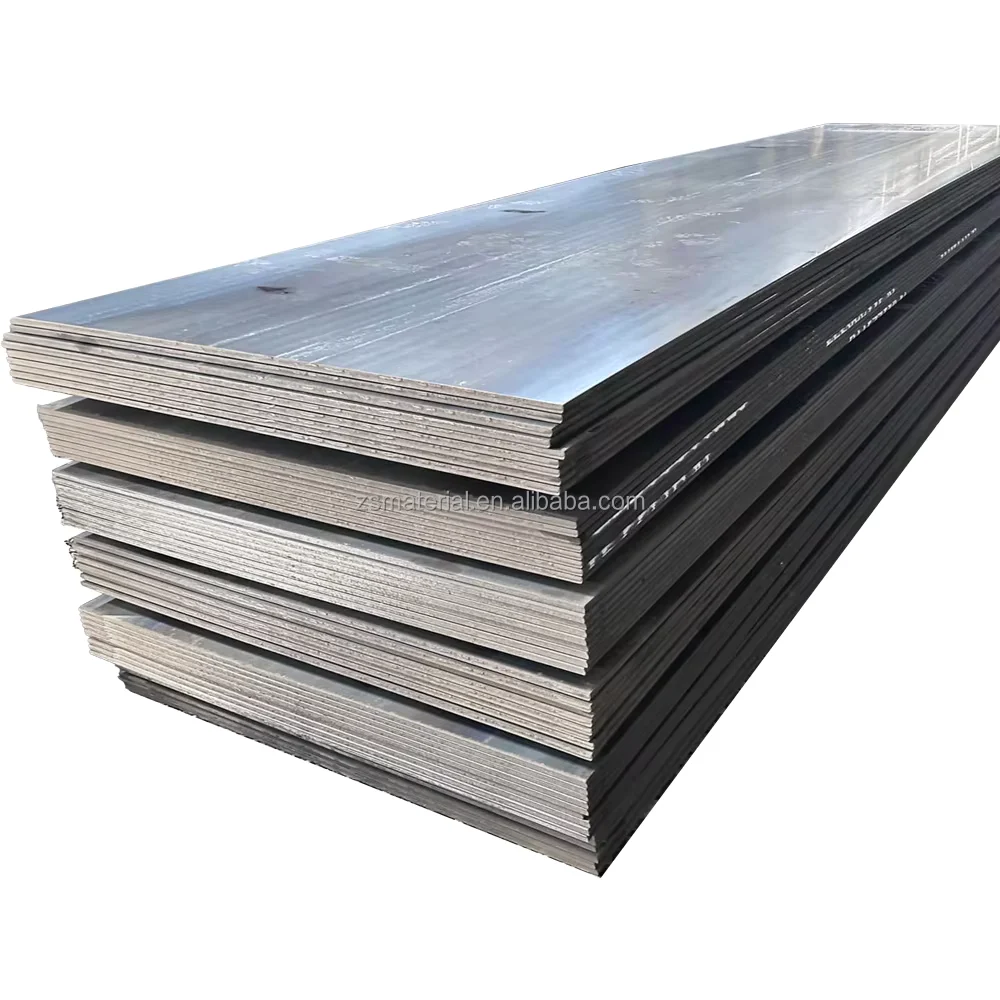
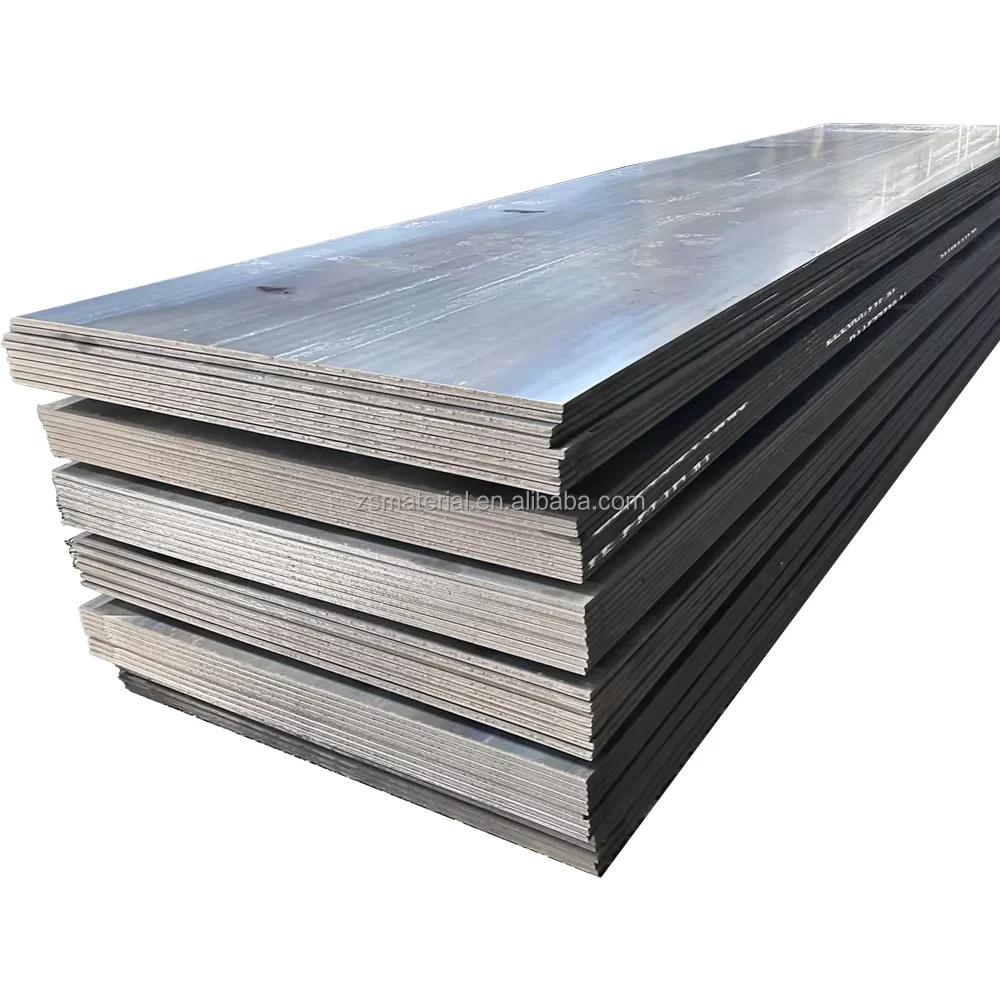
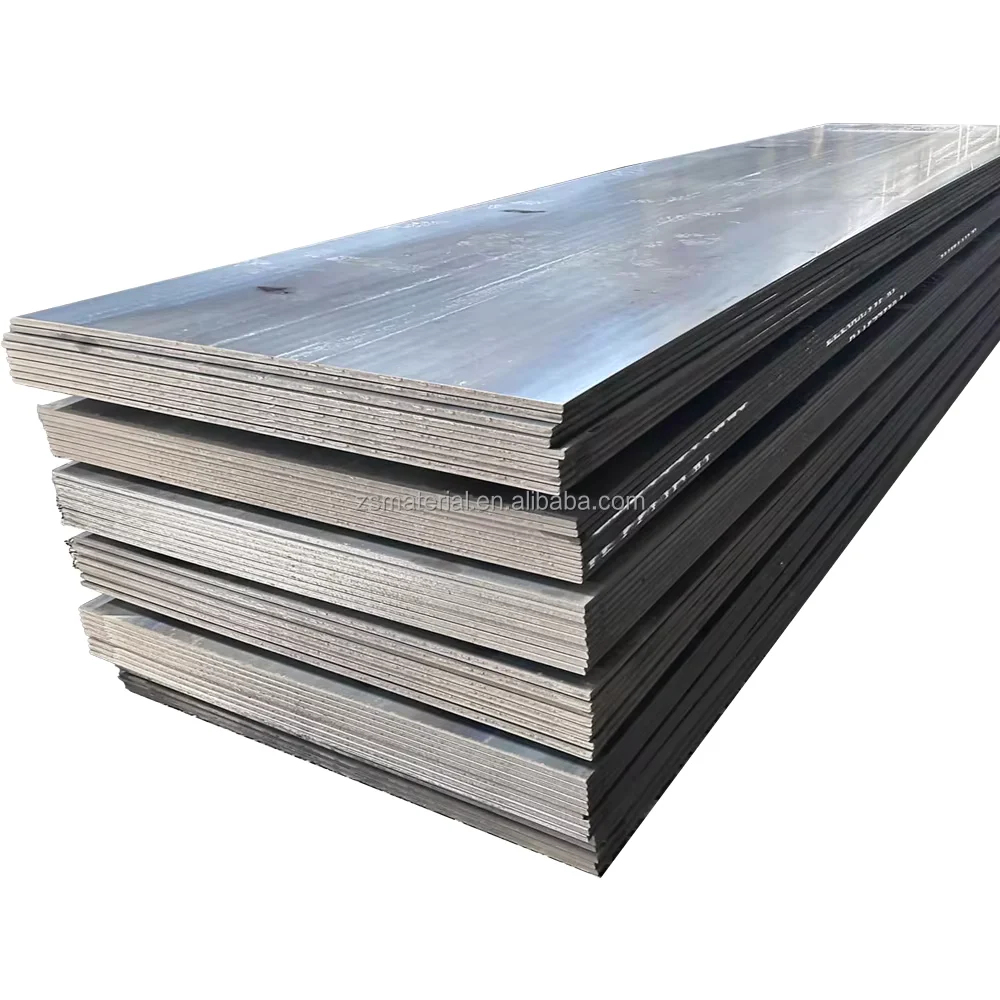
Factory-direct NM400 NM500 wear resistant steel plate — Hot rolled plates with precision cutting service and verified mill test certificates shipped to 50+ countries.
Technical Specifications
| Parameter | Value |
|---|---|
| Designation | NM400/NM500 Wear Resistant Steel Plate |
| Product Type | Steel Plate |
| Steel Grade | NM400, NM500 |
| Standard | ASTM, DIN, JIS |
| Thickness | 12mm |
| Technique | Hot Rolled |
| Surface Treatment | Coated / Cutting Service Available |
| Application | Machinery manufacturing / Mining equipment / Construction machinery / Industrial wear parts / Material handling systems |
| Origin | China |
Application Suitability
| Industry | Typical Applications |
|---|---|
| Mining & Quarrying | Excavator bucket liners, crusher jaw plates, conveyor skirting, screen panels |
| Construction Machinery | Bulldozer blade edges, loader bucket wear sheets, dump truck bed liners |
| Industrial Material Handling | Chute liners, hopper wear plates, transfer point guards, silo discharge cones |
| Cement & Aggregate Processing | Mixer drum liners, impact bars, feed chute protection plates |
Where Hardness Verification Decides Whether Your Wear Parts Survive the First Shift
NM400 NM500 wear resistant steel plate must carry certified Brinell hardness values matching the grade designation — anything below specification turns expensive downtime into routine.
Procurement teams ordering wear plates for mining buckets or crusher liners often discover hardness inconsistencies only after plates crack or wear through prematurely. Without verified mill test certificates showing actual Brinell readings per heat number, there is no way to confirm whether received plates meet NM400 or NM500 grade requirements. [NEED_CITE: Brinell hardness testing standards for wear resistant steel plates] Material mismatches between ordered grades and delivered plates create cascading failures — premature wear in conveyor systems, cracked bucket liners in excavators, and unplanned shutdowns at quarry sites. The cost of replacing a set of bucket liners is not just the steel price; it includes crane time, lost production hours, and the risk of secondary damage to base structures.
How 12mm Hot Rolled Plates Match Heavy-Duty Wear Environments
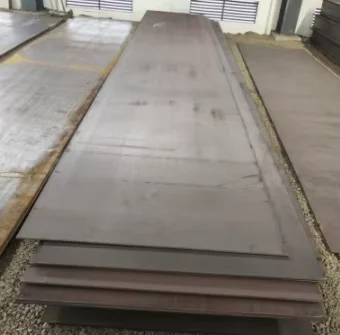
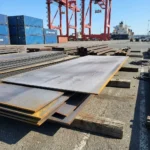
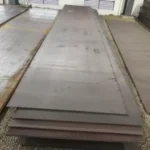
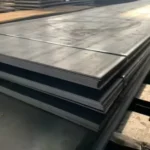
The 12mm thickness of these NM400 NM500 wear resistant steel plate products sits at the practical threshold for bolt-on wear liners in material handling systems and bucket lining applications. Hot rolled surface condition provides adequate bonding for overlay welding when plates need to be built up in high-abrasion zones, while the coated surface treatment option protects against corrosion during ocean transit and on-site storage before installation. Precision cutting service ensures plates arrive at exact dimensions for bolt-hole patterns and contour-fit installations, eliminating on-site cutting that would otherwise compromise the hardened surface layer and create stress concentration points.
Engineering Compliance and Grade Selection for Wear Applications
Wear resistant plate selection must account for the specific abrasion mechanism — low-stress sliding abrasion in chutes requires different hardness profiles than high-stress gouging abrasion in crusher liners. NM400 provides adequate hardness for moderate-duty applications like conveyor skirting and hopper liners, while NM500 targets severe-service conditions including excavator bucket faces and impact zones in aggregate processing. [NEED_CITE: Wear mechanism classification and steel grade selection for abrasion resistance] ASTM, DIN, and JIS standard compliance ensures material traceability and consistent mechanical properties across international supply chains. For projects requiring third-party verification, SGS or BV inspection confirms chemical composition and hardness values before shipment, satisfying customs requirements and engineering specification compliance for EU and North American destinations.
Understanding NM400 vs NM500: Hardness Grades and Application Boundaries
NM400 and NM500 designations refer to Brinell hardness ranges — the number indicates the approximate surface hardness value in HBW. NM500 delivers higher abrasion resistance than NM400 but requires more careful handling during cutting and welding to prevent cracking in the heat-affected zone. Hot rolled production ensures uniform hardness distribution through the plate thickness, avoiding the surface-only hardness that characterizes some case-hardened alternatives. The coated surface treatment provides temporary corrosion protection during storage and transit, though permanent corrosion resistance depends on the operating environment and may require additional surface preparation before welding or bolting. For applications combining impact and abrasion, the 12mm thickness offers a balance between wear life and weight — thick enough to resist penetration in moderate-duty service, yet manageable for manual handling during maintenance replacements.
The Hidden Cost of Unverified Wear Plate Procurement
Plates arriving with hardness below NM400 specification may appear identical to compliant material but wear through in a fraction of the expected service life, forcing premature replacement and production interruptions. Certification gaps create customs clearance delays at destination ports, particularly for EU markets requiring CE marking or specific mill documentation. [NEED_CITE: Import documentation requirements for wear resistant steel in regulated markets] Material without proper heat number traceability cannot be verified against original test certificates, leaving engineering teams unable to confirm compliance with project specifications. The true cost of unverified procurement includes not only replacement material but also crane mobilization, installation labor, and lost production revenue during unplanned downtime.
Why Procurement Teams Source NM400 NM500 Wear Resistant Steel Plate From Us
Our in-house physical and chemical laboratory tests every production batch for Brinell hardness, chemical composition, and dimensional accuracy before release, ensuring NM400 and NM500 plates meet grade specifications without exception. We maintain 2,800+ specifications across our product range, allowing consolidated sourcing of wear plates alongside structural tubes and section steel for machinery manufacturers and mining equipment builders. Full international certifications including ISO 9001:2015, Lloyd’s CE, and SGS/BV verification satisfy documentation requirements for regulated markets across Europe, North America, and the Middle East. Custom cutting service delivers plates to exact project dimensions with precision tolerances, eliminating on-site modification that could compromise surface hardness. Professional container loading with anti-damage measures prevents surface scratches and edge deformation during ocean transit, ensuring plates arrive in production-ready condition.
Documentation & Compliance
- Mill test certificate documenting NM400/NM500 chemical composition and Brinell hardness values per heat number
- Third-party inspection report from SGS or BV confirming mechanical properties and dimensional compliance before shipment
- ISO 9001:2015 quality management certificate covering production processes and testing procedures
- Material traceability documentation linking each plate to original heat number and production batch records
- Customs clearance documents including packing list, bill of lading, and certificate of origin for international shipments
- ASTM/DIN/JIS standard compliance declaration confirming material meets specified grade requirements
Packaging, Loading & Delivery
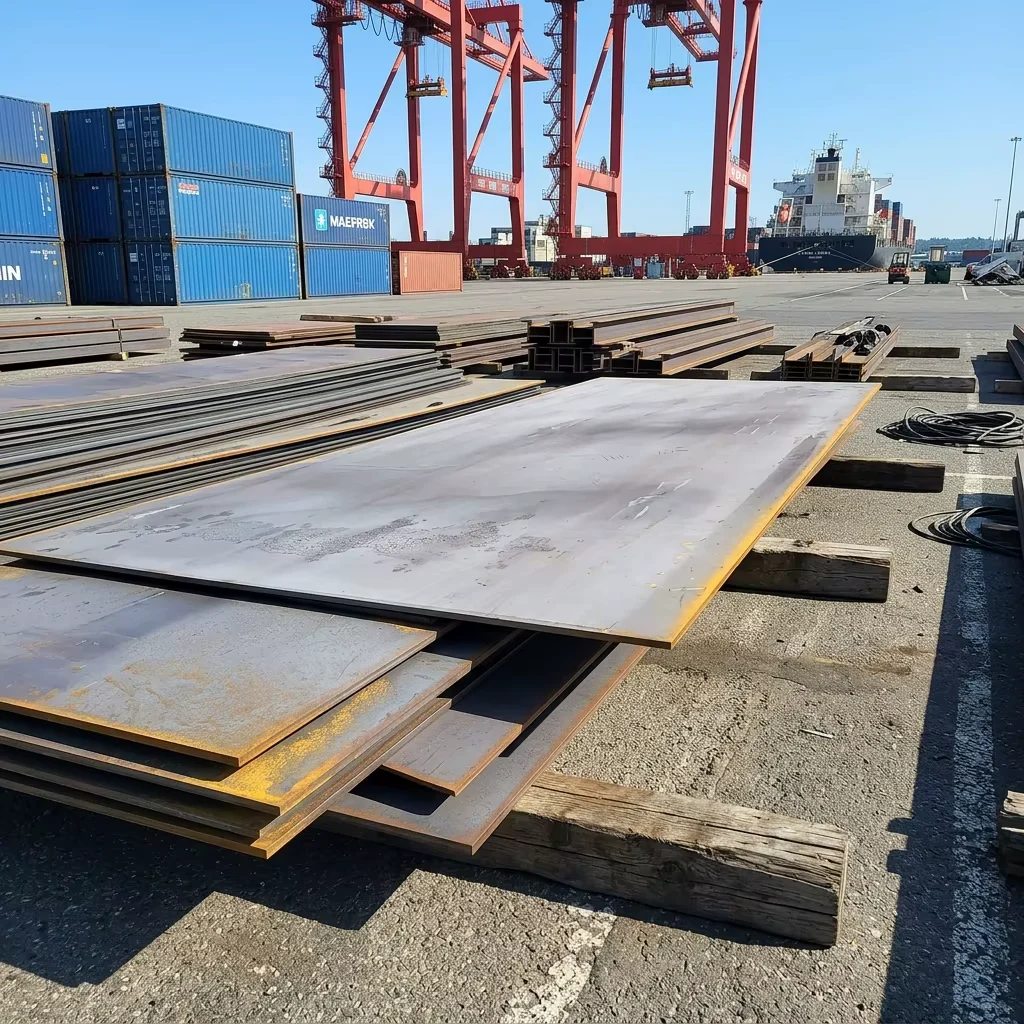
- NM400 NM500 wear resistant steel plate bundled with steel strips and edge protectors to prevent surface damage during handling and transit
- Coated surface treatment preserved through interleaving materials and moisture barriers to prevent corrosion during ocean shipping
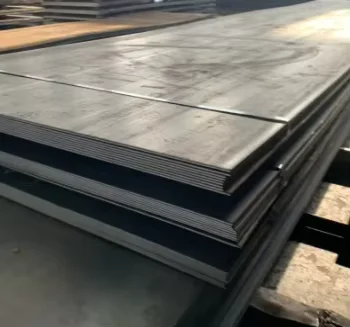
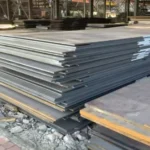
- 12mm thickness plates stacked with timber separators to maintain flatness and prevent bending in container loads
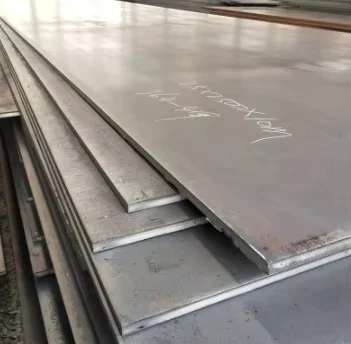
- Precision cut plates wrapped individually with heat number identification visible for site verification upon arrival
- Container loading optimized for 12mm plate dimensions to maximize payload while maintaining weight distribution for safe transport
- FOB, CIF, and DDP shipping terms available with full tracking documentation from production facility to destination port
Ready to Source Verified Wear Plates for Your Next Maintenance Shutdown?
Submit your plate dimensions, steel grade requirement, quantity, and destination port to receive a detailed quotation with mill test certificate samples and third-party inspection options. Our team confirms cutting specifications, coating requirements, and container loading plans before production begins, ensuring plates arrive ready for immediate installation.
Request Your NM400 NM500 Wear Resistant Steel Plate Quotation
Send your specifications to receive pricing, lead times, and certification documentation within 12 hours.
Contact: Shandong Xin Jiyuan Special Steel Tube Co., Ltd
Tel: +86 531 8573 6315
Mobile/WhatsApp/WeChat: +86 188 5315 7756
Email: admin@sdxjypipe.com
Frequently Asked Questions
Q: What is the difference between NM400 and NM500 in terms of hardness and application scenarios?
A: NM400 and NM500 refer to Brinell hardness ranges, with NM500 offering higher abrasion resistance for severe-service applications like excavator bucket faces and crusher impact zones. NM400 suits moderate-duty applications including conveyor skirting, hopper liners, and chute protection where extreme gouging abrasion is not present.
Q: Can you provide mill test certificates and third-party inspection reports for EU/US customs clearance?
A: Yes, we provide mill test certificates documenting chemical composition and Brinell hardness for each heat number. Third-party inspection through SGS or BV is available for independent verification before shipment, satisfying customs and engineering specification requirements for regulated markets.
Q: Do you offer custom cutting services for non-standard dimensions and shapes?
A: Precision cutting service is available for NM400 NM500 wear resistant steel plate, delivering plates to exact project dimensions with clean edges suitable for bolt-hole drilling and contour-fit installations without compromising surface hardness.
Q: What surface treatment options are available for different environmental conditions?
A: Coated surface treatment provides corrosion protection during ocean transit and on-site storage. Additional surface preparation may be required before welding or bolting depending on the specific operating environment and application requirements.
Q: What is the typical production lead time and container loading method for steel plates?
A: Standard sizes may ship from stock, while custom cut plates enter production with typical lead times confirmed upon order. Professional container loading with timber separators and edge protectors ensures plates arrive flat and undamaged at destination ports.