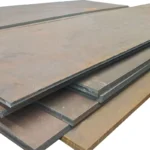
Description
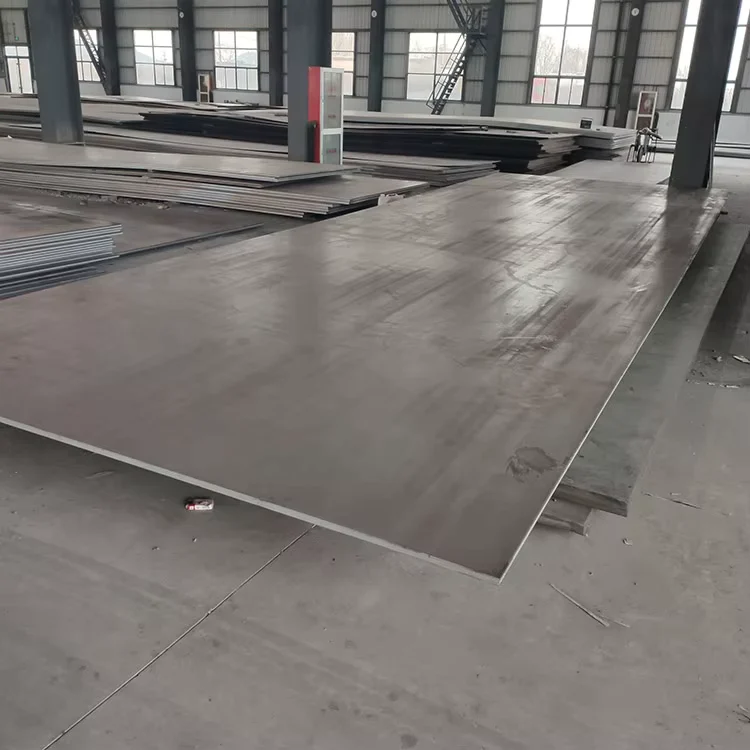
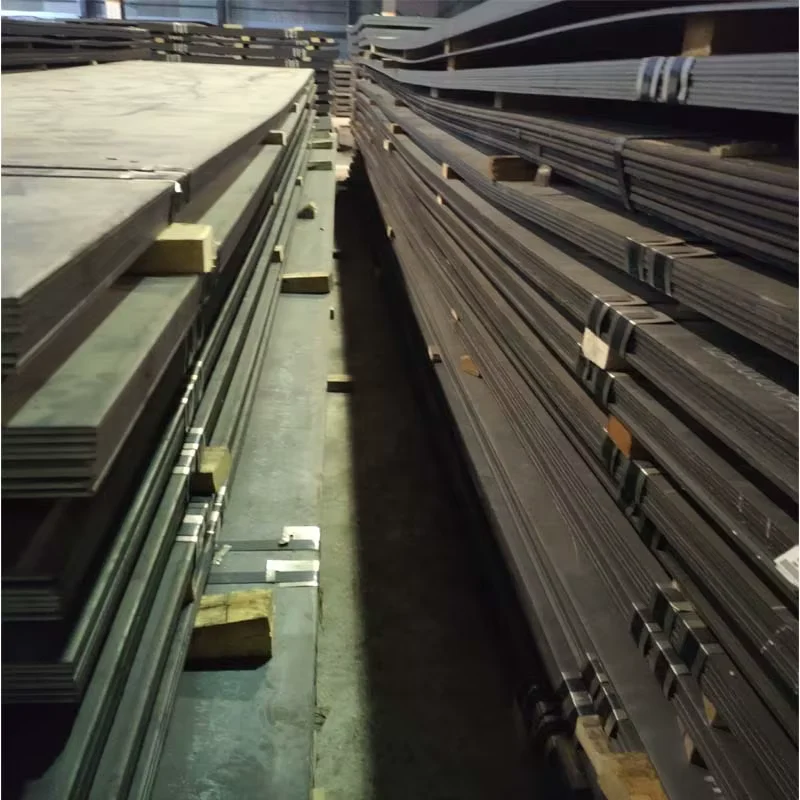
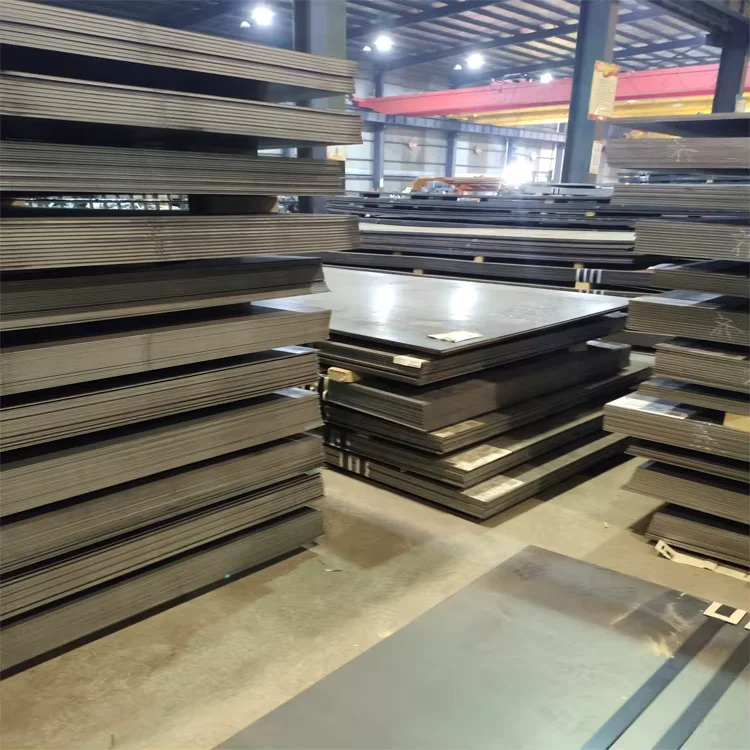
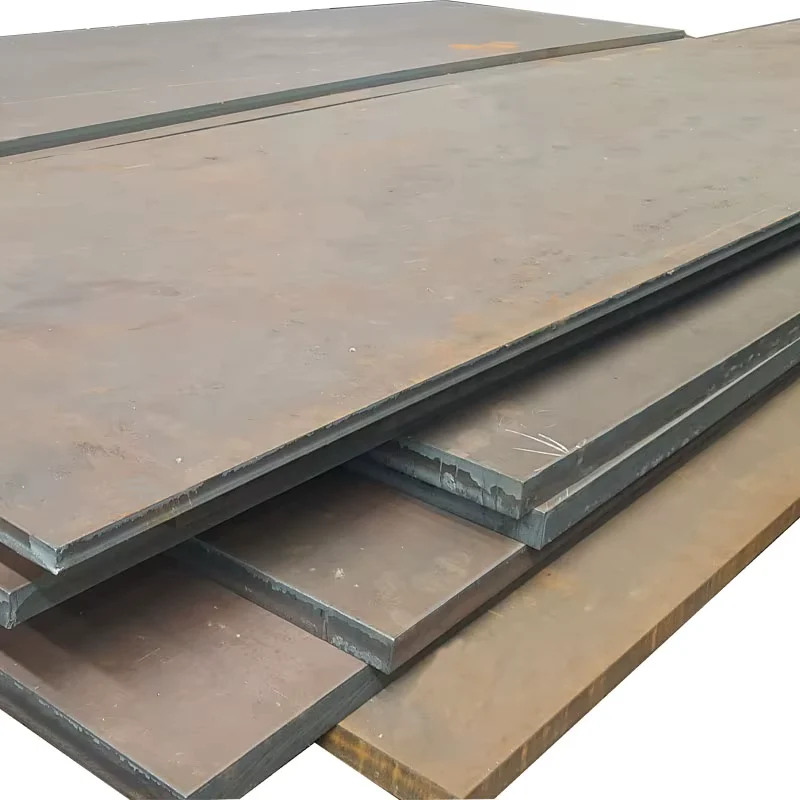
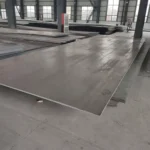
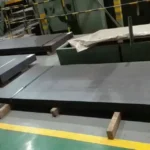
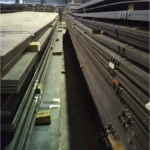
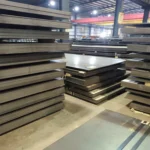
Factory-Direct IS2062 Plates — Hot rolled and cold rolled structural steel plates in E250 through E450 grades, processed and shipped with full mill test certificates from our own rolling and finishing lines.
Technical Specifications
| Parameter | Value |
|---|---|
| Designation | IS2062 E250-E450 Structural Steel Plate |
| Product Type | Steel Plate |
| Steel Grade | IS2062 E250, IS2062 E300, IS2062 E350, IS2062 E410, IS2062 E450, Q235, Q345, A36, S235JR, S275JR, S355JR, SS400, SS490, St37-2, St52-3 |
| Standard | IS2062, GB/T 709, ASTM A36, EN 10025, JIS G3101, DIN EN 10025 |
| Thickness | Customized (Hot Rolled / Cold Rolled) |
| Width | Customized |
| Length | Customized |
| Technique | Hot Rolled / Cold Rolled |
| Surface Treatment | As Rolled (AR) / Normalized (N) / Thermomechanically Rolled (M) |
| Tolerance | ±0.1% |
| Processing Services | Bending, Welding, Decoiling, Cutting, Punching |
| Charpy Impact Test | Available |
| Invoicing | By Theoretical Weight |
| MOQ | 1 kg |
| Origin | China |
Application Suitability
| Industry | Typical Applications |
|---|---|
| Power & Energy | Boiler support frames, coal handling conveyors, turbine hall structural platforms |
| Mining & Cement | Crusher housing frames, hopper linings, conveyor gallery trusses |
| Metallurgy | Furnace support structures, rolling mill base plates, ladle stands |
| General Construction | Warehouse portal frames, mezzanine floors, equipment support bases |
| EPC Infrastructure | Pipe rack structures, cable tray supports, access platform grating frames |
When Indian-Standard Plates Meet Chinese Mill Capacity — What Buyers Actually Get
An IS2062 E250 plate is not an ASTM A36 plate, and treating them as interchangeable is where project inspections fail.
Procuring IS2062 structural steel plate from overseas mills often means navigating a gap between Indian specification expectations and Chinese production reality. Buyers specify E250 or E350 per IS2062, but the mill test certificate they receive may reference GB/T 709 or EN 10025 instead — and the chemical composition boundaries differ slightly between these standards. A third-party inspector at destination who reads only the IS2062 clause will flag the MTC as non-conforming, even if the material is structurally sound. This is not a quality failure; it is a documentation mismatch that delays customs clearance and triggers re-inspection costs. [NEED_CITE: steel grade equivalence mapping between IS2062, ASTM A36, and EN 10025 S-series]
Matching Plate Grades to Structural Load and Fabrication Requirements
An IS2062 E250-E450 structural steel plate supplier who understands project-grade procurement will map the grade to the actual load path and welding sequence on site. E250 plates suit general structural framing where forming and site welding are frequent — the lower carbon equivalent keeps heat-affected zone cracking risk manageable. E350 and E450 grades move into heavier load-bearing roles: crane runway beams, equipment support columns, and high-stress base plates where deflection limits are tight. The delivery state matters equally. As Rolled plates work for standard framing, but Normalized or Thermomechanically Rolled condition is specified when through-thickness ductility or low-temperature Charpy impact resistance is required for cold-climate installations.
Engineering Compliance: From IS2062 to International Project Standards
Structural steel plates destined for international EPC projects must satisfy both the specifying standard and the local building code. IS2062 E250-E450 structural steel plate orders for Middle East and Southeast Asian projects frequently require cross-referencing to EN 10025 S235JR/S355JR or ASTM A36 for designer approval. The plate thickness tolerance of ±0.1% ensures compliance with tight engineering drawings for machined base plates and welded connections. For projects in seismic zones or low-temperature environments, Charpy V-notch impact test data at specified test temperatures becomes a contractual requirement — not an optional add-on. Third-party inspection by SGS or BV before shipment provides the independent verification that project owners and监理 engineers require for final acceptance. [NEED_CITE: EN 10025 hot rolled structural steel product standard requirements]
Decoding IS2062 Grades, Rolling Processes, and Delivery States
The IS2062 standard covers a yield strength range from 250 MPa (E250) to 450 MPa (E450), with each step up representing a meaningful increase in load-carrying capacity for the same plate cross-section. E250 and E300 are the workhorse grades for general fabrication — they cut, bend, and weld easily. E350 and E410 serve medium-duty structural roles where weight savings matter. E450 enters the high-strength territory typically reserved for heavy machinery frames and mining equipment. The rolling process directly affects the plate’s internal grain structure: hot rolled plates offer good formability at lower cost, while cold rolled plates deliver tighter dimensional tolerance and smoother surface finish for precision applications. Delivery state selection — As Rolled, Normalized, or Thermomechanically Rolled — determines the plate’s toughness profile. Normalized plates have uniform grain structure through the thickness, critical for thick plates subject to through-thickness loading. Thermomechanically Rolled plates combine controlled rolling with accelerated cooling, achieving higher strength without the cost of heat treatment. [NEED_CITE: effect of normalizing and TMCP rolling on structural steel plate toughness]
The Hidden Cost of Ordering Plates Without Verified Grade Equivalence
Ordering IS2062 structural steel plate without confirmed grade equivalence documentation creates risk at three points: customs clearance, site inspection, and structural certification. A plate stamped E250 but delivered with an MTC referencing only GB/T 709 Q235B will be rejected by a consultant who insists on IS2062 compliance — regardless of whether Q235B and E250 are mechanically similar. The cost is not the plate itself; it is the demurrage at port, the re-inspection fee, and the schedule delay while replacement material is sourced. For projects governed by international standards, the absence of Charpy test data on the MTC can halt erection in cold regions, because the engineer cannot confirm the steel’s fracture toughness at design temperature. [NEED_CITE: structural steel plate rejection causes at international project sites]
Why Project Buyers Source IS2062 Plates Through Our Mill Direct Channel
We produce IS2062 E250-E450 structural steel plate on our own rolling lines, which means the mill test certificate you receive is generated from our in-house physical and chemical laboratory — not forwarded from a trading company’s file. Our facility holds ISO 9001:2015 certification and Lloyd’s CE marking for structural steel products, and we routinely arrange SGS or BV third-party inspection for clients who need independent verification before shipment. The ±0.1% thickness tolerance is maintained across our hot rolled and cold rolled ranges, and we process plates to custom dimensions through cutting, bending, punching, and decoiling — reducing your site fabrication time. We supply equivalent grades across IS2062, GB/T 709, ASTM, EN, JIS, and DIN systems from a single order, so you do not need to place separate inquiries for each standard. Our professional loading team designs container stowage plans for heavy plate bundles to prevent edge damage and bending during ocean transit, and we provide complete export documentation including certificate of origin, packing list, and bill of lading.
Documentation & Compliance
- Mill Test Certificate documenting IS2062 E250 through E450 chemical composition, yield strength, tensile strength, and elongation per IS2062 requirements
- CE certificate per EN 10025 for structural steel plates exported to EU-regulated markets, confirming Factory Production Control compliance
- ISO 9001:2015 quality management system certificate covering the full production process from raw material incoming inspection to finished plate dispatch
- SGS or BV third-party inspection report verifying dimensional accuracy, surface quality, and mechanical test results before container loading
- Material traceability by heat number stamped on each plate, linked to the corresponding MTC batch record
- Customs documentation including commercial invoice, packing list, bill of lading, and certificate of origin formatted for destination port requirements
Packaging, Loading & Delivery
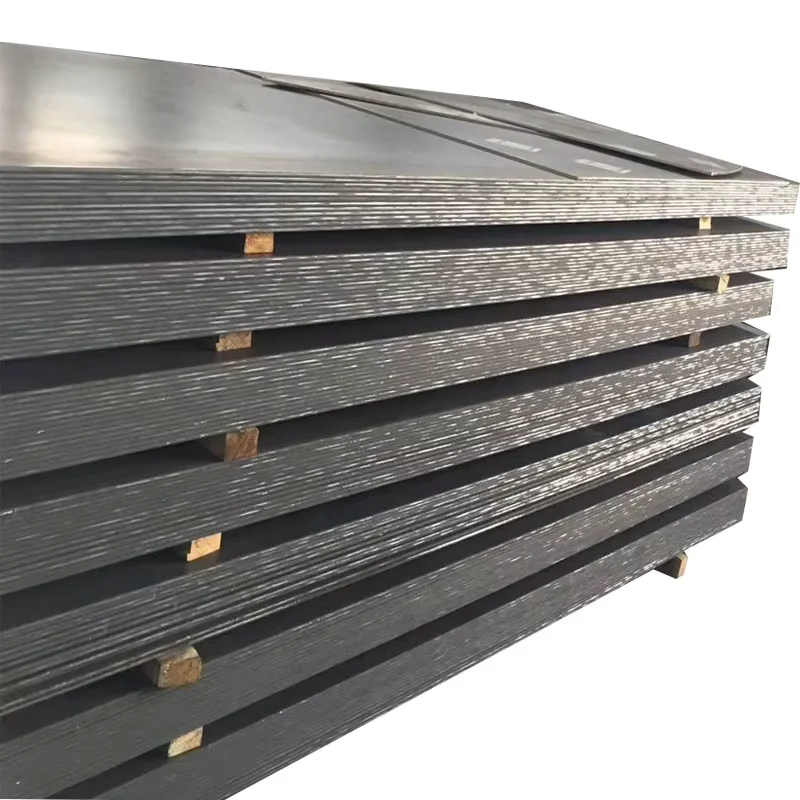
- Hot rolled IS2062 E250-E450 plates bundled with high-tensile steel strips and edge protectors to prevent coating damage and edge deformation during ocean freight
- As Rolled, Normalized, and Thermomechanically Rolled plates separated by delivery state and clearly marked with heat number, grade, and thickness on each bundle
- Custom-cut plates wrapped in waterproof paper and plastic film to preserve surface condition for precision fabrication applications
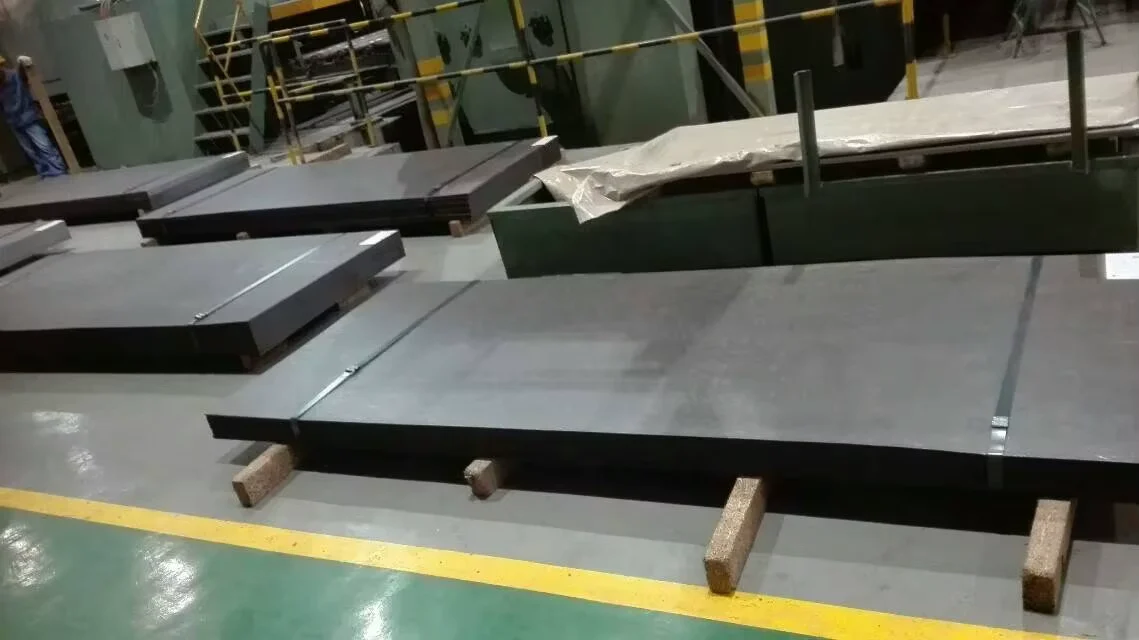
- Container loading plan optimized for plate width and length to maximize payload per 20ft or 40ft container, with timber dunnage preventing direct contact between steel and container floor
- Each bundle tagged with steel grade (E250/E350/E450), standard reference (IS2062), thickness, and piece count for fast site identification
- FOB, CIF, and DDP shipping terms available with full export documentation and real-time shipment tracking until port of discharge
Getting Your IS2062 Plate Order Quoted and Verified
Submit your plate dimensions, steel grade (E250 through E450), delivery state preference, quantity, and destination port — we respond within 12 hours with a detailed quotation including unit price, production lead time, and shipping terms. If your project requires non-standard thickness or width, or if you need Charpy impact test data at specific temperatures, we confirm feasibility and provide the corresponding MTC format before you commit. We arrange SGS or BV third-party inspection at our facility so you can verify material quality before the container is sealed.
Frequently Asked Questions
Q: Is IS2062 E250 the same as ASTM A36 or EN 10025 S235JR?
A: They are closely comparable in yield strength range but not identical in chemical composition limits. IS2062 E250, ASTM A36, and EN 10025 S235JR each have distinct carbon, manganese, and silicon boundaries. We provide grade equivalence mapping on request so your engineer can confirm acceptability before ordering.
Q: Can you supply Charpy impact test reports for IS2062 plates?
A: Yes. Charpy V-notch impact testing is available at specified test temperatures. The test results are included in the mill test certificate or provided as a separate report, depending on your project documentation requirements.
Q: What is the thickness tolerance for your hot rolled IS2062 plates?
A: Our hot rolled and cold rolled IS2062 structural steel plates are produced to ±0.1% thickness tolerance. This applies across the full range of E250 through E450 grades.
Q: Do you offer custom cutting and processing for IS2062 plates?
A: Yes. We provide cutting, bending, punching, decoiling, and welding preparation services. You can order plates pre-processed to your drawing dimensions, reducing fabrication time at your site or workshop.
Q: What delivery states are available for IS2062 E350 and E450 plates?
A: We supply IS2062 plates in As Rolled (AR), Normalized (N), and Thermomechanically Rolled (M) conditions. The choice depends on your project’s toughness requirements, welding procedure, and service temperature.
Secure Your IS2062 Plate Supply With Verified Mill Documentation
Send your plate specifications, grade, and quantity to receive a quotation with full mill test certificate preview and third-party inspection arrangement.
Shandong Xin Jiyuan Special Steel Tube Co., Ltd
Tel: +86 531 8573 6315
Mobile/WhatsApp/WeChat: +86 188 5315 7756
Email: admin@sdxjypipe.com