

Description
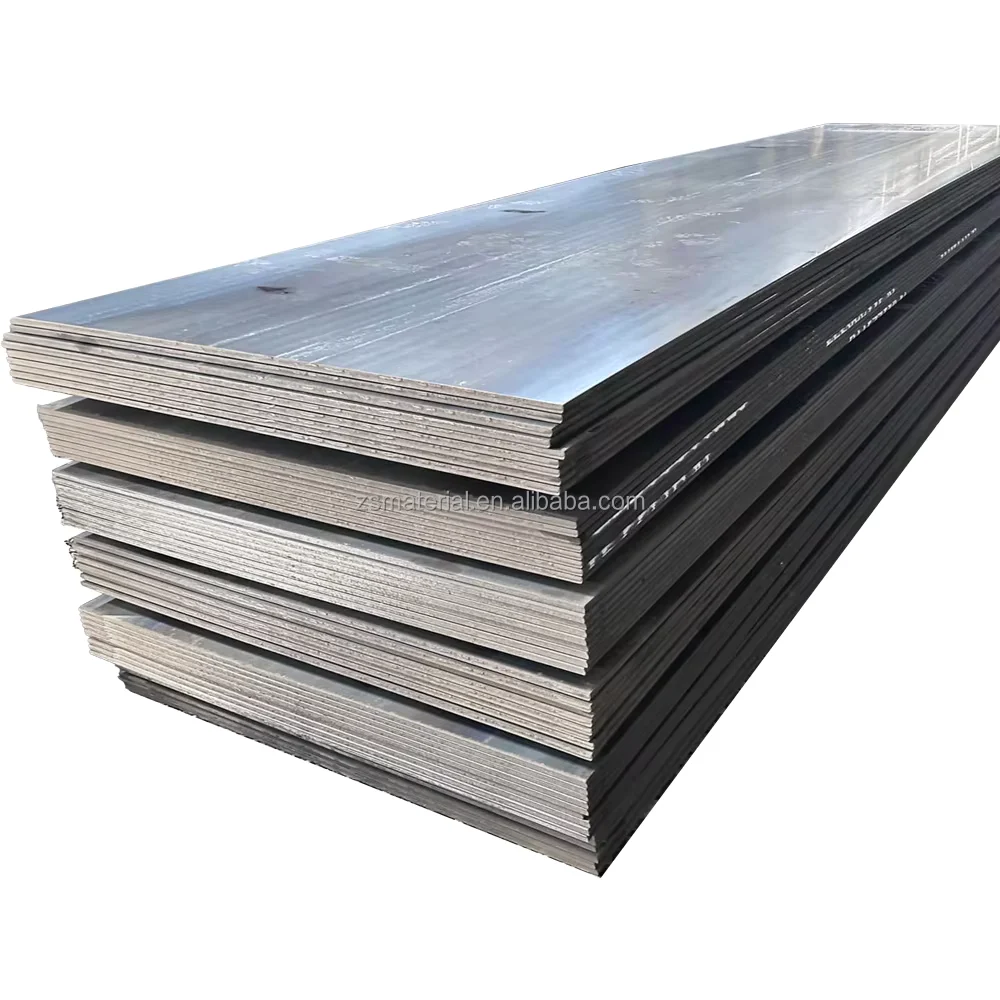
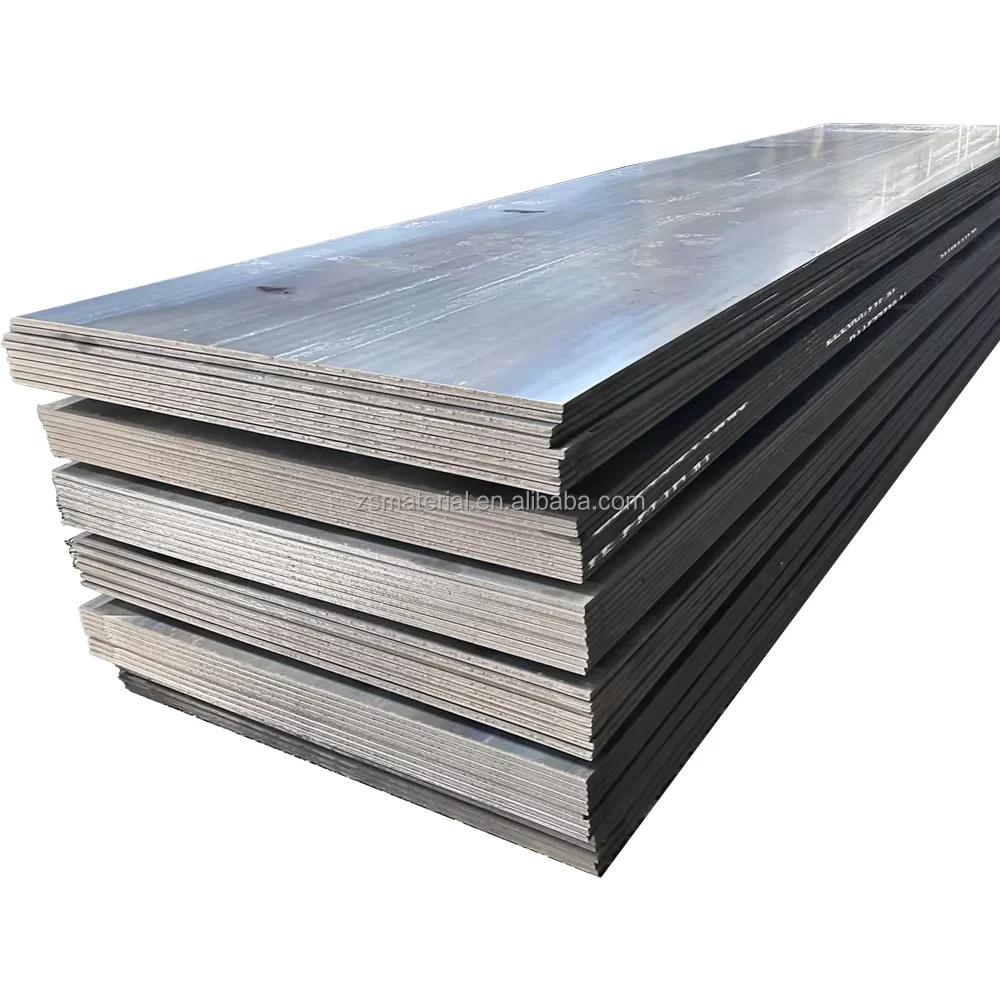
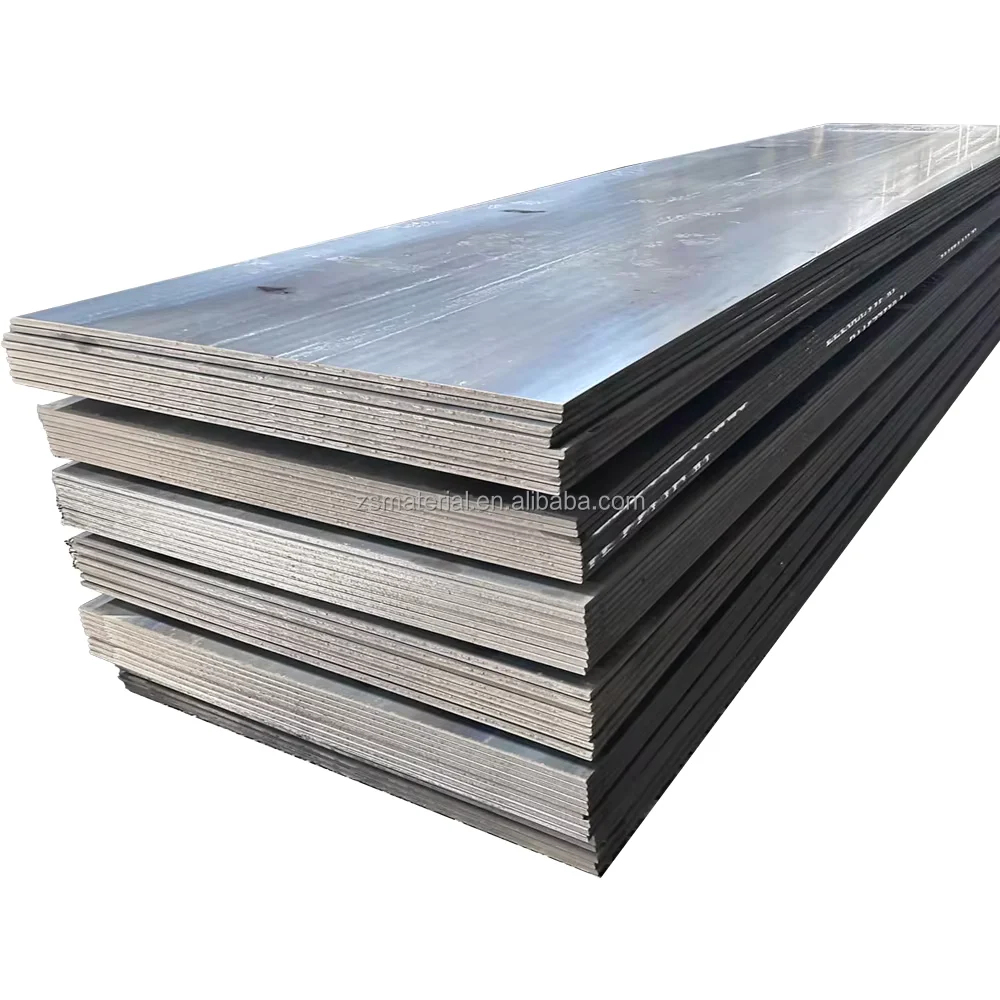
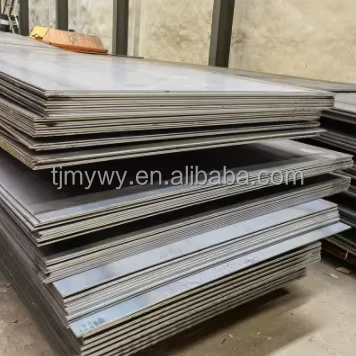
Factory-Direct Hot Rolled Plates — ASTM A36, Q235, and St37 plates rolled and inspected in-house, shipped with full mill test certificates and third-party verification upon request.
Technical Specifications
| Parameter | Value |
|---|---|
| Designation | ASTM A36/Q235/St37 Hot Rolled Carbon Steel Plate |
| Product Type | Steel Plate |
| Steel Grade | ASTM A36, Q235, St37 |
| Standard | ASTM A36, GB/T 709 (Q235), EN 10025 (St37) |
| Technique | Hot Rolled |
| Surface Treatment | Hot Rolled |
| Length | Custom Lengths Available |
| Width | Multiple Width Options |
| Application | Construction / Structural Fabrication / Building Frames / Industrial Platforms |
| Origin | Shandong, China |
Application Suitability
| Industry | Typical Applications |
|---|---|
| Construction & EPC | Building frames, column base plates, floor grating supports |
| Structural Fabrication | Welded I-beam webs and flanges, truss gusset plates |
| Industrial Infrastructure | Equipment platforms, walkway decking, mezzanine floors |
| Machinery & Heavy Equipment | Machine base frames, crane boom splice plates |
Grade Equivalence Across ASTM, GB, and EN Still Trips Up Procurement Teams
ASTM A36, Q235, and St37 are not chemically identical — mixing them on one drawing invites weld cracks and inspection failures.
International projects routinely specify one standard on the drawing and source from another region’s mill. Carbon content, manganese limits, and deoxidation practices differ enough between ASTM A36, Q235, and St37 that substitution without engineer approval can void structural warranties. [NEED_CITE: steel grade equivalence between ASTM A36, Q235, and EN 10025 S235JR] Buyers who assume “they’re all mild steel” discover the mismatch only when the third-party inspector flags the heat number against the wrong standard at the destination port.
Matching Plate Thickness Tolerance to Structural Frame Assembly
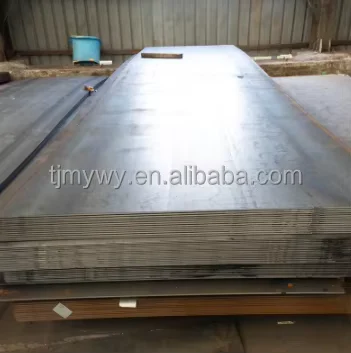
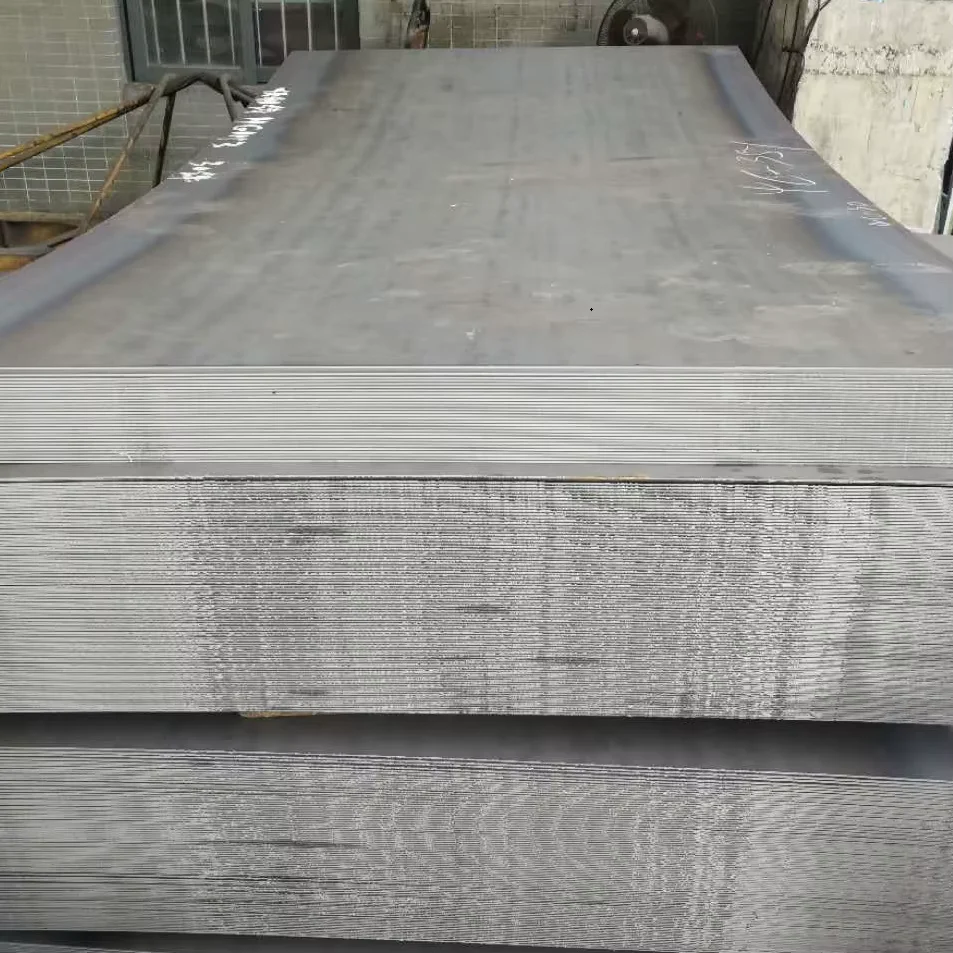
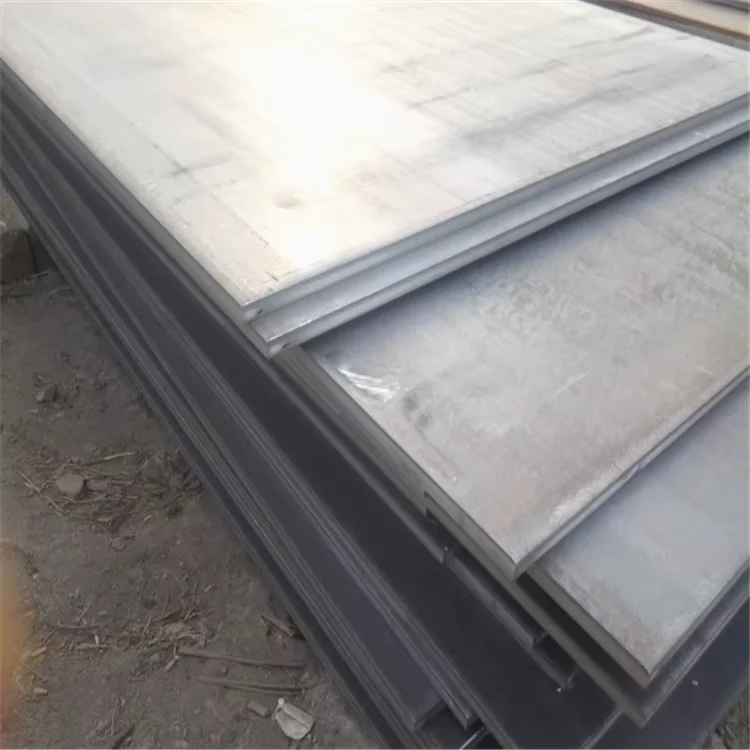
Hot rolled ASTM A36, Q235, and St37 plates arrive with the mill scale intact and a surface suited for direct cutting, drilling, and fillet welding without additional grinding. For building frames and industrial platforms, the as-rolled finish provides enough flatness for CNC plasma cutting while retaining ductility for cold bending at connection points. Custom lengths and multiple width options mean fabricators receive plates sized to their nesting layout, reducing scrap and secondary cutting time on site.
Structural Codes, Corrosion Environment, and Certification Alignment
Load-bearing frames designed to EN 1993 or AISC 360 require documented grade traceability back to the heat number — not just a commercial invoice label. [NEED_CITE: EN 10025 hot rolled structural steel product standard requirements] For projects in coastal or industrial zones, buyers must decide whether the as-rolled surface will receive shop primer, hot-dip galvanizing after fabrication, or a multi-coat paint system — each choice affects welding sequence and edge preparation. ASTM A36 plates shipping to North America need ASTM-certified MTCs; the same chemistry labeled Q235 for Southeast Asia requires GB/T 709 documentation; St37 bound for the EU must carry EN 10025 references alongside CE marking where applicable.
Hot Rolling, Grade Selection, and What Thickness Tolerance Actually Means
Hot rolling produces plates with a recrystallized grain structure that balances formability and weldability — essential when plates will be drilled, tapped, and fillet-welded into frames. ASTM A36, Q235, and St37 all sit in the low-carbon mild steel range, but their manganese-to-carbon ratios differ, affecting hardenability in the heat-affected zone near welds. Thickness tolerance matters more than buyers realize: a plate ordered at 12 mm that arrives at 11.2 mm still passes commercial tolerance, but the section modulus drops enough to fail a structural engineer’s recalculation on a moment-resisting connection. Negative tolerance is legal — until the load test says otherwise. [NEED_CITE: hot rolled steel plate thickness tolerance standards ASTM A6 GB T 709]
The Hidden Cost of Unverified Grade Substitution
Plates stamped with the wrong grade or shipped without heat-number traceability create costs that dwarf the purchase price difference: customs holds for missing MTCs, re-inspection fees at the port, structural engineer re-approval cycles, and in the worst case, cutting out and replacing welded assemblies. A batch of Q235 plates relabeled as ASTM A36 may pass visual inspection but fail Charpy impact requirements if the project calls for low-temperature toughness. [NEED_CITE: consequences of steel grade misidentification in structural construction]
Why Project Procurement Teams Source ASTM A36 Q235 St37 Hot Rolled Carbon Steel Plates Through Us
Every plate is weighed and measured before loading — no theoretical-weight billing that hides negative tolerance losses. Our in-house physical and chemical laboratory tests each heat for composition and mechanical properties, then issues MTCs traceable to the slab. For buyers needing multi-standard compliance on a single order, we supply ASTM A36, Q235, and St37 from the same production run with separate certificates for each standard. Custom lengths and multiple width options are cut to the fabricator’s nesting plan, not the mill’s standard rolling schedule. ISO 9001:2015 certified production, SGS and BV third-party inspection available before loading, and professional container stowage with edge protectors prevent the surface dents and edge buckling that plague loose-loaded plate shipments. We have exported to 50+ countries and understand which documentation formats clear which ports.
Documentation & Compliance
- Mill test certificate documenting ASTM A36 chemical composition and mechanical properties per ASTM A36, with heat number traceability
- EN 10025 compliance statement for St37 plates, including Charpy impact test results where specified
- GB/T 709 test report for Q235 plates covering yield strength, tensile strength, and elongation per Chinese national standard
- ISO 9001:2015 quality management certificate covering the hot rolling and inspection process
- SGS or BV third-party inspection report available upon request, covering dimensional, visual, and chemical verification
- Full customs documentation set: packing list, bill of lading, certificate of origin, and commercial invoice aligned with plate heat numbers
Packaging, Loading & Delivery
- Hot rolled ASTM A36, Q235, and St37 plates bundled with high-tensile steel strips and placed on timber sleepers to prevent contact with container flooring
- As-rolled surface protected with anti-rust oil spray at the mill edge to prevent white rust during ocean transit in humid climates
- Custom-length plates nested and strapped by width group to maximize container payload and minimize shifting during rough-sea transit
- Plate edges fitted with rubber or steel edge protectors to prevent strap-cutting into the plate surface and to protect adjacent plates from edge marks
- Each bundle labeled with heat number, steel grade (ASTM A36 / Q235 / St37), thickness, width, and length for immediate identification at the fabrication yard
- Shipping terms available as FOB, CIF, or DDP with full container or break-bulk options depending on plate thickness and order volume
Getting Your Quote and Mill Test Certificates Before Commitment
Send your plate list with grade (ASTM A36, Q235, or St37), thickness, width, length per piece, total tonnage, and destination port. We return a detailed quotation with unit pricing, production lead time, and the exact MTC format your inspector expects — typically within the same business day. For non-standard widths or lengths outside common rolling schedules, we confirm feasibility and lead time before you commit to a deposit.
Frequently Asked Questions
Q: Can ASTM A36, Q235, and St37 plates be used interchangeably on the same project?
A: They share similar carbon ranges but differ in manganese content, deoxidation practice, and testing standards. Substitution requires written approval from the project structural engineer and may require separate MTCs for each grade.
Q: What documentation accompanies a shipment of hot rolled carbon steel plates?
A: Every shipment includes mill test certificates traceable to heat numbers, packing lists, bills of lading, and certificates of origin. Third-party inspection reports from SGS or BV can be arranged before loading.
Q: Can I order custom lengths and widths for ASTM A36 Q235 St37 hot rolled carbon steel plates?
A: Yes. We supply custom lengths and multiple width options based on your fabrication nesting requirements. Share your cutting list and we confirm what the rolling schedule can accommodate.
Q: How do you prevent surface damage and edge deformation during shipping?
A: Plates are bundled with steel strips on timber sleepers, edges are protected, and containers are loaded with weight distribution plans to prevent shifting. As-rolled surfaces receive anti-rust treatment for ocean transit.
Q: What is the difference between hot rolled and galvanized surface treatment for these grades?
A: Hot rolled plates arrive with mill scale and are suited for structural fabrication where painting or priming follows. Galvanized plates add zinc coating for corrosion resistance but require post-fabrication galvanizing if welds are involved.
Ready to Lock In Grade, Size, and Certification for Your Next Plate Order
Submit your plate specification list — grade, dimensions, quantity, and destination — and receive a quotation with mill test certificate samples and loading plan within one business day.
Contact: Shandong Xin Jiyuan Special Steel Tube Co., Ltd | Tel: +86 531 8573 6315 | Mobile/WhatsApp/WeChat: +86 188 5315 7756 | Email: admin@sdxjypipe.com