

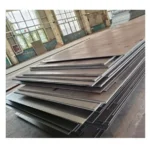
Description
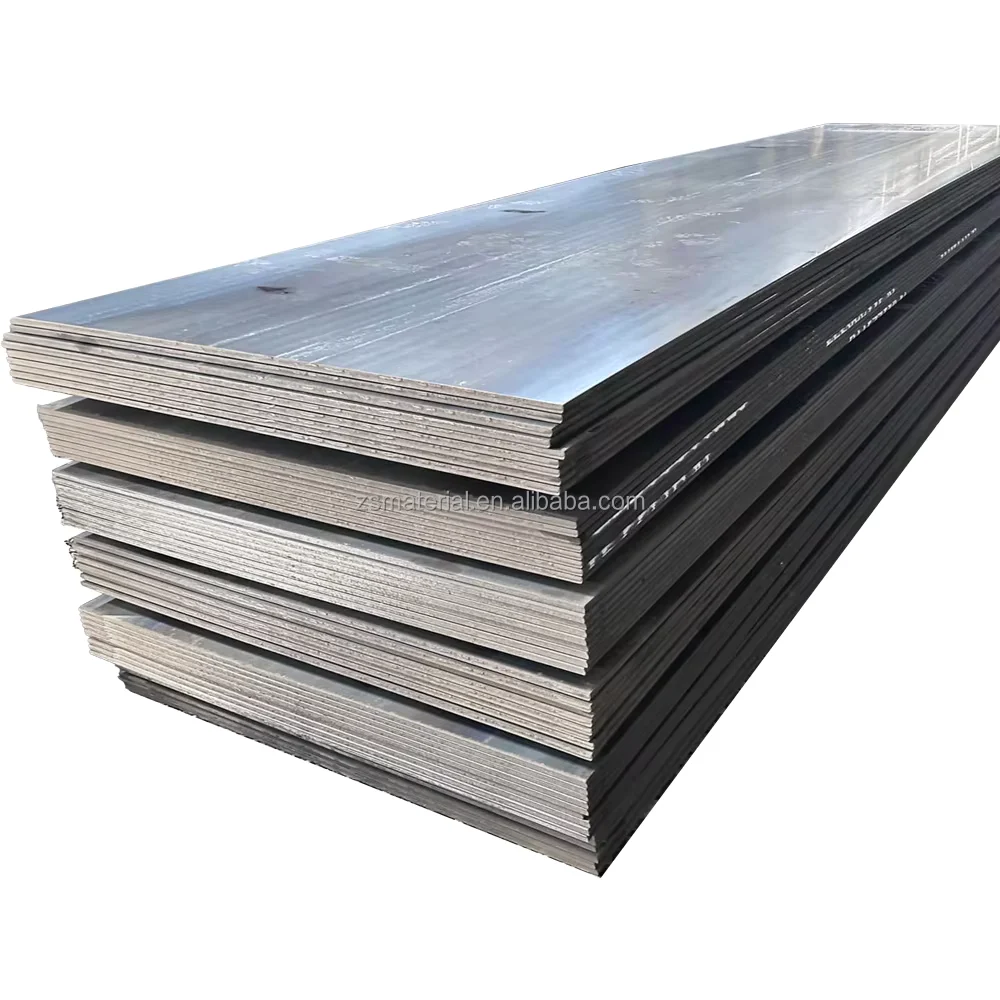
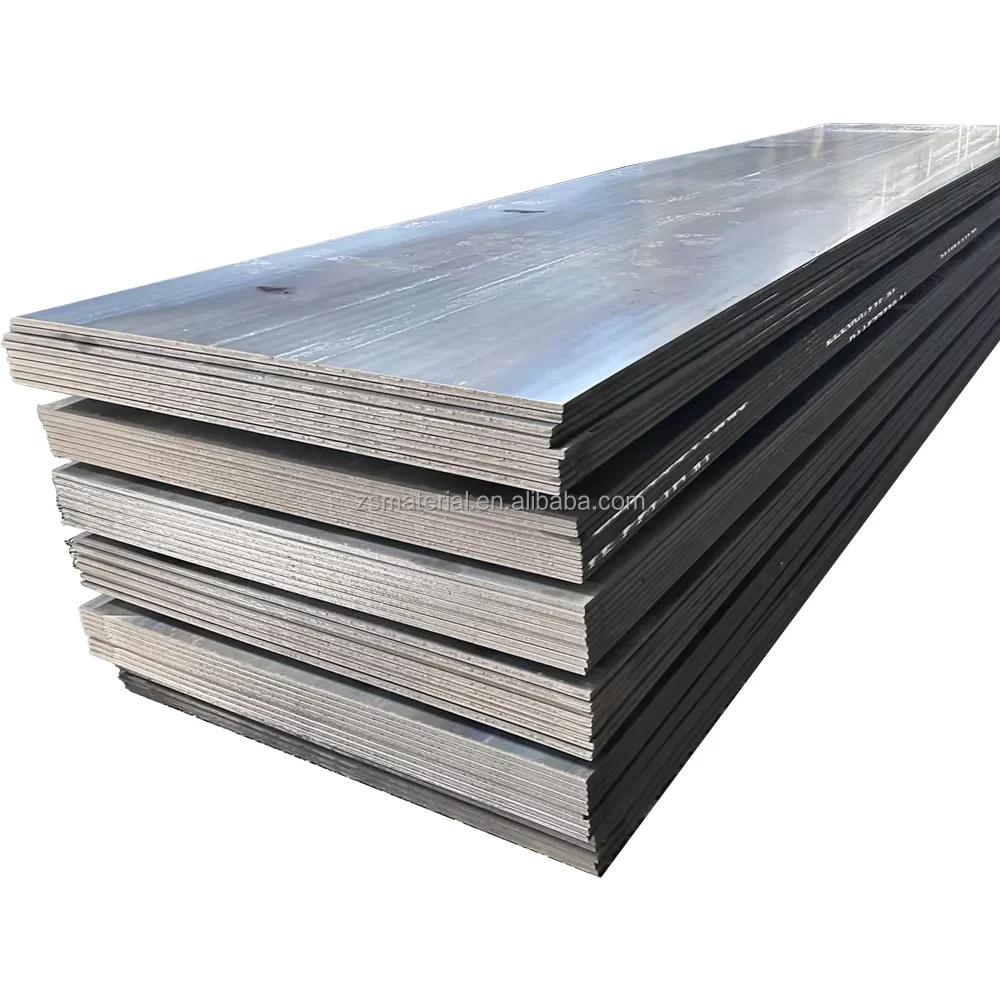
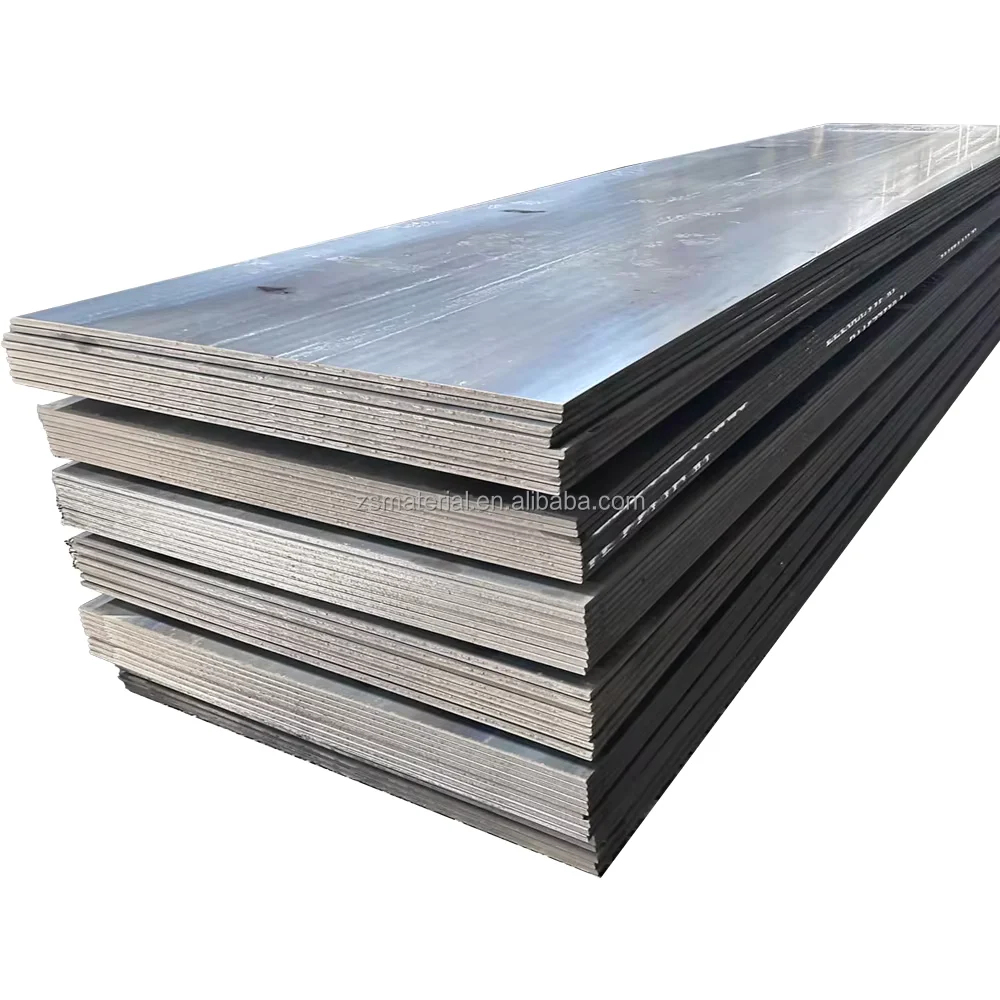
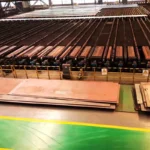
Factory-direct ASTM A36 hot rolled carbon steel plate supply — in-house physical and chemical laboratory testing with full mill test certificates provided per shipment.
Technical Specifications
| Parameter | Value |
|---|---|
| Designation | ASTM A36 Hot Rolled Carbon Steel Plate |
| Product Type | Steel Plate |
| Steel Grade | A36, Q235, Q235B, Q345, Q345B, SS400, 20# |
| Standard | ASTM |
| Section Shape | Flat Sheet |
| Size Range | Thickness: 0.21–0.50 mm; Width: 600–1250 mm (usual sizes: 914 mm, 1000 mm, 1200 mm, 1219 mm, 1250 mm, 1220 mm) |
| Length | Customized |
| Technique | Hot Rolled |
| Surface Treatment | Coated |
| Tolerance | ±1% |
| Hardness | Soft hard (HRB60), medium hard (HRB60–85), full hard (HRB85–95) |
| Oiled or Non-oiled | Non-oiled |
| Skin Pass | Yes |
| Processing Service | Bending, Cutting, Decoiling, Punching, Welding |
| Package | Standard Seaworthy Packing |
| Application | Cutting sheets, making containers, making corrugated sheets, making fences, making pipes, making small tools, fabrication, metal parts manufacturing |
Application Suitability
| Industry | Typical Applications |
|---|---|
| Construction & Steel Structure | Container frames, corrugated roofing sheets, perimeter fencing systems |
| Machinery Manufacturing | Small tool production, industrial metal parts, equipment housings |
| Pipe & Tube Fabrication | Welded pipe blanks, structural tube raw material |
| General Fabrication | Cutting sheets for custom brackets, punched components, bent profiles |
Grade Equivalence Confusion Delays Customs and Halts Fabrication
Sourcing ASTM A36 hot rolled carbon steel plate from a single certified supplier with in-house testing eliminates material mismatch risks.
Buyers frequently encounter grade confusion when procurement documents specify ASTM A36 while local fabricators work with Q235B or SS400. Without verified equivalence mapping, shipments face customs holds or get rejected at the fabrication shop. [NEED_CITE: steel grade equivalence between ASTM, EN, GB, and JIS standards]
Missing or incomplete mill test certificates compound the problem — importers discover chemical composition discrepancies only after the container arrives, triggering re-export costs or costly regrading. An ASTM A36 hot rolled carbon steel plate supplier with in-house laboratory testing provides traceable documentation from heat number to final dimensions, preventing these delays before they occur.
How Hot Rolled Plates Match Structural Fabrication Requirements
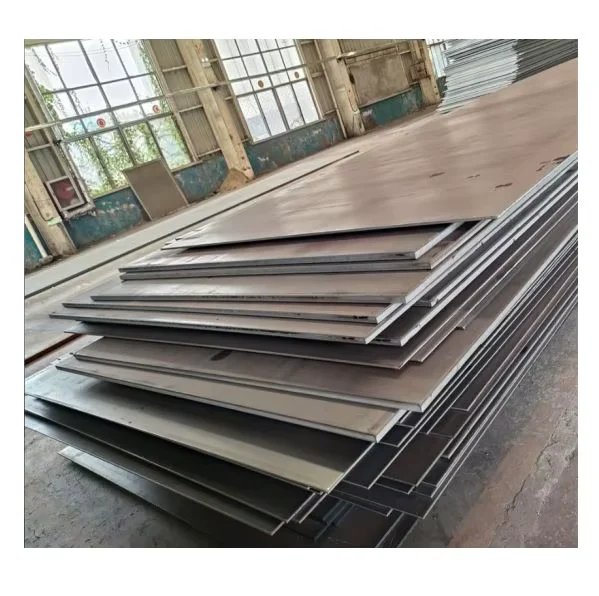
ASTM A36 hot rolled carbon steel plate serves as the baseline material for container manufacturing, corrugated sheet production, and fencing systems where formability matters more than ultra-high strength. The hot rolled technique with skin pass treatment delivers consistent surface quality for subsequent bending, punching, and welding operations. Fabricators processing an ASTM A36 hot rolled carbon steel plate benefit from the ±1% thickness tolerance that keeps theoretical weight calculations aligned with actual received material.
Engineering Compliance and Certification Pathways
Structural applications require verified compliance with recognized standards — ASTM A36 for North American projects, Q235/Q345 equivalents for domestic Chinese fabrication, SS400 for Japanese-specification work. The coated surface treatment on these plates provides baseline corrosion resistance for indoor and sheltered outdoor applications, while non-oiled finish suits welding-intensive operations where surface contaminants must be minimized. Third-party inspection through SGS or BV confirms dimensional accuracy and surface condition before shipment, satisfying EU and regulated-market import requirements. [NEED_CITE: EN 10219 cold-formed hollow section requirements for structural steel]
Steel Grade Selection and Hot Rolled Process Fundamentals
The A36, Q235, Q345, SS400, and 20# grades represent different national standard systems but share similar carbon steel compositions suited to general structural work. Q235 and Q345 follow Chinese GB standards where the number indicates minimum yield strength in MPa; SS400 follows Japanese JIS standards; A36 follows American ASTM specifications. Hot rolling produces plates with normalized grain structure that responds predictably to cutting, bending, and welding — the skin pass treatment further improves surface flatness for precision fabrication. Hardness options ranging from soft hard (HRB60) to full hard (HRB85–95) allow buyers to select material matching their specific forming requirements, whether deep drawing corrugated sheets or punching fence components.
Hidden Costs of Incorrect Grade Selection and Missing Documentation
Ordering ASTM A36 hot rolled carbon steel plate without verified mill test certificates risks receiving material that fails chemical composition requirements at destination customs. Thickness tolerance exceeding ±1% inflates theoretical weight calculations, causing budget overruns on large-volume orders. Non-oiled plates shipped without proper edge protection develop surface rust during ocean transit, forcing costly reprocessing or outright rejection. [NEED_CITE: steel plate tolerance standards and weight calculation methods]
Why Procurement Teams Choose Our Supply Chain
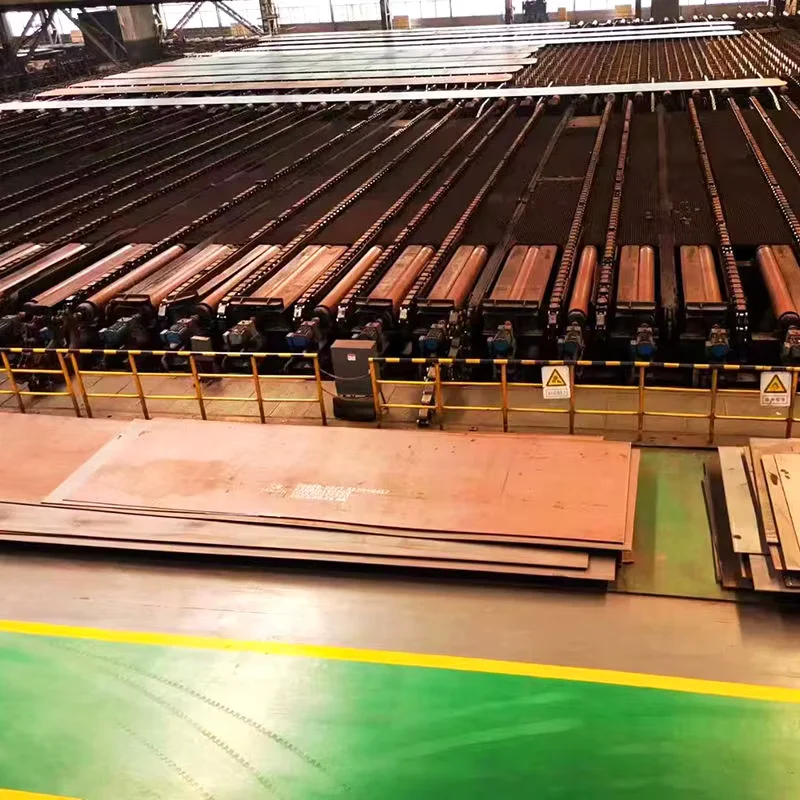
Our factory operates three production lines covering 2,800+ specifications with wall thickness capabilities up to 40mm, eliminating the need to source from multiple suppliers for mixed orders. The in-house physical and chemical laboratory performs dimensional, mechanical, and chemical testing on every heat, with full mill test certificates provided before shipment. We hold ISO 9001:2015, Lloyd’s CE (EN 10210/10219), Singapore FPC, and SGS/BV verification — certifications that clear EU and regulated-market customs without additional inspection fees. Custom non-standard sizes and processing services (bending, cutting, decoiling, punching, welding) reduce secondary fabrication steps at your site. Professional container loading with anti-damage measures prevents the edge deformation and surface scratches that plague improperly packed plate shipments.
Documentation & Compliance
- Mill test certificate documenting A36 chemical composition and mechanical properties per ASTM standards, traceable by heat number
- CE certificate (EN 10210/EN 10219) for European market import clearance on structural steel plates
- ISO 9001:2015 quality management system certificate covering production and testing processes
- SGS or BV third-party inspection report confirming dimensional accuracy and surface condition before shipment
- Material traceability documentation linking each plate to specific heat numbers and test results
- Complete customs documents including packing list, bill of lading, and certificate of origin
Packaging, Loading & Delivery
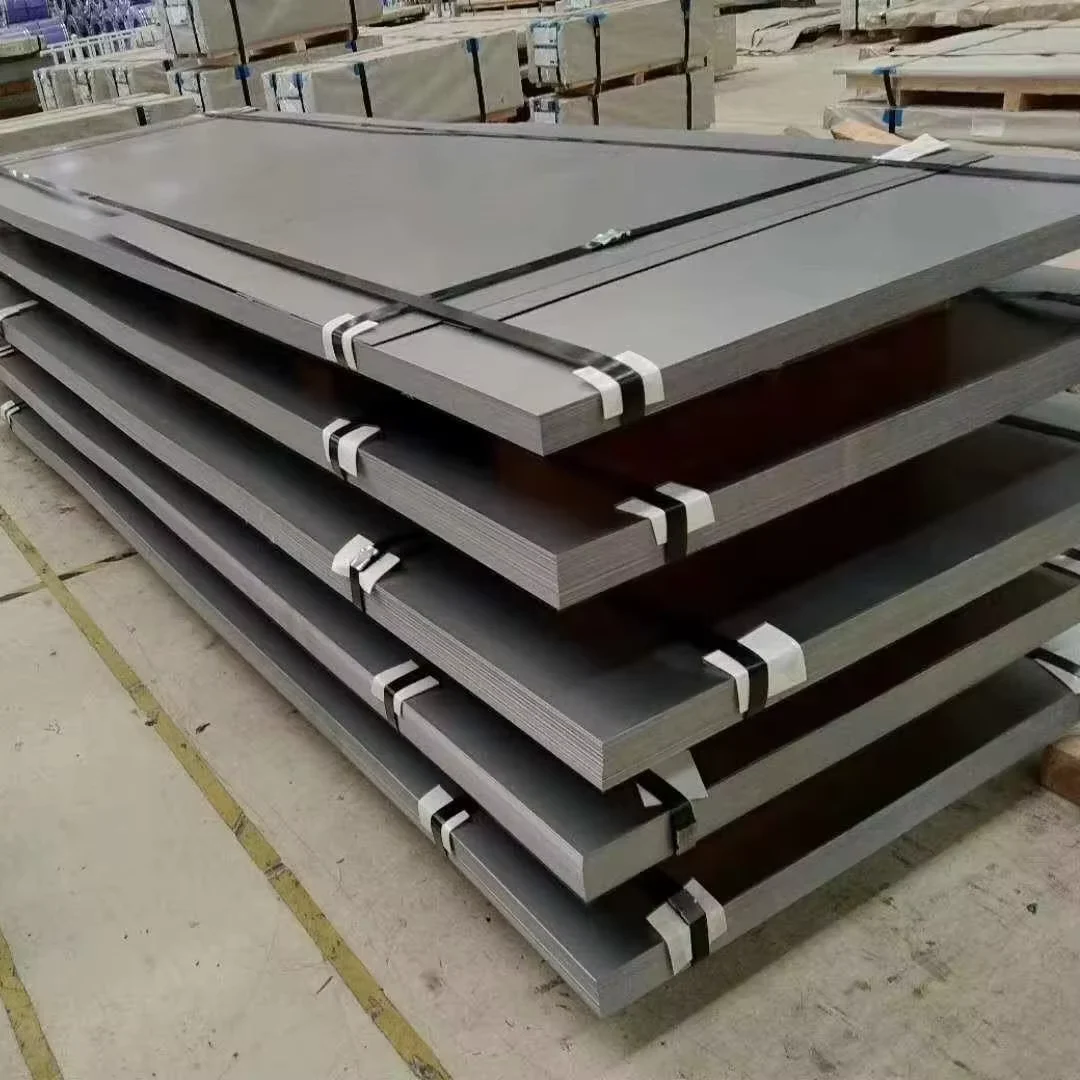
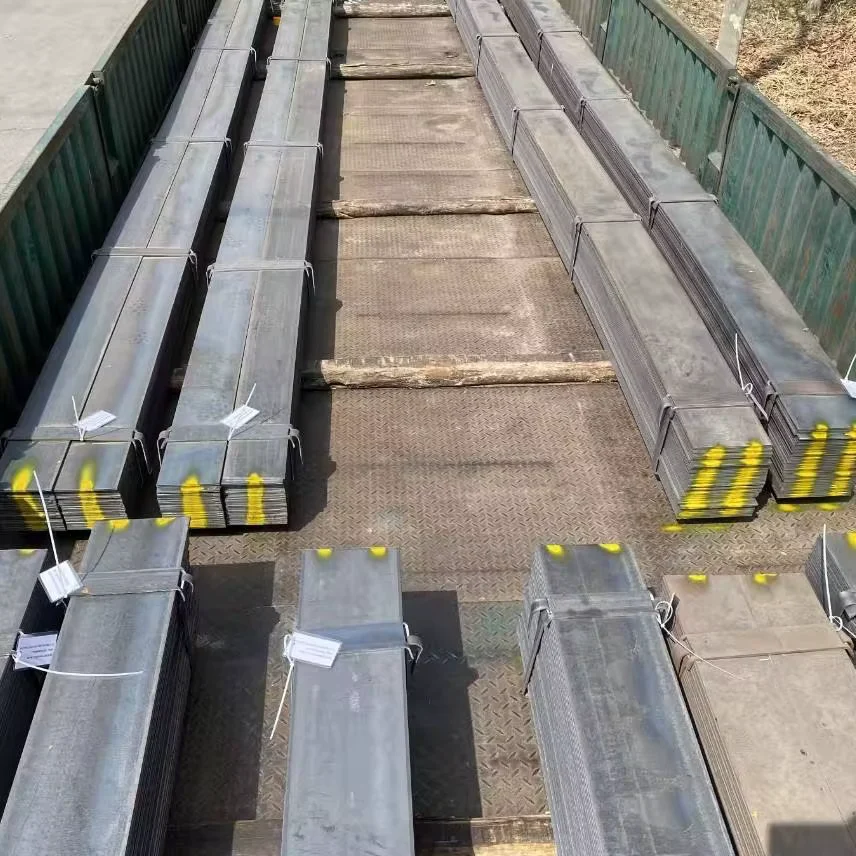
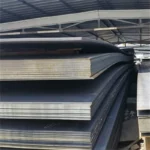
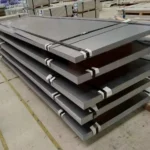
- Hot rolled steel plates bundled with steel strips and edge protectors to prevent corner damage during container loading
- Non-oiled coated surface protected with interleaving paper to maintain finish quality during ocean transit
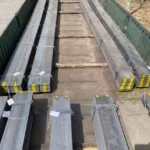
- Custom length plates cut to specification and stacked by width (914 mm, 1000 mm, 1200 mm, 1219 mm, 1250 mm) for efficient container utilization
- Heat number and steel grade (A36, Q235, Q345, SS400) marked on each plate for on-site identification and traceability
- Standard seaworthy packing with moisture barriers for 20ft and 40ft container shipments
- FOB, CIF, and DDP shipping terms available with professional loading supervision to prevent shifting during transit
Start Your ASTM A36 Hot Rolled Carbon Steel Plate Inquiry
Submit your specifications including steel grade (A36, Q235, Q345, SS400), thickness, width, length, quantity, and destination port to receive a detailed quotation with mill test certificate samples. Our team responds within 12 hours with pricing, lead times, and certification documentation. Request custom cutting, bending, or punching services for non-standard fabrication requirements.
Get Your ASTM A36 Hot Rolled Carbon Steel Plate Quote
Send specifications to admin@sdxjypipe.com or contact via WhatsApp at +86 188 5315 7756 for pricing and mill test certificate samples.
Frequently Asked Questions
Q: How does ASTM A36 compare to Q235B, S235JR, and SS400 in terms of chemical composition and mechanical properties?
A: ASTM A36, Q235B, S235JR, and SS400 are all carbon steel grades with similar compositions suited to general structural applications. The main differences lie in their national standard systems — ASTM (American), GB (Chinese), EN (European), and JIS (Japanese). Our in-house laboratory provides equivalence mapping and mill test certificates confirming compliance with your specified standard.
Q: Can you cut, bend, or punch ASTM A36 hot rolled carbon steel plate to non-standard dimensions?
A: Yes, we offer processing services including bending, cutting, decoiling, punching, and welding. Custom sizes are available beyond our standard width range of 600–1250 mm, with typical production lead times for processed orders.
Q: Do your ASTM A36 hot rolled carbon steel plates carry CE marks for EU import clearance?
A: Yes, we hold Lloyd’s CE certification (EN 10210/EN 10219) and can provide CE-marked documentation for European market imports. Third-party inspection through SGS or BV is available upon request to verify compliance before shipment.
Q: What is the difference between oiled and non-oiled finishes on hot rolled steel plates?
A: Oiled plates receive a light oil coating to prevent rust during storage and transit, suitable for applications where surface contamination is acceptable. Non-oiled plates have no coating, making them ideal for welding-intensive operations where oil residue could affect weld quality. Our ASTM A36 hot rolled carbon steel plate is supplied non-oiled with coated surface treatment for baseline corrosion protection.
Q: How do you ensure steel plates arrive without damage during ocean freight?
A: We use professional container loading with edge protectors, steel strip bundling, and interleaving paper to preserve surface quality. Anti-damage measures prevent corner deformation and surface scratches. Our loading team has extensive experience with plate shipments to 50+ countries, ensuring proper weight distribution and securement within containers.