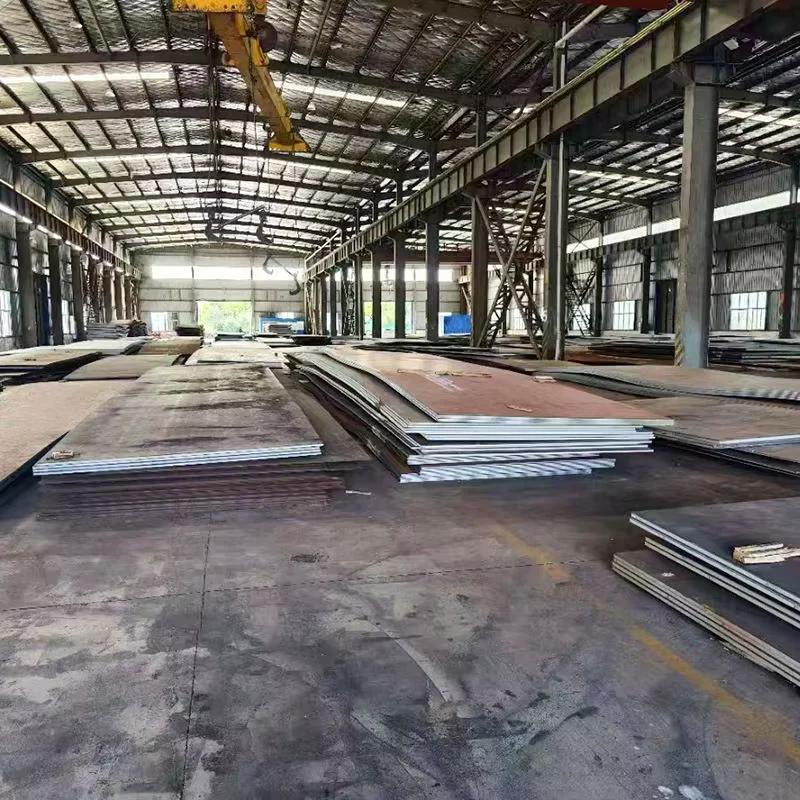
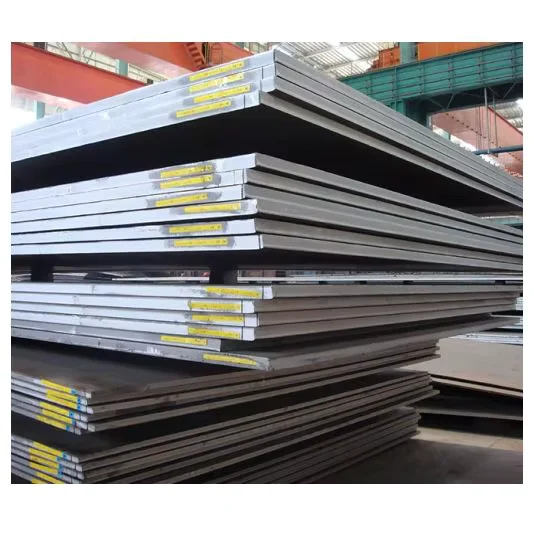
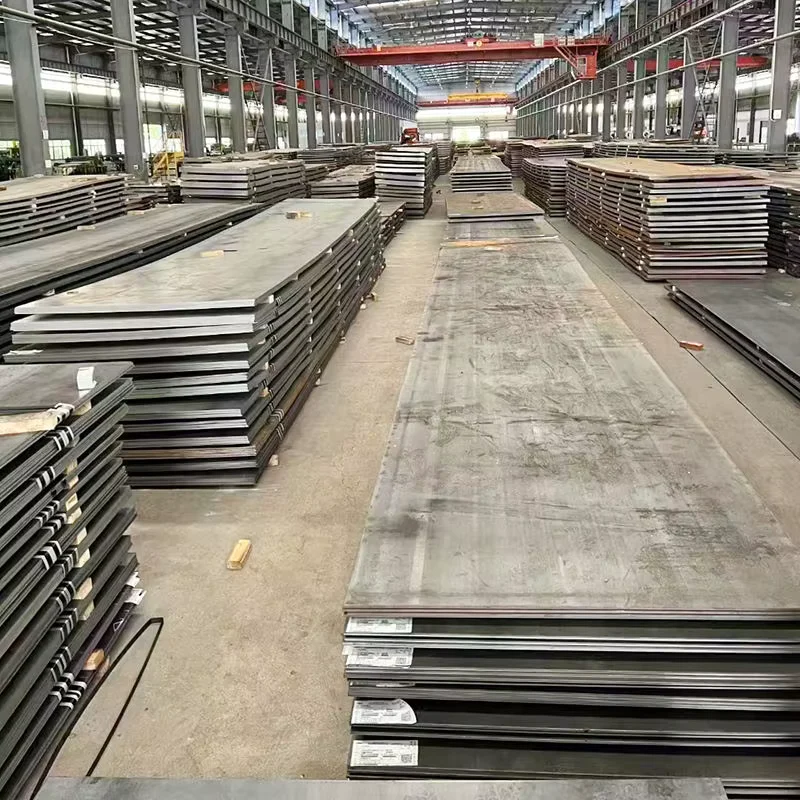


Description
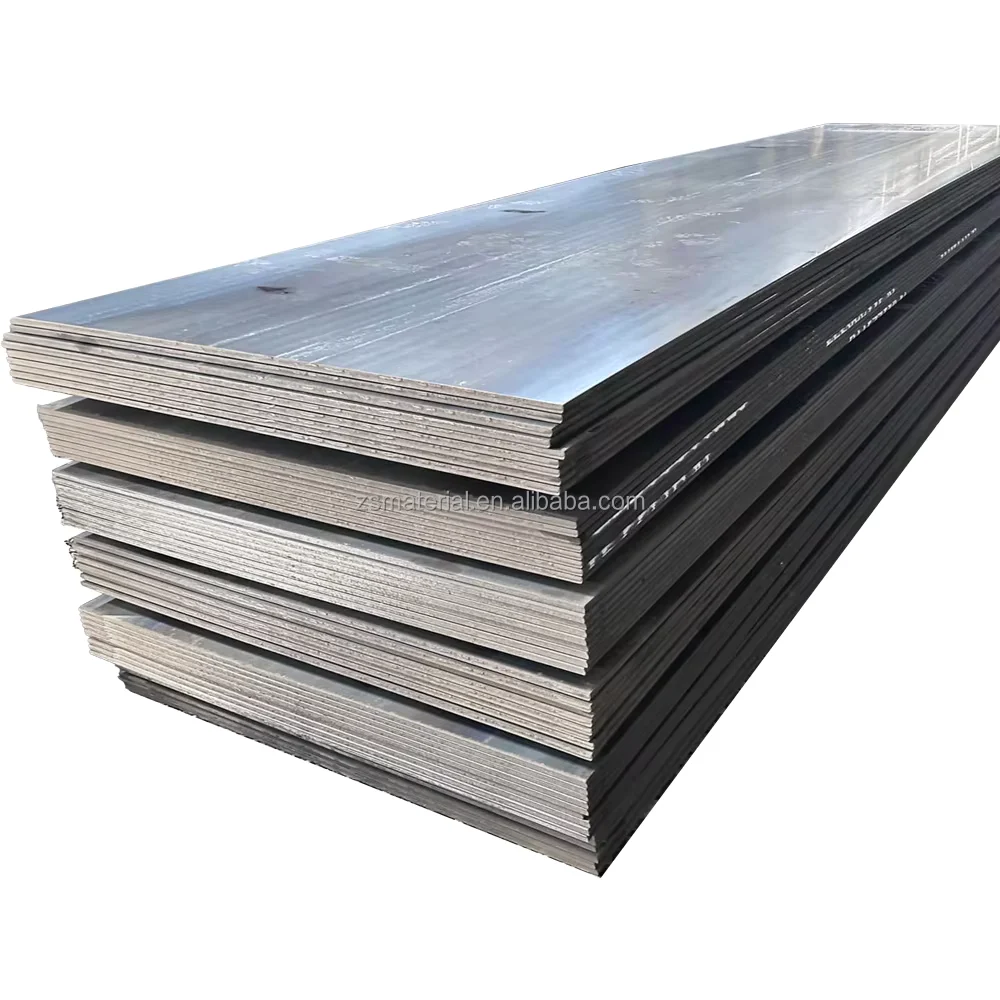
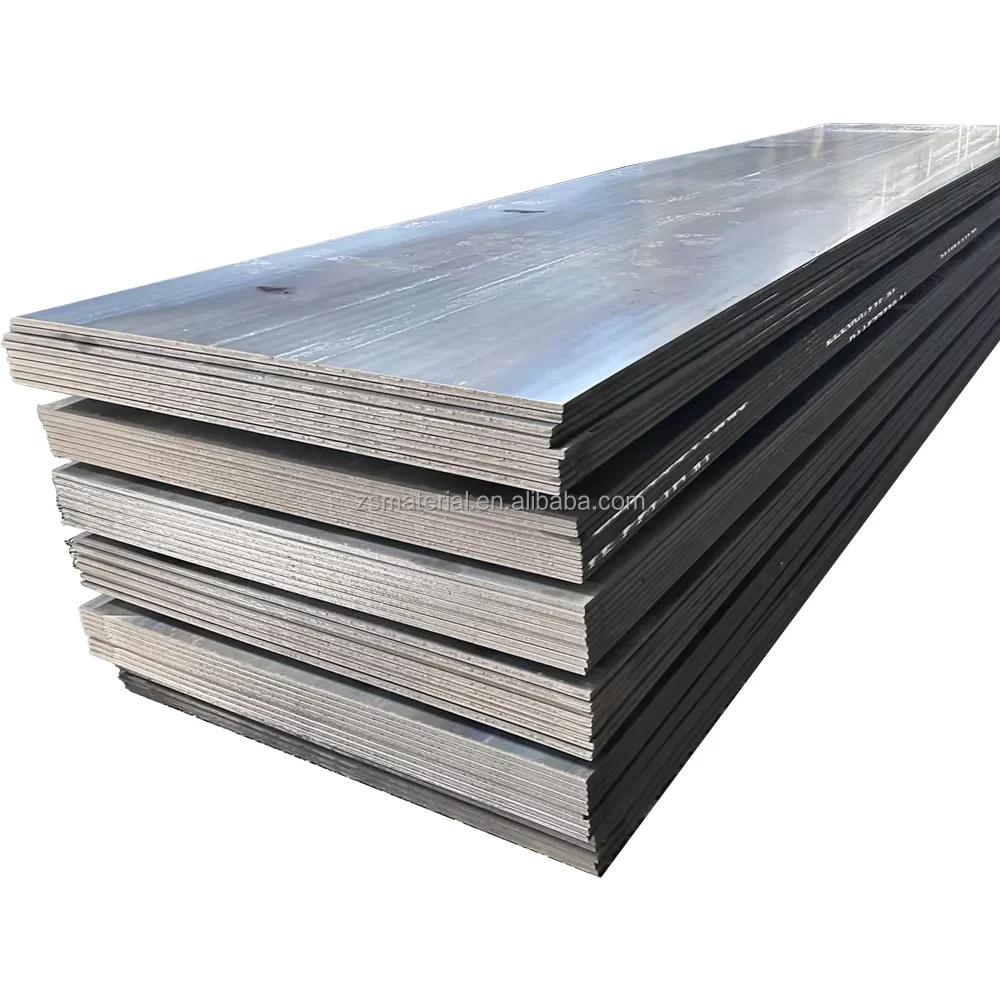
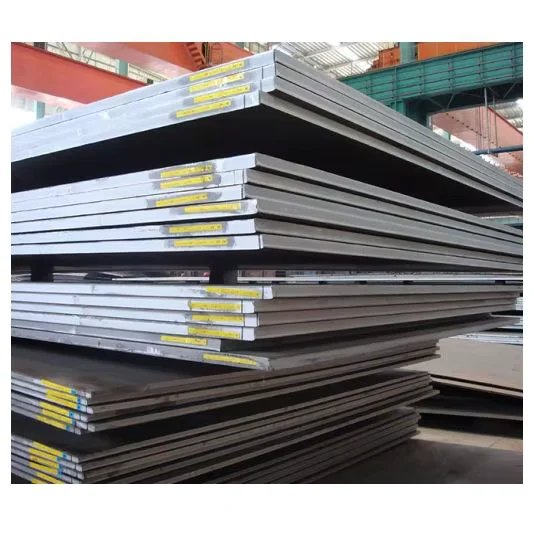
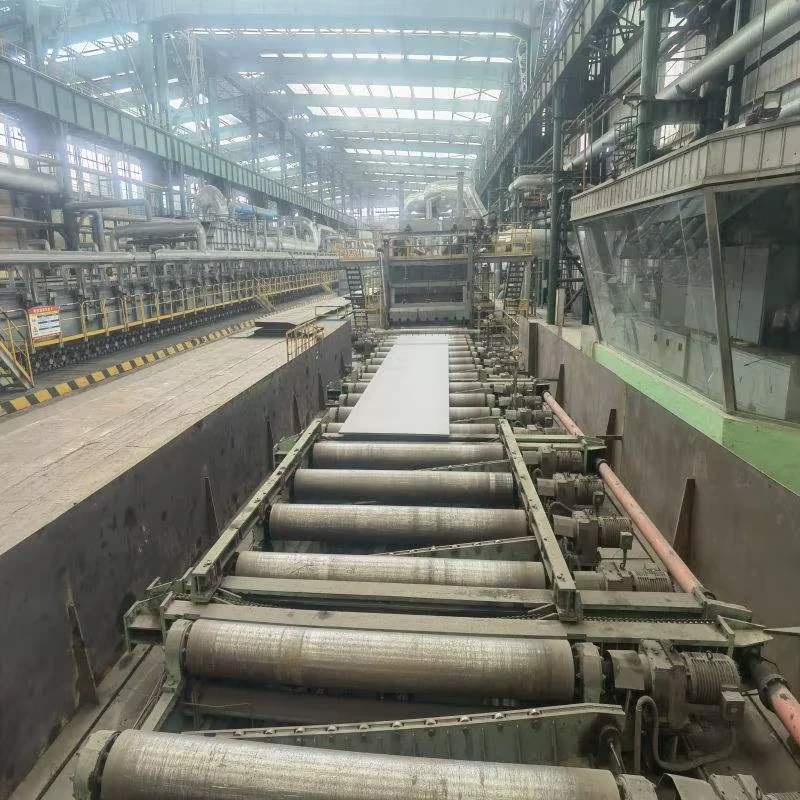
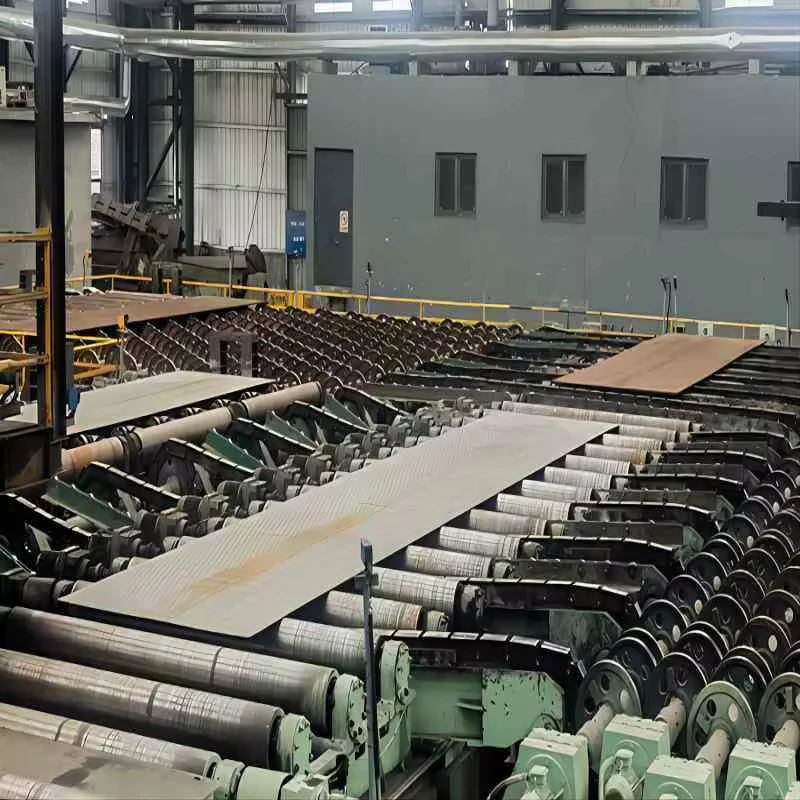
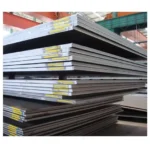
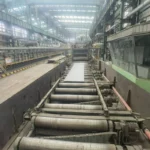
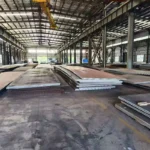
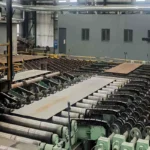
Factory-Direct Hot Rolled Plates — We roll A36, Q235B, and Q345B plates in-house and ship with mill test certificates, cutting out trading margins.
Technical Specifications
| Parameter | Value |
|---|---|
| Designation | A36/Q235/Q345B Hot Rolled Carbon Steel Plate |
| Product Type | Steel Plate |
| Steel Grade | A36, Q235, Q235B, Q345, Q345B, SS400, 20# |
| Standard | ASTM A36 / GB/T 709 / JIS G 3101 |
| Section Shape | Flat Sheet |
| Thickness | 0.21–0.50 mm |
| Width | 600–1250 mm |
| Length | Customized |
| Technique | Hot Rolled |
| Surface Treatment | Coated |
| Tolerance | ±1% |
| Hardness | Soft (HRB60), Medium Hard (HRB60–85), Full Hard (HRB85–95) |
| Processing Service | Bending, Cutting, Decoiling, Punching, Welding |
| Application | Container manufacturing, corrugated sheet production, fencing, pipe making, metal parts |
| Origin | Shandong, China |
Application Suitability
| Industry | Typical Applications |
|---|---|
| Container & Logistics Equipment | Container side panels, corrugated roofing sheets, cargo framing |
| Construction & Infrastructure | Fencing panels, scaffolding planks, pipe blanks for structural use |
| Machinery & Metal Fabrication | Machine guards, brackets, small tool blanks, welded assemblies |
| Agricultural & Industrial Enclosures | Equipment housings, storage bin liners, protective covers |
Cross-Standard Grade Confusion Still Causes Customs Rejections on Steel Plate Orders
A36, Q235B, and Q345B are not interchangeable on paper — and customs officers know it.
I have seen containers held at EU ports because the commercial invoice listed Q235B while the mill test certificate referenced ASTM A36 without a recognized equivalence note. Buyers often assume these grades are “close enough,” but [NEED_CITE: steel grade equivalence between ASTM A36 and GB Q235B standards] requires explicit documentation. When the A36 Q235 hot rolled carbon steel plate supplier cannot back the shipment with a cross-reference table signed by the mill, the cargo sits — and demurrage bills pile up.
Matching Thin-Gauge Hot Rolled Plates to Forming and Structural Demands
Plates in the 0.21–0.50 mm range sit at the boundary between sheet and thin plate, where forming behavior shifts dramatically. For container side panels and corrugated sheet production, the soft hardness option (HRB60) allows deep drawing without cracking, while medium-hard grades (HRB60–85) serve fencing and pipe blanks that need higher flatness after roll-forming. Our A36 Q235 hot rolled carbon steel plate supplier capability covers all three hardness bands in a single order, so fabricators avoid mixing batches from different coils.
Engineering Compliance and Certification Pathways
When these plates enter structural fencing or load-bearing container frames, the governing standard dictates which grade documentation is required. ASTM A36 plates shipped to North America need a mill test certificate referencing chemical composition and tensile properties per ASTM; the same material entering the EU under EN classification must carry CE marking with EN-compliant test reports [NEED_CITE: EN 10025 hot rolled structural steel product requirements]. The coated surface adds a corrosion-resistance layer, but buyers must verify whether the coating type meets the target market’s environmental exposure class — a detail often missing from generic quotations.
Hot Rolling, Hardness Bands, and Why Tolerance Matters at Thin Gauges
Hot rolling at 0.21–0.50 mm thickness pushes the process toward the lower limit of plate mill capability, where ±1% tolerance translates to just a few microns of variation across a 1250 mm width. This matters because container manufacturers running high-speed roll-forming lines cannot afford thickness spikes that jam the feed rollers. The Q345B grade, offering higher strength than Q235B, is selected for structural frames where weight reduction matters, while SS400 and 20# serve Japanese-standard and low-carbon forming applications respectively. The coated surface — applied after rolling — must bond uniformly; inconsistent coating adhesion at the edges often signals rolling temperature drift during production [NEED_CITE: hot rolled steel plate surface quality and coating adhesion factors].
Hidden Costs When Plate Tolerance and Grade Documentation Fall Short
A ±1% tolerance sounds tight until a 0.21 mm plate arrives at 0.207 mm on the thin side — within spec on paper, but enough to cause welding burn-through on automated container seam lines. Worse, if the mill test certificate lists Q235 while the purchase order specifies Q235B, the difference in deoxidation practice and impact toughness requirements can fail third-party inspection [NEED_CITE: GB/T 709 Q235 vs Q235B deoxidation and impact test requirements]. Rework, coil rejection, and air-freight replacement erase any per-ton savings from a cheaper source.
Why SD XJY Pipe Earns Repeat Orders on Thin-Gauge Plate
We operate our own physical and chemical laboratory, so every coil is tested for thickness, coating adhesion, and chemical composition before it leaves Jinan — no outsourcing the mill test certificate to a third-party lab after the fact. Our ISO 9001:2015 certification and Lloyd’s CE marking mean EU buyers receive documentation that clears customs without supplementary letters. For buyers needing A36 and Q235B in the same container, we consolidate from our own stock rather than brokering from multiple mills, which keeps heat numbers traceable and hardness bands consistent. Custom cut-to-length and punched blanks ship with edge protection, and our loading team uses anti-damage cradles that prevent the coating scratches that plague loosely strapped plate shipments.
Documentation & Compliance
- Mill test certificate documenting A36, Q235B, or Q345B chemical composition and mechanical properties per ASTM / GB standards
- CE certificate covering hot rolled plate products for EU market compliance under EN classification
- ISO 9001:2015 quality management system certificate covering production and inspection processes
- SGS or BV third-party inspection report available for pre-shipment dimensional and coating verification
- Material traceability by heat number linking each plate to its original coil and rolling batch
- Full customs documentation including packing list, bill of lading, and certificate of origin
Packaging, Loading & Delivery
- Thin-gauge coated plates bundled with steel strips and edge protectors to prevent coating damage during ocean transit
- Anti-rust oil or interleaved paper applied to coated surfaces based on destination humidity and transit duration
- Container loading optimized for 600–1250 mm widths with wooden cradles preventing plate edge contact
- Cut-to-length service available for customized lengths, reducing on-site waste for container and corrugated sheet manufacturers
- Heat number and steel grade stenciled on each bundle for site traceability and inspection matching
- FOB, CIF, and DDP shipping terms available with full tracking until destination port or project site
Start Your Plate Procurement With Clear Specs and Certified Documentation
Send us the steel grade, thickness, width, length, coating requirement, and destination port — we return a detailed quotation with unit pricing, lead time, and sample mill test certificates within 12 hours. For non-standard dimensions or mixed-grade container loads, we provide a custom loading plan before production begins.
Get Your A36 Q235 Hot Rolled Carbon Steel Plate Quote Today
Submit your specifications and destination to receive pricing, mill test certificates, and loading plans.
Shandong Xin Jiyuan Special Steel Tube Co., Ltd
Website: www.sdxjypipe.com
Tel: +86 531 8573 6315
Mobile/WhatsApp/WeChat: +86 188 5315 7756
Email: admin@sdxjypipe.com
Address: No.11889, Jingshi West Road, Lulian Group, Jinan City, Shandong Province, China
Frequently Asked Questions
Q: How do A36, Q235B, Q345B, and SS400 compare across ASTM, GB, and JIS standards?
A: These grades belong to different national standard systems — A36 follows ASTM, Q235B and Q345B follow Chinese GB/T standards, and SS400 follows JIS G 3101. While their chemical compositions and mechanical properties overlap in many cases, they are not automatically interchangeable for certification purposes. We provide cross-reference documentation and mill test certificates that specify the exact standard each plate conforms to.
Q: Can you provide mill test certificates and arrange third-party inspection?
A: Yes. Every shipment includes a mill test certificate documenting chemical composition and mechanical properties per the ordered standard. Third-party inspection through SGS or BV can be arranged for pre-shipment quality confirmation, covering dimensional checks, coating thickness, and surface quality.
Q: Do you support cutting, bending, and punching to custom dimensions?
A: We offer full processing services including cutting to customized lengths, bending, decoiling, punching, and welding preparation. Non-standard sizes and processed blanks are available with the same material certification as standard stock plates.
Q: What coating and hardness options are available for different applications?
A: Our hot rolled plates come with coated surface treatment and three hardness ranges: soft (HRB60) for deep drawing, medium hard (HRB60–85) for general forming, and full hard (HRB85–95) for applications requiring higher flatness. Coating type can be specified based on the target environment and corrosion resistance requirements.
Q: What are the lead times and shipping terms for steel plate orders?
A: Standard sizes and grades typically ship from stock, while custom-processed or non-standard orders enter production with typical lead times depending on specification complexity. Shipping terms include FOB, CIF, and DDP, with professional container loading and full export documentation provided.