

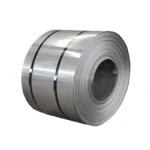

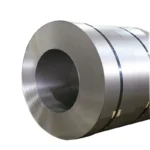
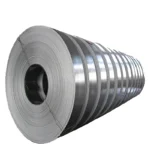
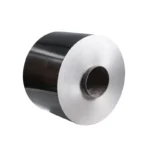
Description
Direct Mill Supply with Full MTC Traceability — Every 304 and 316L stainless steel coil ships with in-house lab-tested chemical and mechanical reports, verified before container sealing.
Technical Specifications
| Parameter | Value |
|---|---|
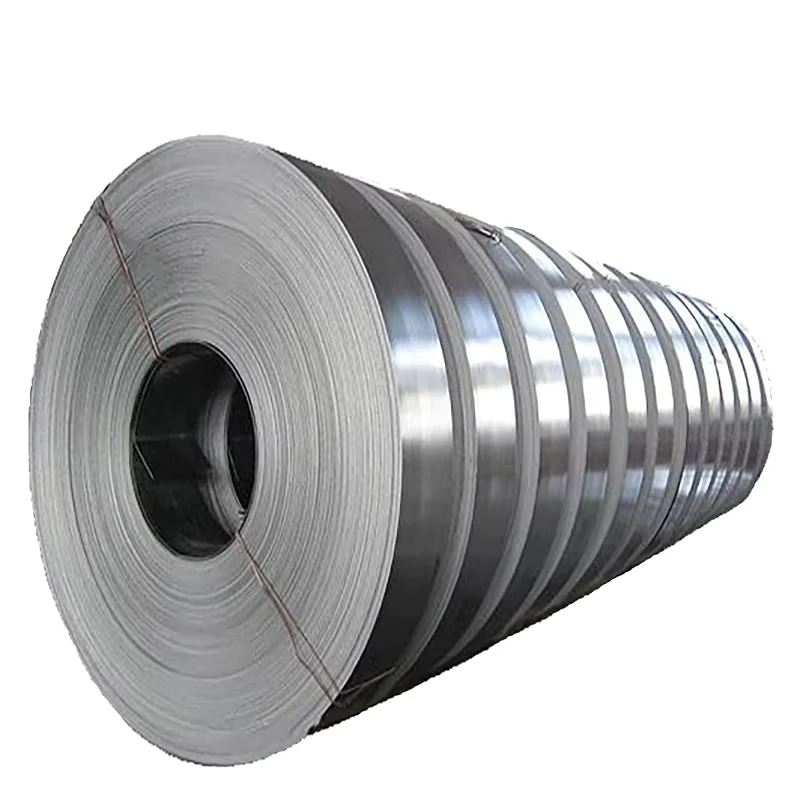
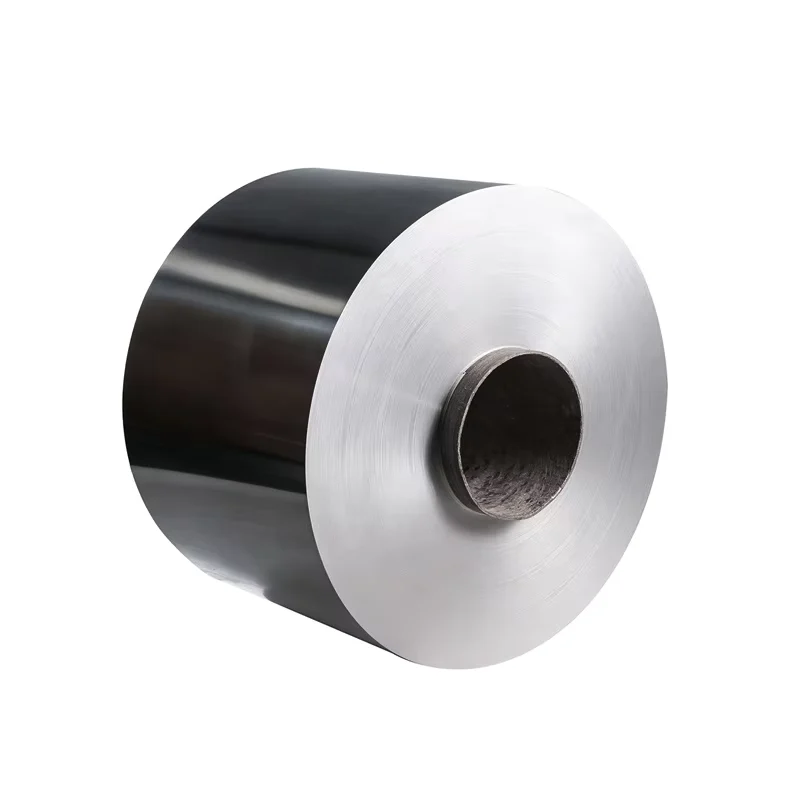
| Designation | 201/304/304L/316/316L/410/430 Stainless Steel Coil |
| Product Type | Stainless Steel Coil |
| Steel Grade | 201, 304, 304L, 316, 316L, 410, 430, 310 |
| Thickness | 1mm, 2mm, 3mm, 4mm |
| Width | 1000mm, 1219mm, and other widths |
| Technique | Hot Rolled / Cold Rolled |
| Surface Treatment | Hot Rolled / Cold Rolled finish |
| Application | Chemical industry, Food processing, Construction, General fabrication |
| Origin | Shandong, China |
Application Suitability
| Industry | Typical Applications |
|---|---|
| Chemical Processing | Reaction vessels, piping systems, and storage tanks requiring chloride resistance |
| Food & Beverage | Processing equipment, conveyor belts, and hygienic surface panels |
| Construction & Architecture | Curtain wall backing plates, roofing sheets, and decorative facade panels |
| General Fabrication | Kitchen equipment, appliance housings, and welded structural frames |
Why Grade Equivalence Failures Sink Facade Projects on Arrival
Ordering 304 when the drawing calls for 316L means the entire coil fails corrosion testing at site — and no amount of paperwork fixes it.
Specifying stainless steel coils across international projects often runs into grade confusion between ASTM, EN, and JIS systems. A 304 316L stainless steel coil supplier who cannot provide clear equivalence mapping risks material rejection at customs or on-site PMI testing. [NEED_CITE: stainless steel grade equivalence between ASTM A240 and EN 10088]
Surface finish consistency is another silent failure point. Cold rolled coils with uneven finish or hot rolled coils with excessive scale can cause coating adhesion problems downstream. When thickness tolerance drifts beyond acceptable range, the entire fabrication sequence — from slitting to forming — produces out-of-spec parts.
Matching Coil Grade to Corrosion Environment and Fabrication Method
Choosing between 304 and 316L is not just a cost decision — it is a corrosion environment calculation. For coastal construction facades or chemical processing equipment exposed to chloride ions, 316L stainless steel coil provides molybdenum-enhanced pitting resistance that 304 simply cannot match. In dry indoor environments, 201 or 430 grades offer adequate performance at lower cost. As a 304 316L stainless steel coil supplier, we match grade selection to actual service conditions rather than defaulting to the most expensive option.
Engineering Compliance and Certification Requirements
Stainless steel coils for food processing must meet surface finish and cleanability standards that go beyond basic material composition. Construction applications in EU markets require proper material documentation traceable to heat numbers, while North American projects often specify ASTM A240 or A480 compliance. [NEED_CITE: ASTM A240 standard specification for chromium and chromium-nickel stainless steel plate] Proper certification prevents customs delays and ensures the 304 316L stainless steel coil passes third-party inspection at destination.
Hot Rolled vs Cold Rolled: Surface, Tolerance, and Cost Trade-offs
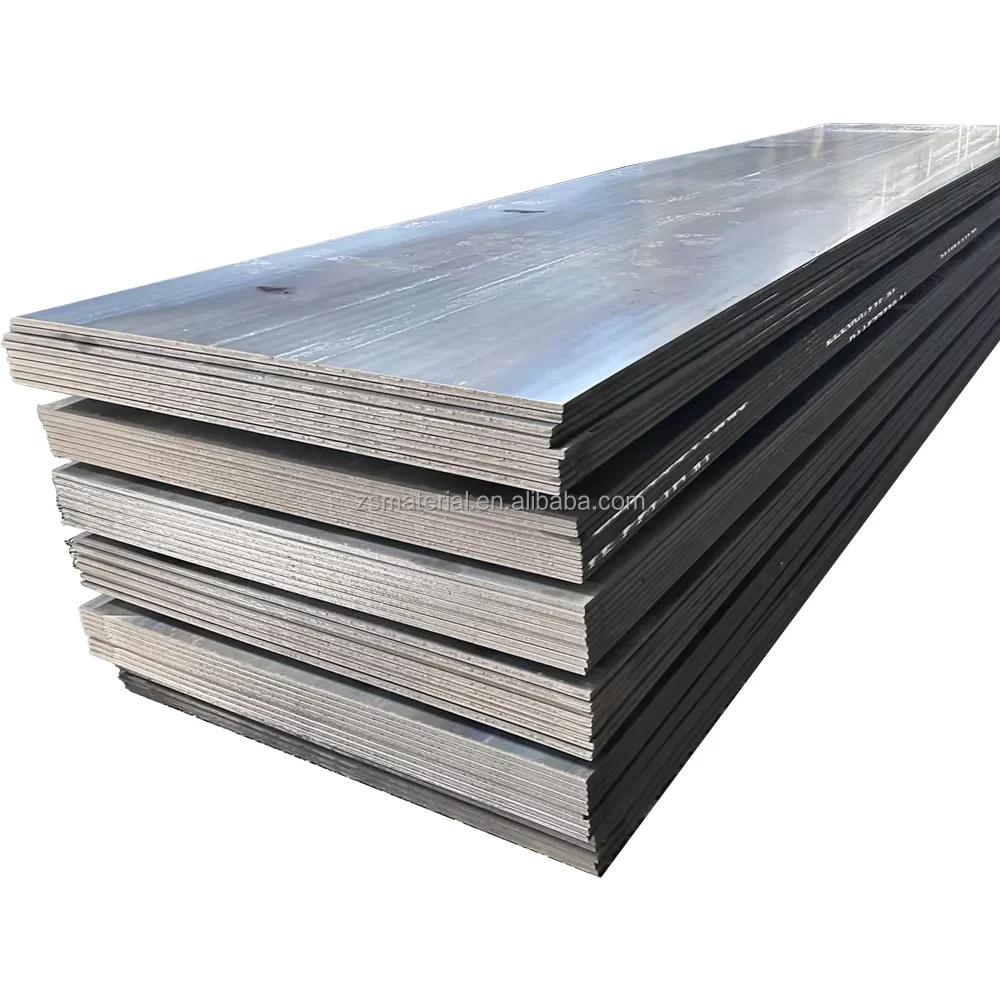
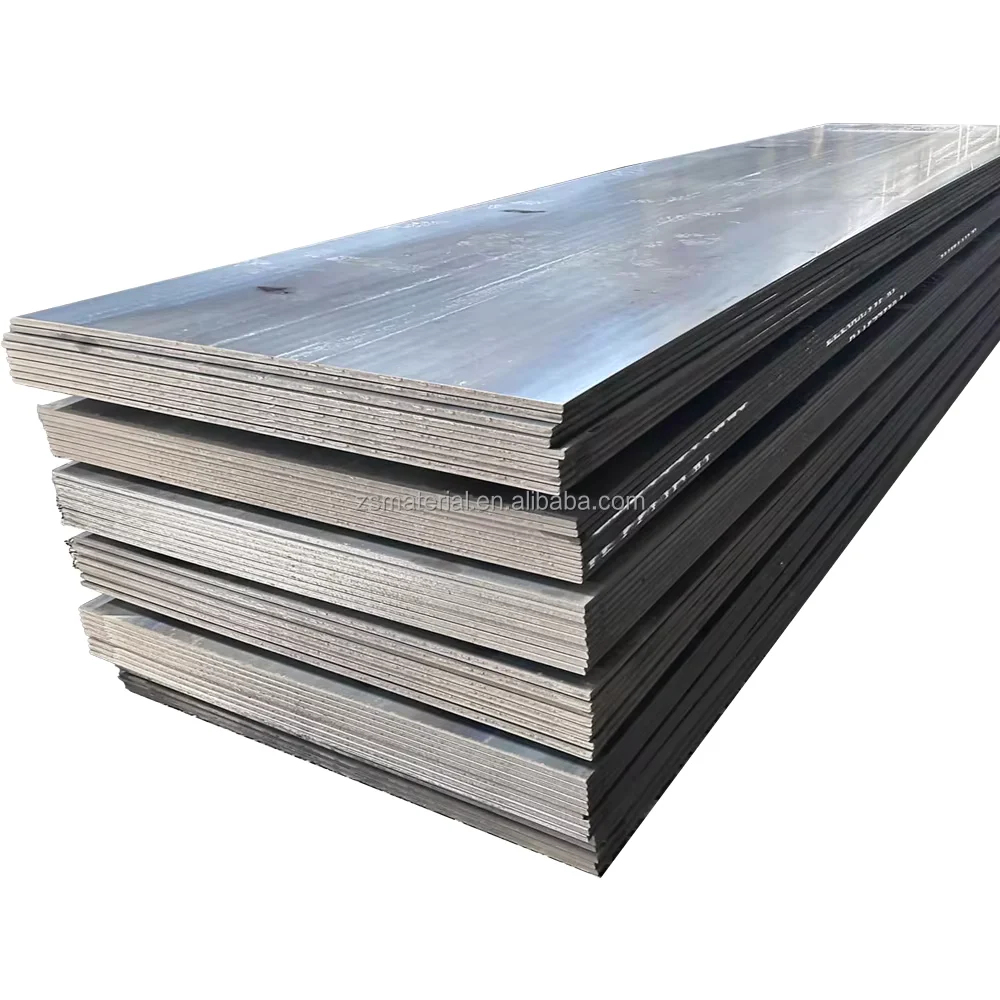
Hot rolled stainless steel coil offers cost advantages for structural and industrial applications where tight surface finish is not critical. The process produces thicker gauges with mill scale that requires pickling before further processing. Cold rolled stainless steel coil delivers tighter thickness tolerance, smoother surface finish, and improved formability — essential for architectural facades and precision fabrication. The 1mm to 4mm thickness range covers both heavy industrial use and light gauge decorative applications across 1000mm and 1219mm standard widths.
Ferritic vs Austenitic: When 430 Outperforms 304
The 430 ferritic grade offers magnetic properties and lower nickel content, making it suitable for decorative trim and indoor architectural panels where extreme corrosion resistance is not required. Austenitic grades like 304 and 316L provide superior formability and weldability but at higher raw material cost. The 310 grade serves high-temperature applications such as furnace components and heat treatment fixtures where oxidation resistance matters more than forming ease.
Hidden Costs of Incorrect Grade Selection and Missing Documentation
Ordering the wrong stainless steel grade does not show up until fabrication begins or the installed product starts corroding. A 316L project that receives 304 material will pass visual inspection but fail salt spray testing within months in marine environments. Missing or incomplete mill test certificates create customs clearance delays that stall entire project timelines. [NEED_CITE: consequences of material misidentification in stainless steel procurement] Third-party inspection at loading stage catches these discrepancies before the container leaves the mill.
Why Project Buyers Choose Our Stainless Steel Coil Supply
Every 304 316L stainless steel coil ships with chemical composition and mechanical property reports from our in-house physical and chemical laboratory. We maintain ISO 9001:2015 certified quality management across all production stages. Third-party inspection through SGS or BV is available for buyers who require independent verification before shipment. Our 2800+ specification coverage means non-standard widths and custom slit-to-size orders are handled without minimum quantity barriers. Professional container loading with edge protectors and moisture barriers prevents surface damage during ocean transit to 50+ countries.
Documentation & Compliance
- Mill test certificate documenting 304 and 316L chemical composition including carbon, chromium, nickel, and molybdenum content per ASTM A240
- CE compliance documentation for stainless steel coils destined for European construction and architectural projects
- ISO 9001:2015 quality management certificate covering production and testing processes
- SGS or BV third-party inspection report available upon request for pre-shipment verification
- Material traceability by heat number linking each coil to production batch and test results
- Complete customs documentation including packing list, bill of lading, and certificate of origin
Packaging, Loading & Delivery
- Cold rolled stainless steel coils wrapped in moisture-proof paper and outer steel sheet to prevent surface scratching and corrosion during transit
- Hot rolled coils bundled with steel strips and wooden pallets for stable container loading of 1000mm and 1219mm widths
- Edge protectors applied to all coil sides to prevent edge damage from steel band tension during ocean freight
- Coil identification marks include steel grade, heat number, thickness, width, and production date for site traceability
- Custom slit-to-width orders packed separately with clear labeling to avoid grade mixing at destination warehouse
- FOB, CIF, and DDP shipping terms available with professional container loading optimization for 1-4mm thickness range
Start Your Stainless Steel Coil Inquiry with Grade and Dimension Details
Submit your required steel grade, thickness, width, technique preference, and destination port to receive a detailed quotation with mill test certificate preview. Our team responds within 12 hours with pricing, production lead time, and available certification documentation. Custom width slitting and non-standard thickness orders are quoted separately with clear MOQ and delivery terms.
Frequently Asked Questions
Q: What is the difference between 304 and 316L stainless steel coils?
A: 316L contains molybdenum for enhanced corrosion resistance in chloride environments, while 304 is suitable for general atmospheric and mild chemical exposure. The “L” in 316L indicates low carbon content for improved weldability.
Q: Can you provide EN/ASTM/JIS grade equivalence for stainless steel?
A: Yes, we provide grade equivalence mapping between ASTM A240, EN 10088, and JIS G4304 standards to ensure correct material selection for your project specifications.
Q: What is the typical delivery time for stainless steel coil orders?
A: Standard specification coils ship from stock, while custom thickness or width orders follow typical production lead times based on order quantity and mill scheduling.
Q: Do you offer custom widths or slit-to-size services?
A: Yes, we provide slit-to-width services for 1000mm and 1219mm master coils to meet your specific fabrication requirements.
Q: How do you ensure corrosion resistance meets project specifications?
A: Each batch undergoes chemical composition testing in our in-house laboratory, with mill test certificates provided for verification. Third-party inspection is available for additional assurance.
Request Your Stainless Steel Coil Quotation Today
Send your grade, thickness, width, and quantity requirements to receive pricing and mill test certificate documentation.
Tel: +86 531 8573 6315
Mobile/WhatsApp/WeChat: +86 188 5315 7756
Email: admin@sdxjypipe.com