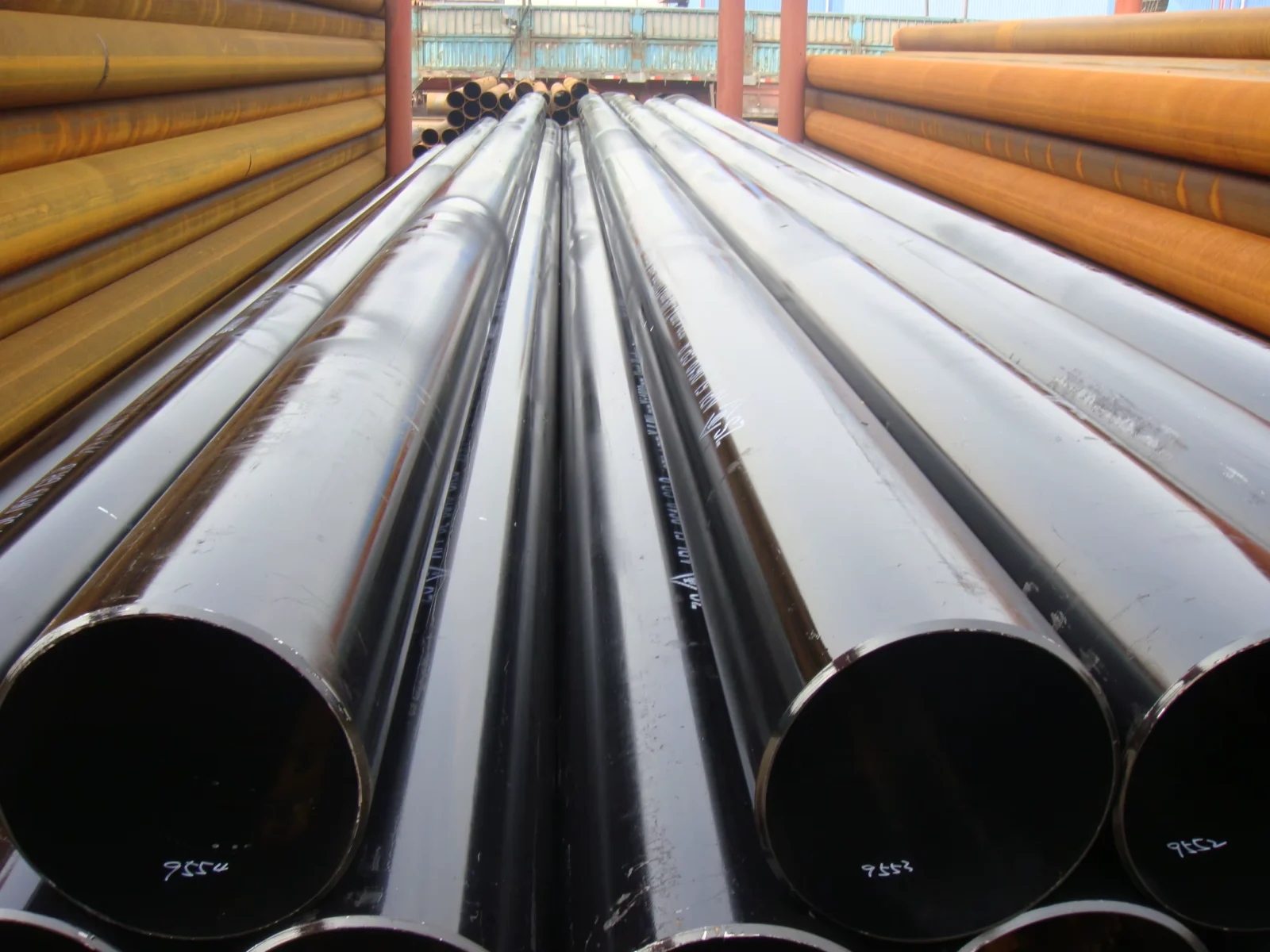
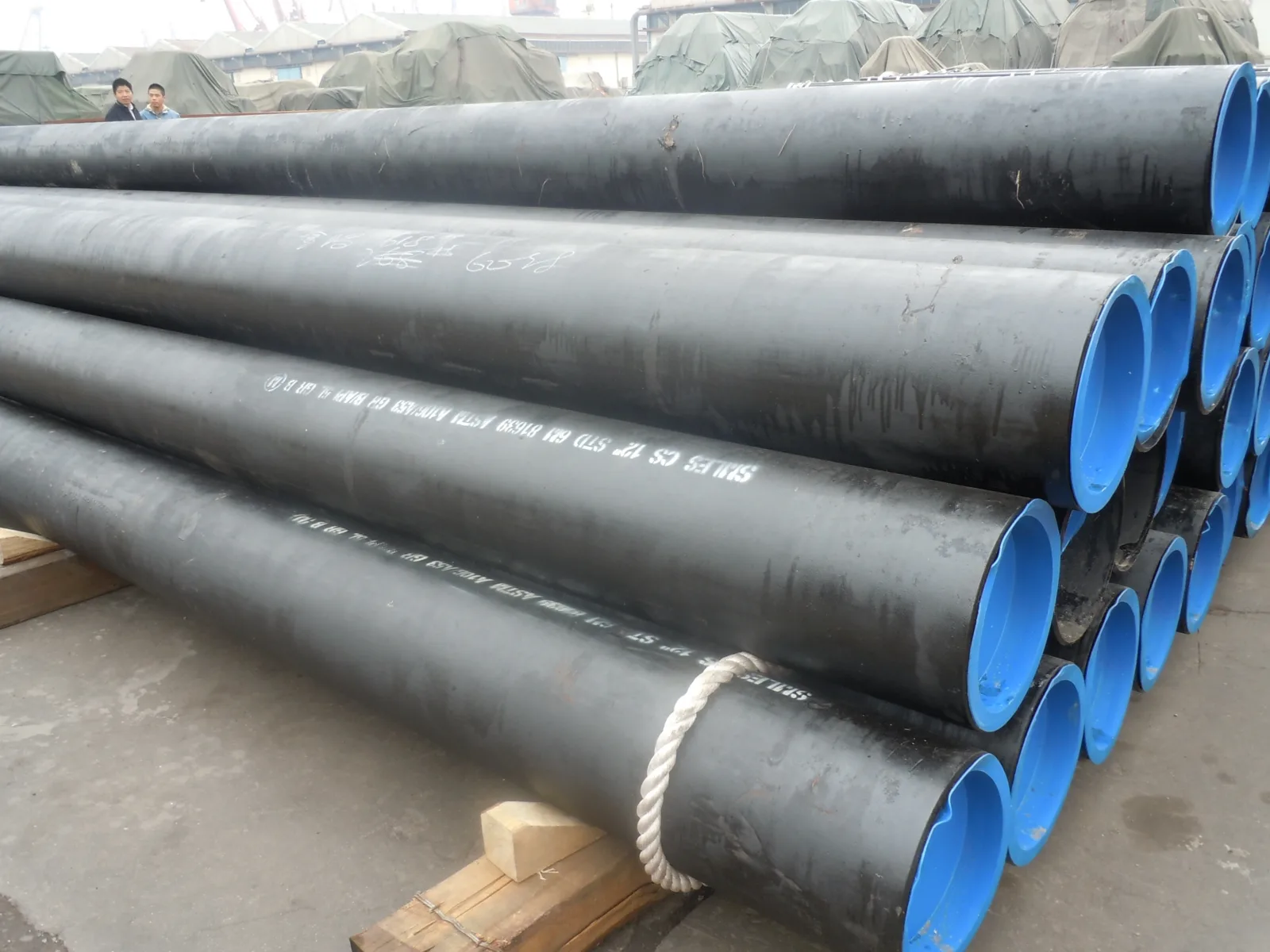
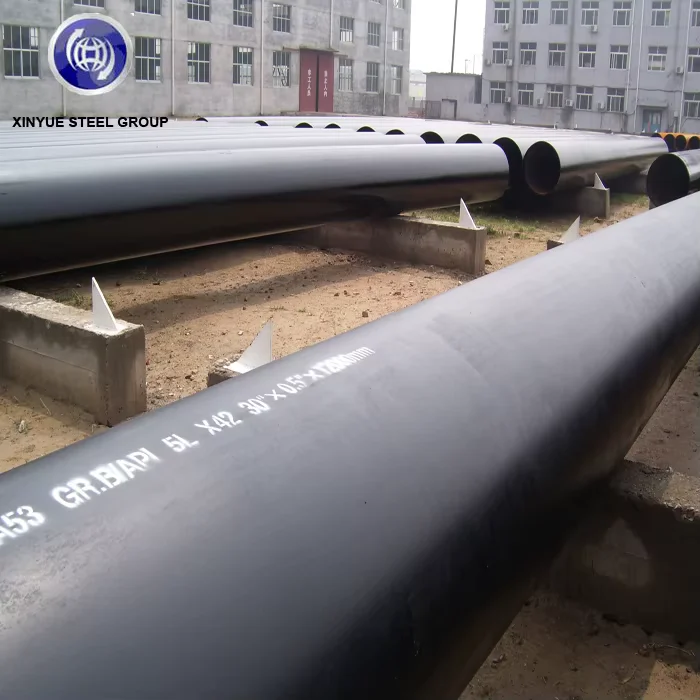
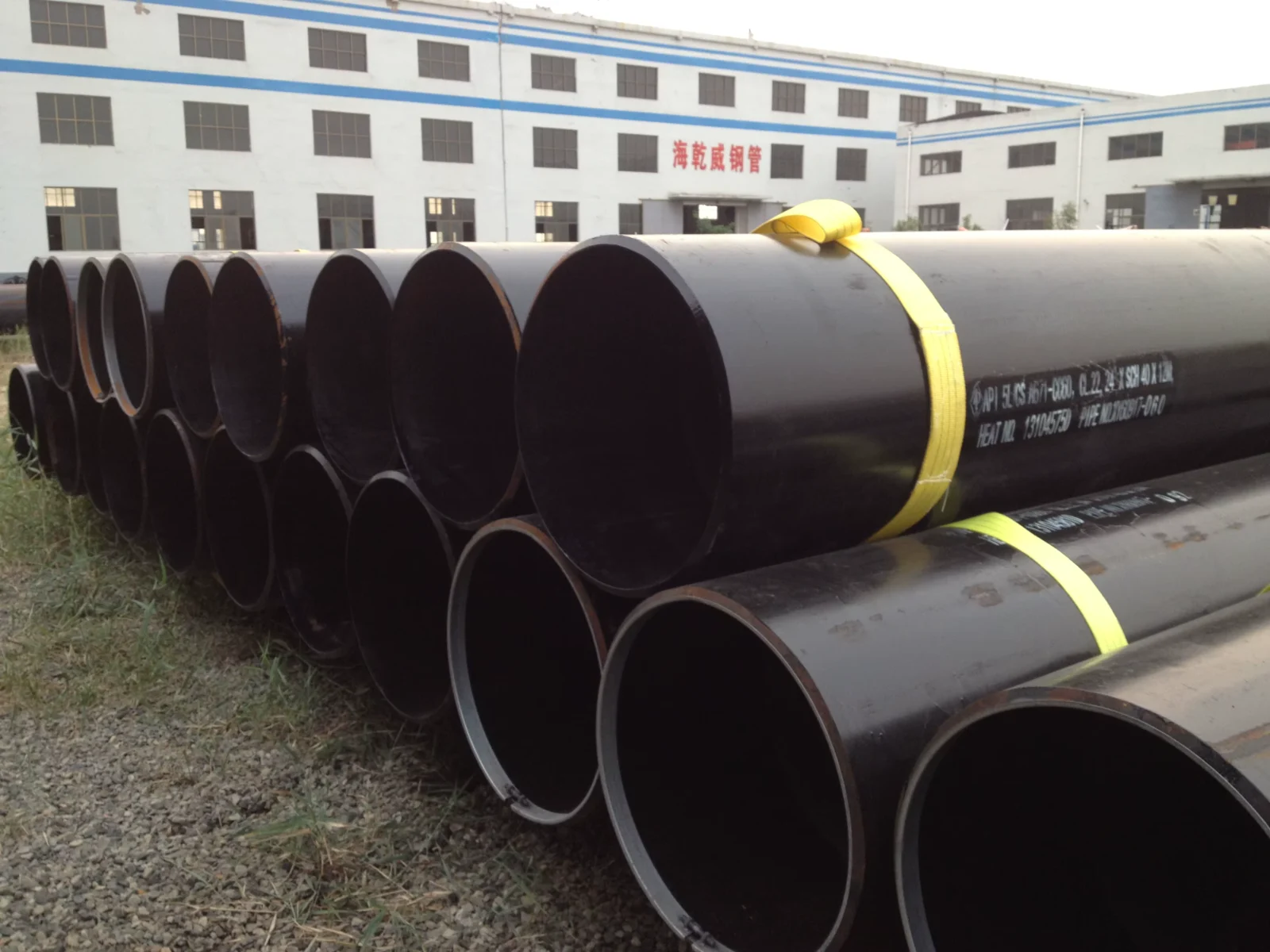
Description
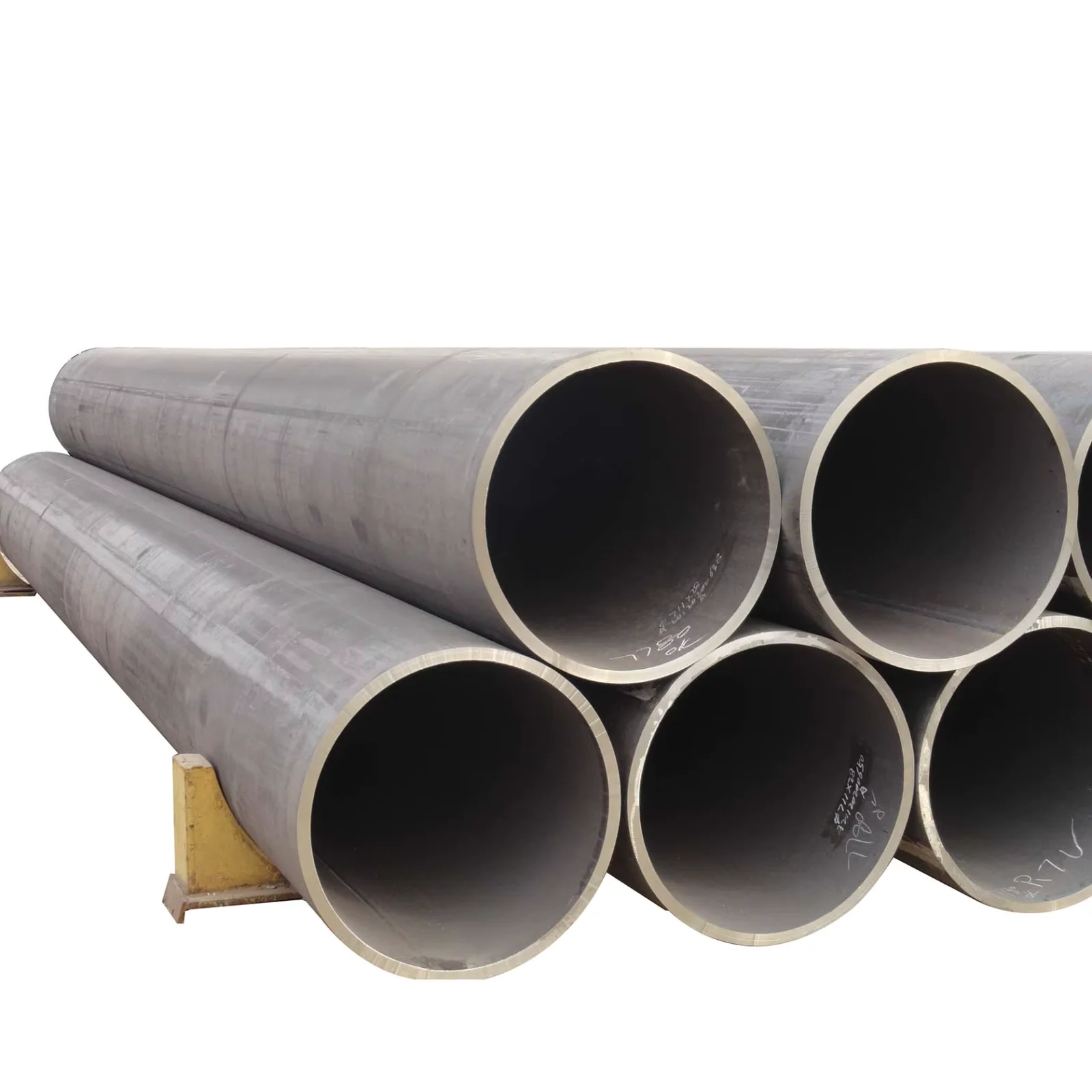
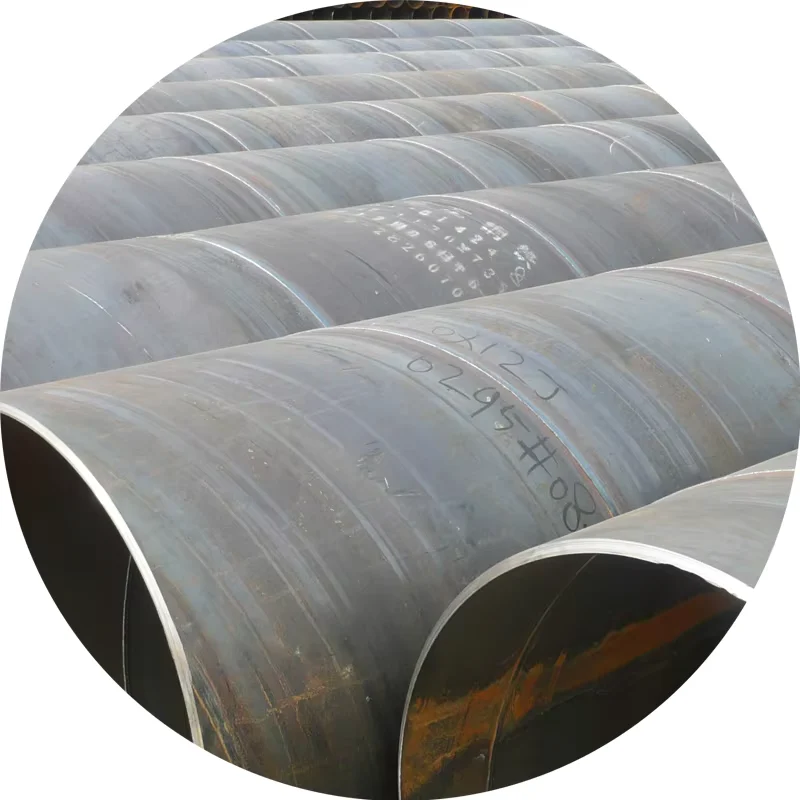
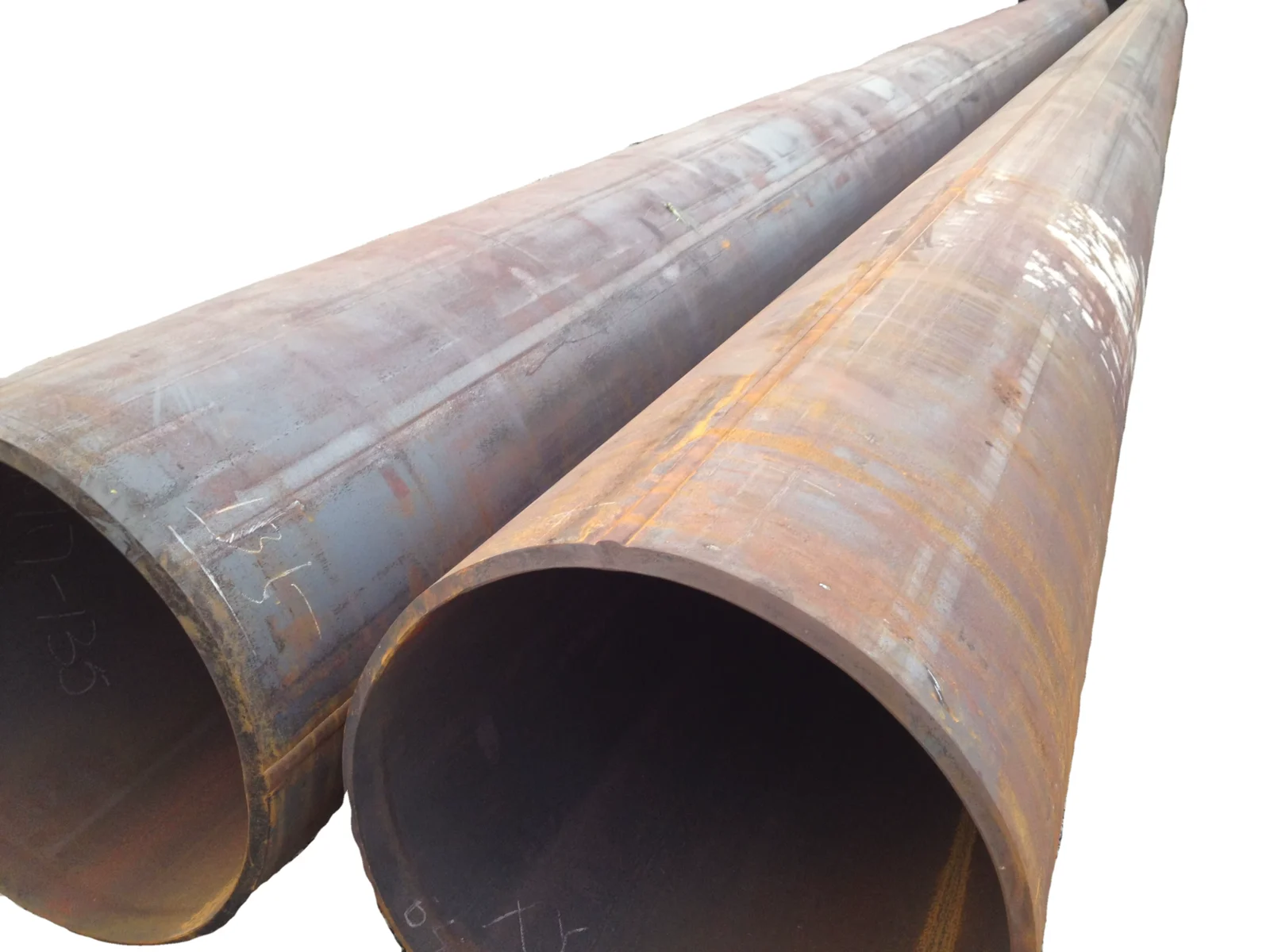
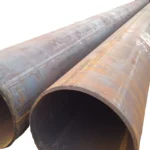
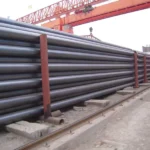
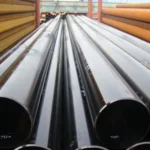
Factory-Direct LSAW Pipe Mill — 3 production lines covering OD 355.6–1626 mm with in-house physical and chemical laboratories for every heat.
Technical Specifications
| Parameter | Value |
|---|---|
| Designation | ASTM A106 Round Steel Pipe |
| Product Type | Round Steel Pipe |
| Steel Grade | A106 |
| Standard | ASTM A106 |
| Section Shape | Round |
| Size Range | OD 355.6–1626 mm |
| Technique | LSAW (Longitudinally Submerged Arc Welding) |
| Surface Treatment | Hot Rolled |
| Ends | Plain / Beveled |
| Application | Oil Pipe, Gas Pipe, Drill Pipe |
| Origin | Shandong, China |
Application Suitability
| Industry | Typical Applications |
|---|---|
| Oil & Gas Transmission | Long-distance crude oil and natural gas trunk pipelines, gathering lines |
| Industrial Fluid Transport | High-pressure steam lines, process piping in refineries and chemical plants |
| Infrastructure & Construction | Municipal water mains, piling casings, bridge foundation supports |
| Power Generation | Boiler feed lines, cooling water circuits, high-temperature steam headers |
What Wall-Thickness Tolerance Costs on a High-Pressure Pipeline Order
A few tenths of a millimeter on wall thickness can mean the difference between passing hydrostatic testing and scrapping an entire shipment at the port.
When procurement teams source ASTM A106 LSAW steel pipe for high-pressure oil and gas transmission, the most common failure point is not the steel grade itself — it is the wall-thickness consistency across the length of each pipe. LSAW welding introduces a seam that must match the base metal in both tensile strength and elongation. If the forming and welding process is not tightly controlled, the weld zone can become a weak link under internal pressure cycling. I have seen containers held at destination ports because spot checks revealed wall measurements drifting below the minimum specified tolerance, even though the heat number on the certificate looked clean. [NEED_CITE: ASTM A106 dimensional tolerance and wall thickness requirements]
How LSAW Process Meets Large-Diameter Pipeline Demands
Longitudinally Submerged Arc Welding forms the plate into a cylinder and welds the seam from both inside and outside using dual-wire submerged arc, producing a continuous, full-penetration weld suited for OD 355.6–1626 mm. For high-pressure oil and gas pipelines, this process delivers uniform wall distribution across the full circumference — critical when the pipe must withstand internal pressures exceeding 10 MPa in trunk line service. Our LSAW lines run hydrostatic testing on every single length before it leaves the mill, and the hot rolled surface finish provides a clean substrate for field coating applications such as 3LPE or FBE without additional surface preparation.
Engineering Compliance for High-Pressure Piping Systems
ASTM A106 governs seamless and welded carbon steel pipe intended for high-temperature service, and the A106 grade demands specific chemical composition limits — particularly on carbon, manganese, and sulfur — to maintain weldability and toughness at elevated temperatures. [NEED_CITE: ASTM A106 chemical composition and mechanical property requirements] For projects in regulated markets, the mill test certificate must document heat-level chemistry and mechanical results traceable back to the original slab. Beveled ends are standard for field girth welding, and dimensional conformity to ASME B36.10M ensures fit-up compatibility with standard fittings and flanges. Third-party inspection by SGS or BV is routinely specified by EPC contractors before shipment authorization.
Understanding A106 Grade and LSAW Welding Principles
The A106 specification covers carbon steel pipe for high-temperature service, where the grade designation reflects chemistry and mechanical property requirements rather than a single yield point. LSAW pipe starts from hot rolled coil or plate that is edge-milled, formed via the JCOE or UOE process, and then welded under a flux blanket — this produces a weld deposit with low hydrogen content and minimal slag inclusion, which is essential for sour service or low-temperature environments. The hot rolled surface condition means the pipe arrives with a mill scale that must be removed before anti-corrosion coating, but it avoids the cost premium of seamless manufacturing for large diameters above 355.6 mm OD where seamless production becomes economically impractical. Wall thickness in this diameter range typically spans from standard schedule to extra-heavy, and each increment directly affects the pipe’s pressure rating and weight per meter.
Hidden Costs of Sourcing Without Verified Mill Documentation
Purchasing ASTM A106 LSAW steel pipe without verified mill test certificates or third-party inspection creates compounding risks downstream. Material that fails to meet the specified chemistry will not pass weld procedure qualification at the construction site, forcing costly re-procurement and schedule delays. Pipes with wall thickness below the minimum tolerance may pass visual inspection but will fail hydrostatic testing under project-specified pressure — meaning entire sections of installed pipeline must be excavated and replaced. [NEED_CITE: consequences of non-conforming pipe in pipeline construction] Certification gaps also trigger customs holds in regulated import markets, where missing or incorrect standard references on the MTC can block clearance for weeks.
Why Procurement Teams Source LSAW Pipe From Our Mill
We operate three dedicated LSAW production lines capable of covering the full OD 355.6–1626 mm range specified for ASTM A106 pipe, with wall thickness capability that serves both standard schedule and heavy-wall pipeline orders. Every heat undergoes chemical analysis and mechanical testing in our in-house laboratory before release, and the resulting mill test certificates document composition, yield, tensile, and elongation values traceable to the original slab heat number. We hold full international certifications including ISO 9001:2015, Lloyd’s CE marking per EN 10210/10219, and Singapore FPC — meaning export documentation clears customs in EU, Middle East, and Southeast Asian markets without supplementary testing. Custom non-standard lengths and beveled-end configurations are available with low minimum order quantities, and our loading teams use purpose-built cradles and dunnage to prevent ovality damage and surface scoring during container and bulk vessel loading. Over 50 countries currently receive regular shipments from our Jinan facility, and our export documentation team handles packing lists, bills of lading, and certificates of origin for every consignment.
Documentation & Compliance
- Mill test certificate documenting A106 chemical composition, yield strength, tensile strength, and elongation per ASTM A106, traceable by heat number
- ISO 9001:2015 quality management system certificate covering the full LSAW production and testing process
- SGS or BV third-party inspection report available for pre-shipment dimensional, visual, and hydrostatic verification
- CE certificate per EN 10210/10219 for projects requiring European conformity marking on structural hollow sections
- Material traceability report linking each pipe length to its original slab heat number and production batch
- Complete customs documentation including packing list, bill of lading, and certificate of origin for destination-country clearance
Packaging, Loading & Delivery
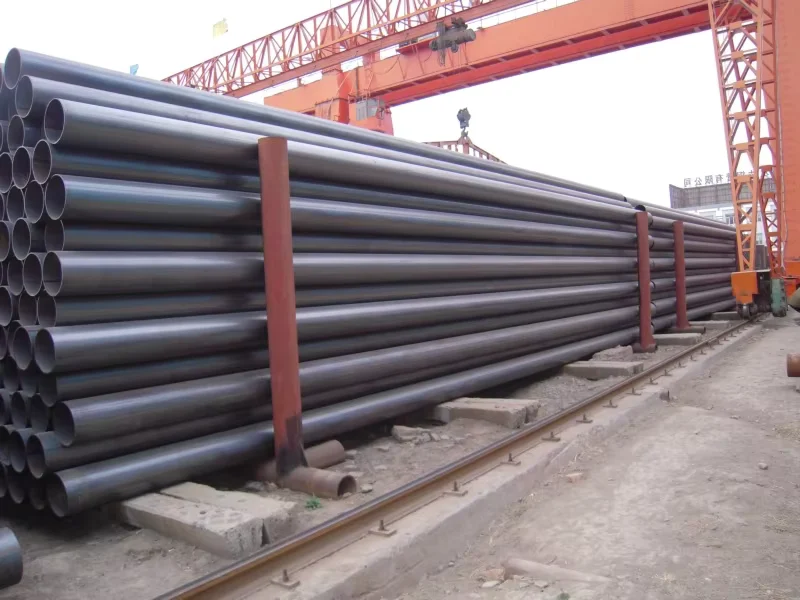
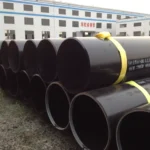
- LSAW pipes bundled with high-tensile steel strips and separated by timber dunnage to prevent contact damage to the hot rolled surface during ocean transit
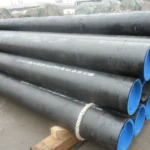
- Beveled ends protected with plastic caps to preserve welding preparation geometry and prevent moisture ingress during storage and shipping
- Container loading optimized for OD 355.6–1626 mm pipe lengths using nested configurations and anti-ovality cradles to maximize payload while preventing deformation
- Heat number and A106 grade stenciled on each pipe length with weather-resistant paint for site identification and traceability verification
- FOB, CIF, and DDP shipping terms available with professional export loading supervision and real-time vessel tracking until port of discharge
- Custom cutting to project-specified lengths available before shipment to reduce field cutting waste and accelerate construction timelines
How to Initiate Your LSAW Pipe Procurement
Submit your required OD, wall thickness, length, quantity, and destination port — we will respond within 12 hours with a detailed quotation including unit pricing, production lead time, and shipping terms. Mill test certificates and third-party inspection arrangements are confirmed at the contract stage, and non-standard dimensions or end configurations are quoted separately upon request.
Request Your ASTM A106 LSAW Pipe Quotation
Send your specifications including size, wall thickness, quantity, and destination to receive pricing and mill test certificate samples.
Company: Shandong Xin Jiyuan Special Steel Tube Co., Ltd
Tel: +86 531 8573 6315
Mobile/WhatsApp/WeChat: +86 188 5315 7756
Email: admin@sdxjypipe.com
Frequently Asked Questions
Q: What is the difference between ASTM A106 and API 5L for pipeline applications?
A: ASTM A106 covers carbon steel pipe for high-temperature service and is commonly specified for process piping and industrial fluid transport, while API 5L governs line pipe for oil and gas transmission pipelines. Both standards address similar carbon steel chemistries, but API 5L includes additional requirements for sour service and longitudinal charpy impact testing. We supply both standards and can provide equivalence guidance based on your project specification.
Q: Can LSAW pipe be supplied with beveled ends for field welding?
A: Yes, beveled ends are standard for ASTM A106 LSAW pipe in the OD 355.6–1626 mm range. We provide bevel angles per ASME B36.10M or custom bevel configurations per your weld procedure specification, with plastic end caps applied to protect the preparation during transit.
Q: What third-party inspection options are available before shipment?
A: We arrange SGS, BV, or other internationally recognized inspection agencies for pre-shipment verification covering dimensional checks, visual inspection, hydrostatic testing witness, and wall thickness ultrasonic measurement. Inspection scope and acceptance criteria are agreed before production begins.
Q: How do you ensure wall thickness consistency across large-diameter LSAW pipe?
A: Our LSAW lines use automated ultrasonic testing on every pipe length to verify wall thickness at multiple points around the circumference and along the full body. Results are recorded in the mill test certificate and available for client review before shipment authorization.
Q: What is the typical production lead time for custom-size ASTM A106 LSAW pipe?
A: Standard sizes may ship from existing stock, while custom non-standard dimensions typically require typical production lead times for forming, welding, testing, and inspection. Exact timelines are confirmed in the quotation based on order quantity and specification complexity.