

Description
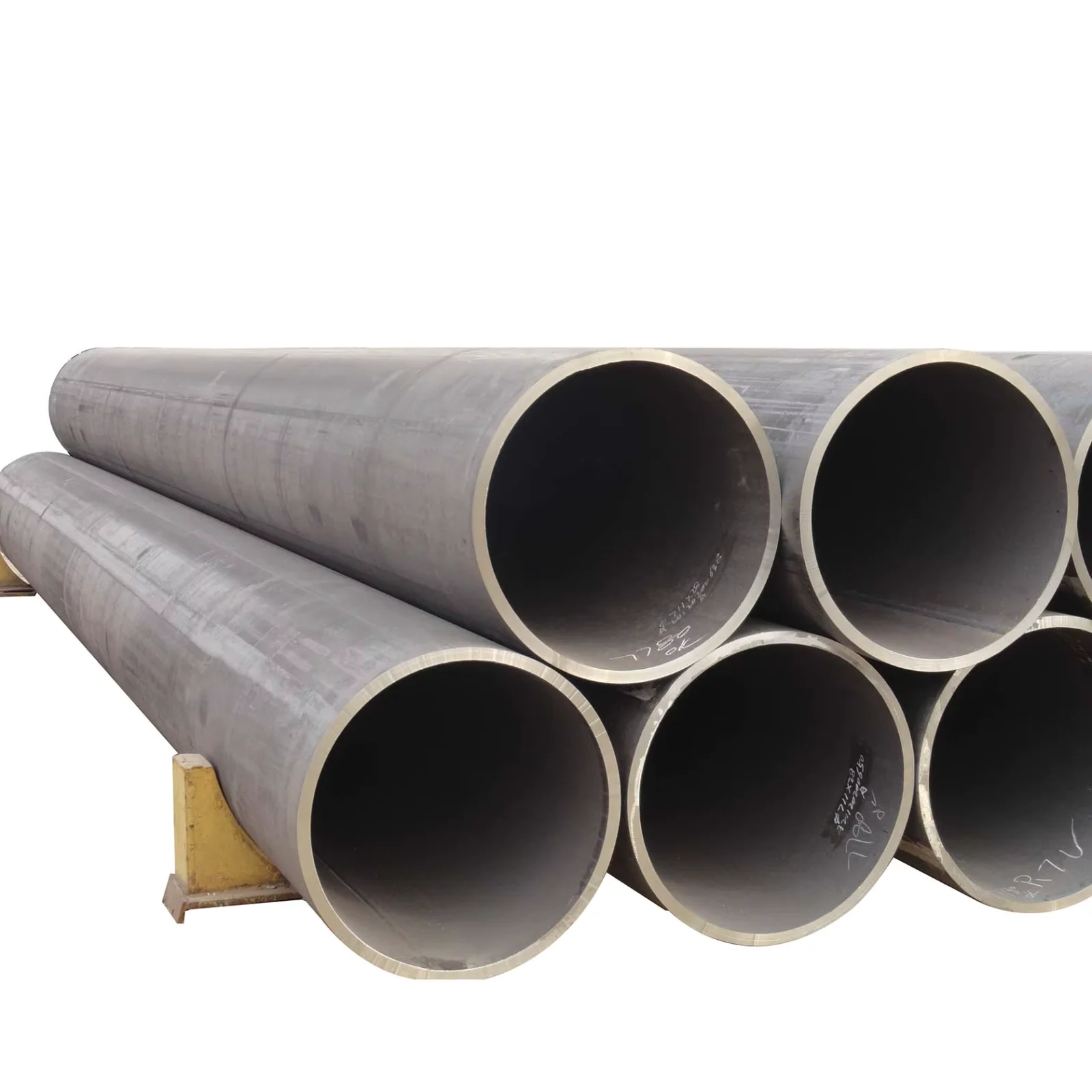
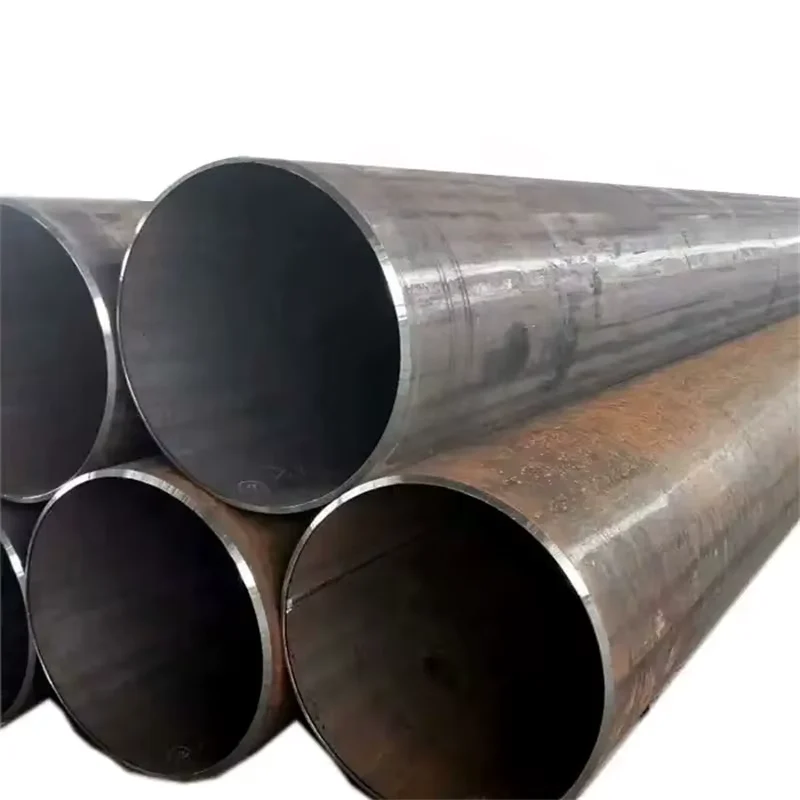
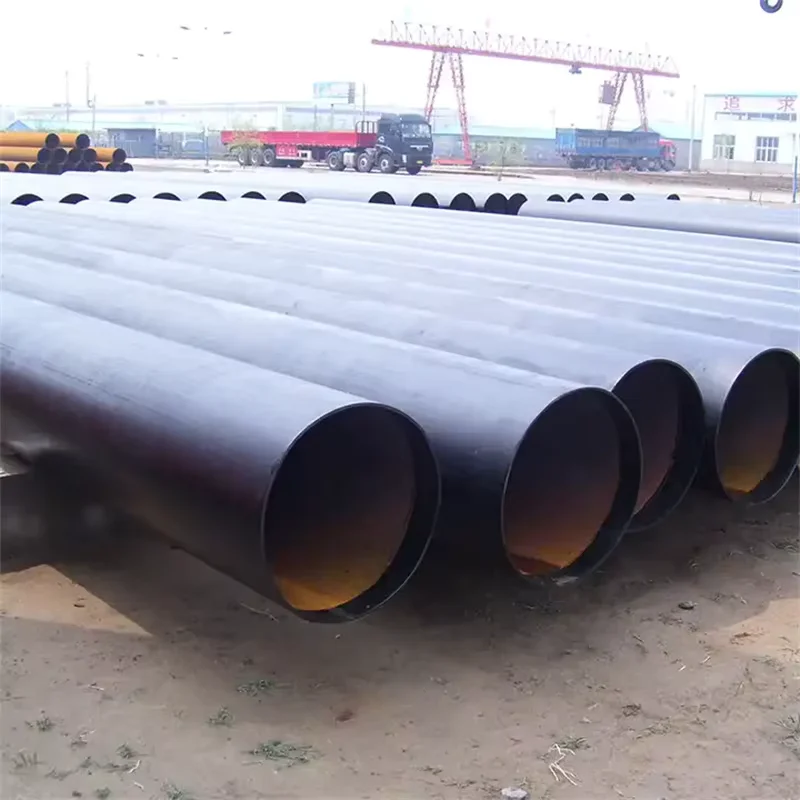
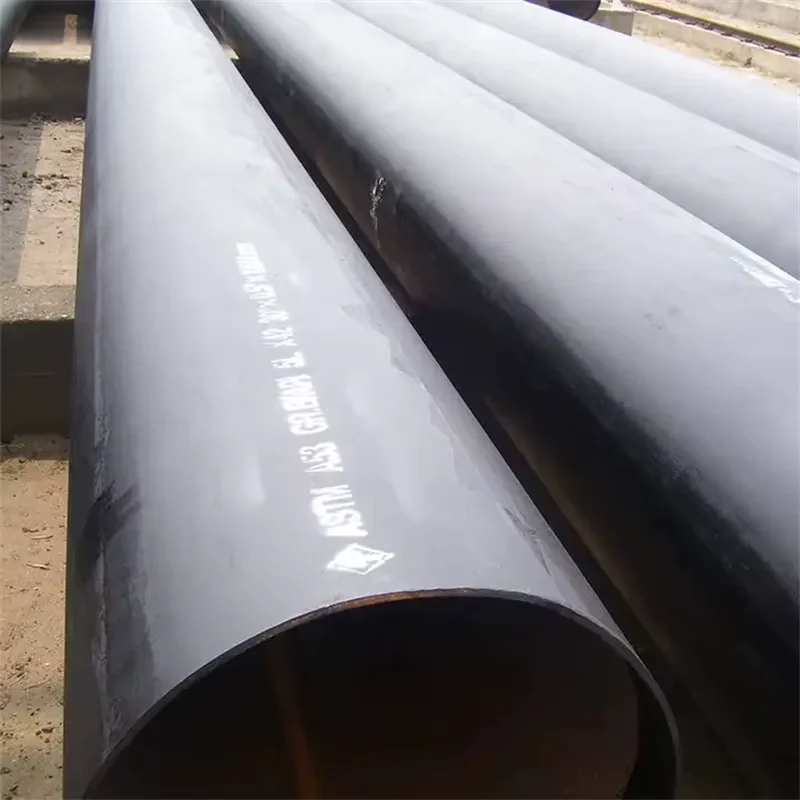
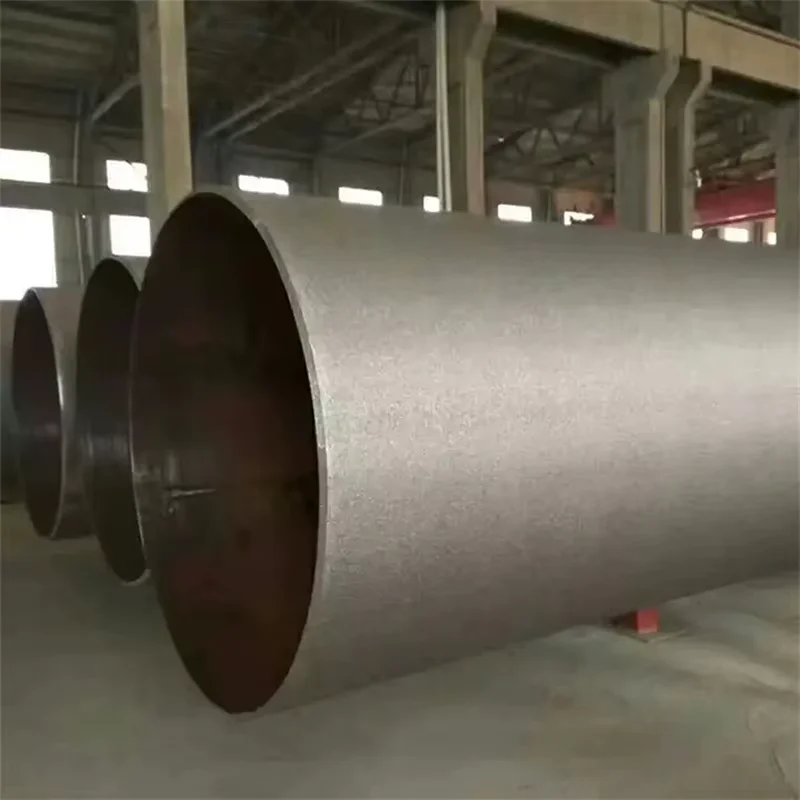
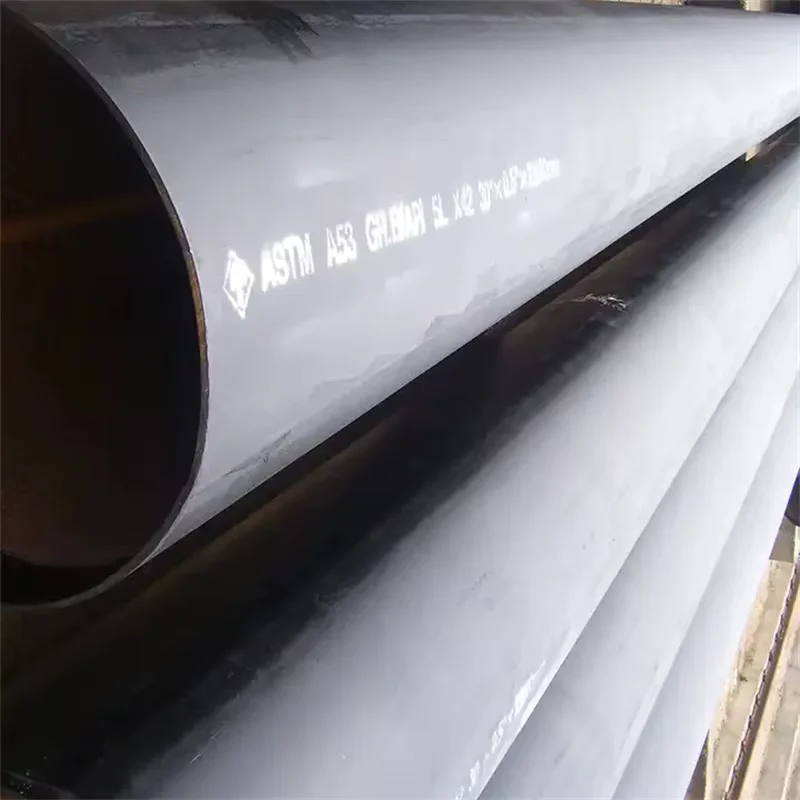
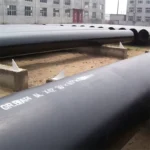
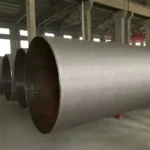
Full-Grade JCOE Pipeline Supply — One factory covers API 5L X42 through X80 and ASTM A252 GR.A–GR.E in a single order, eliminating multi-mill coordination for large-diameter transmission and piling projects.
Technical Specifications
| Parameter | Value |
|---|---|
| Designation | LSAW JCOE Round Steel Pipe All Grade |
| Product Type | Round Steel Pipe (JCOE / LSAW) |
| Steel Grade | L245/B, L290/X42, L360MB, X52, X56, X60, X65, X70, X80, GR.A–GR.E, S235, S275, S355, S420, S460, Q235, Q355, P195, P235, P265, SKK400, SKK490, SKY400, SKY490 |
| Standard | API 5L (PSL1/PSL2), ASTM A139, ASTM A252, ASTM A53, EN 10217, EN 10219, JIS A5525, JIS A5530, GB/T 9711, SY/T 5037 |
| Section Shape | Round |
| Size Range | OD 355.6–1626 mm |
| Wall Thickness | 8–50 mm |
| Length | 12 m / custom length |
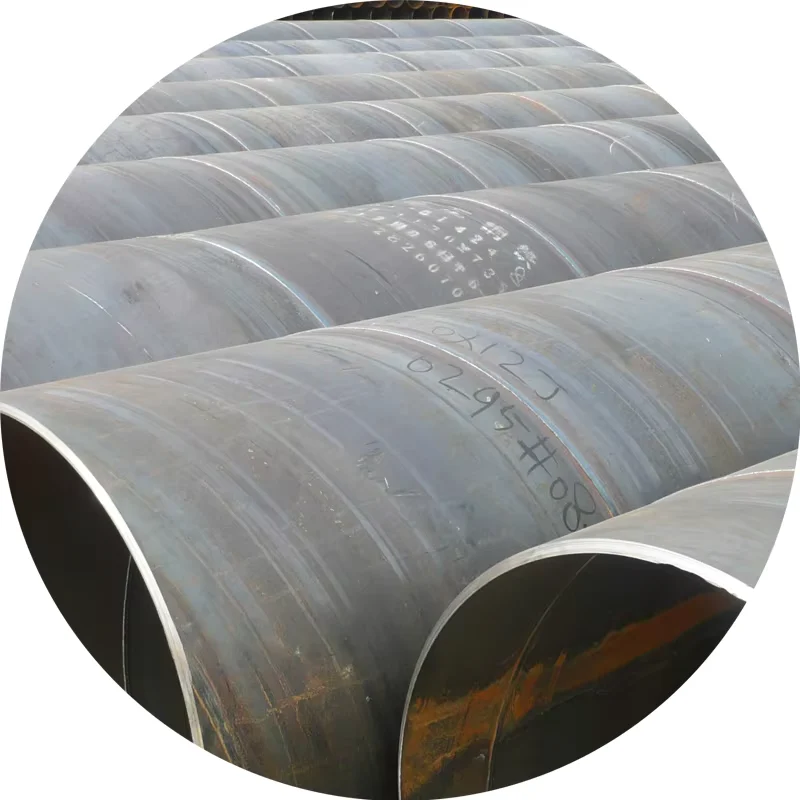
| Technique | JCOE (Longitudinal Submerged Arc Welding / LSAW) |
| Surface Treatment | Oiled / Galvanized / Black Painting / Custom Coating |
| Ends | Plain / Beveled / Threaded |
| Tolerance | ±1% |
| Application | Oil & Gas Transmission / Water Supply & Drainage / Piling / Bridge & Steel Structure / Petrochemical / Power Plant / Hydropower Station / Long-Distance Pipeline |
| Origin | Shandong, China |
Application Suitability
| Industry | Typical Applications |
|---|---|
| Oil & Gas EPC | Long-distance hydrocarbon transmission pipelines, gathering lines, compressor station piping |
| Civil Infrastructure | Bridge foundation piling, port wharf steel piles, highway sound barrier posts |
| Water Utilities | Raw water intake mains, treated water distribution trunk lines, drainage outfall conduits |
| Power Generation | Cooling water circulation pipes, boiler support structural columns, hydropower penstock liners |
| Petrochemical | Process pipe racks, tank farm foundation piles, flare stack support columns |
Where Cross-Standard Grade Equivalence Decides Whether Your Shipment Clears Customs
Mismatched MTC grade references against the purchase order standard is the single most common reason LSAW JCOE Round Steel Pipe gets held at destination port.
Procurement teams frequently specify X65 on the PO while the mill test certificate references L450 or API 5L PSL2 designations — technically equivalent, but customs inspectors and third-party surveyors in regulated markets treat the discrepancy as a documentation failure rather than a technicality. On a Middle East pipeline project I inspected at the receiving yard, forty-two pipes sat in the laydown area for six weeks because the MTC listed EN 10217-3 grade designations while the contract called out API 5L. Nobody had prepared a cross-reference declaration. [NEED_CITE: steel grade equivalence mapping between API 5L and EN 10217 standards]
The second pain point is wall-thickness tolerance stacking. When a project calls for 25 mm minimum wall on OD 1016 mm pipes and the mill ships at the lower edge of ±1% tolerance across every heat, the cumulative weight shortfall against theoretical invoicing creates disputes that delay final acceptance. Buyers who do not verify actual ultrasonic measurements against the MTC before signing the release often absorb the cost.
Matching Heavy-Wall JCOE Pipe to High-Pressure Transmission and Piling Demands
Large-diameter LSAW JCOE Round Steel Pipe in the OD 813–1626 mm range with wall thickness from 20 mm to 50 mm serves two fundamentally different structural roles. In oil and gas transmission, the pipe must sustain internal hoop stress under operating pressure — which is why API 5L PSL2 grades from X52 through X80 dominate this segment, with mandatory Charpy impact testing at specified temperatures. For piling and bridge foundation work, the same JCOE forming process delivers the geometric stiffness that driven piles need to penetrate dense soil strata without buckling, and ASTM A252 GR.A through GR.E or EN 10219 S355 structural grades handle that role. Our in-house laboratory tests every heat for chemical composition and mechanical properties before the pipe leaves the mill, so the MTC you receive matches the physical product your site team receives.
Structural Code Compliance and Surface Protection for Buried and Exposed Service
Engineering design to EN 1993 or AISC 360 requires verified yield strength and dimensional conformity — the ±1% tolerance on our JCOE pipes keeps section modulus calculations reliable for structural engineers signing off on load-bearing frames. [NEED_CITE: EN 10219 dimensional tolerance requirements for structural hollow sections] For buried pipelines in aggressive soil conditions, 3PE coating or galvanized surface treatment extends service life far beyond black painting alone. Beveled ends per API 5L prepare the pipe for field girth welding on transmission jobs, while plain ends suit piling applications where driving caps absorb impact. Custom cut lengths eliminate on-site cropping waste when project drawings call for non-standard spans.
Understanding JCOE Forming and Grade Selection for Pipeline versus Structural Use
The JCOE process forms plate into a round open tube through a three-stage press sequence — J-step (edge pre-bending), C-step (circular forming), O-step (final rounding) — before submerged arc welding seals the longitudinal seam. This method handles plate thickness up to 50 mm and diameters up to 1626 mm, which is where ERW mills reach their practical ceiling. For API 5L transmission grades, X65 and X70 offer higher allowable operating pressure than X42 or X52, reducing wall thickness requirements for the same design pressure — a direct cost lever on long-distance pipelines. Structural grades like S355 and Q355 prioritize weldability and formability over pressure containment, making them the standard choice for bridge columns and building frames. [NEED_CITE: JCOE forming process advantages for large-diameter heavy-wall pipe]
The difference between PSL1 and PSL2 under API 5L matters more than buyers sometimes realize. PSL2 adds mandatory impact testing, tighter chemical composition limits on carbon and sulfur, and supplementary tensile requirements — essential for sour service or low-temperature environments but unnecessary for standard water transmission. Specifying PSL2 when PSL1 suffices adds cost; specifying PSL1 when PSL2 is required risks rejection at inspection.
The Hidden Cost of Accepting Pipes Without Verified Mill Documentation
Pipes that arrive without heat-level traceability or with MTC grades that do not match the purchase order standard create cascading costs: third-party re-inspection fees, customs detention charges, and in the worst case, structural engineers refusing to sign off on installed sections. [NEED_CITE: consequences of non-conforming mill test certificates in pipeline construction] Negative tolerance stacking on wall thickness compounds the problem — if every pipe in a shipment measures at the low end of the tolerance band, the total weight delivered falls short of theoretical invoicing weight, and the buyer absorbs the material shortfall. Weld seam quality on substandard LSAW pipe may pass visual inspection but fail ultrasonic examination during hydrostatic testing, forcing costly cut-outs and re-welding in the field.
Why Project Procurement Teams Source LSAW JCOE Round Steel Pipe From Our Mill
We operate three dedicated LSAW production lines covering 2,800+ specifications, so a single order spanning X65 transmission pipe and S355 structural sections ships from one facility with unified documentation. Our in-house physical and chemical laboratory performs dimensional, mechanical, and chemical testing on every heat before release — the MTC you receive is generated from actual test data, not transferred from a template. Full international certification including ISO 9001:2015, Lloyd’s CE marking per EN 10210 and EN 10219, and Singapore FPC means your shipment clears customs in EU, GCC, and Southeast Asian markets without supplementary certification requests. We participated in drafting China’s cold-formed steel industry standards, and our technical team handles cross-standard grade equivalence mapping at the quotation stage so your MTC matches your contract language. Professional container and break-bulk loading with anti-damage measures protects pipe ends and surface coatings during ocean transit to 50+ countries.
Documentation & Compliance
- Mill Test Certificate documenting API 5L X65 chemical composition, yield strength, tensile strength, and Charpy impact values per heat number
- CE certificate confirming conformity with EN 10219 for structural hollow sections and EN 10210 for seamless and welded tubes
- ISO 9001:2015 quality management system certificate covering the full LSAW JCOE production process
- SGS or BV third-party inspection report verifying dimensional tolerance, wall thickness, and weld seam quality before shipment
- Material traceability report linking each pipe to its heat number, plate batch, and production date for full audit traceability
- Export documentation including packing list, ocean bill of lading, and certificate of origin for destination customs clearance
Packaging, Loading & Delivery
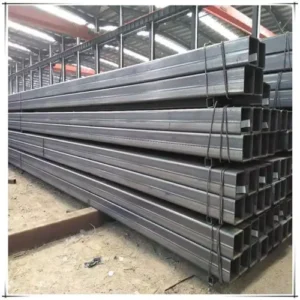
- LSAW JCOE pipes bundled with galvanized steel strips at intervals suited to the 12 m or custom length, with wooden cradles at each end to prevent ovalization during handling
- Oiled surface pipes wrapped with waterproof cloth to preserve the anti-corrosion film during ocean transit; galvanized pipes shipped with edge protectors to prevent zinc coating abrasion
- Break-bulk and open-top container loading optimized for OD 355.6–1626 mm diameter pipes, with nested stacking for smaller diameters to maximize container utilization
- Custom cut lengths marked with heat number, steel grade, and dimensional标识 at both ends for immediate site identification and traceability
- FOB, CIF, and DDP shipping terms available with professional lashing and chocking to prevent pipe movement and surface damage during sea freight
- Full export documentation prepared and verified before vessel loading, including MTC, packing list, bill of lading, and certificate of origin
Getting Your Quotation and Mill Test Certificate Started
Send your specification sheet covering pipe diameter, wall thickness, steel grade, applicable standard, surface treatment preference, quantity, and destination port — our technical team responds within 12 hours with a detailed quotation including unit price, production lead time, and shipping terms. If your project requires non-standard dimensions or cross-standard grade equivalence, we provide a technical proposal with supporting MTC samples before you commit. Third-party inspection by SGS or BV can be arranged at our facility before shipment for full quality verification.
Frequently Asked Questions
Q: What is the difference between API 5L PSL1 and PSL2 for LSAW JCOE Round Steel Pipe?
A: PSL2 adds mandatory Charpy impact testing, tighter chemical composition limits on carbon and sulfur content, and supplementary tensile requirements beyond PSL1. PSL2 is typically specified for sour service, low-temperature environments, or high-pressure transmission pipelines, while PSL1 suits standard water and gas distribution.
Q: Can you provide cross-standard grade equivalence documentation for LSAW JCOE Round Steel Pipe?
A: Yes. Our technical team maps grade equivalence between API 5L, ASTM, EN, JIS, and GB standards at the quotation stage. The mill test certificate can reference your specified standard designation with cross-reference notes to avoid customs and inspection discrepancies.
Q: What surface treatment options are available for buried LSAW pipeline applications?
A: We offer oiled, galvanized, black painting, and custom 3PE coating. For buried pipelines in corrosive soil conditions, 3PE coating provides the highest protection level. Galvanized suits moderate corrosion environments, while oiled and black painting serve temporary protection or indoor applications.
Q: What is the MOQ for custom length and non-standard wall thickness on LSAW JCOE Round Steel Pipe?
A: Standard sizes in stock ship with no minimum order requirement. Custom lengths and non-standard wall thickness enter production with typical minimum quantities depending on the specific dimension and grade — our quotation will state the exact MOQ for your specification.
Q: How is LSAW JCOE Round Steel Pipe invoiced — by theoretical weight or actual weight?
A: All LSAW JCOE pipes are invoiced by theoretical weight calculated from the specified outer diameter, wall thickness, and length per the standard density of carbon steel. The ±1% dimensional tolerance applies to physical measurements, but billing follows the theoretical calculation for transparent costing.
Request Your LSAW JCOE Pipe Quotation with Full Mill Certification
Submit your diameter, wall thickness, grade, standard, and quantity to receive a detailed quotation with supporting mill test certificates within 12 hours.
Shandong Xin Jiyuan Special Steel Tube Co., Ltd
Website: www.sdxjypipe.com
Tel: +86 531 8573 6315
Mobile/WhatsApp/WeChat: +86 188 5315 7756
Email: admin@sdxjypipe.com
Address: No.11889, Jingshi West Road, Lulian Group, Jinan City, Shandong Province, China