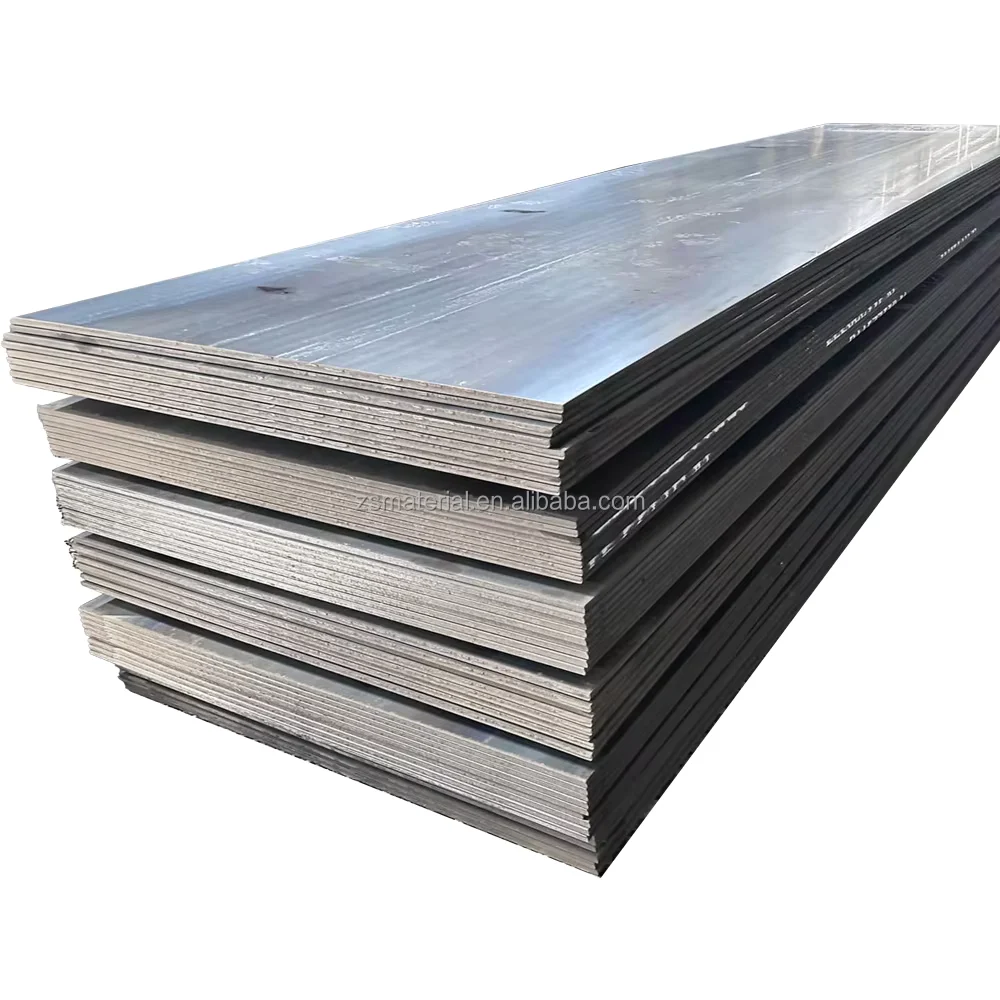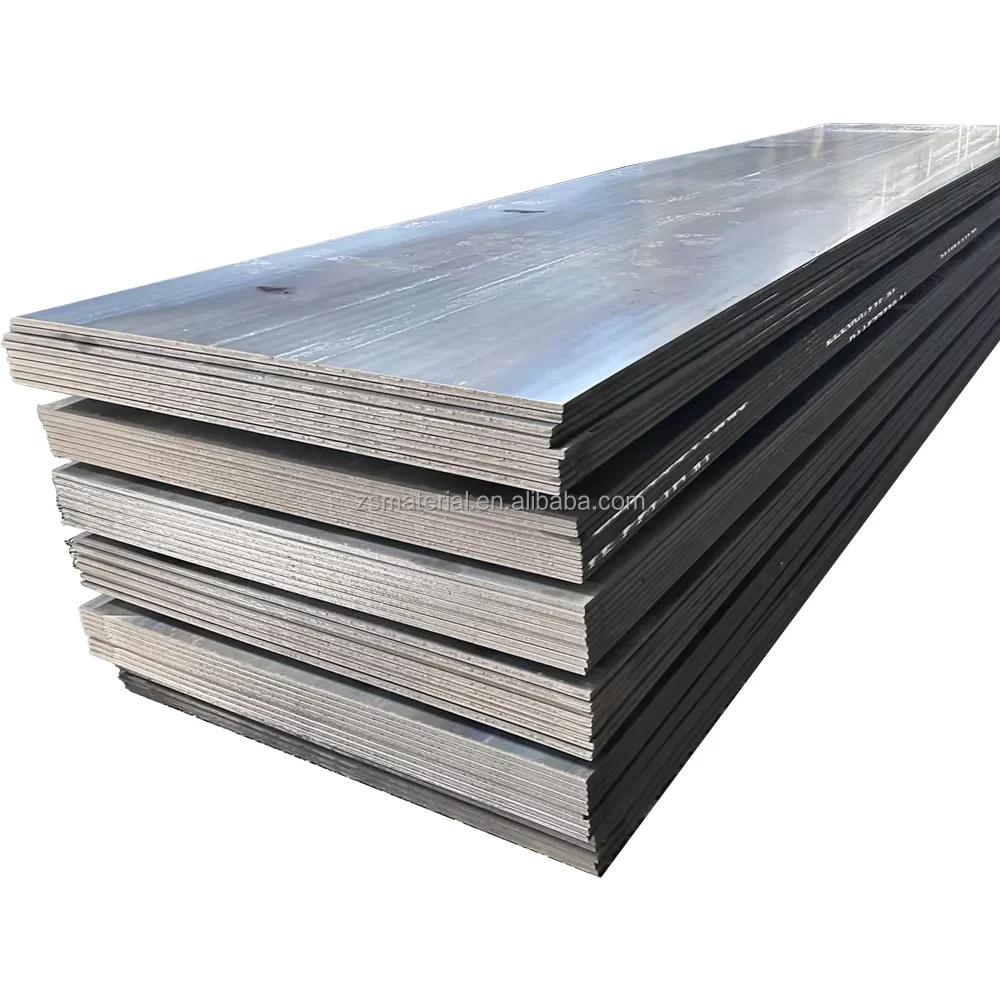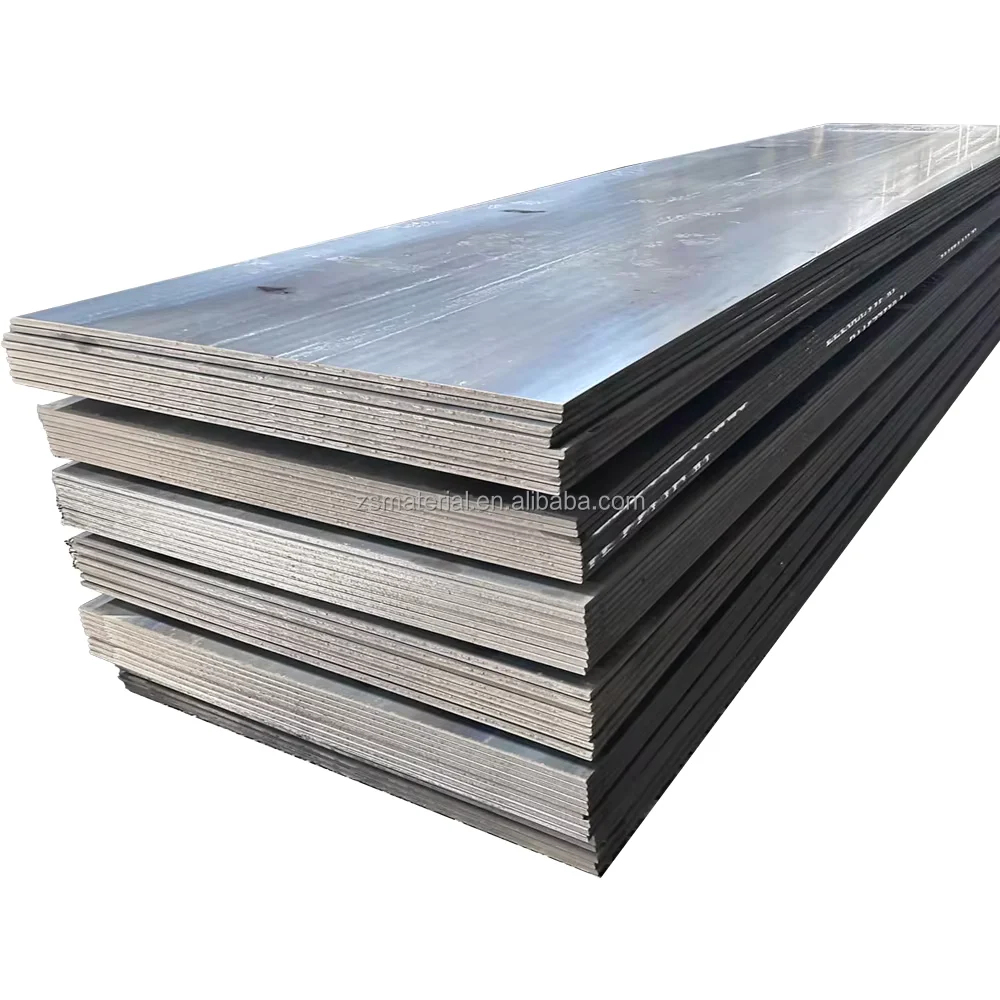
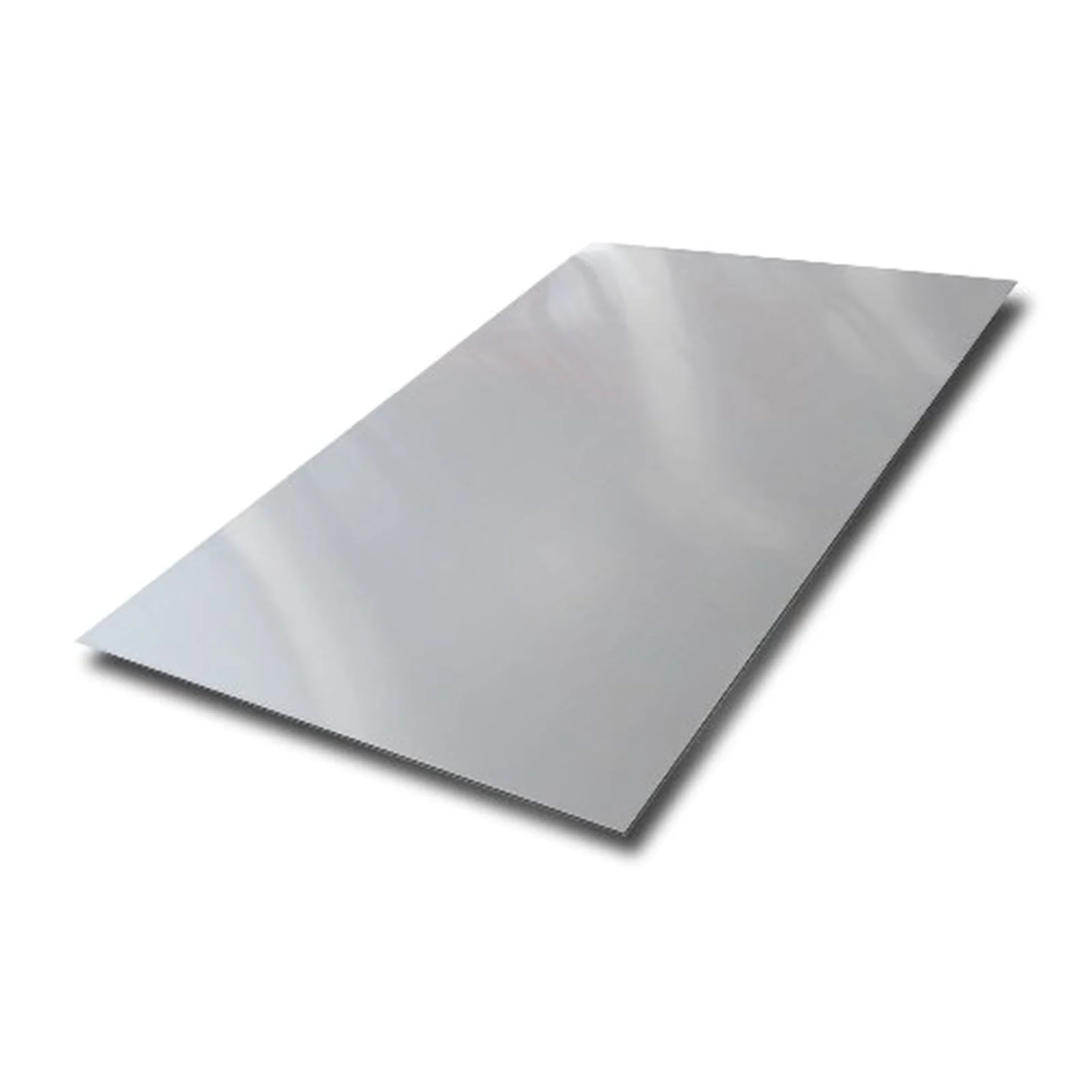
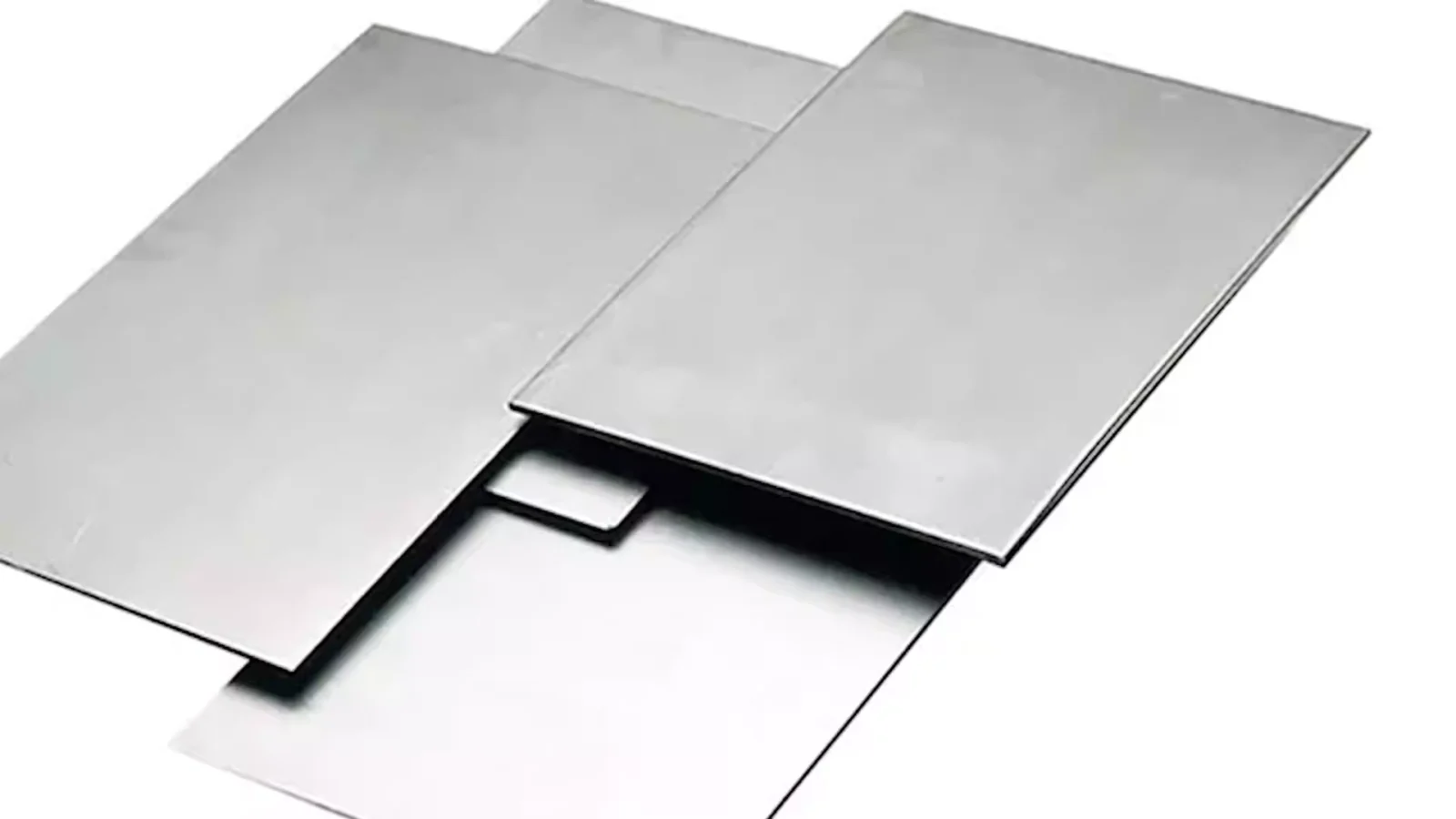

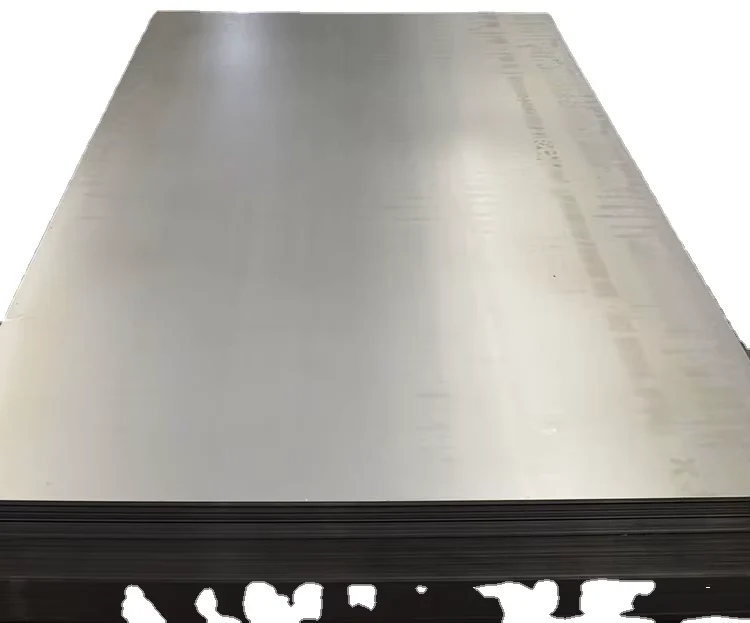
Description
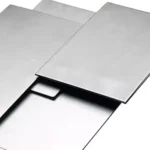
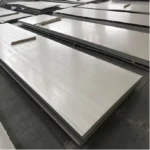
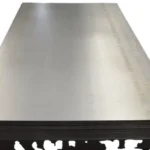
Factory-Direct Cold-Rolled Plate Supply — SS400, Q235B, SA516 Gr70, and C20 grades produced and inspected in-house, shipped without intermediary markup.
Technical Specifications
| Parameter | Value |
|---|---|
| Designation | SS400 / Q235B / SA516 Gr70 Cold-rolled High-carbon Steel Plate |
| Product Type | Steel Plate |
| Steel Grade | SS400, Q235B, SA516 Gr70, C20 |
| Standard | JIS G3101, GB/T 700, ASTM A516 |
| Thickness | 1.0–2.0 mm |
| Technique | Cold-rolled |
| Surface Treatment | Non-oiled |
| Hardness | Full Hard |
| Application | Pressure vessels, industrial fabrication, heavy-duty structural components, machinery parts |
| Origin | Shandong, China |
Application Suitability
| Industry | Typical Applications |
|---|---|
| Pressure Vessel Manufacturing | Boiler shells, heat exchanger end caps, storage tank liners |
| Industrial Machinery | Wear plates, conveyor guide rails, gear blanks |
| Steel Structure Fabrication | Connection gussets, base plates, bracket stiffeners |
| Heavy Equipment Assembly | Crane boom reinforcement plates, excavator bucket liners |
Where Chemistry Mismatches Block Customs Clearance for SA516 Gr70 Cold-Rolled High-Carbon Steel Plate
Borderline carbon content in SA516 Gr70 plates can trigger third-party rejection at destination port.
When procurement teams order SA516 Gr70 cold-rolled high-carbon steel plate for pressure vessel work, they expect the mill test certificate to confirm carbon within the ASTM A516 Gr70 envelope. But without random heat-lot sampling before loading, a batch that reads Gr60 on retest sits at port for weeks — delaying fabrication schedules and inflating demurrage costs. Grade equivalence confusion between JIS SS400, GB Q235B, and ASTM SA516 Gr70 compounds the problem: specifying the wrong standard on the purchase order means the material arrives technically compliant but functionally unsuitable. [NEED_CITE: steel grade equivalence mapping between ASTM A516 and JIS G3101]
Matching Full-Hard Non-Oiled Plates to Precision Fabrication Demands
Cold-rolled full-hard plates in the 1.0–2.0 mm range serve applications where surface cleanliness and dimensional accuracy matter more than formability. The non-oiled finish eliminates contamination risk during welding — critical for pressure vessel seams where porosity from oil residue can fail radiographic inspection. For SA516 Gr70 cold-rolled high-carbon steel plate used in boiler components, the full-hard condition provides consistent wear resistance across machined surfaces, while tight cold-rolled thickness tolerance ensures uniform stress distribution under internal pressure.
Engineering Compliance and Certification Pathways
Pressure vessel fabrication under ASME Section VIII or EN 13445 requires documented traceability from heat number to finished component. SA516 Gr70 plates must carry EN 10204 3.1 mill test certificates showing chemical composition and mechanical properties — not just a generic “material certificate.” For EU-bound shipments, CE marking per EN 10210/10219 (where applicable to plate form) or Pressure Equipment Directive compliance documentation determines whether the cargo clears customs or faces re-export. Third-party inspection by SGS or BV before loading provides the independent verification that fabricators and end-users require for regulated applications. [NEED_CITE: EN 10204 3.1 inspection document requirements for pressure equipment steel]
Understanding Cold-Rolled Full-Hard Condition and Grade Selection
The cold-rolling process reduces plate thickness through room-temperature deformation, increasing dislocation density and producing full-hard mechanical properties — higher yield and tensile strength compared to hot-rolled equivalents, but with reduced ductility. This makes full-hard plates suitable for wear-resistant components and machined parts where dimensional stability under load matters. SA516 Gr70 targets moderate-to-high strength pressure vessel service with improved notch toughness, while SS400 and Q235B serve general structural applications where forming and welding take priority over strength. C20 (equivalent to 1020 carbon steel) fills the gap for machined shafts and gears requiring predictable response to heat treatment. Selecting among these grades depends on the service environment: internal pressure and temperature favor SA516 Gr70; ambient structural loading accepts SS400 or Q235B; machined components benefit from C20’s carbon content for hardening.
Hidden Costs of Unverified Grade Equivalence
Ordering SA516 Gr70 cold-rolled high-carbon steel plate without confirmed chemistry verification risks receiving material that meets a lower grade — functionally adequate for some applications but non-compliant with the specified standard. The consequences extend beyond material cost: failed third-party inspection triggers retesting delays, customs holds on missing or incorrect certificates create demurrage charges, and fabricators discovering grade mismatches after cutting face scrap costs and schedule overruns. For pressure vessel work, the liability exposure from installing borderline-grade material under ASME or PED codes far exceeds the incremental cost of pre-shipment verification. [NEED_CITE: consequences of material grade non-conformance in pressure vessel fabrication]
Procurement Confidence Through In-House Verification
Every heat lot of SA516 Gr70 cold-rolled high-carbon steel plate undergoes chemical and mechanical testing in our in-house physical and chemical laboratory before release. Random sampling from each production batch mirrors the third-party inspection protocol — catching chemistry drift before the material reaches the container. Our facility holds ISO 9001:2015 certification, Lloyd’s CE marking for EN 10210/10219 compliance, and Singapore FPC approval, with SGS and BV third-party inspection available on request. Custom non-standard thickness within the 1.0–2.0 mm cold-rolled range accommodates fabrication-specific requirements without minimum order barriers. Professional container loading with edge protection prevents surface damage during ocean transit, while complete export documentation — including heat-number traceability and certificate of origin — ensures smooth customs clearance at destination.
Documentation & Compliance
- Mill test certificate per EN 10204 3.1 documenting SA516 Gr70 chemical composition (carbon, manganese, silicon, sulfur, phosphorus) and mechanical properties (tensile strength, yield strength, elongation)
- CE certificate confirming compliance with EN 10210/10219 structural steel plate requirements for EU market access
- ISO 9001:2015 quality management system certificate covering cold-rolled plate production and inspection processes
- SGS or BV third-party inspection report verifying dimensional accuracy, surface quality, and chemical composition before shipment
- Material traceability documentation linking each plate to its heat number for pressure vessel fabrication audit trails
- Complete customs documents including packing list, bill of lading, and certificate of origin for destination-country clearance
Packaging, Loading & Delivery
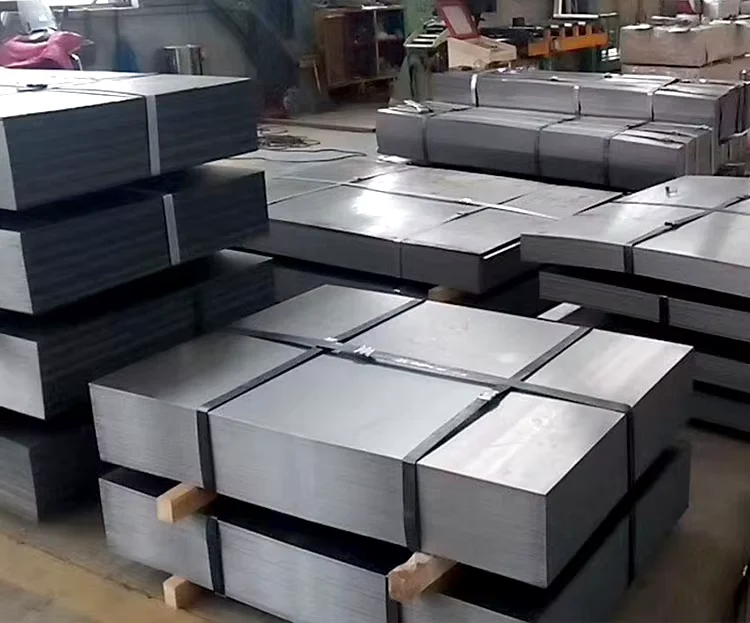
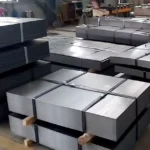
- Cold-rolled full-hard plates bundled with steel strips and edge protectors to prevent surface scratching and edge damage during handling and transit
- Non-oiled surface maintained through moisture-controlled warehouse storage and waterproof wrapping to preserve contamination-free finish for welding applications
- Container loading optimized for 1.0–2.0 mm thickness plates with interleaved separators to prevent fretting and surface marks during ocean freight
- Heat number and grade identification (SA516 Gr70, SS400, Q235B, C20) stenciled on each bundle for on-site traceability verification
- FOB, CIF, and DDP shipping terms available with professional container loading plans maximizing payload for thin-gauge plate shipments
- Custom cutting to fabrication-ready dimensions available, reducing on-site processing waste for pressure vessel and machinery component manufacturers
Securing Verified SA516 Gr70 Plates for Your Next Pressure Vessel Project
Submit your specification sheet — including grade (SA516 Gr70, SS400, Q235B, or C20), thickness within 1.0–2.0 mm, quantity, and destination port — to receive a detailed quotation with mill test certificate preview and third-party inspection options. Our team confirms grade equivalence, certification requirements, and container loading plans within 12 hours, ensuring your cold-rolled high-carbon steel plate order meets both fabrication standards and customs clearance demands.
Frequently Asked Questions
Q: What is the difference between SA516 Gr70 and SS400 for pressure vessel applications?
A: SA516 Gr70 per ASTM A516 is specifically designed for pressure vessel service with controlled carbon content for improved weldability and notch toughness at moderate temperatures. SS400 per JIS G3101 is a general structural grade suitable for ambient-temperature applications but not specified for pressure containment. For boiler and pressure vessel fabrication requiring ASME or PED compliance, SA516 Gr70 is the appropriate selection.
Q: Can you provide mill test certificates for SA516 Gr70 cold-rolled high-carbon steel plate?
A: Yes, every shipment includes EN 10204 3.1 mill test certificates documenting chemical composition and mechanical properties per ASTM A516 Gr70 requirements. Third-party inspection by SGS or BV is available upon request for additional verification before shipment.
Q: What thickness tolerance can I expect for 1.0–2.0 mm cold-rolled plates?
A: Cold-rolled plates in the 1.0–2.0 mm range maintain tight thickness tolerance through precision rolling processes, ensuring dimensional accuracy for fabrication applications requiring uniform stress distribution. Specific tolerance values are confirmed in the mill test certificate for each heat lot.
Q: Do you offer custom cutting for SA516 Gr70 plates?
A: Yes, custom cutting to fabrication-ready dimensions is available for SA516 Gr70, SS400, Q235B, and C20 grades within the 1.0–2.0 mm thickness range. This reduces on-site processing waste and ensures material traceability from mill to finished component.
Q: How do you ensure grade equivalence between ASTM, JIS, and GB standards?
A: We provide documented grade equivalence mapping between SA516 Gr70 (ASTM), SS400 (JIS), and Q235B (GB) based on chemical composition and mechanical property comparisons. However, for regulated applications like pressure vessels, we recommend specifying the exact standard required by your fabrication code rather than relying on equivalence substitutions.
[Request Your SA516 Gr70 Plate Quotation with Mill Test Certificate]
Send your specification — grade, thickness, quantity, and destination — to receive pricing, certification confirmation, and third-party inspection options within 12 hours.
Email: admin@sdxjypipe.com
WhatsApp: +86 188 5315 7756