
Description
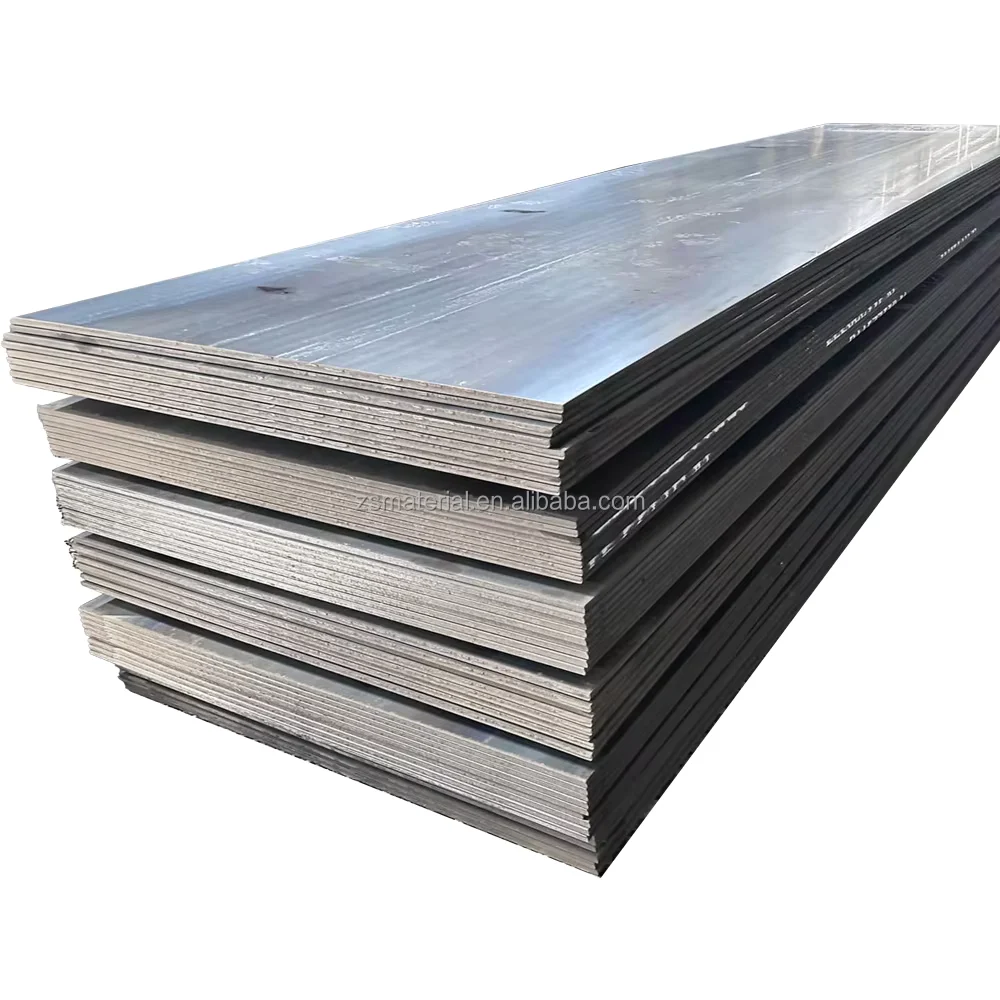
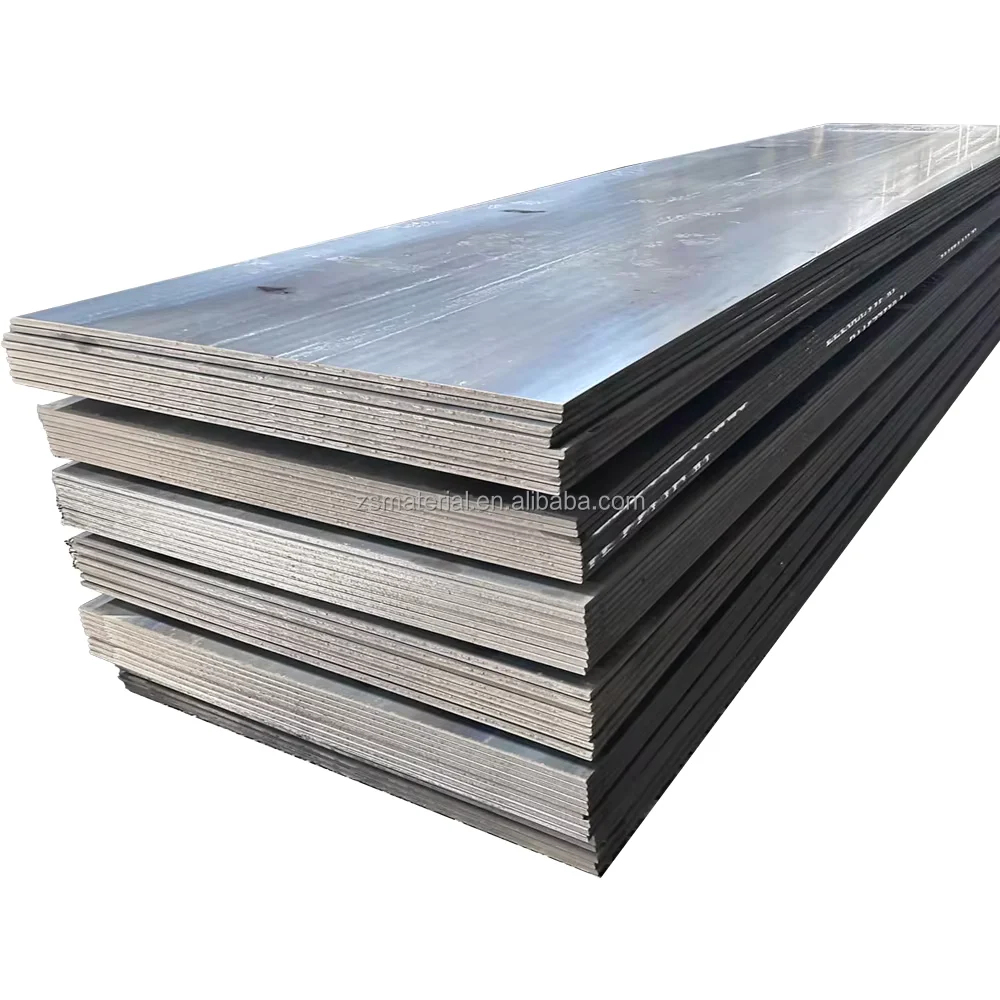
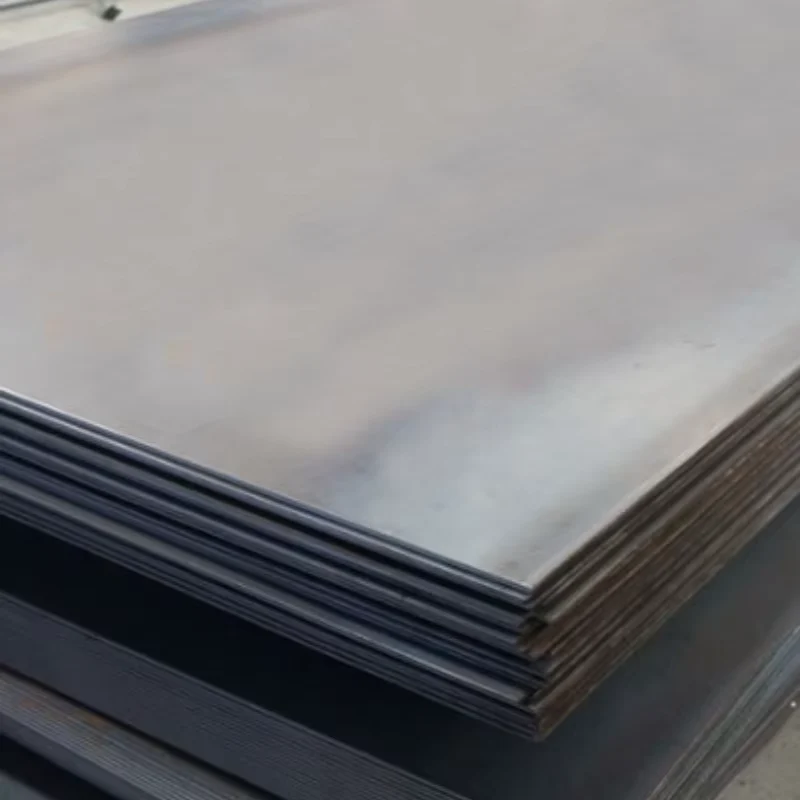
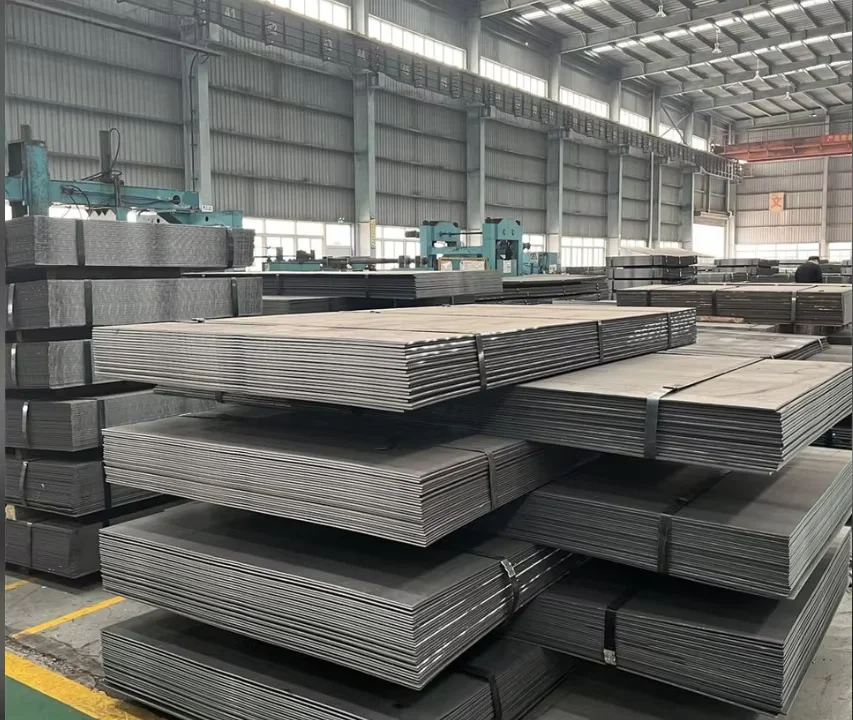
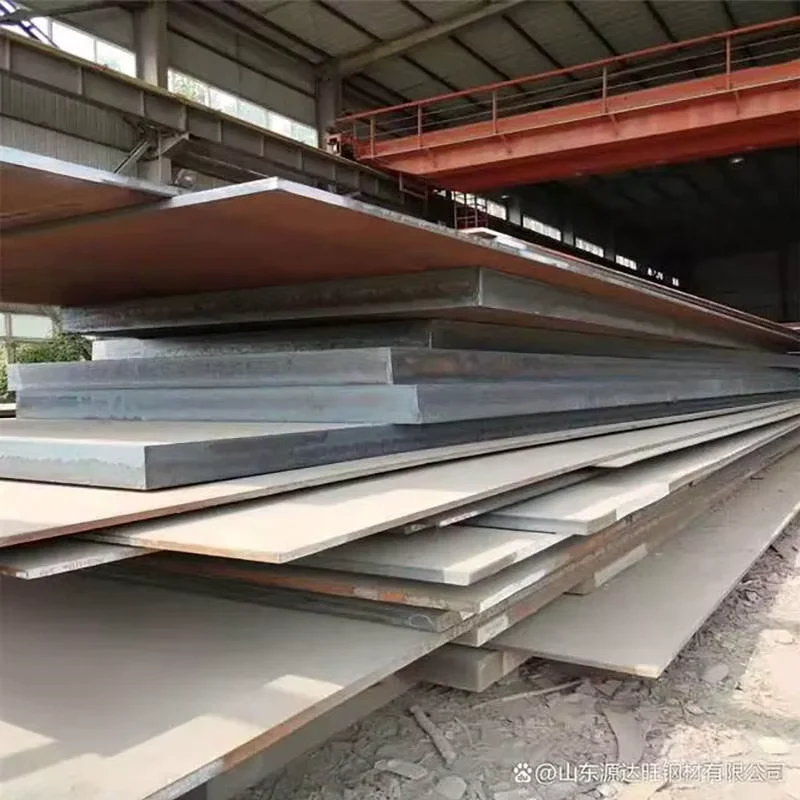
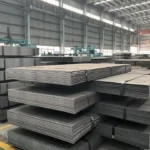
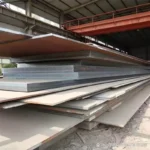
Factory-direct Q235B / ST37 plate mill — hot rolled coils processed in-house from 3 mm to 200 mm with optional galvanizing and cut-to-size services under ISO 9001 supervision.
Technical Specifications
| Parameter | Value |
|---|---|
| Designation | Q235B / ST37 Hot Rolled Steel Plate |
| Product Type | Steel Plate |
| Steel Grade | Q235B, Q235, ST37 |
| Standard | GB, DIN/EN, ASTM, JIS, BS, AISI |
| Section Shape | Flat plate |
| Size Range | Thickness 3–200 mm |
| Technique | Hot Rolled |
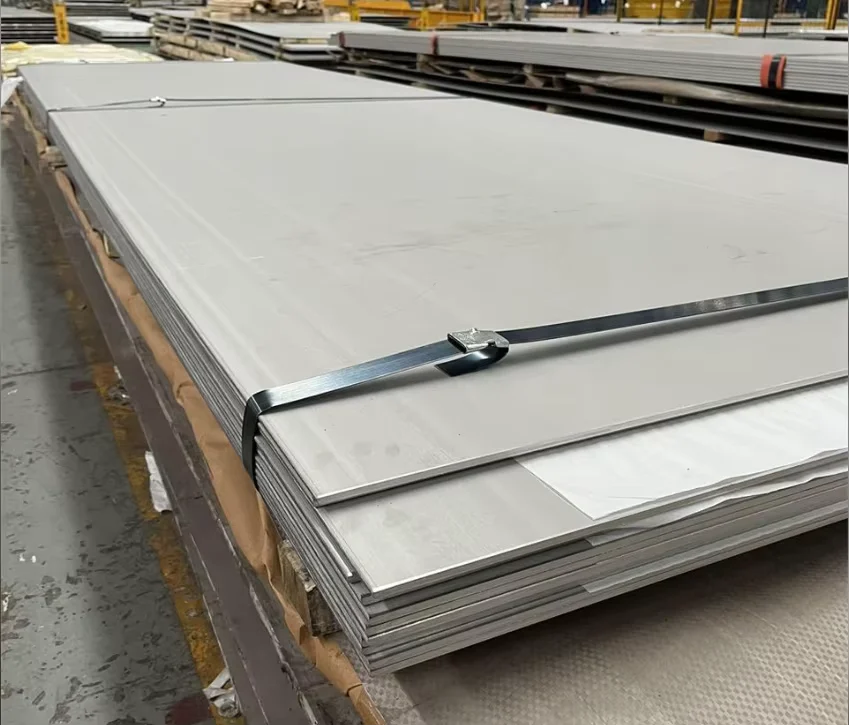
| Surface Treatment | Galvanized (optional) |
| Application | Shipbuilding, structural fabrication, pressure vessels, general engineering |
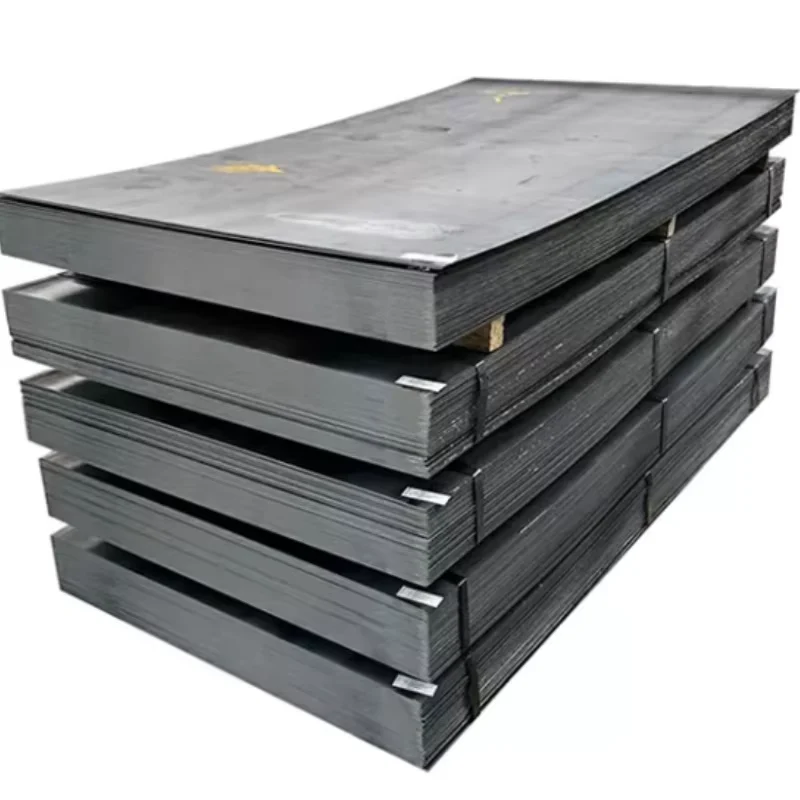
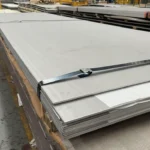
| Packaging | Seaworthy packing with steel strip bundles |
| Services | Welding & Cutting |
Application Suitability
| Industry | Typical Applications |
|---|---|
| Shipbuilding & Marine | Deck plating, bulkhead stiffeners, hull inner lining |
| Structural Fabrication | Column base plates, gusset plates, bracket connections |
| Pressure Vessels | Non-critical vessel shells, support saddles, access hatches |
| General Engineering | Machine base frames, conveyor bed plates, platform flooring |
Thickness Tolerance Is the Hidden Variable in Plate Fabrication Budgets
Tight tolerance on 3–200 mm hot rolled Q235B / ST37 plates directly controls cutting yield and weld-fit-up time on site.
When procurement teams source a Q235B ST37 hot rolled steel plate supplier without verifying gauge consistency, the first symptom is usually minor — extra grinding at weld prep joints. The real cost appears later: plates arriving at −0.3 mm on a 10 mm nominal order force the fabricator to either reject the lot or re-engineer connection details. On structural frames, that rework cascades into delayed bolt-hole drilling, misaligned splice plates, and rejected third-party inspections. [NEED_CITE: hot rolled plate thickness tolerance standards per GB/T 709 and EN 10051]
Matching Q235B and ST37 Plates to Structural and Marine Fabrication
Q235B and ST37 sit at the mild-steel end of the carbon spectrum, which makes them the default choice for welded frames, base plates, and non-critical marine internals where formability matters more than high yield. On a Q235B ST37 hot rolled steel plate supplier order destined for shipbuilding, the plate must hold flatness within limits that allow CNC plasma cutting without edge-wave distortion, and the chemistry must stay within the carbon cap so that field welding does not require preheat. Our in-house laboratory checks each heat against both GB/T 700 (Q235B) and DIN EN 10025-1 (ST37 equivalent) before release, so fabricators receive one MTC that cross-references both designation systems.
Engineering Compliance Across GB, EN, and ASTM Frameworks
Structural engineers specifying Q235B on GB drawings often need ST37 equivalence when the same project is reviewed under EN 1993 or when the client demands ASTM traceability for North American inspection. The chemistry overlap is close — both grades target roughly 0.14–0.22 % C with manganese around 0.30–0.65 % — but the tensile and elongation acceptance bands differ slightly between standards. [NEED_CITE: steel grade equivalence mapping between GB Q235B, EN S235/ST37, and ASTM A36] For pressure-vessel saddles and marine deck plates, the plate must also carry a heat-number traceability chain back to the slab, and the optional galvanized coating — when specified — has to meet minimum zinc-mass requirements that survive shearing and welding without flaking at the heat-affected zone.
Reading the Steel Grade and Process Behind the Mill Certificate
Q235B is the Chinese GB standard workhorse for general structural use, while ST37 is its long-standing European DIN counterpart; both deliver adequate formability for bending, punching, and fillet welding without preheat on thicknesses below roughly 25 mm. Hot rolling at the finishing temperature above the recrystallization point gives the plate a normalized grain structure that keeps the as-delivered surface free of the scale-related pitting that cold-rolled sheets sometimes hide under oil. When the order calls for galvanizing, the plate goes through an acid wash and flux bath before the hot-dip pass, and the resulting zinc layer must be measured with an elcometer — not judged by eye — because a 38 µm reading against a 65 µm contract is the exact type of mismatch that sends a shipment back to the galvanizer and costs a project weeks of delay. On thickness tolerance, hot rolled plates in the 3–20 mm range typically carry a tighter class than the 60–200 mm heavy plates, so specifying the tolerance class (e.g. N or A per EN 10051, or the corresponding GB/T 709 class) at enquiry stage avoids disputes at the unloading quay.
The Real Cost of Accepting Off-Tolerance or Unverified Plates
Buying a Q235B ST37 hot rolled steel plate supplier quote purely on the lowest price per tonne usually means accepting mill tolerance at the upper bound — or worse, no tolerance clause at all. The hidden costs are not in the steel invoice but in the shipyard or fabrication shop: plates that are nominally 12 mm but actually 11.4 mm force the engineer to recalculate weld throat sizes; plates with laminations discovered only after CNC cutting scrap an entire nest; and plates shipped without a legible heat number cannot be traced back for third-party inspection sign-off. [NEED_CITE: consequences of non-conforming plate tolerance in structural steelwork per EN 1090 execution classes] On regulated projects, the inspector will not stamp the assembly, and the cost of re-melting, re-rolling, and re-shipping falls entirely on the buyer.
Why Procurement Teams Consolidate Plate Orders with SD XJY Pipe
We run the hot rolled line ourselves, so a Q235B ST37 hot rolled steel plate supplier enquiry goes straight to the mill schedule rather than through a trading desk adding margin and opacity. Every heat is tested in our in-house physical and chemical laboratory, and the MTC is issued against the actual test results — not a typewielded template. For buyers who also need hollow sections, H-beams, or channels for the same project, consolidating tubes, beams, and plates under one roof means one set of shipping documents, one inspection regime, and one container-loading plan that keeps plate edges from being gouged by beam flanges during ocean transit. Our professional loading team uses timber dunnage and edge protectors sized to the plate thickness, and we have exported to 50+ countries with full ISO 9001, Lloyd’s CE (EN 10210/10219), Singapore FPC, and SGS/BV verification backing every shipment.
Documentation & Compliance
- Mill Test Certificate documenting Q235B chemical composition and tensile results per GB/T 700, with cross-reference to ST37 under DIN EN 10025-1
- ISO 9001:2015 quality management certificate covering the hot rolling, galvanizing, and cutting processes
- SGS or BV third-party inspection report available per heat, covering thickness, surface, and coating mass
- Material traceability sheet linking each plate to its heat number, slab origin, and rolling pass record
- Customs documentation set including packing list, bill of lading, and certificate of origin aligned with the destination country’s steel import requirements
- Lloyd’s CE certificate (EN 10210/10219) available when the plate is part of a broader structural package destined for EU markets
Packaging, Loading & Delivery
- Q235B and ST37 hot rolled plates bundled with high-tensile steel strips and timber dunnage, sized to prevent edge bite during crane handling
- Galvanized plates wrapped with waterproof paper and edge protectors to preserve the zinc coating through ocean humidity and container condensation
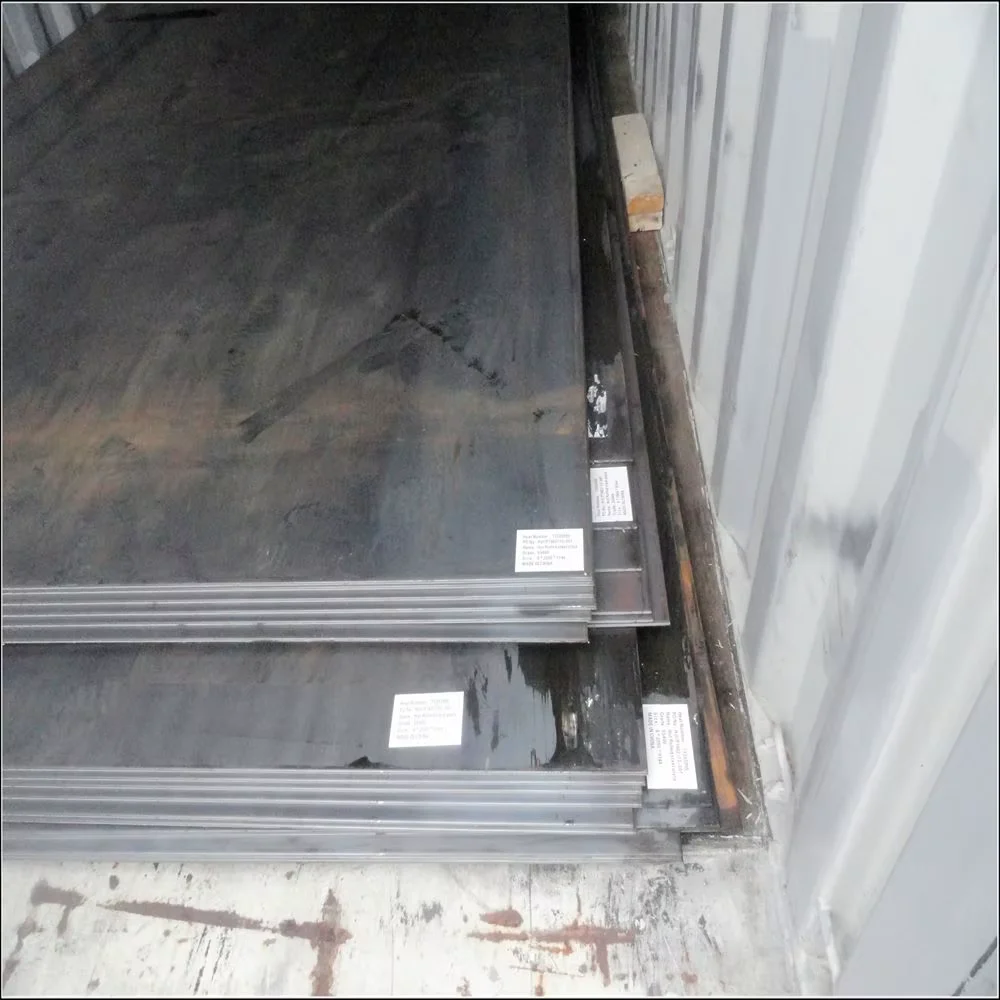
- Heavy plates in the 60–200 mm range loaded flat on reinforced wooden sleepers inside the container, with weight distributed to stay within axle and port-handling limits
- Cut-to-size plates stacked by dimension with interleaving separators, heat number stencilled on every piece for on-site traceability
- Shipment terms available as FOB, CIF, or DDP, with professional container loading plans optimized for the plate width and length to maximize payload per TEU
- Marking includes steel grade, thickness, heat number, and standard on each plate edge, matching the MTC and packing list
From Enquiry to Mill Test Certificate in One Procurement Loop
Send us the plate thickness, width, length, steel grade (Q235B or ST37), surface requirement, and destination port, and we return a detailed quotation with unit price, lead time, and shipping terms within 12 hours. If the project needs non-standard thickness, cut-to-size blanks, or galvanized coating, we confirm feasibility and MOQ before the contract is signed. Once the deposit is received, production is scheduled and the in-house lab issues the MTC against the actual heat, with SGS/BV inspection available at any hold point you specify.
Frequently Asked Questions
Q: What is the difference between Q235B and ST37 in chemical composition and mechanical properties?
A: Both are mild steel grades with similar carbon and manganese ranges, but Q235B follows GB/T 700 while ST37 follows DIN EN 10025-1; the tensile and elongation acceptance bands differ slightly, so we issue the MTC against the standard specified on your drawing and provide cross-reference notes when both designations are required.
Q: Can you provide galvanized coating on hot rolled plates, and what coating thickness is available?
A: Yes, hot rolled Q235B and ST37 plates can be hot-dip galvanized after rolling; the coating mass is measured with an elcometer and documented on the MTC, and we can target the coating thickness your project specification requires.
Q: What is the thickness tolerance for 3–200 mm hot rolled steel plates?
A: Tolerance depends on the thickness range and the standard class specified; lighter gauges (3–20 mm) carry tighter tolerance classes than heavy plates (60–200 mm), and we confirm the applicable class per GB/T 709 or EN 10051 at the quotation stage.
Q: Do you offer custom cutting to size, and what is the MOQ for cut-to-length orders?
A: Yes, CNC cutting and shearing are available in-house; the MOQ depends on the plate thickness and blank size, and we confirm it together with the cutting drawing before the contract is signed.
Q: How are steel plates packed for ocean shipment to prevent edge damage and moisture?
A: Plates are bundled with steel strips and timber dunnage; galvanized plates receive additional waterproof wrapping and edge protectors, and heavy plates are loaded flat on reinforced sleepers to distribute weight and prevent edge contact during transit.
[Request a Q235B / ST37 Plate Quotation with Mill Test Certificate]
Send your plate dimensions, steel grade, surface treatment, quantity, and destination port, and we will return a detailed offer with MTC sample and loading plan within 12 hours. Contact Shandong Xin Jiyuan Special Steel Tube Co., Ltd at +86 188 5315 7756 (WhatsApp/WeChat) or admin@sdxjypipe.com.