
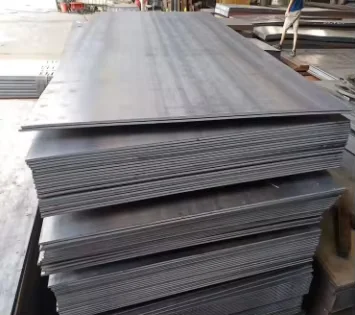
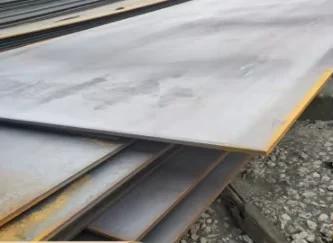
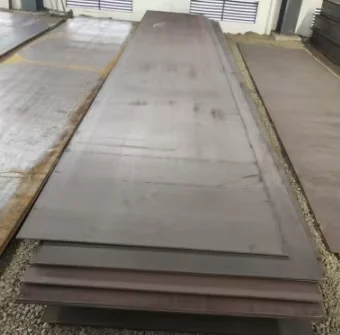

Description
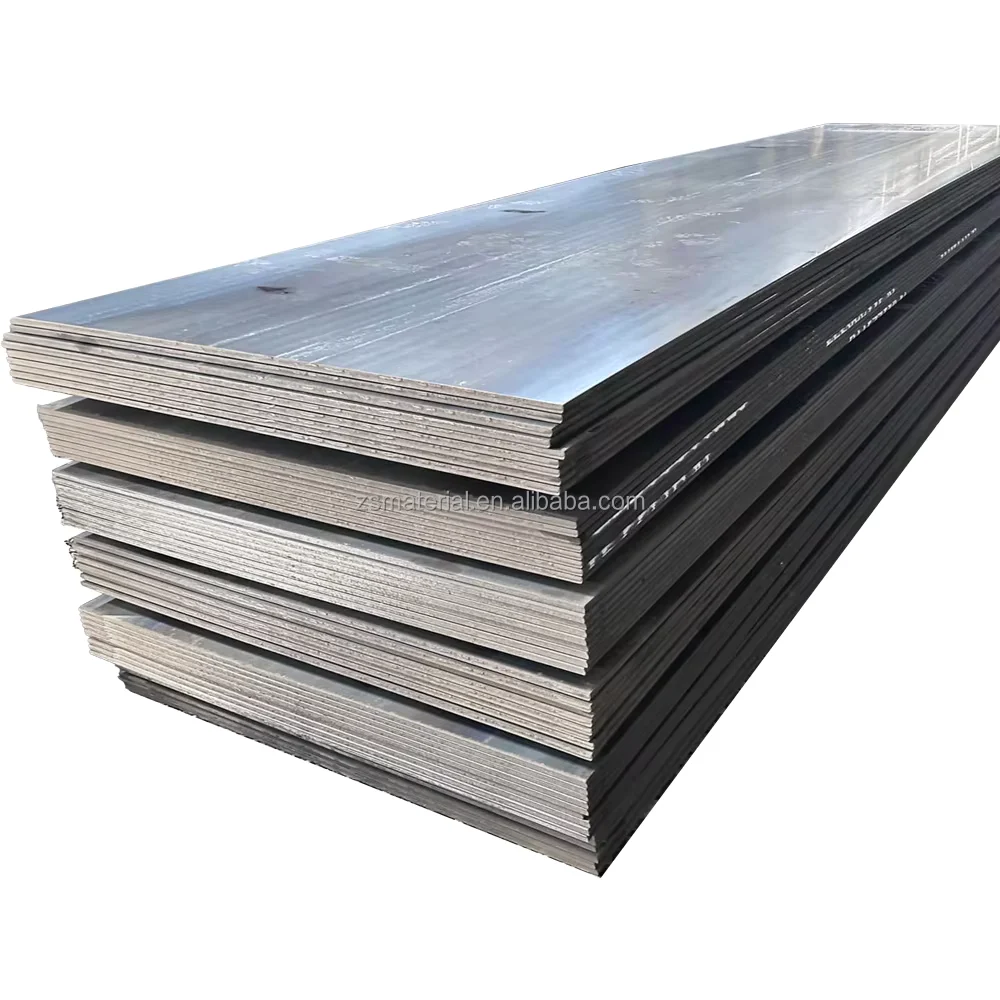
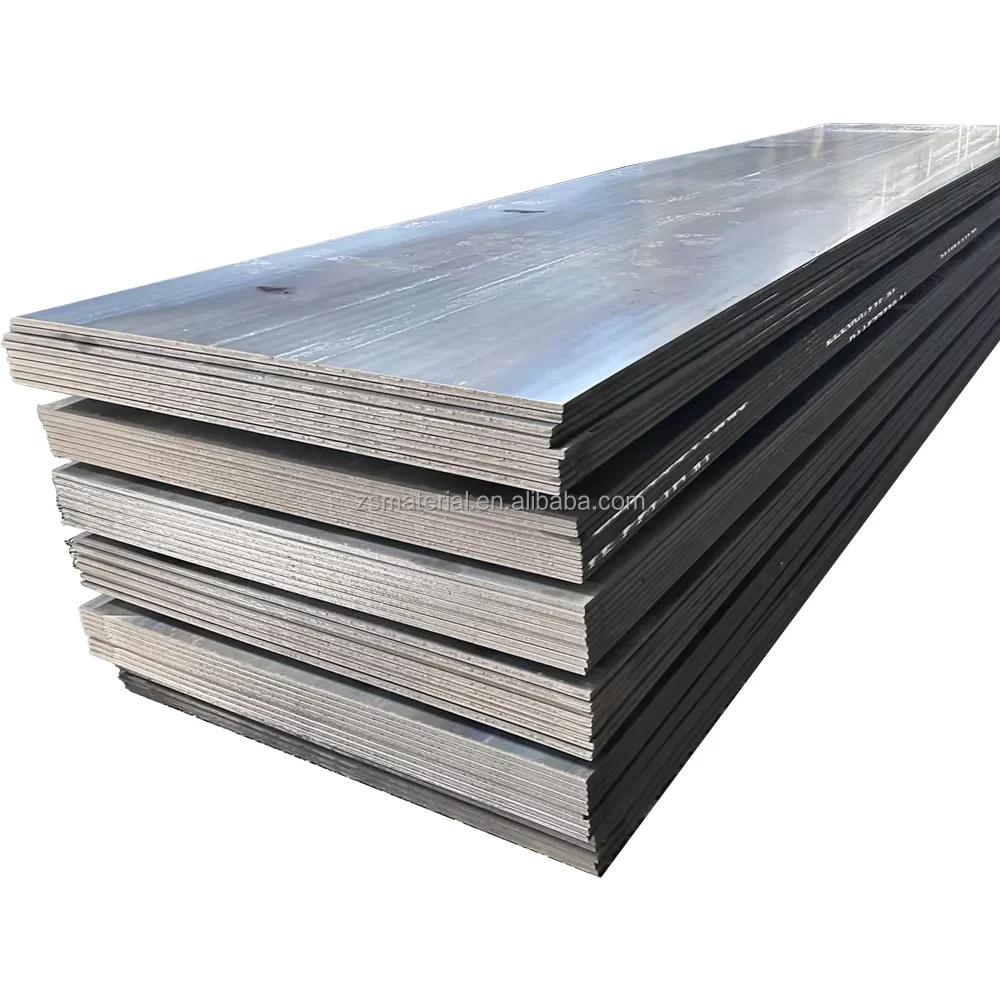
Factory-Direct Mill Supply — Each Q235B/Q345B hot rolled carbon steel plate rolls from our in-house melting shop, eliminating trader markups and ensuring full heat-number traceability from slab to shipment.
Technical Specifications
| Parameter | Value |
|---|---|
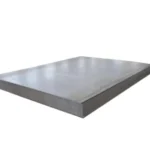
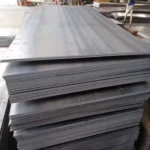
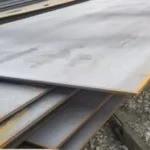
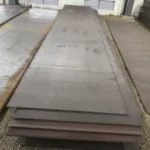
| Designation | Q235B/Q345B Wear Resistant Hot Rolled Carbon Steel Plate |
| Product Type | Steel Plate |
| Steel Grade | Q235B, Q345B |
| Standard | ASTM / JIS / DIN (equivalent grades available) |
| Thickness | 1mm–20mm |
| Technique | Hot Rolled |
| Surface Treatment | Hot Rolled Finish |
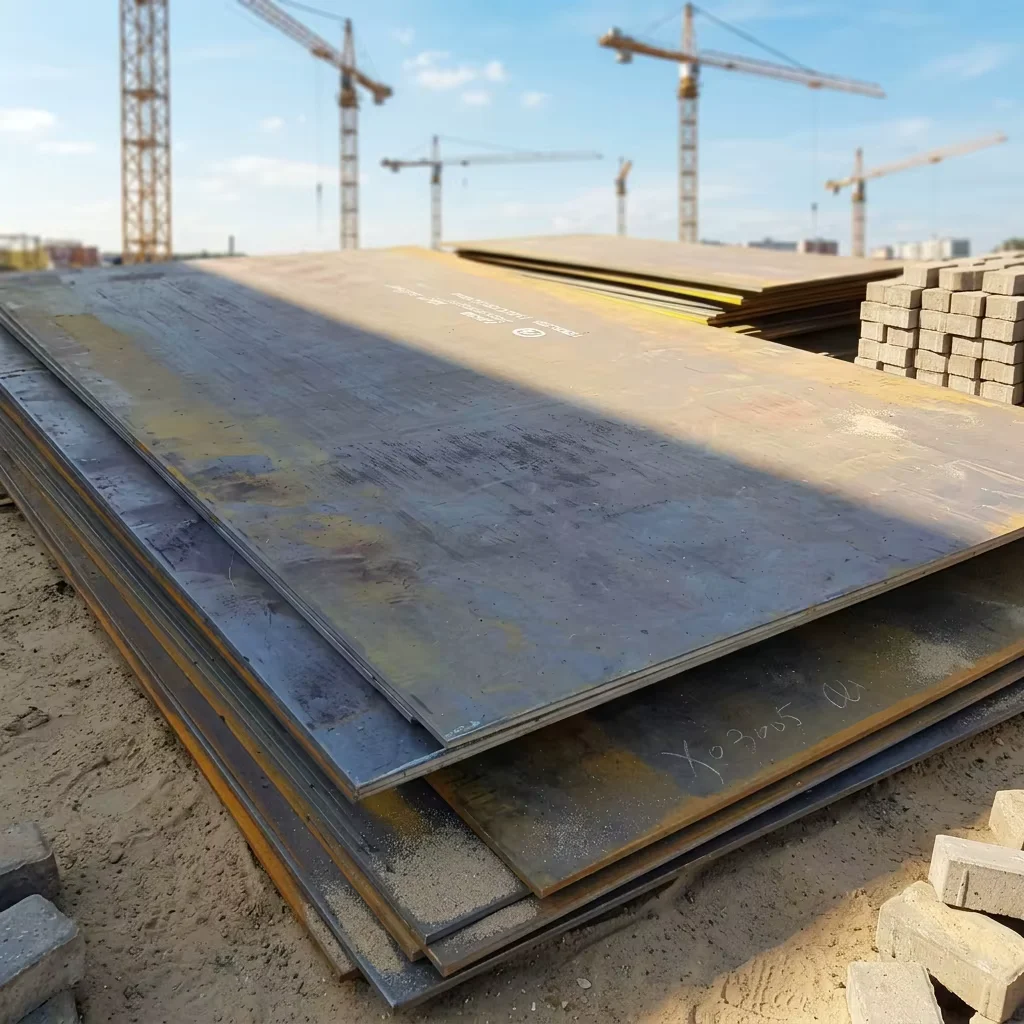
| Application | Shipbuilding, Construction, Fabrication, Cutting, Bending, Welding |
Application Suitability
| Industry | Typical Applications |
|---|---|
| Shipbuilding | Hull deck plates, bulkhead stiffeners, inner bottom panels |
| Construction | Column base plates, floor grating supports, mezzanine framing |
| Fabrication | Machinery mounting bases, conveyor brackets, crane boom sections |
Thickness Tolerance Drives Fit-Up Cost on Fabricated Structures
A 0.3mm deviation on a 6mm plate forces re-shimming at the weld bay.
When procurement teams source Q235B/Q345B hot rolled carbon steel plate without verifying tolerance class, the real cost surfaces during assembly. Plates arriving at the lower edge of negative tolerance require additional backing material or re-cutting before welding can begin. On a shipbuilding order with hundreds of deck panels, even minor dimensional drift compounds into days of lost fit-up time. [NEED_CITE: hot rolled steel plate dimensional tolerance standards per ASTM A6]
Matching Plate Thickness to Structural Load Paths
Q235B serves light-to-medium framing where weldability and formability take priority over raw strength. Q345B steps up the yield tier for load-bearing columns and crane runway beams. The 1mm–20mm range covers everything from gusset plates to primary beam web inserts. Our cutting line holds ±1mm on length and width, so fabricators receive net-shape blanks ready for beveling.
Engineering Compliance Across Export Markets
Shipbuilding plates must meet classification society rules for chemical composition and impact testing at service temperature. Construction projects in the EU require CE marking under EN 10204 3.1 or 3.2 certification. North American fabricators reference ASTM A36 or A572 equivalents. We supply mill test certificates aligned to the destination standard, with third-party inspection available from SGS or BV before container sealing. [NEED_CITE: EN 10204 inspection document types for steel plates]
Hot Rolling Metallurgy and Grade Selection
Hot rolling above recrystallization temperature produces a uniform ferrite-pearlite microstructure in Q235B, delivering consistent bend radii without edge cracking. Q345B adds microalloying elements like Nb and V to refine grain size, raising yield strength while maintaining weldability through controlled carbon equivalent. The hot rolled finish provides a mill scale surface that accepts primer coatings after blast cleaning. For applications requiring tighter surface quality, pickled and oiled condition is available upon request.
Hidden Costs of Unverified Material Sources
Plates sourced from trading companies without direct mill access often arrive with mixed heat numbers or incomplete chemistry reports. When Mn content sits at the specification boundary, spectral analysis at destination reveals borderline results, triggering full-batch rejection. The cost of return freight, replacement production, and project delay far exceeds any initial price saving. [NEED_CITE: steel plate chemical composition verification procedures]
Why Fabricators Specify SD XJY Pipe for Plate Orders
Every plate carries a unique heat number linked to our in-house laboratory chemistry report. We hold 41 invention patents and operate three production lines covering 2,800+ specifications, so non-standard widths or custom lengths ship from a single source. ISO 9001:2015 certification and Lloyd’s CE approval clear customs in regulated markets. Professional container loading with timber dunnage prevents edge damage during ocean transit. We export to 50+ countries with complete documentation packages.
Documentation & Compliance
- Mill test certificate documenting Q235B/Q345B chemical composition and mechanical properties per GB/T 700 or GB/T 1591
- CE certificate under EN 10210/EN 10219 for EU market entry
- ISO 9001:2015 quality management system certificate
- SGS or BV third-party inspection report for dimensional and chemical verification
- Material traceability by heat number with original melting records
- Customs documents including packing list, bill of lading, and certificate of origin
Packaging, Loading & Delivery
- Hot rolled plates bundled with steel strips and edge protectors to preserve surface finish during transit
- Anti-rust oil coating applied to Q235B/Q345B plates for ocean shipment corrosion protection
- Container loading optimized for 1mm–20mm thickness range with timber separators preventing plate-to-plate contact
- Custom cutting to project-specific lengths reducing on-site waste and handling
- Heat number and grade stenciled on each plate for site identification and traceability
- FOB, CIF, and DDP terms available with door-to-door logistics coordination
Request Quotation with Mill Test Certificate
Submit your plate thickness, width, length, grade preference, and destination port. We respond within 12 hours with unit pricing, lead time, and available mill test certificate formats. Non-standard dimensions and custom cutting specifications receive detailed engineering review.
Get Your Q235B/Q345B Plate Quote Today
Send specifications to admin@sdxjypipe.com or contact via WhatsApp at +86 188 5315 7756 for immediate pricing and certification review.
Frequently Asked Questions
Q: What is the difference between Q235B and Q345B, and how do they compare to ASTM A36 or JIS SS400?
A: Q235B offers lower yield strength suitable for general fabrication, while Q345B provides higher strength for structural applications. Both have equivalent grades in ASTM and JIS standards, and we supply mill test certificates confirming chemical composition alignment.
Q: Can you provide third-party inspection before shipment?
A: Yes, SGS and BV inspection services are available for dimensional verification, chemical composition testing, and surface quality assessment before container loading.
Q: What is the minimum order quantity for custom-cut steel plates?
A: MOQ varies by thickness and cutting complexity. Standard sizes ship from stock with no minimum, while custom cuts require project-specific quotation based on material utilization.
Q: Do you supply mill test certificates compliant with EN 10204 standards?
A: Yes, we provide EN 10204 3.1 certificates as standard, with 3.2 inspection certificates available for projects requiring third-party witness testing.
Q: How do you ensure accurate thickness tolerance and prevent surface defects during delivery?
A: Our in-house laboratory performs ultrasonic thickness measurement on every plate. Professional loading with timber dunnage and edge protectors prevents surface damage during ocean transit.