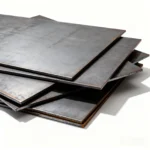
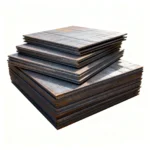
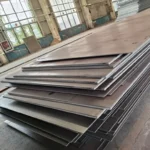


Description
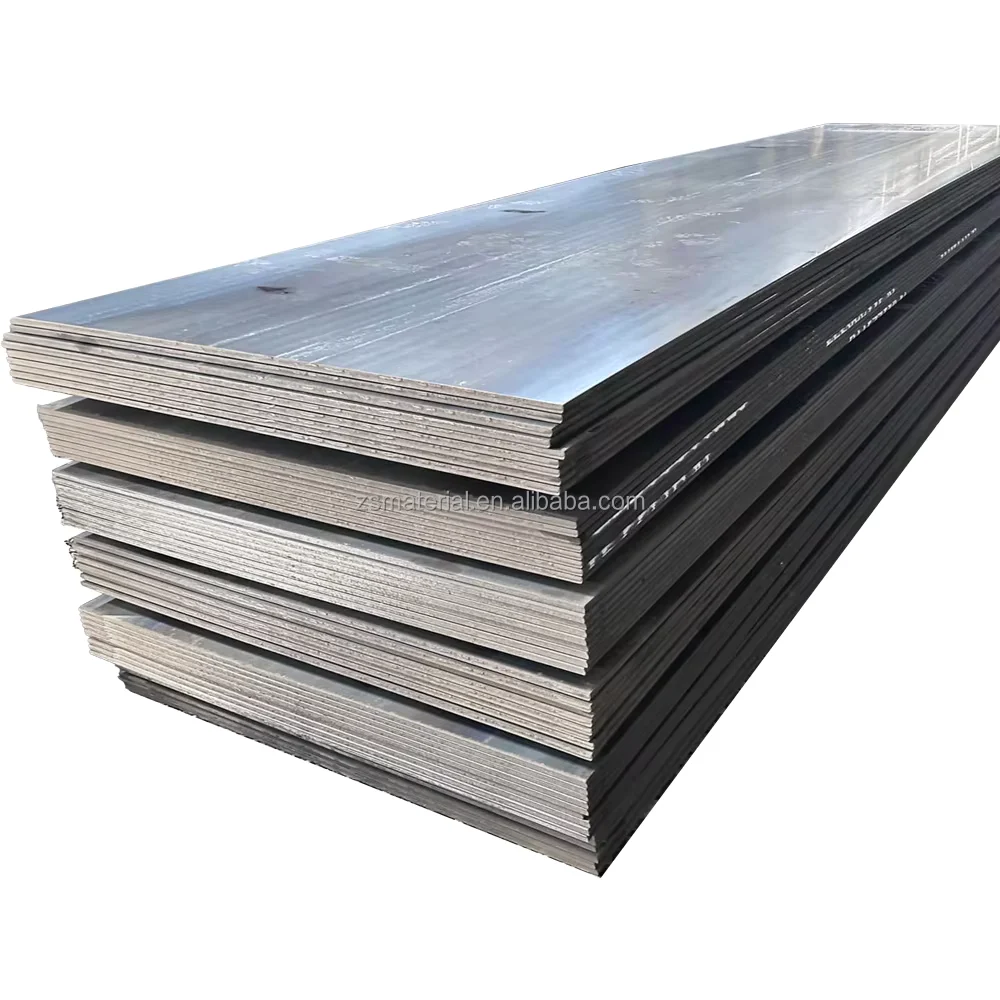
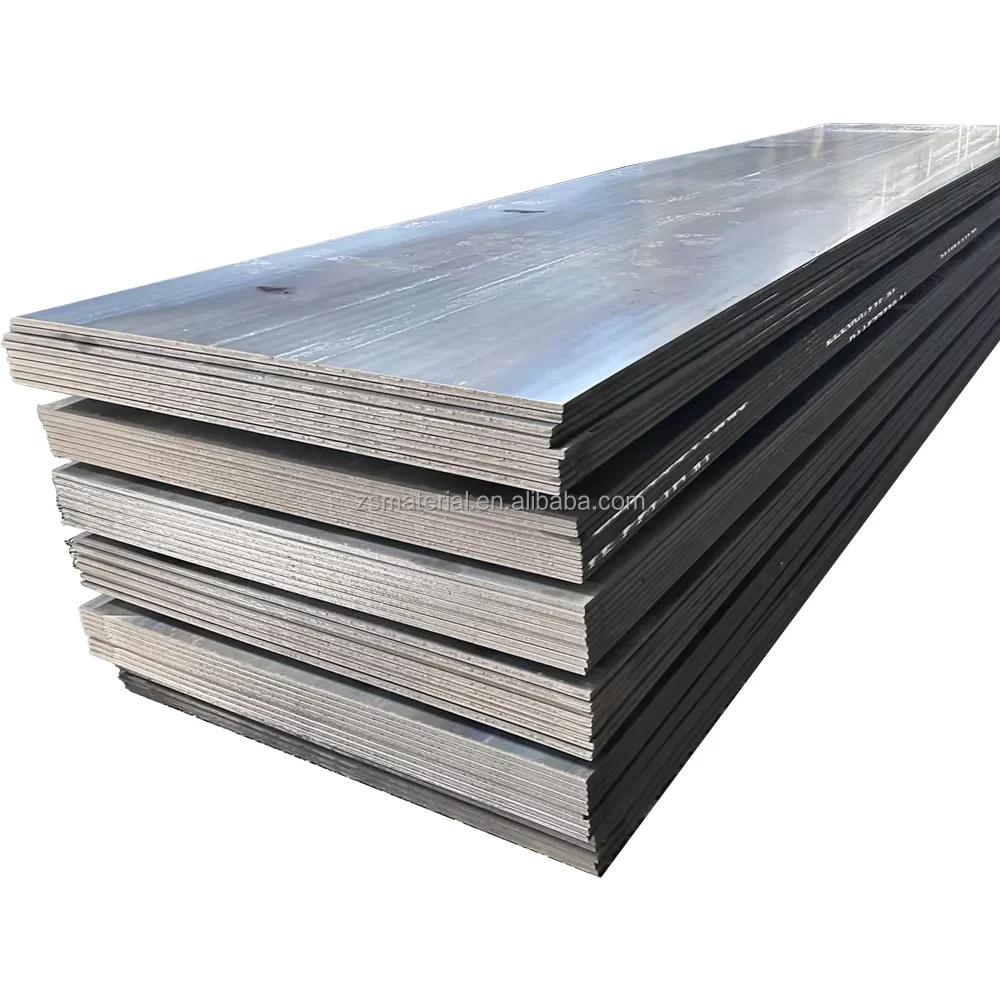
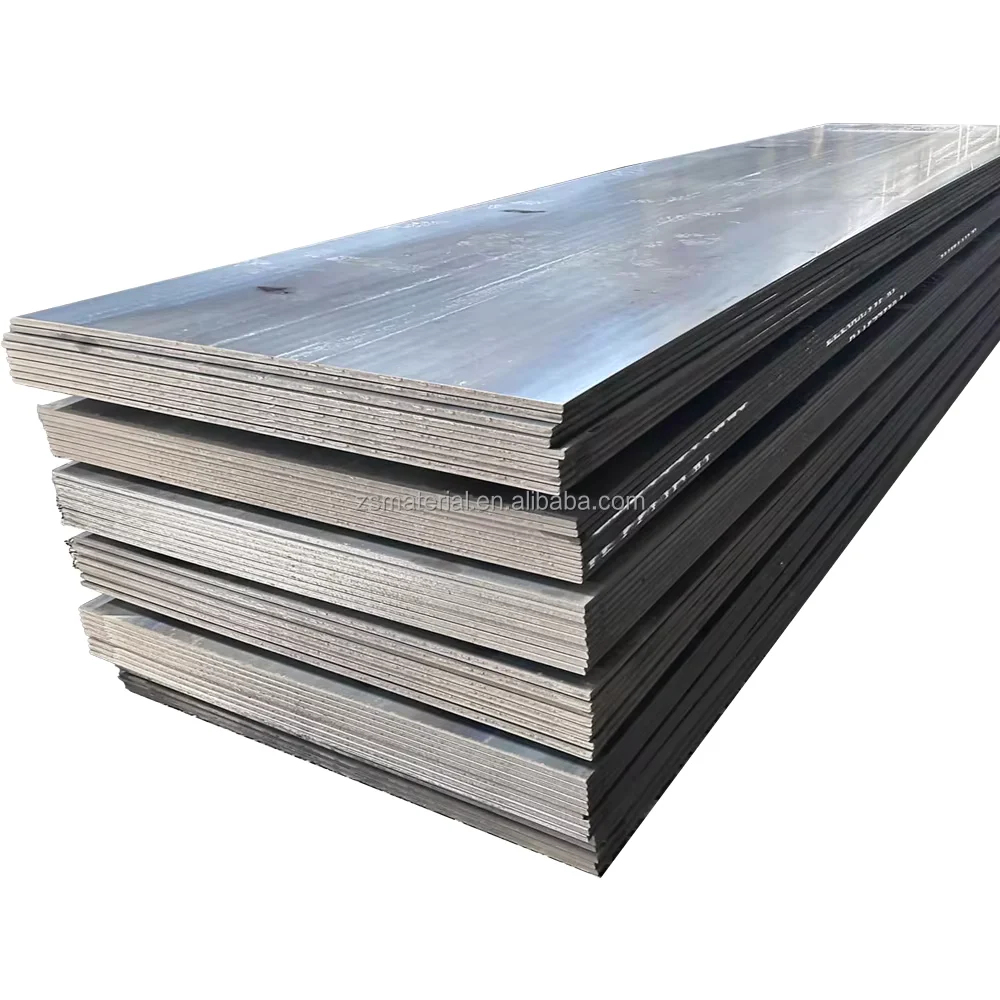
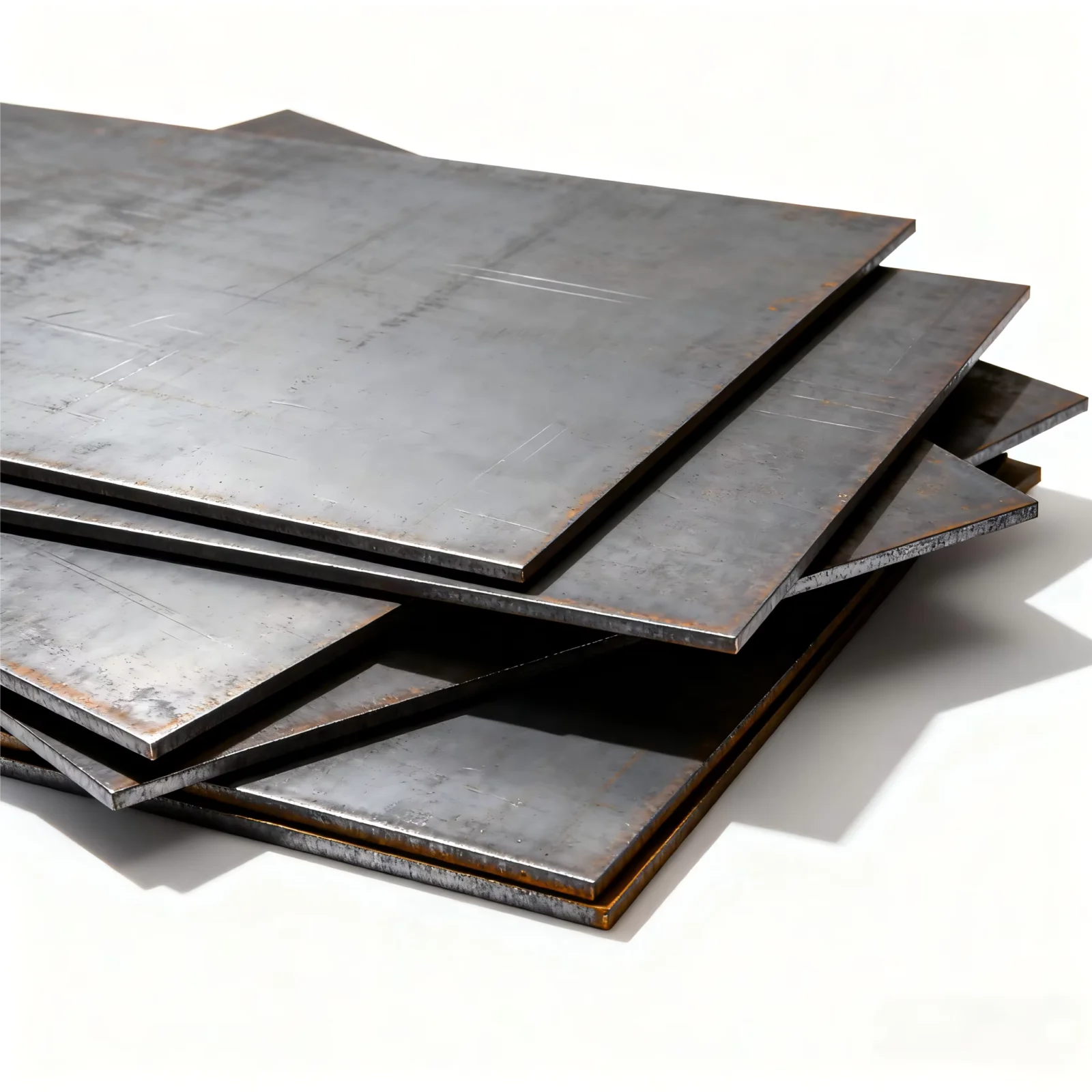
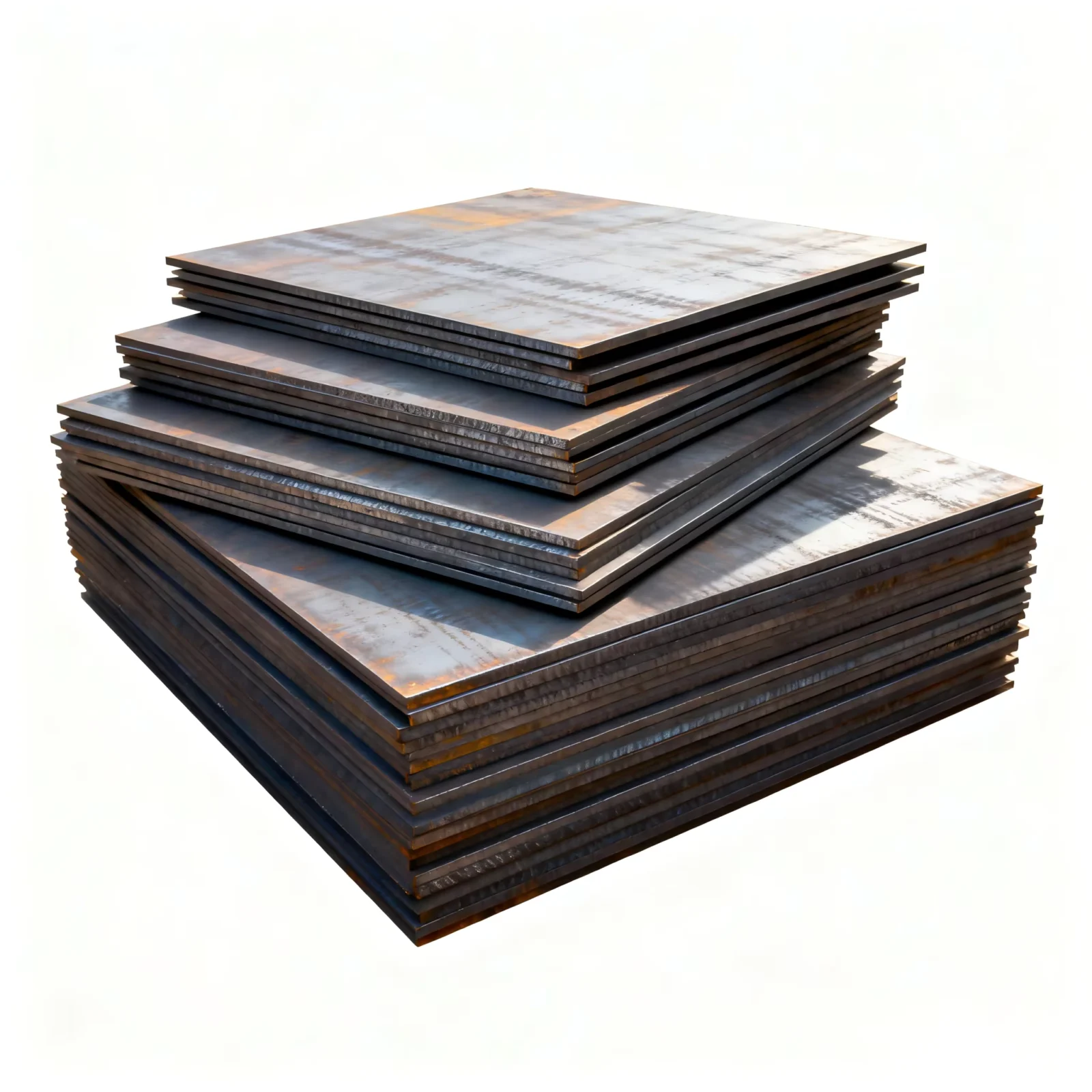
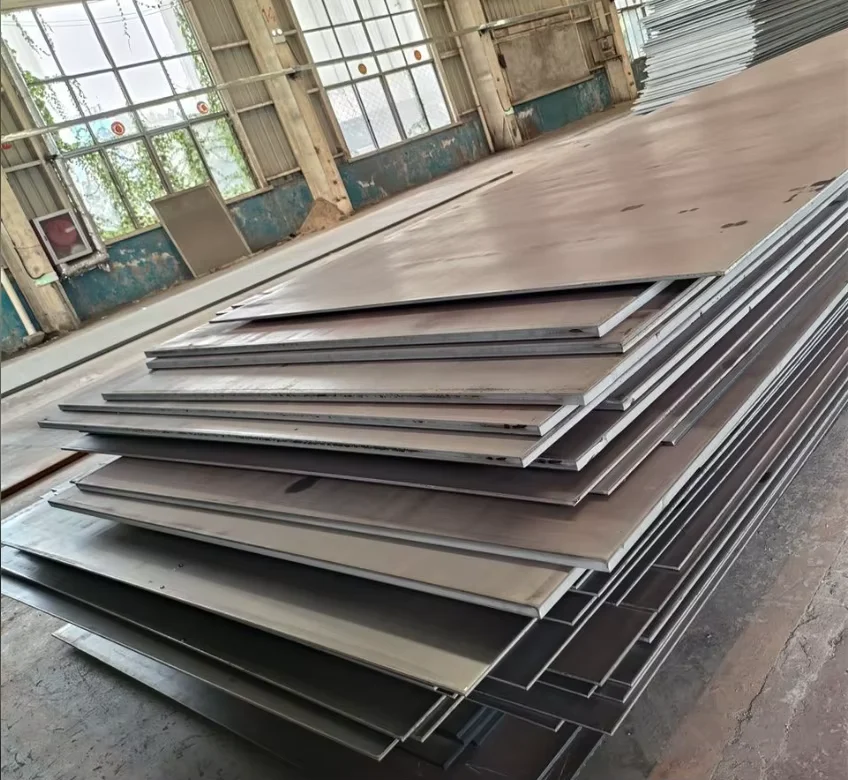
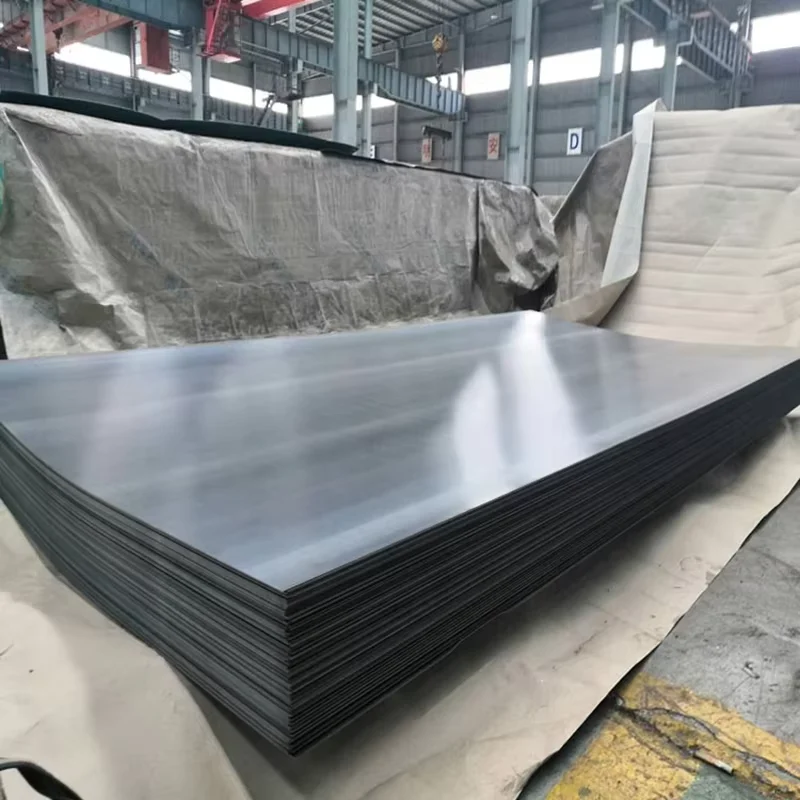
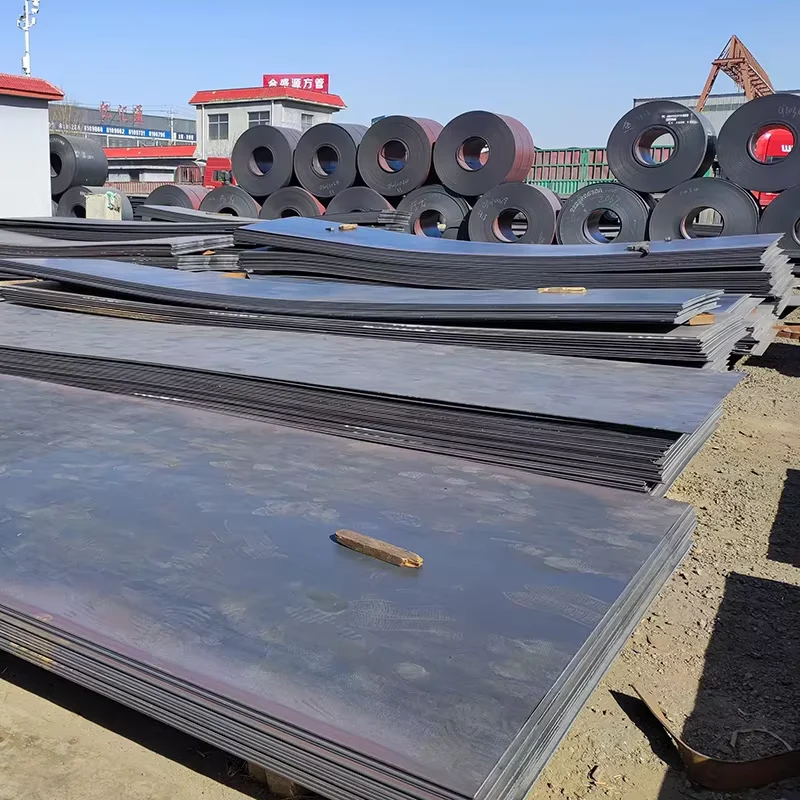
Factory-Direct Mill Supply — Every Q235 Q345 SS400 A36 hot rolled carbon steel plate rolls from our own production lines with full mill test certificates, eliminating trader markups and specification guesswork.
Technical Specifications
| Parameter | Value |
|---|---|
| Designation | Q235 Q345 SS400 A36 Carbon Steel Plate |
| Product Type | Steel Plate |
| Steel Grade | Q235, Q345, SS400, A36, S235JR, S355JR, St37-2, Q195–Q460 |
| Standard | AISI, ASTM, BS, DIN, GB, JIS |
| Thickness | 0.35–200 mm |
| Width | 1000–2500 mm |
| Length | 2000–12000 mm |
| Technique | Hot Rolled |
| Surface Treatment | Black |
| Tolerance | ±1% |
| Processing Service | Bending, Welding, Decoiling, Cutting, Punching |
| Application | Shipbuilding, Construction, Petrochemical, Machinery Manufacturing, Transportation, Bridge, Boiler, Container, Structural Fabrication |
| MOQ | 28 Ton |
| Origin | Shandong, China |
Application Suitability
| Industry | Typical Applications |
|---|---|
| Shipbuilding & Offshore | Deck plating, hull structural frames, bulkhead stiffeners |
| Construction & Infrastructure | Building column base plates, bridge gusset plates, industrial platform flooring |
| Petrochemical & Pressure Vessel | Boiler drum shells, heat exchanger baffles, storage tank walls |
| Machinery Manufacturing | Crane boom side plates, excavator structural brackets, conveyor frame gussets |
| Transportation & Container | Container corner castings, chassis cross-members, trailer floor supports |
Thickness Tolerance Is Where Your Structural Budget Bleeds
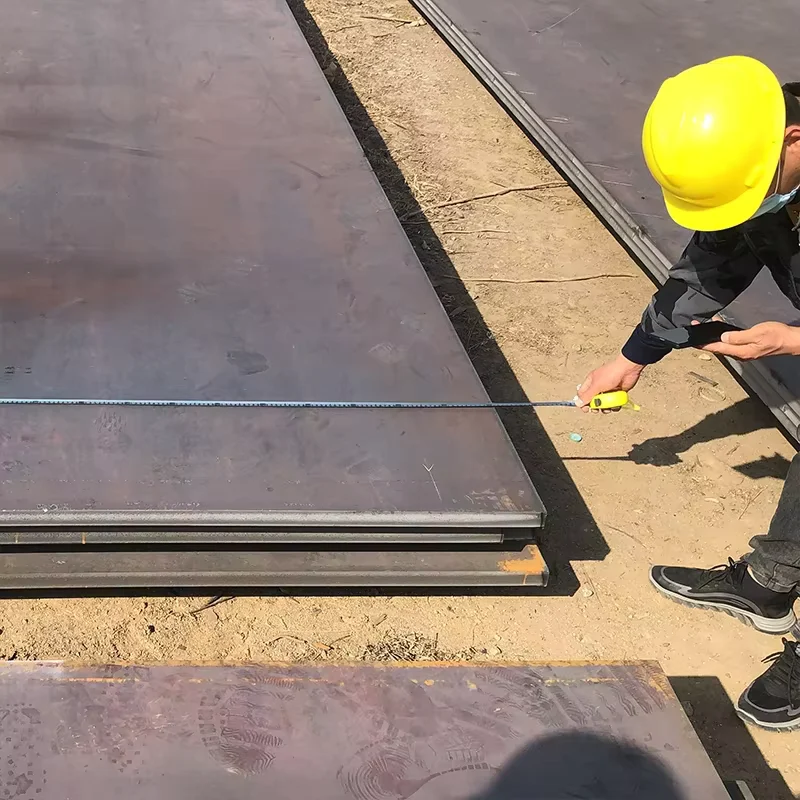
A ±1% tolerance on a 200 mm plate means ±2 mm — on a 50-ton order, that gap compounds into tons of missing weight.
I watched a Riyadh high-rise project reject an entire container of Q345 plates because the supplier’s “theoretical weight” delivery hid aggressive negative tolerance. The plates measured 18.6 mm where the drawing called for 20 mm. Customs inspectors weighed the lot, found a two-ton shortfall, and the client refused the shipment. That is the hidden cost of loose tolerance control on a Q235 Q345 SS400 A36 hot rolled carbon steel plate order — you pay for steel that never arrives. [NEED_CITE: hot rolled plate thickness tolerance standards per EN 10029 and GB/T 709]
Matching Plate Thickness to Structural Load Paths
Hot rolled carbon steel plates in the 0.35–200 mm range cover everything from light gauge bracing brackets to heavy base plates for moment-resisting frames. For shipbuilding deck plating, the 6–14 mm range in Q235 or A36 provides adequate formability for curved hull sections. Bridge gusset plates typically require Q345 or S355JR in the 20–50 mm range to handle concentrated bolt loads without local yielding. Pressure vessel shells demand tighter chemistry control — our in-house laboratory verifies carbon equivalent values before each heat leaves the mill, ensuring weldability compliance with EN 10028 or ASME Section II.
Engineering Compliance Across GB, EN, ASTM, and JIS Frameworks
Structural designers specify plates by local code — GB/T 709 for Chinese projects, EN 10025 for European structures, ASTM A36 for North American builds, JIS G3101 for Japanese-spec facilities. The Q235 Q345 SS400 A36 hot rolled carbon steel plate range we supply crosses all four systems with documented equivalence. CE certification under EN 10210/10219 is mandatory for EU customs clearance; we provide Lloyd’s-issued CE marks with every shipment to regulated markets. [NEED_CITE: CE marking requirements for structural steel plates under EU Construction Products Regulation]
Steel Grade Selection: Yield Strength Hierarchy and Cross-Standard Mapping
Q235 and A36 occupy the mild steel tier — adequate for non-critical bracing, formwork, and light structural frames. Q345 and S355JR step up to higher yield strength, suitable for primary load-bearing members in multi-story buildings and bridge substructures. SS400 sits between these tiers in the JIS system, commonly specified for Japanese-designed industrial plants in Southeast Asia. The hot rolling process produces a black oxide surface that accepts primer coatings directly after shot blasting — no pickling required for most outdoor structural applications. Thickness tolerance of ±1% ensures that design calculations based on nominal dimensions remain valid, unlike cold-rolled alternatives where negative tolerance can erode section modulus.
The Hidden Cost of Unverified Mill Test Certificates
A plate stamped Q345 without a traceable heat number is a liability, not an asset. Engineering inspectors at destination ports routinely reject shipments lacking chemical composition reports or mechanical test data. Missing CE references on EN-designated plates trigger customs holds that delay project timelines by weeks. [NEED_CITE: structural steel plate documentation requirements for EU import compliance]
Why Project Procurement Teams Consolidate Here
Our production lines cover Q195 through Q460 plus international equivalents — A36, SS400, S235JR, S355JR, St37-2 — in a single facility, so you avoid splitting orders across multiple mills and reconciling conflicting certificates. The in-house physical and chemical laboratory tests every heat for tensile strength, yield point, elongation, and chemical composition before release. ISO 9001:2015 certification and Lloyd’s CE approval under EN 10210/10219 satisfy the most stringent project specifications. We customize non-standard widths, lengths, and thicknesses outside the 1000–2500 mm and 2000–12000 mm ranges with low MOQ flexibility. Professional container loading with edge protectors and anti-shift bracing prevents plate bending and surface damage during ocean transit.
Documentation & Compliance
- Mill test certificate documenting Q345 chemical composition (C, Mn, Si, P, S) and mechanical properties (yield strength, tensile strength, elongation) per GB/T 1591
- CE certificate issued by Lloyd’s Register confirming compliance with EN 10210/10219 for S235JR and S355JR plates destined for EU markets
- ISO 9001:2015 quality management system certificate covering hot rolled plate production and inspection processes
- SGS or BV third-party inspection report available upon request, verifying dimensional accuracy and surface quality before shipment
- Material traceability by heat number etched on each plate, linking to corresponding mill test certificate
- Complete customs documentation including packing list, bill of lading, and certificate of origin for destination port clearance
Packaging, Loading & Delivery
- Hot rolled black surface plates bundled with high-tensile steel strips at 1.5-meter intervals, wrapped in waterproof kraft paper to prevent transit corrosion
- Edge protectors applied to all four corners of each bundle to prevent denting during forklift handling and container stuffing
- Container loading optimized for 2000–12000 mm plate lengths, with timber dunnage separating layers to distribute weight evenly across the container floor
- Custom cutting to project-specific lengths available before shipment, reducing on-site waste and welding time for structural fabricators
- Heat number and steel grade stenciled on each plate surface for on-site identification and traceability during installation
- FOB, CIF, and DDP shipping terms available with door-to-door tracking until arrival at project site
Getting Your Q235 Q345 SS400 A36 Hot Rolled Carbon Steel Plate Quote
Submit your plate dimensions, steel grade, quantity, and destination port — we return a detailed quotation with unit pricing, production lead time, and shipping terms within 12 hours. Request mill test certificates for review before contract signing, and confirm third-party inspection arrangements if your project requires SGS or BV verification.
Frequently Asked Questions
Q: How do Q235, Q345, A36, SS400, and S355JR compare across different international standards?
A: Q235 and A36 are equivalent mild steel grades with similar yield strength ranges. Q345 corresponds to S355JR in the EN system, offering higher yield strength for primary structural members. SS400 is the JIS equivalent, commonly specified for Japanese-designed projects. We provide cross-reference documentation with every order to confirm grade equivalence.
Q: Do your steel plates come with CE marking for EU customs clearance?
A: Yes. Our Q235 Q345 SS400 A36 hot rolled carbon steel plates carry Lloyd’s-issued CE certification under EN 10210/10219 standards, ensuring compliance with EU Construction Products Regulation and smooth customs clearance.
Q: Can you supply non-standard thickness, width, or length with low minimum order quantity?
A: We customize plates outside the standard 0.35–200 mm thickness, 1000–2500 mm width, and 2000–12000 mm length ranges. The MOQ is 28 tons, and we accommodate project-specific dimensions with typical production lead times for non-standard sizes.
Q: Do you offer cutting, bending, and punching services before shipment?
A: Yes. Our processing services include cutting to size, bending, welding preparation, decoiling, and punching. These services reduce on-site fabrication time and material waste for structural contractors.
Q: How do you prevent plate damage during container shipping?
A: We bundle plates with steel strips at regular intervals, apply edge protectors to prevent corner denting, and use timber dunnage to separate layers during container loading. This prevents bending, surface scratching, and edge damage during ocean transit.
Request Your Q235 Q345 SS400 A36 Hot Rolled Carbon Steel Plate Quotation
Send your plate specifications, steel grade requirements, and destination port to receive pricing, mill test certificates, and delivery timelines.
Shandong Xin Jiyuan Special Steel Tube Co., Ltd
Website: www.sdxjypipe.com
Tel: +86 531 8573 6315
Mobile/WhatsApp/WeChat: +86 188 5315 7756
Email: admin@sdxjypipe.com
Address: No.11889, Jingshi West Road, Lulian Group, Jinan City, Shandong Province, China