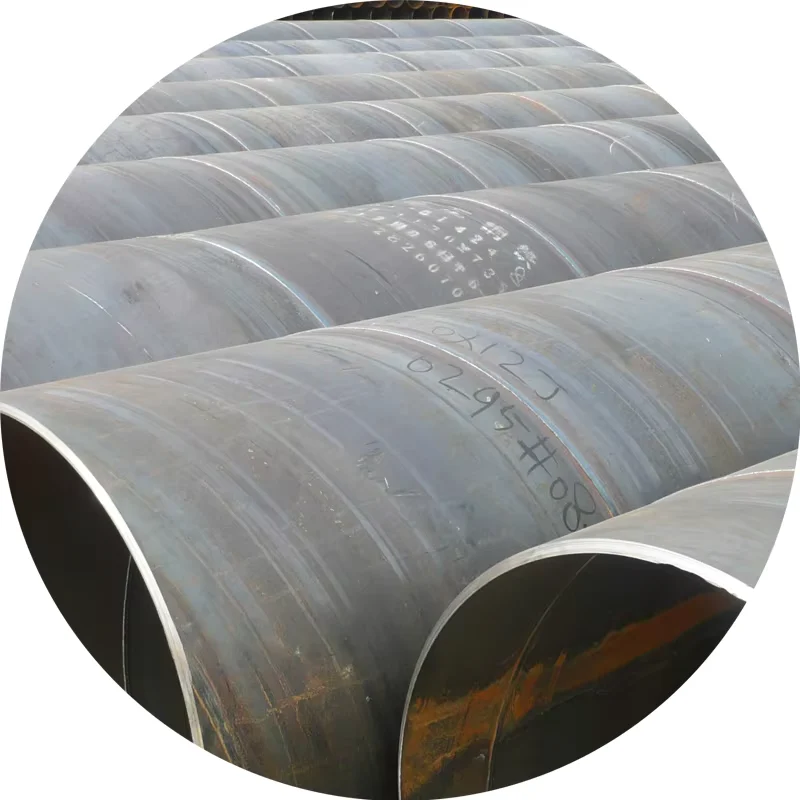
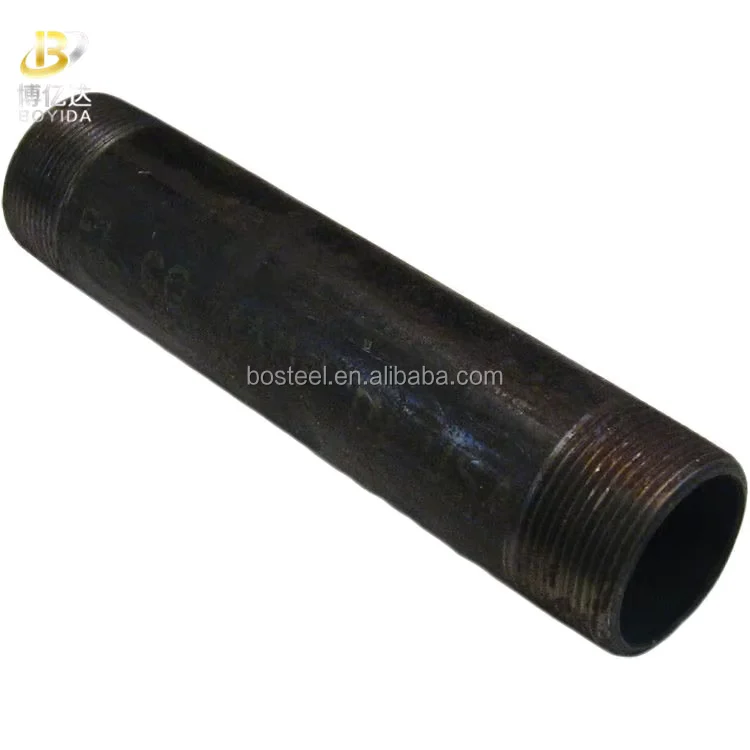
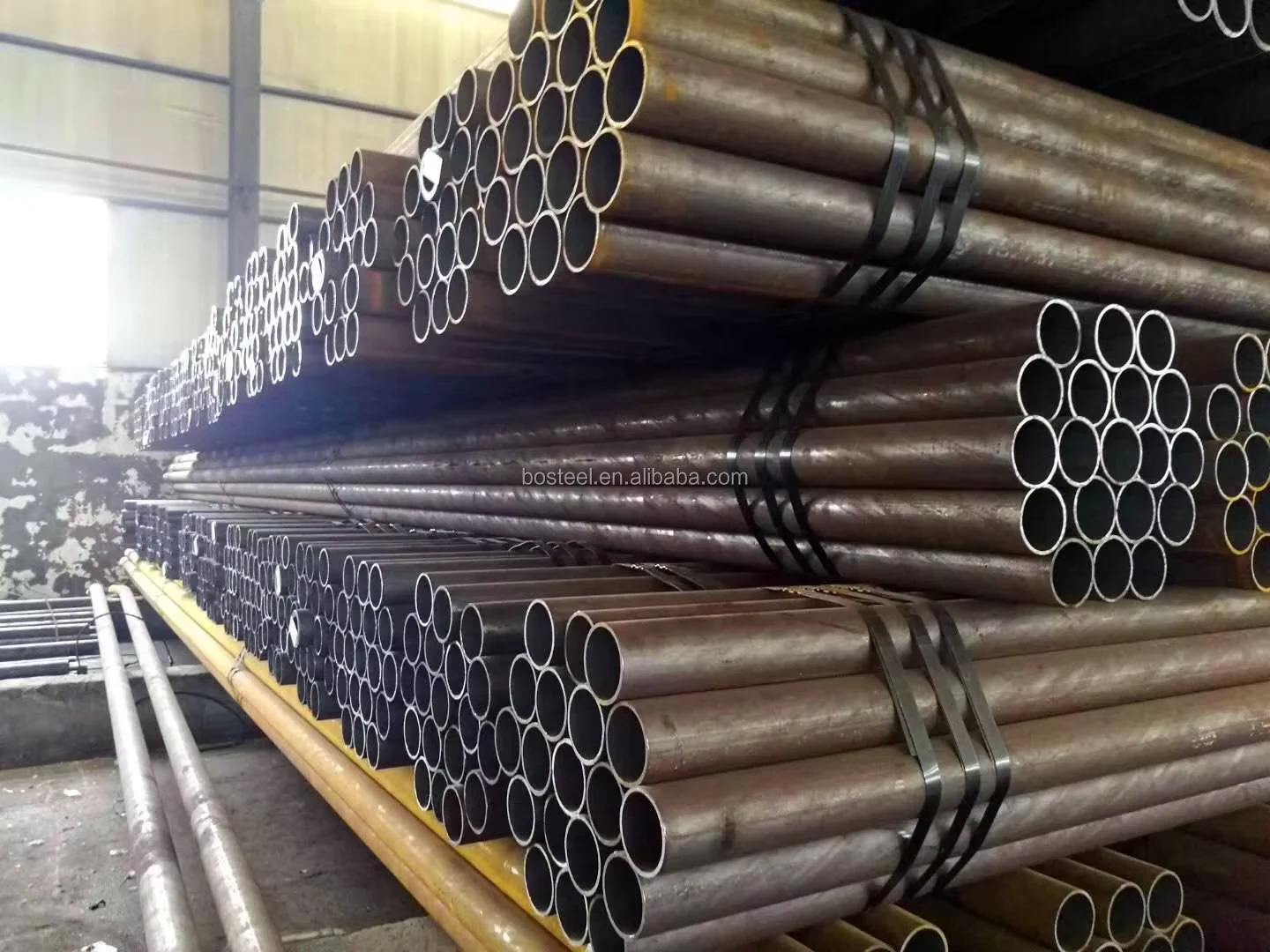

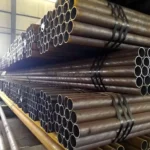
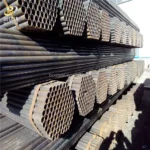


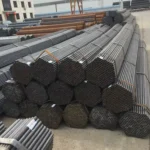
Description
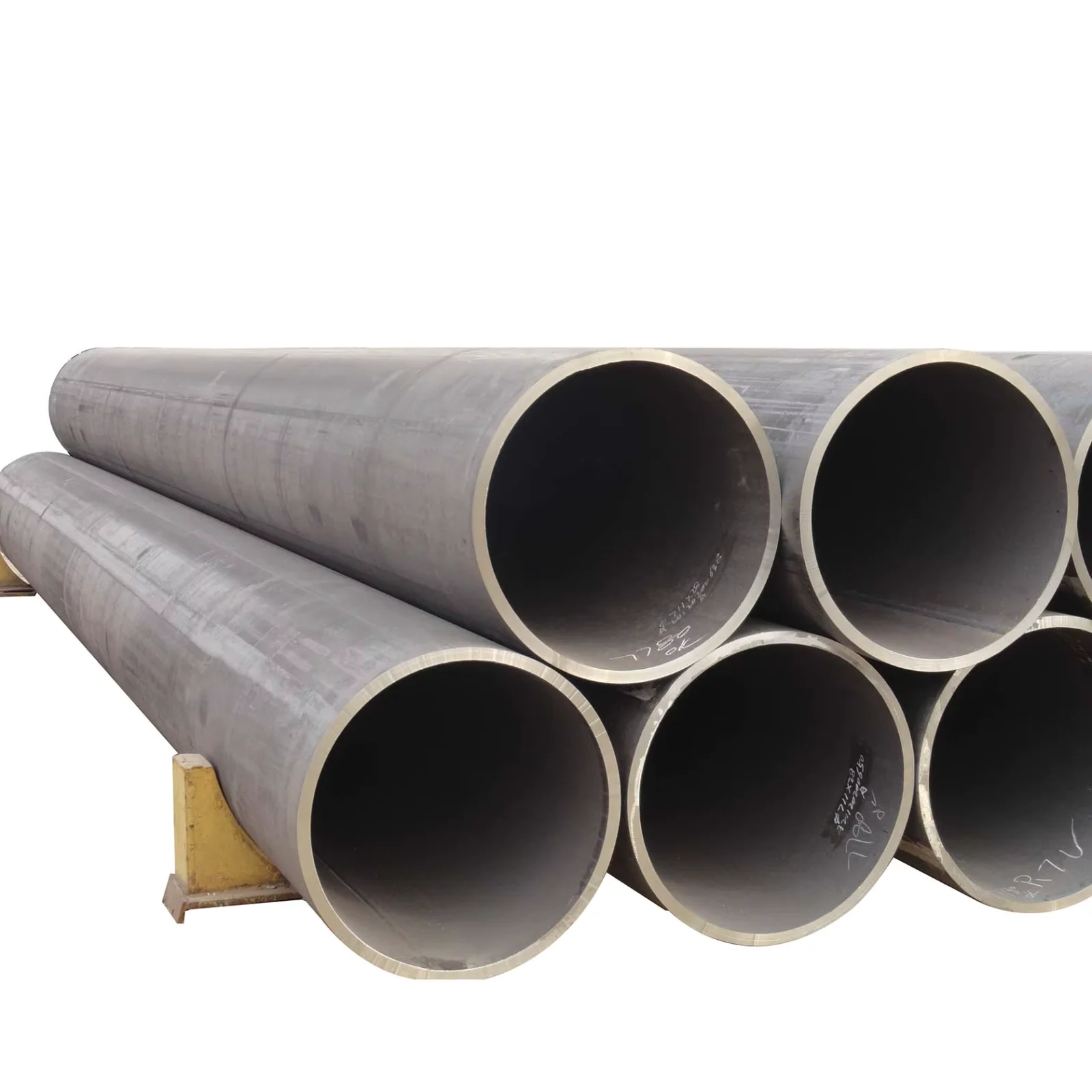
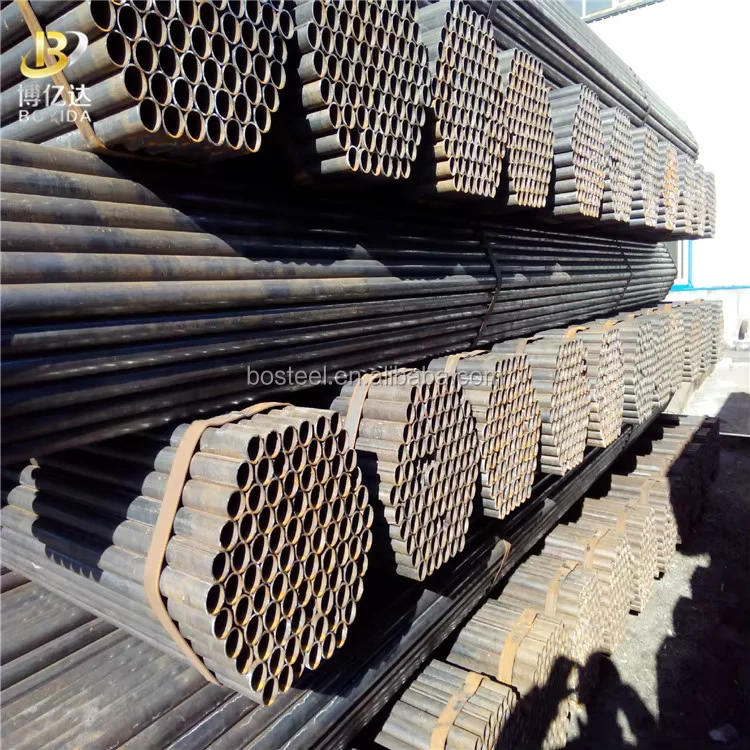
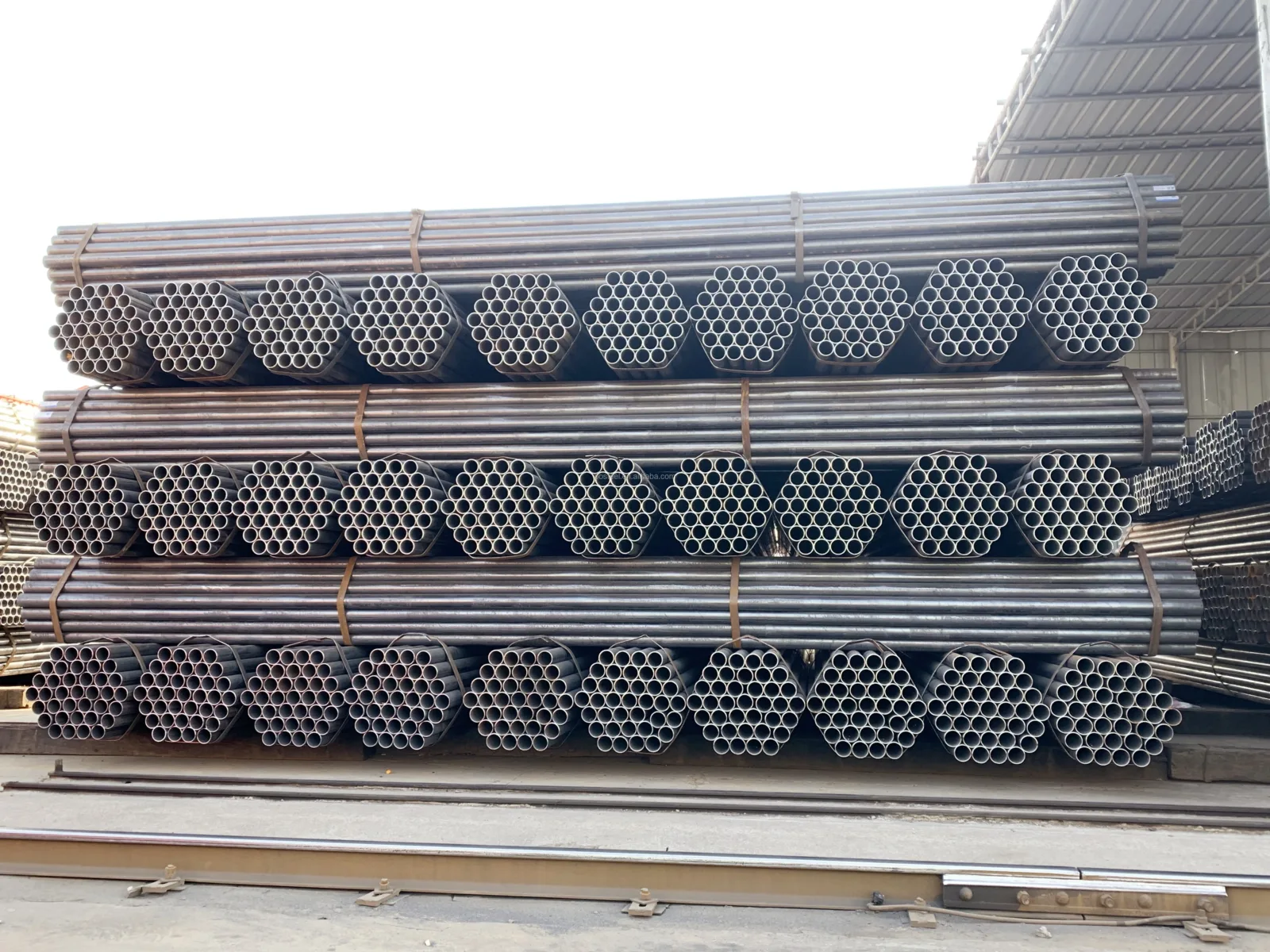
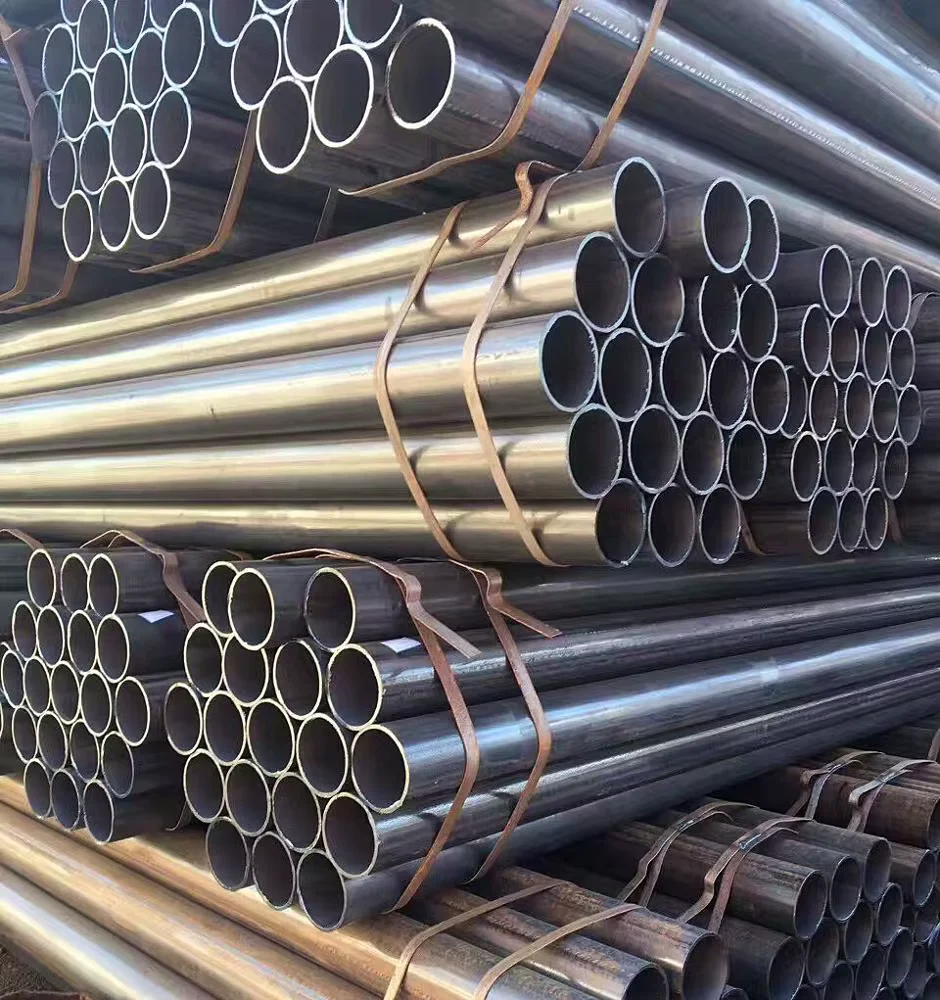
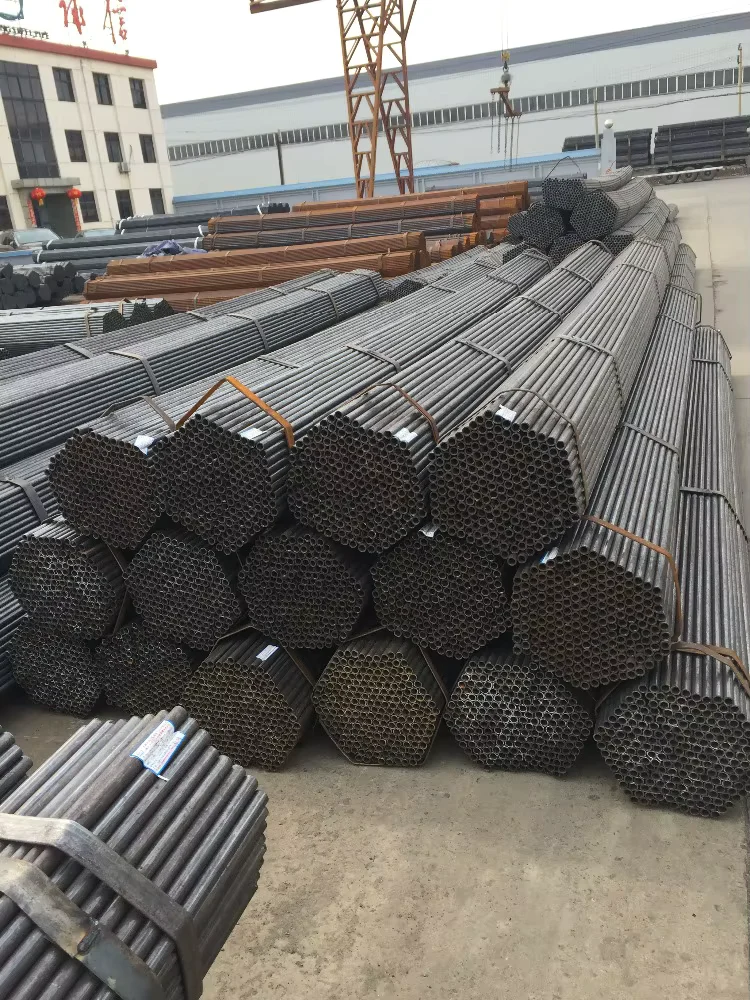
Direct Mill Supply for JCOE Piping — Every JCOE round steel pipe undergoes in-house dimensional and chemical testing before shipment, ensuring ±1% tolerance compliance for fluid and structural projects.
Technical Specifications
| Parameter | Value |
|---|---|
| Designation | JCOE Round Steel Pipe |
| Product Type | Round Steel Pipe |
| Steel Grade | Q235, Q345, Q195, ST37, ST52, St37-2, 10#, 20# |
| Standard | GB, EN |
| Section Shape | Round |
| Outer Diameter | 1/2”–8” (21–219 mm) |
| Length | 2 m–12 m |
| Technique | JCOE |
| Surface Treatment | Galvanized / Oiled / Non-oiled |
| Tolerance | ±1% |
| Ends | Plain / Beveled |
| Application | Fluid transportation, construction piping, prefabricated house, boiler, hydraulic, structure |
| MOQ | 16 Tons |
| Origin | Shandong, China |
Application Suitability
| Industry | Typical Applications |
|---|---|
| Municipal Infrastructure | Water supply mains, gas distribution networks, drainage pipelines |
| Oil & Gas | Low-pressure oil gathering lines, field flow lines, refinery utility piping |
| Construction & Prefabrication | Structural columns for steel houses, mobile house framing, scaffold uprights |
| Industrial Piping | Boiler feed lines, hydraulic system conduits, drill casing |
| Building Services | HVAC duct supports, fire protection risers, plumbing stacks |
Where Negative Tolerance Turns a Fluid Line into a Liability
A pipe that passes the scale but fails the service pressure is a pipe you cannot weld into a certified system.
I once watched a shipment of 12 mm-wall pipe arrive at a Middle Eastern port where the engineer pulled random samples and found actual wall thickness hovering at the absolute minimum. Two containers were flagged. The client nearly rejected the entire order because the mill had been running negative tolerance to save weight per meter. In fluid transportation—water, gas, oil—there is zero margin for that kind of gamble. When you source a JCOE round steel pipe for pressure or structural duty, every millimeter of wall is a millimeter of safety margin, and every certificate must trace back to a heat number you can verify. [NEED_CITE: EN 10219 dimensional tolerance requirements for welded hollow sections]
Matching JCOE Pipe to Fluid and Structural Demands
A JCOE round steel pipe in Q235 or Q345 grade serves dual roles: as a conveyance channel for water, gas, and oil in municipal EPC projects, and as a load-bearing member in prefabricated steel buildings. The JCOE forming process produces a straight longitudinal weld with uniform penetration, making it suitable for moderate-pressure fluid lines and structural framing where consistent roundness matters for gusset plate and base plate connections. Galvanized finish handles outdoor exposure and buried installations, while oiled or non-oiled surfaces suit indoor structural use or further coating by the fabricator.
Engineering Compliance and Certification Requirements
Structural applications demand compliance with EN 10219 or equivalent GB standards, and fluid transportation lines often require material traceability by heat number for inspector sign-off. When your project specifies Q345, you need documentation proving chemical composition and mechanical properties match the grade—not a generic mill stamp. For EU-bound shipments, CE marking under EN 10210/EN 10219 is not optional; customs will hold containers without it. Beveled ends cut to project-specific angles reduce field welding time and ensure full-penetration joints, while plain ends suit mechanical coupling systems. [NEED_CITE: CE marking requirements for structural steel hollow sections under EN 10210]
Steel Grade Selection and JCOE Process Fundamentals
Q235 and Q345 represent the two most specified carbon structural grades in Chinese standard piping. Q235 offers adequate strength for non-critical structural framing and low-pressure fluid conveyance, while Q345 delivers higher yield strength for load-bearing columns and bridge handrails. ST37 and ST52 serve European-spec projects where EN equivalence is required; 10# and 20# grades suit machining and hydraulic applications where uniform microstructure matters. The JCOE forming method—J-forming, C-forming, O-forming, then Expansion—ensures consistent roundness and eliminates the ovality common in simpler roll-forming setups, which directly affects weld seam quality and dimensional accuracy across the full 1/2” to 8” diameter range.
The Hidden Cost of Unverified Mill Certificates
Ordering a JCOE round steel pipe without verified EN 10204 3.1 or 3.2 certificates creates downstream risk that no price saving can offset. Material mismatches surface at the weld inspection stage, at customs during document review, or worse—during structural load testing after erection. A pipe stamped Q345 but delivering Q235 chemistry will fail tensile requirements; a galvanized coating below minimum thickness will corrode before the design life. These are not theoretical failures. They are the reasons projects get delayed, containers get rejected, and contractors absorb re-procurement costs that dwarf the original unit price difference. [NEED_CITE: EN 10204 inspection document types for steel products]
Why Procurement Teams Specify SD XJY Pipe
We run three dedicated production lines covering over 2,800 specifications, so when your drawing calls for a 6-inch JCOE round steel pipe in Q345 with beveled ends and 11.8 m random length, we do not substitute a near-size from stock. Our in-house physical and chemical laboratory tests every heat before release—dimensional checks, tensile samples, chemical spectrometry—so the mill test certificate you receive reflects actual production data, not template values. We hold CE certification under EN 10210 and EN 10219, ISO 9001:2015, and Singapore FPC, meaning your EU and Southeast Asian projects clear customs with documentation already in order. For export orders, our loading team uses purpose-built cradles and anti-damage blocking to prevent bending and surface scratches during ocean transit, and we arrange SGS or BV third-party inspection at your request before container sealing.
Documentation & Compliance
- Mill Test Certificate documenting Q235/Q345 chemical composition and mechanical properties per GB/EN standards, traceable by heat number
- CE certificate covering EN 10210/EN 10219 compliance for structural hollow sections destined for EU markets
- ISO 9001:2015 quality management certificate covering the full JCOE production and testing process
- SGS or BV third-party inspection report available upon request, covering dimensional verification and coating thickness measurement
- Full customs documentation package including packing list, bill of lading, and certificate of origin for destination-country clearance
Packaging, Loading & Delivery
- Galvanized JCOE round steel pipes bundled with steel strips and edge protectors to preserve zinc coating integrity during ocean freight
- Oiled and non-oiled pipes wrapped in waterproof cloth at both ends to prevent moisture ingress and rust formation in transit
- Random length pipes (2–12 m) loaded with timber dunnage and nylon slings to prevent contact damage between layers in the container
- Heat number and steel grade stenciled on each pipe end for on-site traceability and inspector verification
- FOB, CIF, and DDP shipping terms available with professional container loading plans optimized for 1/2”–8” diameter round sections
Start Your Procurement with Verified Data
Submit your required outer diameter, wall thickness, steel grade, surface treatment, length, and destination port, and we will return a detailed quotation with unit pricing, production lead time, and available mill test certificate format within 12 hours. For non-standard dimensions or custom end preparation, our engineering team will confirm feasibility and tooling requirements before you commit.
Request a Quotation with Full Material Certification
Send your specification sheet to admin@sdxjypipe.com or message us on WhatsApp at +86 188 5315 7756 to receive pricing, lead time, and sample mill test certificates for your JCOE round steel pipe inquiry.
Frequently Asked Questions
Q: How do Q235 and Q345 grades map to European and American standards?
A: Q235 corresponds closely to S235JR under EN 10025 and ASTM A36 in general structural applications. Q345 aligns with S355JR/S355J2 in the EN system and ASTM A572 Grade 50 in the US framework. We provide cross-reference documentation with every inquiry so your engineering team can confirm equivalence before ordering.
Q: Can you provide EN 10204 3.2 certificates and arrange third-party inspection?
A: Yes. We issue EN 10204 3.1 certificates as standard with every shipment, and EN 10204 3.2 certificates are available when the project specification requires independent witness testing. SGS, BV, and Lloyd’s inspections can be arranged at our facility before container loading.
Q: When should I specify galvanized versus oiled surface treatment?
A: Galvanized finish is the correct choice for outdoor exposure, buried pipelines, or high-humidity environments where corrosion resistance extends service life. Oiled finish suits indoor structural applications, further painting or coating by the fabricator, or short-term storage before installation. Non-oiled black finish works for sealed indoor systems or where the fabricator applies their own coating specification.
Q: Can you supply beveled ends and cut-to-length pipes for my project?
A: Yes. We provide plain or beveled ends per your welding procedure specification, and we can cut to fixed lengths within the 2–12 m range. Bevel angles and root face dimensions are confirmed against your WPS before production begins.
Q: How do you ensure damage-free container loading for export orders?
A: We use timber dunnage, nylon slings, and purpose-built steel cradles to separate pipe layers and prevent contact damage. For galvanized pipes, edge protectors prevent zinc scraping at bundle contact points. Each container is loaded according to a weight distribution plan, and photos are provided before sealing.