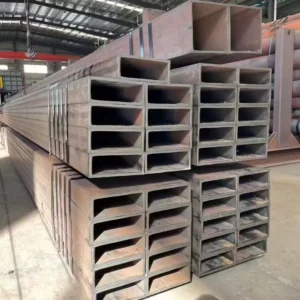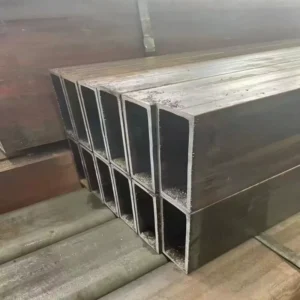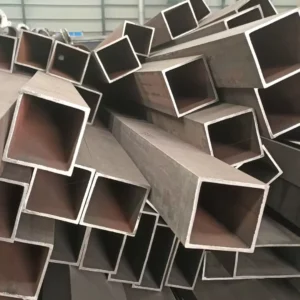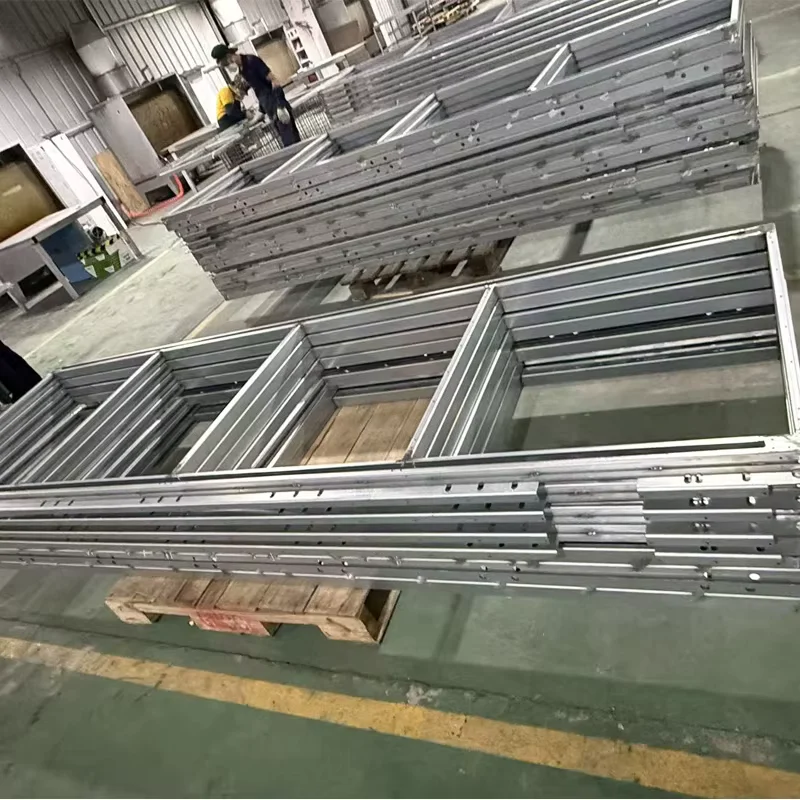

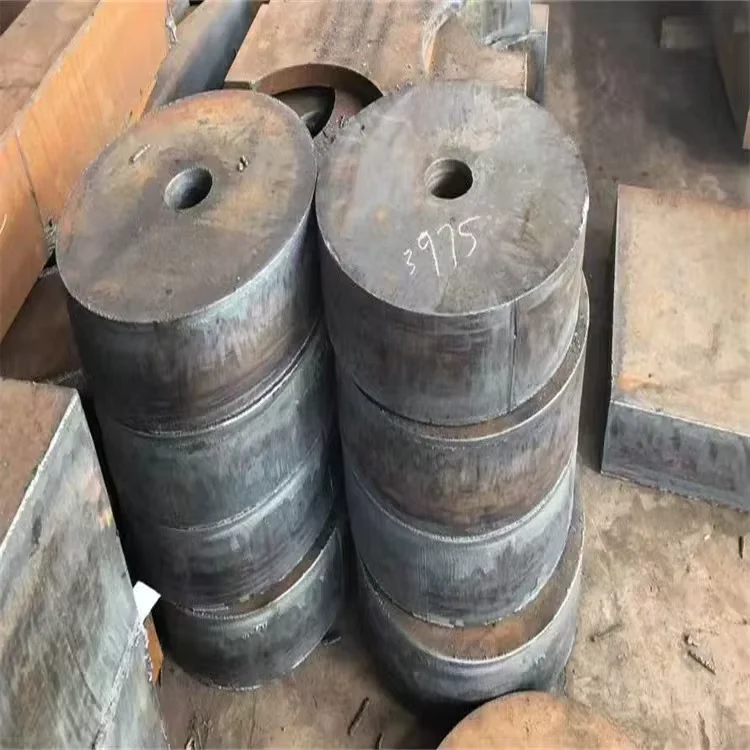

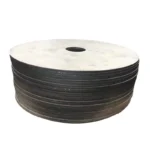
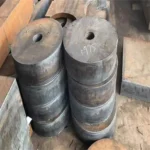
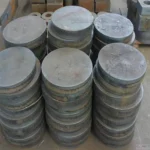
Description
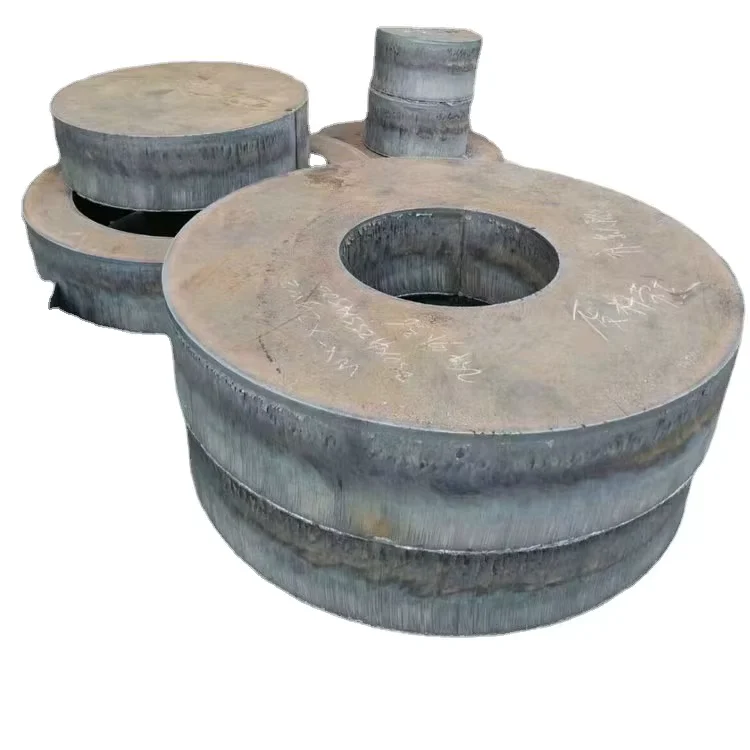
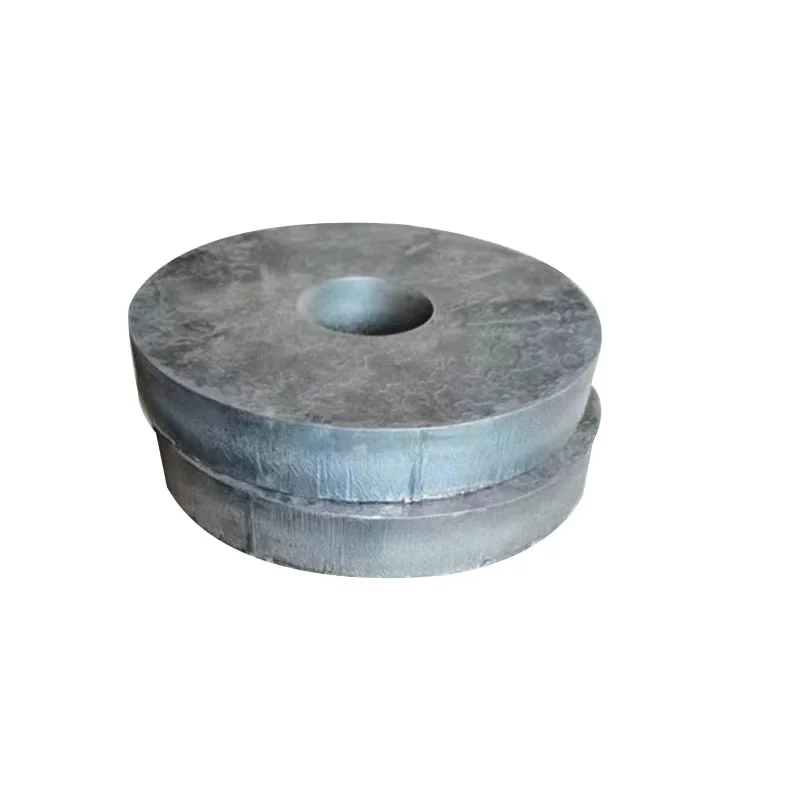
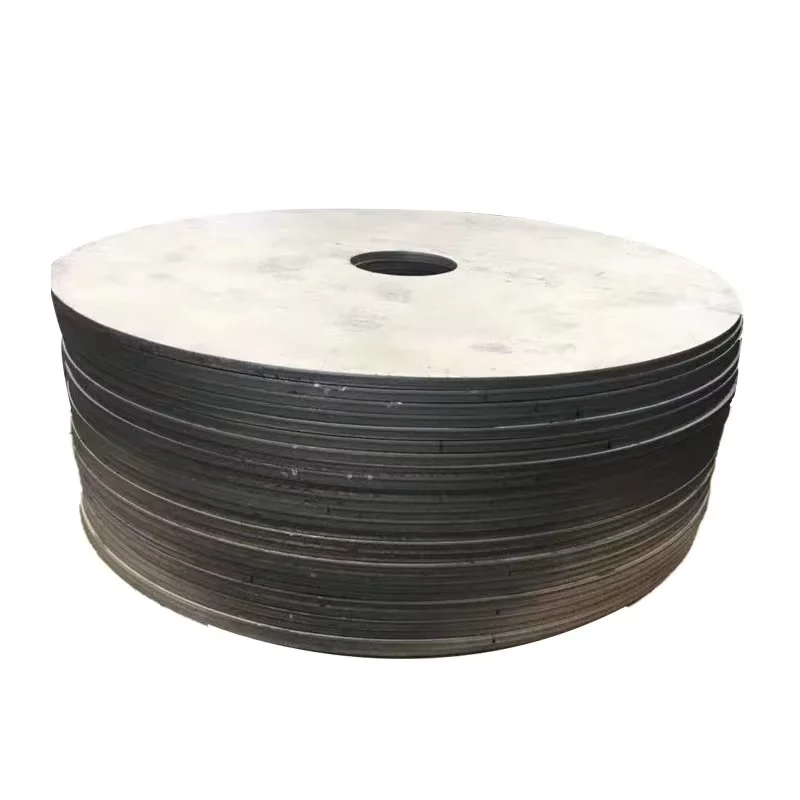
Factory-Direct NM500 AR550 XAR400 Wear Resistant Steel Plate — every batch tested in-house for hardness consistency before container sealing, eliminating the grade-mismatch returns that plague cross-border procurement.
Technical Specifications
| Parameter | Value |
|---|---|
| Designation | Ar550 Xar400 Wear Resistant Steel Plate |
| Product Type | Steel Plate |
| Steel Grade | NM500, AR550, XAR400 |
| Thickness | 25–45 mm |
| Technique | Laser Cutting |
| Surface Treatment | As-rolled / Custom surface treatment available |
| Tolerance | ±0.01–0.005 mm (CNC machining precision) |
| Process | CNC Machining + Laser Cutting + Surface Treatment |
| Application | Industrial Equipment / Mechanical Equipment / Mining Machinery / Construction Machinery / Material Handling |
Application Suitability
| Industry | Typical Applications |
|---|---|
| Mining Machinery | Crusher liners, excavator bucket side cutters, conveyor skirting |
| Construction Machinery | Loader blade edges, bulldozer end bits, grader moldboards |
| Material Handling | Hopper liners, chute wear plates, scraper conveyor troughs |
| Industrial Equipment | Cement mill liners, steel mill transfer bars, coal yard reclaimers |
Where Hardness Certification Decides Whether the Container Gets Accepted at Site
A mill test certificate showing actual Brinell hardness—not just the grade label—is the single document that separates a usable plate from a rejected shipment.
I have seen entire shipments of wear-resistant plate turned away at destination ports because the hardness fell one tier below the specified grade. The buyer paid double freight, the fabricator lost three weeks of downtime, and the mine operator never ordered from that supplier again. Grade confusion between NM, AR, and XAR designations makes this worse: a plate stamped NM500 should deliver 500 HB, but without third-party verification, buyers often discover the shortfall only after plasma cutting has begun. [NEED_CITE: hardness testing procedures for quenched and tempered wear plate]
Matching Plate Hardness to Abrasion Severity in Mining and Earthmoving
Selection of NM500, AR550, or XAR400 depends on the abrasion index of the material being handled and the impact energy at the contact point. NM500, produced to Chinese GB standards, suits moderate-to-high abrasion environments such as coal handling and aggregate crushing. AR550, aligned with US mill practices, targets severe abrasion in iron ore and hard-rock mining where impact loads are lower but sliding wear is constant. XAR400, following European mill conventions, balances abrasion resistance with formability for curved liners and welded assemblies. Laser cutting at ±0.01 mm tolerance ensures that bolt-hole patterns and interlocking edges fit without on-site reaming—critical when replacing worn liners during scheduled shutdowns.
Structural Compliance and Certification for Regulated Projects
Engineering specifications for mining and heavy machinery often reference EN, ASTM, or GB frameworks, and the plate must carry matching documentation. XAR400 conforms to European mill delivery conditions, AR550 meets US hardness and chemistry expectations, and NM500 follows Chinese national standards. For projects requiring CE marking or third-party inspection, the mill test certificate must show actual chemical composition and measured hardness values, not just the grade designation. [NEED_CITE: equivalence mapping between NM, AR, and XAR wear plate standards] CNC-machined edges and pre-drilled holes must also comply with dimensional tolerances specified in the fabrication drawing, otherwise assembly delays cascade into project penalties.
Why NM500, AR550, and XAR400 Are Not Interchangeable
The three grades originate from different standard systems—GB (China), ASTM/AISI (US), and EN (Europe)—and their chemistry and heat-treatment windows differ. NM500 targets a minimum surface hardness of 500 HB through quenching and tempering with controlled carbon and alloy additions. AR550 pushes hardness higher for extreme abrasion but sacrifices some weldability; pre-heating and low-hydrogen electrodes are mandatory. XAR400 offers a balanced 400 HB profile with better bendability, making it suitable for liners that must be cold-formed to radius. Selecting the wrong grade means either premature wear or cracking during fabrication—both expensive failures that only surface after installation.
The Hidden Cost of Accepting Plates Without Verified Hardness
Ordering wear plate solely by grade name without requiring actual hardness test results invites three failure modes: material that wears out twice as fast as expected, plates that crack during welding due to uncontrolled carbon equivalent, and shipments blocked at customs because the mill test certificate does not match the purchase order grade. Each failure triggers re-procurement, air-freight surcharges, and project delay penalties that dwarf the original plate cost. [NEED_CITE: consequences of hardness deviation in quenched and tempered steel delivery]
Procurement Confidence Built on In-House Testing and Full Documentation
Every plate leaves our facility with a hardness test report generated in our own physical and chemical laboratory, not a supplier’s self-declaration. We stock NM500, AR550, and XAR400 in thicknesses from 25 to 45 mm and cut to your drawing using CNC-controlled laser systems that hold ±0.01 mm tolerance across the entire sheet. Our ISO 9001 certification and SGS/BV third-party inspection capability mean your project engineer can verify chemistry, hardness, and dimensional accuracy before the container is sealed. Custom non-standard sizes, edge preparation, and surface treatment are handled in-house, so you receive fabrication-ready components from a single source.
Documentation & Compliance
- Mill test certificate documenting NM500, AR550, or XAR400 chemical composition and measured Brinell hardness per applicable standard
- CE certificate and EN compliance declaration for projects requiring European conformity
- ISO 9001 quality management certificate covering the full laser-cutting and heat-treatment process
- SGS or BV third-party inspection report available upon request, covering hardness, chemistry, and dimensional checks
- Material traceability by heat number etched on each plate, linked to the corresponding test certificate
- Full customs documentation including packing list, bill of lading, and certificate of origin
Packaging, Loading & Delivery
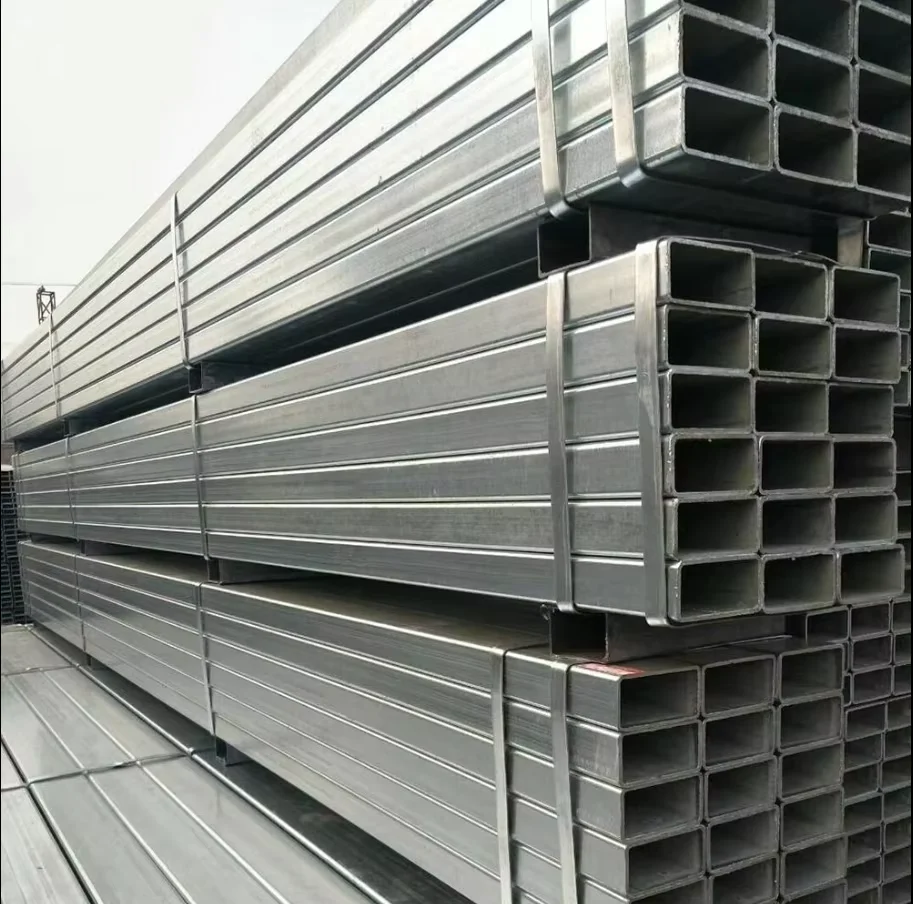
- 25–45 mm wear-resistant plates bundled with high-tensile steel straps and timber spacers to prevent edge damage during ocean transit
- As-rolled surfaces protected with anti-rust coating; custom surface treatment options available for specific corrosion environments
- Container loading optimized for 25–45 mm plate dimensions, with weight distribution calculated to avoid overloading and ensure port-handling compliance
- CNC laser-cut plates delivered with protective film on machined edges to preserve ±0.01 mm tolerance during transport
- Heat number and grade identification marked on each plate for site traceability and inspection verification
- FOB, CIF, and DDP shipping terms available with professional container loading and door-to-door logistics coordination
Start Your Procurement With Verified Hardness Data
Send your plate dimensions, steel grade preference (NM500, AR550, or XAR400), quantity, and destination port to receive a detailed quotation with mill test certificate samples and lead-time confirmation. Our team responds within 12 hours with pricing, certification availability, and container loading plans tailored to your project schedule.
Frequently Asked Questions
Q: How do NM500, AR550, and XAR400 differ in standard systems and typical applications?
A: NM500 follows Chinese GB standards and suits moderate-to-high abrasion environments. AR550 aligns with US mill practices for severe abrasion with lower impact. XAR400 follows European conventions, balancing hardness with formability for curved or welded liners.
Q: Can hardness and chemistry be verified before shipment?
A: Yes. Every batch is tested in our in-house laboratory, and third-party inspection by SGS or BV can be arranged. Mill test certificates showing actual Brinell hardness and chemical composition are provided with each shipment.
Q: What is the maximum thickness available for laser cutting?
A: Our CNC laser cutting system handles plates from 25 to 45 mm thickness with ±0.01–0.005 mm tolerance, suitable for complex shapes and precision bolt-hole patterns.
Q: Do you supply non-standard sizes or custom-cut shapes?
A: Yes. We offer custom non-standard sizes, CNC-machined edges, pre-drilled holes, and surface treatment options to deliver fabrication-ready components.
Q: What certifications are available for customs clearance?
A: We provide CE marking, ISO 9001 certification, mill test certificates, and SGS/BV inspection reports. Full customs documentation including packing list, bill of lading, and certificate of origin is included.
Get Your NM500 AR550 XAR400 Wear Resistant Steel Plate Quote With Mill Test Certificate
Submit your plate dimensions, grade, quantity, and destination port to receive pricing, certification samples, and container loading plans within 12 hours.
Contact: Shandong Xin Jiyuan Special Steel Tube Co., Ltd | Tel: +86 531 8573 6315 | Mobile/WhatsApp/WeChat: +86 188 5315 7756 | Email: admin@sdxjypipe.com