


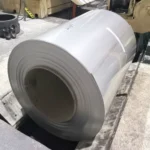
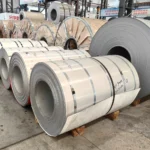
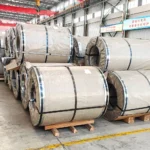
Description
Direct Mill Supply — Full ASTM/JIS/EN Certification for Global Import
Technical Specifications
| Parameter | Value |
|---|---|
| Designation | ASTM 304 / 316L Stainless Steel Coil |
| Product Type | Stainless Steel Coil |
| Steel Grade | 201, 301, 304, 309S, 310S, 316, 316L, 321, 405, 409L, 410, 410L, 420, 430, 430A, 2205, 2507, 2520, 904L |
| Standard | ASTM, JIS, GB, AISI, DIN, BS, EN |
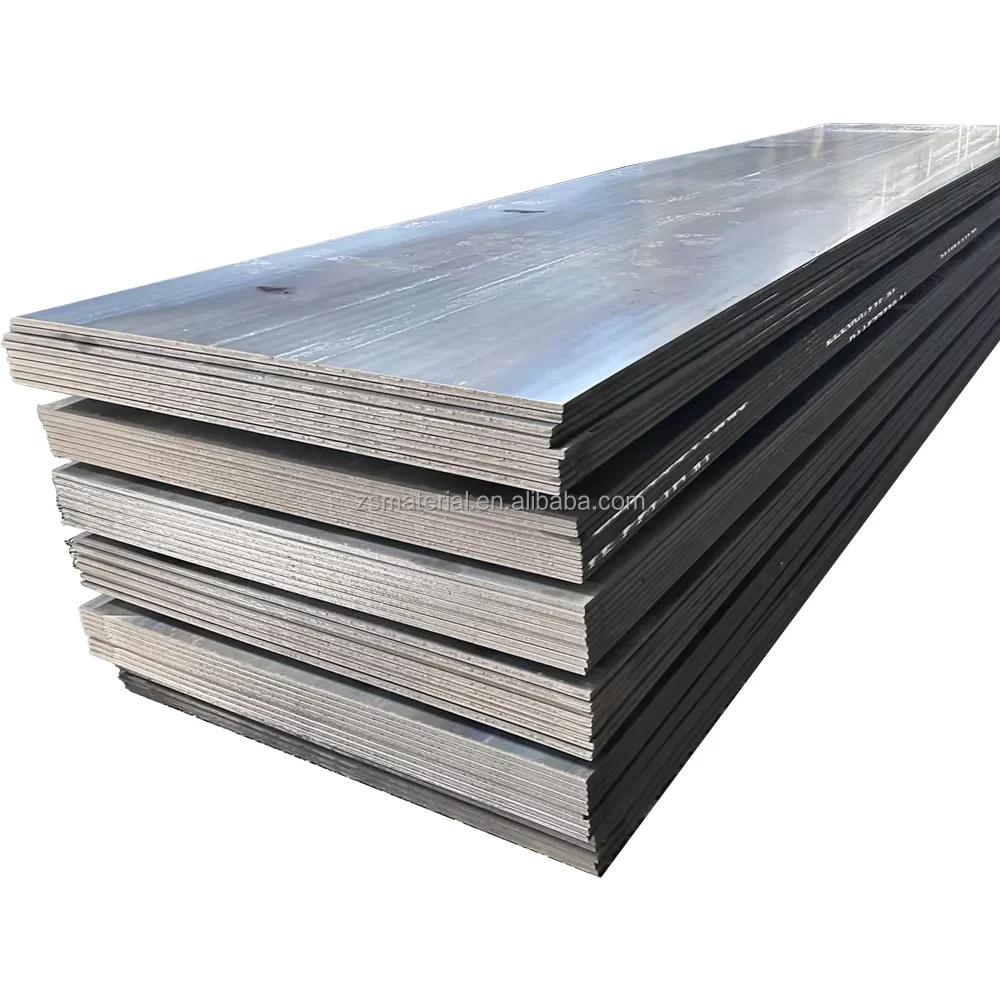
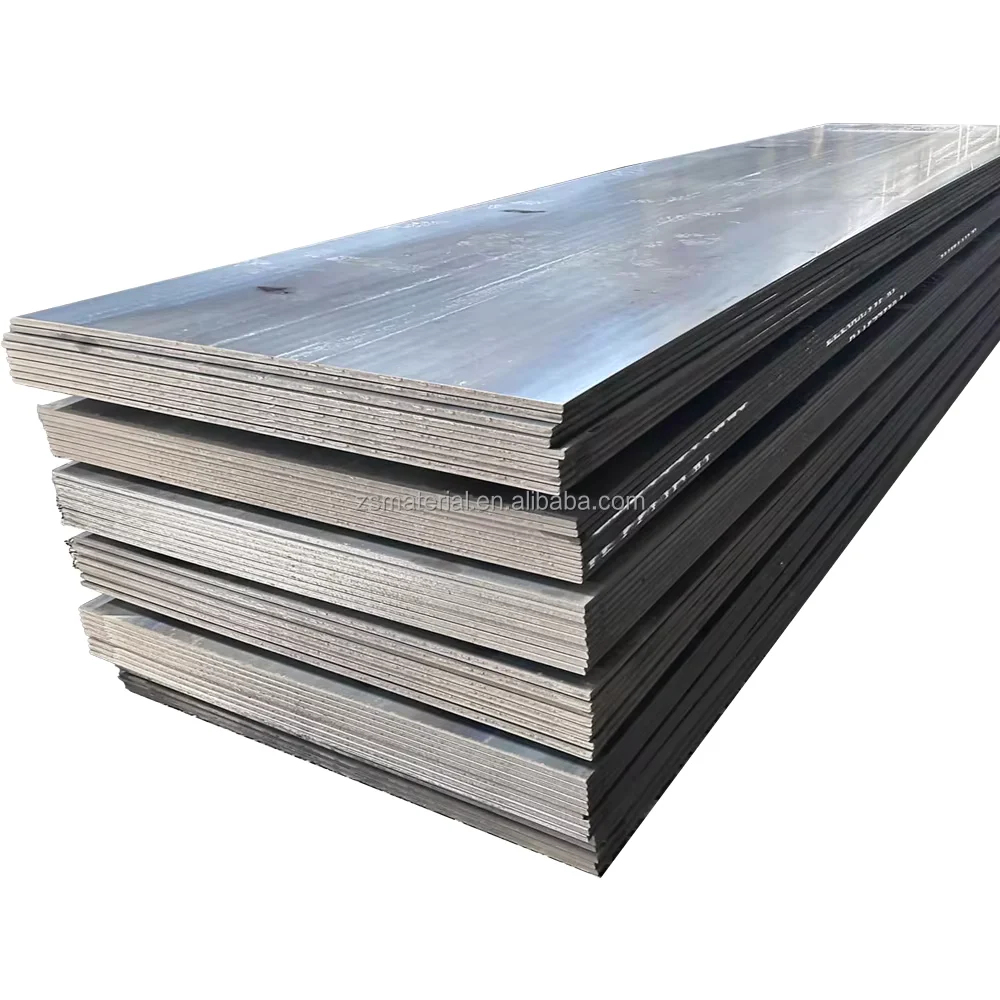
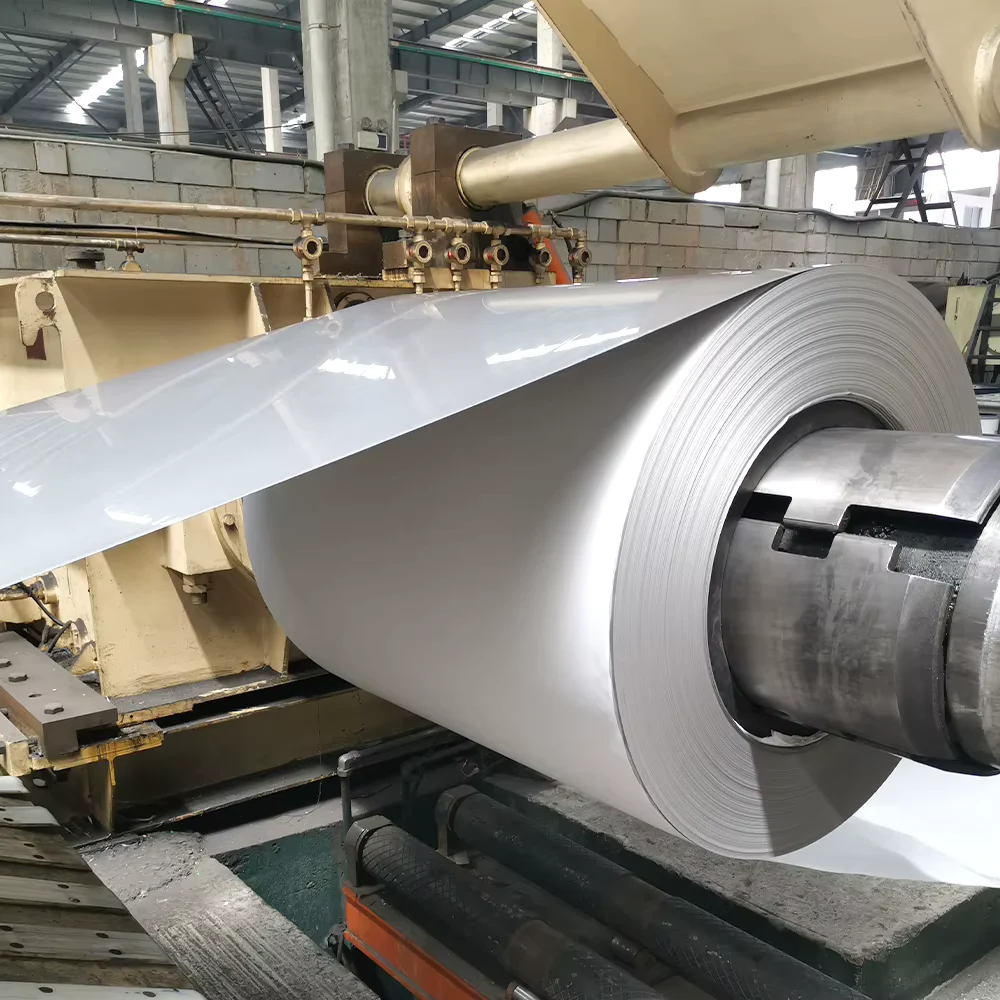
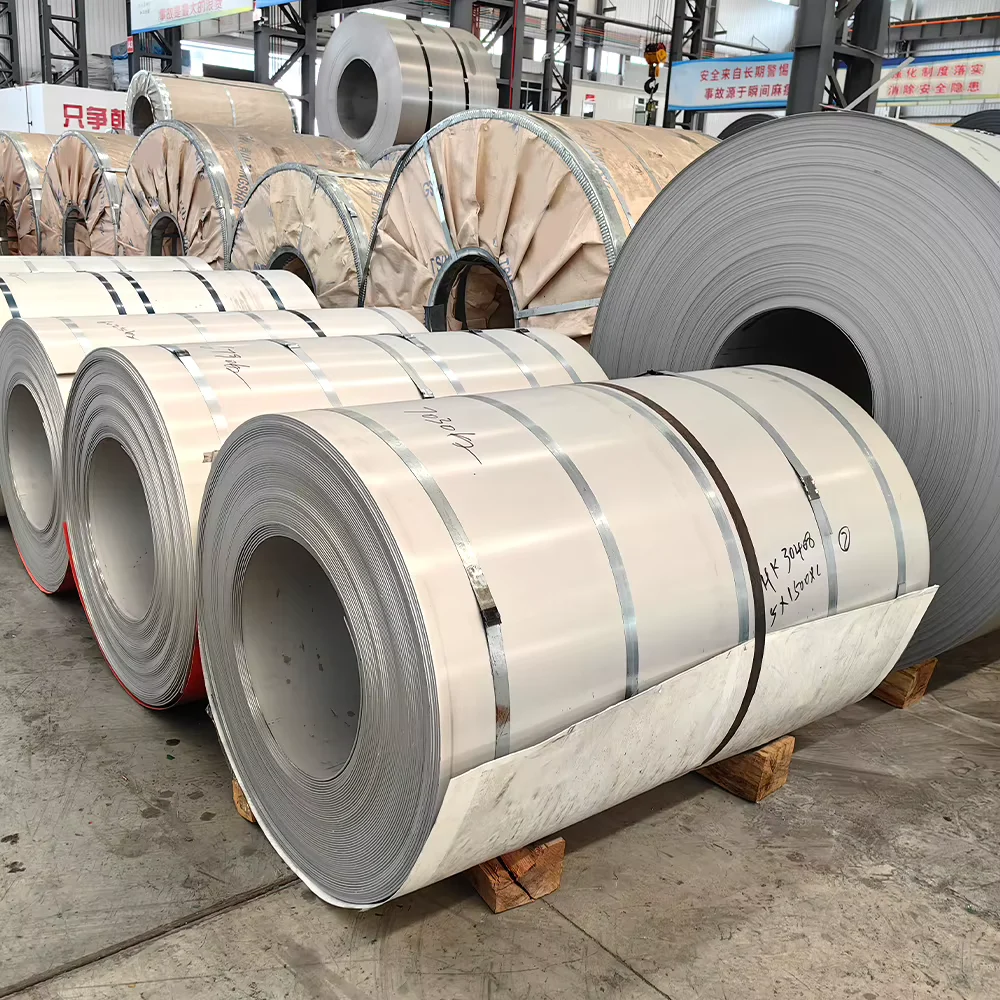
| Section Shape | Coil / Strip |
| Thickness (Cold Rolled) | 0.15–3mm |
| Thickness (Hot Rolled) | 3–120mm |
| Width | 1000mm / 1219mm / 1500mm (slit to narrow width available) |
| Length | 2000mm / 2438mm / 2440mm / 3048mm / customized |
| Technique | Cold Rolled / Hot Rolled |
| Surface Treatment | 2B, 2D, BA, 8K, HL, NO.4, Embossed, Colored |
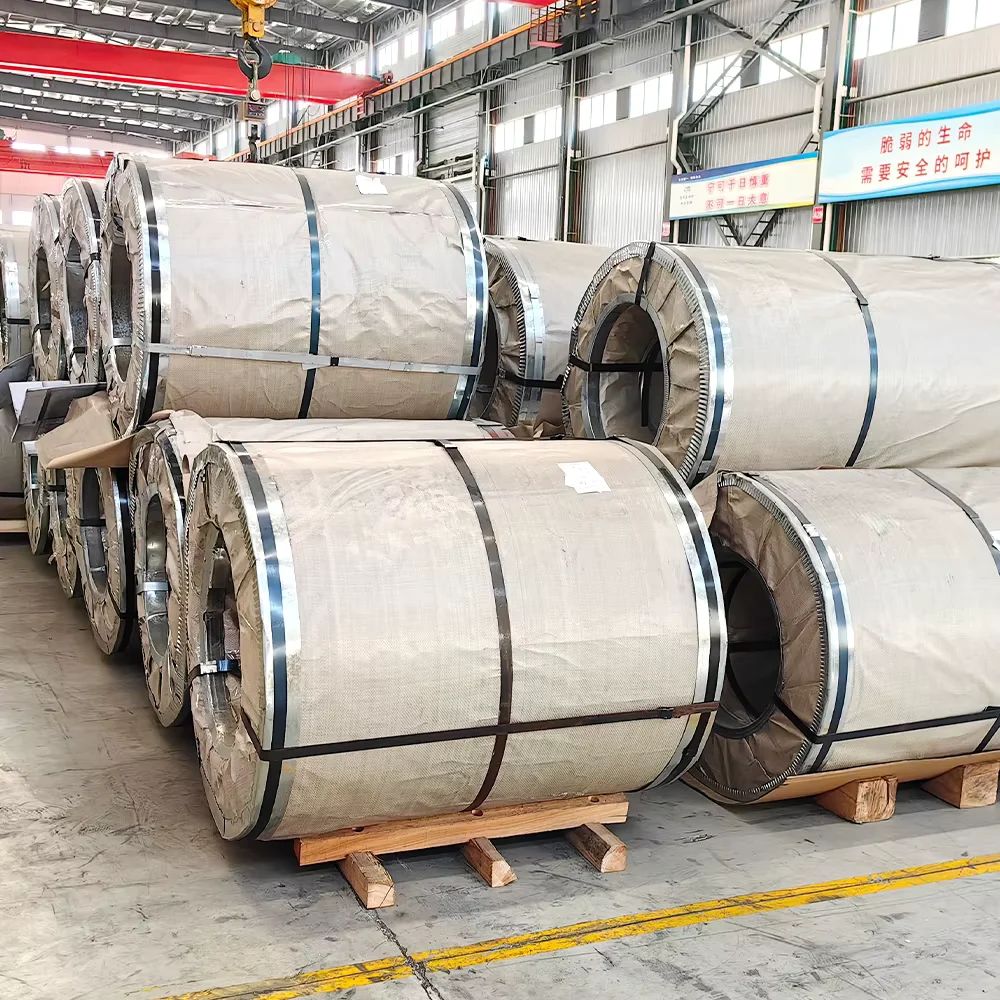
| Packing | Waterproof paper + steel strapping + pallet; BA & 8K with PVC film |
| Delivery | 7–10 working days |
| Application | Medical equipment, food industry, construction, kitchen utensils, chemical industry, petroleum industry, architectural decoration, storage tanks, elevator interiors |
| Origin | Shandong, China |
Application Suitability
| Industry | Typical Applications |
|---|---|
| Architectural & Construction | Elevator interior panels, facade cladding, decorative ceiling strips, curtain wall framing |
| Chemical & Petroleum | Storage tanks, pressure vessels, pipeline insulation jackets, heat exchanger shells |
| Food & Medical | Hygienic work surfaces, surgical instrument housings, dairy processing tanks, pharmaceutical mixing vessels |
| Kitchen & Catering | Commercial kitchen countertops, sink basins, range hood panels, cutlery blanks |
| Industrial Equipment | Conveyor belt strips, spring components, automotive exhaust trim, welding filler base material |
Why Nickel Content Discrepancies Block Customs Clearance on 316L Coil Orders
Chemical composition mismatches between mill certificates and destination lab results are the single most common cause of stainless steel coil rejection at regulated ports.
When buyers order ASTM 304 316L 2B stainless steel coil supplier shipments for EU or Middle East projects, the mill test certificate often lists nickel at 10.2 percent — yet third-party inspection at destination reveals only 8.1 percent. The entire container gets held at port, re-testing costs accumulate, and the material either returns to origin or gets downgraded at a loss. This happens because some mills blend off-spec heats and adjust paperwork rather than segregate. [NEED_CITE: ASTM A240 chromium-nickel stainless steel plate and sheet composition requirements]
Beyond chemistry, surface finish mislabeling creates secondary rejection. A coil marked 2B arrives with visible roll marks inconsistent with cold-rolled brightness standards, or BA finish lacks the reflectivity required for architectural elevator panels. Without verified material traceability by heat number, buyers cannot prove compliance during project inspection.
Matching Coil Finish and Grade to Engineering Environments
Selecting the correct stainless steel coil requires aligning surface finish with the service environment, not just aesthetic preference. For coastal or chemical-exposed architectural facades, 316L with 2B or BA finish provides molybdenum-enhanced pitting resistance that 304 cannot match. In food processing plants, 304 cold-rolled to 0.5mm with 2B finish meets hygienic surface requirements without the cost premium of electropolished alternatives. Our in-house laboratory verifies every heat against ASTM A240 composition limits before release, ensuring the ASTM 304 316L 2B stainless steel coil supplier documentation matches the physical material arriving at your fabrication shop.
Structural and Regulatory Compliance for Stainless Coil in Global Projects
Engineering specifications for stainless coil in pressure-containing or load-bearing applications demand strict adherence to recognized standards. ASTM A240 governs chromium and chromium-nickel stainless steel plate, sheet, and strip for pressure vessels and general applications, while EN 10088 defines corrosion-resisting steels for European construction. [NEED_CITE: EN 10088 stainless steel corrosion resistance classification] For projects requiring CE marking under the Construction Products Regulation, the mill must provide declaration of performance tied to specific steel grades — 316L for marine environments, 321 for high-temperature exhaust systems, 2205 duplex for chloride-heavy chemical plants. Width tolerance and camber limits matter when coils feed automated decoiler lines; our slitting capability covers 1000mm to 1500mm master widths down to narrow strips with edge-trim precision.
Understanding Grade Selection and Rolling Process for Stainless Coil
The 300-series austenitic grades — 304, 316, 316L, 321 — dominate architectural and industrial applications because of their non-magnetic structure, formability, and weldability. 304 offers general corrosion resistance at lower cost; 316L adds molybdenum for chloride resistance and lower carbon to prevent sensitization during welding. Cold-rolled coils from 0.15mm to 3mm deliver tight dimensional tolerance and smooth 2B or BA finishes suitable for visible architectural surfaces. Hot-rolled coils from 3mm to 120mm serve structural and industrial applications where surface appearance is secondary to thickness and strength. Duplex grades 2205 and 2507 provide double the yield strength of austenitic grades with superior stress-corrosion cracking resistance, making them essential for offshore and chemical processing. [NEED_CITE: duplex stainless steel pitting resistance equivalent number comparison]
Hidden Costs of Sourcing Stainless Coil Without Verified Certification
Ordering ASTM 304 316L 2B stainless steel coil supplier material without independent chemical verification exposes projects to three categories of hidden cost. First, composition deviation — nickel or molybdenum below specification — triggers rejection during third-party inspection, forcing return freight or scrap-value resale. Second, missing or incorrect mill test certificates block customs clearance in EU and GCC countries, where import authorities cross-check MTC chemistry against declared HS codes. Third, surface finish misrepresentation — 2D sold as 2B, or unpolished material labeled BA — creates fabrication rework when the finish fails to meet architectural approval. [NEED_CITE: stainless steel mill test certificate requirements for EU import]
Procurement Confidence Through In-House Testing and Full Documentation
Our physical and chemical laboratory tests every production heat for carbon, chromium, nickel, molybdenum, and mechanical properties before coil release. This eliminates the gap between paperwork and actual material that causes port rejection. We hold ISO 9001:2015 certification verified by TUV, and accept SGS or BV third-party inspection at any stage — during production, before loading, or at destination. With 2800+ specifications across carbon and stainless products, we consolidate coil orders alongside pipe and section steel in single shipments, reducing freight cost and documentation complexity. Professional container loading with edge protectors and moisture barriers prevents transit damage to mirror and hairline finishes.
Documentation & Compliance
- Mill test certificate documenting 304 and 316L chemical composition including nickel, chromium, and molybdenum content per ASTM A240
- ISO 9001:2015 quality management certificate covering stainless steel coil production and inspection processes
- SGS or BV third-party inspection report verifying dimensional tolerance, surface finish grade, and chemical composition before shipment
- Material traceability report linking each coil to heat number, rolling schedule, and annealing batch for project audit compliance
- Certificate of origin and commercial invoice formatted for EU, GCC, and ASEAN customs clearance with correct HS code classification
- Packing list detailing coil weight, width, thickness, length, surface finish code, and piece count per container
Packaging, Loading & Delivery
- Cold-rolled 304 and 316L coils wrapped in waterproof kraft paper with inner plastic layer, secured by three steel straps on steel pallets to prevent edge damage during ocean transit
- BA and 8K mirror finish coils additionally protected by PVC film and foam separators to preserve surface reflectivity and prevent scratch marks from contact friction
- Hot-rolled 310S and 321 coils bundled with edge protectors and labeled with heat number, grade, and thickness for rapid identification at fabrication yards
- Custom slitting to narrow widths available with re-rolled edges for food industry and medical equipment applications requiring burr-free strip
- Container loading optimized by coil weight distribution and diameter matching to maximize 20ft and 40ft payload without exceeding axle limits
- FOB, CIF, and DDP shipping terms available with full export documentation including bill of lading, packing list, and certificate of origin
Start Your Stainless Steel Coil Inquiry With Verified Specifications
Submit your required grade, thickness, width, surface finish, and destination port to receive a detailed quotation with mill test certificate preview and production lead time. We provide chemical composition confirmation before production begins, and accept third-party inspection at any stage. For non-standard widths or custom-length coils, our slitting and cutting lines deliver precise dimensions with low minimum order requirements.
Request ASTM 304 316L 2B Stainless Steel Coil Quotation With Full Certification
Send your specifications to admin@sdxjypipe.com or contact via WhatsApp at +86 188 5315 7756 for pricing, mill test certificate samples, and container loading plans.
Frequently Asked Questions
Q: What is the difference between 2B and BA finish on 304 stainless steel coil?
A: 2B finish is a standard cold-rolled brightness achieved by bright annealing and light skin-pass rolling, suitable for industrial and general architectural use. BA (bright annealed) finish undergoes controlled atmosphere annealing without rolling contact, producing higher reflectivity ideal for elevator panels and decorative trim where surface appearance is critical.
Q: Can you provide mill test certificates that meet EU import requirements for 316L coil?
A: Yes, every shipment includes EN 10204 3.1 type mill test certificates documenting chemical composition and mechanical properties per ASTM A240 or EN 10088. We also provide CE documentation and accept SGS or BV third-party inspection for projects requiring independent verification before customs clearance.
Q: What is the minimum order quantity for custom-width slitted stainless steel coil?
A: We accept slitting orders from master coils of 1000mm, 1219mm, and 1500mm width down to narrow strips. Minimum order depends on thickness and grade, but we maintain flexibility for project-based requirements. Contact us with your exact width and quantity for specific MOQ confirmation.
Q: How do you prevent surface damage to 8K mirror finish coils during shipping?
A: 8K and BA finish coils receive triple protection: inner PVC film contact layer, intermediate foam separators between wraps, and outer waterproof paper with steel strapping. We also use dedicated container loading with edge protectors and weight distribution plans to prevent coil shift and edge dent during ocean transit.
Q: Is 316L coil available in hot-rolled thickness above 10mm for structural applications?
A: Yes, hot-rolled 316L coil is available from 3mm to 120mm thickness in widths up to 1500mm. This covers structural and pressure vessel applications requiring corrosion resistance in chemical processing, marine, and pharmaceutical environments. Mill test certificates confirm composition and mechanical properties per ASTM A240.