



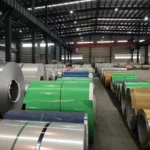
Description
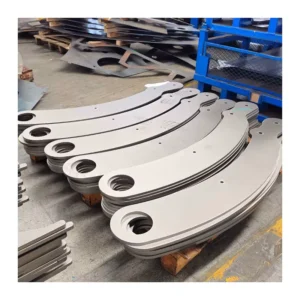
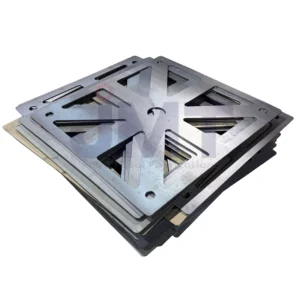
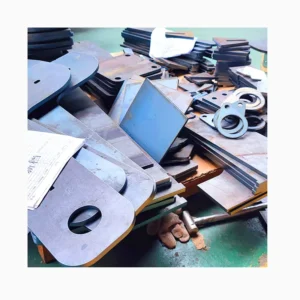
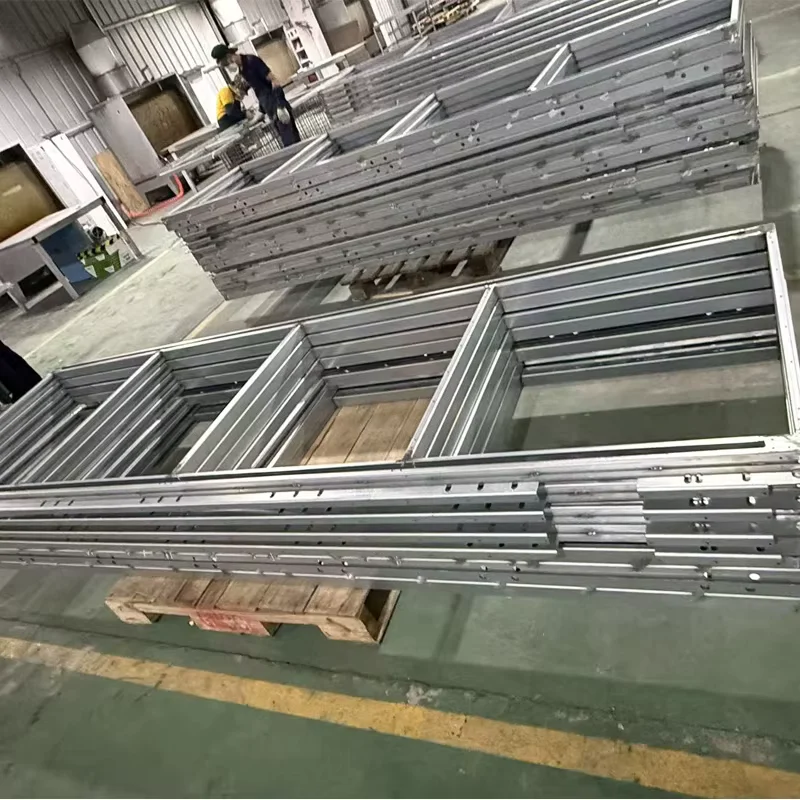
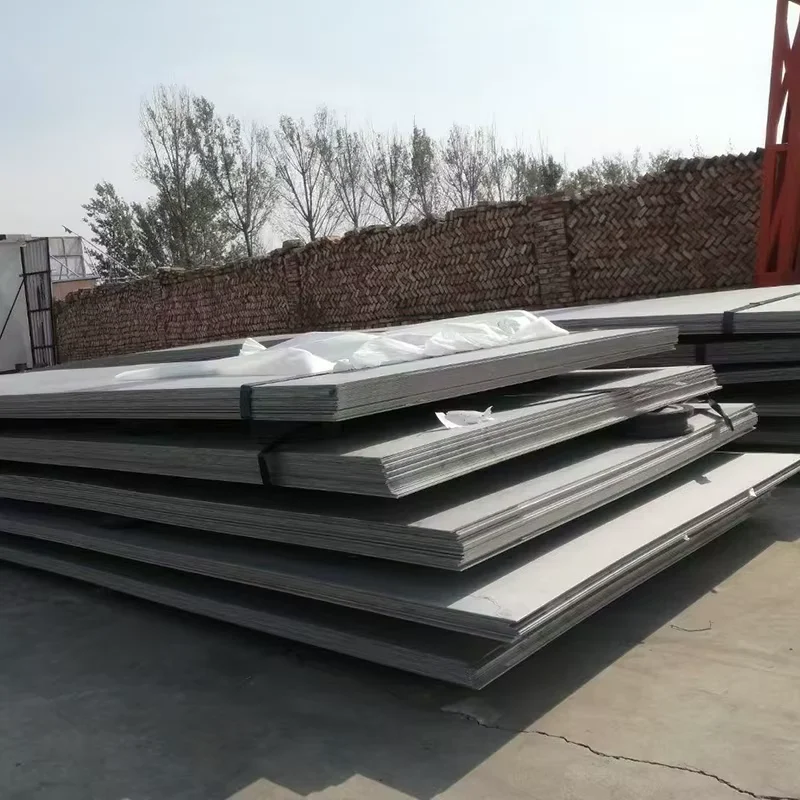
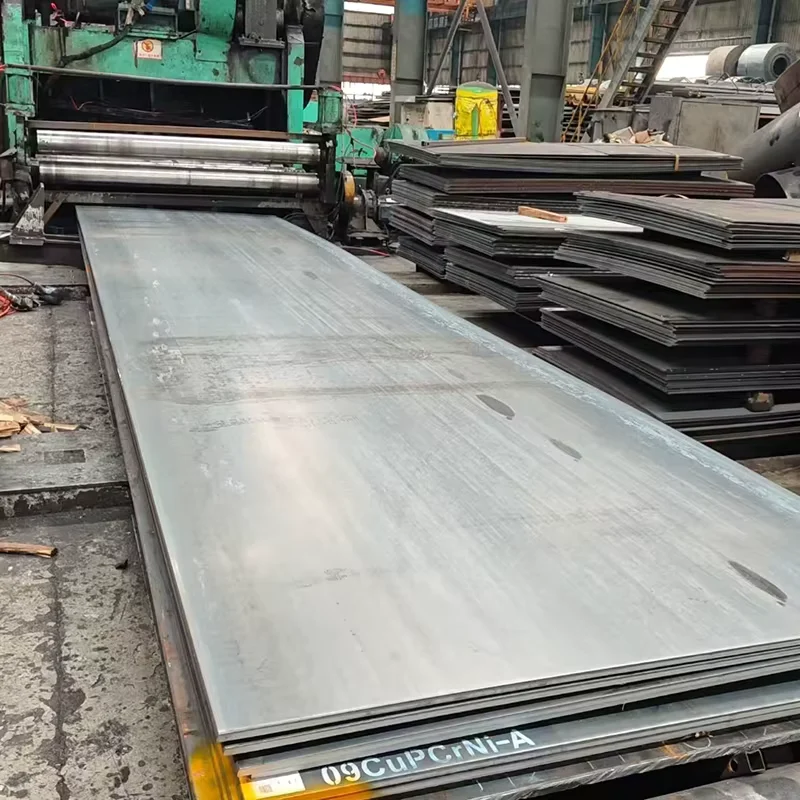
Factory-direct stainless steel plate supply — in-house cutting, bending, and welding services eliminate secondary handling and tolerance drift before your plates reach the fabrication floor.
Technical Specifications
| Parameter | Value |
|---|---|
| Designation | 304/304L/316 Stainless Steel Plate |
| Product Type | Stainless Steel Plate |
| Steel Grade | 304, 304L, 304N, 304J1, 316, 316L, 316Ti |
| Standard | JIS, AISI, ASTM, GB, DIN, EN |
| Section Shape | Flat plate / sheet |
| Size Range | Width 1000–3000 mm; Length 2000–6000 mm |
| Wall Thickness | Cold rolled 0.1–6 mm; Hot rolled 3–150 mm |
| Length | 2000–3000 mm (cold rolled); 2000–6000 mm (hot rolled) |
| Technique | Hot Rolled / Cold Rolled |
| Surface Treatment | Polished, Painted, Rust Removed; Finish: 2B, BA, embossing |
| Tolerance | ±1% |
| Ends | Mill edge / slit edge |
| Application | Industrial / Chemical / Fabrication / Pressure vessels / Shipbuilding |
| MOQ | Different products have different MOQs (consult for details) |
| Origin | China |
Application Suitability
| Industry | Typical Applications |
|---|---|
| Chemical Processing | Reaction tanks, piping supports, fume duct linings |
| Shipbuilding | Deck plating, galley wall panels, corrosion-resistant structural frames |
| Pressure Vessel Fabrication | Vessel shells, head plates, nozzle reinforcement pads |
| Architectural Facades | Curtain wall backing plates, column cladding, canopy support sheets |
| Machinery Manufacturing | Machine base plates, hopper linings, conveyor guide rails |
Where Cut-to-Size Tolerance Decides Whether a Facade Panel Fits
A plate that measures 2987 mm instead of 3000 mm can cost an entire curtain wall module.
On architectural projects, stainless steel plates are often cut to exact dimensions before shipping. When the supplier’s cutting tolerance drifts beyond ±1%, field crews spend days re-cutting or — worse — the panel simply will not seat into its frame. I have seen a full container of stainless plates rejected at site because the lengths were short by over ten millimetres, forcing the buyer to reorder at double the original freight cost [NEED_CITE: stainless steel plate tolerance standards for architectural applications]. For a 304 316 stainless steel plate supplier, holding consistent ±1% tolerance across both cold-rolled thin sheets and hot-rolled heavy plates is the single most visible quality signal a procurement team can verify before signing a contract.
How Thickness Range Maps to Real Engineering Loads
Cold-rolled 304 and 316 plates in the 0.1–6 mm range serve decorative cladding, kitchen equipment, and light-gauge fabrication where surface finish and flatness matter more than load-bearing capacity. Hot-rolled plates from 3 mm up to 150 mm carry structural and pressure duties — vessel shells, ship deck framing, and heavy machinery bases. A reliable 304 316 stainless steel plate supplier must stock both ranges and cut each to the same tolerance standard, because a project rarely needs only one thickness. Our production lines cover the full spectrum, and in-house bending and punching services mean a 12 mm 316L pressure vessel head plate can be formed and drilled before it leaves the mill, not after it arrives at a distant fabrication yard.
Corrosion Environment and Grade Selection on Site
Choosing between 304 and 316 is not a marketing decision — it is a corrosion-engineering one. 304 handles inland atmospheric exposure and mild chemical contact well; 316 and 316L add molybdenum for chloride resistance in coastal, marine, and chemical-plant environments. 316Ti stabilises against sensitisation during welding, critical for pressure vessels that will see repeated thermal cycling. Selecting the wrong grade does not cause immediate failure; it causes pitting and stress-corrosion cracking months after handover, when warranty claims and replacement logistics become far more expensive than the original material premium [NEED_CITE: 316L molybdenum content chloride corrosion resistance].
Steel Grade, Process Route, and What Each Means for Your Order
The 304 series — including 304L for improved weldability and 304N for higher strength — covers the majority of general-purpose stainless plate demand. The 316 series — 316, 316L, and 316Ti — serves aggressive environments. Cold-rolled plates deliver tighter thickness tolerance and smoother 2B or BA finishes suitable for visible architectural surfaces. Hot-rolled plates provide the thickness needed for structural and pressure applications, with surface treatment options including polished, painted, or rust-removed finishes depending on the end-use environment. Processing services — bending, welding, decoiling, punching, and cutting — convert raw plate into fabrication-ready components, reducing your on-site labour and scrap rate.
The Hidden Cost of Accepting Off-Standard Plates
When a supplier delivers plates outside the declared tolerance, or substitutes a lower grade without documentation, the consequences cascade. Dimensional errors force re-cutting and delay installation schedules. Grade substitution in a chloride environment leads to premature corrosion and structural safety concerns. Missing or incorrect mill test certificates block customs clearance in regulated markets, especially in the EU and Middle East where EN and ASTM compliance is verified at the port [NEED_CITE: stainless steel material certification requirements for EU import]. The real cost is never the price difference on the invoice — it is the crane standing idle, the re-order freight, and the project penalty clause.
Why Procurement Teams Source Stainless Plate from Us
We operate as a factory-direct 304 316 stainless steel plate supplier, meaning your order goes from our rolling line to your container without a trading company margin or a second handling. Our in-house physical and chemical laboratory tests every heat for composition and mechanical properties before the plate is released, and the mill test certificate travels with the shipment. We hold full international certifications including ISO 9001:2015 and third-party verification from SGS and BV, which smooths customs clearance in regulated markets. Custom non-standard sizes, cut-to-length, and edge preparation are handled in-house, so a 6000 mm hot-rolled 316L plate for a shipbuilding client arrives cut, punched, and labelled to drawing — not as a standard mill length that your yard has to re-process. Professional container loading with edge protectors and anti-damage measures ensures the surface finish you specified is the finish that arrives.
Documentation & Compliance
- Mill test certificate documenting 304/316 chemical composition and mechanical properties per ASTM A240 / EN 10088 for each heat number
- Third-party inspection report from SGS or BV confirming dimensional tolerance and surface finish before loading
- ISO 9001:2015 quality management certificate covering the full production and testing process
- Material traceability by heat number stamped on each plate, matching the mill test certificate
- Customs documentation including packing list, bill of lading, and certificate of origin formatted for EU, Middle East, and Southeast Asian ports
Packaging, Loading & Delivery
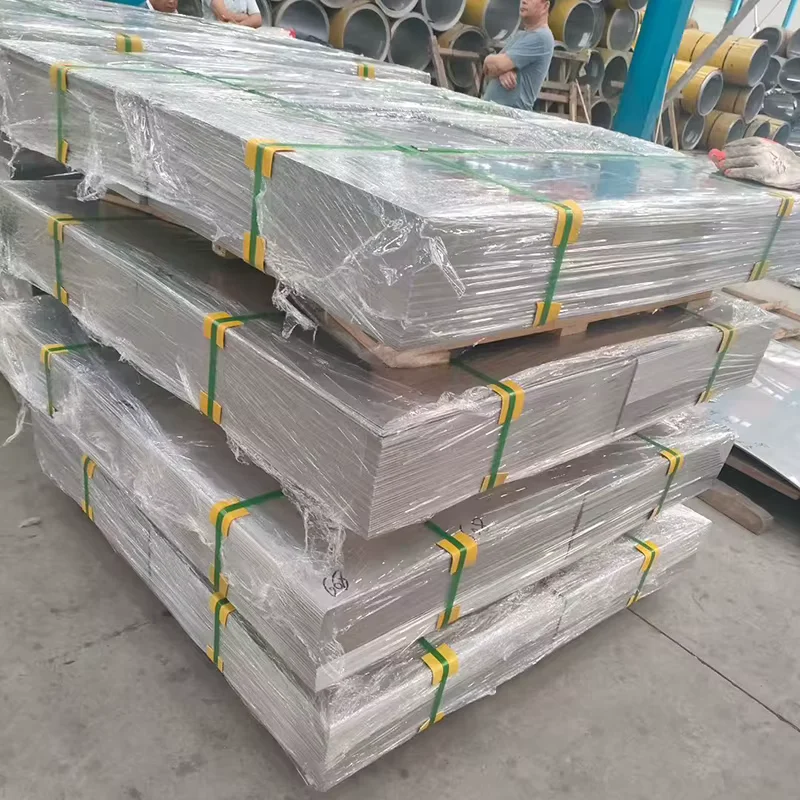
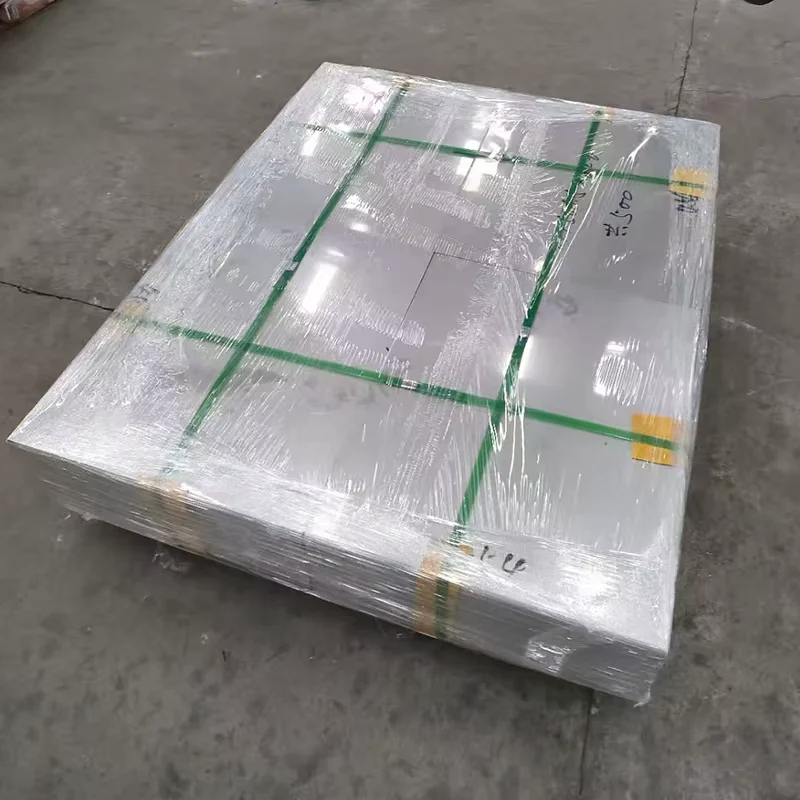
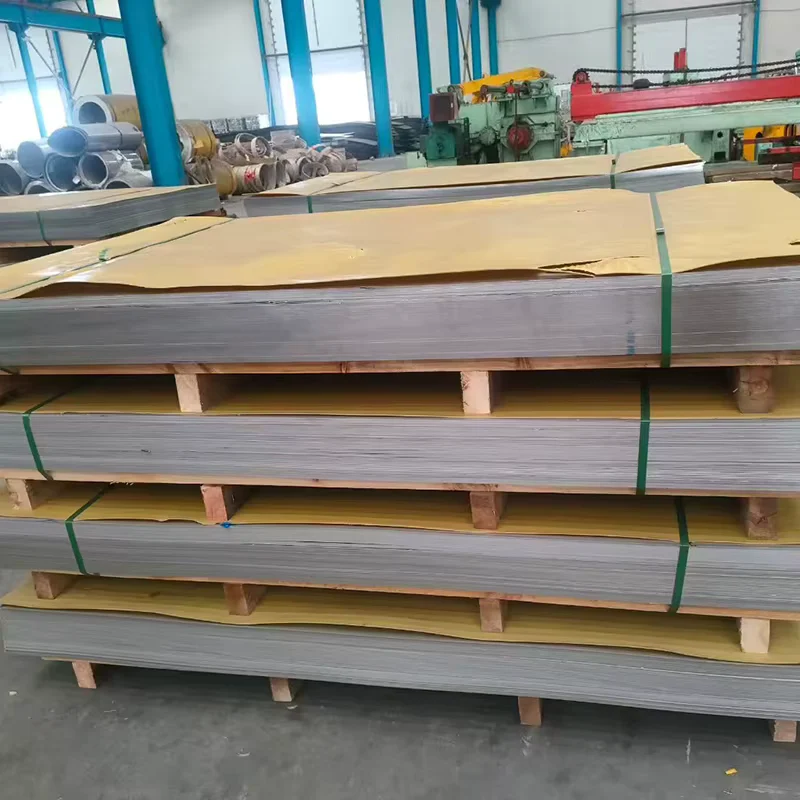
- Hot-rolled 316L plates bundled with steel strips and seaworthy packaging, edge protectors fitted to prevent coating damage during ocean transit
- Cold-rolled 304 sheets interleaved with protective film to preserve 2B and BA surface finishes through handling and transport
- Cut-to-size plates up to 6000 mm loaded in dedicated containers with timber cradles to prevent bending and surface contact marks
- Heat number and grade markings stencilled on each plate and on the outer packaging for site identification and traceability
- FOB, CIF, and DDP shipping terms available with full export documentation and tracking until arrival at destination port
Start Your Inquiry With Drawing and Grade
Send us your plate dimensions, steel grade (304/316 series), surface finish requirement, quantity, and destination port. We respond within 12 hours with a detailed quotation including unit price, lead time, and shipping terms, along with sample mill test certificates for your quality team to review. Third-party inspection can be arranged before loading if your project requires it.
Frequently Asked Questions
Q: What is the difference between 304, 304L, and 316L for plate applications?
A: 304 is the standard austenitic grade for general-purpose use. 304L has lower carbon content for improved weldability and reduced sensitisation risk. 316L adds molybdenum for chloride and marine-environment corrosion resistance, and the low carbon version avoids carbide precipitation during welding.
Q: Can you cut stainless steel plates to custom dimensions?
A: Yes. We provide in-house cutting, bending, punching, and welding services. Cold-rolled plates can be cut from 0.1–6 mm thickness and hot-rolled plates from 3–150 mm, with ±1% tolerance held across the full range.
Q: What surface finishes are available?
A: Cold-rolled plates come in 2B, BA, and embossed finishes. Additional surface treatments include polished, painted, and rust-removed, depending on your application requirement.
Q: Do you provide mill test certificates for EU customs clearance?
A: Yes. Every shipment includes a mill test certificate with chemical composition and mechanical property data. We also arrange SGS or BV third-party inspection reports on request, and our products conform to ASTM, EN, JIS, and GB standards.
Q: What is the minimum order quantity?
A: MOQ varies by product specification, thickness, and grade. Please contact us with your required dimensions and quantity for a detailed quotation.
Request a Quote With Your Plate Specification
Submit your drawing dimensions, steel grade, surface finish, and destination port to receive a detailed quotation and mill test certificate sample within 12 hours.
Shandong Xin Jiyuan Special Steel Tube Co., Ltd
Website: www.sdxjypipe.com
Mobile/WhatsApp/WeChat: +86 188 5315 7756
Email: admin@sdxjypipe.com