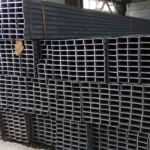
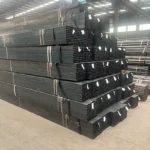
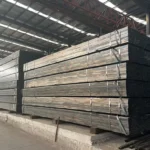
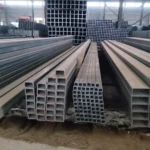
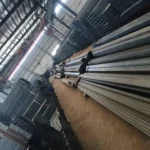
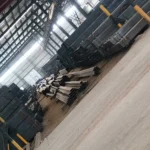
Description
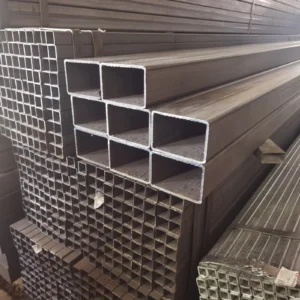
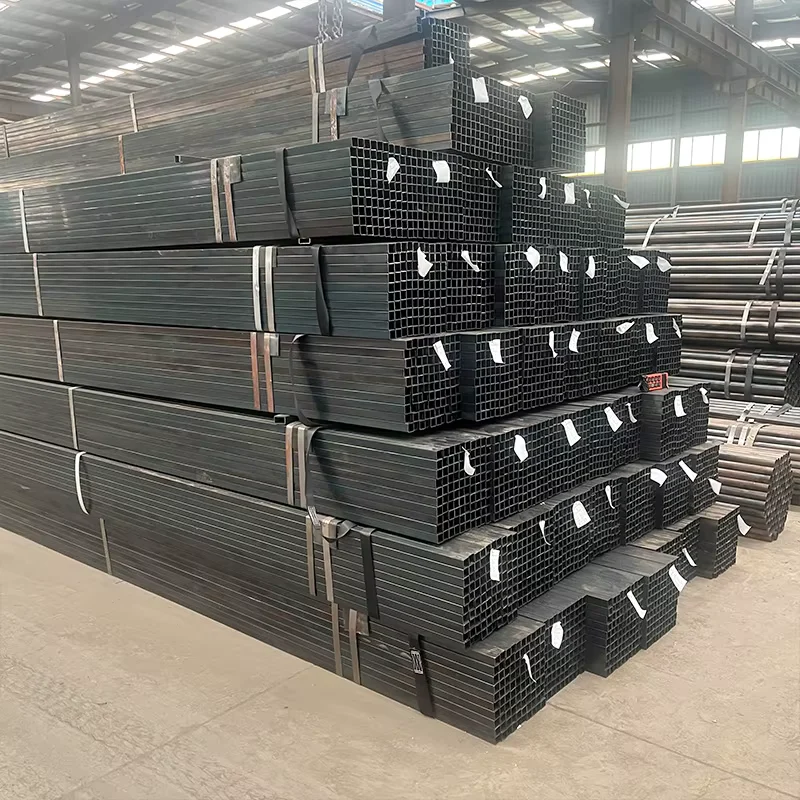
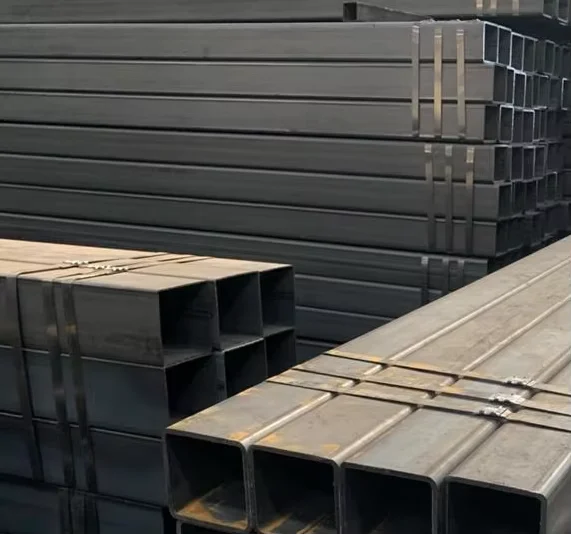
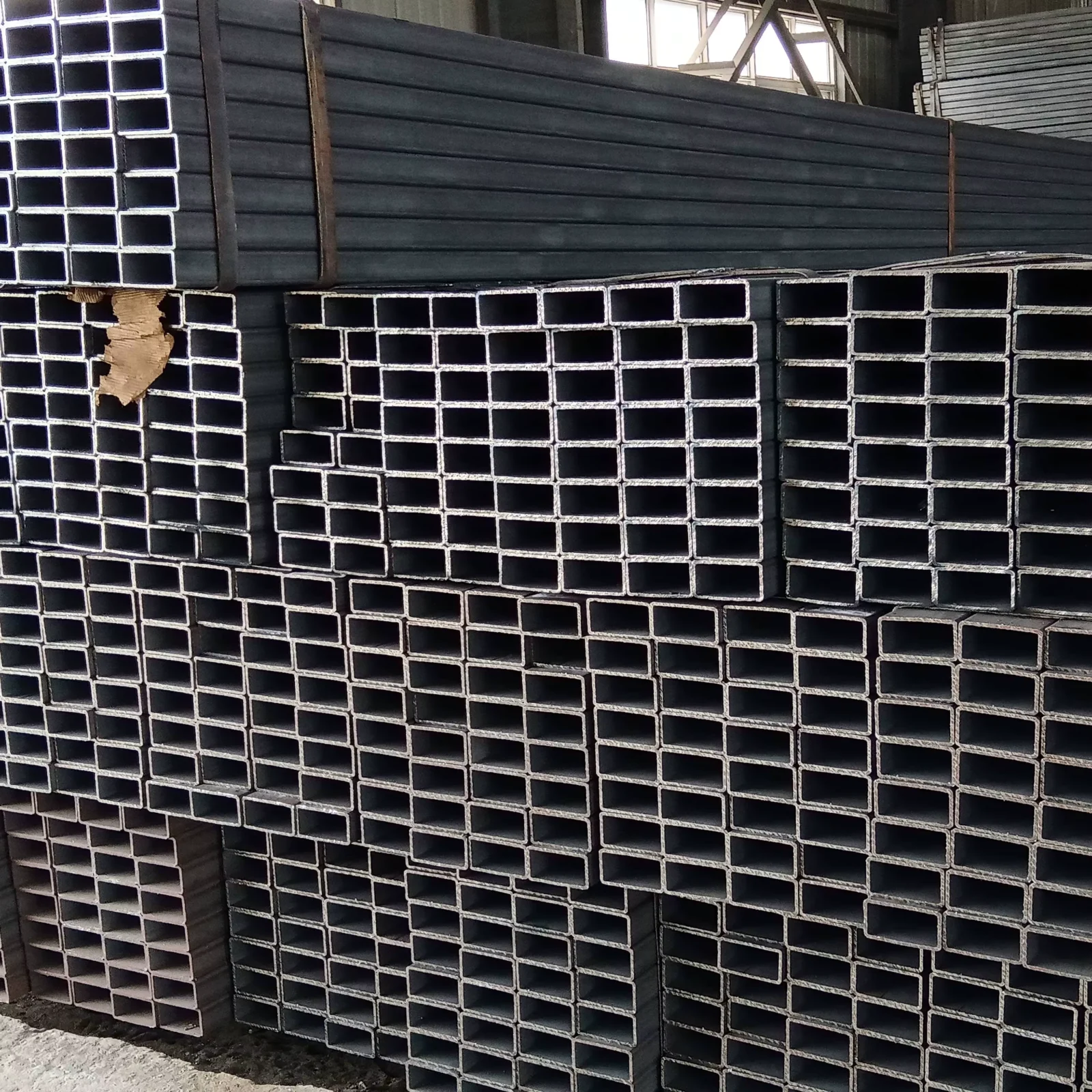
Direct Mill Supply for Q235 ERW Tubes — In-house production with ±1% tolerance control and full processing services for structural and fluid applications.
Technical Specifications
| Parameter | Value |
|---|---|
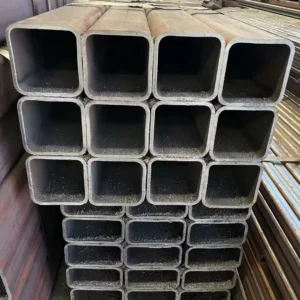
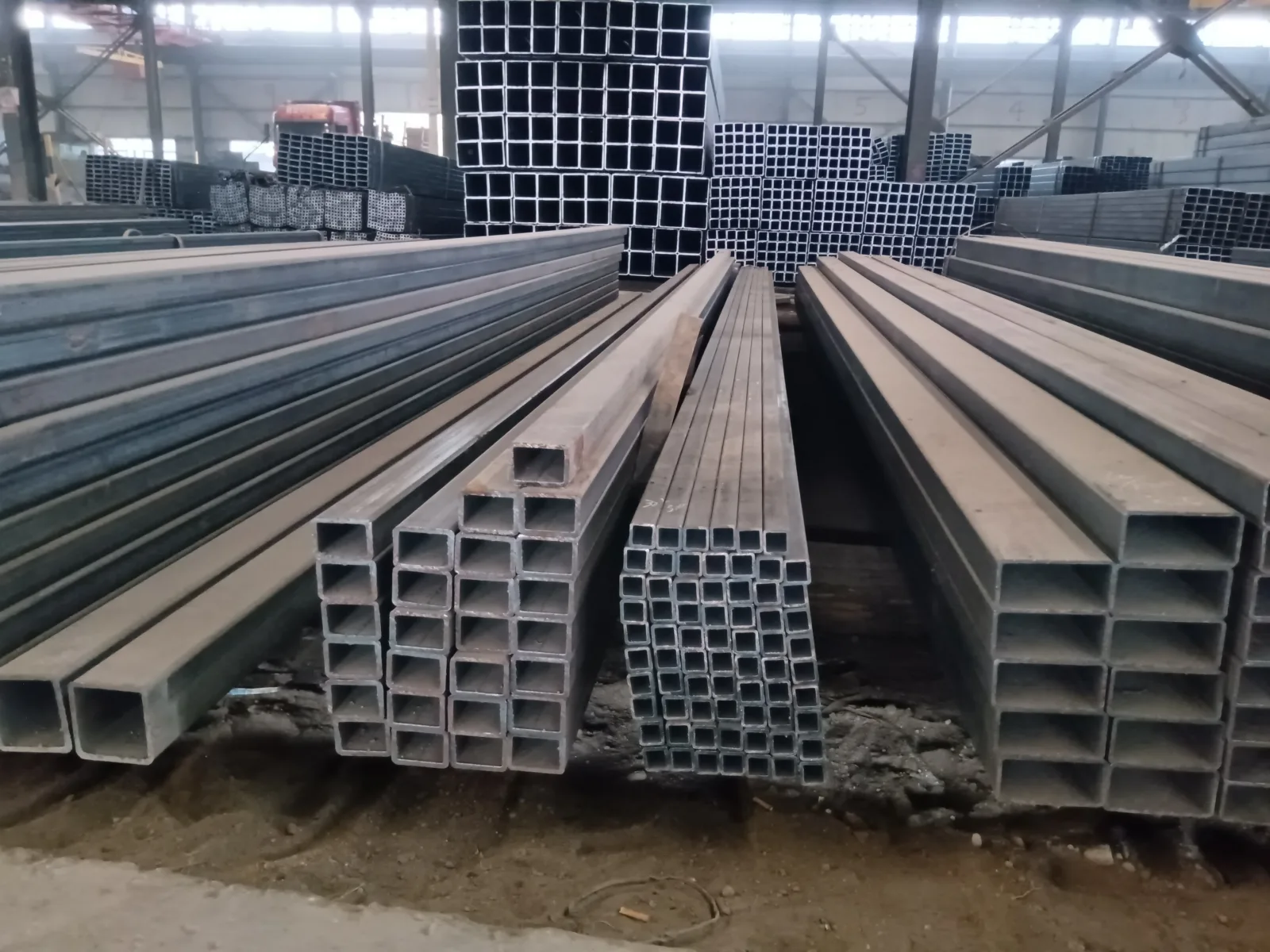
| Designation | Q235 Welded Square Steel Tube |
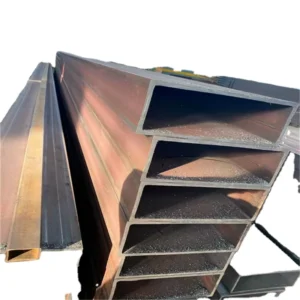
| Product Type | Welded Square and Rectangular Steel Tube (ERW) |
| Steel Grade | Q235, ASTM A53, ASTM A106 |
| Standard | GB, ASTM, AISI, JIS, BS, DIN |
| Section Shape | Square / Rectangular |
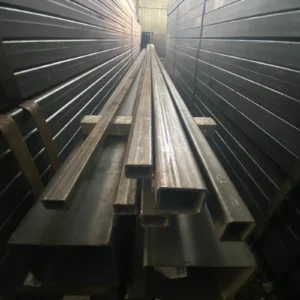
| Length | 6 m, 6.4 m, 12 m |
| Technique | ERW (Electric Resistance Welded) / Hot-Rolled |
| Surface Treatment | Hot Rolled (Black / Oiled or Non-oiled) |
| Tolerance | ±1% |
| Processing Services | Welding, Punching, Cutting, Bending, Decoiling |
| Invoicing | By Theoretical Weight |
| Application | Structure Pipe, Construction Frames, Steel Structures, Machinery, Fluid/Gas/Oil Transport, Hydraulic Pipe, Boiler Pipe |
| MOQ | 5 Tons |
| Origin | Shandong, China |
Application Suitability
| Industry | Typical Applications |
|---|---|
| Construction & Infrastructure | Building frames, column supports, scaffolding structures, bridge components |
| Industrial Machinery | Conveyor frames, equipment bases, hydraulic cylinder housings, drill pipe casings |
| Energy & Petrochemical | Gas transmission lines, oil transport systems, boiler feed pipes, chemical fertilizer plant piping |
| Steel Fabrication | Raw material for welded assemblies, machined components, structural connectors |
Where Dimensional Tolerance Decides Fabrication Costs
±1% tolerance on Q235 ERW square tubes eliminates rework at the fabrication shop.
When structural fabricators receive welded square steel tubes with inconsistent dimensions, every connection point becomes a problem. Beam-to-column joints don’t align, weld prep takes longer, and field modifications eat into project margins. A Q235 welded square steel tube manufacturer controlling tolerance at ±1% means the tubes fit as designed — no grinding, no shimming, no schedule delays. The hot-rolled surface finish accepts paint and coatings uniformly, while ERW welding produces a consistent seam that passes ultrasonic inspection without cold-work anomalies.
[NEED_CITE: ERW welded hollow section dimensional tolerance requirements per EN 10219]
Matching Q235 ERW Tubes to Structural Load Requirements
Q235 welded square steel tube in hot-rolled finish serves as the workhorse grade for general construction frames and machinery bases where yield strength around 235 MPa meets design loads. The ERW process produces a longitudinal weld seam suitable for non-pressure structural applications, while the hot-rolled surface provides adequate corrosion resistance for indoor or coated outdoor use. For projects requiring 6 m or 12 m fixed lengths, our production lines deliver consistent cut-to-size tubes with theoretical weight invoicing — no surprises on tonnage calculations.
Engineering Compliance and Certification Path
Structural applications demand documentation that satisfies both design codes and customs authorities. Q235 conforms to Chinese GB standards while ASTM A53 and A106 equivalents serve North American projects requiring material traceability. For EU-bound shipments, EN 10219 cold-formed hollow section compliance applies, though Q235 ERW tubes typically fall under hot-rolled welded pipe standards. The ±1% tolerance ensures dimensional compliance with fabrication drawings, while mill test certificates document chemical composition and mechanical properties per heat number. Third-party inspection by SGS or BV validates shipment quality before container sealing.
[NEED_CITE: steel grade equivalence mapping between GB Q235 and ASTM A53]
Understanding Q235 Grade and ERW Welding Process
Q235 represents the most widely used carbon structural steel in Chinese standards, with yield strength starting at 235 MPa — suitable for building frames, machinery supports, and non-critical pressure piping. The “Q” denotes yield point, while “235” indicates minimum yield value in MPa. ASTM A53 and A106 serve as international equivalents, with A53 covering general plumbing and structural use while A106 targets high-temperature service.
ERW (Electric Resistance Welded) welding joins the steel strip edges through electrical resistance heating without filler metal, producing a clean longitudinal seam. This process suits square and rectangular tube production where the weld seam runs along one flat face, minimizing stress concentration compared to spiral welds. Hot-rolled surface treatment leaves a mill scale finish that provides baseline corrosion protection; oiling prevents rust during transit while non-oiled finish accepts immediate painting or galvanizing.
Theoretical weight invoicing calculates tonnage based on nominal dimensions rather than actual measured weight — a standard practice that simplifies procurement but requires clear tolerance agreements. Our ±1% dimensional tolerance ensures the theoretical-to-actual weight ratio stays predictable, preventing disputes over delivered tonnage.
Hidden Costs of Compromising on Tube Quality
Ordering Q235 welded square steel tube from unverified suppliers often surfaces problems at destination ports. Missing mill test certificates trigger customs holds. Negative tolerance beyond agreed limits reduces structural capacity while inflating per-ton costs. Inconsistent weld seams fail ultrasonic testing, forcing rejection or costly re-inspection. Surface defects from improper rolling require grinding before painting, adding labor hours that exceed the original price savings. A Q235 welded square steel tube manufacturer with in-house testing eliminates these variables — every tube passes dimensional, chemical, and mechanical checks before shipping.
[NEED_CITE: consequences of negative tolerance abuse in structural steel procurement]
Why Source Q235 ERW Tubes from Xin Jiyuan
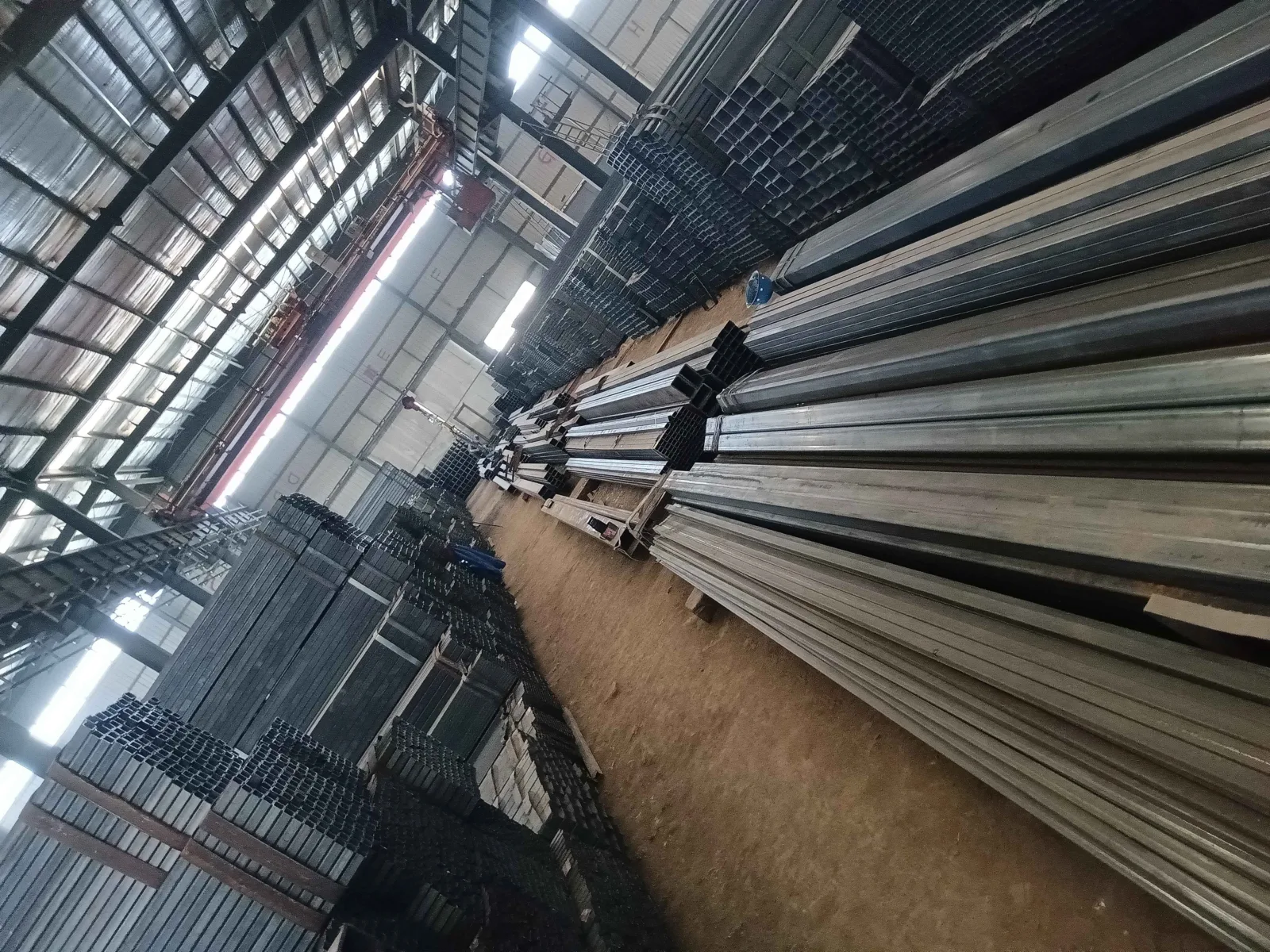
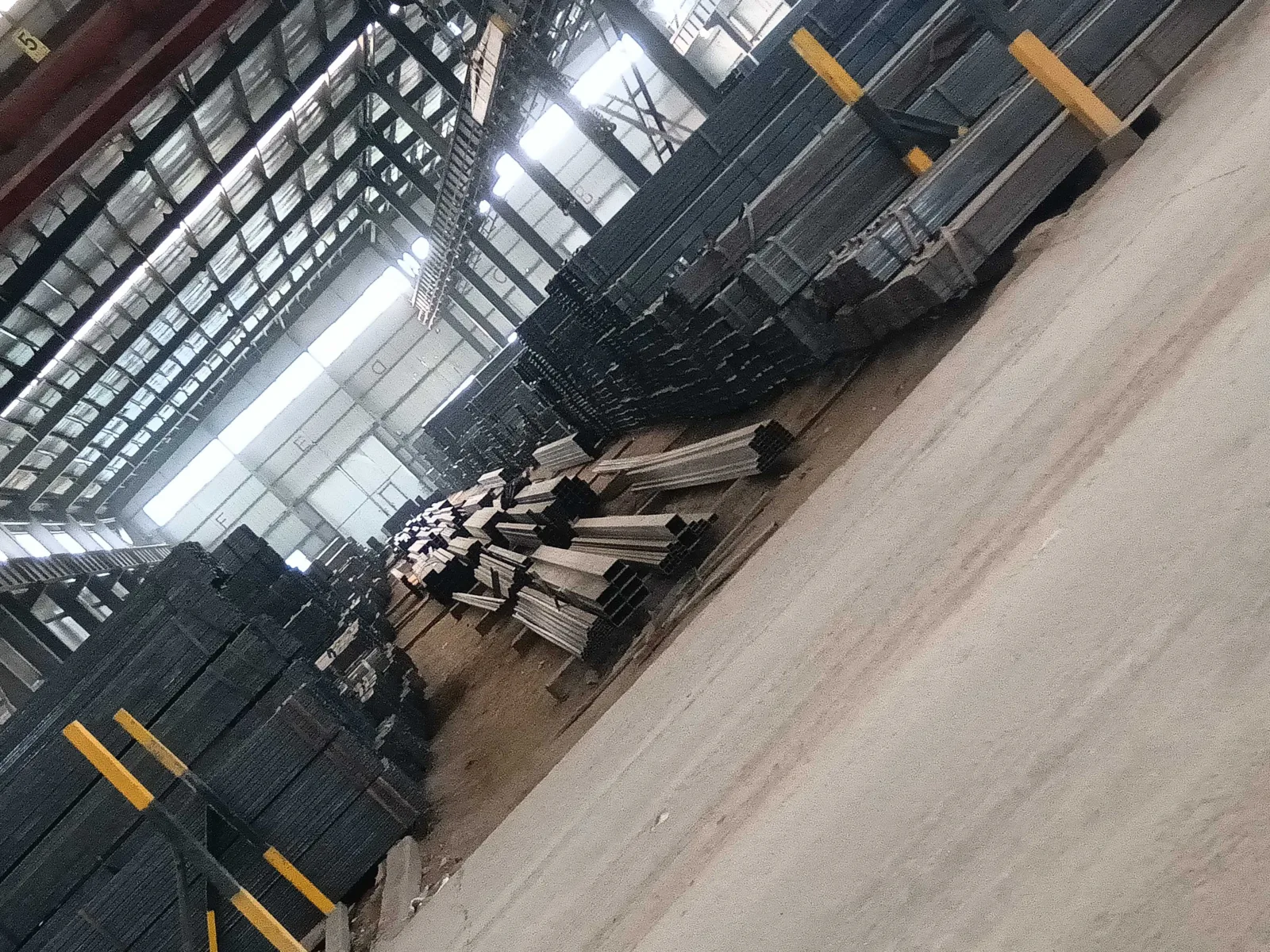
Our factory operates dedicated ERW lines producing square and rectangular tubes with hot-rolled finish, controlling quality from steel coil to finished product. The in-house physical and chemical laboratory tests every heat for composition and mechanical properties, generating mill test certificates that satisfy international buyers. With 2,800+ specifications in our inventory system, sourcing non-standard sizes or heavy-wall Q235 tubes doesn’t require multiple suppliers — one purchase order covers the full project list. ISO 9001:2015 certification documents our quality management system, while Lloyd’s CE marking and Singapore FPC approval satisfy regulated market requirements. Professional container loading prevents transit damage to tube surfaces and edges, while complete export documentation clears customs without delays.
Documentation & Compliance
- Mill test certificate documenting Q235 chemical composition (C, Mn, Si, S, P) and mechanical properties (yield strength, tensile strength, elongation) per GB/T 700
- Material traceability by heat number linking each tube bundle to original steel coil test results
- SGS or BV third-party inspection report verifying dimensional tolerance, surface quality, and weld seam integrity before shipment
- Certificate of origin and commercial invoice formatted for destination country customs requirements
- Packing list detailing bundle count, piece quantity, theoretical weight, and container loading plan
Packaging, Loading & Delivery
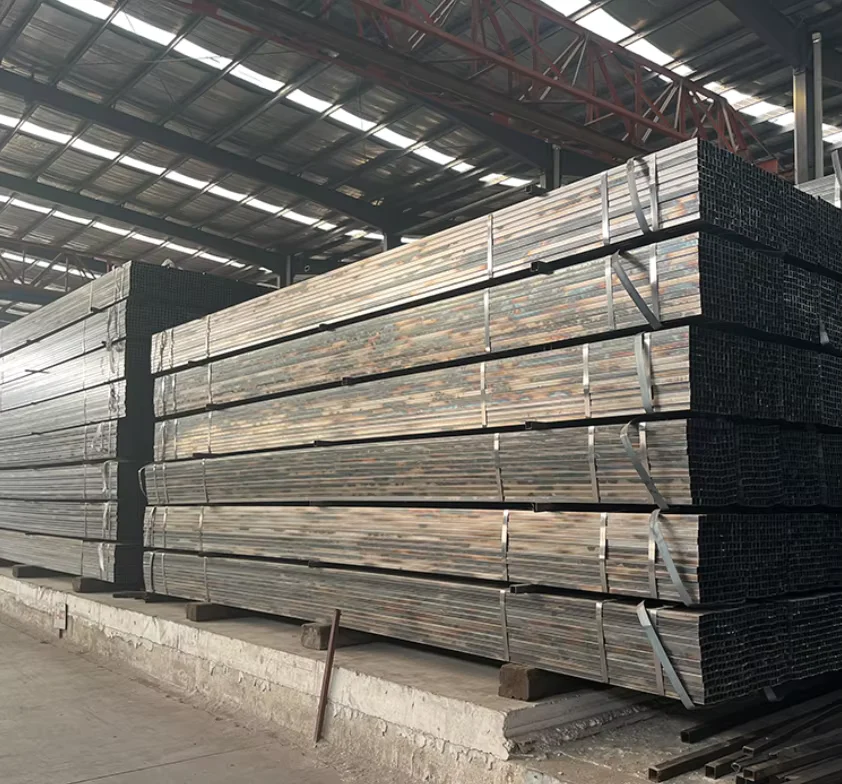
- Q235 ERW square tubes bundled with steel strips at intervals preventing bundle separation during ocean transit
- Hot-rolled black surface protected with anti-rust oil coating for non-oiled finish orders, or bare mill scale for oiled finish
- 6 m and 12 m lengths loaded in containers with wooden chocks and edge protectors preventing surface scratches and end deformation
- Heat number and steel grade stenciled on each tube end for site identification and traceability
- FOB, CIF, or DDP shipping terms with complete export documentation including bill of lading, packing list, and certificate of origin
Getting Your Q235 ERW Tube Quote
Submit your specification sheet listing square/rectangular dimensions, wall thickness, length requirements, surface treatment preference, and total tonnage. We respond within 12 hours with unit pricing, production lead time, and shipping terms. Mill test certificates and third-party inspection arrangements confirmed before contract signing.
Request Q235 Welded Square Steel Tube Pricing
Send specifications to admin@sdxjypipe.com or contact via WhatsApp at +86 188 5315 7756 for immediate quotation and technical clarification.
Frequently Asked Questions
Q: What is the difference between Q235, ASTM A53, and ASTM A106 grades?
A: Q235 is the Chinese standard carbon structural steel with 235 MPa minimum yield strength. ASTM A53 covers general purpose black and hot-dipped galvanized welded and seamless steel pipe for structural and plumbing use. ASTM A106 specifies seamless carbon steel pipe for high-temperature service. All three grades serve similar applications but follow different testing and certification requirements.
Q: Can you produce non-standard sizes beyond your listed specifications?
A: Yes, we manufacture custom non-standard square and rectangular tubes with special dimensions, heavy wall thicknesses, and non-standard lengths. Minimum order quantity for custom sizes is 5 tons. Provide your drawing or specification sheet for technical review and pricing.
Q: What surface treatment options are available for Q235 ERW tubes?
A: Hot-rolled black finish with mill scale, oiled surface for rust prevention during storage and transit, or non-oiled bare surface for immediate painting or galvanizing. Galvanized coating available upon request with zinc layer thickness per customer specification.
Q: How is theoretical weight calculated and does negative tolerance apply?
A: Theoretical weight calculates based on nominal dimensions using standard steel density (7.85 g/cm³). Our ±1% dimensional tolerance ensures actual weight stays within predictable range of theoretical calculation. Negative tolerance policy agreed before production prevents disputes over delivered tonnage.
Q: What documentation do you provide for customs clearance?
A: Standard export package includes commercial invoice, packing list, bill of lading, certificate of origin, and mill test certificate. Additional documents such as SGS/BV inspection reports, CE certificates, or specific format requirements arranged based on destination country regulations.