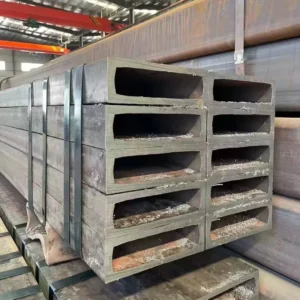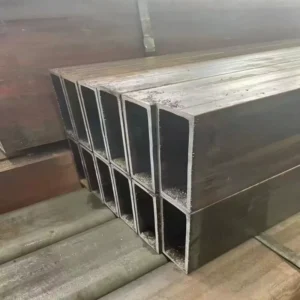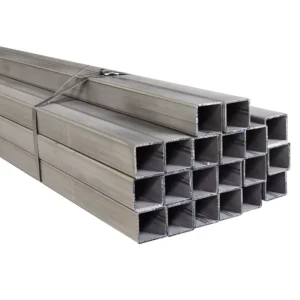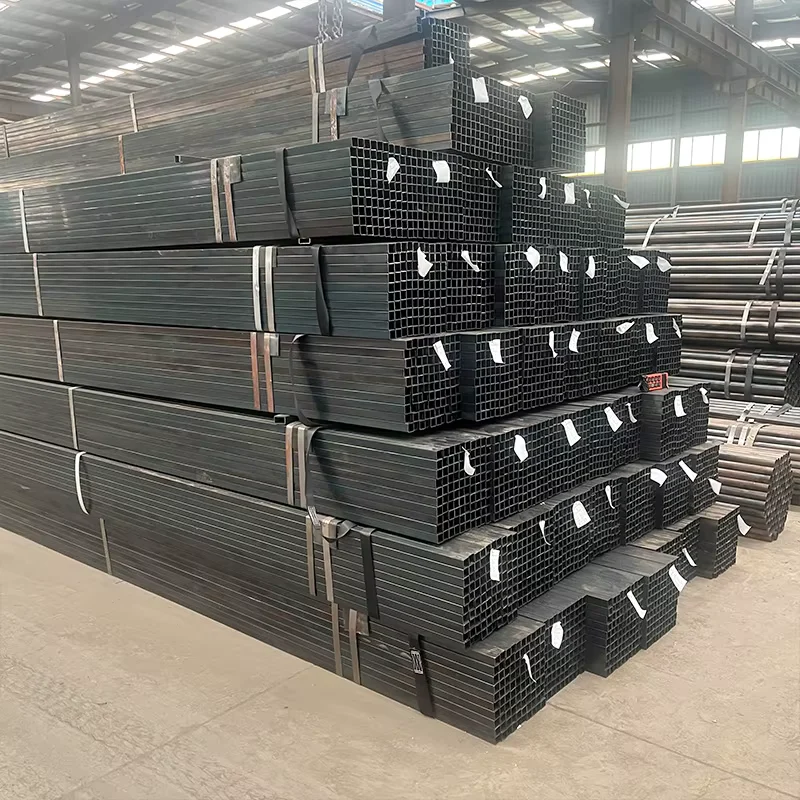
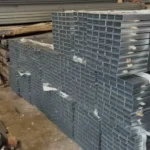
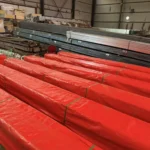
Description
Factory-Direct ERW Tubes — 2,800+ specifications in Q195, Q235, Q355 ready for export
Technical Specifications
| Parameter | Value |
|---|---|
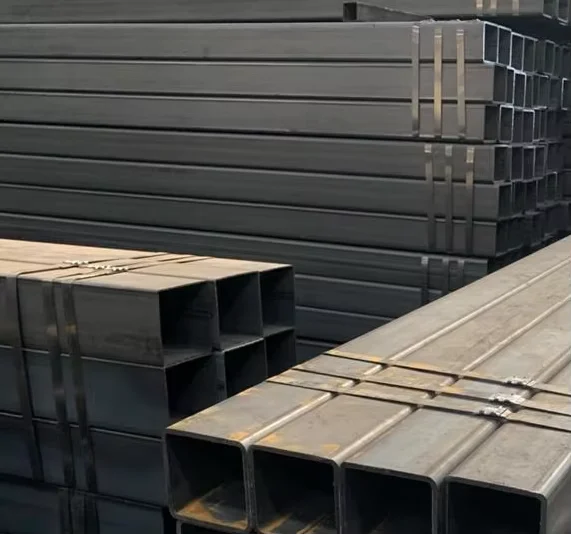
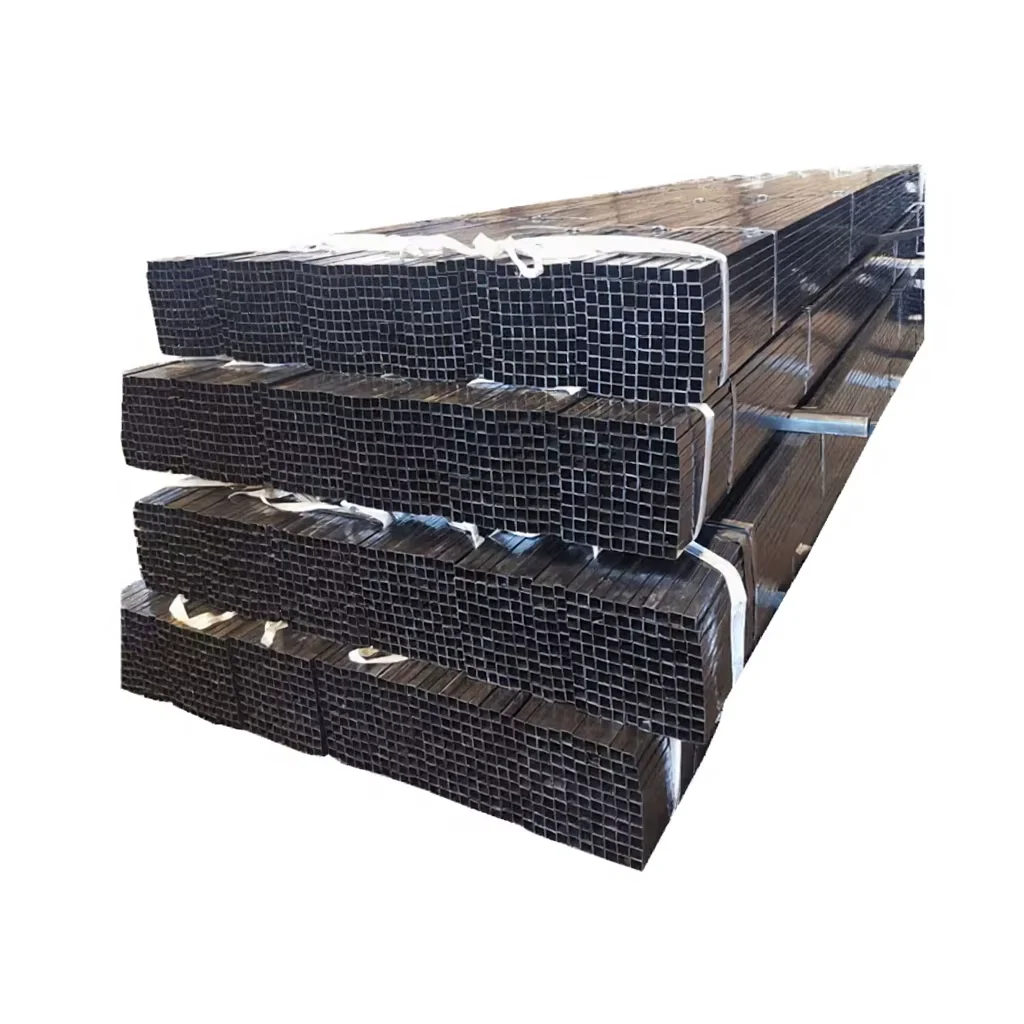
| Designation | Q195 Q235 Q355 Welded Square and Rectangular Steel Tube |
| Product Type | Welded Square and Rectangular Steel Tube |
| Steel Grade | Q195, Q235, Q355 |
| Standard | ASTM (equivalent EN / JIS / GB mapping available) |
| Section Shape | Square, Rectangular |
| Size Range | 20×20 mm – 200×200 mm |
| Wall Thickness | 1.5 – 30 mm |
| Length | 1 – 12 m |
| Technique | ERW (Electric Resistance Welded) |
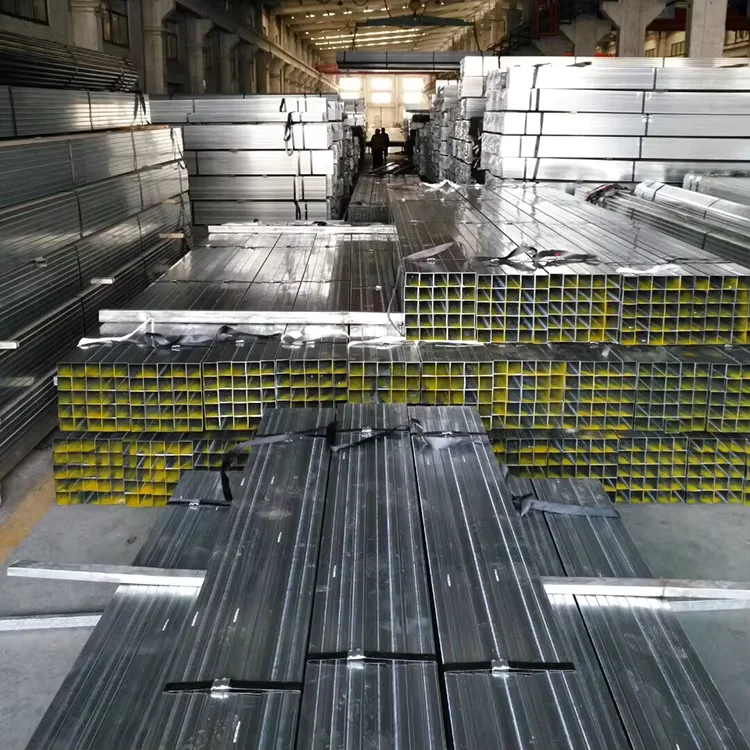
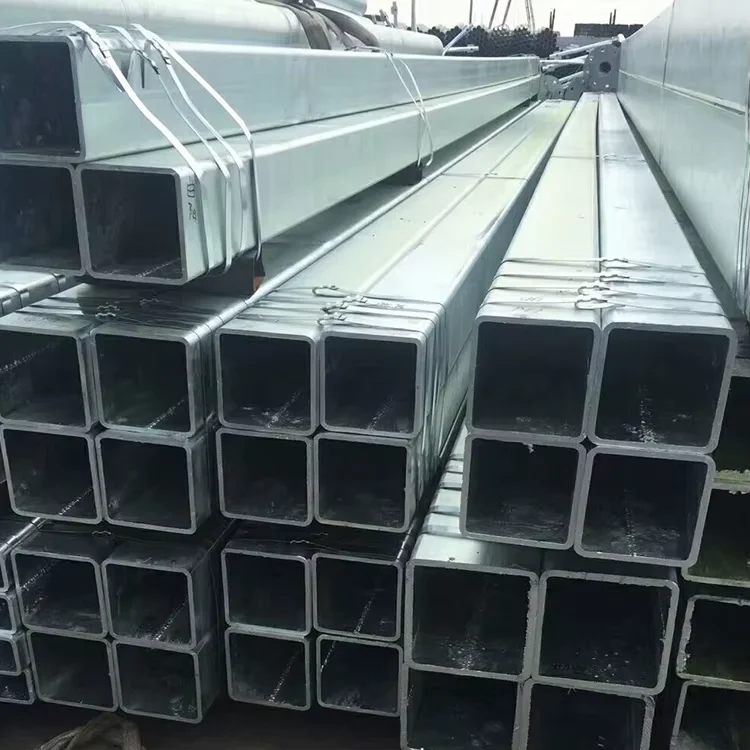
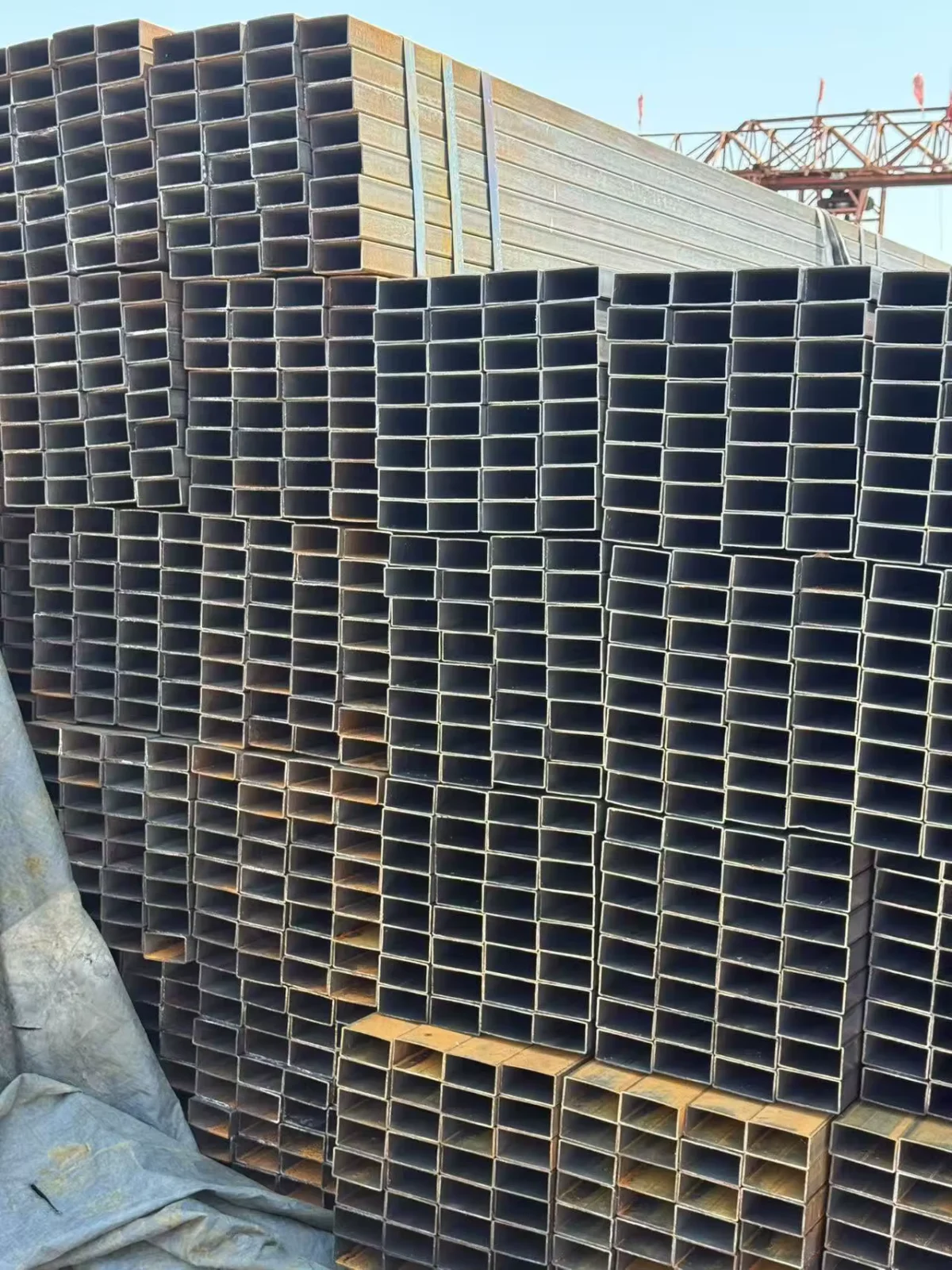
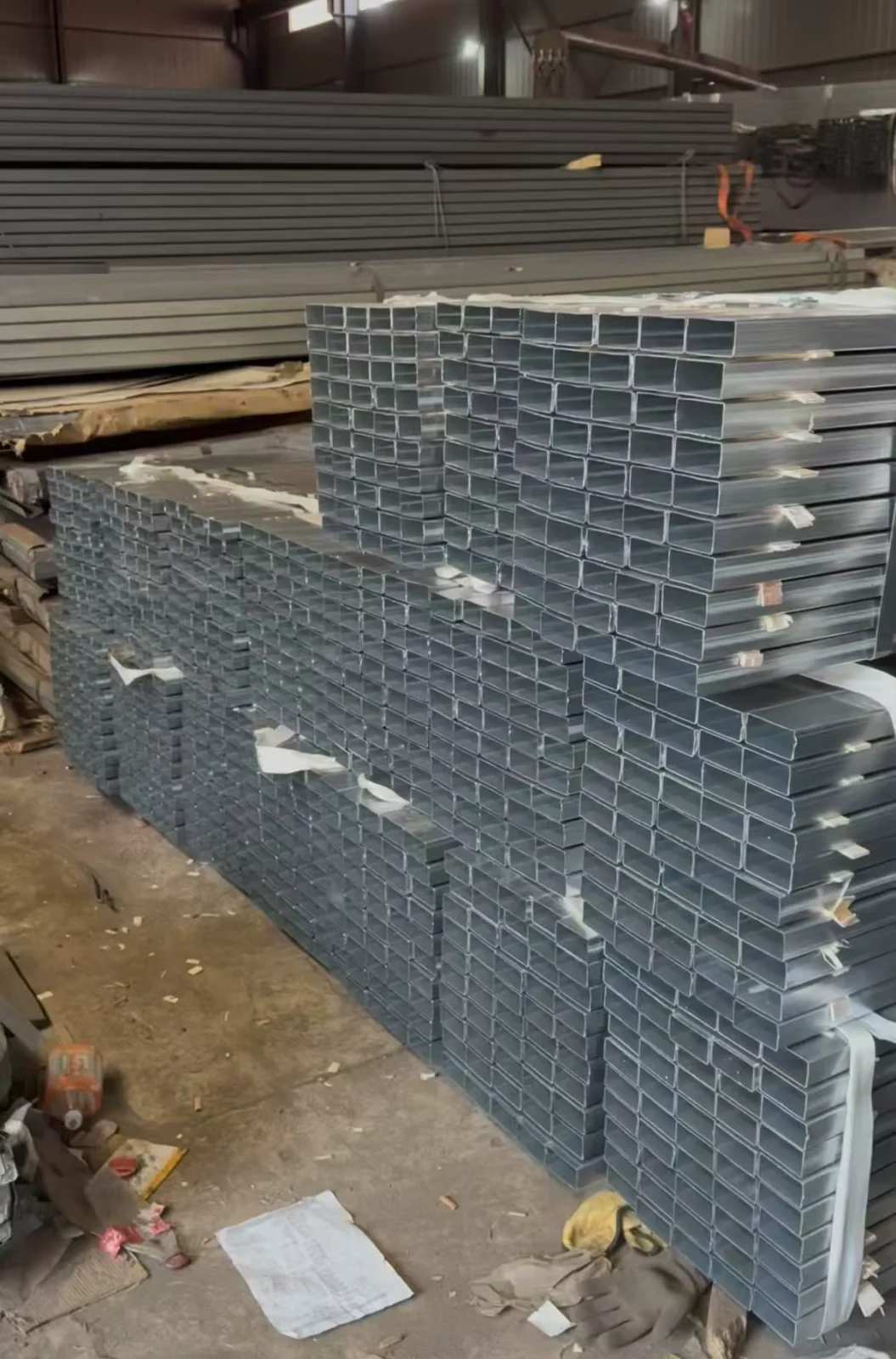
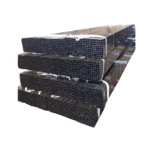
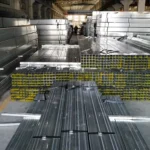
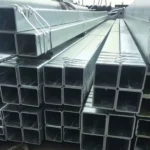
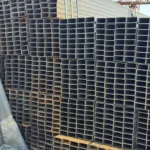
| Surface Treatment | Black (Hot Rolled) / Galvanized Coating |
| Tolerance | ±1% |
| Ends | Plain (standard) |
| Application | Construction frames / Steel structures / Bridge / Car manufacturing / Electrical installation / Mining / Machinery / Scaffolding |
| MOQ | 25 Tons (full 20ft container) |
| Origin | Shandong, China |
Application Suitability
| Industry | Typical Applications |
|---|---|
| Construction & Steel Structure | Building frames, bridge trusses, portal frames, scaffolding systems |
| Architectural Facade | Exposed steel framing for glass curtain walls, right-angle rectangular tubes for facade grids |
| Machinery & Equipment | Conveyor structures, industrial equipment bases, hydraulic support frames |
| Electrical & Infrastructure | Transmission tower bracing, electrical installation supports, mining support structures |
| Automotive & Manufacturing | Car manufacturing chassis components, machinery bases, structural brackets |
What Negative Tolerance Beyond ±1% Really Costs on an ERW Tube Order
A wall-thickness deviation that looks minor on paper becomes a rejection at the third-party inspection bay.
On a recent 6-meter black-tube shipment bound for Monterrey, the theoretical-to-actual weight gap approached 8%. The buyer’s SGS re-inspection flagged it before the container even cleared the yard — an entire 25-ton lot held at port because the mill let wall thickness drift past acceptable limits. For ERW welded square and rectangular steel tube in Q235 and Q355, the tolerance band is not a suggestion; it defines whether the material passes structural load calculations or gets sent back. When wall thickness varies tube to tube, weld seams on site do not align, connection plates do not sit flush, and the engineer’s signed load table no longer matches what is actually standing in the frame. [NEED_CITE: EN 10219 cold-formed welded structural hollow sections dimensional tolerance requirements]
How ERW Welded Tubes Match Structural and Facade Engineering Demands
A Q235 Q355 ERW welded square and rectangular steel tube produced under controlled ±1% tolerance fits directly into portal-frame and curtain-wall systems without secondary re-machining. The ERW seam runs along one flat face, keeping the other three surfaces dimensionally consistent — critical when tubes must bolt into prefabricated corner connectors on a facade grid. For black-finished tubes destined for painted or powder-coated architectural work, the hot-rolled surface accepts primer without additional blasting. Galvanized versions ship with the zinc layer intact, ready for coastal or high-humidity sites where field painting is not practical.
Engineering Compliance and Certification Requirements Across Markets
Structural frames in the EU require hollow sections that conform to EN 10219 for cold-formed welded profiles or EN 10210 for seamless, with CE marking validated by a notified body. North American projects typically call for ASTM A500 Gr. B or Gr. C equivalence, which maps to Q355 in the Chinese grading system. A mill test certificate showing chemical composition and mechanical results per the specified standard is not optional — it is the document customs and the site engineer both check first. [NEED_CITE: steel grade equivalence mapping between GB Q-series and ASTM A500] For projects in Southeast Asia and the Middle East, Singapore FPC and SGS/BV third-party inspection reports are frequently specified in tender documents, meaning the supplier must arrange and fund the inspection before shipment.
Steel Grade Selection and ERW Process Fundamentals
Q195 sits at the lower end of the Chinese carbon-structural series, offering good formability for light scaffolding and non-load-bearing frames. Q235 is the workhorse grade across construction and general engineering — its yield point and weldability make it the default for portal frames, bridge bracing, and machinery bases. Q355 steps up to low-alloy high-strength territory, used where thinner walls must carry heavier loads, reducing overall tonnage without sacrificing structural integrity. The ERW process forms the tube from hot-rolled coil through continuous roll-forming and resistance-welds the seam without filler metal, producing a clean internal bead suitable for fluid passage or clean interior profiles. Wall thickness from 1.5 mm serves light gauge framing, while 30 mm covers heavy structural columns and crane-runway beams. Surface treatment choice between black hot-rolled and galvanized depends on the service environment: black tubes are typically painted or coated on site, while galvanized tubes go directly into corrosive or outdoor applications.
Hidden Costs When Material Certificates Do Not Match the Steel in the Container
Ordering Q355 tubes and receiving Q235 stamped on a forged certificate means the structure carries less load than the engineer calculated — a safety gap that only surfaces during a post-installation audit or, worse, under service load. Missing CE documentation on an EU-bound shipment does not just delay customs; it can trigger a full rejection and return-to-origin freight bill that exceeds the material cost. Negative tolerance beyond the stated ±1% means the buyer pays for steel that is not there, and on a 25-ton container the weight shortfall translates directly into margin loss. [NEED_CITE: consequences of steel grade misidentification in structural construction projects]
Why Procurement Teams Source Q195 Q235 Q355 ERW Tubes from SD XJY Pipe
SD XJY Pipe operates three dedicated ERW production lines covering 2,800+ specifications in square, rectangular, and round profiles — meaning a single purchase order can combine light-gauge 20×20 scaffolding tubes and heavy-wall 200×200 structural columns without splitting the order across multiple suppliers. The company holds 41 patents including China’s original sharp-corner rectangular tube technology, which produces true right-angle profiles for architectural facades where standard rounded-corner tubes leave visible gaps at connections. An in-house physical and chemical laboratory tests every heat for dimensional accuracy, mechanical properties, and composition before the mill test certificate is issued. Full international certification — ISO 9001:2015, Lloyd’s CE under EN 10210 and EN 10219, Singapore FPC, and SGS/BV verification — clears EU, North American, and regulated-market customs without additional documentation fees. Custom non-standard sizes, cut-to-length, and marked-by-heat-number service are available with low MOQ, and professional container loading with anti-damage measures prevents the bending and surface scratches that cause destination rejection.
Documentation & Compliance
- Mill test certificate documenting Q195, Q235, or Q355 chemical composition and mechanical properties per ASTM or equivalent EN standard, issued per heat number
- CE certificate under EN 10210 and EN 10219 for welded structural hollow sections exported to EU member states
- ISO 9001:2015 quality management system certificate covering the full ERW production and inspection process
- SGS or BV third-party inspection report arranged before shipment at buyer’s request, covering dimensional, visual, and mechanical checks
- Material traceability linking each tube to its heat number, production date, and test results for site audit compliance
- Full customs documentation set including packing list, bill of lading, and certificate of origin for destination-country clearance
Packaging, Loading & Delivery
- Q195, Q235, and Q355 ERW welded square and rectangular steel tubes bundled with high-tensile steel strips, separated by rubber pads to prevent surface damage on black or galvanized finishes
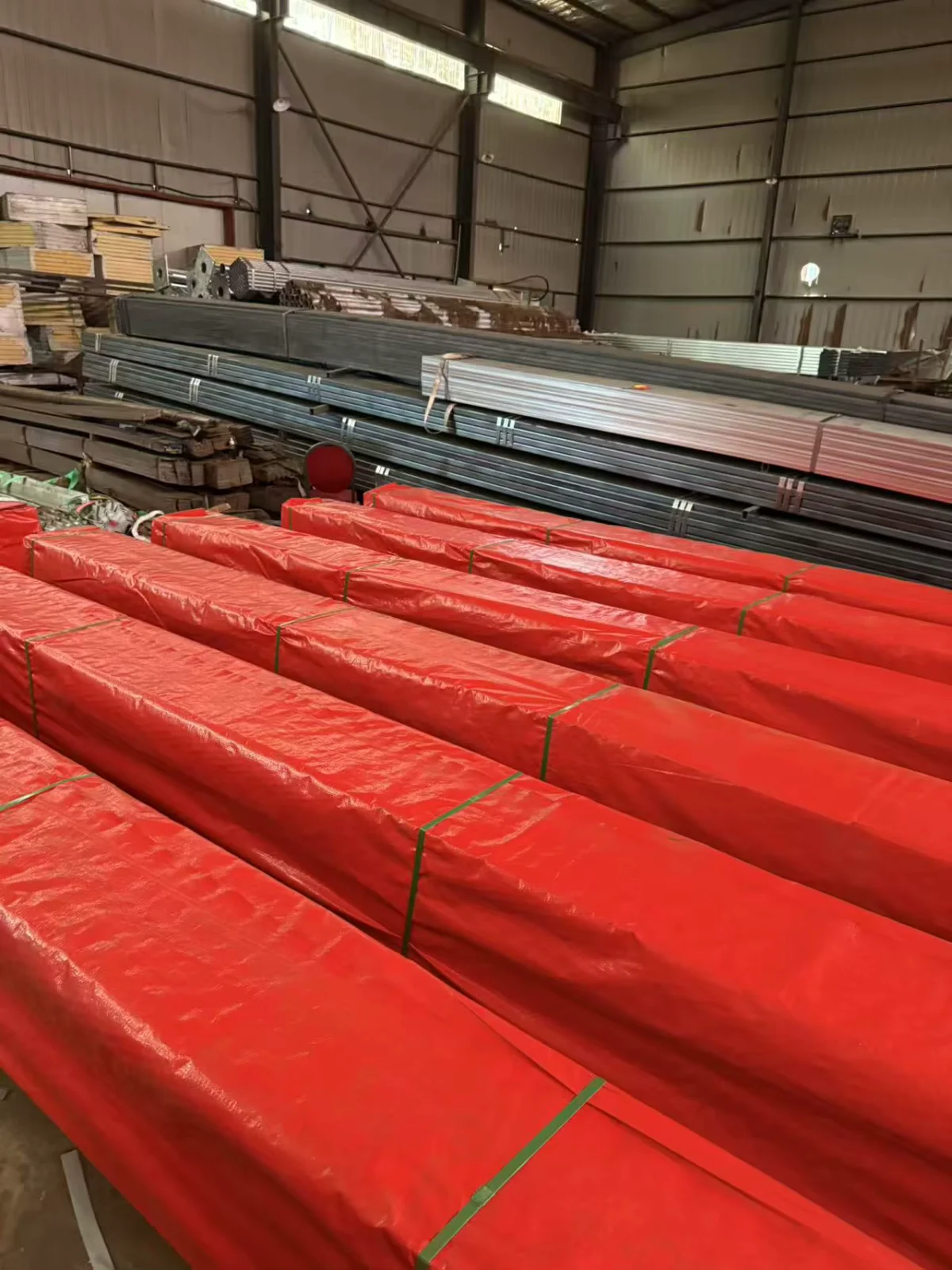
- Galvanized tubes packed with edge protectors and waterproof wrapping to preserve the zinc coating during ocean transit and prevent white-rust formation
- Container loading optimized for 1–12 m lengths in 20ft and 40ft units, with nested smaller sections inside larger profiles to maximize payload per shipment toward the 25-ton MOQ
- Cut-to-length service available for 1–12 m定尺 requirements, with each bundle labeled by steel grade, size, wall thickness, and heat number for site identification
- Shipment terms available as FOB, CIF, or DDP, with professional loading supervision and real-time tracking until destination port or project site
How to Request a Quotation with Mill Test Certificates
Submit your size schedule, steel grade requirement (Q195, Q235, or Q355), surface treatment preference, total tonnage, and destination port — SD XJY Pipe responds within 12 hours with a detailed quotation including unit price, production lead time, and shipping terms. For non-standard sizes outside the 20×20 to 200×200 mm range or wall thickness beyond 30 mm, request a custom feasibility check with drawing review. Certification and mill test certificate samples are provided before contract signing so your quality team can confirm compliance with project specifications.
Frequently Asked Questions
Q: How do Q235 and Q355 map to ASTM A500 or EN 10219 grades?
A: Q235 generally corresponds to ASTM A500 Gr. B and EN S235JR in yield strength range, while Q355 maps to ASTM A500 Gr. C and EN S355JR/J2. SD XJY Pipe provides a full grade-equivalence table with each inquiry so procurement and engineering teams can confirm the correct specification before ordering.
Q: Can you arrange SGS or BV third-party inspection before shipment?
A: Yes. Third-party inspection by SGS or BV is arranged at the buyer’s request before container sealing. The inspection covers dimensional checks, visual surface quality, wall-thickness ultrasonic measurement, and verification of steel grade marking against the mill test certificate.
Q: What is the MOQ for non-standard sizes outside the 20×20–200×200 mm range?
A: Standard sizes ship from stock against the 25-ton full-container MOQ. Custom non-standard sizes, special wall thicknesses, or non-stock lengths enter production with typical lead times of 15–25 days depending on specification complexity and order volume.
Q: What is the difference between black hot-rolled and galvanized surface treatment?
A: Black hot-rolled tubes have a mill scale surface suitable for painting, powder coating, or further fabrication on site. Galvanized tubes carry a zinc coating for corrosion resistance in outdoor, coastal, or high-humidity environments, and ship with protective packaging to prevent white-rust during transit.
Q: Do you provide CE EN 10210 / EN 10219 documentation for EU customs clearance?
A: Yes. All welded structural hollow sections exported to the EU are accompanied by a valid CE certificate issued under EN 10210 or EN 10219 by Lloyd’s Register, along with the Declaration of Performance and mill test certificates required for customs and site acceptance.
[Request Your ERW Tube Quotation with Full Certification Package]
Send your size list, steel grade, quantity, and destination port to receive a detailed quotation and sample mill test certificate within 12 hours.
Mobile / WhatsApp / WeChat: +86 188 5315 7756 | Email: admin@sdxjypipe.com | Website: www.sdxjypipe.com