Description
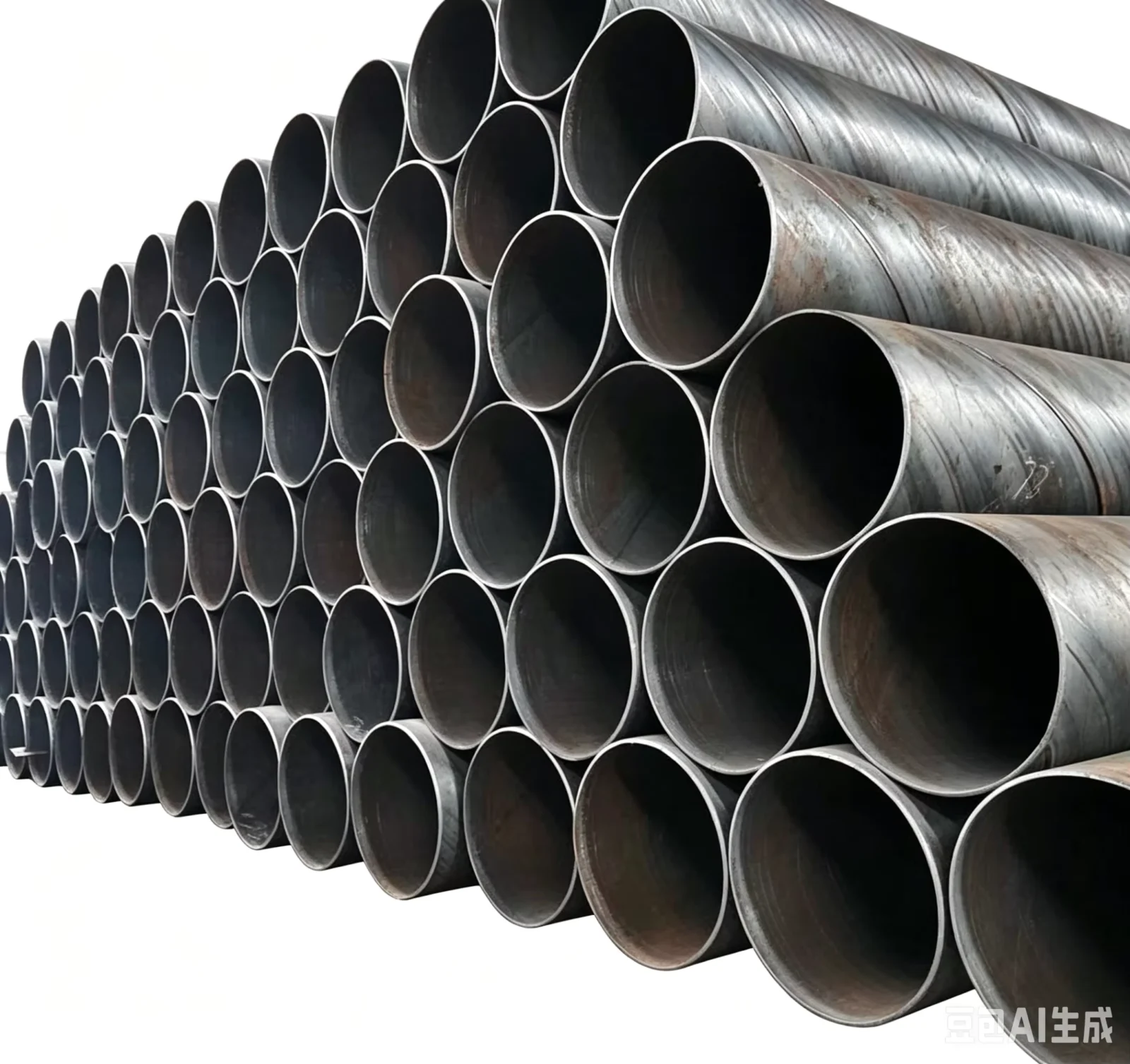
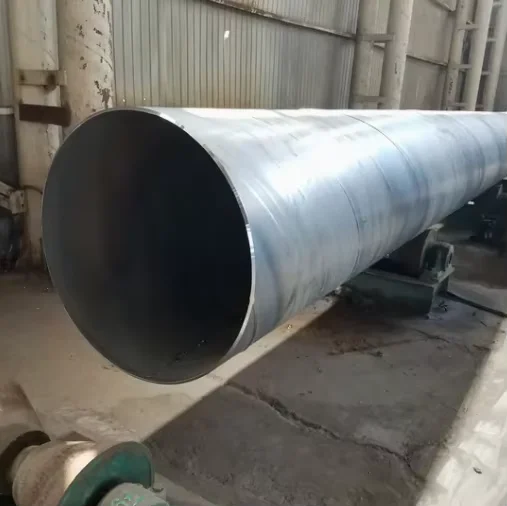
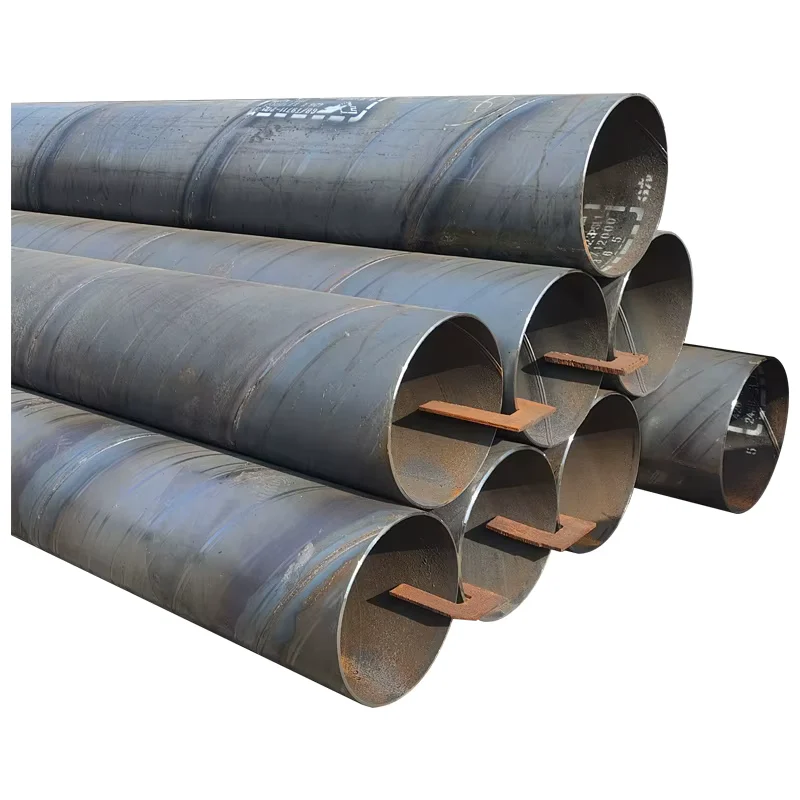
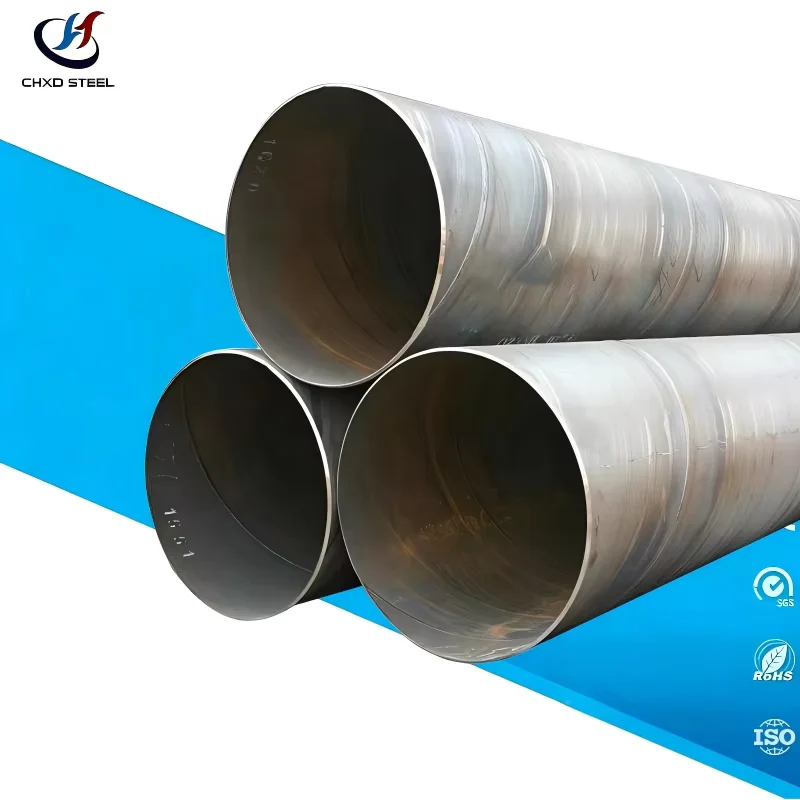
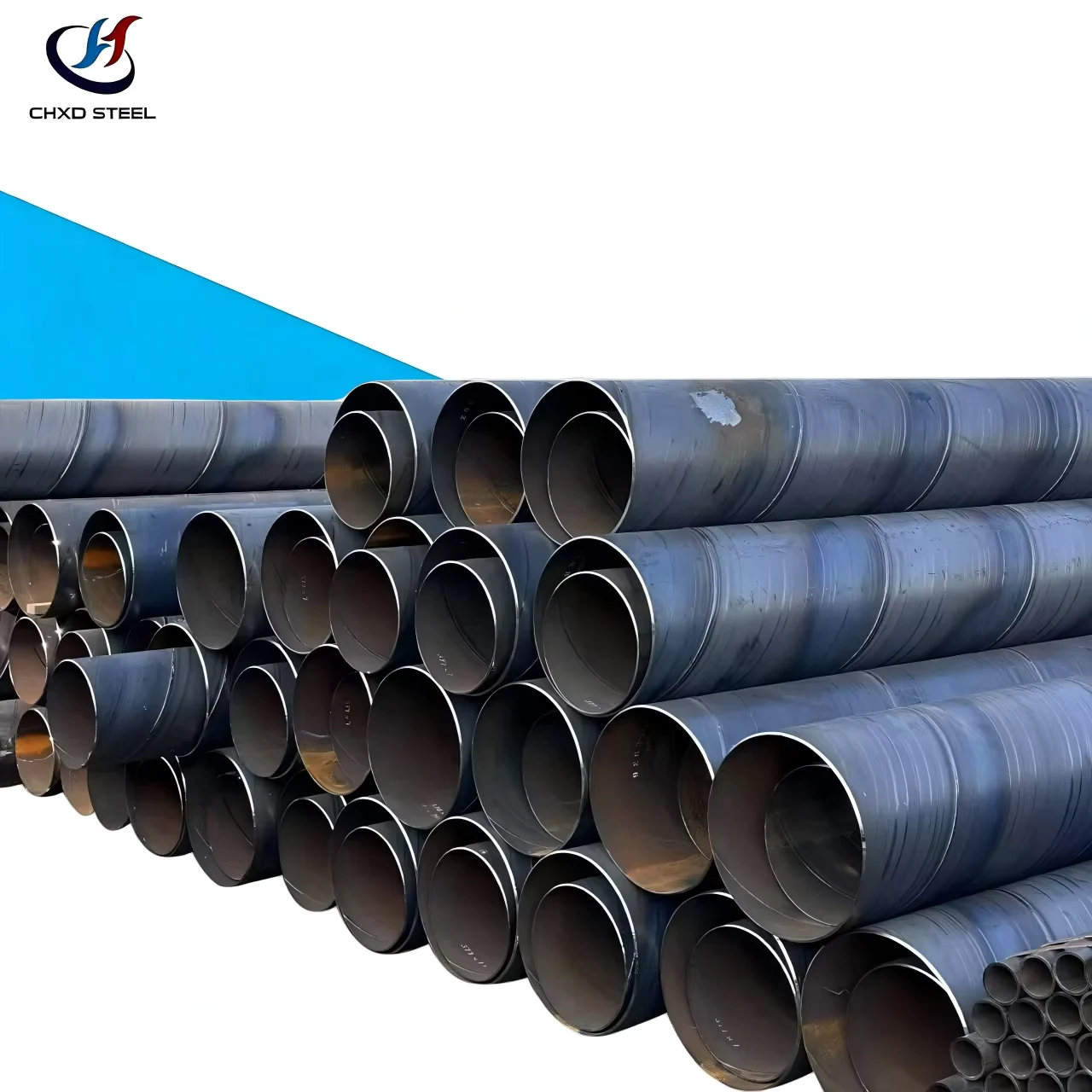
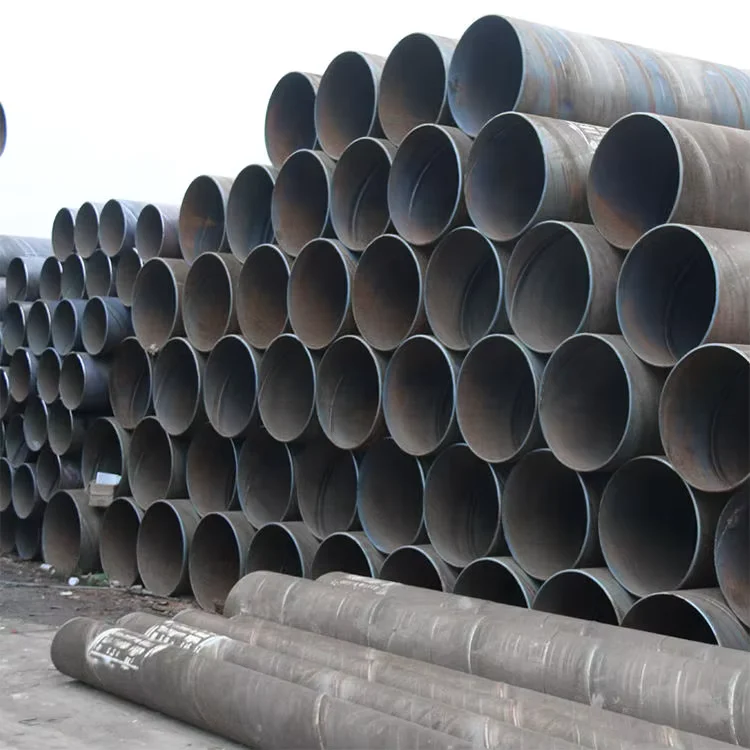
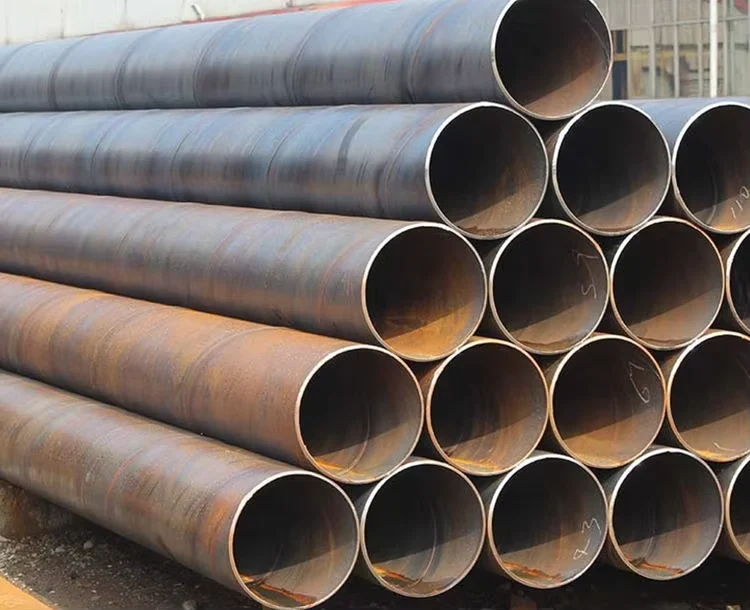
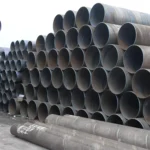
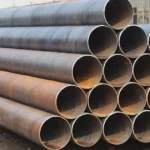
Factory-Direct SSAW Pipe Production — Large diameter spiral welded pipes up to 3048 mm OD manufactured in-house with full API 5L and ASTM certification for pipeline projects.
Technical Specifications
| Parameter | Value |
|---|---|
| Designation | ASTM A36 SSAW Steel Pipe |
| Product Type | SSAW Steel Pipe / Spiral Submerged Arc Welded Pipe |
| Steel Grade | A106, A53, A36 |
| Standard | ASTM (A106, A53, A36), API |
| Section Shape | Round |
| Size Range | 219–3048 mm OD |
| Length | 6 m / 12 m / 6.4 m |
| Technique | SSAW (Spiral Submerged Arc Welded) |
| Surface Treatment | Hot Rolled |
| Tolerance | ±1% |
| Ends | Plain / Beveled |
| Application | Fluid Pipe, Boiler Pipe, Drill Pipe, Hydraulic Pipeline, Oil and Water Pipeline |
| MOQ | 1 Ton |
Application Suitability
| Industry | Typical Applications |
|---|---|
| Oil & Gas | Onshore and offshore transmission pipelines, gathering lines, flow lines |
| Municipal Infrastructure | Water supply mains, drainage systems, sewage transport pipelines |
| Industrial Plants | Boiler feed lines, hydraulic systems, process fluid transport |
| Construction | Piling foundations, structural support columns, bridge substructures |
Why Large Diameter SSAW Eliminates Field Splicing Delays
Continuous weld integrity from 219 mm to 3048 mm OD without plate joining compromises.
When sourcing pipeline steel for municipal water networks or oil transmission routes, project managers often face specification gaps that force multi-supplier coordination. One mill supplies the pipe, another handles coating, and a third manages certification—creating mismatched delivery schedules and customs documentation conflicts. The API 5L SSAW steel pipe supplier you choose must deliver both dimensional accuracy and complete test documentation in a single shipment.
Negative tolerance issues compound this problem. I’ve seen projects where pipes arrived at site with wall thickness below minimum specification, triggering third-party inspection rejection and forcing air freight replacements that destroyed project margins. [NEED_CITE: API 5L dimensional tolerance requirements for spiral welded pipe]
Matching Pipeline Engineering Requirements
The 219–3048 mm diameter range covers virtually all transmission and distribution pipeline needs without requiring field splicing that introduces weak points. For oil and gas applications, the spiral weld pattern distributes stress more evenly than longitudinal seams under internal pressure cycling. Municipal water projects benefit from the continuous length capability—12 m sections reduce joint count by 40% compared to shorter alternatives, lowering installation labor and leak potential.
Compliance and Certification Framework
Pipeline projects across different regions demand specific certification alignment. EU water infrastructure requires CE marking per EN 10210/10219 standards, while Middle East oil and gas contracts typically mandate API 5L compliance with third-party inspection witness points. The ASTM A36 grade serves structural applications where yield strength matters more than pressure containment, whereas A106 and A53 address high-temperature and low-pressure fluid service respectively. [NEED_CITE: steel grade selection criteria for pressure vs structural applications]
Understanding SSAW Process Advantages
Spiral submerged arc welding produces continuous helical seams that distribute hoop stress more uniformly than straight-seam alternatives. This makes SSAW particularly suitable for large diameter applications above 508 mm where seamless pipe becomes cost-prohibitive and LSAW faces tooling limitations. The hot rolled surface condition provides adequate corrosion resistance for buried applications when combined with appropriate coating systems.
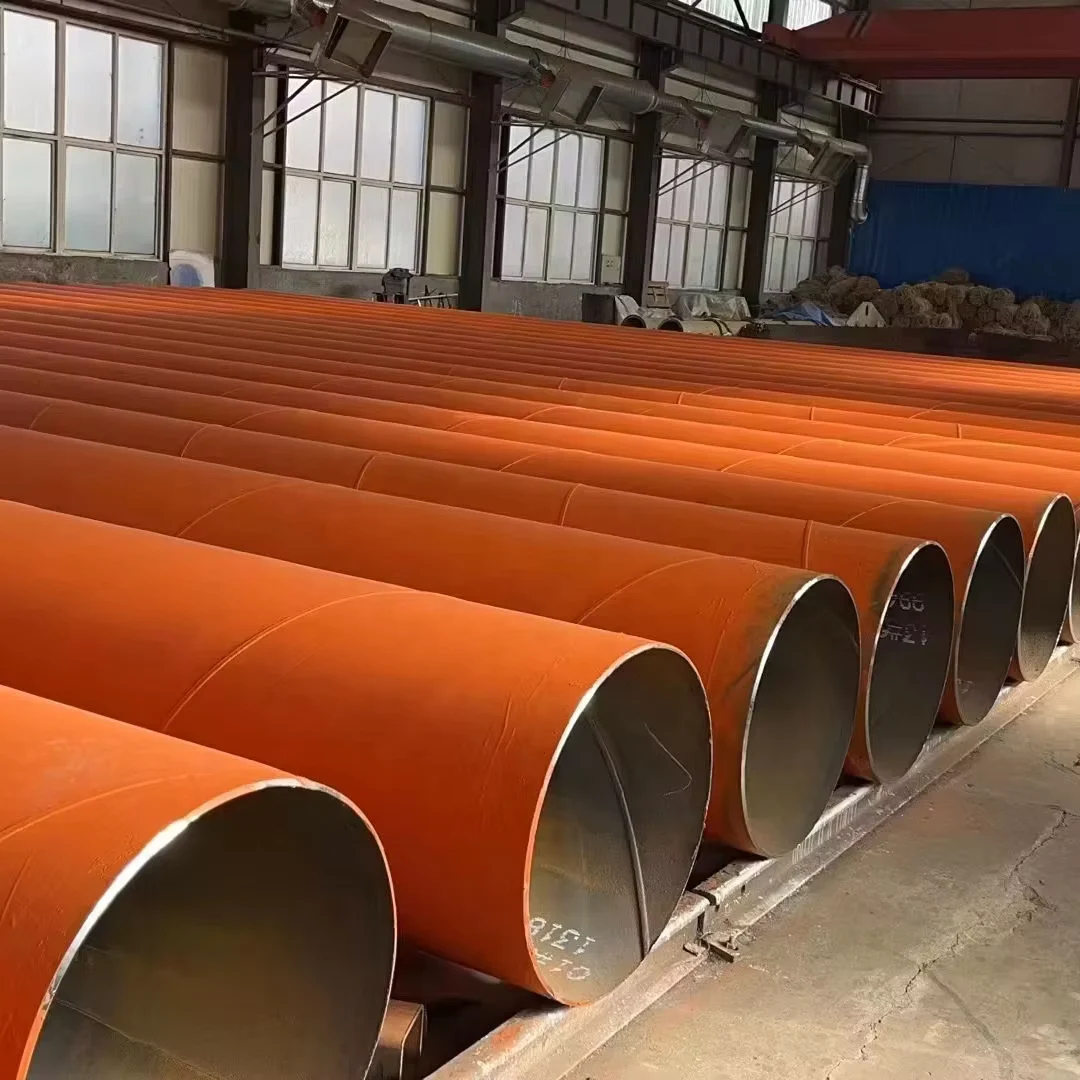
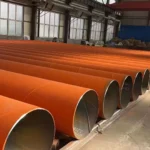
Coating selection directly impacts service life. 3LPE (three-layer polyethylene) offers superior mechanical protection for rocky backfill conditions, while FBE (fusion bonded epoxy) provides excellent chemical resistance for aggressive soil environments. Cement mortar lining extends internal service life for water pipelines by preventing tuberculation and maintaining flow capacity over decades.
Hidden Costs of Incorrect Grade Selection
Specifying ASTM A36 when A106 is required for high-temperature service creates catastrophic failure risk. A36 lacks the elevated temperature strength properties that A106 provides, potentially leading to creep deformation under sustained thermal loading. Conversely, paying premium prices for A106 in ambient temperature water applications wastes project budget without delivering measurable benefit.
Missing certification documentation causes customs delays that cascade through construction schedules. Pipes arriving without proper mill test certificates or third-party inspection reports face port authority holds that incur demurrage charges exceeding the original pipe cost. [NEED_CITE: import documentation requirements for steel pipe in major markets]
Procurement Confidence Factors
As an API 5L SSAW steel pipe supplier with in-house physical and chemical laboratories, we verify every heat against ASTM composition requirements before release. Our mill test certificates document chemical analysis, tensile properties, and hydrostatic test results traceable to specific heat numbers. The 219–3048 mm range eliminates the need to source from multiple mills for different diameter segments, consolidating quality control and logistics coordination.
Professional container loading prevents transit damage that compromises coating integrity and dimensional accuracy. Large diameter pipes require specialized cradles and blocking to prevent ovality deformation during ocean freight. Our loading protocols include edge protection for coated surfaces and securement systems that maintain pipe roundness within tolerance throughout the supply chain.
Documentation & Compliance
- Mill test certificate documenting ASTM A36 chemical composition and mechanical properties per specification requirements
- API 5L certification confirming compliance with spiral submerged arc welded pipe manufacturing standards
- ISO 9001:2015 quality management system certificate covering production and inspection processes
- SGS or BV third-party inspection report available for witness point verification before shipment
- Material traceability documentation linking each pipe to specific heat number and production batch
- Complete customs documentation including packing list, bill of lading, and certificate of origin
Packaging, Loading & Delivery
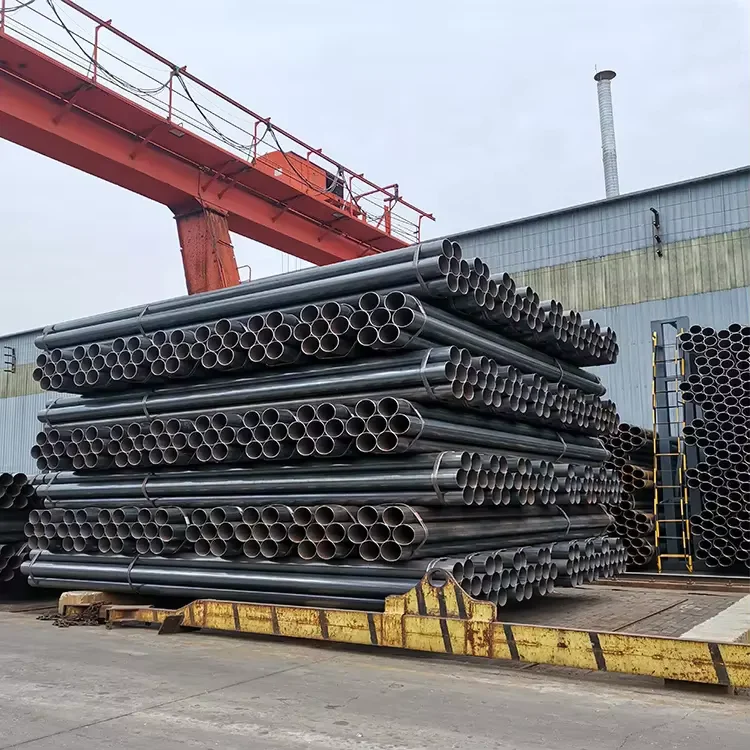
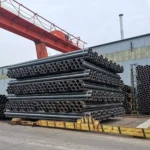
- SSAW pipes bundled with steel strips at intervals preventing sagging during 12 m length ocean transit
- Hot rolled surface protected with anti-rust oil coating for bare pipe or preserved coating integrity for 3LPE/FBE finished products
- Large diameter sections (above 1000 mm OD) loaded individually with specialized cradles maintaining roundness within ±1% tolerance
- Beveled ends protected with plastic caps preventing damage to weld preparation geometry during handling
- Heat number stenciled on each pipe end enabling field traceability verification against mill test certificates
- FOB, CIF, and DDP shipping terms available with professional container optimization for mixed diameter shipments
Initiating Your Pipeline Steel Procurement
Submit your project specifications including diameter range, wall thickness requirements, steel grade preference, coating needs, and destination port to receive detailed quotation with mill test certificate samples. Our engineering team reviews requirements within 12 hours and provides technical clarification on grade selection and coating recommendations specific to your service environment.
Secure Your API 5L SSAW Steel Pipe Supply
Provide specifications and quantity requirements to obtain pricing, certification documentation, and delivery schedule for your pipeline project.
Contact: Shandong Xin Jiyuan Special Steel Tube Co., Ltd
Email: admin@sdxjypipe.com
Mobile/WhatsApp: +86 188 5315 7756
Frequently Asked Questions
Q: What is the difference between SSAW, LSAW, and seamless pipe for pipeline applications?
A: SSAW (spiral submerged arc welded) pipe uses helical weld seams suitable for large diameters above 508 mm where seamless becomes cost-prohibitive. LSAW (longitudinal submerged arc welded) features straight seams ideal for thick wall high-pressure applications. Seamless pipe offers uniform strength but limited to smaller diameters and higher cost. As an API 5L SSAW steel pipe supplier, we specialize in spiral welded solutions for transmission and distribution pipelines.
Q: How do ASTM A36, A106, and A53 grades differ in application suitability?
A: ASTM A36 serves structural applications where yield strength and weldability matter more than pressure containment. A106 covers seamless carbon steel pipe for high-temperature service in boilers and superheaters. A53 addresses general low-pressure plumbing and mechanical applications. Grade selection depends on service temperature, pressure requirements, and applicable code specifications.
Q: What coating options are available for corrosion protection in different environments?
A: 3LPE (three-layer polyethylene) provides mechanical protection for rocky soil conditions. FBE (fusion bonded epoxy) offers chemical resistance for aggressive environments. Cement mortar lining extends internal service life for water pipelines. Coating selection depends on soil resistivity, moisture content, and service temperature requirements.
Q: What certifications are required for pipeline projects in different regions?
A: EU projects typically require CE marking per EN 10210/10219 standards. Middle East oil and gas contracts mandate API 5L compliance with third-party inspection. Southeast Asian infrastructure projects accept ASTM standards with mill test certificates. Certification requirements depend on project owner specifications and local import regulations.
Q: How are large diameter SSAW pipes secured for ocean freight?
A: Pipes above 1000 mm OD require individual cradle loading with specialized blocking preventing ovality deformation. Steel strip bundling at regular intervals maintains alignment during transit. Coated surfaces receive edge protection preventing damage to 3LPE or FBE finish. Loading protocols maintain dimensional tolerance throughout the supply chain.