Description
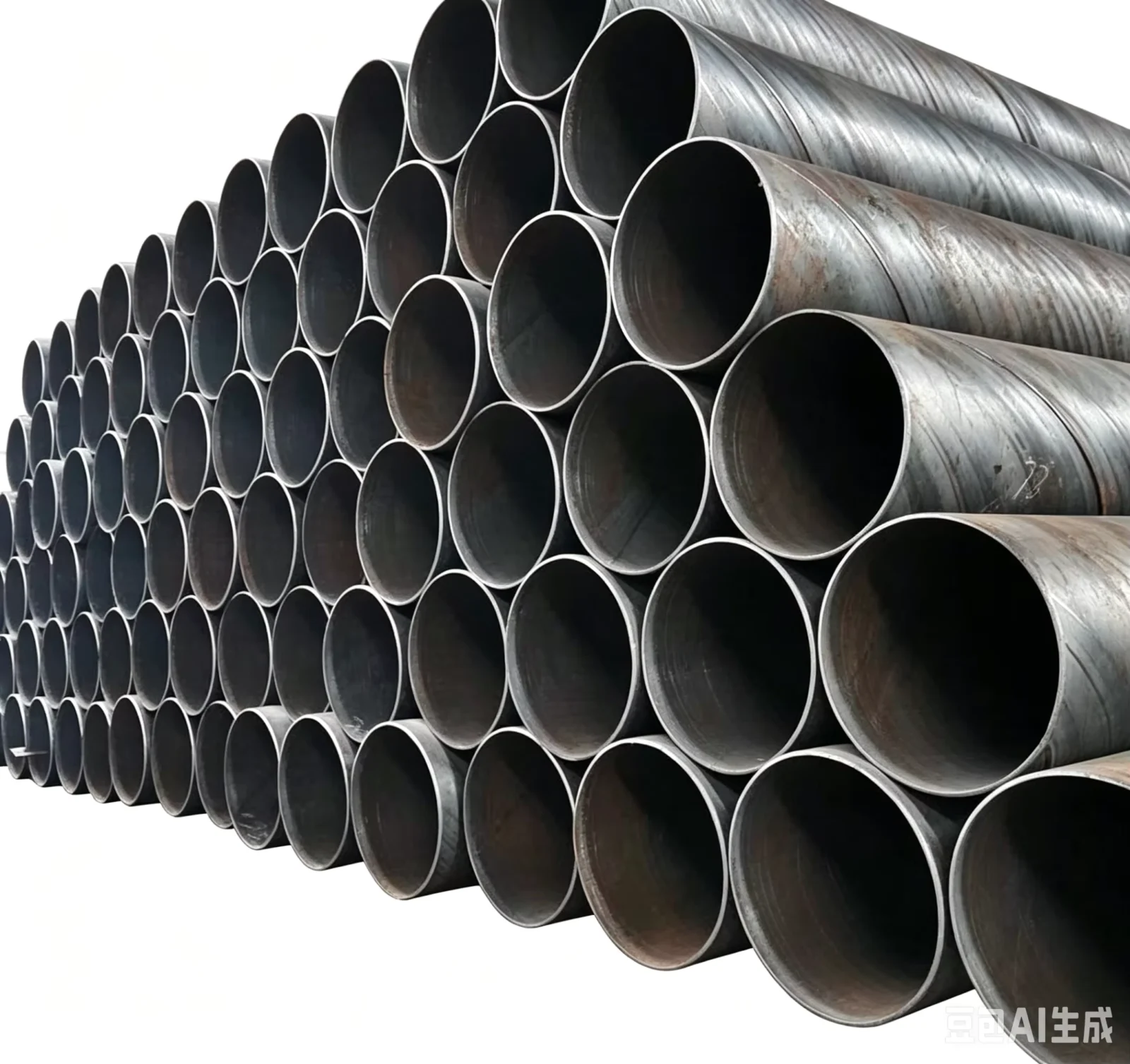
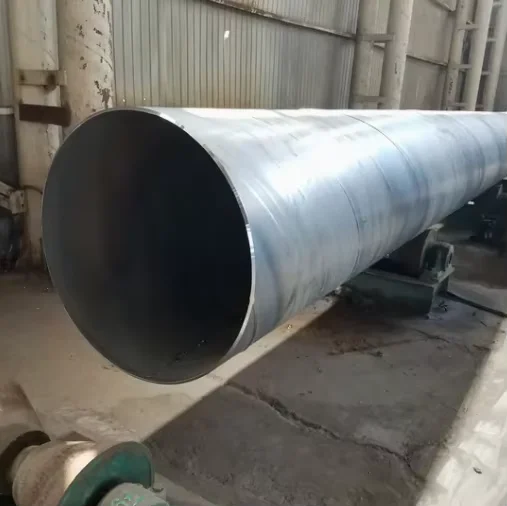
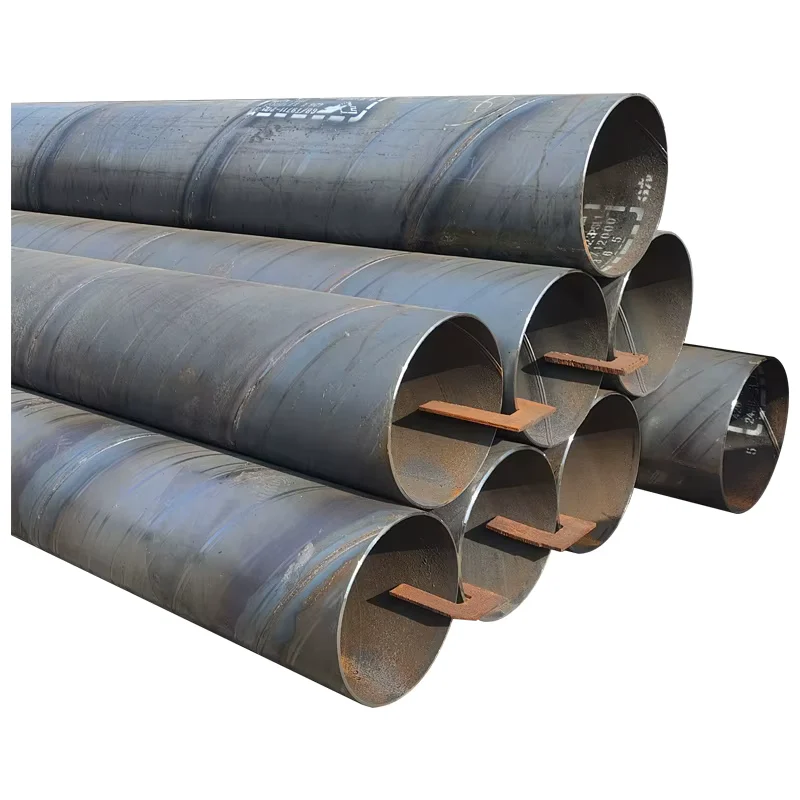
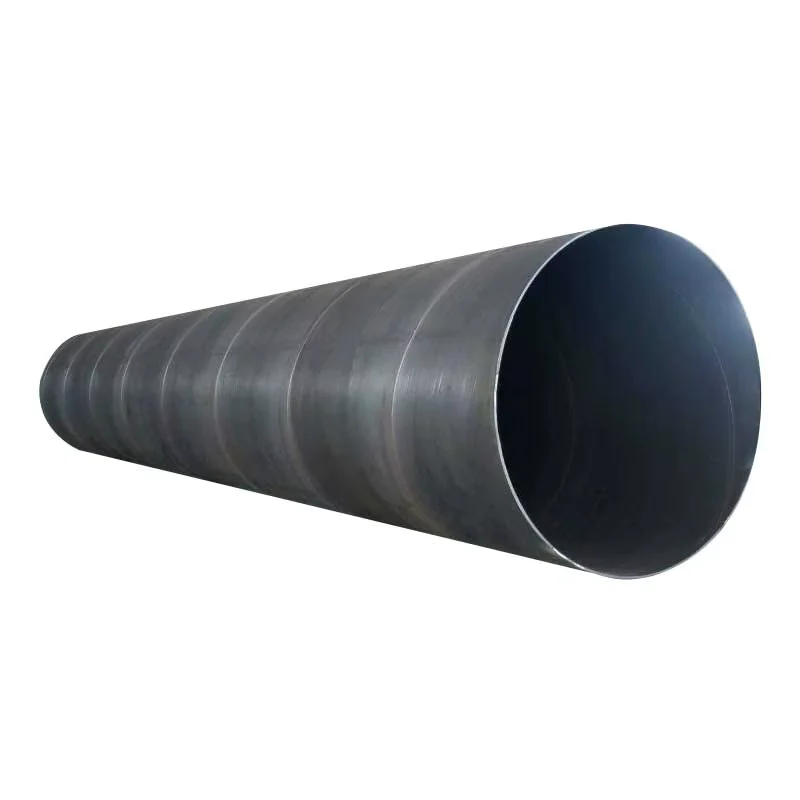
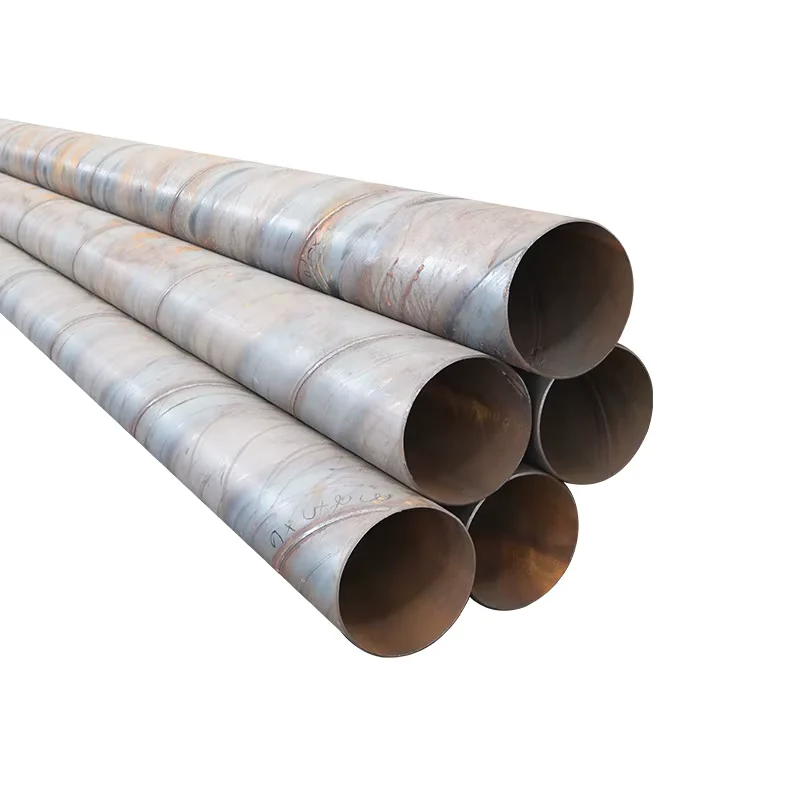
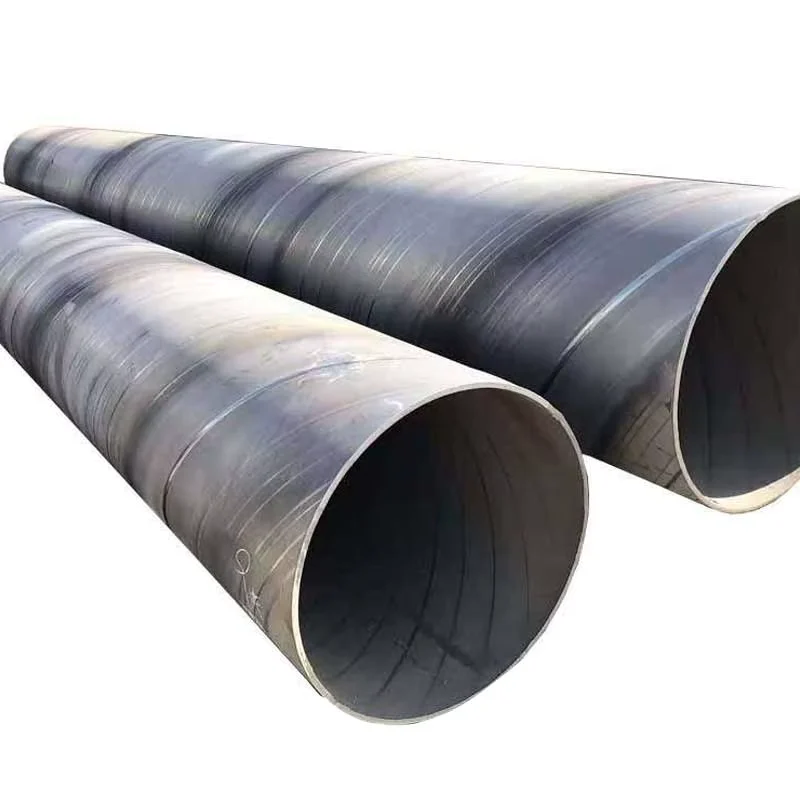
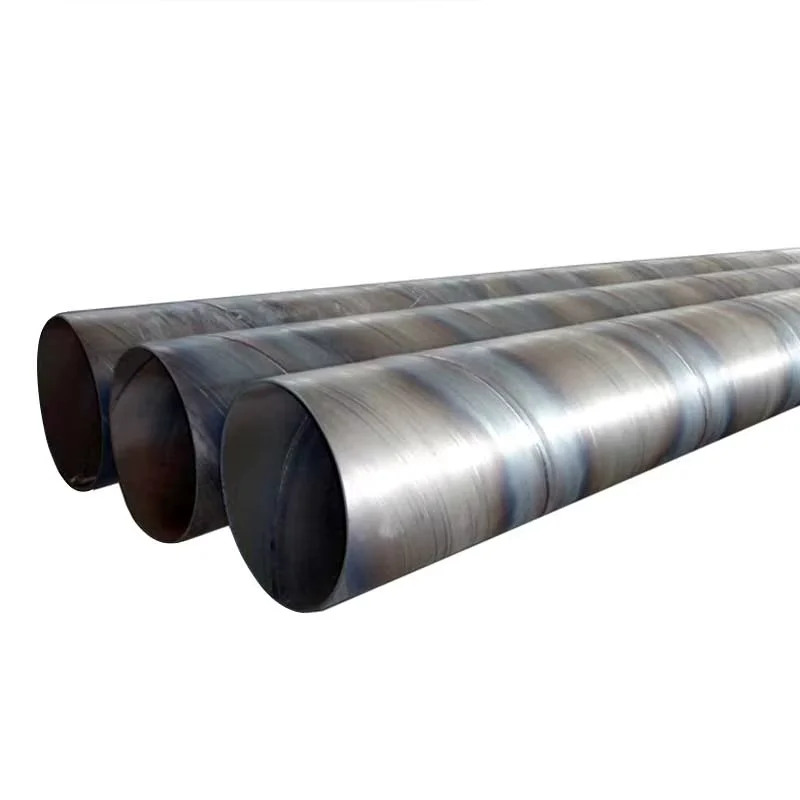
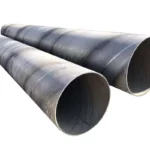
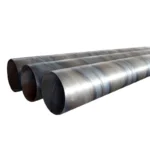
Factory-Direct SSAW Steel Pipe — Large-diameter spiral welded carbon steel pipes produced in-house under ASTM A20/A20M, JIS G3115, and DIN 17100 standards, shipped with full mill test certificates and third-party inspection support.
Technical Specifications
| Parameter | Value |
|---|---|
| Designation | SSAW Carbon Steel Pipe |
| Product Type | SSAW Steel Pipe / Spiral Submerged Arc Welded Steel Pipe |
| Steel Grade | ASTM A20/A20M |
| Standard | ASTM A20/A20M, JIS G3115, DIN 17100 |
| Section Shape | Round |
| Outer Diameter | 20–3220 mm |
| Wall Thickness | 0.5–100 mm |
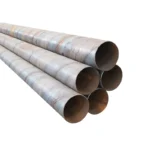
| Length | 1–18 m (standard 6 m / 12 m) |
| Technique | SSAW / Spiral Submerged Arc Welded |
| Surface Treatment | Hot Rolled, Oiled or Non-oiled |
| Ends | Plain, Beveled, Threaded, Socket with holes, with PVC cap/coupling/clamp |
| Tolerance | ±1% – ±5% |
| Protection | Plastic caps |
| Application | Fluid pipe, Oil pipe, Gas pipe, Construction pipe, Structural pipe, Oil casing, Precision tube |
| MOQ | Multiple of 4 items per batch |
| Origin | Shandong, China |
Application Suitability
| Industry | Typical Applications |
|---|---|
| Oil & Gas | Transmission pipelines, oil casing, gas distribution networks |
| Municipal Infrastructure | Water supply mains, sewage conveyance, drainage systems |
| Industrial Plants | Chemical fertilizer delivery lines, hydraulic piping, boiler feed lines |
| Construction & Structural | Pump well casings, greenhouse frames, fence posts, structural columns |
What Wall-Thickness Tolerance Costs on a Spiral Welded Pipeline Order
Negative tolerance beyond specification limits triggers third-party inspection rejection and full-container claims.
Sourcing large-diameter SSAW steel pipe supplier products for oil, gas, and water transmission projects often exposes buyers to three recurring problems: wall thickness variation that fails dimensional checks at destination, inconsistent end finishes that delay field welding, and missing or incomplete mill documentation that blocks customs clearance. On one project I supervised, a full container of spiral welded pipe was flagged because the wall thickness negative tolerance exceeded acceptable limits — the entire lot was rejected, and the project schedule slipped by weeks. That kind of failure does not come from the steel grade itself; it comes from uncontrolled production tolerances and absent pre-shipment verification. [NEED_CITE: dimensional tolerance requirements for spiral submerged arc welded steel pipe per ASTM A20]
Matching Large-Diameter SSAW Pipe to Pipeline and Structural Demands
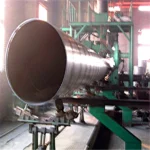
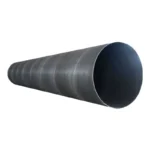
The OD range of 20–3220 mm and wall thickness up to 100 mm on this SSAW steel pipe supplier product line covers everything from small-bore fluid lines to heavy-wall transmission mains. Spiral submerged arc welding produces a continuous helical seam that distributes stress more evenly across the pipe body compared to straight-seam alternatives, making it suitable for high-pressure oil and gas conveyance as well as load-bearing structural columns. End finish options — plain, beveled, threaded, and socket — allow contractors to receive pipes ready for direct field welding or mechanical coupling without secondary machining on site.
Engineering Compliance and Certification Requirements
Pipeline projects governed by ASTM A20/A20M require documented chemical composition and mechanical property verification for every heat lot. For buyers importing into regulated markets, mill test certificates must conform to EN 10204 format, and third-party inspection by SGS or BV is often mandated before loading. Surface treatment selection — hot rolled oiled for indoor or short-term storage, non-oiled for applications requiring subsequent coating — directly affects corrosion resistance during ocean transit and field service life. [NEED_CITE: EN 10204 inspection document types for steel pipe mill test certificates]
Understanding SSAW Process and ASTM A20 Grade Selection
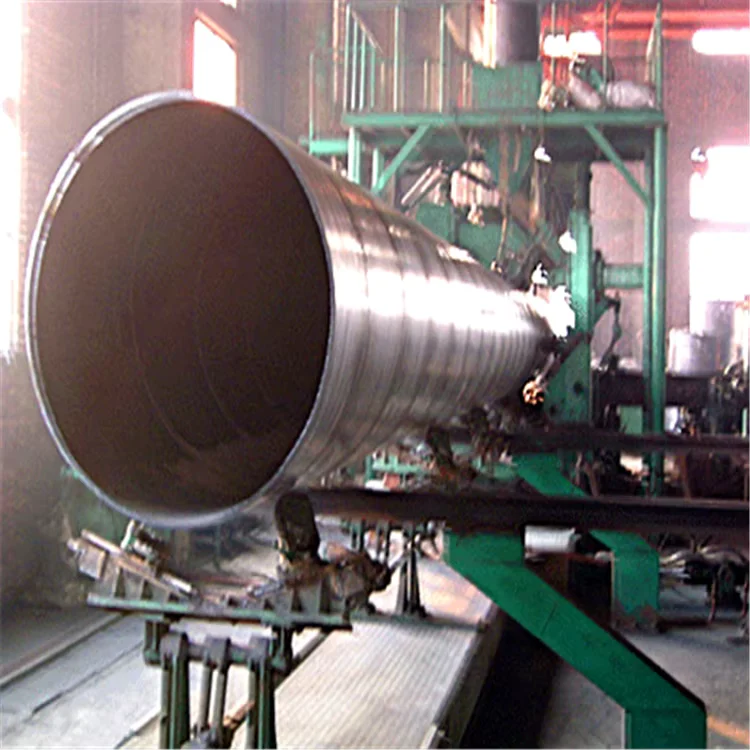
Spiral submerged arc welding forms the seam by continuously feeding the steel strip at a helical angle while submerged arc flux protects the weld pool from atmospheric contamination. This process allows production of large-diameter pipes from relatively narrow strip widths, reducing material cost compared to seamless alternatives for non-critical pressure applications. ASTM A20/A20M serves as a general requirements standard covering ordering information, material testing, and inspection procedures — it works in conjunction with specific product specifications to define chemical composition limits and mechanical testing protocols. JIS G3115 and DIN 17100 provide equivalent frameworks for Japanese and European specification systems respectively, and grade cross-referencing between these standards requires careful attention to differences in testing temperature and impact energy requirements. [NEED_CITE: steel grade equivalence between ASTM A20, JIS G3115, and DIN 17100 standards]
The Hidden Cost of Incorrect Tolerance and Missing Documentation
Purchasing SSAW steel pipe supplier products without verified dimensional tolerance control leads to field-fit failures where pipes do not align at weld joints, requiring costly rework or outright replacement. Missing or incorrect mill test certificates cause customs holds in destination countries, particularly in EU and Middle East markets where EN 10204 3.1 or 3.2 documentation is mandatory. Undeclared negative tolerance on wall thickness reduces actual load-bearing capacity below design specifications, creating structural safety risks that only surface during project inspection — long after payment has been released. [NEED_CITE: consequences of wall thickness negative tolerance on structural pipe load capacity]
Procurement Confidence Through Verified Production Capability
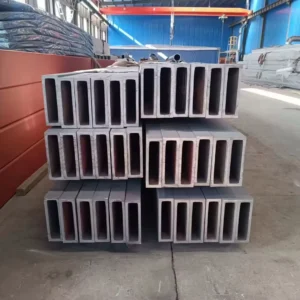
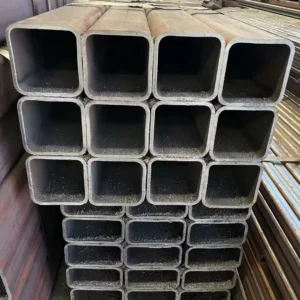
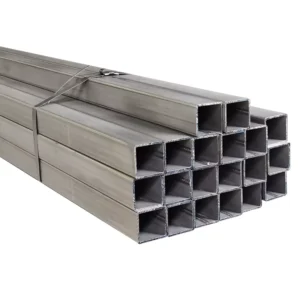
Every SSAW steel pipe supplier order from our facility passes through an in-house physical and chemical laboratory where dimensional measurements, mechanical testing, and chemical composition analysis are completed before dispatch. Wall thickness is measured and photographed at multiple points along each pipe before loading — a practice adopted after early export experience showed that tolerance documentation alone was insufficient to prevent destination disputes. Our production lines cover over 2,800 specifications across square, rectangular, and round profiles, allowing buyers to consolidate spiral welded pipe with structural sections and hollow sections in a single shipment. Full international certifications including ISO 9001:2015, Lloyd’s CE marking per EN 10210/10219, and Singapore FPC ensure documentation readiness for regulated-market imports across 50+ destination countries.
Documentation & Compliance
- Mill test certificate documenting ASTM A20/A20M chemical composition and mechanical properties per heat number, formatted to EN 10204 3.1 standards
- CE certificate per EN 10210/EN 10219 for structural hollow section compliance, required for EU market customs clearance
- ISO 9001:2015 quality management system certificate covering full production and inspection traceability
- SGS or BV third-party inspection report available upon request, covering dimensional verification, visual examination, and witness testing before loading
- Material traceability maintained by heat number from coil receipt through final pipe delivery, supporting project-specific material certification requirements
- Complete customs documentation including packing list, bill of lading, and certificate of origin formatted for destination country import regulations
Packaging, Loading & Delivery
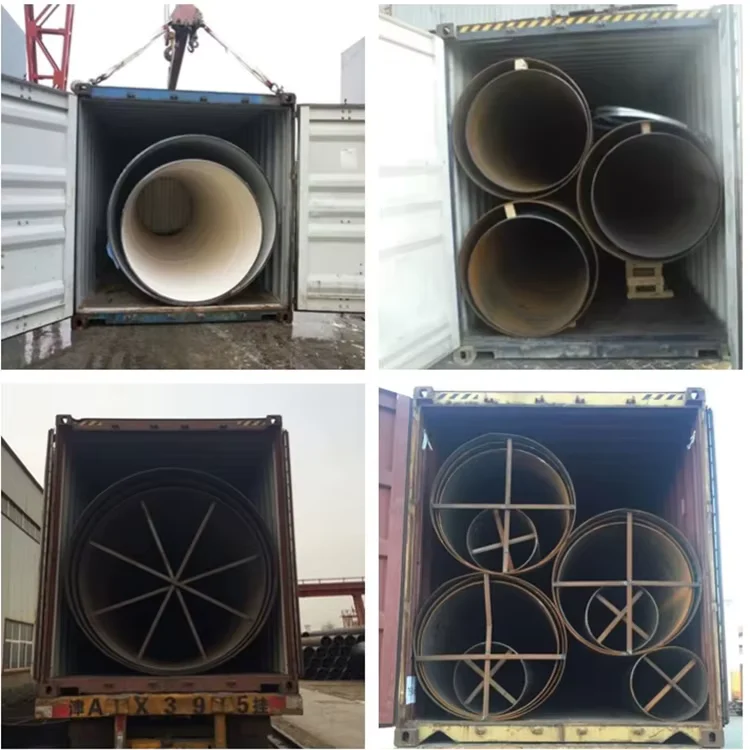
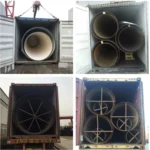
- Large-diameter SSAW pipes bundled with steel strips and protected by plastic end caps to prevent rim damage and moisture ingress during ocean transit
- Hot rolled oiled surfaces receive additional wrapping protection to preserve the oil film against salt spray exposure during multi-week sea freight
- Container loading optimized for OD 20–3220 mm range with nested or stacked configurations to maximize payload per 20ft and 40ft containers
- Custom cutting to 1–18 m lengths available, with standard 6 m and 12 m lengths pre-stocked for rapid dispatch on urgent project requirements
- Heat number and steel grade markings stenciled on each pipe end for site identification and traceability verification during installation
- FOB, CIF, and DDP shipping terms available with professional loading supervision to prevent surface damage and bending during container stuffing
Starting Your SSAW Steel Pipe Procurement
Submit your specification sheet including outer diameter, wall thickness, length, steel grade, end finish, and destination port to receive a detailed quotation with unit pricing, production lead time, and shipping terms. Our team responds within 12 hours with a complete offer including mill test certificate format confirmation and third-party inspection arrangement options.
Request Your SSAW Steel Pipe Quotation with Mill Test Certificate
Send your dimensions, steel grade, and quantity to receive pricing and documentation confirmation within 12 hours.
Shandong Xin Jiyuan Special Steel Tube Co., Ltd
Website: www.sdxjypipe.com
Tel: +86 531 8573 6315
Mobile/WhatsApp/WeChat: +86 188 5315 7756
Email: admin@sdxjypipe.com
Frequently Asked Questions
Q: What is the difference between SSAW, ERW, and seamless pipe for oil and gas pipeline projects?
A: SSAW pipe uses spiral submerged arc welding to form a helical seam, allowing large diameters up to 3220 mm from narrower strip widths at lower cost than seamless. ERW pipe uses high-frequency electric resistance welding with a straight longitudinal seam, suitable for medium diameters with tight dimensional tolerance. Seamless pipe is produced by piercing a solid billet, offering the highest pressure rating for critical service. Selection depends on diameter requirements, pressure rating, and project budget.
Q: How do ASTM A20, JIS G3115, and DIN 17100 standards relate to each other?
A: ASTM A20/A20M is a general requirements standard that works alongside specific product specifications to define ordering information, testing, and inspection procedures. JIS G3115 covers plates and sheets for pressure vessels in the Japanese specification system. DIN 17100 addresses structural steel grades in the German/European system. Grade equivalence requires cross-referencing chemical composition limits, mechanical property requirements, and testing temperatures between standards.
Q: What does the mill test certificate include and how can third-party inspection be arranged?
A: The mill test certificate documents chemical composition and mechanical properties for each heat number, formatted per EN 10204 requirements. Third-party inspection by SGS or BV can be arranged before loading to witness dimensional measurements, visual examination, and testing procedures. Inspection reports are issued directly by the third-party agency and provided to the buyer before shipment.
Q: How should I specify end finishes for field welding applications?
A: Plain ends are suitable for socket-weld or coupling connections. Beveled ends are prepared for butt-weld field joints with specific bevel angles per project welding procedure specifications. Threaded ends allow mechanical connection without welding. Socket ends with holes accommodate drainage or venting requirements. PVC caps protect all end finishes during transit and should be removed only immediately before field installation.
Q: What protection measures are used for large-diameter pipes during ocean freight?
A: Plastic end caps prevent rim damage and block moisture entry. Steel strip bundling maintains pipe alignment during handling. For oiled surfaces, additional wrapping protects the oil film from salt spray. Container loading uses nested or blocked configurations to prevent movement. Loading supervision with photographic documentation confirms condition before container sealing.