Description
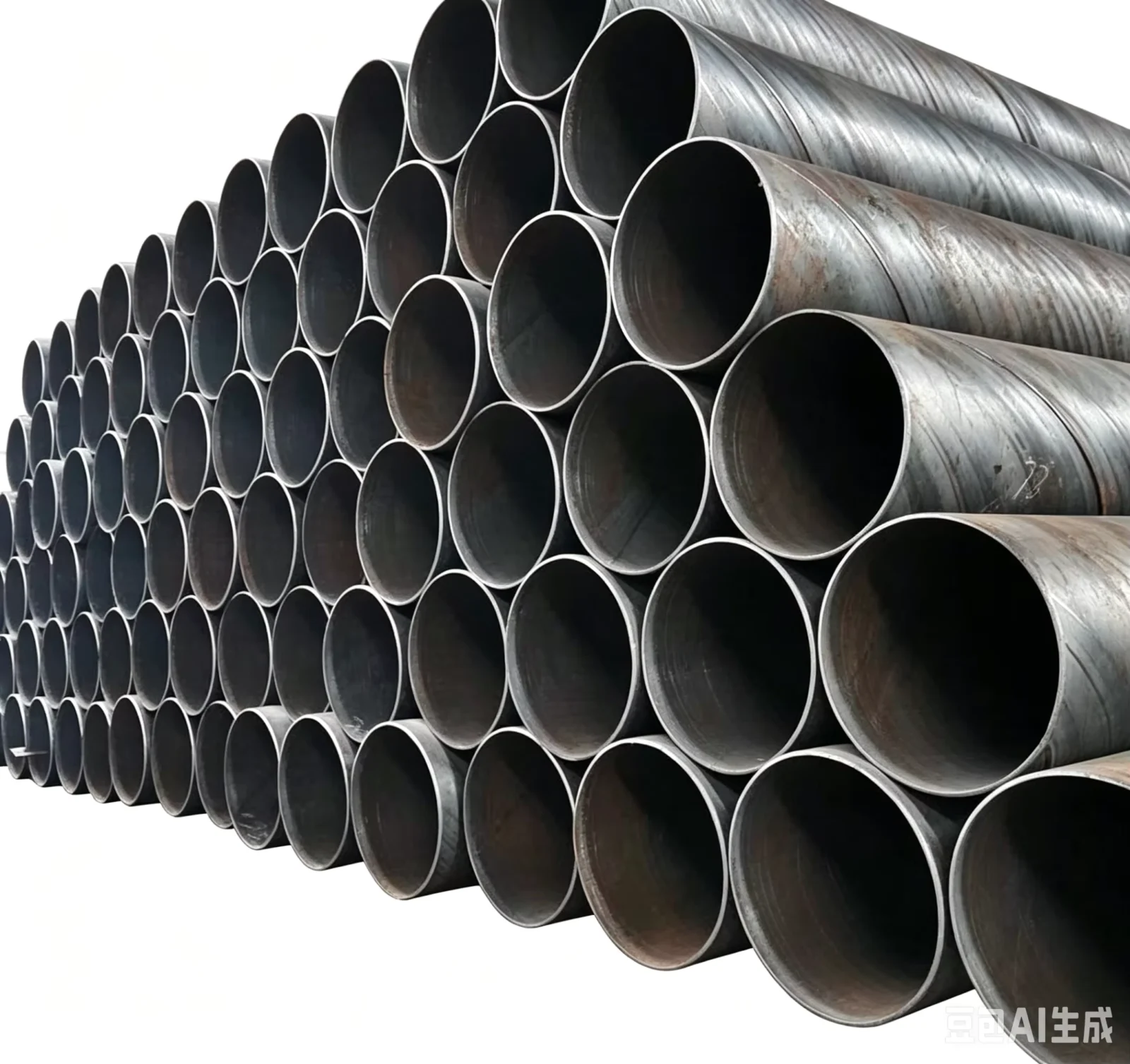
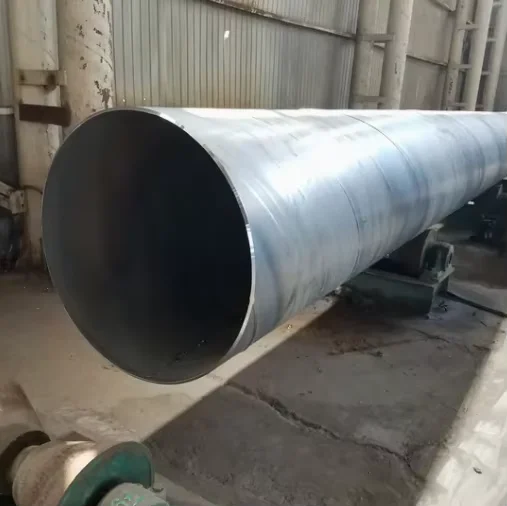
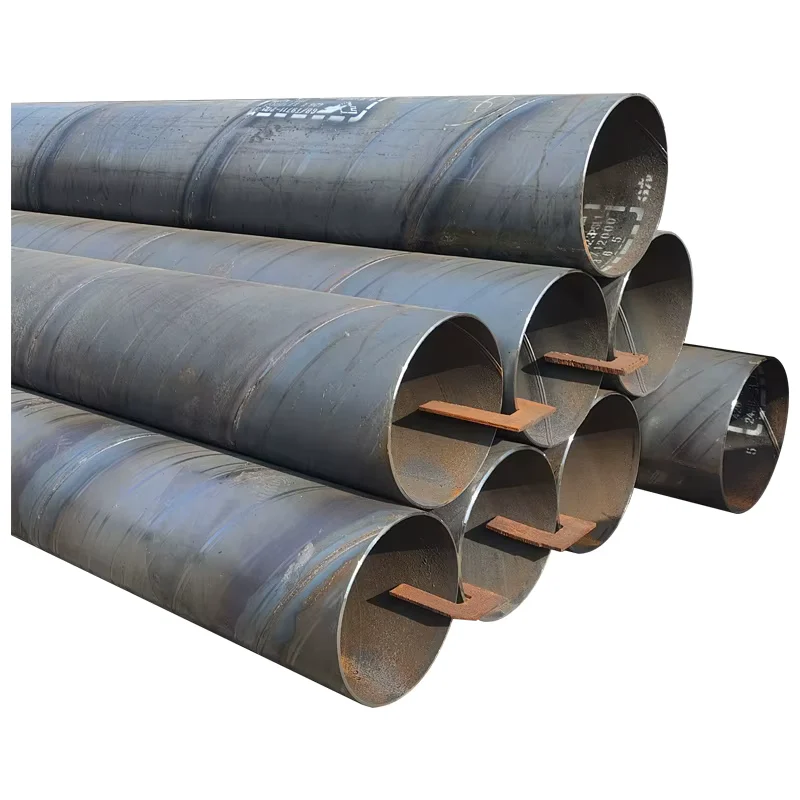
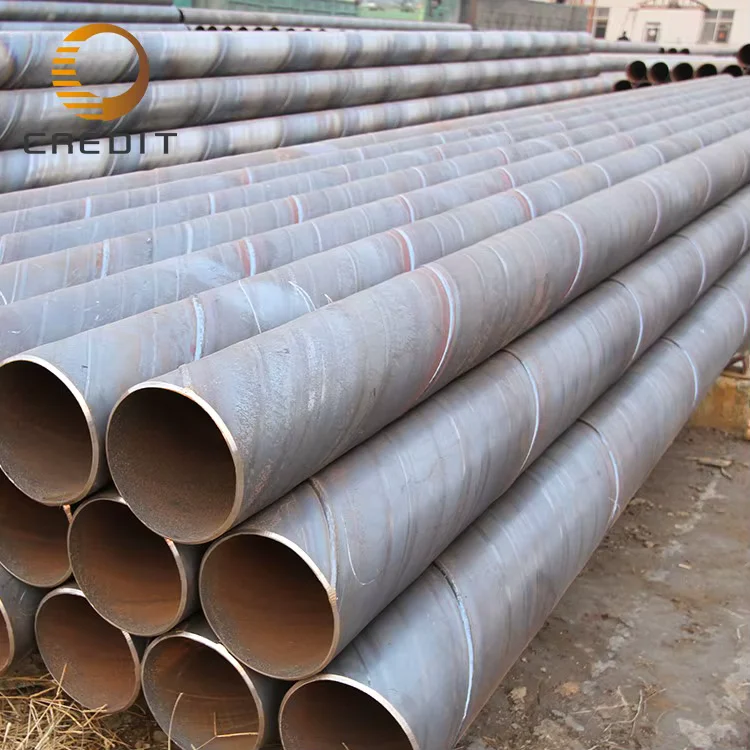
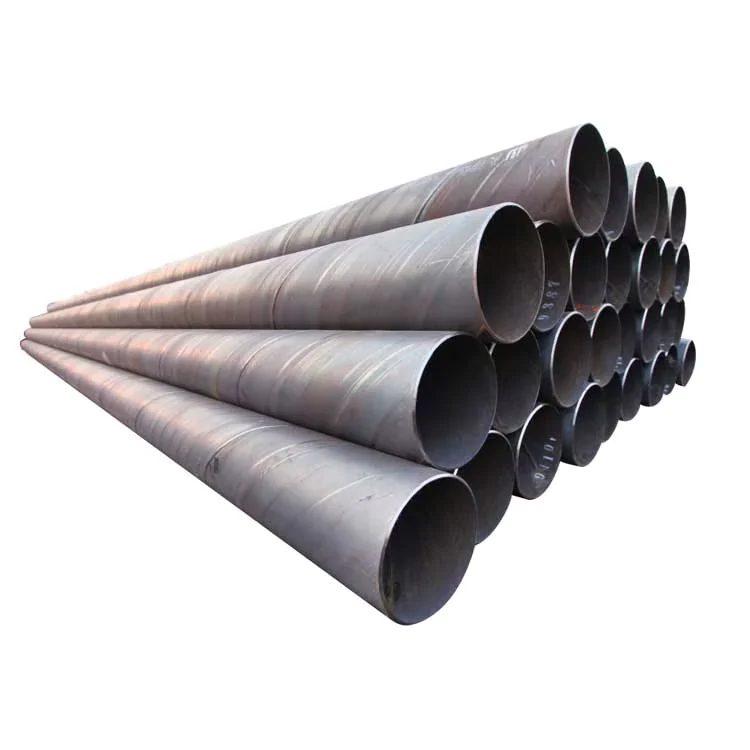
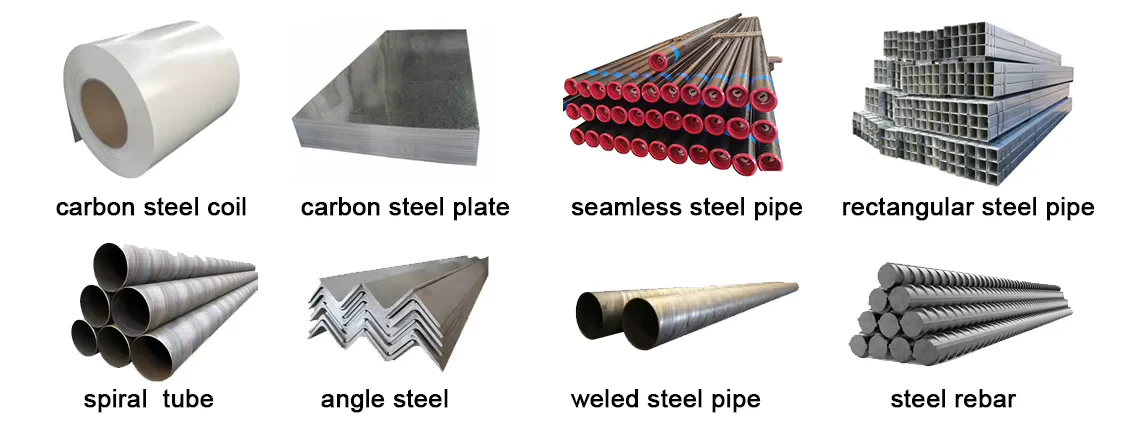
API 5L SSAW steel pipe supplier — Consolidating Gr.B through X70 spiral welded pipes in OD 219–3048 mm from a single production source with in-house laboratory testing.
Technical Specifications
| Parameter | Value |
|---|---|
| Designation | SSAW Steel Pipe |
| Product Type | Spiral Submerged-Arc Welded Pipe |
| Steel Grade | Gr.B, X42, X46, X52, X60, X65, X70 |
| Standard | API 5L, ASTM A252, GB/T 9711.1/.2, EN 10219, BS, JIS |
| Section Shape | Round |
| Outer Diameter | 219–3048 mm |
| Wall Thickness | 4.5–25.4 mm |
| Length | 6–50 m (standard 6 m / 12 m; customer’s request accepted) |
| Technique | SSAW (Spiral Submerged-Arc Welded) |
| Surface Treatment | Oiled / Paint / Black / 3PE / Customer’s requirement |
| Ends | Plain / Beveled / Threaded |
| Tolerance | ±1% / ±5% |
| Invoicing | By theoretical weight |
| Processing Service | Welding / Punching / Cutting |
| Application | Oil & gas transportation / Fluid & liquid transport / Sewage & water pipeline / Structural piling / Chemical fertilizer pipeline / Boiler & hydraulic systems |
| MOQ | 10 Tons |
| Origin | Shandong, China |
Application Suitability
| Industry | Typical Applications |
|---|---|
| Oil & Gas EPC | Onshore and offshore transmission pipelines, gathering lines, flow lines |
| Municipal Infrastructure | Large-diameter water transmission mains, sewage outfall pipelines, stormwater drainage |
| Civil & Structural Engineering | Bridge foundation piling, port jetty piles, high-rise building deep foundations |
| Industrial Plant | Chemical fertilizer process pipelines, boiler feedwater systems, hydraulic conveyance |
Why Wall-Thickness Tolerance on Large-Diameter SSAW Pipes Decides Project Acceptance
A single heat failing SGS re-inspection at destination port can cost more in demurrage than the entire pipe order.
When you source API 5L SSAW steel pipe in large diameters above 1000 mm for oil & gas or piling projects, the wall thickness tolerance becomes the silent budget killer. Standard mills often quote ±5% tolerance on OD and wall, but actual production drifts toward the negative boundary — especially on spiral welded pipes where forming tension and weld seam alignment interact across a wide strip width. I once watched a shipment of SSAW pipes get held at Jebel Ali because the third-party inspector pulled ultrasonic readings on random joints and found wall thickness consistently below the API 5L minimum at the 6 o’clock position. The pipes were technically within the mill’s stated ±5% tolerance, but the project spec called for no point below minimum wall — and that is where the argument started. [NEED_CITE: API 5L PSL2 dimensional tolerance requirements for spiral welded pipe]
Matching Large-Diameter Spiral Welded Pipe to Pipeline and Piling Engineering
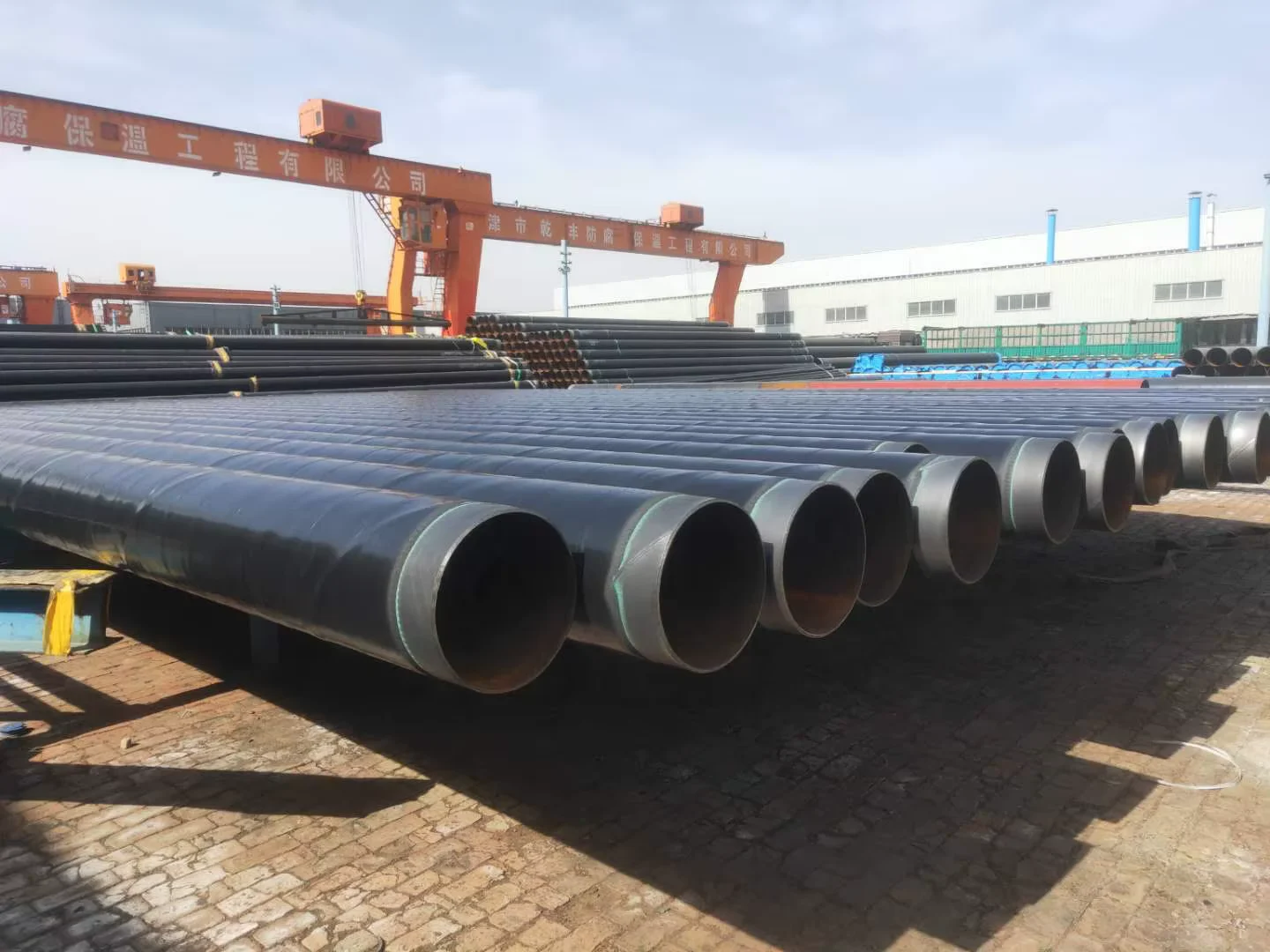
API 5L SSAW steel pipe in OD 219–3048 mm covers the full spectrum from municipal water mains to offshore transmission lines. The spiral forming process allows a single strip width to produce multiple diameters — an advantage when a piling contractor needs 914 mm piles for a bridge foundation and 1420 mm for a port jetty from the same steel grade. For oil & gas transmission in X52 through X70, the spiral weld seam must meet API 5L PSL2 requirements for full-length ultrasonic inspection and hydrostatic testing at the mill. Our in-house physical and chemical laboratory tests every heat for tensile strength, yield point, elongation, and Charpy impact before release — the same data the SGS inspector will verify at destination.
Engineering Compliance: API 5L, CE Marking, and Dimensional Verification
Pipeline projects governed by API 5L require PSL1 or PSL2 designation depending on service severity — PSL2 adds mandatory Charpy impact testing, stricter carbon equivalent limits, and full-body ultrasonic examination of the weld seam. [NEED_CITE: API 5L PSL1 vs PSL2 technical requirements] For European market piling or structural applications, CE certification per EN 10219 is required for customs clearance, and the mill test certificate must reference the correct EN designation alongside the API grade equivalence. Wall thickness tolerance of ±1% applies to precision orders while ±5% covers standard pipeline supply — the choice directly affects theoretical weight invoicing and structural load calculations. Beveled ends per API 5L prepare the pipe for field girth welding, while plain ends suit mechanical coupling or piling driving.
Steel Grade Selection: From Gr.B to X70 Across API 5L Requirements
The API 5L grade system progresses from Gr.B (minimum yield 241 MPa) through X42, X52, X60, X65, to X70 — each step increasing minimum yield strength by approximately 41–69 MPa to match higher operating pressures or deeper piling driving conditions. X52 and X60 dominate onshore gas transmission, while X65 and X70 serve high-pressure offshore lines where wall thickness reduction offsets the premium alloy cost. The spiral submerged-arc welding process uses dual-wire configuration with flux coverage, producing a helical seam with mechanical properties matching or exceeding the parent plate — critical when the weld seam must survive flattening tests and bend tests per API 5L. Surface treatment selection depends on service environment: 3PE anti-corrosion coating for buried oil & gas lines, oiled or painted for temporary protection during construction, and black finish for structural piling driven into soil or marine sediment.
The Hidden Cost of Negative Wall Tolerance and Missing Mill Certificates
Ordering API 5L SSAW steel pipe based on theoretical weight invoicing without verifying actual wall thickness at delivery creates a cascade of hidden costs. If the mill consistently produces at the negative edge of tolerance, the pipe passes mill inspection but fails the project’s minimum-wall specification — triggering rejection,返工, or costly downgrading. Missing or incomplete mill test certificates block customs clearance in EU markets where CE EN 10219 compliance is mandatory, while incorrect grade marking (e.g., stamping X52 on material that only meets X42 chemistry) creates structural liability that surfaces only during hydrostatic commissioning. [NEED_CITE: steel grade equivalence mapping between API 5L and ASTM A252]
Procurement Confidence: Laboratory Testing, Certification, and Single-Source Supply
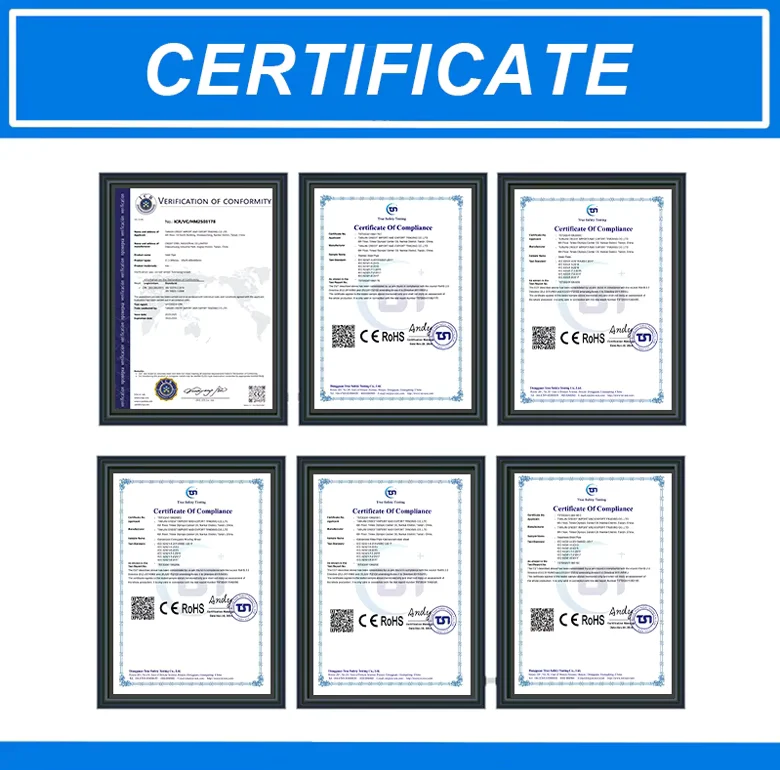
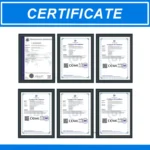
Every API 5L SSAW steel pipe leaving our facility carries a mill test certificate generated from in-house physical and chemical laboratory testing — tensile, yield, elongation, impact, and chemical composition verified per heat number. We hold API 5L, CE (EN 10219), ISO 9001:2015, and third-party verification from SGS and BV — the documentation package required for EU customs, Middle East oil & gas projects, and Southeast Asian piling contracts. Our production covers OD 219–3048 mm with wall thickness up to 25.4 mm across the full API 5L grade range from Gr.B to X70, eliminating the need to source small-diameter transmission pipe from one mill and large-diameter piling pipe from another. Custom lengths up to 50 m, non-standard wall thickness, and 3PE coating applied per project specification reduce field welding joints and accelerate construction schedules. Professional container and bulk vessel loading with anti-damage measures ensures pipes arrive without ovality deformation or coating damage that triggers destination rejection.
Documentation & Compliance
- Mill test certificate documenting API 5L X52 chemical composition (C, Mn, Si, P, S, CE) and mechanical properties (yield, tensile, elongation, Charpy impact) per heat number
- CE certificate per EN 10219 for cold-formed welded structural hollow sections, required for EU market customs clearance
- ISO 9001:2015 quality management system certificate covering SSAW pipe production, testing, and export packaging
- SGS or BV third-party inspection report verifying dimensional accuracy, wall thickness, and weld seam quality before shipment
- Material traceability linking each pipe to heat number, steel grade, and production date for project quality records
- Complete customs documentation including packing list, bill of lading, certificate of origin, and commercial invoice
Packaging, Loading & Delivery
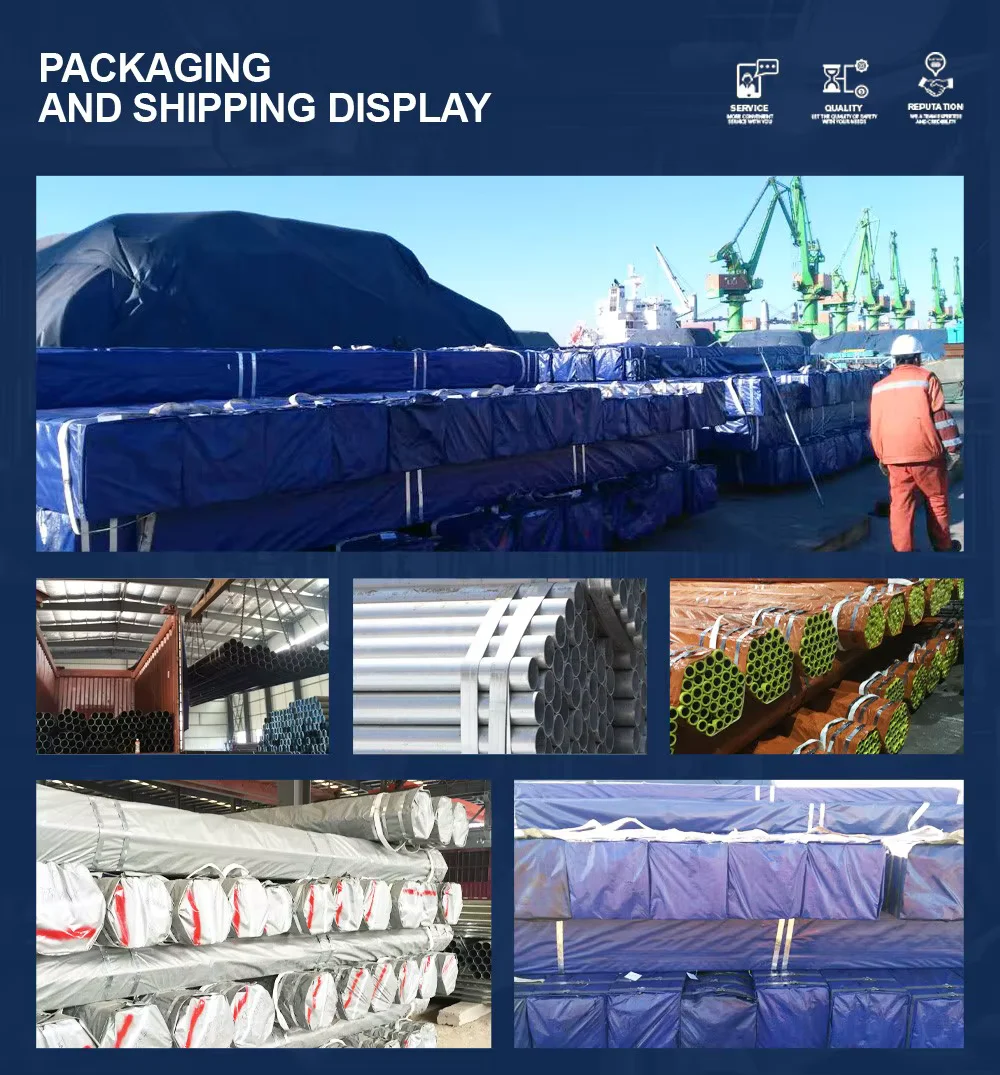
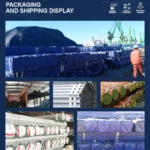
- API 5L SSAW steel pipes bundled with steel strips and edge protectors to preserve beveled ends and 3PE coating during ocean transit
- Oiled or painted surface protected by plastic wrapping at weld seams and pipe ends to prevent moisture corrosion during storage
- Container loading optimized for 6 m and 12 m standard lengths with wooden cradles preventing point contact and ovality deformation on large-diameter pipes above 1000 mm OD
- Custom cutting to project-specified lengths between 6–50 m with heat number and steel grade stenciled on each pipe for site traceability
- FOB, CIF, and DDP shipping terms available with professional bulk vessel or container loading supervised to prevent coating damage
- Complete export documentation package prepared per destination country requirements including API 5L certification and CE marking for EU markets
Start Your SSAW Pipe Procurement With Verified Specifications
Submit your API 5L SSAW steel pipe requirements including outer diameter, wall thickness, steel grade (Gr.B through X70), surface treatment, quantity, and destination port — receive a detailed quotation with mill test certificate sample, production lead time, and shipping terms within 12 hours. Non-standard sizes, custom lengths, and 3PE coating specifications reviewed by our technical team for feasibility and pricing. Third-party inspection by SGS or BV arranged at your request before shipment to confirm dimensional accuracy and coating quality.
Request Quotation With Mill Test Certificate
Send your API 5L SSAW steel pipe specifications to admin@sdxjypipe.com or contact via WhatsApp at +86 188 5315 7756 for pricing, certification verification, and delivery scheduling.
Frequently Asked Questions
Q: How do API 5L grades X42, X52, X60, X65, and X70 map to ASTM A252 and GB/T 9711 equivalents?
A: API 5L X42 corresponds to ASTM A252 Grade 2 and GB/T 9711 L290; X52 maps to ASTM A252 Grade 3 and GB/T 9711 L360; X60 aligns with GB/T 9711 L415; X65 matches GB/T 9711 L450; X70 corresponds to GB/T 9711 L485. Mill test certificates document the actual chemical composition and mechanical properties per the specified standard.
Q: What does the mill test certificate include and how do I request third-party re-inspection?
A: Each mill test certificate documents chemical composition (carbon, manganese, silicon, phosphorus, sulfur, carbon equivalent) and mechanical properties (yield strength, tensile strength, elongation, Charpy impact values) per heat number. SGS or BV third-party inspection can be arranged before shipment to verify wall thickness, dimensional accuracy, weld seam quality, and coating thickness at your request.
Q: What are the MOQ and lead time for custom wall thickness, length, or 3PE coating orders?
A: Standard MOQ is 10 tons. Standard sizes in common grades ship from stock, while custom wall thickness, non-standard lengths up to 50 m, or 3PE anti-corrosion coating enter production with typical lead times confirmed upon order. Technical feasibility reviewed for non-standard specifications before contract signing.
Q: How do I choose between 3PE coating, epoxy, oiled, or black finish for different service environments?
A: 3PE anti-corrosion coating suits buried oil & gas pipelines and marine environments requiring long-term corrosion protection. Epoxy coating provides chemical resistance for industrial process pipelines. Oiled finish offers temporary protection during transit and construction. Black finish is standard for structural piling driven into soil where coating damage during driving is acceptable.
Q: What export documentation and certification is required for EU, Middle East, and Southeast Asian markets?
A: EU markets require CE certification per EN 10219 for structural applications and EN 10210 for seamless hollow sections. Middle East oil & gas projects require API 5L PSL1 or PSL2 certification with mill test certificates. Southeast Asian piling and water projects accept API 5L, ASTM A252, or GB/T 9711 with SGS or BV inspection reports. Complete customs documentation including packing list, bill of lading, and certificate of origin provided for all shipments.