
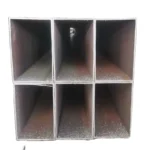
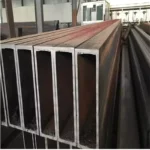
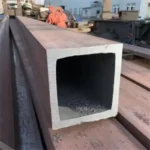
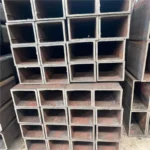
Description
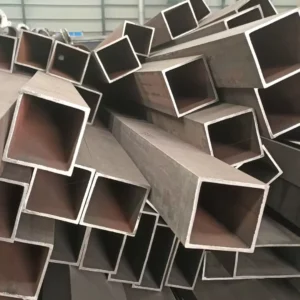
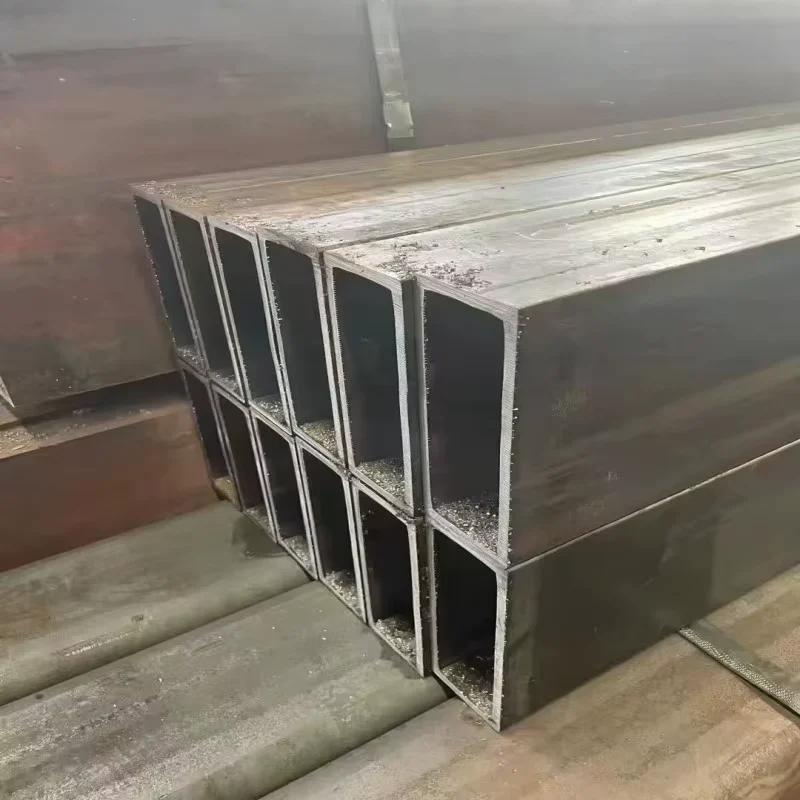
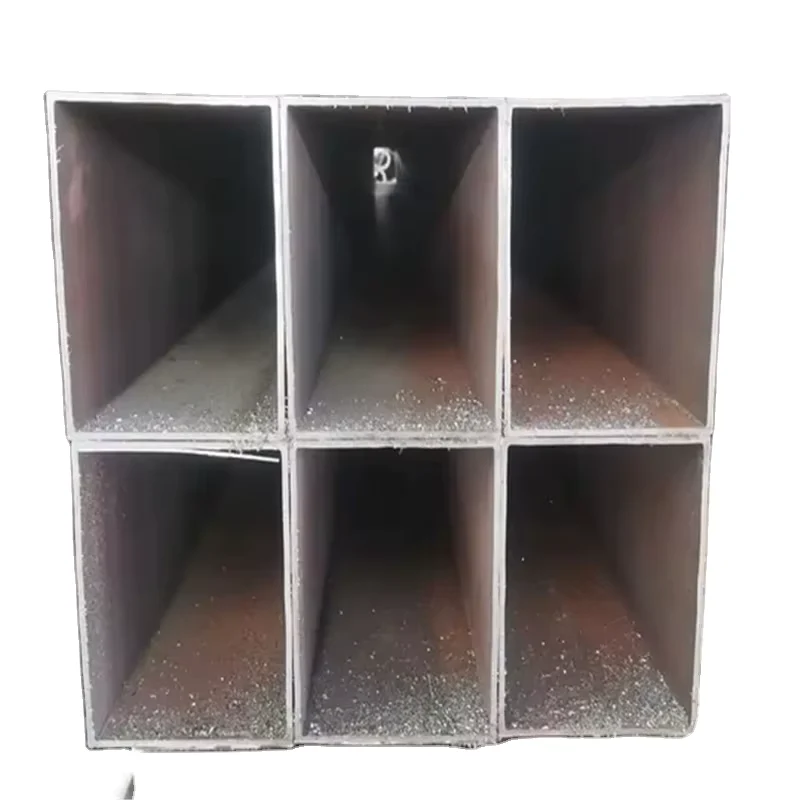
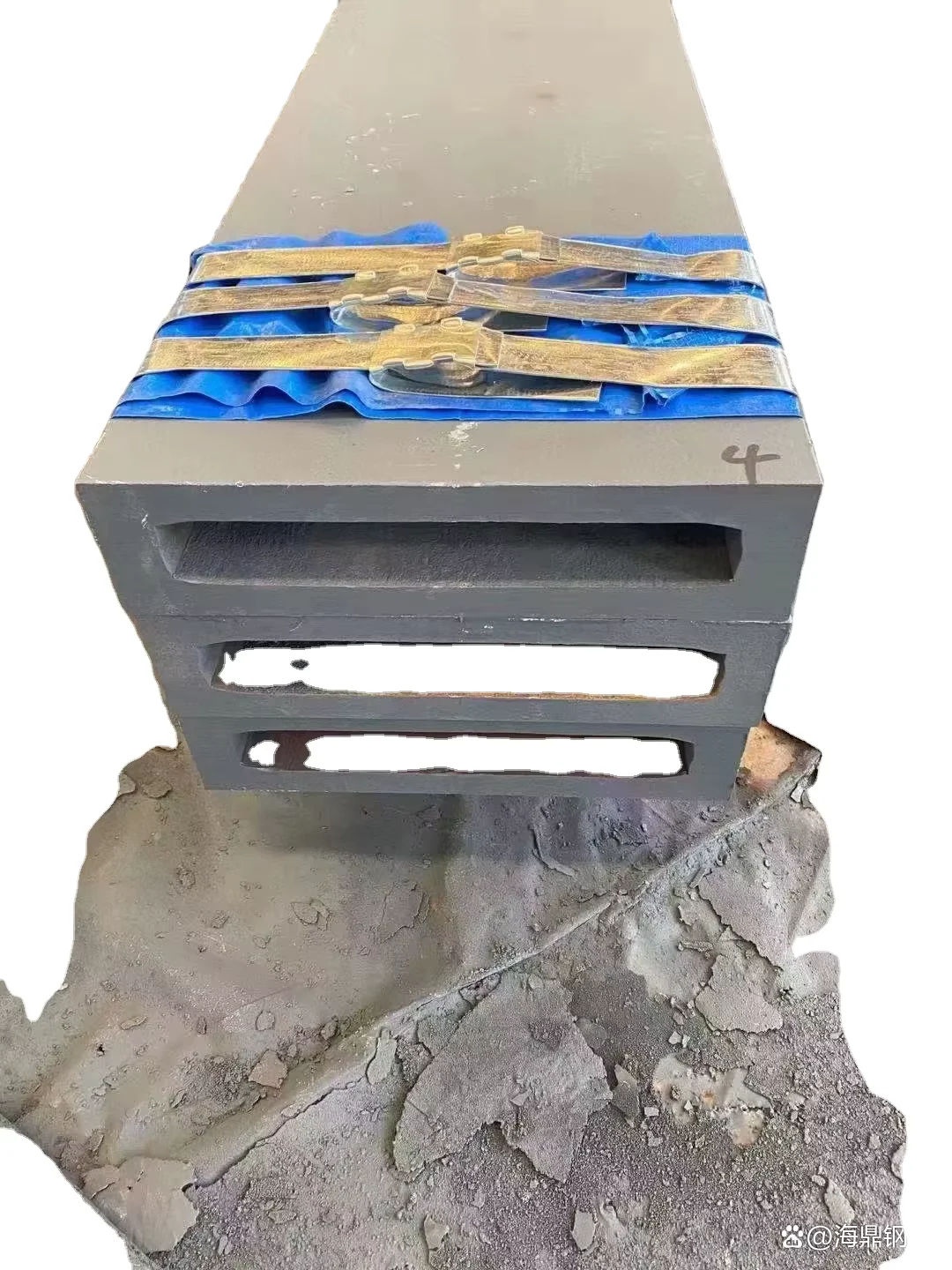
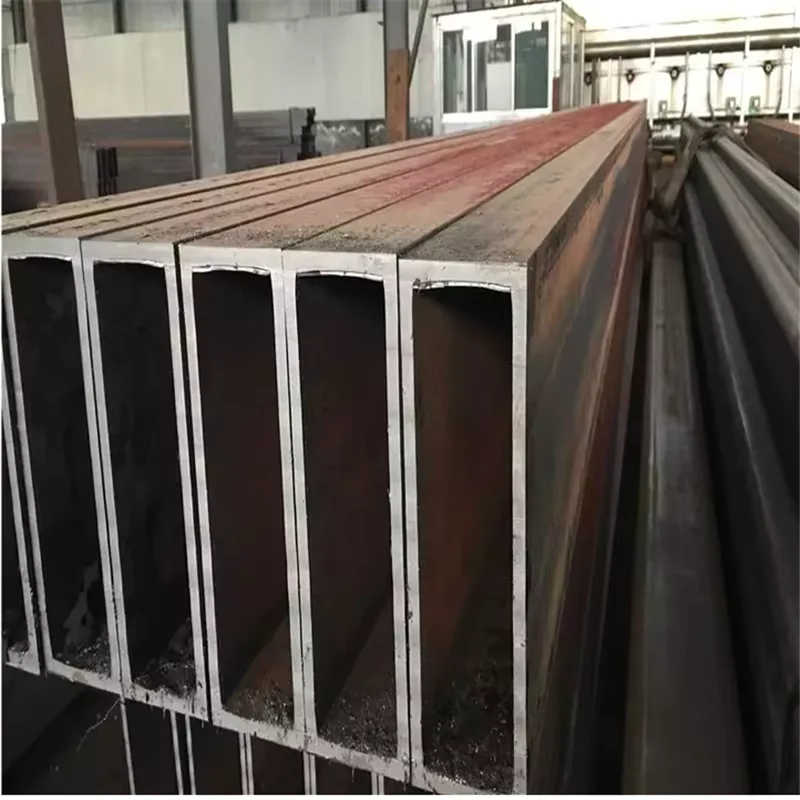
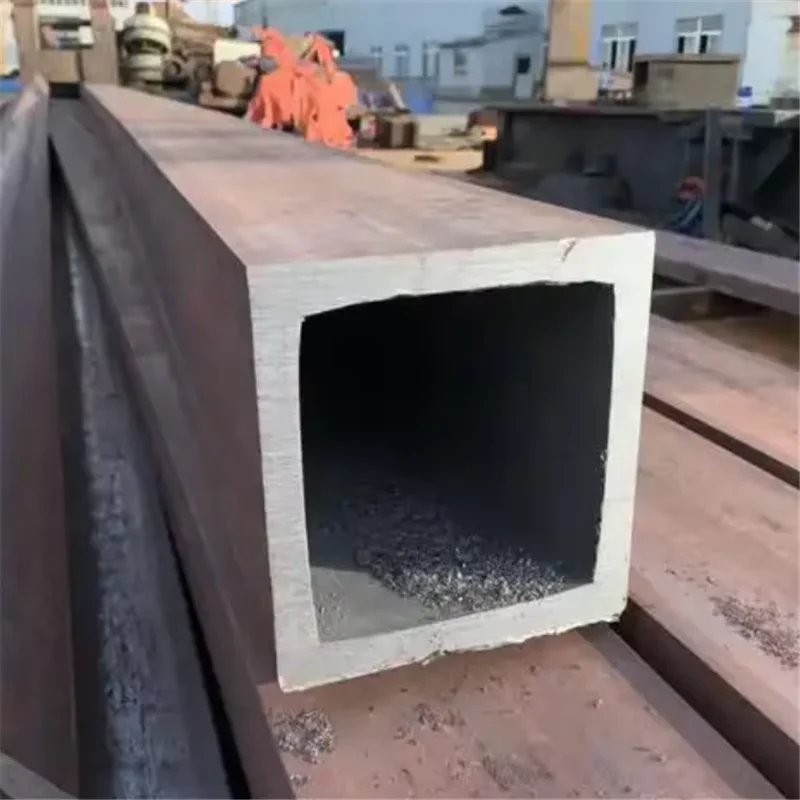
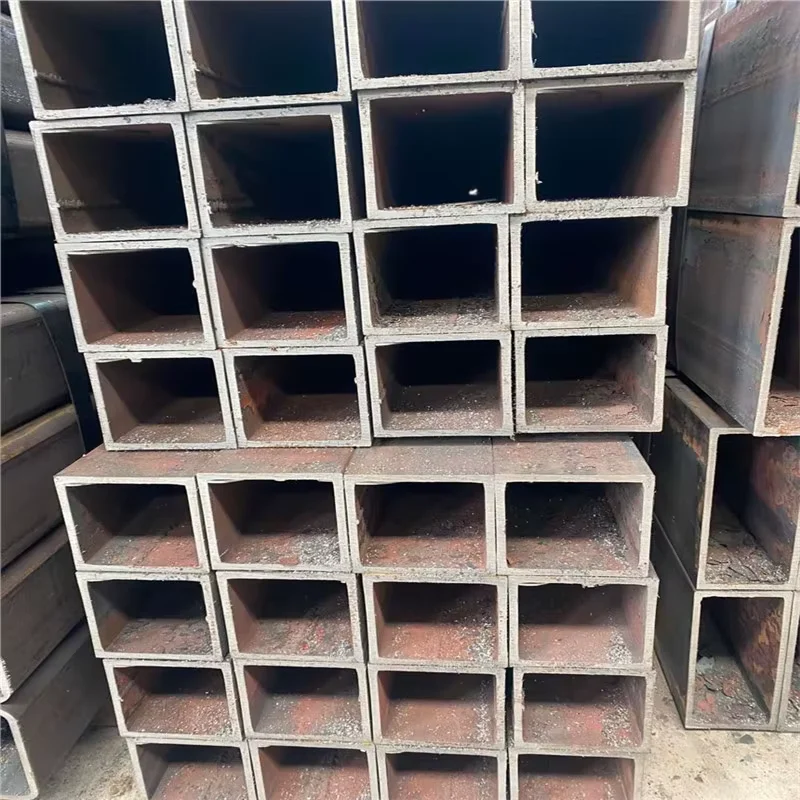
Factory-Direct EN10210 Manufacturer — Every S355J2H sharp corner square and rectangular steel tube rolls from our own ERW lines with full CE documentation, cutting out trading margins.
Technical Specifications
| Parameter | Value |
|---|---|
| Designation | S355J2H Sharp Corner Square and Rectangular Steel Tube |
| Product Type | Sharp Corner Square and Rectangular Welded Steel Tube |
| Steel Grade | S235JR, S275JR, S355JR, S355J2H, S355J0, ASTM A53 GR.B, Q460, A36, SS400 |
| Standard | EN10210, EN10219 |
| Section Shape | Square / Rectangular |
| Size Range | 15×15 mm – 1000×1000 mm (Square); 20×30 mm – 600×800 mm (Rectangular) |
| Wall Thickness | 0.5 mm – 50 mm |
| Length | 5.8 m – 14 m or as required |
| Technique | ERW (Electric Resistance Welded) |
| Surface Treatment | Galvanized / 3PE / Painted / Oiled / Bare / Varnish |
| Ends | Plain / Cut / Threaded / Beveled / Flanged |
| Tolerance | ±1% |
| Application | Steel structures / Construction frames / Machinery / Scaffolding / Furniture / Greenhouse / Urban and civil construction / Low pressure fluid transport |
| MOQ | 1 Ton |
| Origin | Shandong, China |
Application Suitability
| Industry | Typical Applications |
|---|---|
| Architectural Facades | Glass curtain wall framing, exposed steel facades, right-angle corner joints |
| Steel Structure Fabrication | Building columns, beam-to-column connections, bridge trusses |
| Industrial Machinery | Conveyor frames, crane booms, equipment support structures |
| Civil Infrastructure | Scaffolding systems, sound barrier posts, solar mounting structures |
Where S355J2H Certification Decides EU Customs Clearance
A missing or incorrect EN10210 reference on the CE certificate can hold a container at Rotterdam for weeks.
Procurement teams ordering S355J2H sharp corner square and rectangular steel tube for European projects frequently discover that the mill test certificate cites EN10219 when the structural engineer specified EN10210, or vice versa. The two standards cover different production routes — EN10210 for hot-formed and EN10219 for cold-formed — and customs authorities in EU member states reject shipments where the declared standard does not match the certificate. [NEED_CITE: EN 10210 vs EN 10219 hollow section standard scope differences] Beyond the standard mismatch, sharp-corner geometry itself raises inspection scrutiny: rounded-corner tubes marketed as “sharp corner” fail dimensional checks on facade projects where 90-degree edges must mate flush with glass panels.
Matching Sharp-Corner Geometry to Facade and Structural Demands
Facade contractors specifying S355J2H sharp corner square and rectangular steel tube need true 90-degree internal and external corners — not the R≥2t radius that standard cold-formed rectangular tubes produce. Our patented sharp-corner forming process achieves this geometry across wall thicknesses up to 50 mm, allowing the tube to sit flush against glass curtain wall mullions without filler plates. For structural frames, the same right-angle profile simplifies beam-to-column bolted connections because the flat corner face provides full bearing contact. The S355J2H grade delivers the sub-zero impact toughness required for outdoor structures in northern European climates, while the ±1% dimensional tolerance keeps fabrication shop drawings accurate.
Engineering Compliance and Surface Protection Pathways
Structural designers working to EN 1993-1-1 require hollow sections that conform to either EN10210 or EN10219, with full chemical and mechanical traceability per heat number. The S355J2H designation guarantees Charpy impact testing at −20°C, a critical requirement for bridges and exposed canopies in cold regions. [NEED_CITE: EN 1993-1-1 hollow section compliance requirements] Surface treatment selection follows the corrosion environment: hot-dip galvanized coating suits outdoor scaffolding and solar structures, 3PE coating fits buried or splash-zone applications, and painted or oiled finishes serve indoor machinery frames where appearance matters less than cost. For projects shipping to non-EU markets, equivalent grades such as ASTM A500 Gr.C or Q460 can be substituted while maintaining the same sharp-corner geometry.
Steel Grade Selection and ERW Weld Integrity
The S-series grades (S235JR through S355J2H) follow the European EN system where the number indicates minimum yield strength in MPa and the suffix denotes impact test temperature — JR at +20°C, J0 at 0°C, J2 at −20°C. Selecting S355J2H over S235JR roughly doubles the yield capacity, allowing smaller section sizes and lighter structures. The Q460 grade from the Chinese GB system offers comparable strength for domestic projects, while ASTM A53 GR.B serves North American piping applications. Our ERW welding process produces a longitudinal seam that undergoes online ultrasonic inspection, ensuring the weld zone matches the parent metal in both strength and corner-forming ductility. [NEED_CITE: ERW weld quality inspection methods for structural hollow sections] Wall thickness tolerance of ±1% means the actual weight stays close to theoretical calculations, preventing the cost overruns that come from negative-tolerance overruns common in spot-market purchases.
Hidden Costs of Incorrect Grade or Corner Specification
Ordering a standard rectangular tube when the drawings call for sharp-corner geometry forces the fabricator to grind corners or add filler plates — both adding labor cost and delaying handover. More seriously, supplying S235JR when S355J2H was specified compromises structural safety in cold climates because the JR grade lacks verified impact toughness below +20°C. [NEED_CITE: Charpy impact test requirements for structural steel in cold environments] Certification gaps create a different kind of cost: a container of tubes without a valid CE mark or with an EN standard mismatch cannot clear EU customs, generating demurrage charges and forcing air-freight replacements that erase any original price saving.
Why Procurement Teams Source S355J2H Sharp Corner Tube from Our Mill
Our facility holds 41 invention patents including the original Chinese patent for sharp-corner rectangular tube forming, a technology that fills a gap in both domestic and international markets. Three dedicated ERW production lines cover over 2,800 specification combinations, meaning a single order can mix 100×100×4 facade tubes with 400×200×12 structural beams without splitting the purchase across multiple suppliers. Every S355J2H sharp corner square and rectangular steel tube passes through our in-house physical and chemical laboratory before release, producing mill test certificates that document actual heat-by-heat chemistry and mechanical results. Full CE certification under EN10210 and EN10219, verified by Lloyd’s Register, plus Singapore FPC and SGS/BV third-party inspection capability, removes documentation risk for EU and regulated-market imports. Custom non-standard sizes and lengths are available with a 1 Ton minimum order, and our export packing team designs container loading plans that prevent corner damage during ocean transit.
Documentation & Compliance
- Mill test certificate documenting S355J2H chemical composition, yield strength, and −20°C Charpy impact results per EN10219, issued per heat number
- CE certificate of conformity referencing EN10210 for hot-formed or EN10219 for cold-formed S355J2H sharp corner square and rectangular steel tube, issued by Lloyd’s Register
- ISO 9001:2015 quality management system certificate covering the full production and inspection chain
- SGS or BV third-party inspection report available upon request, covering dimensional checks, weld integrity, and coating thickness
- Material traceability report linking each bundle to its heat number, production date, and test results
- Export customs documents including packing list, bill of lading, and certificate of origin formatted for the destination country
Packaging, Loading & Delivery
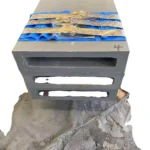
- S355J2H sharp corner tubes bundled with high-tensile steel strips and separated by timber spacers to protect the 90-degree corners from edge deformation during transit
- Galvanized S355J2H sections wrapped with waterproof cloth and edge protectors to preserve the zinc coating against salt-air exposure during ocean freight
- Container loading plans optimized for 5.8 m and 12 m lengths of square and rectangular tubes, maximizing payload while preventing shift during vessel roll
- Cut-to-length service available for any length between 5.8 m and 14 m, with beveled or threaded ends prepared per drawing before packing
- Heat number and steel grade stenciled on each bundle, with color-coded end markings distinguishing S355J2H from S235JR or S355JR on mixed orders
- FOB, CIF, and DDP shipping terms available from Qingdao port, with full tracking and door-to-door coordination for project sites across Europe, the Middle East, and Southeast Asia
Requesting a Project-Specific Quotation
Submit your drawing list or specification sheet including section size, wall thickness, steel grade, surface treatment, total tonnage, and destination port. Our technical team responds within 12 hours with unit pricing, production lead time, and a draft mill test certificate format for your engineer’s approval. For non-standard sizes or mixed-container orders, we provide a detailed loading plan before contract signing so you can confirm freight cost and arrival sequence.
Frequently Asked Questions
Q: What is the difference between EN10210 and EN10219 for S355J2H sharp corner square and rectangular steel tube?
A: EN10210 covers hot-finished structural hollow sections, while EN10219 covers cold-formed welded structural hollow sections. Both standards accept S355J2H grade, but the production route affects corner geometry, residual stress distribution, and dimensional tolerance. Your structural engineer will specify which standard applies based on the design code.
Q: Can you produce sharp-corner rectangular tubes in non-standard sizes with a small order quantity?
A: Yes. Our patented forming technology allows custom section sizes outside the standard 20×30 mm to 600×800 mm rectangular range, and the minimum order quantity is 1 Ton. We maintain 2,800+ specification combinations across our three production lines, so many non-standard requests can be fulfilled from existing tooling.
Q: How do you ensure the corners remain truly 90 degrees after welding and forming?
A: The sharp-corner forming process uses a proprietary multi-pass die sequence that gradually bends the flat strip into a true right angle without springback. Each production batch undergoes dimensional inspection in our in-house laboratory, verifying that internal and external corner angles meet the 90-degree requirement within the ±1% tolerance.
Q: What documentation do I need for EU customs clearance when importing S355J2H tubes?
A: EU customs requires a valid CE certificate referencing either EN10210 or EN10219, a mill test certificate per EN 10204 3.1 or 3.2, and a declaration of conformity. We provide all three documents with every shipment, and our CE certification is issued by Lloyd’s Register, which is accepted across all EU member states.
Q: Which surface treatment is best for outdoor structural applications?
A: For outdoor structures exposed to weather, hot-dip galvanizing provides the longest corrosion protection life. For buried or splash-zone applications, 3PE coating offers superior resistance. Painted finishes suit architectural facades where color matching matters. We can advise based on your specific environment and design life requirements.
Get Your S355J2H Sharp Corner Tube Quote with Full CE Documentation
Send your specification list to our technical team and receive a detailed quotation with mill test certificate preview within 12 hours.
Mobile/WhatsApp/WeChat: +86 188 5315 7756 | Email: admin@sdxjypipe.com